

Camponotus karaha
- Scientific Name
- Camponotus karaha
- Subgenus
- Myrmosaga
- Tribe
- Camponotini
- Subfamily
- Formicinae
- Author
- Rasoamanana <i>et al.</i>, 2017
- Distribution
- Found in 1 countries
Camponotus karaha Overview
Camponotus karaha is an ant species of the genus Camponotus. It is primarily documented in 1 countries , including Madagascar. Detailed taxonomic data and occurrence records can be further explored via authoritative databases such as AntWeb or the Global Biodiversity Information Facility (GBIF).
Camponotus karaha
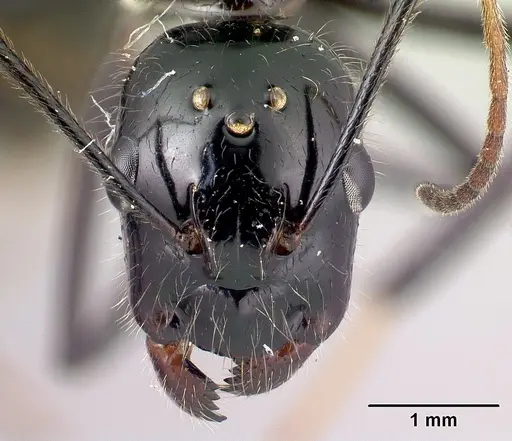
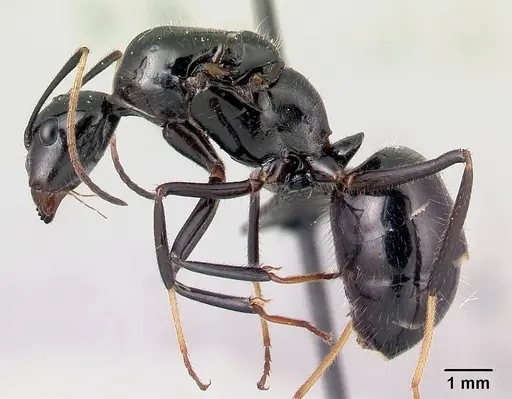
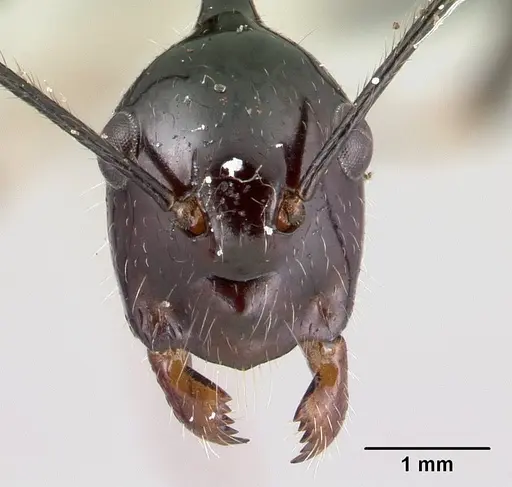
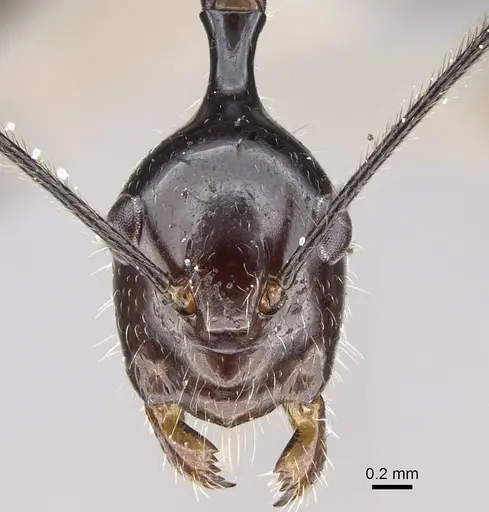
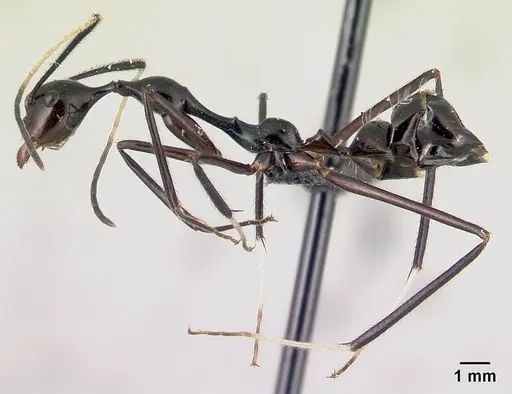
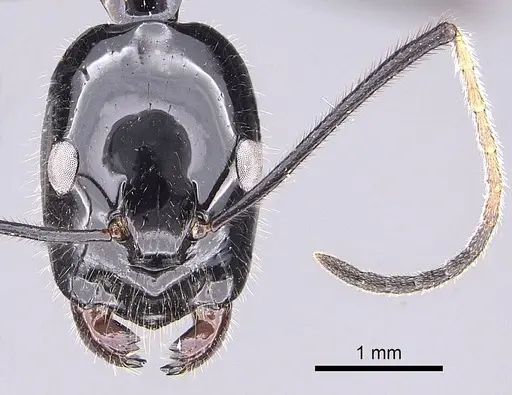
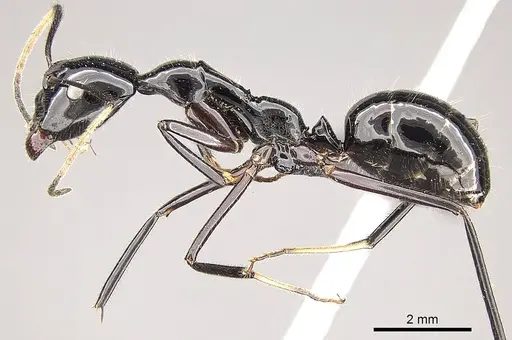
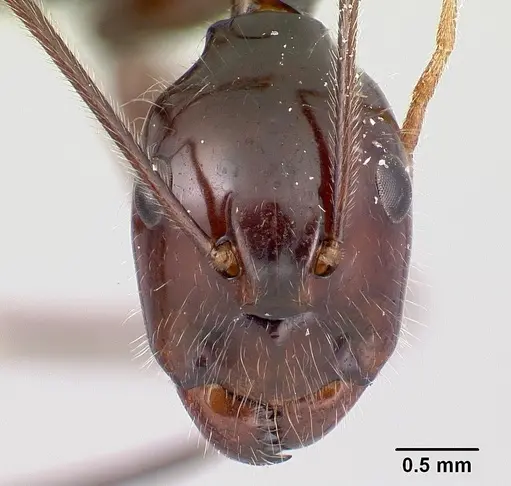
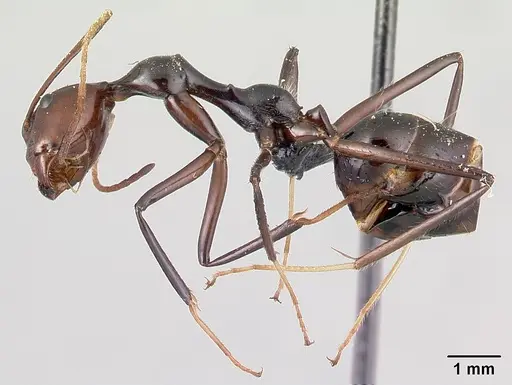
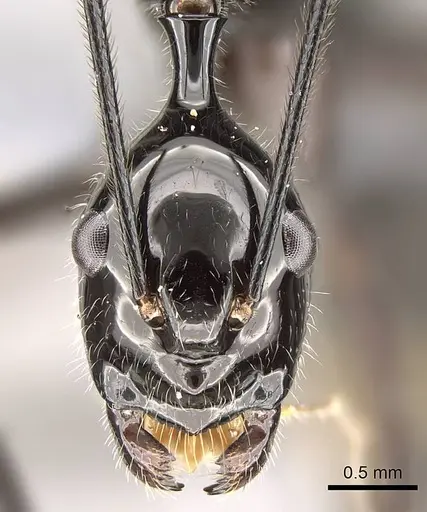
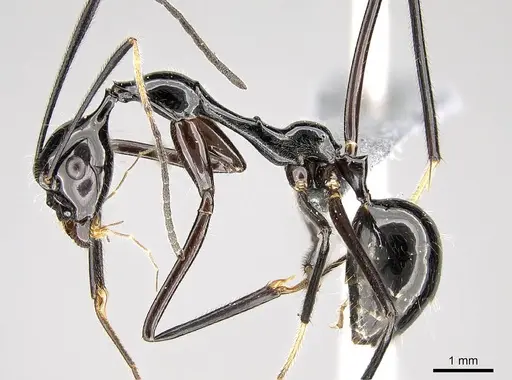
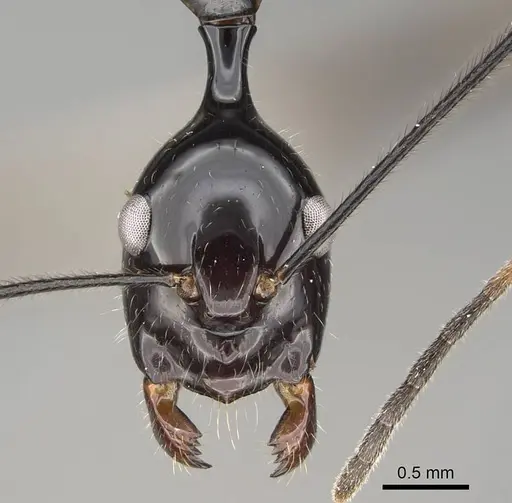
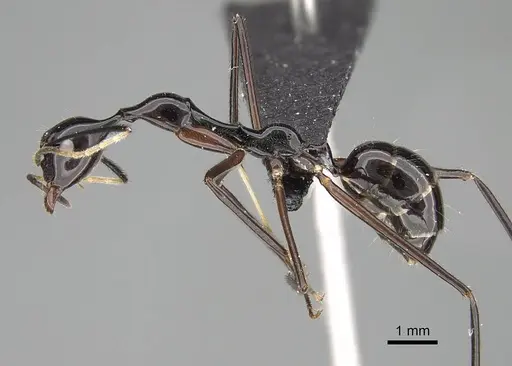
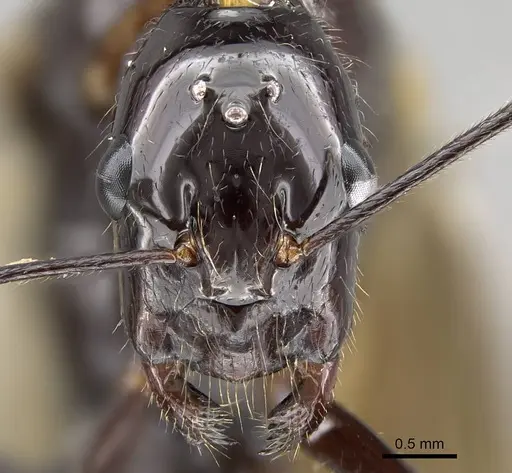
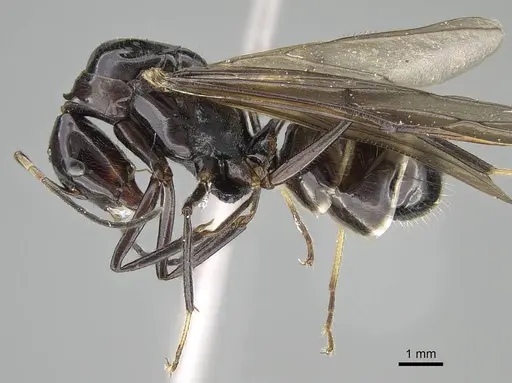
Camponotus karaha is a small carpenter ant endemic to Madagascar, belonging to the subgenus Myrmopytia. Workers are predominantly black with a distinctive elongated head shape, measuring 1.4-1.9mm for minors and 1.9-2.3mm for majors [1]. This species is remarkable for its remarkable mimicry, it closely resembles and behaves like ants in the Aphaenogaster swammerdami group, often foraging alongside them in the rainforest [2]. The species name 'karaha' means 'similar' or 'look-alike' in Malagasy, directly referencing this mimicry behavior [1]. Found in the eastern rainforest and montane rainforest of Madagascar at elevations from 175 to 1325 meters, these ants nest in rotten logs and on low vegetation.
Quick Summary
- Difficulty: Medium
- Origin & Habitat: Eastern rainforest and montane rainforest of Madagascar, elevations 175-1325m [1]. Found in rotten logs and on low vegetation in humid forest environments.
- Colony Type: Single-queen colonies (monogyne), colony structure is typical for Camponotus species
- Colony: Monogyne
- Founding: Claustral
- Size & Growth:
- Queen: Undescribed in primary literature, estimated 8-10mm based on typical Camponotus queen size
- Worker: Minor workers 1.35-1.92mm, major workers 1.92-2.28mm [1]
- Colony: Unknown, likely moderate colonies typical of rainforest Camponotus
- Growth: Moderate, typical Camponotus development rate
- Development: 6-10 weeks estimated based on typical Camponotus genus patterns (Development time inferred from related Camponotus species, actual timeline may vary)
- Antkeeping:
- Temperature: Keep at 24-28°C, these are tropical rainforest ants requiring warm, stable temperatures
- Humidity: High humidity required, aim for 70-85%. Keep nest substrate consistently moist but not waterlogged, mimicking the damp forest floor environment.
- Diapause: No, as a tropical species from Madagascar, they do not require hibernation. Maintain warm conditions year-round.
- Nesting: Prefers nesting in wood-based substrates, rotten logs in nature. In captivity, Y-tong nests or plaster nests with wood sections work well. Provide damp substrate that holds moisture.
- Behavior: These ants are relatively docile and not aggressive. They are daytime foragers and, uniquely, often associate with Aphaenogaster species in the wild due to their mimicry. Workers are active foragers but not particularly escape-prone, standard escape prevention measures are sufficient for their medium size.
- Common Issues: tropical species requires consistent warmth, cold temperatures can slow or stop brood development, high humidity needs mean drying out is a common problem, monitor substrate moisture regularly, small colony size at first means founding colonies are fragile and sensitive to disturbance, mimicry behavior may cause unusual foraging patterns, they may follow other ant species
Housing and Nest Setup
Camponotus karaha naturally nests in rotten logs and decaying wood in Madagascar's rainforests [1]. In captivity, provide a nest that mimics these conditions. Y-tong (acrylic) nests work well, or you can use a plaster nest with a water reservoir to maintain humidity. The chambers should be appropriately sized for their small worker size, avoid overly large, open spaces. A small outworld for foraging allows workers to search for food. Since they come from a humid forest environment, ensure the nest substrate stays damp but not saturated. A water test tube connected to the nest helps maintain humidity through evaporation.
Feeding and Diet
Like most Camponotus species, these ants are omnivorous. They accept sugar sources (honey water, sugar water) and protein foods. In the wild, they forage alongside Aphaenogaster species and likely scavenge or collect honeydew from aphids. Feed them a mix of sugar water (offered constantly on a cotton ball or in a feeder) and protein sources like small insects (fruit flies, small mealworms, crickets). Offer protein 2-3 times per week, adjusting based on colony size. Remove uneaten prey after 24 hours to prevent mold. Their small size means prey items should be appropriately scaled, very small insects or pre-killed pieces work best. [2]
Temperature and Humidity
As a tropical species from Madagascar's rainforest, C. karaha requires warm and humid conditions. Keep the nest area at 24-28°C consistently. A heating cable on one side of the nest can create a gentle gradient, but avoid direct heat that could dry out the nest. Temperature drops below 20°C can slow or halt brood development. For humidity, aim for 70-85% relative humidity within the nest. The substrate should feel consistently damp to the touch. Mist the outworld occasionally and monitor water levels in any test tube reservoirs. Good ventilation helps prevent mold while maintaining humidity, avoid completely sealed nests. [2]
Colony Development
Camponotus karaha is claustral, the queen seals herself in a chamber and survives entirely on her stored fat reserves while raising the first brood. After mating (nuptial flights), the dealated queen finds a suitable nesting site, seals herself in, and lays eggs. The eggs develop through larvae and pupae to become workers (nanitics), typically smaller than mature workers. This process takes approximately 6-10 weeks under optimal conditions. Once the first workers emerge, the colony expands gradually. Minor workers handle most tasks, while major workers (if present in mature colonies) may defend the nest or process larger prey. Growth is moderate, expect several months before you have a robust colony. [1]
Behavior and Unique Traits
One of the most fascinating aspects of C. karaha is its mimicry behavior. This ant species has evolved to look and behave like members of the Aphaenogaster swammerdami group, a completely different genus. They are often found foraging right alongside these unrelated ants. The benefits of this mimicry aren't fully studied, but it may help them avoid predators or gain access to food sources. In captivity, you might observe this species exhibiting bold foraging behavior. They are not particularly aggressive and rarely sting. Their medium size and relatively calm demeanor make them manageable for keepers. Standard escape prevention (fluon on edges, tight-fitting lids) works well for this species. [2]
Frequently Asked Questions
How long does it take for Camponotus karaha to produce first workers?
Expect first workers (nanitics) approximately 6-10 weeks after the queen lays eggs, assuming optimal conditions around 26°C. This is typical for Camponotus species. The exact timeline depends on temperature, warmer conditions slightly accelerate development.
What temperature do Camponotus karaha ants need?
Keep them at 24-28°C. These tropical rainforest ants need consistent warmth. A heating cable on part of the nest can provide a gradient, but avoid temperatures below 20°C as it stops brood development.
Can I keep multiple Camponotus karaha queens together?
No. This species is monogyne, they form single-queen colonies. Combining unrelated queens will result in fighting. Only keep one queen per colony.
What do Camponotus karaha eat?
They accept sugar water or honey as an energy source, plus small insects like fruit flies, pinhead crickets, or small mealworms for protein. Offer sugar constantly and protein 2-3 times per week.
Are Camponotus karaha good for beginners?
They are rated as medium difficulty. While not the easiest species, their relatively straightforward care requirements make them suitable for keepers with some experience. The main challenges are maintaining humidity and warmth.
What size colony do Camponotus karaha reach?
Colony size is not well documented, but based on typical Camponotus patterns, they likely reach several hundred workers in mature colonies. Growth is moderate, expect several months to a year to establish a strong colony.
Do Camponotus karaha need hibernation?
No. As a tropical species from Madagascar, they do not require hibernation or winter cooling. Keep them warm year-round at 24-28°C.
What nest type is best for Camponotus karaha?
Y-tong (acrylic) nests or plaster nests work well. They naturally nest in rotting wood, so providing a wood-based section or ensuring the nest material can hold moisture is important. Keep the nest humid.
Why does Camponotus karaha look like a different ant species?
This is called Batesian mimicry, C. karaha has evolved to resemble the unrelated Aphaenogaster swammerdami group. This mimicry likely helps them avoid predators or forage more effectively. The species name 'karaha' literally means 'similar' or 'look-alike' in Malagasy.
References

This caresheet is licensed under CC BY-SA 4.0 .
CASENT0067554
View on AntWeb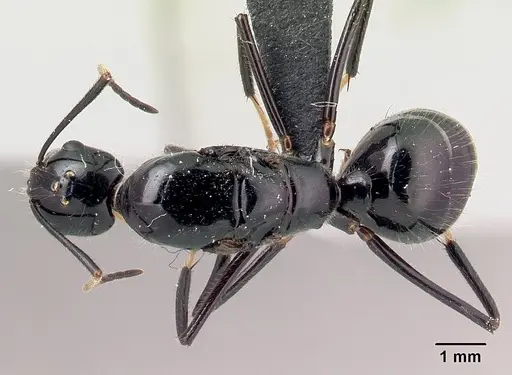
CASENT0067555
View on AntWeb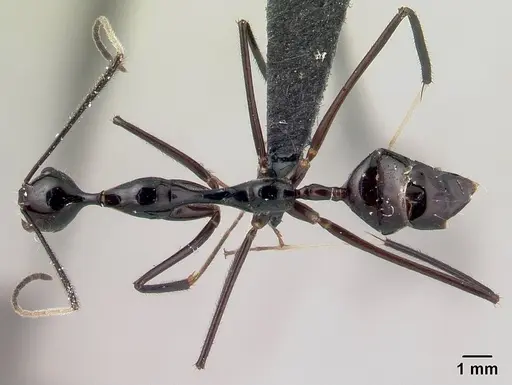
CASENT0151921
View on AntWeb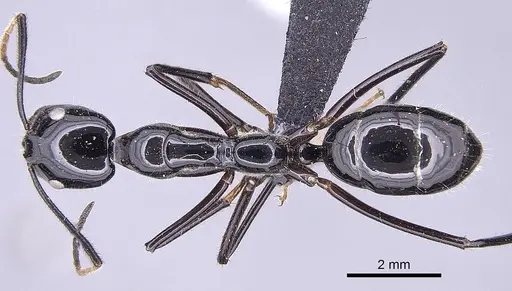
CASENT0179435
View on AntWeb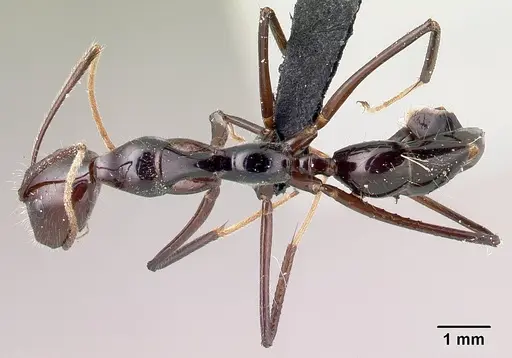
CASENT0353274
View on AntWeb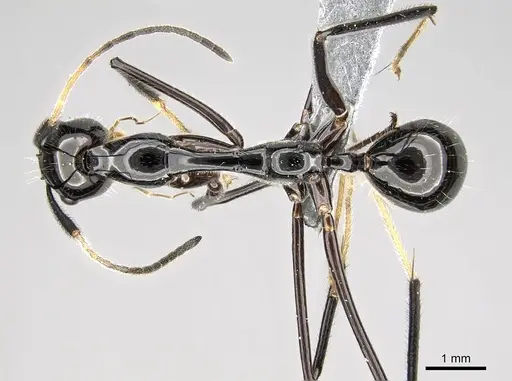
CASENT0487715
View on AntWeb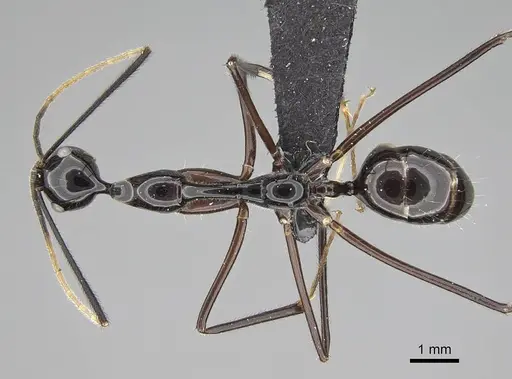
CASENT0497942
View on AntWeb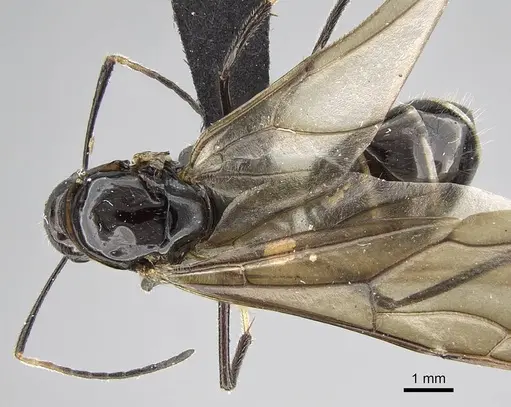
Literature
Loading...Loading products...