

Camponotus judithmorrisae
- Scientific Name
- Camponotus judithmorrisae
- Tribe
- Camponotini
- Subfamily
- Formicinae
- Author
- McArthur, 2008
- Distribution
- Found in 1 countries
Camponotus judithmorrisae Overview
Camponotus judithmorrisae is an ant species of the genus Camponotus. It is primarily documented in 1 countries , including Australia. Detailed taxonomic data and occurrence records can be further explored via authoritative databases such as AntWeb or the Global Biodiversity Information Facility (GBIF).
Camponotus judithmorrisae
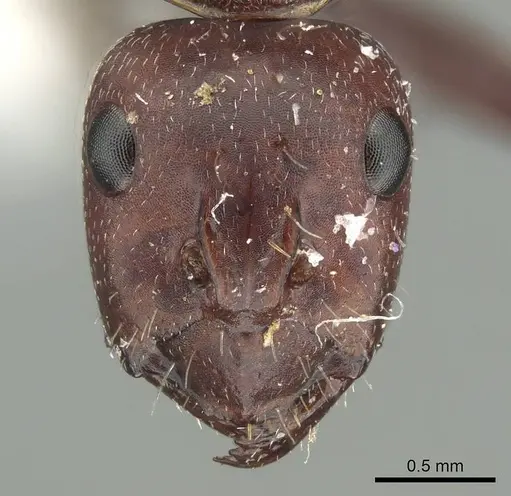
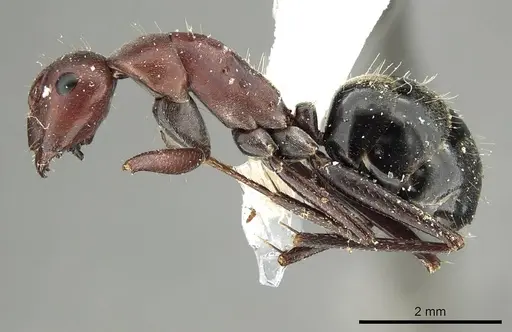
Camponotus judithmorrisae is an Australian carpenter ant species described in 2008. Workers are distinctive with a bright red head and mesosoma contrasting against a black gaster (abdomen). This species belongs to the Camponotus ephippium group, which is known for ground-nesting habits. Minor workers have a convex vertex and nearly straight propodeal dorsum, while major workers develop larger heads with specialized mouthparts. The species was named after Judith Morris, a benefactor of the South Australian Museum [1].
This is a ground-nesting Camponotus found across multiple Australian states including South Australia, New South Wales, Queensland, and Victoria. The bright red coloration makes them visually striking compared to many other Camponotus species. They represent a relatively newly described species with limited captive keeping information available.
Quick Summary
- Difficulty: Medium
- Origin & Habitat: Native to Australia, specifically found in South Australia (including Hallett Cove type locality), New South Wales, Queensland, and Victoria. This is a ground-nesting species collected from pitfall traps in various Australian habitats [1].
- Colony Type: Single-queen colonies (monogyne) typical of most Camponotus species. Colony structure for this specific species has not been extensively studied.
- Colony: Monogyne
- Founding: Claustral
- Size & Growth:
- Queen: Estimated 12-16mm based on typical Camponotus queen size ranges, not directly measured for this species
- Worker: Minor workers approximately 6-8mm, major workers larger with robust heads [1]
- Colony: Unknown for this species, likely several hundred workers based on typical Camponotus colony development
- Growth: Moderate, typical Camponotus growth pattern
- Development: Estimated 6-10 weeks based on typical Camponotus development at optimal temperature (Direct development data not available for this species, estimates based on genus-level patterns)
- Antkeeping:
- Temperature: Keep at room temperature around 20-24°C. Australian species may tolerate warmer conditions. Provide a temperature gradient allowing workers to choose their preferred zone.
- Humidity: Moderate humidity around 50-60%. Ground-nesting species that benefits from some moisture but not saturated conditions. Provide a water tube and allow the nest area to dry slightly between rehydration.
- Diapause: Likely requires a winter rest period (diapause) of 2-3 months at cooler temperatures (10-15°C) based on temperate Australian distribution. This aligns with other Camponotus species from similar latitudes.
- Nesting: Ground-nesting species. In captivity, they do well in Y-tong (AAC) nests, plaster nests, or naturalistic setups with soil substrate. Provide nesting chambers scaled to colony size.
- Behavior: Generally calm temperament typical of larger Camponotus species. Workers are not particularly aggressive but will defend the nest if threatened. They are primarily nocturnal foragers. Escape risk is moderate, use standard Camponotus escape prevention (fluon on edges, tight-fitting lids). Their larger size makes them easier to contain than tiny ants but they can still climb smooth surfaces.
- Common Issues: limited species-specific information means some care parameters are estimates, ground-nesting requirements may differ from typical test tube setups, winter diapause is important for colony health but timing varies by region, slow founding phase, new colonies may take months to establish, Australian species may have specific humidity requirements different from common pet species
Housing and Nest Setup
Camponotus judithmorrisae is a ground-nesting species, so provide nesting options that mimic soil or underground chambers. Y-tong (acrylic) nests work well with chambers sized appropriately for the colony. Plaster nests with moisture reservoirs maintain appropriate humidity. naturalistic setups with a soil layer allow for natural digging behavior. For founding colonies, a test tube setup with a cotton ball water reservoir works, but transfer to a proper nest once the colony reaches 20-30 workers. Ensure the nest has multiple chambers of varying sizes as the colony grows. [1]
Feeding and Diet
Like other Camponotus species, they are omnivorous. Offer sugar water or honey as a constant energy source. Protein sources include small insects (fruit flies, small crickets, mealworms). Feed protein 2-3 times per week, adjusting based on colony size and brood development. Remove uneaten prey after 24-48 hours to prevent mold. Workers will typically forage at night. A varied diet supports healthy colony growth and reproduction.
Temperature and Seasonal Care
Maintain temperatures between 20-24°C for optimal activity and brood development. A slight temperature gradient allows workers to regulate their own conditions. During Australian winter (roughly June-August in their native range), reduce temperatures to 10-15°C for a diapause period. This winter rest is important for colony health and may trigger reproductive cycles in spring. Do not abruptly change temperatures, transition gradually over 1-2 weeks. [1]
Colony Development and Growth
Camponotus colonies grow more slowly than many smaller ant species. Founding colonies may take 2-3 months before the first workers (nanitics) emerge. The queen is claustral, she seals herself in and raises the first brood alone without foraging. Initial broods develop slowly as the single queen tends to them. Once workers emerge, growth accelerates but still moderate compared to species like Tetramorium. Patience is key with this genus.
Behavior and Observation
These ants are generally calm and less aggressive than some Camponotus species. Workers are primarily nocturnal, becoming more active in evening hours. They forage for sugar sources and small prey. The distinctive red coloration with black gaster makes them visually striking and easy to identify. Major workers, when present, have larger heads and may specialize in seed processing or defense. Observe colony activity patterns to fine-tune feeding schedules. [1]
Frequently Asked Questions
How long does it take for Camponotus judithmorrisae to produce first workers?
Expect 6-10 weeks from egg to first worker under optimal conditions (around 22-24°C). This is typical for Camponotus species. The exact timeline depends on temperature and queen health.
What do Camponotus judithmorrisae ants eat?
They eat sugar water, honey, and small insects. Offer protein (fruit flies, small crickets, mealworms) 2-3 times per week and keep a sugar source constantly available.
What temperature should I keep Camponotus judithmorrisae at?
Keep them at room temperature, ideally 20-24°C. A slight gradient is beneficial. They can tolerate warmer conditions but avoid temperatures above 30°C.
Do Camponotus judithmorrisae need hibernation?
Yes, they likely require a winter rest period (diapause) of 2-3 months at cooler temperatures around 10-15°C, reflecting their Australian temperate distribution.
Is Camponotus judithmorrisae good for beginners?
This species is rated as medium difficulty. While Camponotus in general are manageable, this newly described species has limited captive information available. Beginners may want to start with more common species first.
When should I move my colony to a formicarium?
Keep founding colonies in a test tube setup until you have 20-30 workers. Then you can transfer to a Y-tong or plaster nest. Ensure the new nest has appropriately sized chambers.
How big do Camponotus judithmorrisae colonies get?
Colony size is not documented for this specific species, but typical Camponotus colonies reach several hundred workers. Growth is moderate and takes time.
Can I keep multiple queens together?
This species is monogyne, single queen colonies. Do not combine unrelated foundress queens as they will fight. One queen per colony is standard.
Why is my colony not growing?
Check temperature (should be 20-24°C), ensure the queen is still laying eggs, and verify the colony has adequate protein and sugar. Camponotus grow slowly, patience is essential. Also ensure diapause was provided if appropriate.
References

This caresheet is licensed under CC BY-SA 4.0 .
CASENT0915761
View on AntWeb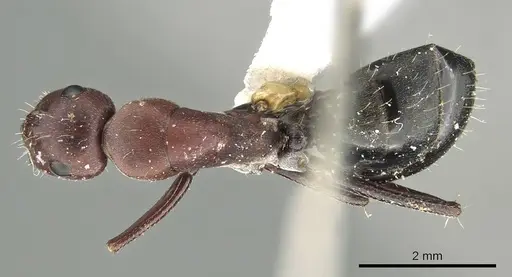
Literature
Loading...Loading products...