

Camponotus janeti
- Scientific Name
- Camponotus janeti
- Subgenus
- Myrmamblys
- Tribe
- Camponotini
- Subfamily
- Formicinae
- Author
- Forel, 1895
- Distribution
- Found in 1 countries
Camponotus janeti Overview
Camponotus janeti is an ant species of the genus Camponotus. It is primarily documented in 1 countries , including Australia. Detailed taxonomic data and occurrence records can be further explored via authoritative databases such as AntWeb or the Global Biodiversity Information Facility (GBIF).
Camponotus janeti
Camponotus janeti is a large and striking carpenter ant native to northern Queensland, Australia. Major workers reach about 8mm while minor workers are around 5.6mm. They are very dark brown to black overall, with distinctive red teeth, red-brown antennae, and lighter-colored limbs. This species belongs to the Camponotus macrocephalus species-group, characterized by swollen fore femurs and a phragmotic (truncated, flattened) head shape in major workers and queens. Workers are dimorphic with distinct major and minor castes but no intermediate-sized workers. The genus Camponotus is known for claustral founding, where queens seal themselves in and raise their first workers alone on stored fat reserves.
Quick Summary
- Difficulty: Medium
- Origin & Habitat: Northern Queensland, Australia. Known only from a few collections in the Mackay region. The only biological notes mention a collection from a tree in parkland [1].
- Colony Type: Likely monogyne (single queen) based on typical Camponotus patterns. Colony structure is not directly documented for this rare species.
- Colony: Monogyne
- Founding: Claustral
- Size & Growth:
- Queen: Not directly measured in available literature, estimated 12-15mm based on genus patterns for large Camponotus species
- Worker: Major workers: 8mm, Minor workers: 5.6mm [1]
- Colony: Unknown for this species, likely reaches several hundred workers based on typical Camponotus colony growth
- Growth: Moderate, typical for large Camponotus species
- Development: 6-10 weeks at optimal temperature based on genus-level Camponotus data (Development time is inferred from related Camponotus species, specific data for this species is not available)
- Antkeeping:
- Temperature: Keep around 22-26°C. Northern Queensland has a tropical to subtropical climate, so they prefer warm conditions. Use a heating cable on one side of the nest to create a gentle gradient if room temperature is below this range.
- Humidity: Moderate to high humidity. Provide a water tube and keep the nest substrate slightly moist but not waterlogged. Queensland experiences high humidity, so aim for 50-70% relative humidity in the outworld.
- Diapause: Unconfirmed, northern Queensland ants may not require strong hibernation, but a brief cool period (15-18°C for 2-3 months) during winter months may benefit the colony.
- Nesting: In nature, they likely nest in dead wood or tree hollows like other Camponotus species. Y-tong (acrylic) nests or wooden formicaria work well. Provide a dark nesting area and ensure chambers are appropriately sized for their large major workers.
- Behavior: Typical carpenter ant temperament, generally non-aggressive toward humans but will defend their nest if threatened. Major workers have powerful mandibles and can deliver a painful bite. They are primarily nocturnal foragers in the wild. Escape risk is moderate due to their larger size, standard barrier methods like Fluon on container rims work well.
- Common Issues: very rare species with limited availability from suppliers, slow colony growth typical of large Camponotus species may frustrate beginners, wild-caught colonies may have parasites or diseases that are difficult to treat, major workers are large and need appropriately sized formicarium chambers, nesting preferences are not well-documented so experimental setups may be needed
Appearance and Identification
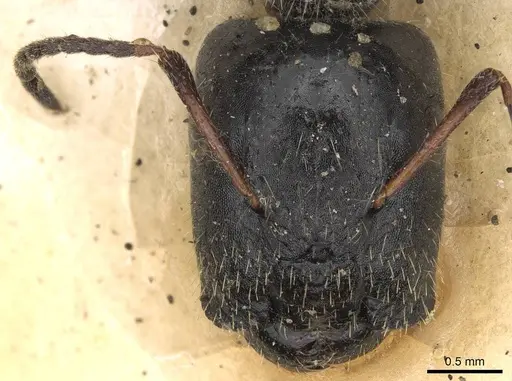
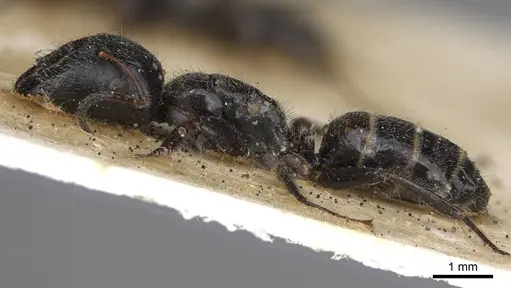
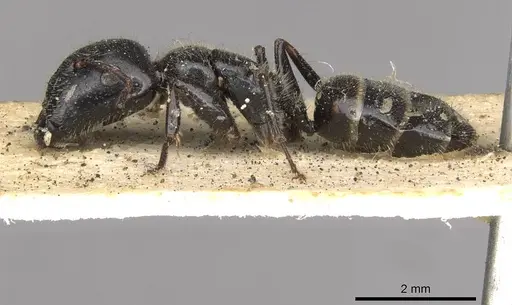
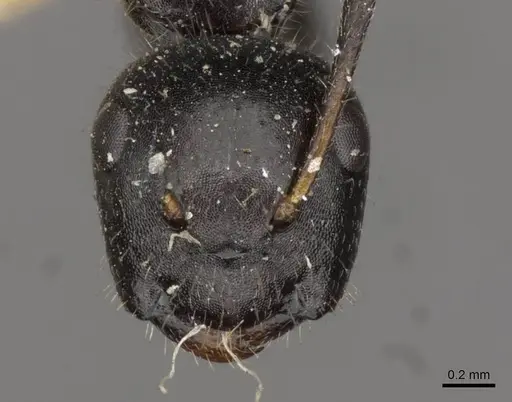
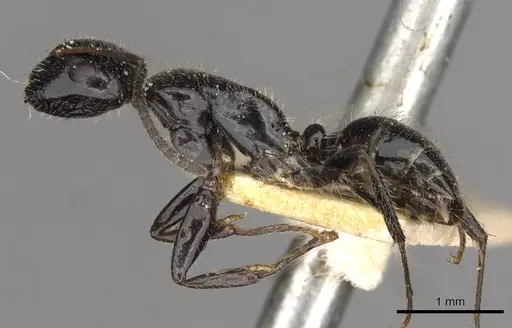
Camponotus janeti is a distinctive large ant that belongs to the Camponotus macrocephalus species-group. Major workers reach about 8mm while minor workers are smaller at around 5.6mm. They are easily recognized by their very dark brown to black coloration with contrasting red teeth, red-brown antennae, and lighter-colored limbs. The most distinctive feature is the swollen fore femurs, which are much thicker than the middle and hind femurs. Major workers have a characteristic truncated (flattened) head shape, giving them a somewhat blocky appearance. The body is covered in plentiful long erect setae (bristles), which is unusual among carpenter ants. Workers are dimorphic, meaning there are only two distinct sizes (major and minor) with no intermediate workers. This species is very rare in the hobby and has only been collected a few times from northern Queensland. [1]
Natural History and Distribution
This species is endemic to northern Queensland, Australia, with most collections coming from the Mackay region. The type locality is The Ridge near Mackay, where Gilbert Turner collected the original specimens. Only a handful of collections have been documented, making this one of the rarer Australian Camponotus species. The only biological notes available indicate that at least one specimen was collected from a tree in parkland, suggesting they may nest in elevated locations like tree hollows rather than ground nests. This aligns with typical Camponotus behavior where they prefer dead wood or tree cavities for nesting. The species was described by Forel in 1895 and has remained poorly studied due to its rarity in the field. [1]
Feeding and Diet
Like other Camponotus species, C. janeti is omnivorous and will accept both protein and sugar sources. In captivity, offer a varied diet including sugar water, honey, or diluted syrup as a constant energy source. For protein, provide insects such as mealworms, crickets, or other small arthropods. Feed protein prey 2-3 times per week, adjusting based on colony size. Large major workers can tackle bigger prey items than smaller carpenter ant species. Remove any uneaten prey after 24-48 hours to prevent mold. Given their Queensland origin, they may have different dietary preferences than temperate Camponotus species, but an omnivorous diet matching other carpenter ants should work well.
Temperature and Heating
As a species from northern Queensland's tropical to subtropical climate, Camponotus janeti prefers warm conditions. Maintain nest temperatures between 22-26°C for optimal brood development. Room temperature may be sufficient if your home stays within this range, otherwise use a heating cable placed on top of the nest (not underneath, to prevent excessive drying). Create a temperature gradient so workers can choose their preferred warmth. Avoid temperatures below 18°C for extended periods or above 30°C. During winter, if you choose to provide a cool period, reduce temperature to 15-18°C for 2-3 months rather than a full hibernation, reflecting their more tropical origin.
Nesting and Housing
In the wild, Camponotus species typically nest in dead wood, tree stumps, or hollow branches. For captive care, Y-tong (acrylic) nests or wooden formicaria work well. The nest should be dark (carpenter ants prefer dark nesting chambers) with appropriately sized chambers for their large major workers. Provide a water tube for humidity and ensure the nest material can hold moisture without becoming waterlogged. The outworld should be simple and easy to clean, with a escape barrier (Fluon or similar) on the rim. Given their large size, standard test tube setups may work for founding colonies but will need upgrading as the colony grows.
Colony Development
Like all Camponotus species, C. janeti has claustral founding where the queen seals herself in a chamber and raises her first workers alone using stored fat reserves. She does not leave to forage during this period. First workers (nanitics) are typically smaller than normal workers but will grow in subsequent broods. Development from egg to worker likely takes 6-10 weeks at optimal temperature, based on genus-level data. Growth rate is moderate, faster than some slow-growing genera but not as rapid as smaller species. Colonies probably reach several hundred workers over time, though exact maximum size is unknown for this rare species. Patience is required as large carpenter ants naturally develop more slowly than smaller ant species.
Frequently Asked Questions
How long does it take for Camponotus janeti to produce first workers?
Based on typical Camponotus development, expect first workers (nanitics) in 6-10 weeks at optimal temperature (22-26°C). This timeline is inferred from genus-level data since specific development time for this species has not been documented.
What do Camponotus janeti ants eat?
They are omnivorous like other carpenter ants. Offer sugar water, honey, or syrup as a constant energy source. For protein, provide insects like mealworms, crickets, or other small arthropods 2-3 times per week. Remove uneaten prey after 24-48 hours.
What temperature do Camponotus janeti ants need?
Keep them warm at 22-26°C. Northern Queensland has a tropical climate, so they prefer these warmer conditions. A heating cable on the nest can help maintain warmth if your room temperature is lower.
Do Camponotus janeti ants need hibernation?
Hibernation is not clearly required for this tropical species. If you want to simulate seasonal changes, a brief cool period at 15-18°C for 2-3 months during winter may be beneficial, but avoid full hibernation conditions.
How big do Camponotus janeti colonies get?
Colony size is not documented for this rare species, but based on typical Camponotus patterns, colonies likely reach several hundred workers over time. Growth is moderate and requires patience.
Are Camponotus janeti ants good for beginners?
This species is rated as medium difficulty. While not the most challenging species, their slow growth and rarity make them better suited for keepers with some experience. Beginners may find the wait for colony development frustrating.
What type of nest is best for Camponotus janeti?
Y-tong (acrylic) nests or wooden formicaria work well. They prefer dark nesting chambers and need appropriately sized passages for their large major workers. Ensure good humidity control with a water tube.
Is Camponotus janeti a rare species to keep?
Yes, this is one of the rarer Australian Camponotus species. It has only been collected a few times in the wild and is not commonly available from ant suppliers. Availability may be limited.
Can I keep multiple queens together?
Not recommended. Camponotus species typically form single-queen colonies. Combining unrelated queens has not been documented for this species and would likely result in fighting.
References

This caresheet is licensed under CC BY-SA 4.0 .
CASENT0906940
View on AntWeb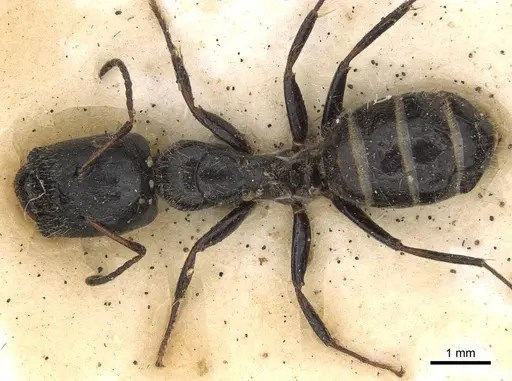
CASENT0906941
View on AntWeb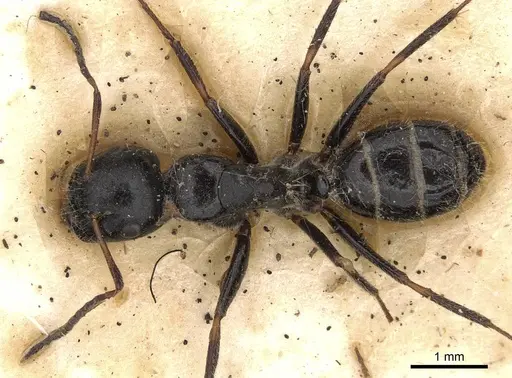
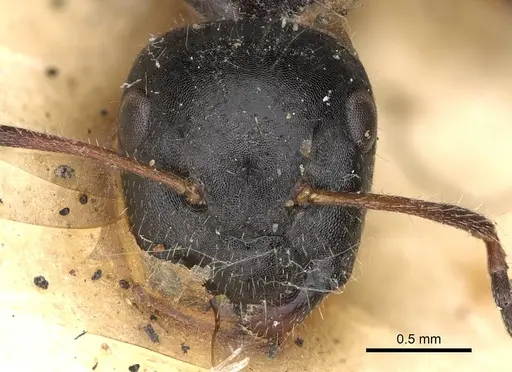
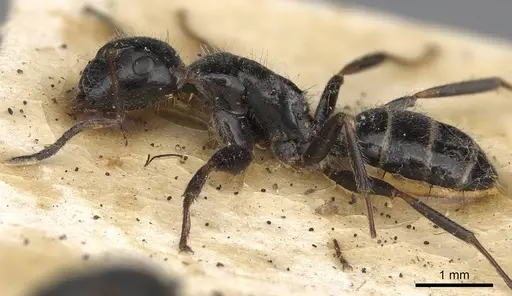
CASENT0910518
View on AntWeb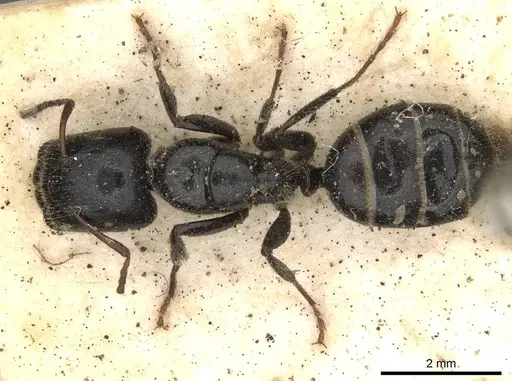
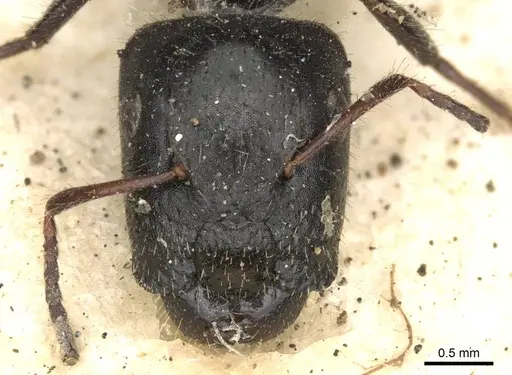
CASENT0910519
View on AntWeb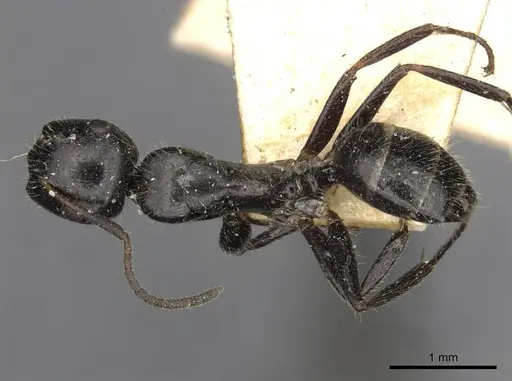
Literature
Loading...Loading products...