

Camponotus ivadia
- Scientific Name
- Camponotus ivadia
- Subgenus
- Mayria
- Tribe
- Camponotini
- Subfamily
- Formicinae
- Author
- Rasoamanana & Fisher, 2022
- Distribution
- Found in 1 countries
Camponotus ivadia Overview
Camponotus ivadia is an ant species of the genus Camponotus. It is primarily documented in 1 countries , including Madagascar. Detailed taxonomic data and occurrence records can be further explored via authoritative databases such as AntWeb or the Global Biodiversity Information Facility (GBIF).
Camponotus ivadia
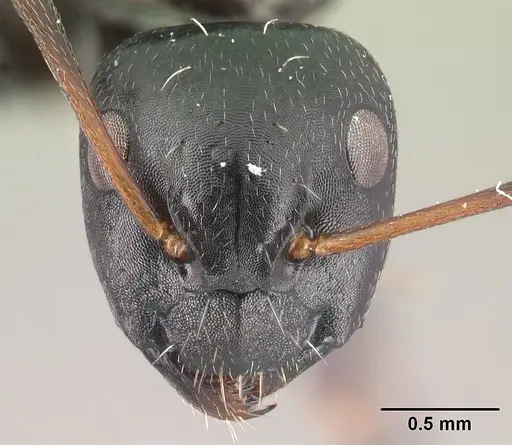
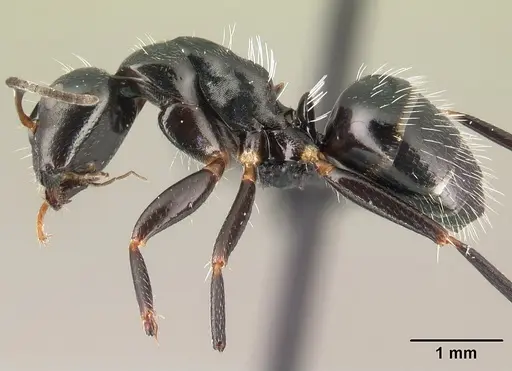
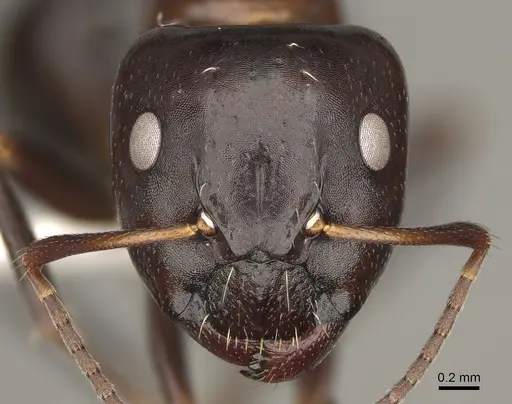
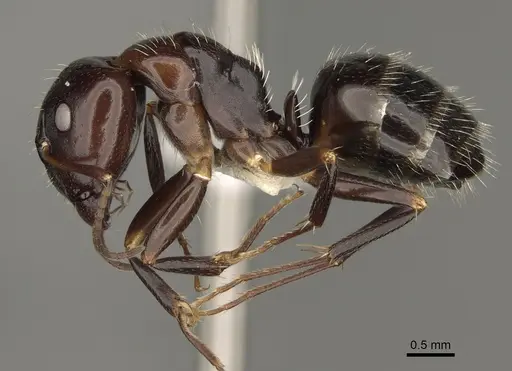
Camponotus ivadia is a medium-sized ant species from northern Madagascar, belonging to the Camponotus madagascarensis species group. Workers are dark brown with a shiny appearance and distinctive white standing hairs across their body, a key identifying feature within their species group. Minor workers measure around 1.2mm in head length, while major workers reach about 1.9mm. This species has only been found in the Forêt d' Ampondrabe within Ankarana Reserve, a tropical dry forest region at 175m elevation. The species name 'ivadia' comes from the low vegetation microhabitat where all specimens have been collected by beating vegetation, suggesting they are surface-active rather than ground-nesting. As a recently described species (2022), captive breeding information is limited, but they follow typical Camponotus patterns for care.
Quick Summary
- Difficulty: Medium
- Origin & Habitat: Known only from Forêt d' Ampondrabe within Ankarana Reserve, northern Madagascar, a tropical dry forest at 175m elevation [1]. All specimens collected by beating low vegetation [1].
- Colony Type: Unconfirmed. Based on typical Camponotus patterns, likely single-queen (monogyne) colonies. No data on ergatoid replacement reproductives for this species.
- Size & Growth:
- Queen: Not yet documented in scientific literature. Based on related Camponotus species from Madagascar, queens likely measure 12-16mm.
- Worker: Minor workers: 1.13-1.30mm cephalic size (approximately 4-6mm total length). Major workers: 1.93mm cephalic size (approximately 7-9mm total length) [1].
- Colony: Unknown for this species. Related Camponotus madagascarensis group species typically reach several hundred workers.
- Growth: Moderate. Camponotus species generally develop more slowly than smaller ants, with first workers appearing in 6-8 weeks under optimal conditions.
- Development: Estimated 6-8 weeks based on typical Camponotus development at 24-26°C. This is inferred from genus-level patterns as species-specific data is not available. (Development time is temperature-dependent, warmer temperatures within safe range accelerate development, while cooler temperatures slow it down.)
- Antkeeping:
- Temperature: Keep at 24-28°C. As a tropical species from Madagascar, they need warm conditions. A heating cable on one side of the nest creates a gradient allowing workers to self-regulate. Room temperature of 25°C is suitable if stable.
- Humidity: Moderate humidity, around 50-70%. The tropical dry forest habitat means they prefer conditions that are damp but not saturated. Keep the nest substrate slightly moist but allow some drying between waterings. Provide a water tube for drinking.
- Diapause: Likely minimal or no true diapause. As a tropical species from low elevation Madagascar, they probably do not require hibernation. However, a slight reduction in temperature during winter months (down to 20-22°C) may be beneficial to simulate seasonal slowdown.
- Nesting: Based on collection method (beating vegetation) and related species, they likely prefer arboreal or surface-level nesting. In captivity, a Y-tong (AAC) nest or plaster nest with narrow chambers works well. Avoid overly wet substrates, dry to moderately moist conditions mirror their natural habitat.
- Behavior: Generally calm and not overly aggressive. Like most Camponotus, they are primarily nocturnal foragers. Workers are moderate in size, large enough to handle common ant foods but not so large they require huge prey items. Escape risk is moderate, standard escape prevention (Fluon on container edges) is sufficient. They are not known to be particularly defensive but will alert if their nest is disturbed.
- Common Issues: new species means limited husbandry information, some trial and error expected, tropical species may struggle in cool or dry environments, slow development compared to smaller ant species may frustrate beginners, wild-caught colonies may carry parasites or diseases not yet understood, single-queen colonies mean losing the queen ends the colony
Housing and Nest Setup
Camponotus ivadia can be housed in standard ant keeping setups. A test tube setup works well for founding colonies, use a standard test tube with a cotton ball providing water, with the queen sealed inside a dark area. Once the colony reaches 15-20 workers, consider moving to a proper formicarium. Y-tong (AAC) nests or plaster nests work well for this species. The chambers should be appropriately sized, not too large for the colony size, as ants feel safer in snugger spaces. Because they were collected from vegetation, they may prefer slightly more vertical space or multiple chambers at different levels. Ensure excellent escape prevention, while not tiny, they can squeeze through small gaps. [1]
Feeding and Diet
Like other Camponotus species, C. ivadia is omnivorous with a preference for sugary foods. Offer sugar water, honey, or diluted maple syrup as a constant energy source. For protein, provide small insects like fruit flies, small crickets, mealworms, or waxworms. Feed protein 2-3 times per week, adjusting based on colony size and consumption. Remove uneaten prey after 24-48 hours to prevent mold. Fresh killed insects are preferred over dried. They may also accept small amounts of seeds or plant matter, though this is not required. Always ensure fresh water is available.
Temperature and Seasonal Care
Maintain temperatures between 24-28°C year-round. This species comes from tropical Madagascar and does not tolerate cool conditions well. Use a heating cable or heating mat on one side of the nest to create a temperature gradient, allowing workers to move between warmer and cooler areas. A gradient of 24-30°C across the nest works well. During winter, a slight reduction to around 20-22°C is acceptable but true hibernation is not recommended for this tropical species. Avoid temperatures below 18°C for extended periods. Keep them away from drafts, air conditioning vents, and windows with direct sunlight that could cause temperature swings. [1]
Handling and Temperament
Camponotus ivadia has a generally calm temperament. They are not particularly aggressive and rarely bite or sting. When disturbed, workers may flee rather than attack. Major workers, if present, are larger and may be more defensive but still pose minimal threat to keepers. They are primarily nocturnal, so expect more activity in the evening and night hours. Workers are moderate-sized and can be handled gently if necessary, though direct handling should be minimized to reduce stress on the colony. Their moderate size makes them easy to feed and observe.
Colony Development
As a recently described species (2022), specific colony development data is not available. Based on typical Camponotus patterns, founding queens are likely claustral, they seal themselves in a chamber and survive on stored fat reserves until the first workers emerge. First workers (nanitics) are typically smaller than normal workers and may take 6-8 weeks to emerge under optimal conditions (24-26°C). Colony growth is moderate, expect several months to reach 50 workers, and potentially a year or more to reach several hundred. Larger colonies will produce more reproductives (new queens and males) during nuptial flight seasons. [1]
Frequently Asked Questions
How long does it take for Camponotus ivadia to produce first workers?
Based on typical Camponotus development, expect first workers (nanitics) in 6-8 weeks at optimal temperatures of 24-26°C. This is an estimate since this specific species has not been documented in captive breeding studies.
What temperature do Camponotus ivadia ants need?
Keep them at 24-28°C. As a tropical species from Madagascar, they need warm conditions year-round. A heating cable on part of the nest creates a beneficial gradient.
What do Camponotus ivadia ants eat?
They are omnivorous. Offer sugary foods like sugar water, honey, or maple syrup constantly. For protein, provide small insects like fruit flies, small crickets, or mealworms 2-3 times per week.
Is Camponotus ivadia good for beginners?
They are rated as Medium difficulty. While not the easiest species, they are manageable for keepers with some experience. The main challenges are their tropical temperature requirements and relatively slow development compared to smaller ant species.
How big do Camponotus ivadia colonies get?
Based on related species in the Camponotus madagascarensis group, colonies likely reach several hundred workers. The exact maximum is unknown as this is a newly described species with limited data.
Do Camponotus ivadia need hibernation?
No. As a tropical species from low elevation Madagascar, they do not require true hibernation. A slight temperature reduction during winter (to around 20-22°C) may be beneficial but is not mandatory.
Can I keep multiple Camponotus ivadia queens together?
This has not been documented for this species. Based on typical Camponotus behavior, single-queen colonies are most common. Combining unrelated queens is not recommended without documented evidence that they can coexist.
What size nest should I use for Camponotus ivadia?
Start with a test tube setup for the founding queen. Once the colony reaches 15-20 workers, move to a Y-tong (AAC) or plaster formicarium with chambers appropriately sized for the colony, not excessively large.
Where is Camponotus ivadia found in the wild?
This species is known only from Forêt d' Ampondrabe within Ankarana Reserve in northern Madagascar. They live in tropical dry forest at 175m elevation and have been collected from low vegetation.
References

This caresheet is licensed under CC BY-SA 4.0 .
CASENT0195365
View on AntWeb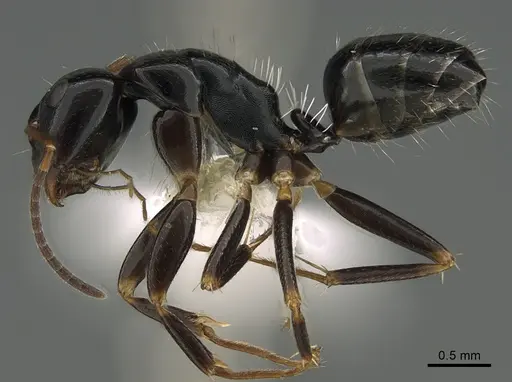
CASENT0498634
View on AntWeb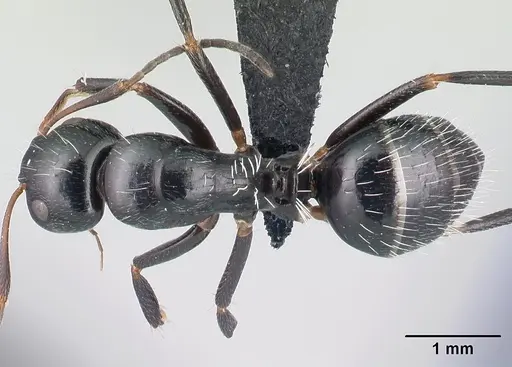
CASENT0872503
View on AntWeb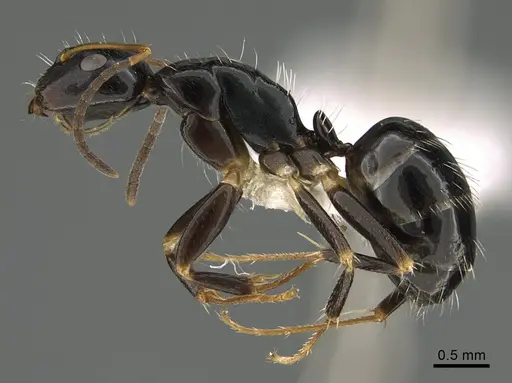
CASENT0872504
View on AntWeb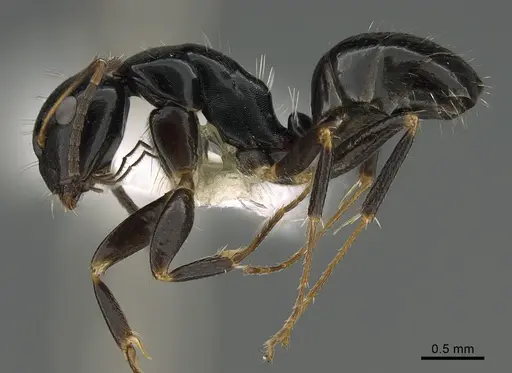
CASENT0872505
View on AntWeb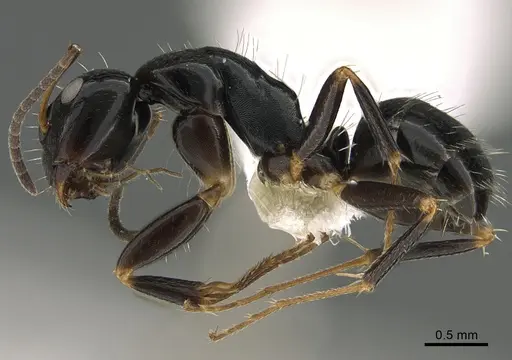
CASENT0923231
View on AntWeb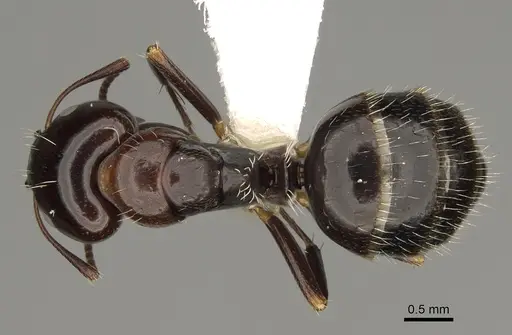
Literature
Loading...Loading products...