

Camponotus ionius
- Scientific Name
- Camponotus ionius
- Subgenus
- Tanaemyrmex
- Tribe
- Camponotini
- Subfamily
- Formicinae
- Author
- Emery, 1920
- Common Name
- Ionian Carpenter Ant
- Distribution
- Found in 2 countries
Camponotus ionius Overview
Camponotus ionius (commonly known as the Ionian Carpenter Ant) is an ant species of the genus Camponotus. It is primarily documented in 2 countries , including Greece, Türkiye. Detailed taxonomic data and occurrence records can be further explored via authoritative databases such as AntWeb or the Global Biodiversity Information Facility (GBIF).
Camponotus ionius - "Ionian Carpenter Ant"
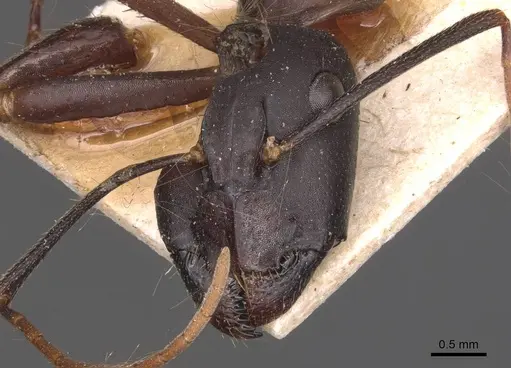
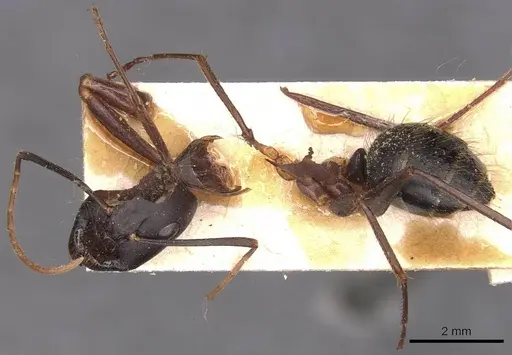
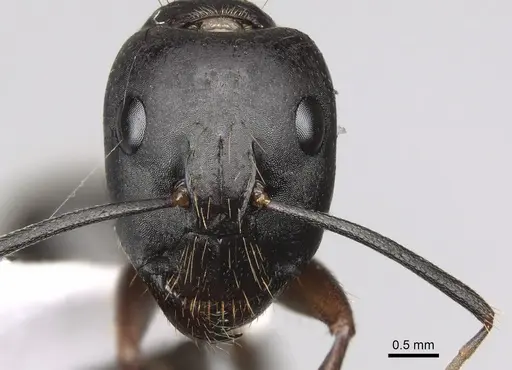
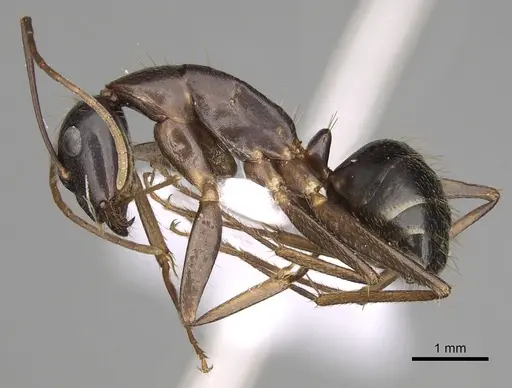
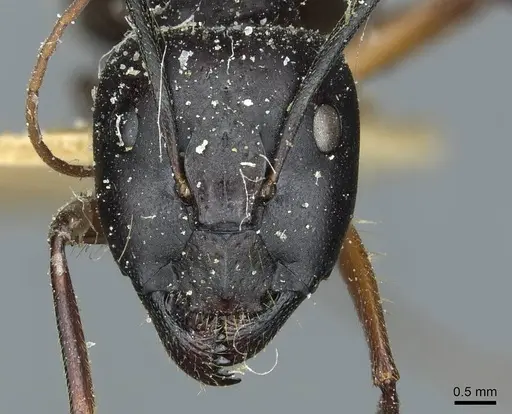
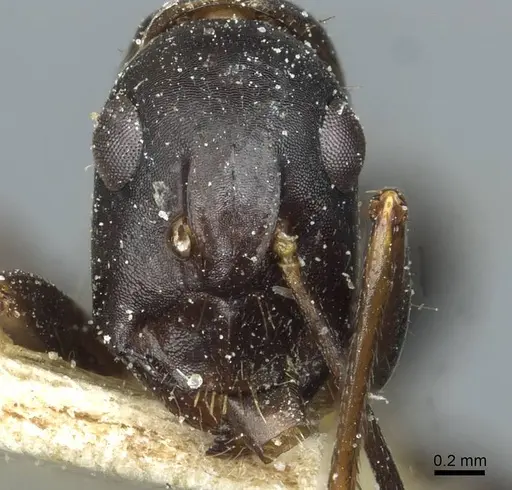
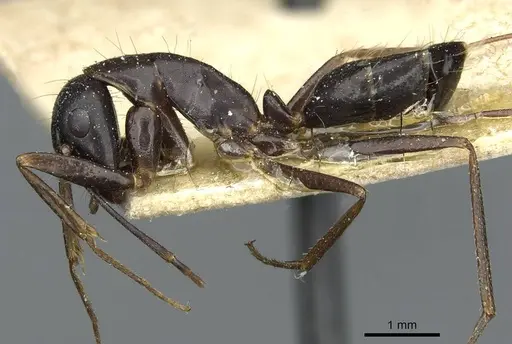
Camponotus ionius is a polymorphic carpenter ant belonging to the Tanaemyrmex subgenus and the samius species complex. Workers are large and polymorphic, ranging from 1.5mm minors to 3.6mm majors. They have a dark brown to black body with reddish-brown legs, and the mesosoma is often slightly paler than the head and gaster, especially in minor workers [1]. This species is native to the eastern Mediterranean, found across Greece (absent only from Crete), Bulgaria, North Macedonia, Serbia, and Turkey [2][1].
This ant is a classic dawn-and-dusk forager, with major workers traveling up to 10 meters from the nest to search for food [1]. It thrives in dry, arid habitats including pine forests, olive plantations, and pastures with limestone rocks. It even colonizes burned forests as a pioneer species, making it a resilient survivor in disturbed environments [1]. Nests are typically found under large stones [1][3].
Quick Summary
- Difficulty: Easy
- Origin & Habitat: Eastern Mediterranean, Greece, Bulgaria, Turkey, North Macedonia, and Serbia. Found in arid habitats including pine forests, olive plantations, deciduous forests, urban gardens, and pastures with limestone rocks. Nests under large stones at elevations up to 400m [3][1][2].
- Colony Type: Single-queen colonies (monogyne), typical for Camponotus species in this region
- Colony: Monogyne
- Founding: Claustral
- Size & Growth:
- Queen: Estimated 12-15mm based on genus patterns
- Worker: Minor workers: 1.5-1.8mm, Major workers: 3.5-3.65mm [4]
- Colony: Estimated 2000-5000 workers based on typical Camponotus colony sizes in this habitat
- Growth: Moderate, typical for Mediterranean Camponotus
- Development: 6-10 weeks (estimated based on typical Camponotus development at 24-26°C) (Development time inferred from genus patterns, this species has not been directly studied. Expect faster development in warmer conditions, slower in cooler temperatures.)
- Antkeeping:
- Temperature: Keep at 24-28°C. This is a Mediterranean species that prefers warm conditions. A heating cable on one side of the nest creates a gradient allowing workers to self-regulate [3].
- Humidity: Low to moderate. This is a dry-habitat species, keep nest substrate slightly moist but allow portions to dry out. Avoid overly damp conditions that would cause mold.
- Diapause: Yes, requires winter hibernation at 10-15°C for 2-3 months. This temperate species needs a cold period to trigger reproductive cycles in spring.
- Nesting: Nests naturally under large stones in compacted soil. In captivity, they accept Y-tong nests, plaster nests, or test tube setups with a dirt chamber. Provide a dark nesting area and ensure the setup can handle their large major workers.
- Behavior: These ants are crepuscular, workers primarily forage at dawn and dusk when temperatures are cooler [1]. They are not particularly aggressive but will defend their nest. Major workers serve as foragers and can travel significant distances. They tend aphids and feed on honeydew, plus hunt small insects. Escape prevention should be moderate, they are large ants but can climb smooth surfaces. Use standard barrier methods.
- Common Issues: colonies often fail if kept too damp, this is a dry habitat species and excess moisture causes mold problems, hibernation failure is common, without proper cold period (10-15°C for 2-3 months), colonies may not produce new reproductives in spring, slow founding phase can cause keepers to overfeed or disturb the queen, claustral queens need complete darkness and minimal disturbance until workers emerge, major workers are large and need appropriately sized foraging areas and tubes, standard narrow tubing can trap them
Nest Preferences and Setup
In the wild, Camponotus ionius nests under large stones in compacted soil [1][3]. The queen seals herself in a chamber and raises her first brood in complete isolation, this is called claustral founding. For captive colonies, use a test tube setup for the founding stage, then transition to a Y-tong or plaster formicarium as the colony grows. The nest chamber should be dark and protected from vibrations. These ants do well with a dirt-fill setup that mimics their natural under-stone nesting. Ensure the setup has room for major workers to move freely, standard narrow tubing can sometimes trap the larger majors.
Feeding and Diet
Like most Camponotus species, C. ionius is omnivorous with a preference for sugary liquids. In captivity, offer sugar water or honey constantly as an energy source. For protein, provide small insects like fruit flies, small crickets, or mealworms. They are known to tend aphids in the wild for honeydew [5], so they will readily accept sugar sources. Feed protein 2-3 times per week, and keep sugar water available at all times. Remove uneaten prey after 24-48 hours to prevent mold.
Temperature and Seasonal Care
This Mediterranean species thrives at 24-28°C. In their native range (Greece, Turkey, Balkans), summer temperatures regularly exceed 30°C, so they handle warmth well. Use a heating cable on part of the nest to create a temperature gradient, this lets workers choose their preferred zone. During winter, they require a true hibernation period of 2-3 months at 10-15°C. This cold period triggers reproductive cycles and is essential for healthy colonies. Without proper hibernation, spring reproduction often fails. Reduce feeding during hibernation and keep the colony completely dark. [3][1]
Foraging Behavior
Camponotus ionius is crepuscular, workers are most active at dawn and dusk rather than during hot daytime hours [1]. Major workers forage up to 10 meters from the nest in the wild, searching for food along trails. In captivity, place food in the outworld in the evening to match their natural activity patterns. They will form established foraging trails once they establish a routine. Their diet includes honeydew from aphids, nectar, and small insects they can subdue.
Colony Development
A newly mated queen will seal herself in a claustral chamber and lay her first eggs without leaving to forage, she survives entirely on stored fat reserves. The first workers (nanitics) are typically smaller than normal workers but will begin foraging to support the colony. Growth is moderate, expect 6-10 weeks from egg to first worker at optimal temperature. Once the first workers emerge, the colony enters a growth phase. This species is polymorphic, meaning the colony produces both minor and major workers as it grows. Major workers develop later and serve as foragers and nest defenders.
Frequently Asked Questions
How long does it take for Camponotus ionius to have first workers?
Expect 6-10 weeks from egg to first worker at optimal temperature (24-28°C). This is typical for Camponotus species. The queen is claustral, she seals herself in and raises the first brood alone without foraging.
Do Camponotus ionius ants need hibernation?
Yes, they require a winter hibernation period of 2-3 months at 10-15°C. This is essential for triggering spring reproduction. Without proper hibernation, colonies often fail to produce new reproductives.
What temperature is best for Camponotus ionius?
Keep them at 24-28°C. This Mediterranean species prefers warm conditions. A heating cable on part of the nest creates a gradient for self-regulation.
What do Camponotus ionius ants eat?
They are omnivorous. Offer sugar water or honey constantly for energy, plus small insects like fruit flies or mealworms 2-3 times weekly for protein. They also tend aphids for honeydew in the wild.
Are Camponotus ionius good for beginners?
Yes, this is a beginner-friendly species. They are resilient, tolerate some variation in care, and are not overly aggressive. The main requirements are providing warmth, proper hibernation, and avoiding excess moisture.
How big do Camponotus ionius colonies get?
Colonies likely reach 2000-5000 workers based on typical Camponotus sizes in this habitat. They are polymorphic, the colony produces both small minor workers and large major workers.
When are Camponotus ionius workers most active?
They are crepuscular, most active at dawn and dusk when temperatures are cooler. Place food in the evening to match their natural foraging patterns.
Where is Camponotus ionius found in the wild?
This is an eastern Mediterranean species found in Greece (all provinces except Crete), Bulgaria, Turkey, North Macedonia, and Serbia. They live in dry habitats like pine forests, olive plantations, and pastures with limestone rocks.
References

This caresheet is licensed under CC BY-SA 4.0 .
CASENT0905287
View on AntWeb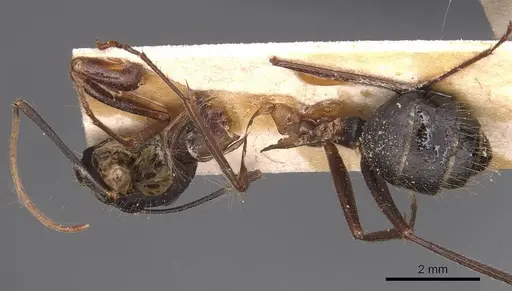
CASENT0906054
View on AntWeb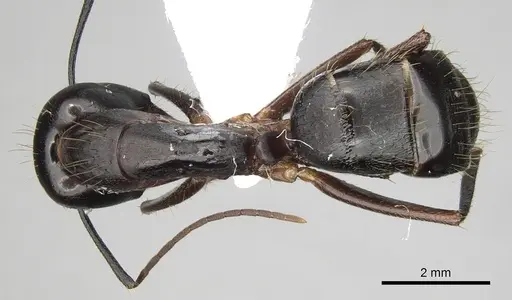
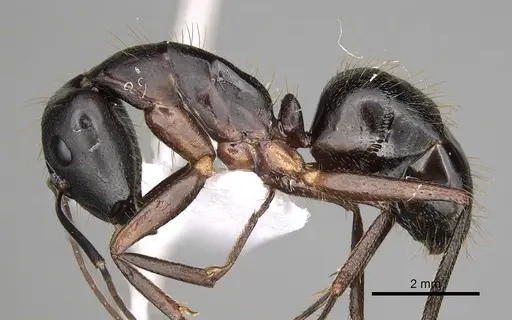
CASENT0906055
View on AntWeb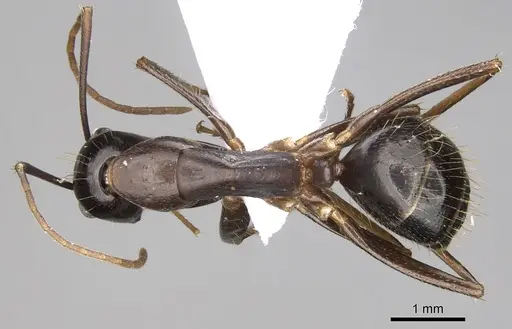
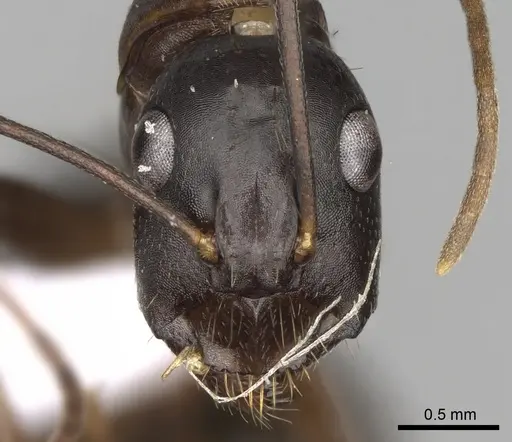
CASENT0911958
View on AntWeb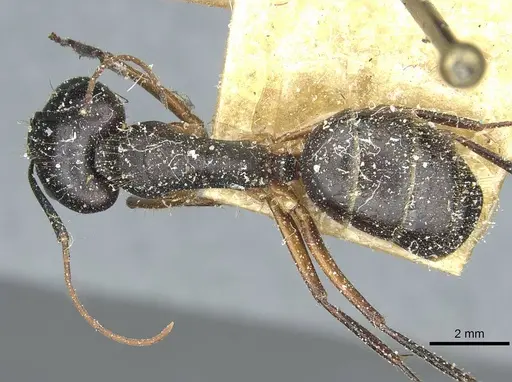
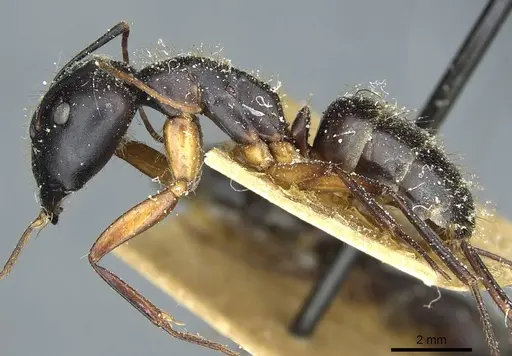
CASENT0911959
View on AntWeb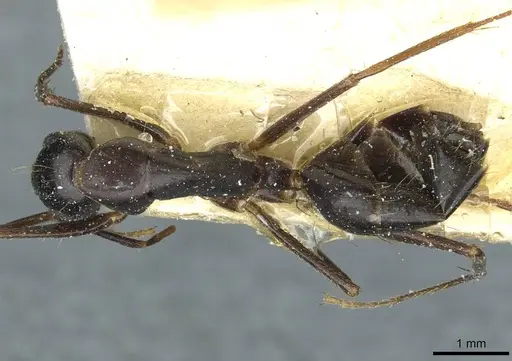
Literature
Loading...Loading products...