
Camponotus intrepidus shows a March to November flight window. Peak activity occurs in October, with nuptial flights distributed across 3 months.
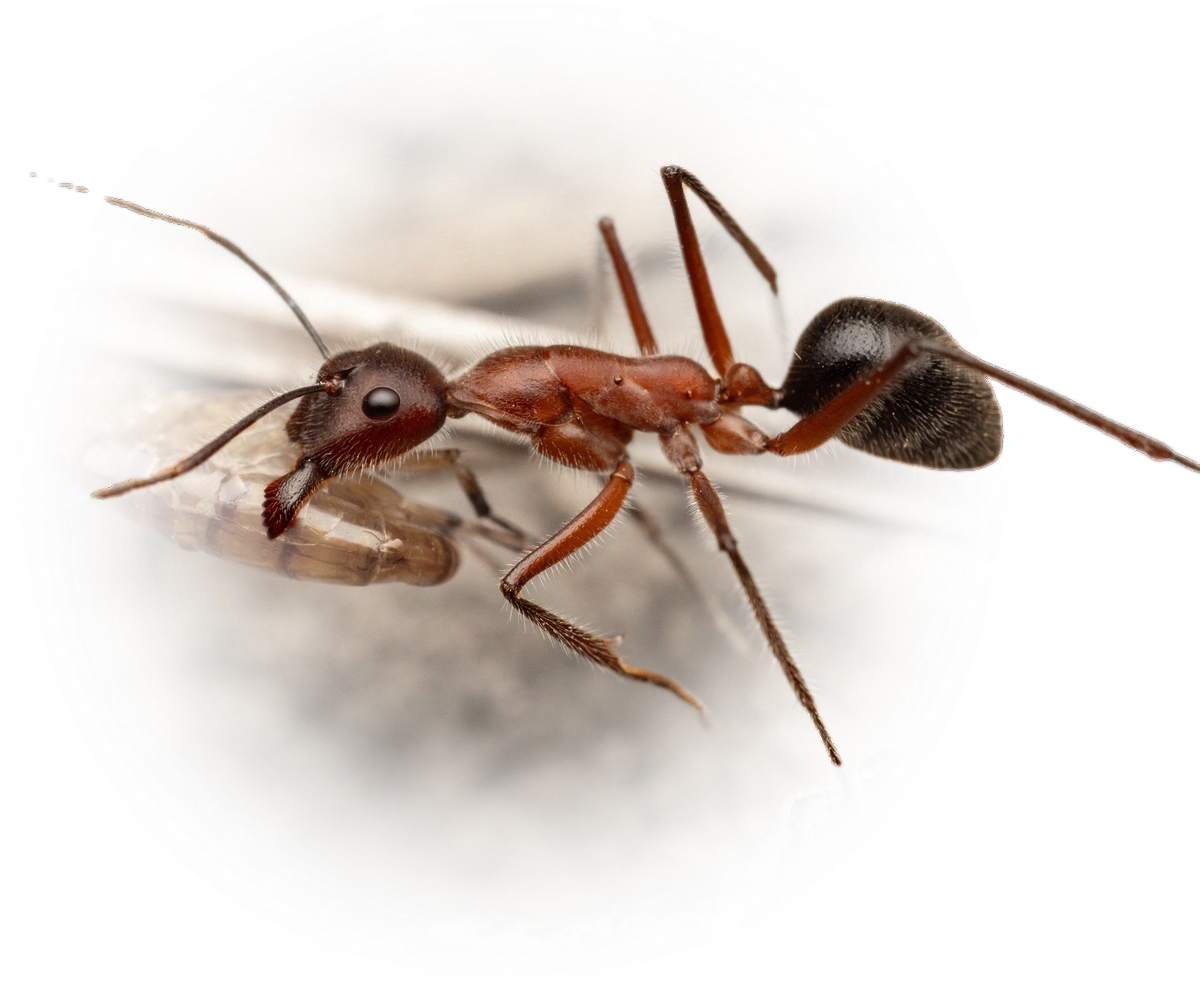
Camponotus intrepidus
- Scientific Name
- Camponotus intrepidus
- Subgenus
- Myrmosaulus
- Tribe
- Camponotini
- Subfamily
- Formicinae
- Author
- Kirby, 1819
- Common Name
- Giant Sugar Ant
- Distribution
- Found in 1 countries
- Nuptial Flight
- from March to November, peaking in October
AI Identifiable
try →
Camponotus intrepidus Overview
Camponotus intrepidus (commonly known as the Giant Sugar Ant) is an ant species of the genus Camponotus. It is primarily documented in 1 countries , including Australia. Detailed taxonomic data and occurrence records can be further explored via authoritative databases such as AntWeb or the Global Biodiversity Information Facility (GBIF).
The nuptial flight of Camponotus intrepidus is a significant biological event, typically occurring from March to November, peaking in October. During this time, winged queens and males leave the nest to mate and establish new colonies.
Camponotus intrepidus - "Giant Sugar Ant"
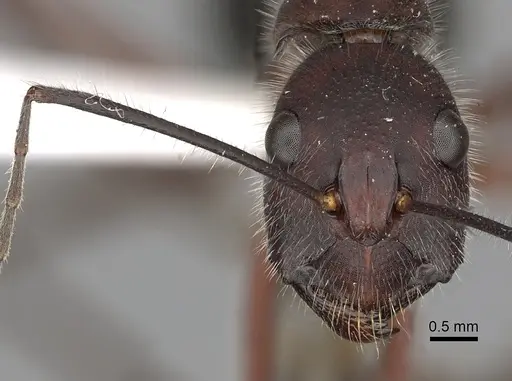
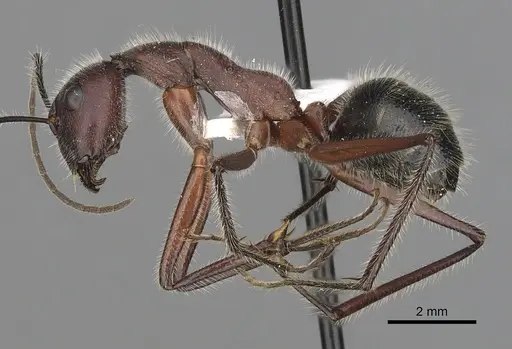
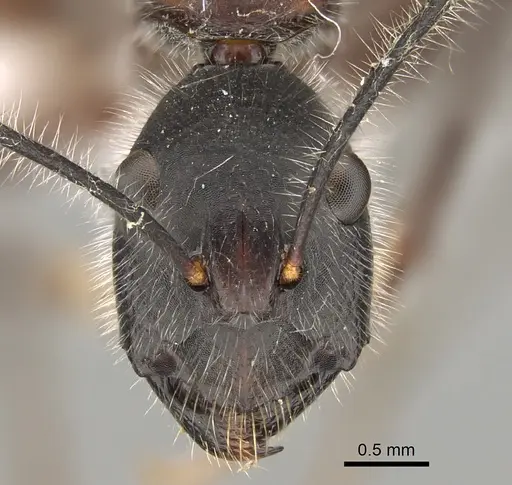
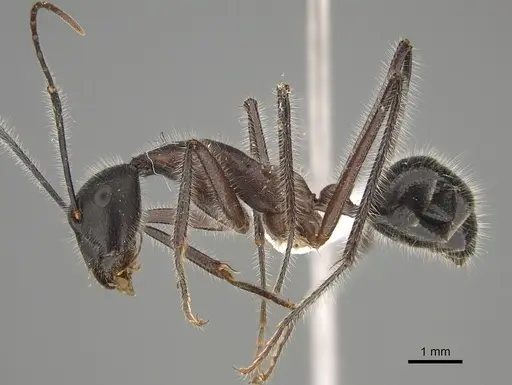
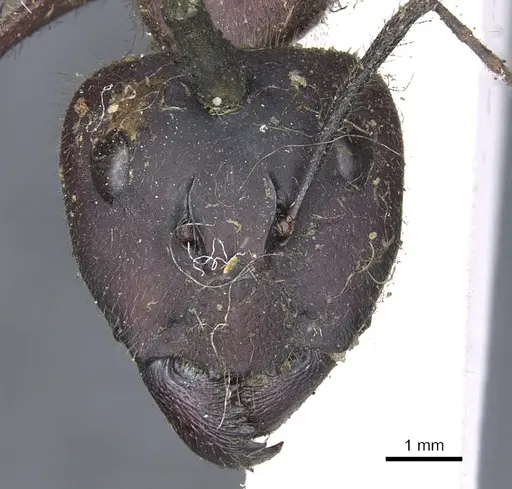
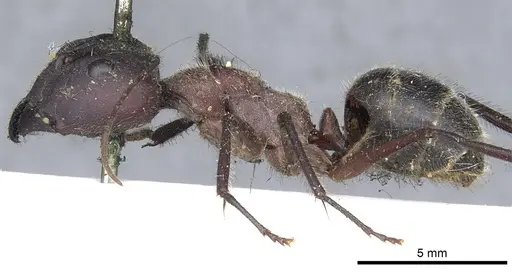
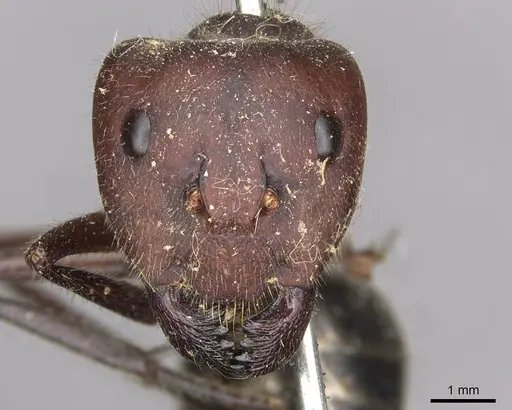
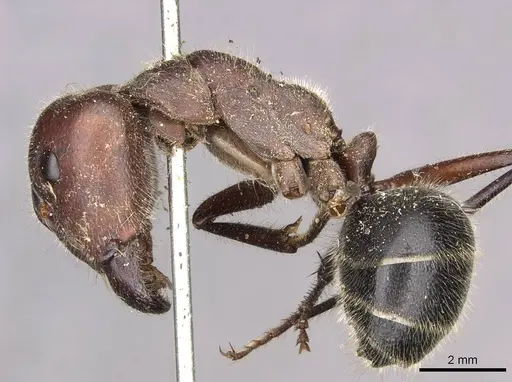
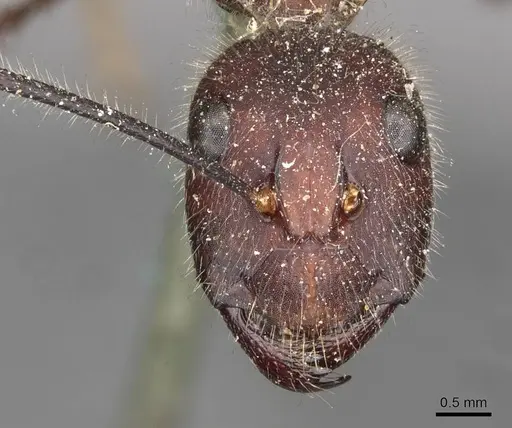
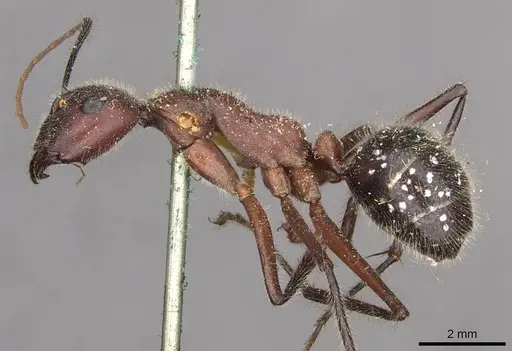
Camponotus intrepidus is a large Australian carpenter ant species native to eastern Australia, particularly New South Wales. Workers are polymorphic, minor workers reach around 10mm while major workers (soldiers) can grow up to 20mm in length [1]. The queens are substantial at approximately 14mm [2]. These ants have a distinctive appearance with black heads and abdomens, while the thorax, legs, and scale are reddish in color. They construct impressive mound nests that can reach 20cm in height and over 1 square meter in surface area, with a characteristic thatched covering of leaves, twigs, and charcoal fragments [1]. Unlike many ants, they are strictly nocturnal, no surface activity is observed during the day, with all foraging and nest maintenance occurring at night [1].
Quick Summary
- Difficulty: Medium
- Origin & Habitat: Eastern Australia, particularly New South Wales. These ants inhabit areas partly shaded by overhanging shrubs and trees, constructing large earthen mound nests in the soil [1].
- Colony Type: Monogyne, single queen colonies. This is typical for Camponotus species in Australia.
- Colony: Monogyne
- Founding: Claustral
- Size & Growth:
- Queen: Approximately 14mm [2]
- Worker: Minor workers around 10mm, majors up to 20mm [1][2]
- Colony: Large colonies with polymorphic workers, colonies can have dozens to hundreds of workers given their massive mound-building capabilities [1]
- Growth: Moderate, typical for large Camponotus species
- Development: Estimated 8-12 weeks based on typical Camponotus development at optimal temperature (Development time is inferred from genus patterns, direct measurements for this species are not available)
- Antkeeping:
- Temperature: Keep at room temperature, roughly 20-26°C. As an Australian species from temperate to subtropical regions, they do not need extreme heat but appreciate warmth. A gentle gradient with a heating cable on one side of the nest works well.
- Humidity: Moderate humidity is acceptable. In nature, the mound surface stays drier than surrounding soil while deeper galleries maintain moisture. Provide a water tube for drinking and allow the nest to dry partially between rehydrations.
- Diapause: Likely reduced winter activity but not true hibernation. Australian winters are mild, so a cool period around 15-18°C for 2-3 months may be beneficial but is not strictly required.
- Nesting: These ants naturally build large soil mound nests. In captivity, a Y-tong (AAC) nest or naturalistic setup with soil works well. They prefer tight chambers scaled to their large size. Given their nocturnal nature and tendency to repair nests at night, provide a dark, quiet location.
- Behavior: These ants are nocturnal and secretive, they do not show surface activity during the day. They are not aggressive toward keepers but major workers will defend the nest if threatened. They are large ants, so escape prevention is straightforward compared to tiny species, standard barriers work well. They build impressive structures in the wild and will excavate soil in naturalistic setups [1].
- Common Issues: nocturnal behavior means you may not see much activity during daylight hours, this is normal, not a problem, large size requires appropriately sized chambers and passages in the nest, colonies can be slow to establish, patience is needed during the founding phase, wild colonies may have parasites, source your colony from reputable suppliers
Nuptial Flight Activity Analysis 89 observations
Flight Activity by Hour 89 observations
Camponotus intrepidus nuptial flight activity peaks around 13:00 during the late morning to early afternoon. Activity is spread across a 16-hour window (07:00–22:00). A secondary activity peak occurs around 16:00. Times may be influenced by human observation patterns.
Nest Preferences and Housing
In the wild, Camponotus intrepidus constructs large earthen mound nests that can reach 20cm in height and over 1 square meter in surface area [1]. The mounds are thatched with leaves, twigs and charcoal fragments worked into the mineral soil surface. These mounds are typically partly shaded by overhanging shrubs and trees [1]. Notably, during the study period there were no visible entrance holes, ants accessed galleries by lifting a 1cm thick surface crust [1]. For captive care, a Y-tong (acrylic ant castle) nest works well, or you could use a naturalistic setup with soil in a formicarium. Provide chambers appropriately sized for their large polymorphic workers, major workers can reach 20mm so passages need to accommodate them. Place the nest in a quiet, darker location since they are nocturnal and prefer to work without disturbance.
Feeding and Diet
Like other Camponotus species, these ants are omnivorous. They will accept sugar sources (honey water, sugar water) and protein foods (insects, mealworms, crickets). In the wild, they forage nocturnally and likely hunt insects and collect honeydew from aphids. Feed them a varied diet: offer sugar water constantly and protein foods 2-3 times per week. Remove uneaten protein within 24-48 hours to prevent mold. Given their large size, they can handle bigger prey items than tiny ants, adult crickets and mealworms are appropriate.
Temperature and Seasonal Care
As an Australian species from New South Wales, these ants are adapted to temperate to subtropical conditions. Room temperature in the low-to-mid 20s Celsius is ideal. They can tolerate a range from roughly 18°C to 28°C. A heating cable on one side of the nest creates a gentle gradient allowing ants to self-regulate. Regarding winter rest: Australian winters are mild, so a true diapause is not required. However, a cool period around 15-18°C for 2-3 months during winter months may help synchronize their natural cycles and promote healthy development. Reduce feeding during this cool period.
Behavior and Colony Dynamics
Camponotus intrepidus is strictly nocturnal, no surface activity was observed during daylight hours in field studies, with all foraging and nest repair occurring at night [1]. This means you may not see much activity from your colony during the day, which is completely normal. They are polymorphic, meaning the colony produces different sized workers, small minors for general tasks and large majors (soldiers) for defense and heavy work. Majors can reach an impressive 20mm in length [1]. The colonies are monogyne, with a single queen producing all workers. They are not aggressive toward keepers but major workers will defend the nest if it is disturbed. Their large size makes escape prevention straightforward, standard barriers are effective.
Growth and Development
Colony growth follows typical Camponotus patterns. The queen seals herself in a claustral chamber and raises the first brood alone using stored fat reserves. First workers (nanitics) are typically smaller than normal workers. Development from egg to worker likely takes 8-12 weeks at optimal temperature, based on typical Camponotus development patterns. Growth rate is moderate, large Camponotus species tend to grow more slowly than smaller ants but can eventually produce substantial colonies. Be patient during the founding phase, which can take several months before you see the first workers. Once established, colonies can grow large given their mound-building capabilities in the wild.
Frequently Asked Questions
How long does it take for Camponotus intrepidus to produce first workers?
Based on typical Camponotus development, expect 8-12 weeks from egg to first worker at optimal temperature (around 24°C). The exact timeline for this species is not documented, so this is an estimate based on genus patterns.
Can I keep Camponotus intrepidus in a test tube?
Test tubes work for the founding queen, but you'll need to move them to a larger nest (Y-tong or naturalistic setup) once the colony reaches 20-30 workers. Their large size and need for chamber space requires more room than a simple test tube can provide.
Are Camponotus intrepidus good for beginners?
This species is rated as medium difficulty. They are rewarding but require patience, they are nocturnal so you won't see much activity during the day, and founding colonies can be slow. Their large size makes them easier to handle than tiny ants.
What temperature do Camponotus intrepidus need?
Room temperature is fine, aim for 20-26°C. A heating cable on one side of the nest creates a gradient they can use to self-regulate. They are from temperate Australia and don't need extreme heat.
Do Camponotus intrepidus need hibernation?
True hibernation is not required since Australian winters are mild. However, a cool period around 15-18°C for 2-3 months during winter can be beneficial. Reduce feeding during this time.
How big do Camponotus intrepidus colonies get?
In the wild, they build massive mound nests reaching over 1 square meter in surface area with dozens of chambers extending nearly a meter deep [1]. In captivity, colonies can likely reach several hundred to over a thousand workers.
Why is my Camponotus intrepidus not active during the day?
This is completely normal, they are a nocturnal species. Field studies show no surface activity during daylight hours, with all foraging and nest maintenance occurring at night [1]. They may be active when lights are off in your room.
What do Camponotus intrepidus eat?
They are omnivorous like most Camponotus. Offer sugar water or honey constantly, and protein foods (mealworms, crickets, other insects) 2-3 times per week. Remove uneaten protein within a day or two.
When should I move my colony to a formicarium?
Move them when the test tube or small setup becomes crowded, typically when you have 30+ workers. A Y-tong nest or naturalistic soil setup works well given their natural mound-building behavior.
References

This caresheet is licensed under CC BY-SA 4.0 .
CASENT0172141
View on AntWeb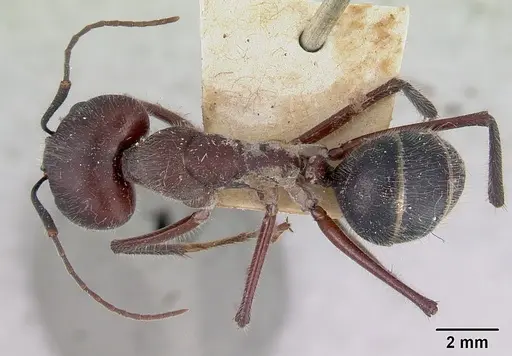
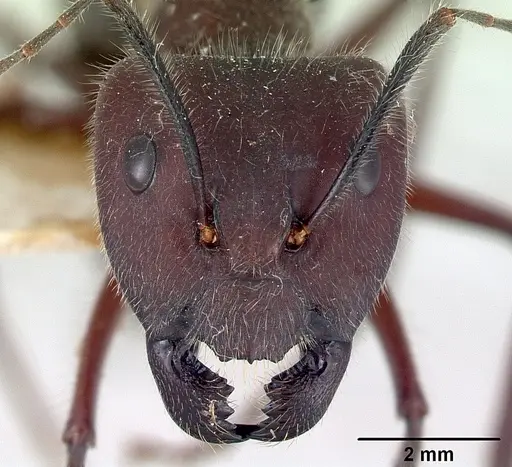
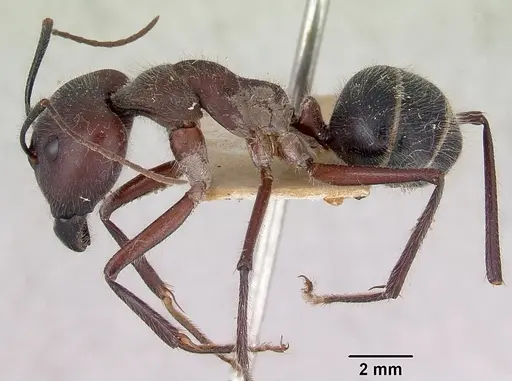
CASENT0280210
View on AntWeb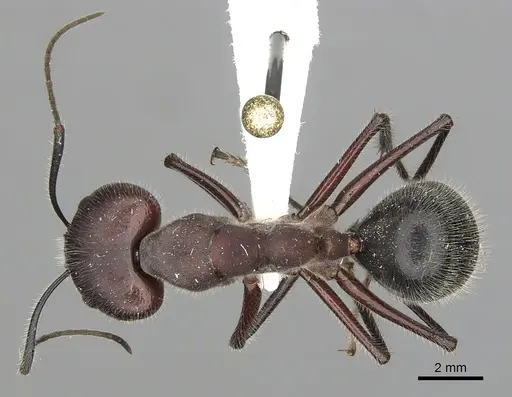
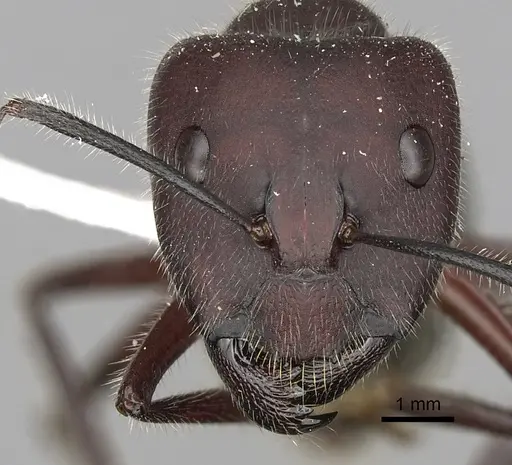
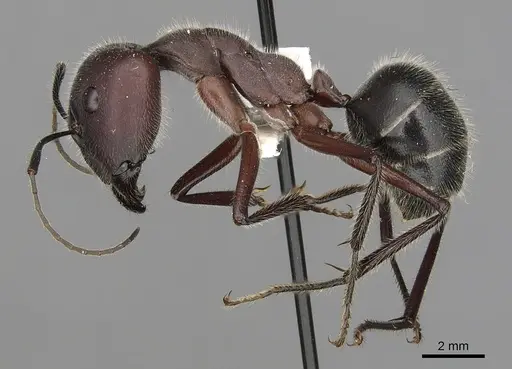
CASENT0280211
View on AntWeb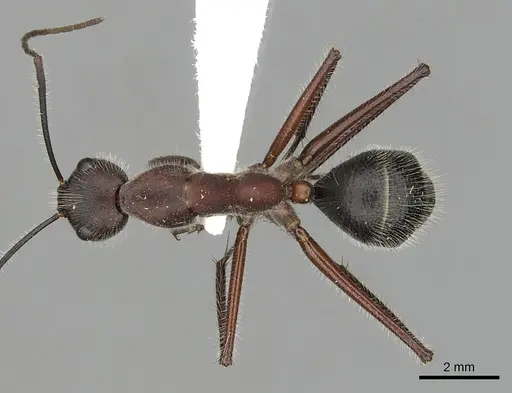
CASENT0887666
View on AntWeb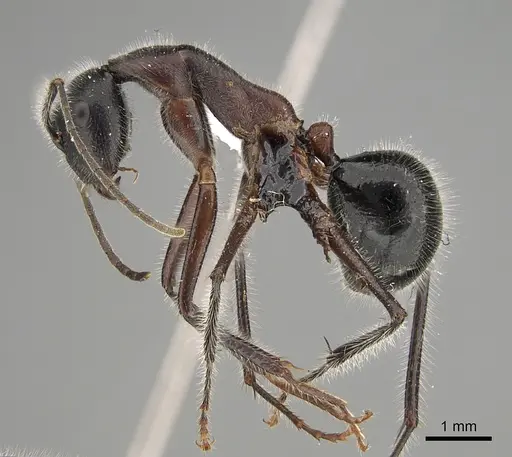
CASENT0887686
View on AntWeb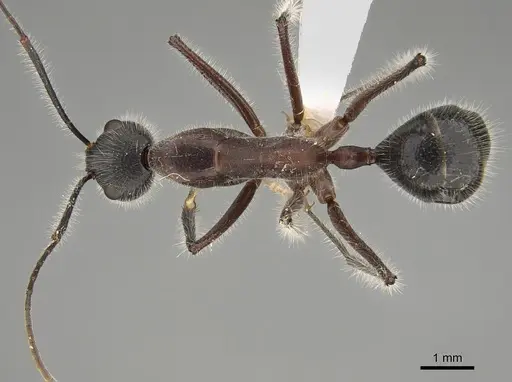
CASENT0903548
View on AntWeb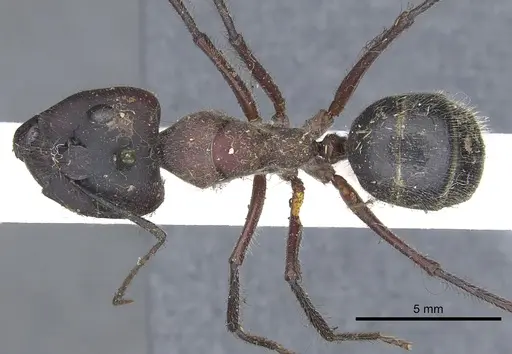
CASENT0910408
View on AntWeb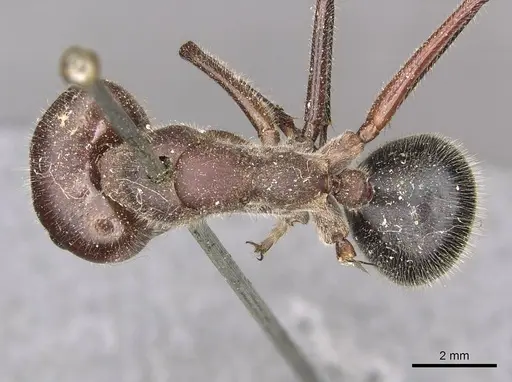
CASENT0910409
View on AntWeb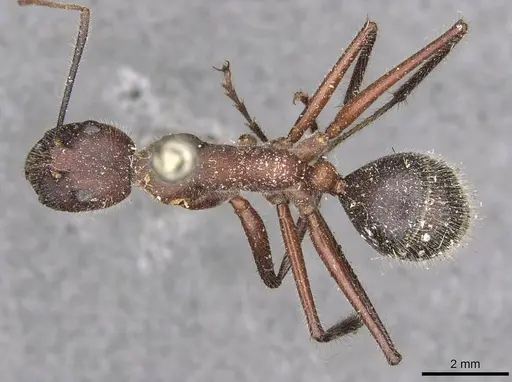
Literature
Loading...Loading products...