

Camponotus interjectus
- Scientific Name
- Camponotus interjectus
- Subgenus
- Myrmentoma
- Tribe
- Camponotini
- Subfamily
- Formicinae
- Author
- Mayr, 1877
- Distribution
- Found in 3 countries
Camponotus interjectus Overview
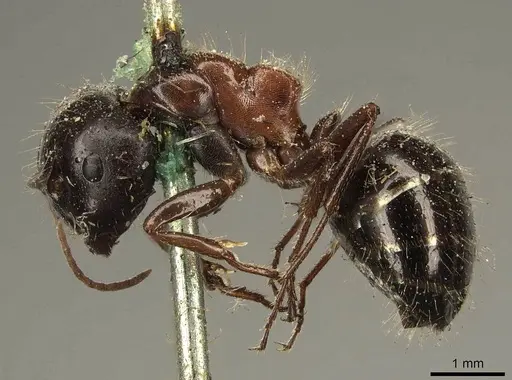
Camponotus interjectus is an ant species of the genus Camponotus. It is primarily documented in 3 countries , including Iran, Islamic Republic of, Kyrgyzstan. Detailed taxonomic data and occurrence records can be further explored via authoritative databases such as AntWeb or the Global Biodiversity Information Facility (GBIF).
Camponotus interjectus
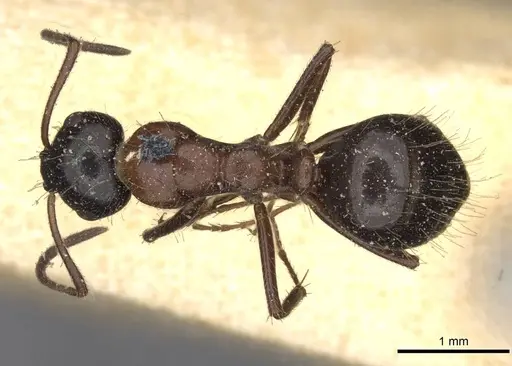
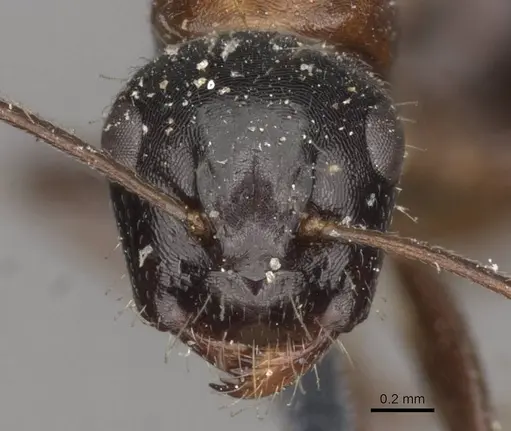
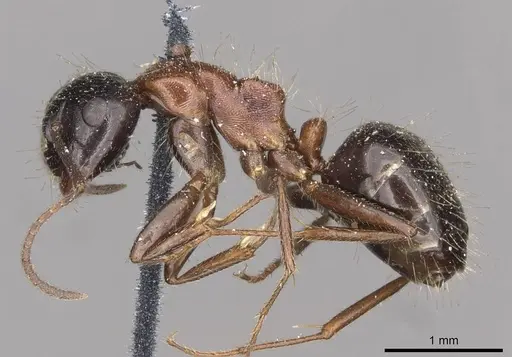
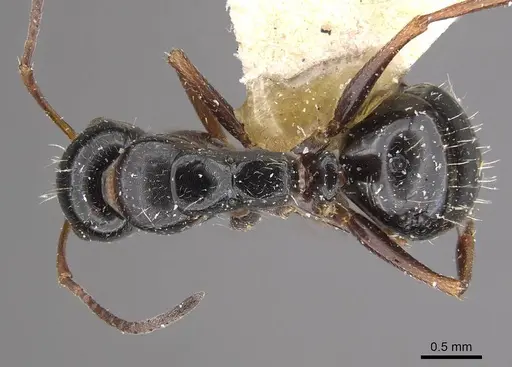
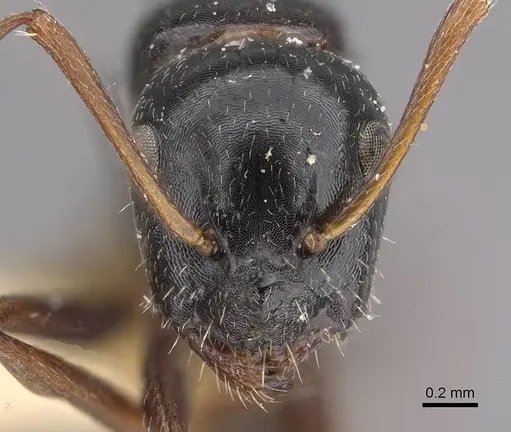
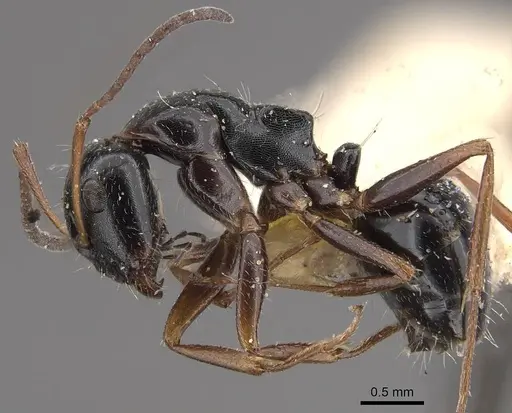
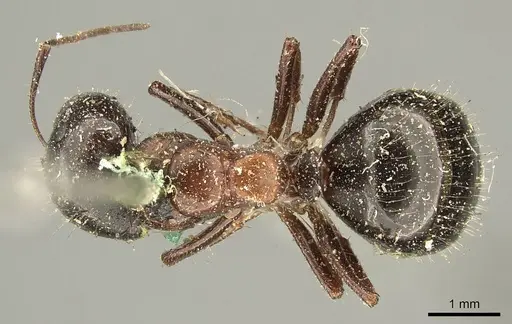
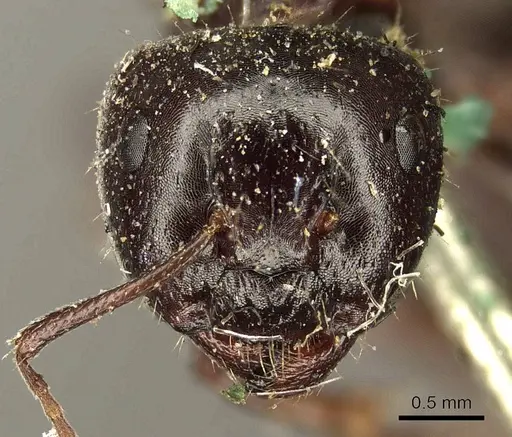
Camponotus interjectus is a medium-sized carpenter ant belonging to the Camponotus lateralis species group. Workers measure around 4-10mm with the characteristic Camponotus body shape, a rounded thorax and a distinct pedicel (the narrow waist connection between thorax and gaster). They have a dark body with lighter appendages, typical of the genus. This species inhabits semi-desert and mountain steppe regions across Central Asia, from Afghanistan through Iran, Iraq, Israel, Jordan, Kazakhstan, Kyrgyzstan, Turkmenistan, Uzbekistan, and into western China (Xinjiang) [1][2][3]. Colonies are relatively small for a Camponotus species, typically reaching 300-350 workers [1]. Unlike many carpenter ants that nest in wood, C. interjectus builds its nests in soil, often under stones, with chambers concentrated in the upper half-meter of ground [1][2]. Nuptial flights occur from late March through early April [1].
Quick Summary
- Difficulty: Medium
- Origin & Habitat: Semi-desert and mountain steppes of Central Asia (Afghanistan, Azerbaijan, Iran, Iraq, Israel, Jordan, Kazakhstan, Kyrgyzstan, Turkmenistan, Uzbekistan, western China). Nests in soil, often under stones, in wormwood-grass communities in foothills and dry steppe areas [1][2][4].
- Colony Type: Single-queen colonies (monogyne) based on typical Camponotus patterns. Small colonies with typically 300-350 workers [1].
- Colony: Monogyne
- Founding: Claustral
- Size & Growth:
- Queen: Estimated 12-16mm based on typical Camponotus genus size
- Worker: 4-10mm based on Camponotus lateralis group morphology
- Colony: Up to 300-350 workers in established colonies [1]
- Growth: Moderate, small colony size suggests moderate growth rate
- Development: 6-8 weeks based on typical Camponotus development at optimal temperature (Development time inferred from genus patterns. Camponotus species typically take 6-8 weeks from egg to first worker at 24-28°C)
- Antkeeping:
- Temperature: Keep at 24-28°C during active season. They tolerate variable conditions as they come from regions with hot summers and cold winters. A heating cable on one side of the nest creates a temperature gradient they can choose between
- Humidity: Low to moderate. Semi-desert origin means they prefer drier conditions, keep substrate moderately moist but allow it to dry between waterings. Avoid constant dampness [1]
- Diapause: Yes, required. Based on Central Asian distribution and nuptial flight timing in late March-April, colonies need a winter rest period of 2-3 months at 5-10°C [1]
- Nesting: Soil-nesting species. In captivity, a Y-tong (AAC) nest or plaster formicarium works well. Provide a moisture gradient so workers can choose their preferred humidity zone. Accepts test tube setups with soil fill for founding colonies
- Behavior: Generally calm and non-aggressive for a Camponotus species. Workers are daytime foragers, actively hunting small insects and collecting honeydew. They are moderate escape artists, use standard barrier methods but they are not particularly small or agile. Workers can spray formic acid as a defense mechanism, typical of Formicinae subfamily [1].
- Common Issues: small colony size means slow population growth, beginners may lose patience, escape prevention needed though not as critical as tiny species, winter dormancy is essential, colonies that don't hibernate often fail to thrive, overwatering causes mold problems given their dry habitat preference, wild-caught colonies may have parasites that kill them in captivity
Nest Preferences and Setup
Camponotus interjectus is a soil-nesting species that naturally builds single-chamber nests with multiple tunnels, with most chambers located in the upper 0.5 meters of soil [1]. In captivity, they adapt well to various nest types. A Y-tong (acrylic) nest works excellently for established colonies, providing good visibility and humidity control. For founding colonies, a simple test tube setup with a cotton ball as a water reservoir is sufficient. You can also use a plaster formicarium or a naturalistic setup with soil in an outworld. The key is providing a moisture gradient, one side of the nest should be slightly moister while the other stays drier, allowing workers to regulate their own humidity by moving between zones. Avoid overly humid conditions, this species comes from semi-desert habitats and prefers moderate dryness over constant dampness [1][2].
Feeding and Diet
In the wild, Camponotus interjectus is a daytime zoonecrofaun (predator) that feeds primarily on small insects and honeydew from aphids [1]. In captivity, offer a varied diet. Protein sources include small crickets, mealworms, fruit flies, and other small insects. For carbohydrates, provide sugar water, honey, or diluted honey-water mixtures. They will accept both protein and sugar foods, making them relatively easy to feed. Feed protein prey 2-3 times per week, and keep a constant supply of sugar water available. Remove any uneaten prey after 24 hours to prevent mold. Unlike some specialized ants, C. interjectus is not particularly picky and will accept most standard ant foods. Fresh water should always be available.
Temperature and Seasonal Care
This species tolerates a wide temperature range due to its origin in continental Central Asia with extreme seasonal variation. Keep the nest at 24-28°C during the active growing season for optimal brood development. Room temperature (around 20-24°C) is acceptable if your home is within this range. A heating cable placed on one side of the nest creates a gentle gradient that workers will use to regulate their temperature. During winter, you must provide a diapause (hibernation) period. Lower temperatures to 5-10°C from late autumn through early spring, roughly November through March in the Northern Hemisphere. This rest period is essential for colony health and triggers reproductive behavior, nuptial flights occur in late March to early April in the wild [1]. Do not skip hibernation as it can lead to colony decline and failure to produce reproductives.
Behavior and Colony Dynamics
Camponotus interjectus forms relatively small colonies compared to many other carpenter ants, typically reaching 300-350 workers in established colonies [1]. Colonies grow moderately, not the fastest growers but steady. Workers are daytime foragers, actively searching for food during daylight hours. They are not particularly aggressive and will typically flee rather than attack when disturbed. However, they can spray formic acid as a defense, which is a characteristic of the Formicinae subfamily. Workers communicate using chemical trails and will recruit nestmates to good food sources. The colony will establish a queen chamber where the queen remains after founding, laying eggs that develop through the typical ant life stages: egg, larva, pupa, and adult worker.
Growth and Development
Based on typical Camponotus development patterns, expect 6-8 weeks from egg to first worker (nanitic) at optimal temperature of 24-28°C. The first workers (nanitics) will be smaller than subsequent workers and may take a few weeks to fully harden. After the nanitics emerge, the queen stops foraging entirely and the workers take over all colony maintenance and foraging duties. Growth rate is moderate, you can expect the colony to reach 20-50 workers within the first year under good conditions. The small maximum colony size (around 300-350 workers) means this species remains manageable in captivity without requiring massive setups. Patience is key with this species as they do not grow as quickly as some tropical ants.
Handling and Interaction
Camponotus interjectus is generally calm and easy to work with. They are not prone to biting and their moderate size makes them easy to observe. When cleaning the nest or moving colonies, gently tap the outworld to encourage workers to evacuate before opening. Use a soft brush or paintbrush to guide any remaining ants if needed. Avoid using harsh chemicals near the colony, these ants are sensitive to fumes and vibrations. If you need to move a colony from a test tube to a permanent nest, wait until the colony has at least 20-30 workers and the brood is in the pupal stage, as this is when they are most tolerant of disturbance. Always use escape prevention barriers like fluon on the rim of the outworld, though this species is not particularly prone to escaping compared to very small ants.
Frequently Asked Questions
How long does it take for Camponotus interjectus to produce first workers?
Expect 6-8 weeks from egg to first worker at optimal temperature (24-28°C). This is typical for Camponotus species. The first workers (nanitics) will be smaller than normal workers and may take a few extra weeks to become fully active foragers.
What is the best nest type for Camponotus interjectus?
A Y-tong (AAC) acrylic nest or plaster formicarium works well. They also do fine in test tube setups for founding colonies. Provide a moisture gradient so workers can choose their preferred humidity zone.
Do Camponotus interjectus need hibernation?
Yes, a winter diapause is essential. Lower temperatures to 5-10°C for 2-3 months during winter (roughly November to March). This rest period is important for colony health and triggers reproductive behavior.
How big do Camponotus interjectus colonies get?
Colonies typically reach 300-350 workers at maturity. This is relatively small compared to many other Camponotus species, making them manageable for home antkeeping.
What do Camponotus interjectus eat?
They are generalist feeders. Offer small insects (crickets, mealworms, fruit flies) for protein and sugar water or honey for carbohydrates. Feed protein 2-3 times per week with constant sugar water available.
Are Camponotus interjectus good for beginners?
They are moderate difficulty, easier than many tropical species that need high heat and humidity, but require winter hibernation. Their small colony size and moderate growth rate require patience. They are a good intermediate species.
Can I keep multiple Camponotus interjectus queens together?
No, this species is monogyne (single-queen). Only keep one queen per colony. Multiple queens will fight until only one remains. If you find multiple dealate queens, house them separately.
When do Camponotus interjectus have nuptial flights?
Nuptial flights occur from late March through early April in their native Central Asian habitat [1]. In captivity, if you provide proper hibernation, you may observe mating flights in spring as temperatures rise.
Why is my Camponotus interjectus colony dying?
Common causes include: lack of hibernation (essential for this species), overwatering (they prefer dry conditions), mold from too much moisture, or parasites from wild-caught colonies. Check that temperatures are correct and reduce humidity if you see mold.
References

This caresheet is licensed under CC BY-SA 4.0 .
Literature
Loading...Loading products...