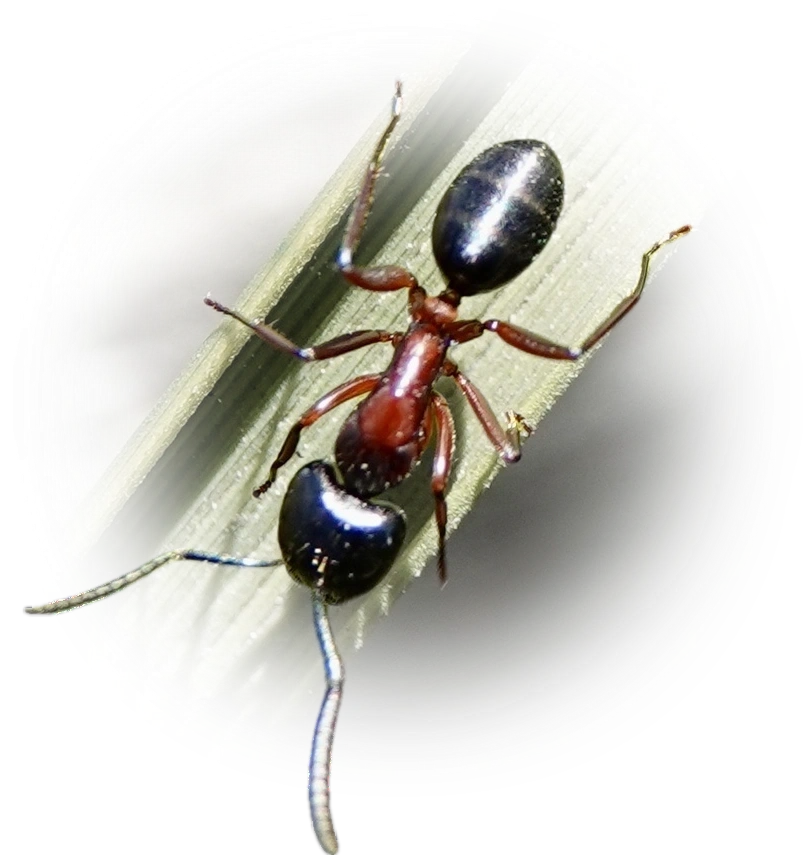

Camponotus innexus
- Scientific Name
- Camponotus innexus
- Subgenus
- Myrmophyma
- Tribe
- Camponotini
- Subfamily
- Formicinae
- Author
- Forel, 1902
- Distribution
- Found in 1 countries
Camponotus innexus Overview
Camponotus innexus is an ant species of the genus Camponotus. It is primarily documented in 1 countries , including Australia. Detailed taxonomic data and occurrence records can be further explored via authoritative databases such as AntWeb or the Global Biodiversity Information Facility (GBIF).
Camponotus innexus
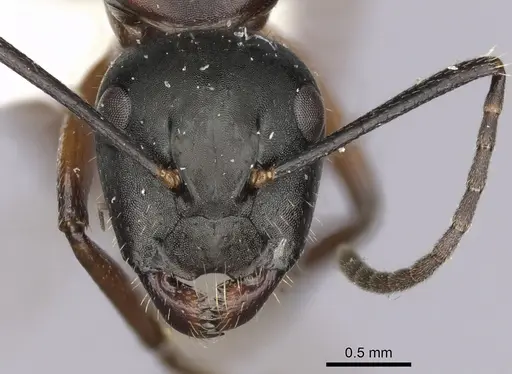
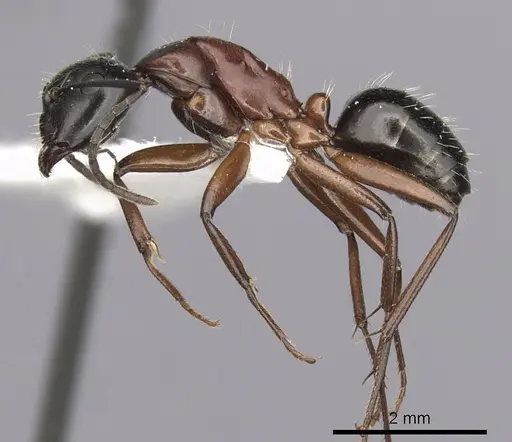
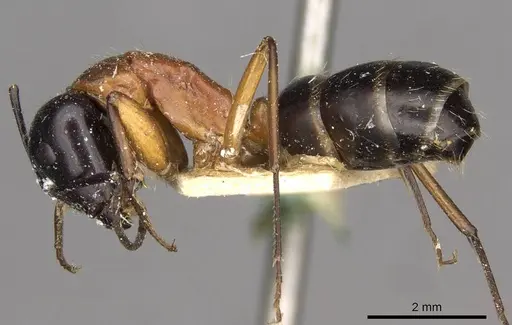
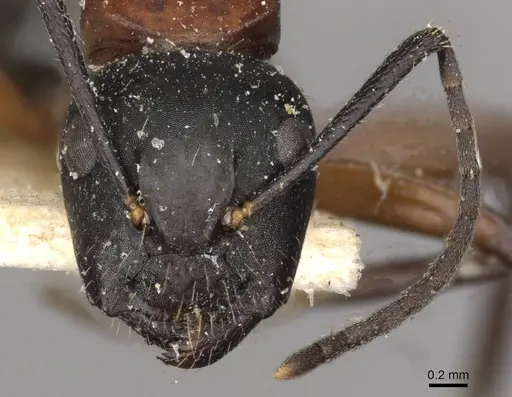
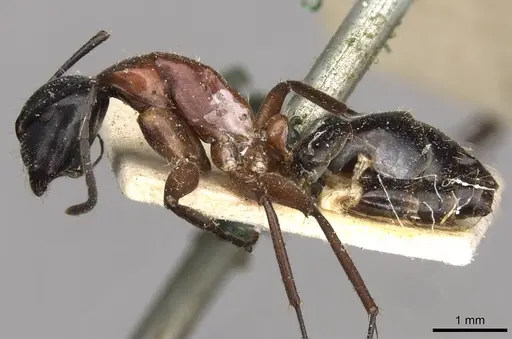
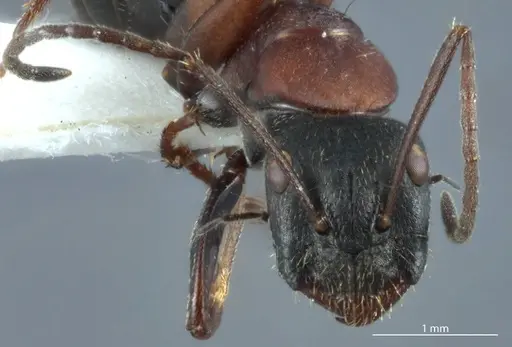
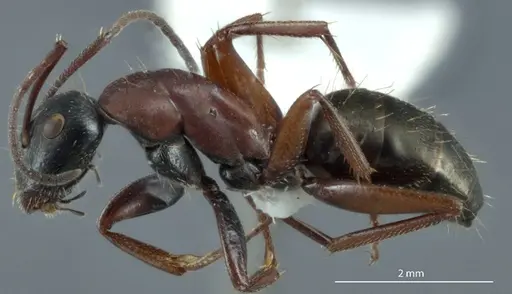
Camponotus innexus is an Australian carpenter ant species native to New South Wales and parts of Western Australia. Major workers measure 6.5-9mm while minors are noticeably smaller, with a distinctive color pattern featuring a yellow rusty red body, black head and gaster, and vivid yellow bands on the gaster segments. This species is arboreal, spending most of its time in trees rather than on the ground, research shows 125 individuals in tree traps compared to just 6 in ground traps [1]. They belong to a species group centered on cool-temperate southern Australia, making them unusual among carpenter ants that typically prefer warmer climates [2].
Quick Summary
- Difficulty: Medium
- Origin & Habitat: Eastern Australia (New South Wales) with isolated populations in Western Australia. Found in cool-temperate regions, typically arboreal in eucalypt forests [2][3].
- Colony Type: Likely monogyne (single queen) based on typical Camponotus patterns. Colony structure is not directly documented for this species.
- Colony: Monogyne
- Founding: Claustral
- Size & Growth:
- Queen: Unconfirmed, likely 9-12mm based on genus patterns for large Camponotus
- Worker: Major workers 6.5-9mm, minor workers smaller [4]
- Colony: Unknown, likely several hundred workers based on related species
- Growth: Moderate, typical for Camponotus
- Development: 6-10 weeks at optimal temperature based on genus-level Camponotus data (Development time estimated from related Camponotus species, direct measurements not available for this species)
- Antkeeping:
- Temperature: Keep at 20-24°C. This species prefers cooler conditions than most tropical carpenter ants, reflecting its cool-temperate Australian origin [2]. A slight temperature gradient allows workers to regulate their conditions.
- Humidity: Moderate humidity around 50-60%. As an arboreal species, they tolerate drier conditions than ground-nesting ants. Provide a water source but avoid overly damp nests.
- Diapause: Likely requires a winter rest period of 2-3 months at 10-15°C, consistent with other Australian temperate Camponotus species. Reduce feeding and maintain cool temperatures during this period.
- Nesting: Arboreal by nature, they prefer elevated nests. In captivity, a Y-tong (AAC) nest or acrylic formicarium works well. Provide vertical space and multiple chambers. Avoid very humid substrates as they prefer drier conditions.
- Behavior: This is a subordinate Camponotini species, meaning they are less aggressive than many other carpenter ants [1]. Workers are docile and unlikely to bite aggressively. They are arboreal foragers, so provide foraging areas with access to elevated spaces. Their small size (6-9mm for majors) means moderate escape prevention is needed, they can squeeze through small gaps but are not as tiny as some species. They are more active in moderate temperatures rather than heat.
- Common Issues: Cool temperature requirements may limit activity, don't keep them too warm or they may become sluggish, Arboreal nature means they need vertical foraging space, horizontal-only setups may frustrate them, Limited data means colony founding can be slow, patience is essential, As a lesser-known Australian species, finding specific care information can be challenging, Their preference for logged areas in the wild suggests they adapt to disturbed habitats but may not thrive in overly pristine setups
Nest Preferences and Housing
Camponotus innexus is an arboreal species, meaning they naturally nest in elevated locations like tree hollows, under bark, or in woody debris in trees. In captivity, provide a nest that mimics these conditions, a Y-tong (AAC) nest or acrylic formicarium works well. These ants prefer drier conditions than many other carpenter ants, so avoid overly humid substrates. The nest should have multiple chambers connected by narrow passages, allowing the colony to regulate their position based on temperature and humidity preferences. Since they are a cooler-climate species, placing the nest in a room-temperature area (around 20-24°C) is ideal without additional heating. [2][1]
Feeding and Diet
Like other Camponotus species, Camponotus innexus is omnivorous. They accept sugar sources readily, a mixture of honey or sugar water should be provided constantly. For protein, offer small insects like fruit flies, small crickets, or mealworms. As an arboreal forager, they may prefer hunting live prey but will also accept pre-killed insects. Feed protein sources 2-3 times per week, with sugar water always available. Given their cool-temperate origin, they may have lower metabolic demands than tropical species, avoid overfeeding as uneaten prey can mold and cause health problems in the nest.
Temperature and Seasonal Care
This species stands out among carpenter ants for its preference for cooler conditions. Keep the nest area at 20-24°C, this is cooler than most tropical Camponotus species prefer. They are one of the few Camponotus species groups centered on cool-temperate southern Australia [2]. During the winter months (Southern Hemisphere pattern: roughly May-August), they benefit from a 2-3 month diapause period at 10-15°C. Reduce feeding during this time and avoid disturbing the colony. If you are in the Northern Hemisphere, simulate winter during your winter months. Do not overheat them, temperatures above 28°C may cause stress and reduced activity.
Colony Founding and Growth
Queens are claustral, they seal themselves in a chamber and raise the first brood alone using stored fat reserves. Major workers (6.5-9mm) typically appear after the colony reaches several dozen workers. Development from egg to first worker likely takes 6-10 weeks at optimal temperatures, based on typical Camponotus patterns. Colonies grow moderately, not as fast as some tropical species but steady when fed appropriately. The first workers (nanitics) will be smaller than mature majors. As the colony grows, larger majors will develop. This is a long-lived species, Camponotus colonies can live for many years with proper care.
Behavior and Temperament
Camponotus innexus belongs to the Subordinate Camponotini functional group, meaning they are less aggressive than many other carpenter ants [1]. Workers are docile and unlikely to bite or sting. They are arboreal foragers, so they spend more time in elevated spaces searching for food. In captivity, provide an outworld (foraging area) that gives them vertical space to explore. They are not strong escape artists despite their moderate size, but standard barrier methods (Fluon on test tube rims, tight-fitting lids) should still be used. These ants are more active in moderate temperatures and may become sluggish if kept too warm, this is a sign they need cooler conditions.
Unique Considerations for Australian Species
This species has a limited distribution in Australia and is not commonly kept in captivity. It represents one of the cool-temperate adapted Camponotus species, unusual within a genus mostly known for warmer-climate species. Research shows they occur more frequently in logged forest sites rather than pristine areas [1], suggesting they adapt well to disturbed habitats. This may make them slightly more forgiving of captivity than more specialized species. However, their cool-temperature requirements and limited availability make them a more advanced species to keep, they are not ideal for beginners who want a straightforward, active carpenter ant.
Frequently Asked Questions
How long does it take for Camponotus innexus to have first workers?
Expect first workers (nanitics) in 6-10 weeks after the queen lays eggs, assuming temperatures around 20-24°C. This estimate is based on typical Camponotus development patterns since specific timing for this species hasn't been documented.
What temperature do Camponotus innexus ants need?
Keep them at 20-24°C. This is cooler than most carpenter ants because they come from cool-temperate southern Australia. Avoid temperatures above 28°C as they prefer moderate conditions.
Do Camponotus innexus ants need hibernation?
Yes, they benefit from a winter rest period of 2-3 months at 10-15°C during the cooler months. This mimics their natural seasonal cycle in temperate Australia.
Are Camponotus innexus good for beginners?
They are rated Medium difficulty. While less aggressive than many carpenter ants, their cool-temperature requirements and limited availability make them better suited for keepers with some experience.
What do Camponotus innexus eat?
They are omnivorous. Provide constant access to sugar water or honey, and feed protein (small insects like fruit flies, pinhead crickets, or mealworms) 2-3 times per week.
How big do Camponotus innexus colonies get?
Colony size is not directly documented, but based on related Camponotus species, expect several hundred workers at maturity. They are a moderately sized carpenter ant.
Can I keep Camponotus innexus in a test tube?
Yes, test tubes work well for founding colonies. For established colonies, a Y-tong (AAC) nest or acrylic formicarium provides better space for their arboreal nature and cooler, drier conditions they prefer.
Where is Camponotus innexus native to?
They are native to eastern Australia, particularly New South Wales, with isolated populations in Western Australia. They belong to a species group centered on cool-temperate southern Australia.
Why are my Camponotus innexus not very active?
Check your temperature, if kept above 28°C, they become sluggish. They prefer cooler conditions (20-24°C) than typical tropical ants. Also ensure they are not in diapause if it's not winter.
References

This caresheet is licensed under CC BY-SA 4.0 .
CASENT0280177
View on AntWeb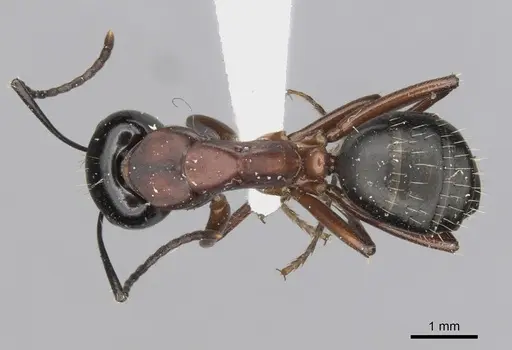
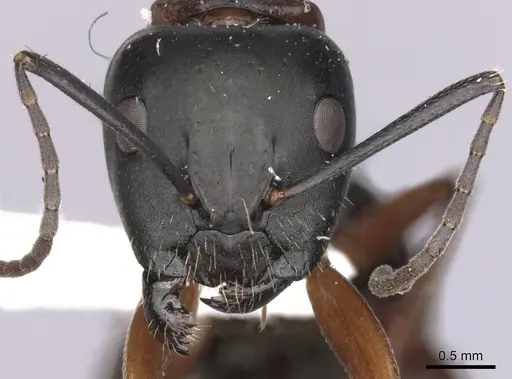
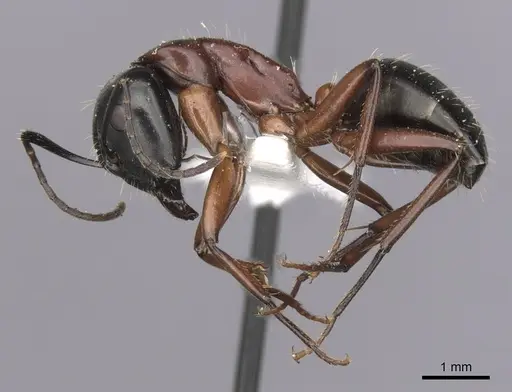
CASENT0280178
View on AntWeb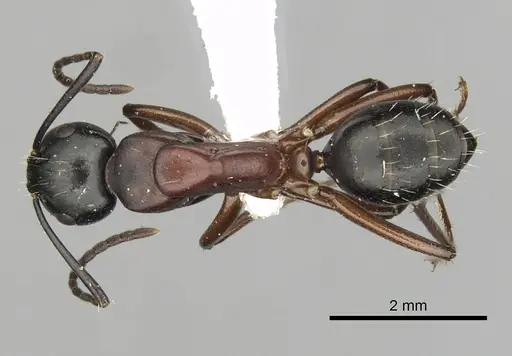
CASENT0280179
View on AntWeb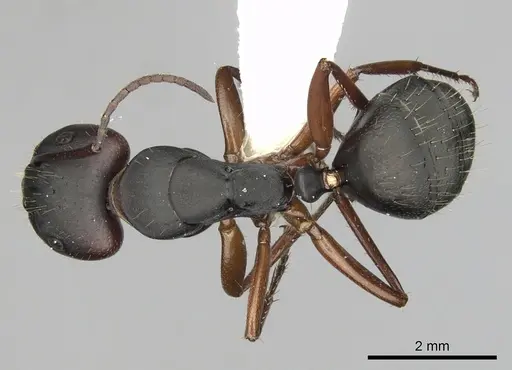
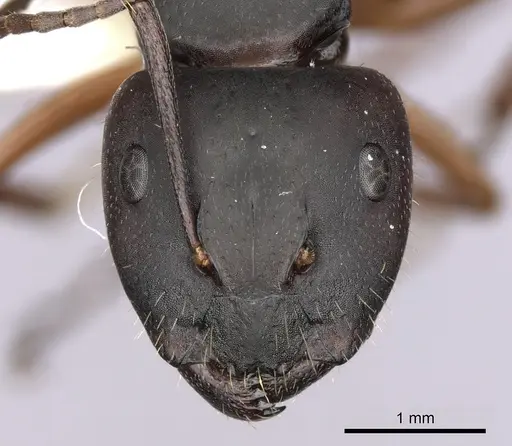
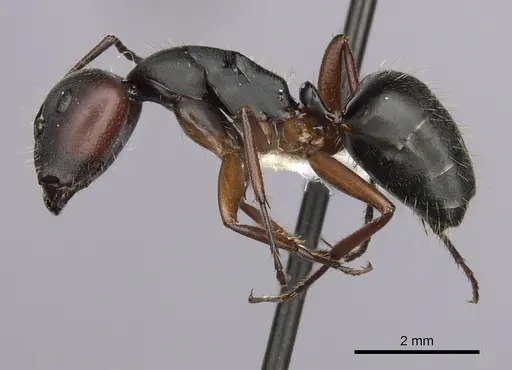
CASENT0280180
View on AntWeb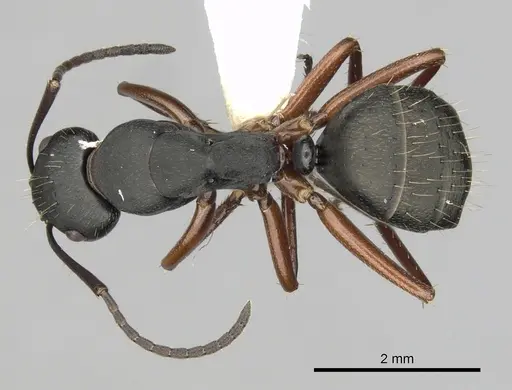
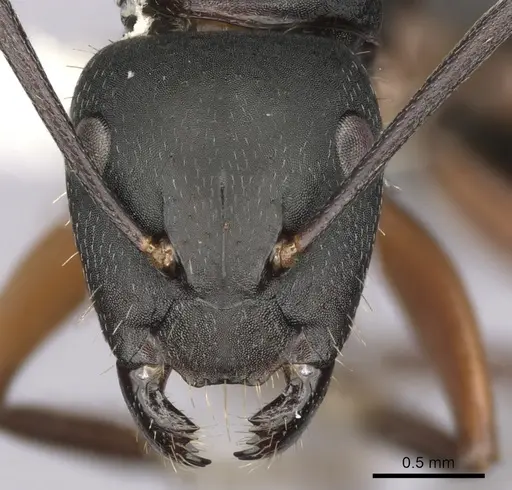
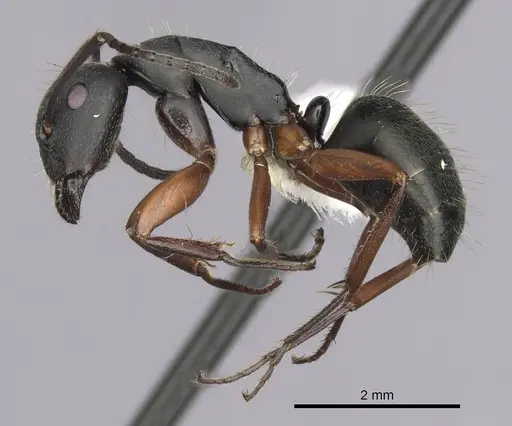
CASENT0887700
View on AntWeb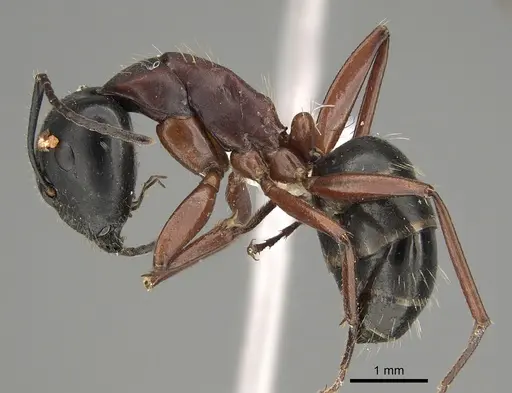
CASENT0910387
View on AntWeb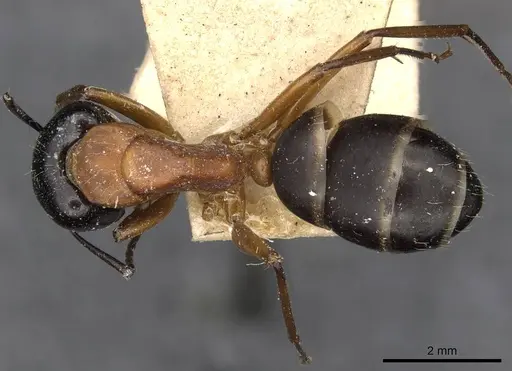
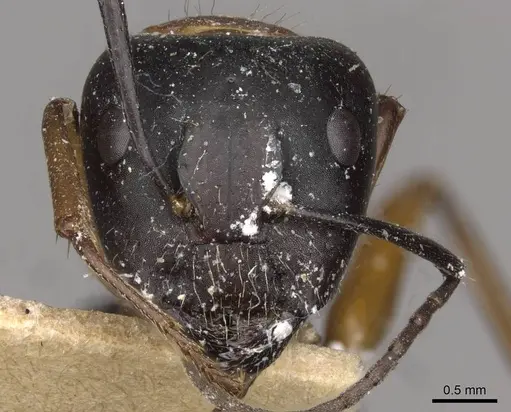
CASENT0910388
View on AntWeb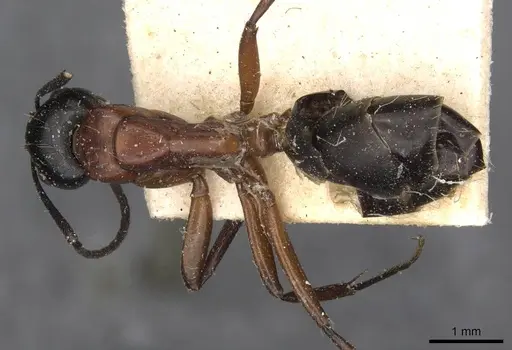
JDM32-001228
View on AntWeb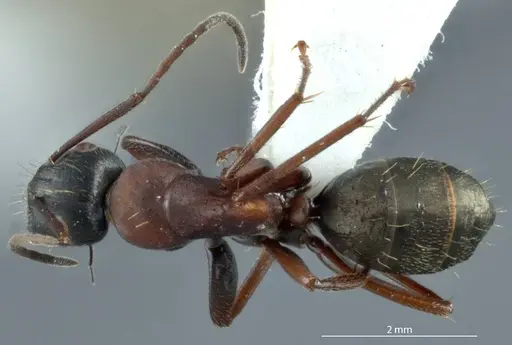
Literature
Loading...Loading products...