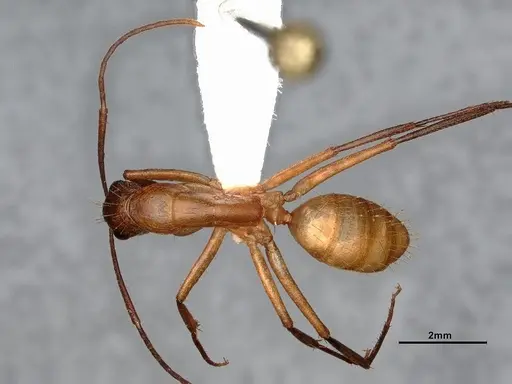
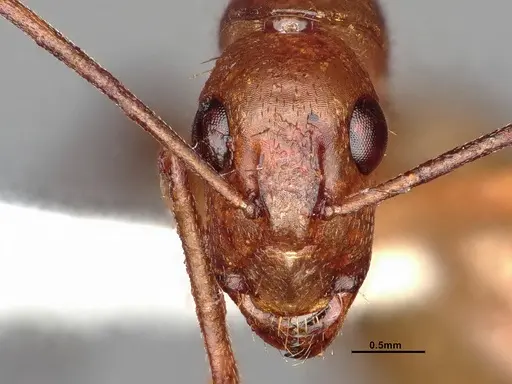
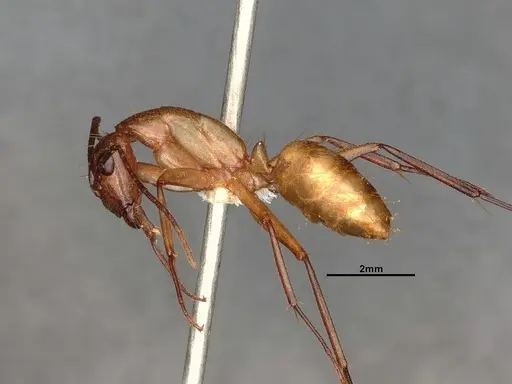
Camponotus inaequalis exhibits a clear seasonal flight window. Peak flight activity is concentrated in June, with the overall period spanning May to August.
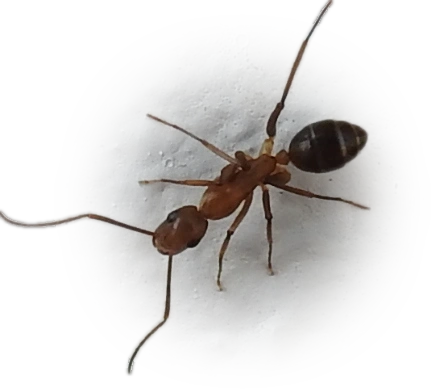
Camponotus inaequalis
- Scientific Name
- Camponotus inaequalis
- Subgenus
- Tanaemyrmex
- Tribe
- Camponotini
- Subfamily
- Formicinae
- Author
- Roger, 1863
- Common Name
- Ant
- Distribution
- Found in 3 countries
- Nuptial Flight
- from May to August, peaking in June
AI Identifiable
try →
Camponotus inaequalis Overview
Camponotus inaequalis (commonly known as the Ant) is an ant species of the genus Camponotus. It is primarily documented in 3 countries , including Costa Rica, Panama, United States of America. Detailed taxonomic data and occurrence records can be further explored via authoritative databases such as AntWeb or the Global Biodiversity Information Facility (GBIF).
The nuptial flight of Camponotus inaequalis is a significant biological event, typically occurring from May to August, peaking in June. During this time, winged queens and males leave the nest to mate and establish new colonies.
Camponotus inaequalis - "Ant"
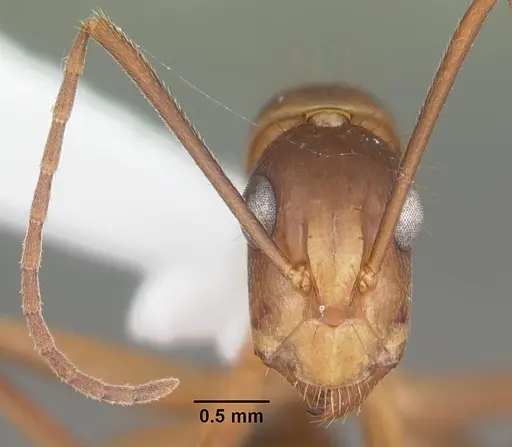
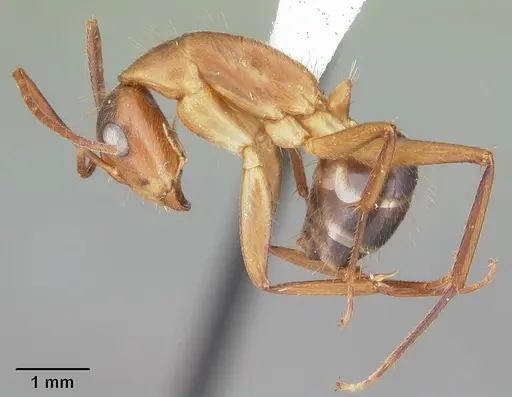
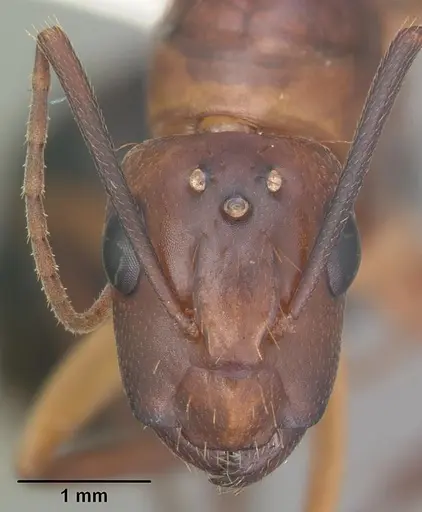
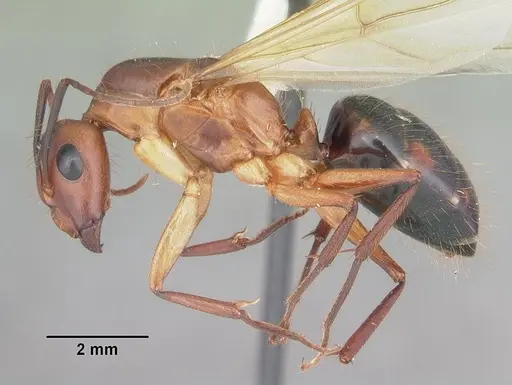
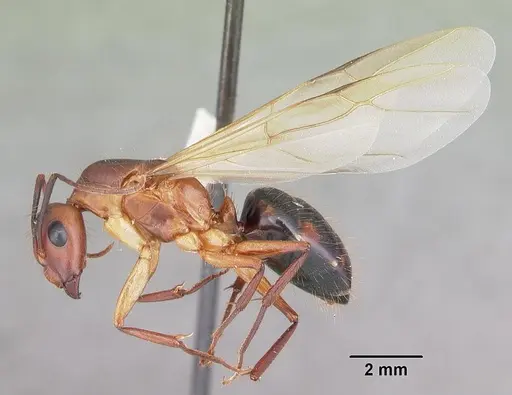
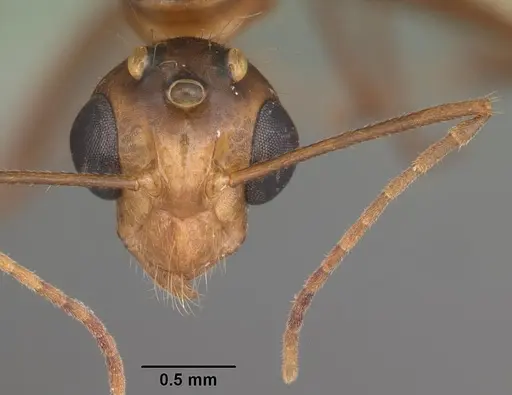
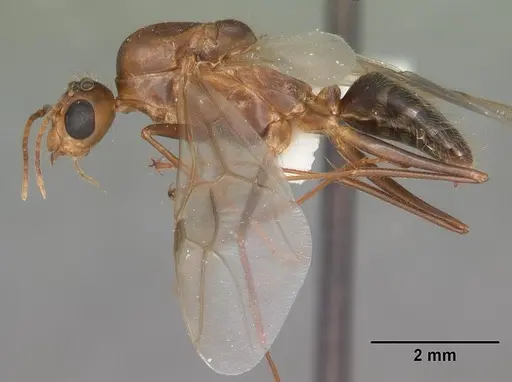
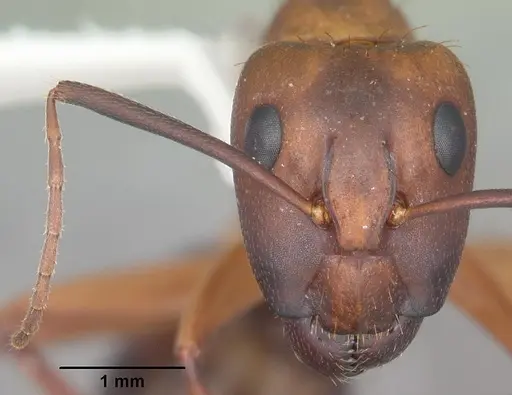
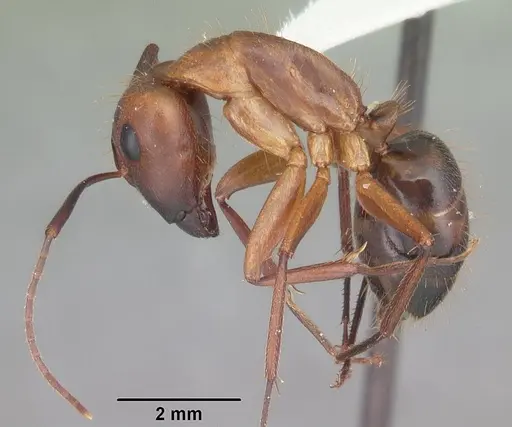
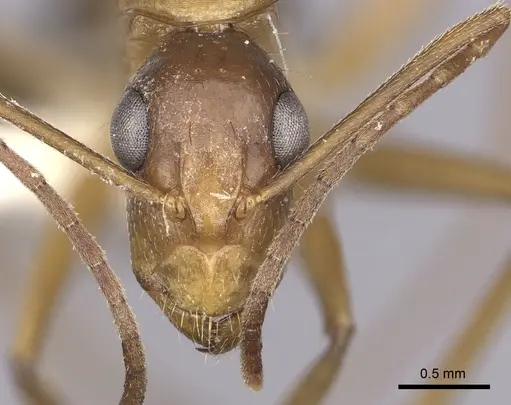
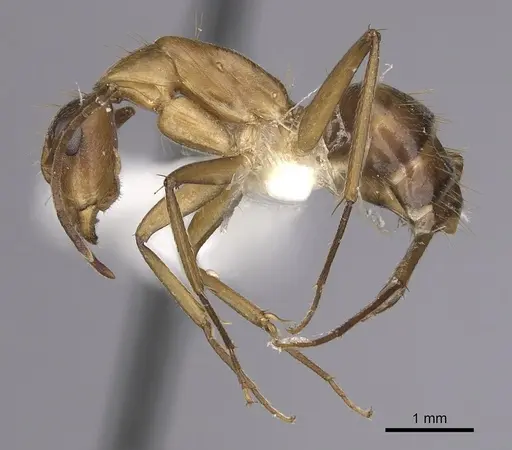
Camponotus inaequalis is a medium to large carpenter ant species native to Cuba, the Bahamas, southern Florida, and into Mexico. Workers are strongly polymorphic, meaning they come in distinct sizes, majors measure 9-11mm while minors are smaller at 6-7mm. Queens reach 10-11mm. The coloration is typically ferruginous (rusty brown) with a darker head and black or dark brown abdomen. This species belongs to the maculatus species complex within the subgenus Tanaemyrmex, and was previously known as Camponotus inaequalis before being synonymized in 2017 [AntWiki].
This is a nocturnal carpenter ant that nests in wood, both decaying wood in natural settings and sometimes wooden structures in homes. They are super-generalist predators and foragers, active at night when they hunt for prey and gather resources. In Florida, they are one of the most common indoor pest ants, accounting for significant complaints about wood damage and nuisance activity [1][2].
Quick Summary
- Difficulty: Easy
- Origin & Habitat: Native to Cuba, Bahamas, and southern Florida (north to Volusia County), with records in Mexico's Durango state. Found in tropical and subtropical habitats, often in coastal areas and islands. Nests in rotting wood, under stones, and in human structures [3][4][5][6].
- Colony Type: Monogyne, colonies have a single queen. The species has strongly polymorphic workers with distinct major and minor castes [7].
- Size & Growth:
- Queen: 10-11mm [AntWiki]
- Worker: Major: 9-11mm, Minor: 6-7mm [AntWiki]
- Colony: Up to several thousand workers based on typical carpenter ant patterns
- Growth: Moderate
- Development: 6-8 weeks (estimated based on typical Camponotus development at optimal temperature) (Development time is temperature-dependent. Like other Camponotus species, expect nanitics (first workers) to emerge smaller than normal workers.)
- Antkeeping:
- Temperature: Keep at 22-26°C. They are tropical/subtropical ants that prefer warmth but can tolerate typical room temperature. A gentle gradient with a heating cable on one side allows them to regulate temperature [1].
- Humidity: Moderate to high humidity preferred. Carpenter ants naturally nest in wood which provides some moisture. Keep nest substrate moderately moist but not waterlogged. They are drawn to humid environments in Florida [1].
- Diapause: No true diapause required, being a tropical/subtropical species, they do not need hibernation. However, they may reduce activity in cooler winter months if kept in unheated spaces.
- Nesting: Y-tong (AAC) nests work well for carpenter ants, or plaster nests that allow for some moisture. They can also be kept in naturalistic setups with rotting wood pieces. Avoid completely dry conditions.
- Behavior: Nocturnal foragers, they become active at night when they search for food. Majors (larger workers) typically stay in the nest while minors forage, showing division of labor between castes [8]. They are not particularly aggressive but can bite if threatened, and their bites may cause pain or allergic reactions in sensitive individuals [1]. Escape prevention is important, while not tiny, they are agile and can climb smooth surfaces. Use fluon on test tube rims and ensure formicarium connections are secure.
- Common Issues: colonies may abandon nests if too dry, monitor humidity closely, escape risk, they can climb glass and smooth surfaces, seal all connections, overfeeding leads to mold, remove uneaten food promptly, nocturnal activity may surprise keepers, they become active when lights are off
Nuptial Flight Activity Analysis 173 observations
Flight Activity by Hour 173 observations
Camponotus inaequalis nuptial flight activity peaks around 21:00 during the night. Activity is spread across a 24-hour window (00:00–23:00). Times may be influenced by human observation patterns.
Housing and Nest Setup
Camponotus inaequalis does well in Y-tong (AAC) nests or plaster nests that hold humidity well. As a carpenter ant, they naturally excavate wood, so providing them with wooden structures or soft materials they can chew through is appreciated. Test tube setups work for founding colonies, use a water reservoir tube for humidity and keep it in a dark, quiet location. Once the colony reaches 20-30 workers, you can move them to a formicarium. Ensure all connections between outworld and nest are sealed tightly, these ants can squeeze through small gaps and climb smooth surfaces effectively. [1][2]
Feeding and Diet
Like other carpenter ants, C. inaequalis is a generalist feeder. They accept protein sources like mealworms, crickets, and other insects. Sugar water, honey, or sugar syrup should be offered regularly, carpenter ants have a sweet tooth and will readily consume carbohydrates. In the wild, they are super-generalists that hunt prey, scavenge, and collect honeydew from aphids. Feed protein prey 2-3 times per week depending on colony size, and keep a sugar source available at all times. Remove uneaten prey within 24-48 hours to prevent mold. [1]
Temperature and Seasonal Care
This is a tropical/subtropical species from Cuba, Bahamas, and southern Florida. They prefer temperatures in the 22-26°C range. Being from warm climates, they do not require hibernation or true diapause. However, if your room temperature drops below 18°C in winter, you may notice reduced activity, this is normal and they will become active again when warmed. A heating cable or mat on one side of the nest creates a temperature gradient they can choose between. Avoid temperatures below 15°C for extended periods. [1][4]
Behavior and Colony Dynamics
C. inaequalis is strongly polymorphic, this means you have distinct major workers (soldiers) and minor workers. Research on the closely related C. tortuganus shows that minor workers do the foraging while major workers typically remain in the nest [8]. This species is nocturnal, becoming most active at night when they search for food. They are not aggressive toward keepers but can deliver a painful bite if handled roughly or threatened. Their bites may cause allergic reactions in sensitive individuals [1]. Colonies grow moderately, expect several months before the first workers (nanitics) appear, then steady growth over 1-2 years to reach mature colony size.
Nuptial Flights and Reproduction
In Florida, swarming (nuptial flights) occurs primarily in spring and early summer [2]. Alates (reproductives) are produced seasonally and will emerge when the colony is mature enough. If you keep a colony long-term, you may eventually see winged queens and males develop. After mating, new queens will dig chambers to found colonies claustrally, sealing themselves in and raising the first brood alone on stored energy reserves.
Frequently Asked Questions
How long does it take for Camponotus inaequalis to get their first workers?
Expect 6-8 weeks from egg to first worker (nanitic) at optimal temperature (around 24-26°C). This is typical for Camponotus species. The first workers will be smaller than normal minors.
What do Camponotus inaequalis ants eat?
They are generalist feeders. Offer protein insects (mealworms, crickets, fruit flies) 2-3 times per week and keep sugar water or honey available at all times. They will also scavenge and collect honeydew.
Are Camponotus inaequalis good for beginners?
Yes, they are considered easy to keep. They are resilient, tolerate a range of conditions, and are not aggressive. Their nocturnal activity and potential for wood damage in captivity are the main things to watch for.
Do Camponotus inaequalis need hibernation?
No, being a tropical/subtropical species from Cuba and Florida, they do not require true hibernation. They may reduce activity in cooler temperatures but do not need a cold diapause period.
How big do Camponotus inaequalis colonies get?
Based on typical carpenter ant patterns, colonies can reach several thousand workers over 1-2 years. They are strongly polymorphic with distinct major and minor worker castes.
What temperature is best for Camponotus inaequalis?
Keep them at 22-26°C. They prefer warmth but can tolerate typical room temperature. A temperature gradient with a heating cable on part of the nest allows them to choose their preferred spot.
When do Camponotus inaequalis alates appear?
In their native Florida range, nuptial flights occur in spring and early summer [2]. In captivity, alates typically appear when the colony reaches maturity, usually after 1+ years.
Can I keep multiple Camponotus inaequalis queens together?
No, this species is monogyne, colonies have a single queen. Multiple unrelated queens will fight. Only one queen per colony.
Why is my Camponotus inaequalis colony dying?
Common causes include: too dry conditions (they need moderate humidity), temperatures below 15°C for extended periods, mold from overfeeding or poor ventilation, or stress from too much disturbance. Check humidity levels and ensure they have a sugar source available.
Report an Issue
The current care sheet is based fully on literature. See inconsistencies, or something that's incorrect? Please , it will be resolved after review from an admin. Contributing to the blogs tab also helps providing information, to make us be able to further improve the caresheets. Thank you for your support!
References

This caresheet is licensed under CC BY-SA 4.0 .
CASENT0103716
View on AntWeb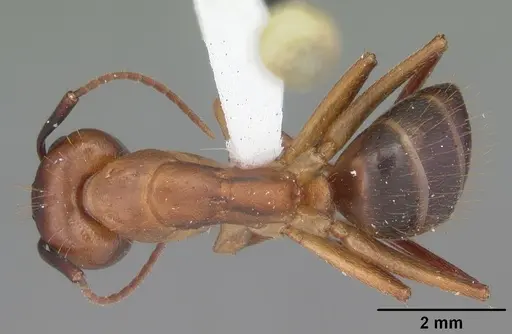
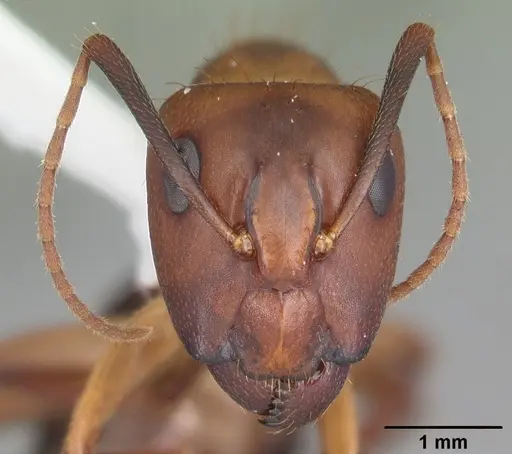
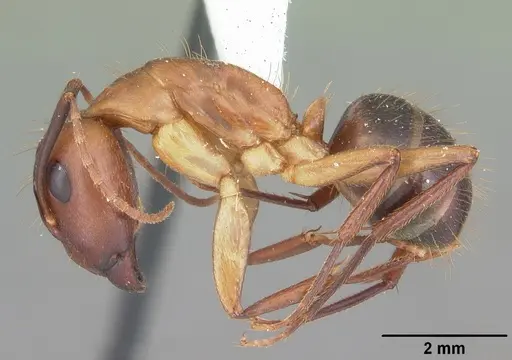
CASENT0103717
View on AntWeb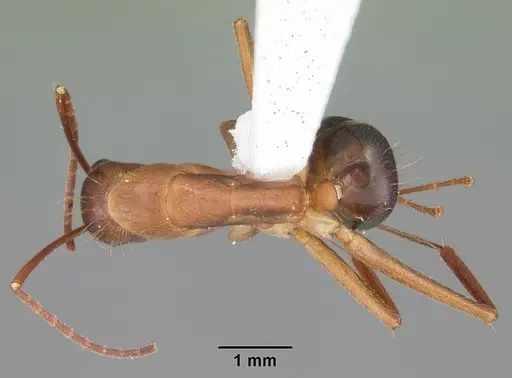
CASENT0103719
View on AntWeb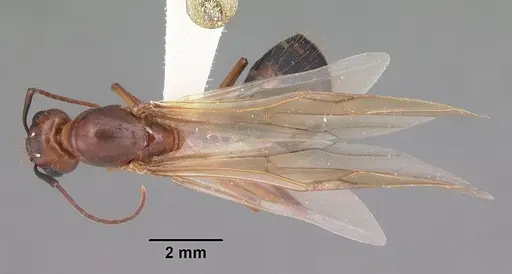
CASENT0103720
View on AntWeb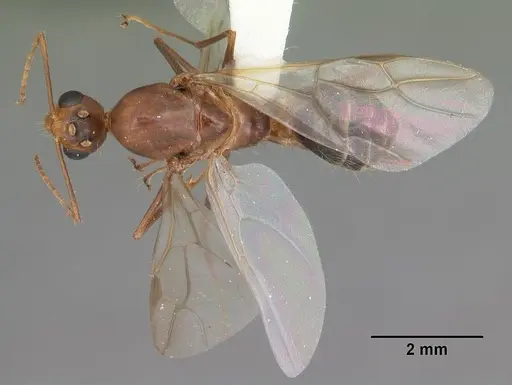
CASENT0103721
View on AntWeb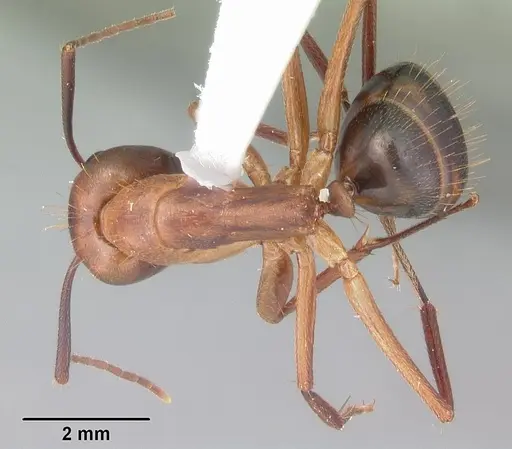
CASENT0218847
View on AntWeb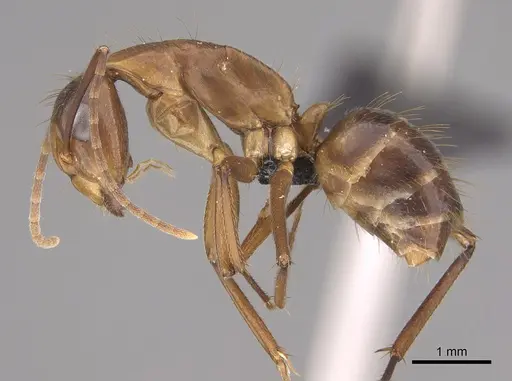
CASENT0280041
View on AntWeb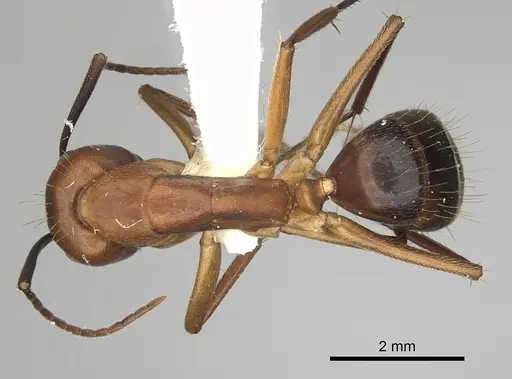
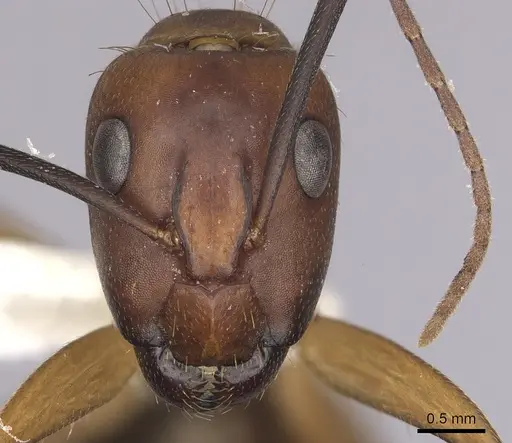
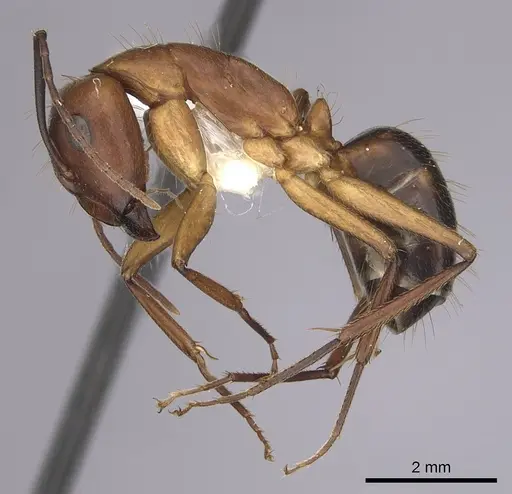
CASENT0280042
View on AntWeb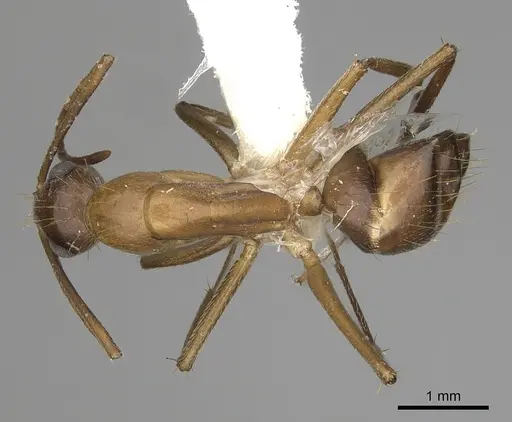
CASENT0905263
View on AntWeb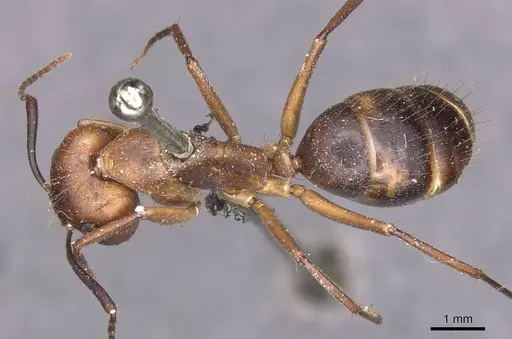
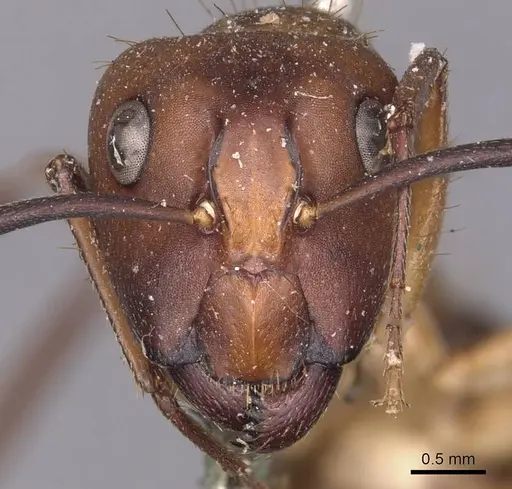
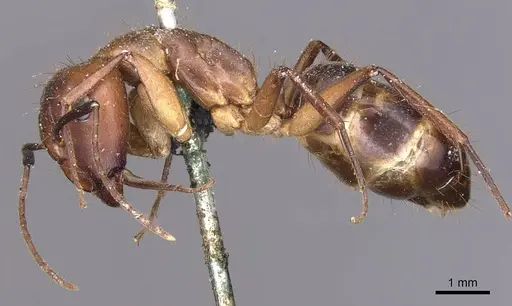
JTLC000008151
View on AntWeb