

Camponotus imitator
- Scientific Name
- Camponotus imitator
- Subgenus
- Myrmosaga
- Tribe
- Camponotini
- Subfamily
- Formicinae
- Author
- Forel, 1891
- Distribution
- Found in 1 countries
Camponotus imitator Overview
Camponotus imitator is an ant species of the genus Camponotus. It is primarily documented in 1 countries , including Madagascar. Detailed taxonomic data and occurrence records can be further explored via authoritative databases such as AntWeb or the Global Biodiversity Information Facility (GBIF).
Camponotus imitator
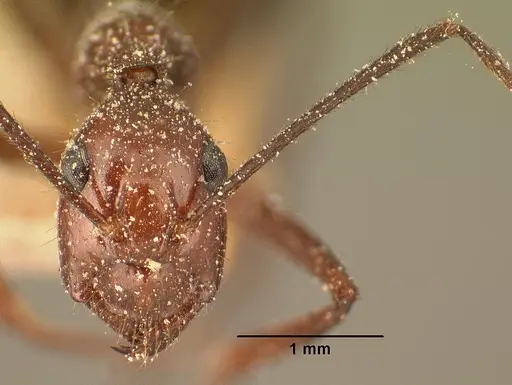
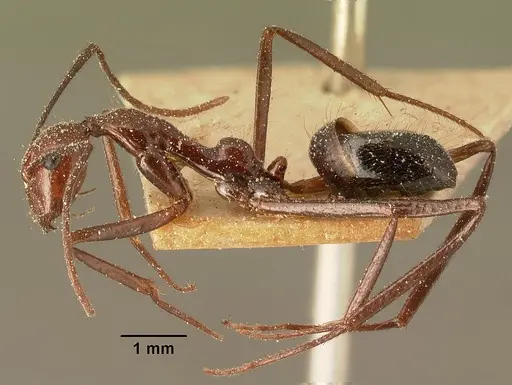
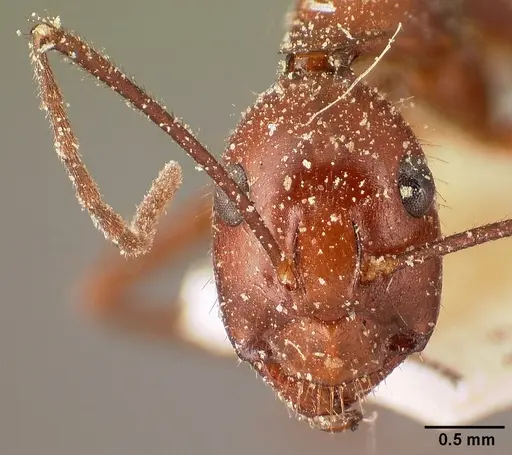
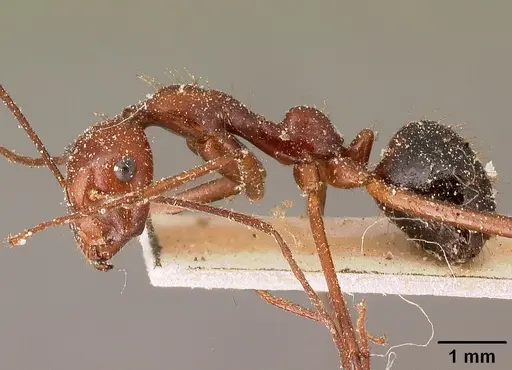
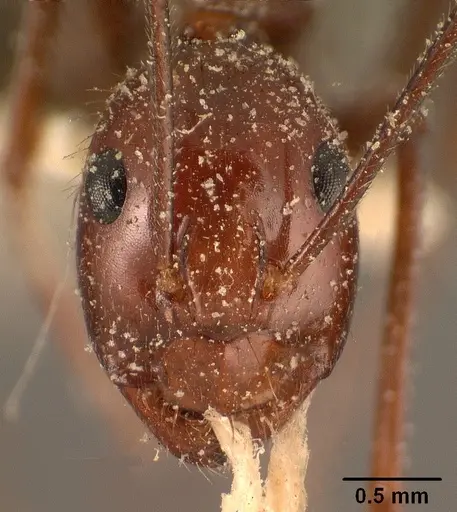
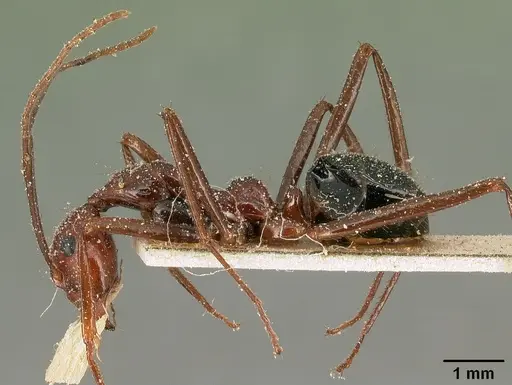
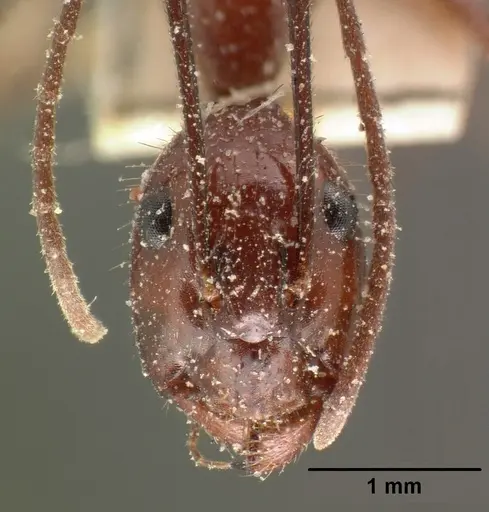
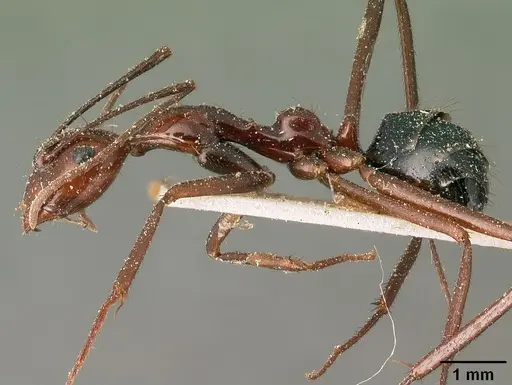
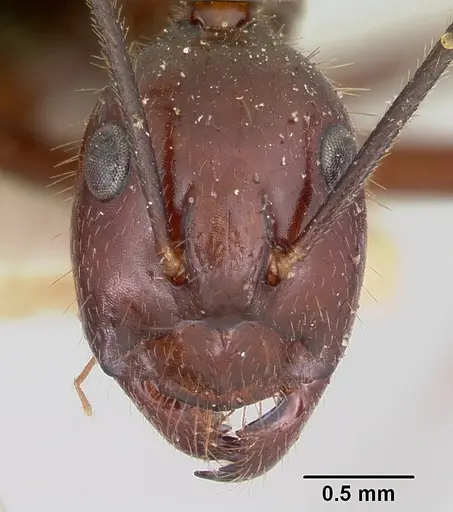
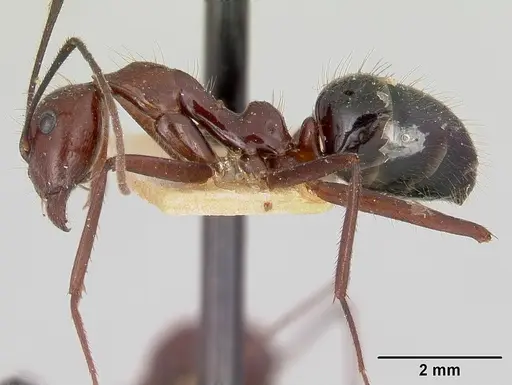
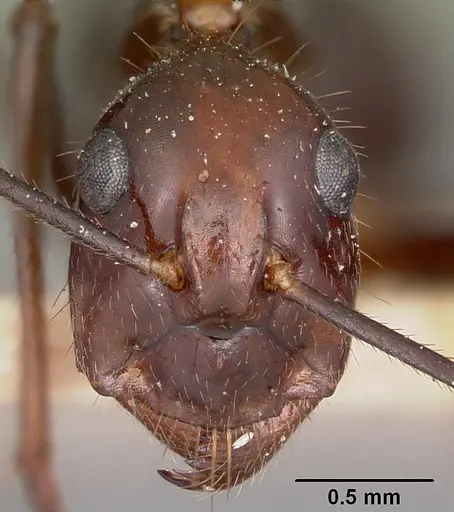
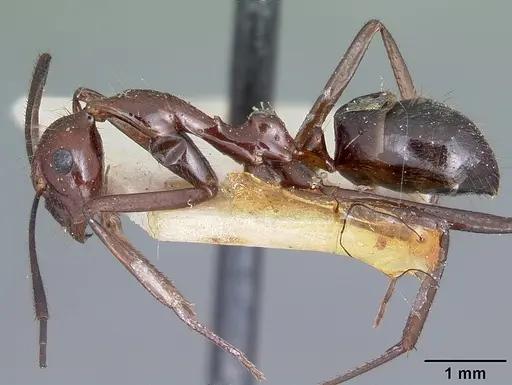
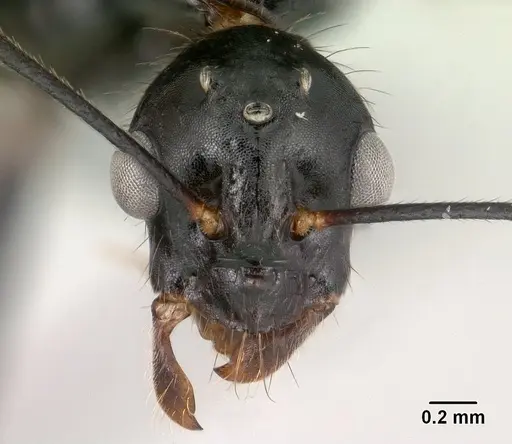
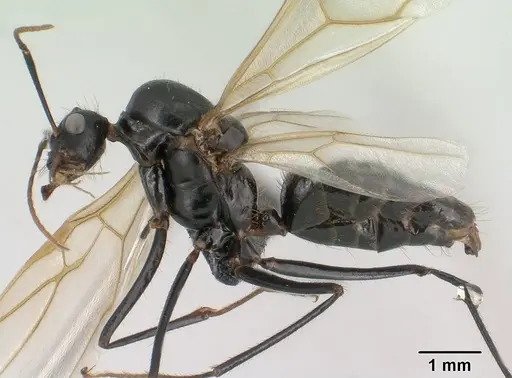
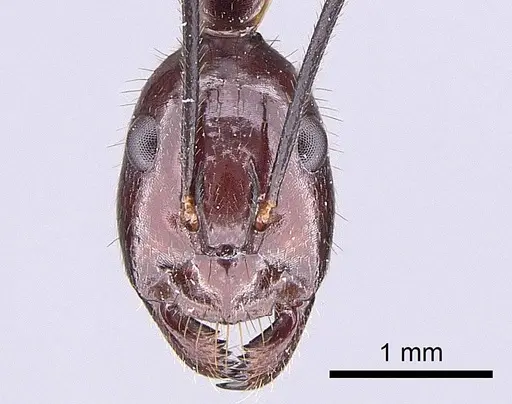
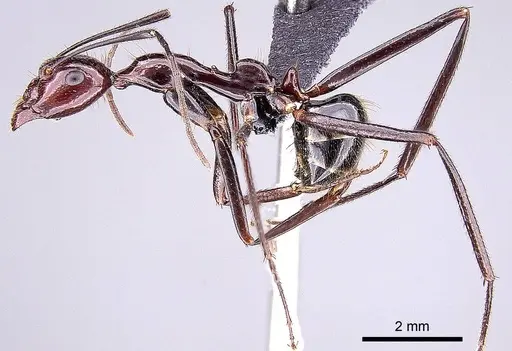
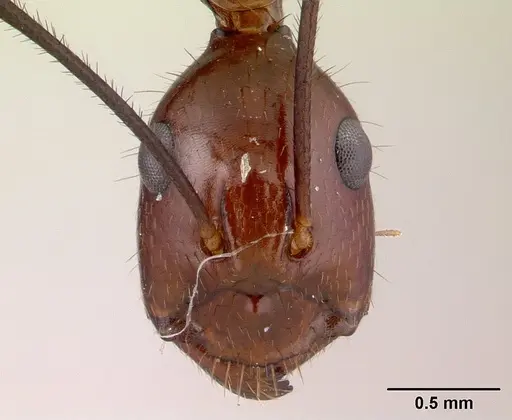
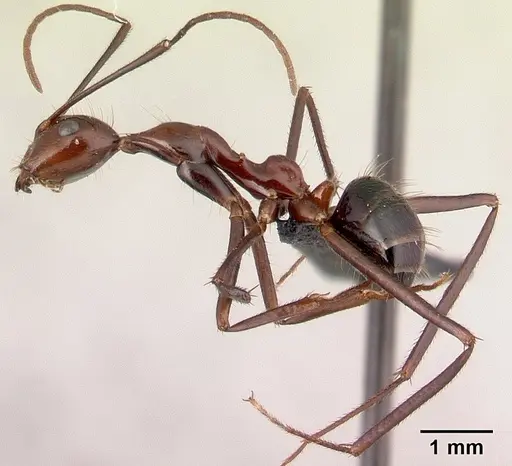
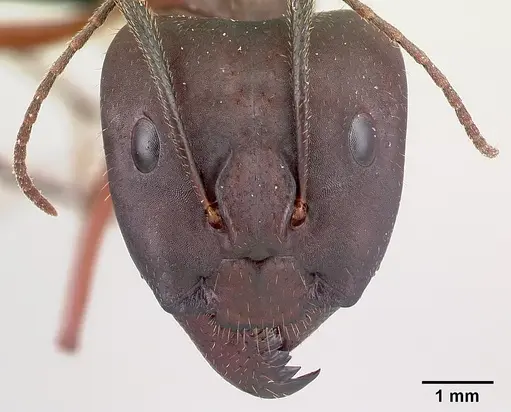
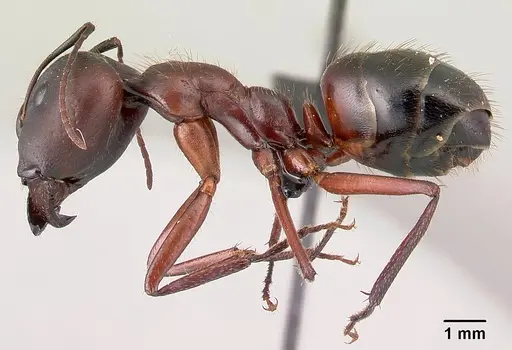
Camponotus imitator is a medium-sized carpenter ant endemic to Madagascar. Workers display a distinctive bicolored pattern: the head and mesosoma are reddish brown while the gaster is dark brown to black. Minor workers measure 1.34-2.18mm while major workers (soldiers) reach 2.32-3.94mm [1]. This species belongs to the Myrmosaga subgenus and is famous for its remarkable Batesian mimicry, minor workers closely resemble the myrmicine ant Aphaenogaster swammerdami in both color and body shape, particularly in the constricted mesonotum that mimics a petiole when viewed from above [1]. This mimicry is so effective that C. imitator workers are often found foraging alongside Aphaenogaster swammerdami in the wild [1]. The species nests underground in dry forest and woodland habitats across western and southern Madagascar at elevations ranging from 25 to 990 meters [1].
Quick Summary
- Difficulty: Medium
- Origin & Habitat: Endemic to Madagascar, found in dry forest and woodland habitats in western and southern regions at elevations of 25-990m [1]. Ground-nesting species collected from soil, rotten logs, and leaf litter [1][2].
- Colony Type: Monogyne (single queen) colonies. Colony structure is typical of Camponotus with one founding queen establishing a colony alone.
- Colony: Monogyne
- Founding: Claustral
- Size & Growth:
- Queen: Estimated 9-12mm based on genus patterns (no direct measurement available)
- Worker: Minor workers: 1.34-2.18mm, Major workers: 2.32-3.94mm [1]
- Colony: Estimated several hundred workers based on typical Camponotus colony sizes (no specific data)
- Growth: Moderate, typical Camponotus development timeline
- Development: Estimated 6-8 weeks at optimal temperature based on genus patterns (No specific development data for this species, estimates based on typical Camponotus development at 24-26°C)
- Antkeeping:
- Temperature: Keep at 24-28°C. As a Madagascar species from dry forest habitat, they prefer warm conditions with a gentle temperature gradient [1].
- Humidity: Moderate humidity around 50-60%. This is a ground-nesting species from dry forest, avoid overly damp conditions but provide a moisture gradient with a damp section for brood development.
- Diapause: Likely a short diapause period during the cooler, drier season in Madagascar (roughly May-October). Reduce temperature to 18-20°C for 2-3 months during winter months.
- Nesting: Ground-nesting species. Use a Y-tong (AAC) nest or plaster/naturalistic setup with soil substrate. Provide narrow chambers scaled to their medium size. A test tube setup works for founding colonies.
- Behavior: Generally peaceful and not aggressive. Workers are active foragers both day and night, often found traveling alongside their Aphaenogaster mimics in the wild [1]. They are moderate escape artists, use standard barrier methods (Fluon) but no special fine mesh required given their medium size. Workers emit formic acid when threatened but rarely sting.
- Common Issues: colonies may fail if kept too cold, maintain warm temperatures year-round, overwatering can cause mold issues in ground-nesting setup, wild-caught colonies may carry parasites from Madagascar, slow founding phase, queens may take months before first workers appear, escape prevention needed but not as critical as tiny species
Housing and Nest Setup
Camponotus imitator is a ground-nesting species that does well in Y-tong (acrylic) nests or plaster setups with soil chambers. For founding colonies, a standard test tube setup works well, fill a test tube one-third with water, plug with cotton, and place the queen in the dark section. Once the colony reaches 20-30 workers, you can transition to a formicarium. Provide a moisture gradient by keeping one section damp and another drier. Because they mimic Aphaenogaster ants, they may benefit from a more naturalistic setup with some soil or substrate they can walk through. Avoid tall vertical spaces, these ants prefer horizontal chambers and tunnels. Outworld space should allow for foraging trails. [1][2]
Feeding and Diet
Like most Camponotus species, C. imitator is omnivorous. Feed a mix of protein and carbohydrates. Protein sources include small insects (fruit flies, small crickets, mealworms), while carbohydrates come from sugar water, honey, or diluted maple syrup. In the wild, they forage alongside Aphaenogaster and likely share similar diets, scavenging for insect remains and honeydew. Feed protein 2-3 times per week for established colonies, and keep a constant sugar source available. Remove uneaten prey after 24-48 hours to prevent mold. Fresh killed insects are preferred over dried ones. [1]
Temperature and Seasonal Care
Maintain temperatures between 24-28°C for optimal brood development. This species comes from the dry forests of Madagascar where temperatures are consistently warm. Use a heating cable on one side of the nest to create a temperature gradient, ants will self-regulate by moving to warmer or cooler areas. During the winter months (roughly May-October in Madagascar's dry season), you can reduce temperatures to 18-20°C for 2-3 months to simulate diapause. Do not cool dramatically, a mild reduction is sufficient. Watch for colony activity levels, if workers become sluggish and cluster together, temperatures may be too low. [1]
The Mimicry System
One of the most fascinating aspects of Camponotus imitator is its Batesian mimicry of Aphaenogaster swammerdami. The minor workers have evolved to resemble the myrmicine ant in both coloration (reddish brown body with dark gaster) and body shape, particularly the constricted mesonotum that creates the appearance of a petiole when viewed from above [1]. This mimicry is so precise that the two species are often found foraging together in the wild. The benefit for C. imitator is likely predator avoidance, predators that avoid Aphaenogaster (which can deliver a painful sting) will also avoid the harmless Camponotus mimics. This is one of the few documented cases of ant-on-ant mimicry in Madagascar and makes this species particularly interesting to observe.
Colony Growth and Development
Camponotus colonies typically grow at a moderate pace. After the claustral queen seals herself in, she will lay eggs and tend to the brood without leaving the nest. First workers (nanitics) will emerge smaller than normal workers and help expand the colony. Expect 6-8 weeks from egg to first worker at optimal temperatures. Growth accelerates as more workers hatch, a healthy founding colony should reach 50+ workers within 6 months under good conditions. Major workers (soldiers) appear as the colony matures, typically when the colony reaches 100+ workers. Be patient during the founding phase, queens can sit idle for weeks before laying eggs, and this is normal.
Handling and Temperament
Camponotus imitator workers are generally calm and not prone to aggression. When threatened, they may emit formic acid as a defensive secretion but rarely attempt to sting. The genus name 'Camponotus' means 'strong footed' and these ants are known for their sturdy build and deliberate movements. They are not aggressive toward keepers and can be observed closely without special precautions. However, always use escape prevention, even calm ants can wander and establish colonies in unwanted areas. Standard Fluon barriers on the outworld are sufficient.
Frequently Asked Questions
How long does it take for Camponotus imitator to produce first workers?
Expect 6-8 weeks from egg to first worker at optimal temperatures (24-28°C). This is typical for Camponotus species. The founding queen may take several weeks to lay her first eggs after sealing in, so be patient.
What do Camponotus imitator ants eat?
They are omnivorous. Feed small insects (fruit flies, pinhead crickets, mealworms) for protein 2-3 times per week, and provide constant access to sugar water or honey. They will also scavenge for sweet liquids and insect remains.
What temperature do Camponotus imitator need?
Keep them warm at 24-28°C. This Madagascar species prefers consistent warmth. A heating cable on one side of the nest creates a gradient they can self-regulate within.
Are Camponotus imitator good for beginners?
They are intermediate in difficulty. The main challenges are providing proper warmth and being patient through the slow founding phase. They are more forgiving than tropical species but require more attention than common temperate ants.
How big do Camponotus imitator colonies get?
Estimated several hundred workers based on typical Camponotus colony sizes. Major workers appear as the colony matures, typically when the colony reaches 100+ workers.
Do Camponotus imitator need hibernation?
They likely benefit from a mild diapause period during the cooler dry season (roughly 2-3 months at 18-20°C). This simulates their natural seasonal cycle in Madagascar.
What makes Camponotus imitator special?
They are one of the few ant species that mimic another ant species (Aphaenogaster swammerdami) through Batesian mimicry. Their minor workers have evolved to resemble the myrmicine ant in color and body shape, and they are often found foraging together in the wild.
Can I keep multiple Camponotus imitator queens together?
This species is monogyne, single queen colonies. Combining unrelated queens is not recommended and likely results in fighting. Each colony should be started with one founding queen.
References

This caresheet is licensed under CC BY-SA 4.0 .
CASENT0101116
View on AntWeb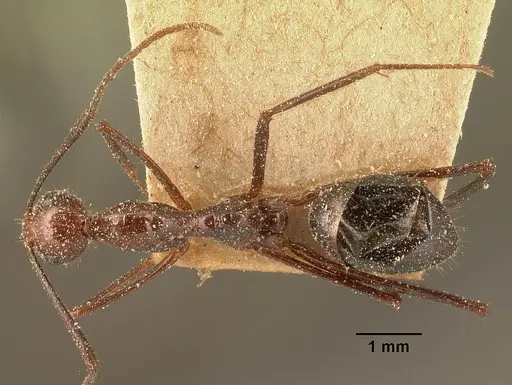
CASENT0101117
View on AntWeb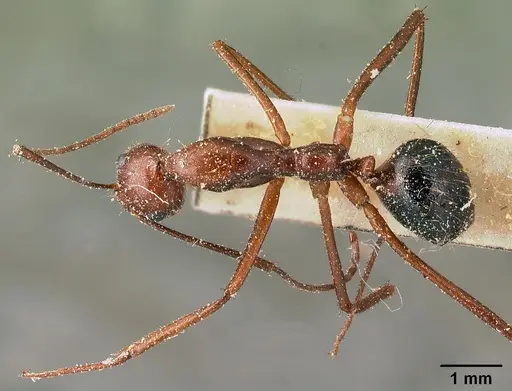
CASENT0101118
View on AntWeb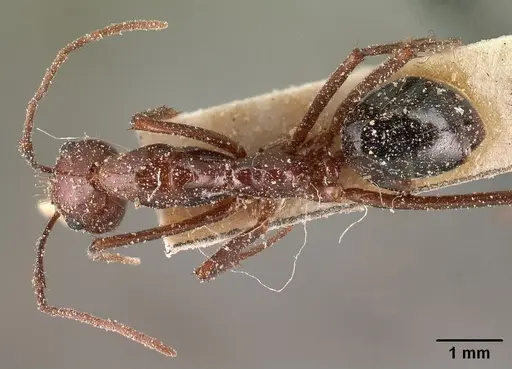
CASENT0101119
View on AntWeb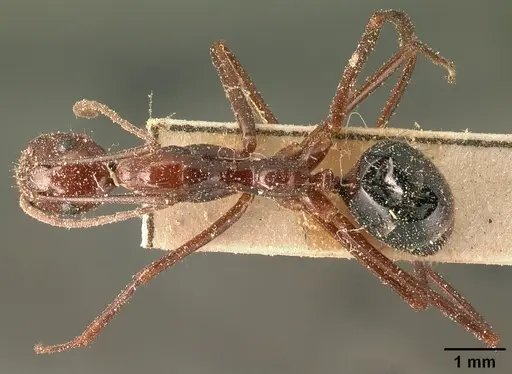
CASENT0101365
View on AntWeb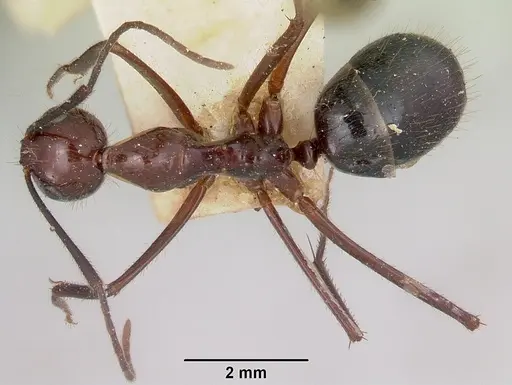
CASENT0104647
View on AntWeb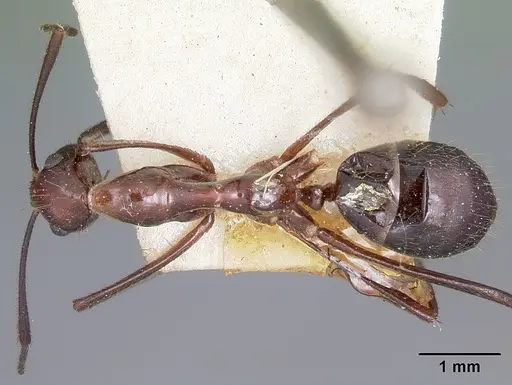
CASENT0145039
View on AntWeb
CASENT0209055
View on AntWeb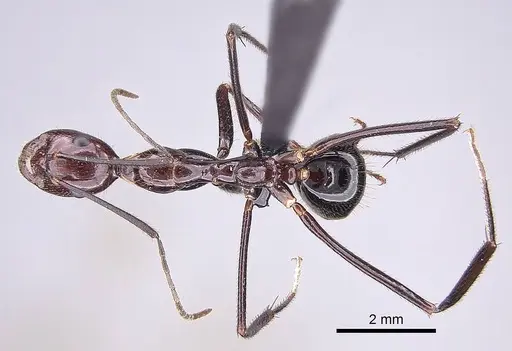
CASENT0452849
View on AntWeb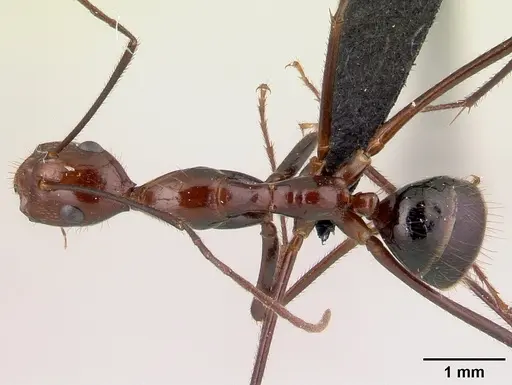
CASENT0452863
View on AntWeb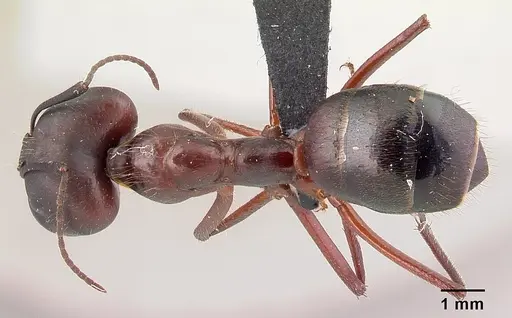
Literature
Loading...Loading products...