

Camponotus hyatti
- Scientific Name
- Camponotus hyatti
- Subgenus
- Myrmentoma
- Tribe
- Camponotini
- Subfamily
- Formicinae
- Author
- Emery, 1893
- Common Name
- Hyatt's Carpenter Ant
- Distribution
- Found in 2 countries
Camponotus hyatti Overview
Camponotus hyatti (commonly known as the Hyatt's Carpenter Ant) is an ant species of the genus Camponotus. It is primarily documented in 2 countries , including Mexico, United States of America. Detailed taxonomic data and occurrence records can be further explored via authoritative databases such as AntWeb or the Global Biodiversity Information Facility (GBIF).
Camponotus hyatti - "Hyatt's Carpenter Ant"
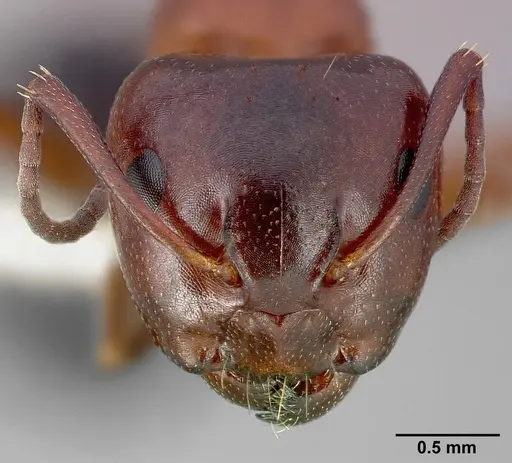
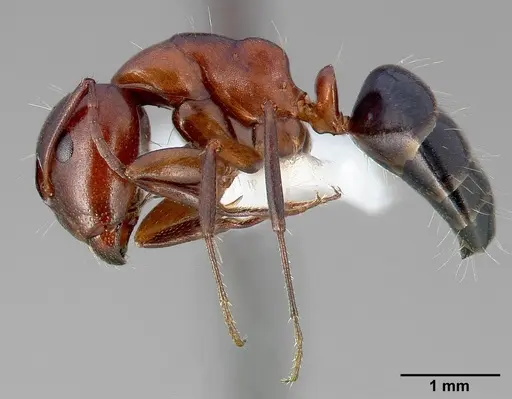
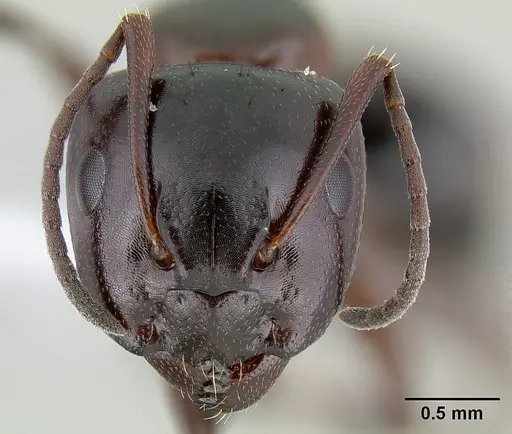
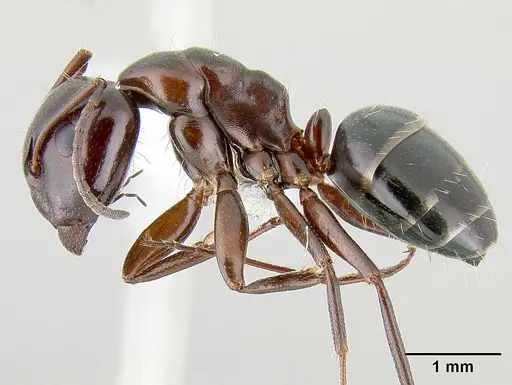
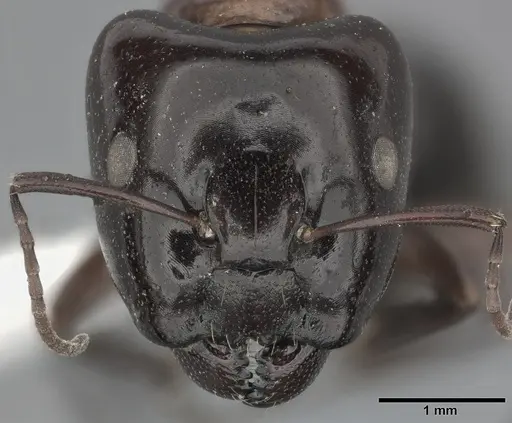
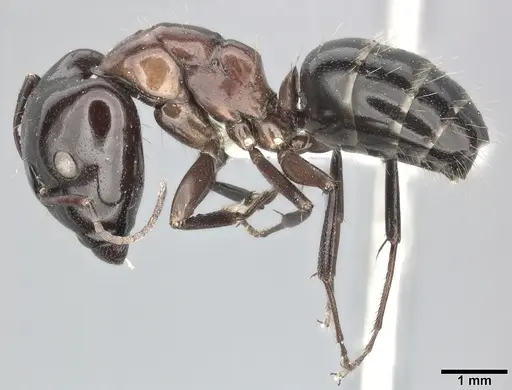
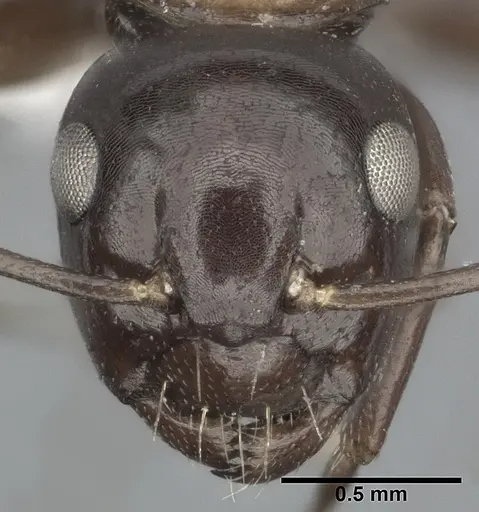
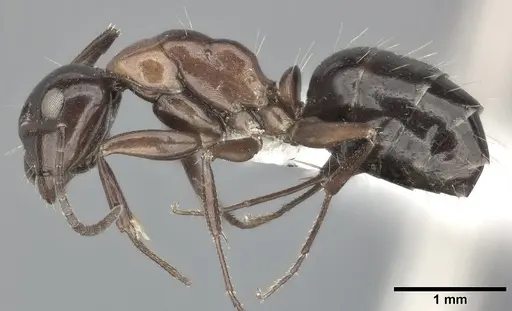
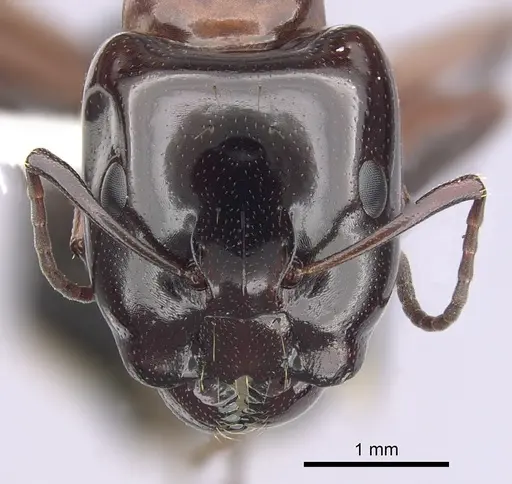
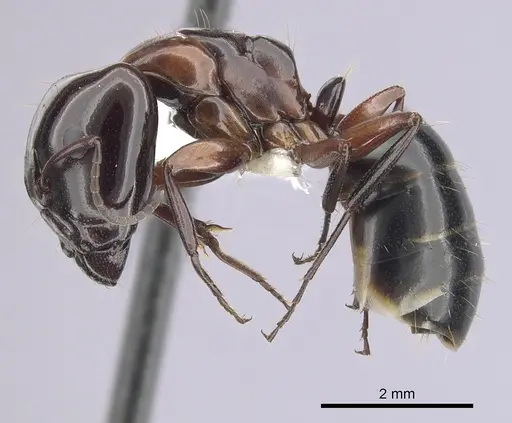
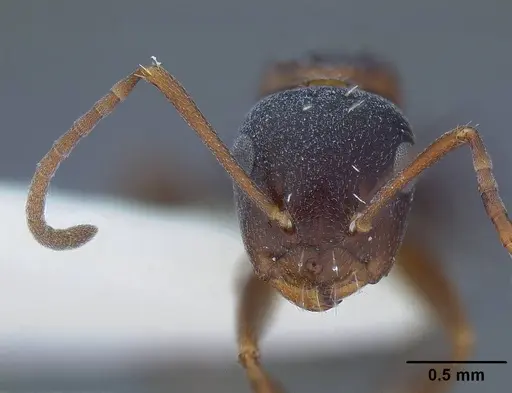
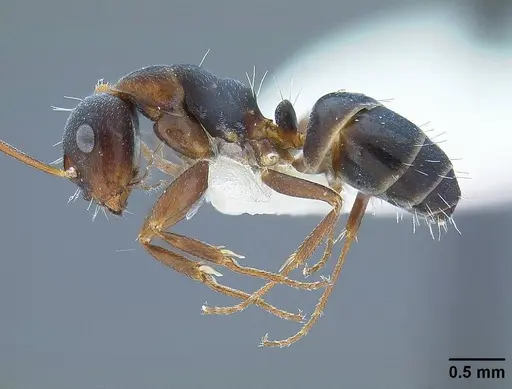
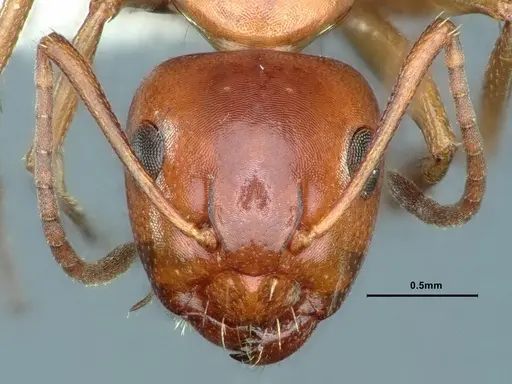
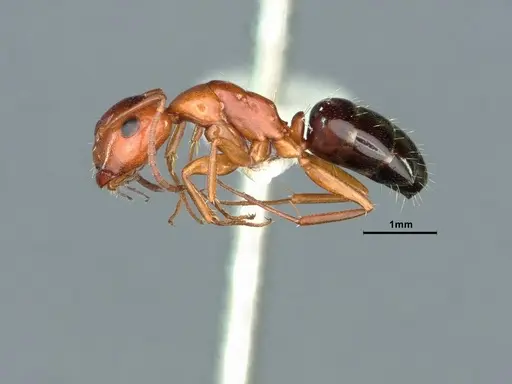
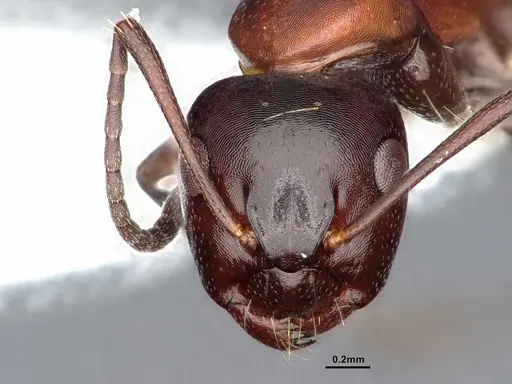
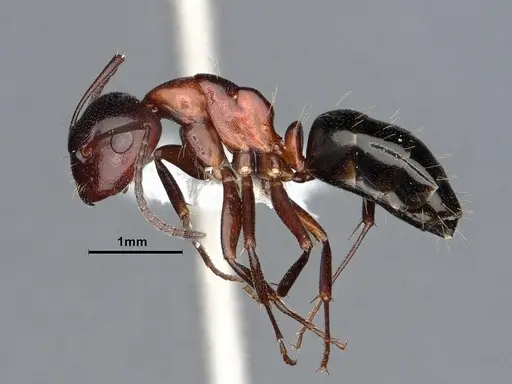
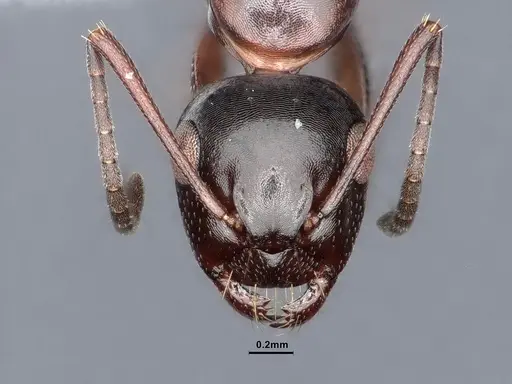
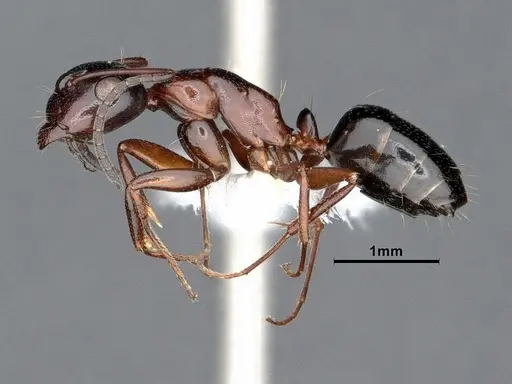
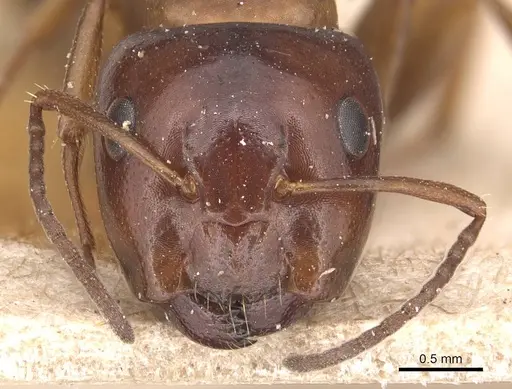
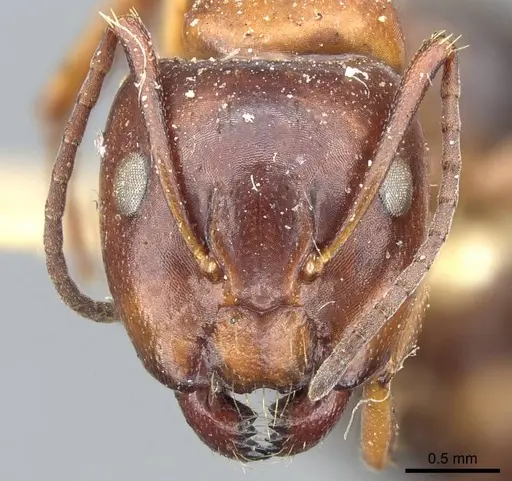
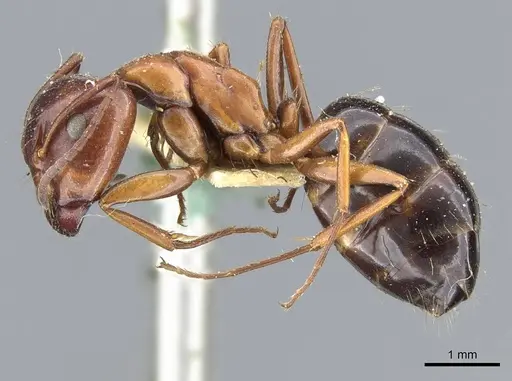
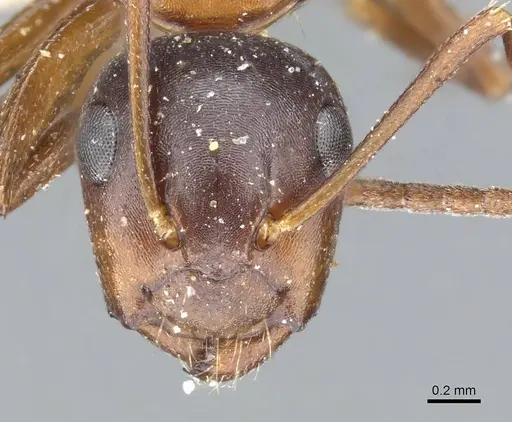
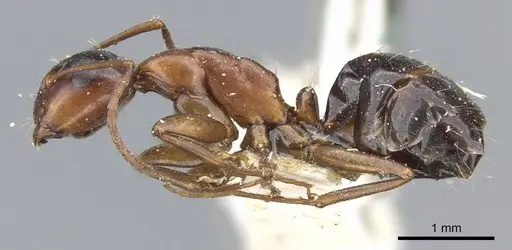
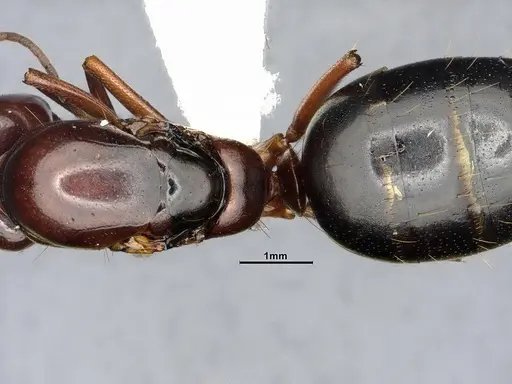
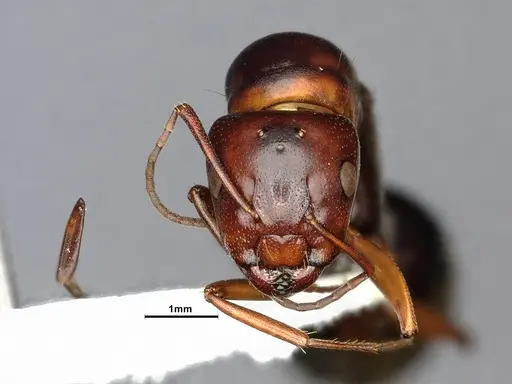
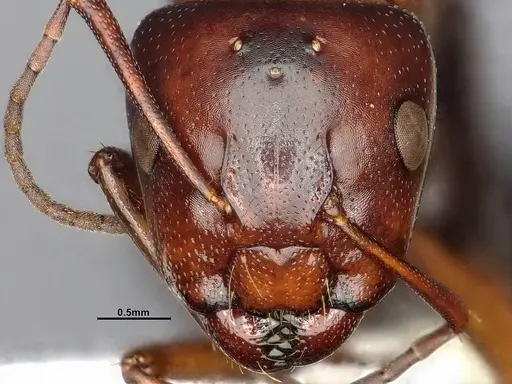
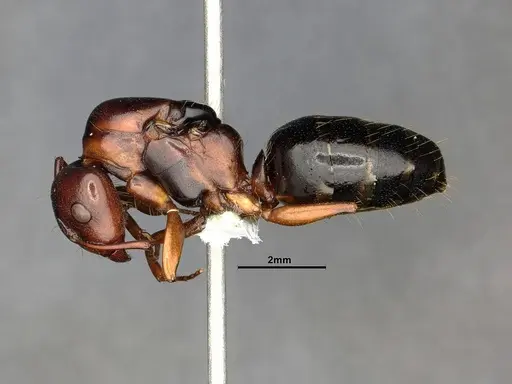
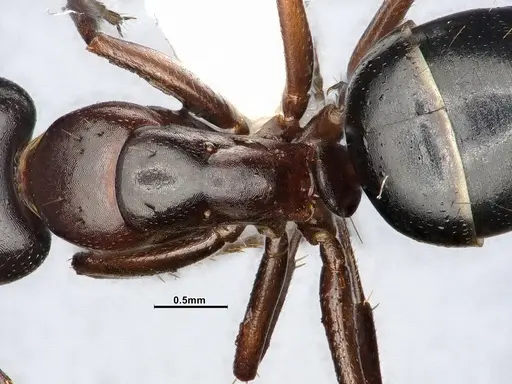
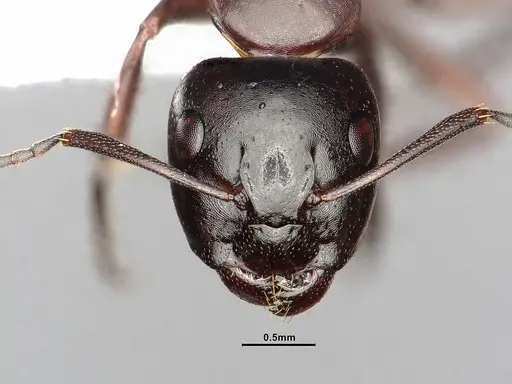
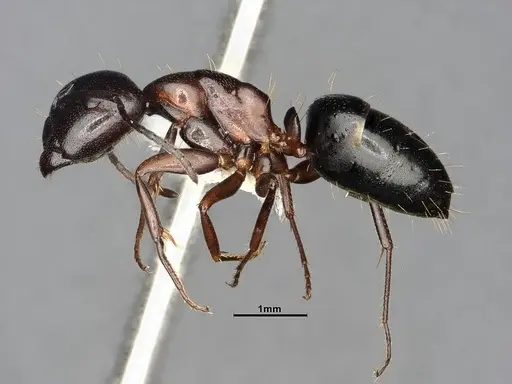
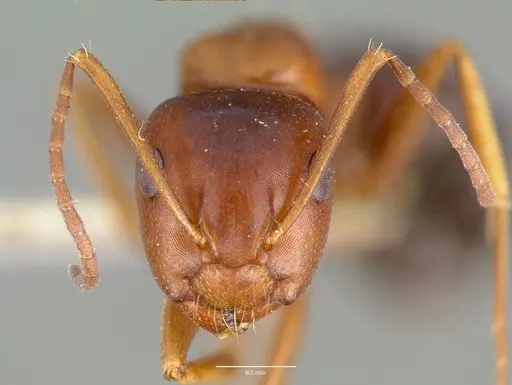
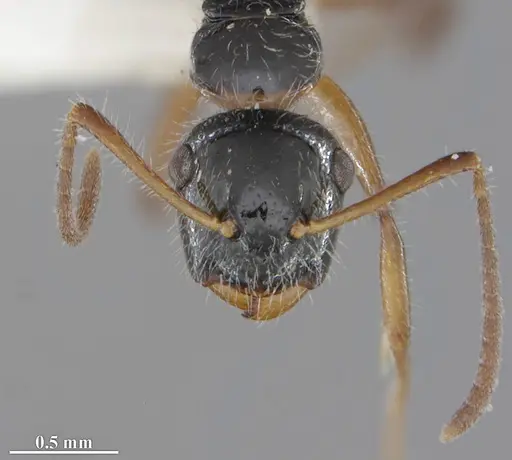
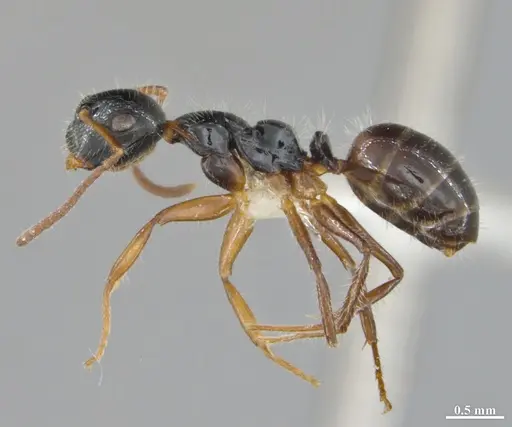
Camponotus hyatti is a polymorphic carpenter ant species found across the southwestern United States and northern Mexico. Workers range from 3.5-6.5mm with distinct majors, medias, and minors, the majors have a reddish-brown head and mesosoma with a dark brown gaster, and can be recognized by the deep impression at the metanotal suture and the convex dorsal face of the propodeum [1]. This species is a member of the subgenus Myrmentoma, a group of small to medium-sized carpenter ants known for their distinctive notch in the middle of the anterior clypeus margin. They nest inside dead wood including oaks, manzanita, sagebrush, and the hollow base of thick shrubs like Yucca and Ephedra. Workers forage during the day and are known honeydew feeders.
Quick Summary
- Difficulty: Easy
- Origin & Habitat: Southwestern United States and northern Mexico, primarily in desert and semi-desert habitats. Found in sagebrush habitats at elevations around 1770m in New Mexico, and in Nevada at 3,800-8,000 ft in creosote washes, Joshua Tree, and Pinyon/Juniper Woodlands [2][1].
- Colony Type: Monogyne, single queen colonies with documented worker replacement reproductives if the queen dies [1]. Polymorphic colonies with majors, medias, and minors, reaching over 200 workers [1].
- Colony: Monogyne
- Founding: Claustral
- Size & Growth:
- Queen: Estimated 7-10mm based on genus patterns
- Worker: 3.5-6.5mm [1]
- Colony: Over 200 workers [1]
- Growth: Moderate
- Development: 6-8 weeks based on typical Camponotus development at optimal temperature (Development time is estimated from genus-level data as species-specific measurements are not available)
- Antkeeping:
- Temperature: Keep at room temperature, roughly 20-26°C. They naturally occur in desert and semi-desert habitats so they can tolerate warmer conditions, but avoid extreme heat. A gentle gradient with a heating cable on one side of the nest allows workers to regulate their temperature [2].
- Humidity: Moderate humidity is suitable. Keep the nest substrate slightly moist but not waterlogged. These ants nest in wood in the wild, which provides some moisture regulation. Provide a water source and occasional misting of the outworld [1].
- Diapause: Yes, they need a winter rest period. In their native range, reproductives fly during summer rains and males and females can be found in nests as late as early August, suggesting a seasonal cycle. Provide 2-3 months of cooler temperatures (10-15°C) during winter [1].
- Nesting: Wood-nesting species. In captivity, they do well in Y-tong nests, acrylic formicaria with wood sections, or test tubes with added wood pieces. They prefer nesting in materials that mimic their natural dead wood habitat. A naturalistic setup with small wood pieces or cork works well [1].
- Behavior: Daytime foragers with a generally calm temperament. They are not aggressive toward keepers and rarely sting. As honeydew feeders, they tend aphids and scale insects in the wild. Workers are active foragers and will readily accept protein foods and sugar sources. Escape risk is moderate, use standard barrier methods but they are not particularly prone to escaping like some tiny species [2].
- Common Issues: colonies may fail if kept too dry, wood-nesting species need some moisture in the nest, winter diapause is required for long-term colony health, without a cool period, colonies may decline, wild-caught colonies may have parasites that need treatment, slow initial growth during founding phase can lead to overfeeding by impatient keepers, nest flooding risk with test tube setups, use appropriate water reservoir size
Nest Preferences
Camponotus hyatti is a wood-nesting carpenter ant that naturally excavates galleries inside dead or dying wood. In the wild, they nest in oaks, manzanita, chemise, sagebrush, and inside the hollow base of thick shrubs including Yucca and Ephedra [1]. For captive care, Y-tong nests work exceptionally well as they mimic the tight wooden galleries these ants prefer. Acrylic formicaria with added cork or small wood pieces also work well. Test tubes can be used for founding colonies, but adding a small piece of wood or cork gives them more natural nesting conditions. The key is providing dark, secure nesting areas that mimic the interior of dead wood branches or stems. Avoid overly large, open spaces, these ants prefer snug chambers scaled to their colony size.
Feeding and Diet
In the wild, C. hyatti is a honeydew feeder and forages for protein from insects [2]. They are generalist feeders that will accept most ant foods. Offer sugar water, honey, or diluted maple syrup as a constant carbohydrate source. For protein, provide small insects like fruit flies, mealworms, or crickets. They are daytime foragers, so offer food during daylight hours for best acceptance. Feed protein 2-3 times per week depending on colony size, and keep sugar water available at all times. A varied diet helps promote healthy colony growth. Fresh fruit pieces like apple or melon can also be accepted as additional sugar sources.
Temperature and Seasonal Care
This species naturally occurs in desert and semi-desert habitats of the southwestern US and Mexico, including creosote washes, Joshua Tree areas, and Pinyon/Juniper Woodlands at elevations between 3700-7200 ft [2]. They are active from April through October in the Mojave National Preserve. Room temperature (20-26°C) is suitable, with a slight warming gradient appreciated. A heating cable on one side of the nest allows workers to self-regulate their temperature. Winter diapause is essential, provide 2-3 months at 10-15°C during winter months. This mimics their natural seasonal cycle where reproductives fly during summer rains and males/females can be found in nests until early August. Without proper winter rest, colonies may become stressed and decline over time.
Behavior and Colony Structure
C. hyatti is a monogyne species with a single reproductive queen per colony. Colonies are highly polymorphic with three distinct worker castes: majors (the largest, with characteristic reddish-brown head and mesosoma), medias, and minors. Workers forage during the day and are active foragers [1]. The colony size can exceed 200 workers. These ants have a calm temperament and are not aggressive toward keepers. They possess formic acid for defense but rarely use it against humans. Escape risk is moderate, standard barrier methods like Fluon on test tube rims are sufficient. They are not known for being particularly escape-prone, but always use good husbandry practices. The species shows some morphological variation across its range, and on Santa Cruz Island, individuals can approach the morphology of the closely related C. bakeri [3].
Frequently Asked Questions
How long does it take for Camponotus hyatti to produce first workers?
Expect first workers (nanitics) in about 6-8 weeks after the queen lays eggs, assuming temperatures around 24-26°C. This is typical for Camponotus species. The queen seals herself in during founding and relies on stored fat reserves until her first workers emerge.
What temperature do Camponotus hyatti need?
Room temperature (20-26°C) is ideal. They naturally occur in desert habitats so they can handle warmer conditions, but avoid extreme heat. A gentle temperature gradient with a heating cable on part of the nest allows workers to choose their preferred temperature.
Do Camponotus hyatti need hibernation?
Yes, they require a winter rest period. Provide 2-3 months at 10-15°C during winter. This matches their natural seasonal cycle in the southwestern US where they are active from April to October.
What do Camponotus hyatti eat?
They are generalist feeders. Provide constant access to sugar water, honey, or diluted maple syrup. For protein, offer small insects like fruit flies, mealworms, or crickets 2-3 times per week. They are honeydew feeders in the wild so they readily accept sugar sources.
How big do Camponotus hyatti colonies get?
Colonies can reach over 200 workers. They are polymorphic with majors, medias, and minors. Growth is moderate, expect several months to a year to reach 50+ workers from a founding colony.
Can I keep multiple Camponotus hyatti queens together?
No, this is a monogyne species with a single queen per colony. Multiple unrelated queens will fight. Only one queen should be kept per colony.
What nest type is best for Camponotus hyatti?
Y-tong nests or acrylic formicaria with wood sections work best. These mimic their natural wood-nesting habitat. Test tubes can work for founding colonies but adding wood or cork pieces provides more natural conditions.
Are Camponotus hyatti good for beginners?
Yes, they are considered an easy species to keep. They are forgiving of minor care mistakes, not aggressive, and have straightforward temperature and feeding requirements. Their main requirements are proper nesting material (wood-based) and winter diapause.
Where is Camponotus hyatti found?
They are found across the southwestern United States (California, Nevada, Arizona, New Mexico, Utah) and northern Mexico (Baja California, Baja California Sur). Their habitat includes desert scrub, sagebrush, creosote washes, and pinyon-juniper woodlands at elevations between 3700-8000 ft.
Why are my Camponotus hyatti dying?
Common causes include: too dry nesting conditions (they need moisture in wood-based nests), lack of winter diapause (required for long-term health), overfeeding leading to mold, or parasites from wild-caught colonies. Ensure proper humidity, provide winter rest, and maintain clean feeding practices.
When do Camponotus hyatti alates fly?
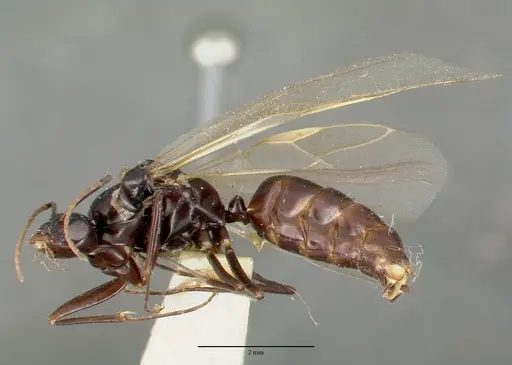
Reproductives fly during the summer rains in their native range. Males and reproductive females can be found in nests as late as early August on the Colorado Plateau. In captivity, nuptial flights typically occur during warm summer months.
References

This caresheet is licensed under CC BY-SA 4.0 .
CASENT0005345
View on AntWeb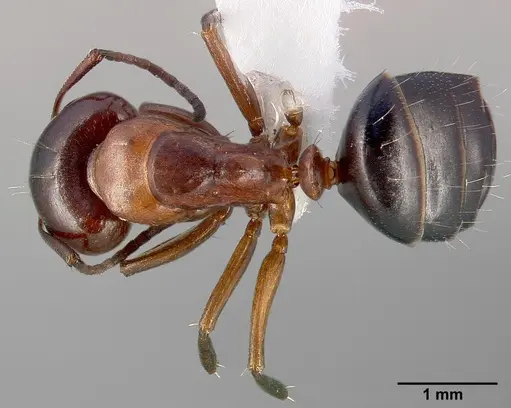
CASENT0106032
View on AntWeb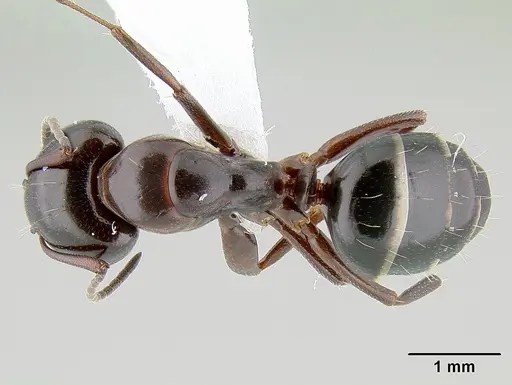
CASENT0246641
View on AntWeb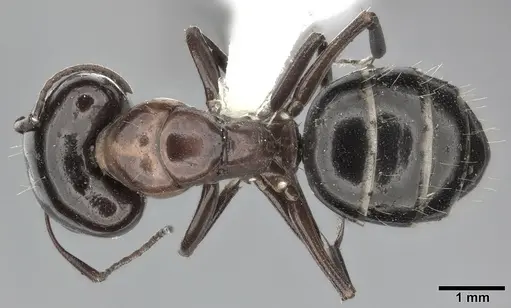
CASENT0246642
View on AntWeb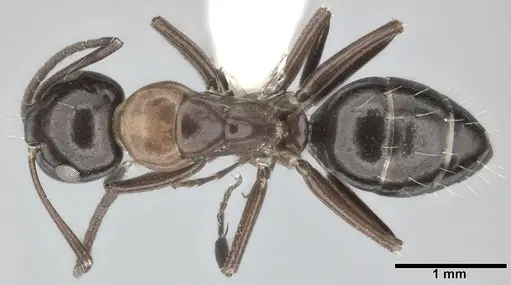
CASENT0249374
View on AntWeb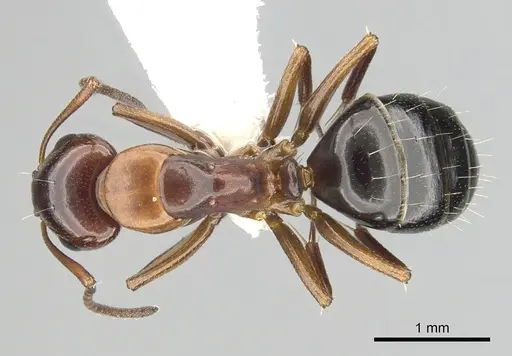
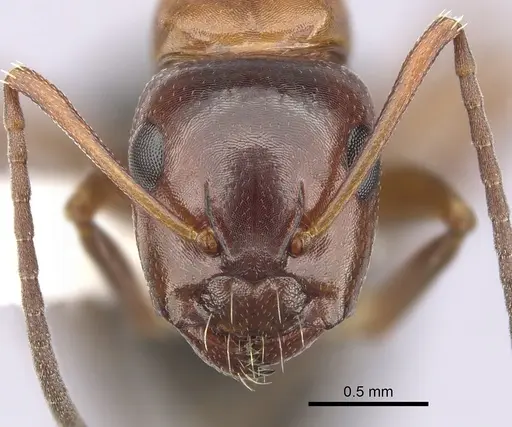
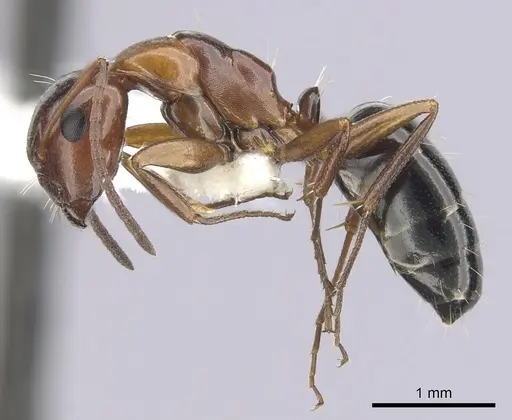
CASENT0249375
View on AntWeb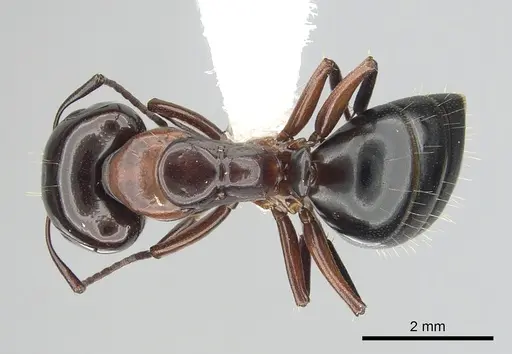
CASENT0844067
View on AntWeb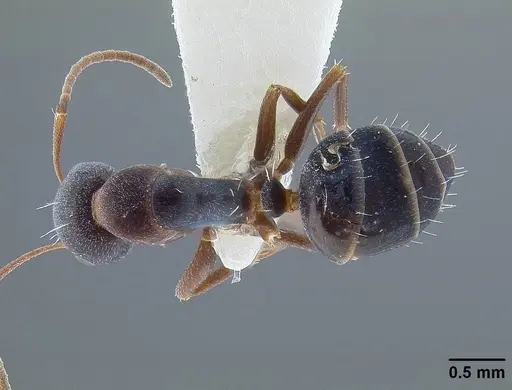
CASENT0883404
View on AntWeb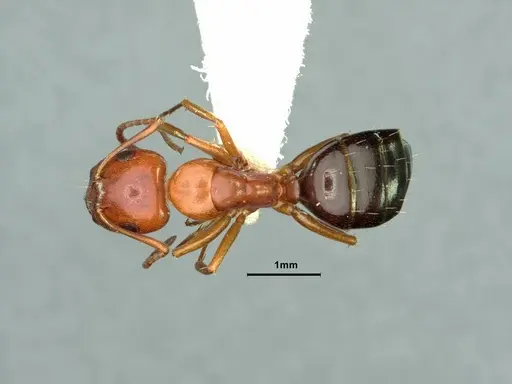
CASENT0884335
View on AntWeb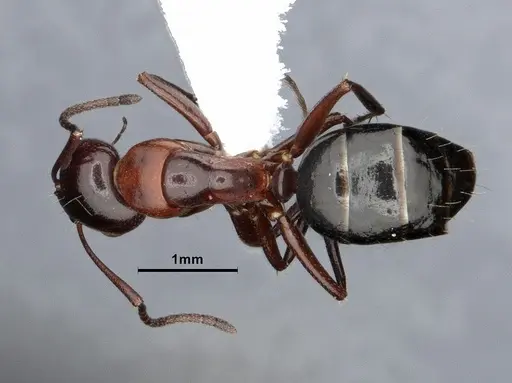
CASENT0884336
View on AntWeb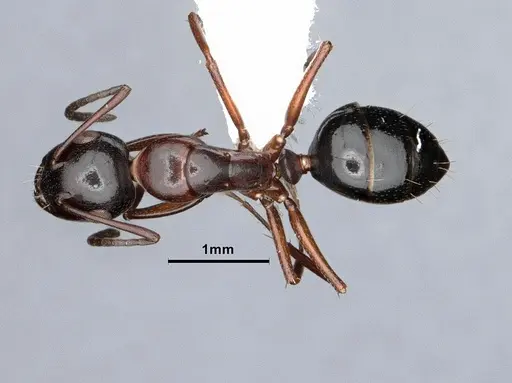
CASENT0905393
View on AntWeb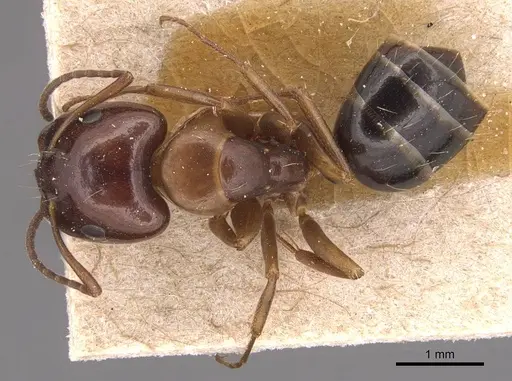
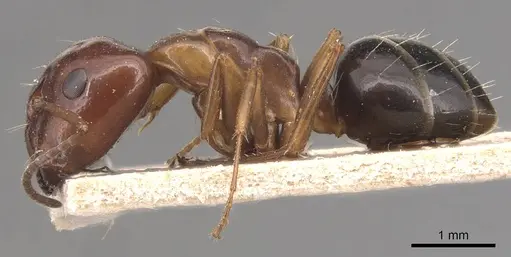
CASENT0905394
View on AntWeb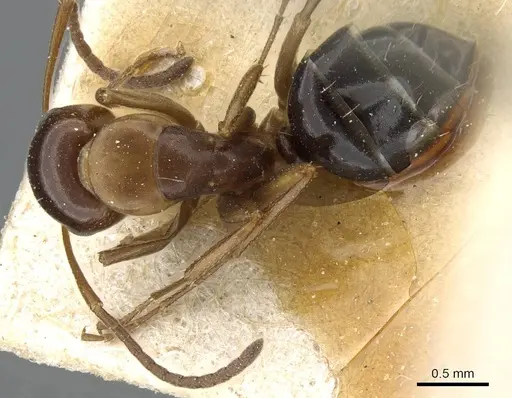
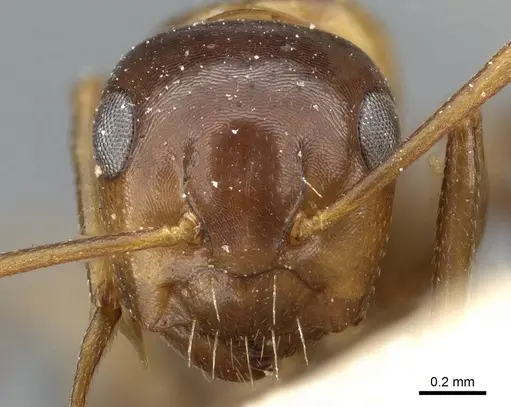
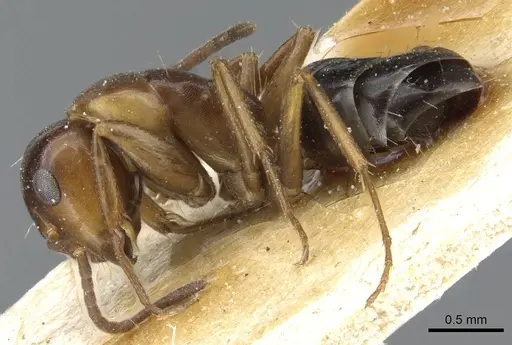
CASENT0905410
View on AntWeb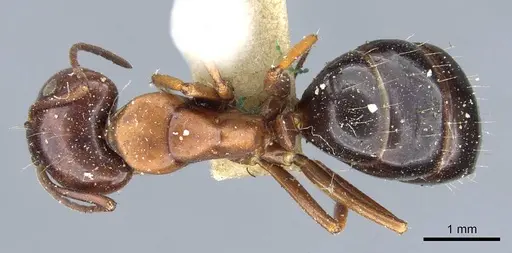
CASENT0905411
View on AntWeb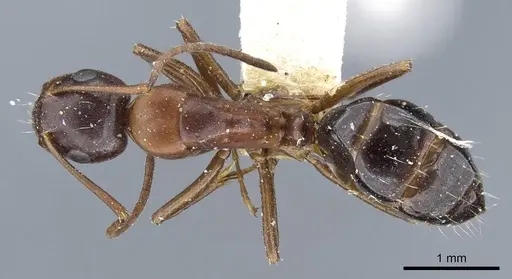
CASENT4031397
View on AntWeb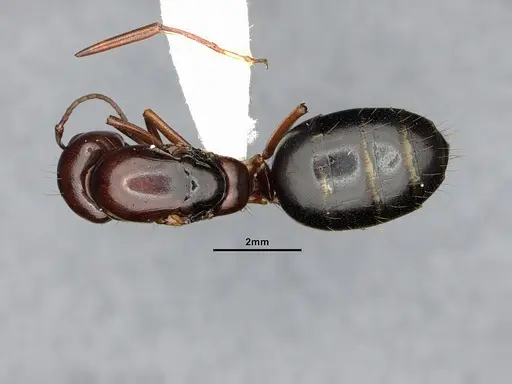
CASENT4031398
View on AntWeb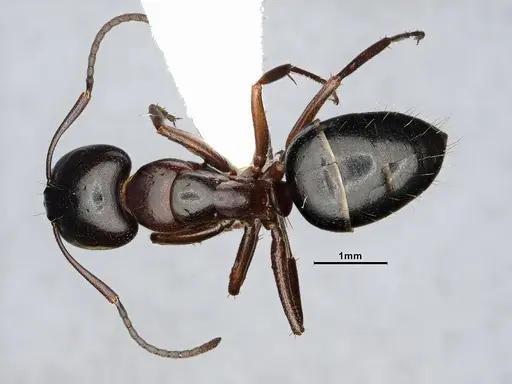
CASTYPE00598
View on AntWeb

CASTYPE00599
View on AntWeb

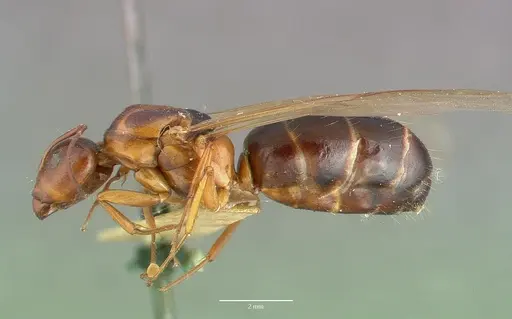
CASTYPE00600
View on AntWeb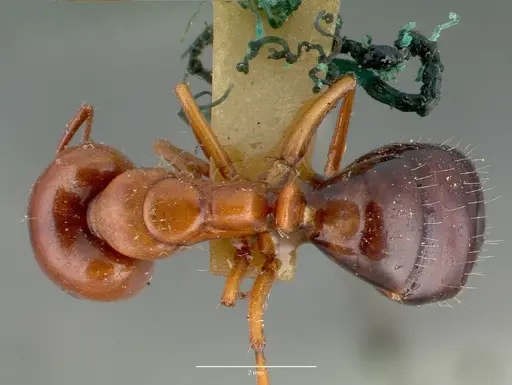
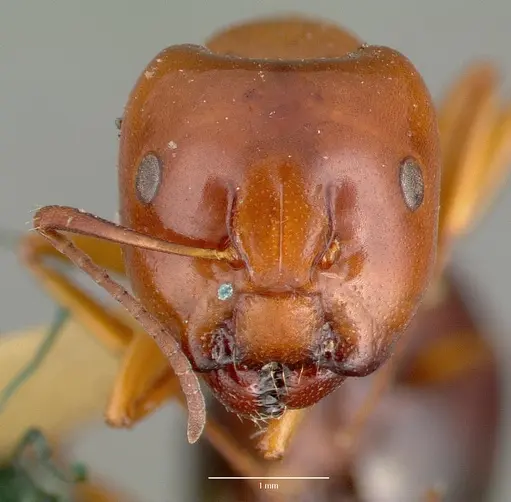

CASTYPE00601
View on AntWeb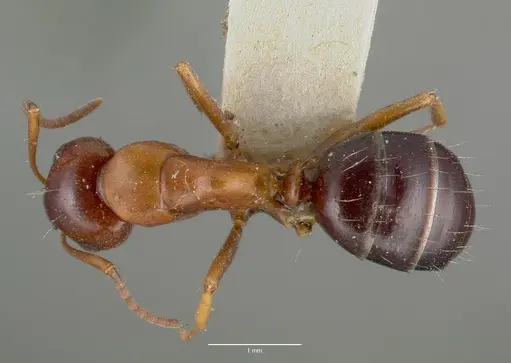

DZUP591920
View on AntWeb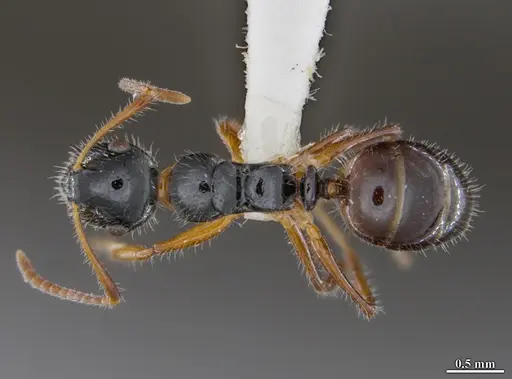
Literature
Loading...Loading products...