

Camponotus hispidus
- Scientific Name
- Camponotus hispidus
- Subgenus
- Tanaemyrmex
- Tribe
- Camponotini
- Subfamily
- Formicinae
- Author
- Emery, 1906
- Distribution
- Found in 1 countries
Camponotus hispidus Overview
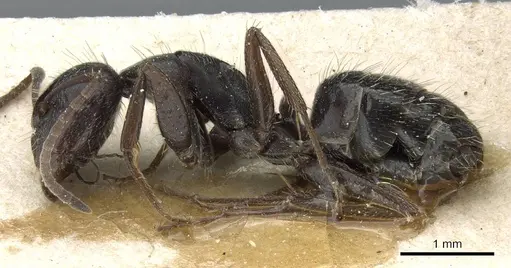
Camponotus hispidus is an ant species of the genus Camponotus. It is primarily documented in 1 countries , including Paraguay. Detailed taxonomic data and occurrence records can be further explored via authoritative databases such as AntWeb or the Global Biodiversity Information Facility (GBIF).
Camponotus hispidus
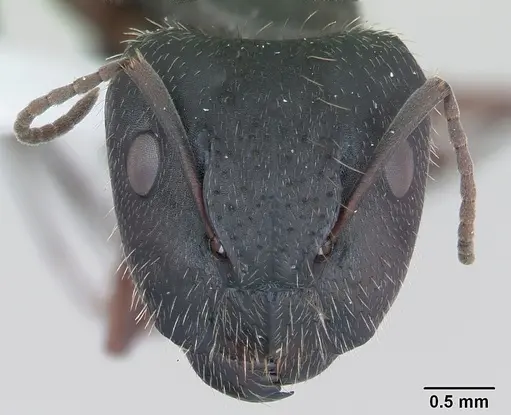
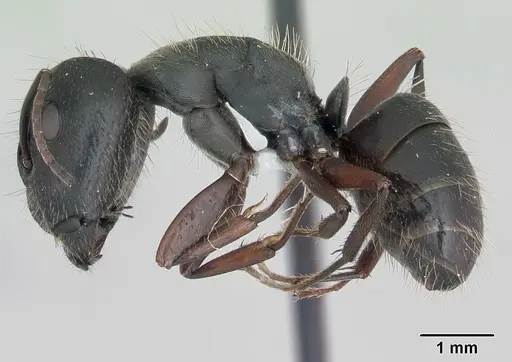
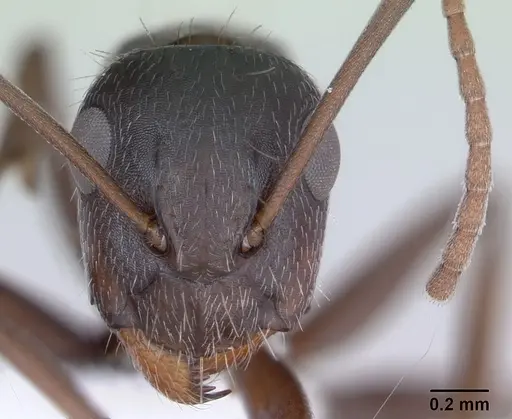
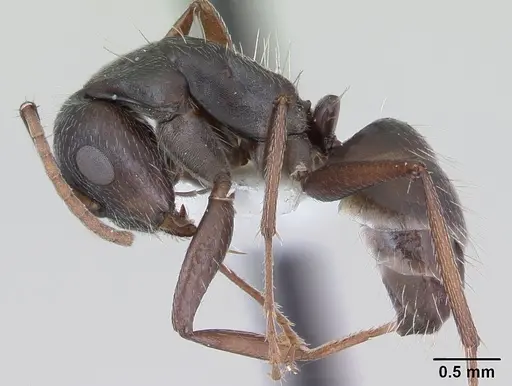
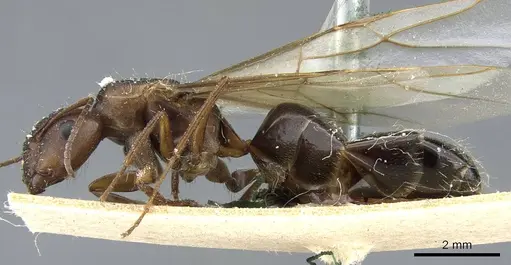
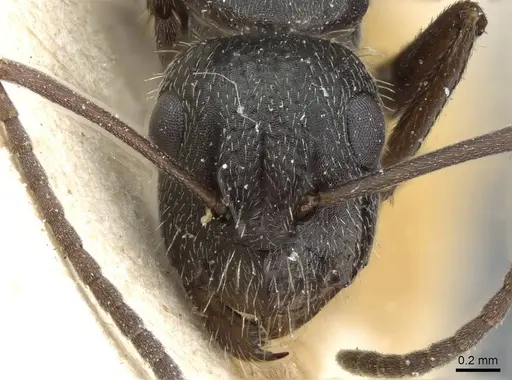
Camponotus hispidus is a medium-sized carpenter ant native to the subtropical regions of Argentina and Paraguay. Workers measure approximately 5-12mm depending on caste, with queens reaching around 12-15mm. This species belongs to the subgenus Tanaemyrmex and is characterized by its dark coloration and relatively robust build typical of Camponotus ants. In the wild, they nest in open ground habitats, creating colonies in soil rather than in wood [1].
This ant belongs to the Subordinate Camponotini functional group, meaning these ants are generally less aggressive and more tolerant of other ant species in their ecosystem [2]. They are ground-nesting ants that thrive in open habitats across their native range in the Neotropical region.
Quick Summary
- Difficulty: Medium
- Origin & Habitat: Native to the Neotropical region, specifically found in Argentina (Santa Fe province) and Paraguay (Caaguazú, Central, Neembucú departments). They are ground-nesting ants that prefer open habitats [1]. The climate is subtropical with warm temperatures year-round.
- Colony Type: Likely monogyne (single queen colonies) based on typical Camponotus patterns. Multiple queens have not been documented in wild colonies.
- Colony: Monogyne
- Founding: Claustral
- Size & Growth:
- Queen: Approximately 12-15mm, estimated from genus patterns
- Worker: 5-12mm (minor workers 5-7mm, major workers 8-12mm)
- Colony: Likely reaches several thousand workers based on typical Camponotus colony development
- Growth: Moderate, typical Camponotus growth pattern
- Development: 8-12 weeks at optimal temperature, based on typical Camponotus development [3] (Development time depends on temperature, warmer conditions within range accelerate development)
- Antkeeping:
- Temperature: Keep nest area at 24-28°C. They prefer warm subtropical conditions. A heating cable on one side of the nest creates a temperature gradient they can choose from.
- Humidity: Moderate humidity around 50-60%. As ground-nesting ants, they tolerate a range of conditions but avoid both saturated substrate and dry air. Provide a water tube for drinking water.
- Diapause: No true diapause required, being subtropical, they may slow down slightly in cooler months but do not need hibernation like temperate species.
- Nesting: Ground-nesting species. In captivity, they do well in Y-tong (AAC) nests, plaster nests, or naturalistic setups with soil substrate. They prefer tight, dark chambers for the nest area with some open space for foraging.
- Behavior: Generally calm temperament with moderate activity levels. As Subordinate Camponotini, they are less aggressive than some other carpenter ants. Workers forage for honeydew, nectar, and small insects. They are not particularly aggressive defenders but will bite if threatened. Escape prevention should be moderate, they are medium-sized ants but can climb smooth surfaces.
- Common Issues: colonies may stagnate if temperatures drop below 20°C for extended periods, overfeeding can lead to mold problems in nest chambers, wild-caught colonies may have parasites that affect survival in captivity, queens can take 2-3 months to lay first eggs in captivity, patience is required
Nest Preferences and Housing
Camponotus hispidus is a ground-nesting species that naturally creates nests in soil within open habitats. In captivity, they adapt well to various nest types. Y-tong (AAC) nests work excellently because they provide dark, tight chambers that mimic underground conditions. Plaster nests with built-in water channels maintain appropriate humidity. Naturalistic setups with a soil layer allow them to create their own tunnels, though this makes observation more difficult.
For the outworld (foraging area), provide enough space for workers to move around and locate food. A simple setup works well: a test tube setup for the founding queen, transitioning to a small formicarium once the colony reaches 20-30 workers. They do not require humidity-controlled chambers like some tropical species, but the nest substrate should remain slightly moist, not wet. [1]
Feeding and Diet
Like most Camponotus species, C. hispidus is omnivorous with a preference for sugar sources. In captivity, offer sugar water (1:3 ratio with water) or honey (small drops) as a constant energy source. For protein, provide small insects such as fruit flies, small crickets, mealworms, or other appropriately sized prey. They will also collect honeydew if offered.
Feed protein sources 2-3 times per week, adjusting based on colony size and consumption. Remove uneaten prey after 24-48 hours to prevent mold. Sugar water should be provided constantly but in small amounts that are consumed within a few days. Queens in founding stage do not need food, they rely on stored fat reserves until the first workers emerge.
Temperature and Seasonal Care
As a subtropical species from Argentina and Paraguay, Camponotus hispidus prefers warm conditions. Maintain nest temperatures between 24-28°C for optimal brood development. Temperatures below 20°C can significantly slow colony growth and may cause the colony to become sluggish.
A heating cable placed on one side of the nest creates a thermal gradient that allows ants to regulate their own temperature by moving between warmer and cooler areas. This is particularly useful during cooler months or in air-conditioned rooms. Unlike temperate species, they do not require a winter diapause period. However, slight temperature reductions during winter months (down to around 20-22°C) may be beneficial and mimic natural seasonal variations. [1][2]
Behavior and Colony Dynamics
This species belongs to the Subordinate Camponotini functional group, which indicates a generally more peaceful temperament compared to dominant Camponotus species. Workers are moderately active and will forage throughout the foraging area. They are not particularly aggressive and are unlikely to attack aggressively unless their nest is directly threatened.
Colony growth follows typical Camponotus patterns: the queen lays eggs after establishing the nest, eggs develop into larvae and then pupae, and the first workers (nanitics) emerge after 8-12 weeks. These initial workers are typically smaller but will begin foraging to support the colony. Subsequent broods develop faster as more workers are available to care for them. Mature colonies can contain several thousand workers. [2]
Acquiring and Establishing Colonies
The most reliable way to start a colony is by catching a mated queen during nuptial flights or by purchasing from a reputable ant keeper. Wild-caught queens should be placed in a test tube setup with a water reservoir sealed with a cotton plug. The queen will typically seal herself into a chamber and begin laying eggs after 1-3 weeks in captivity.
During the founding stage, keep the setup in darkness and avoid disturbances. The claustral queen relies entirely on her stored fat reserves and does not need food. Once the first workers emerge (nanitics), you can begin offering small amounts of sugar water and tiny protein items. The colony can be moved to a proper formicarium once it reaches 20-30 workers and the queen is consistently laying eggs.
Frequently Asked Questions
How long does it take for Camponotus hispidus to produce first workers?
Expect 8-12 weeks from egg to first worker at optimal temperature (24-28°C). The exact timing depends on temperature and queen health. Some queens may take longer, so patience is essential during the founding stage.
What do Camponotus hispidus ants eat?
They are omnivorous with a preference for sugar. Offer sugar water or honey as a constant energy source. For protein, provide small insects like fruit flies, small crickets, or mealworms. Feed protein 2-3 times per week.
Do Camponotus hispidus ants need hibernation?
No, they do not require hibernation. Being a subtropical species from Argentina and Paraguay, they prefer consistent warmth year-round. You can slightly reduce temperatures in winter (to around 20-22°C) but this is not necessary.
What temperature is best for Camponotus hispidus?
Keep them at 24-28°C in the nest area. Use a heating cable on one side of the nest to create a gradient. Temperatures below 20°C can slow growth significantly.
Are Camponotus hispidus good for beginners?
They are rated as medium difficulty. They are more forgiving than some species but do require proper temperature control and patience during the founding stage. Their relatively calm temperament makes them manageable.
How big do Camponotus hispidus colonies get?
Mature colonies can reach several thousand workers. Growth is moderate, expect 1-2 years to reach a substantial colony size under good conditions.
When should I move Camponotus hispidus to a formicarium?
Move them once the colony reaches 20-30 workers and the queen is consistently laying eggs. A test tube setup works well for founding colonies. Transition to a Y-tong or plaster nest when they outgrow the tube.
Can I keep multiple Camponotus hispidus queens together?
This is not recommended. Camponotus hispidus is likely monogyne (single queen). Combining unrelated queens typically results in fighting. Only queens caught together during nuptial flights might found a colony cooperatively, but this is rare in captivity.
Why is my Camponotus hispidus colony not growing?
Check temperature first, they need 24-28°C for proper development. Also ensure the queen is healthy and laying eggs. Poor nutrition or disturbance during founding can cause colonies to stagnate. Patience is key during the first few months.
References

This caresheet is licensed under CC BY-SA 4.0 .
CASENT0173422
View on AntWeb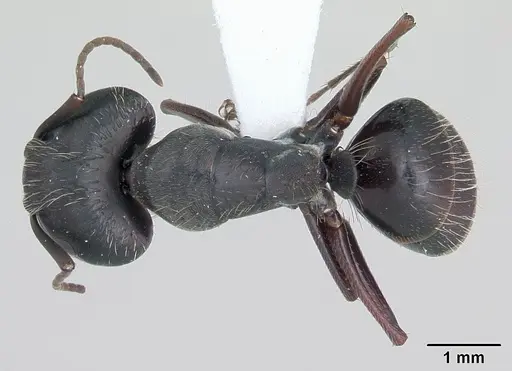
CASENT0173423
View on AntWeb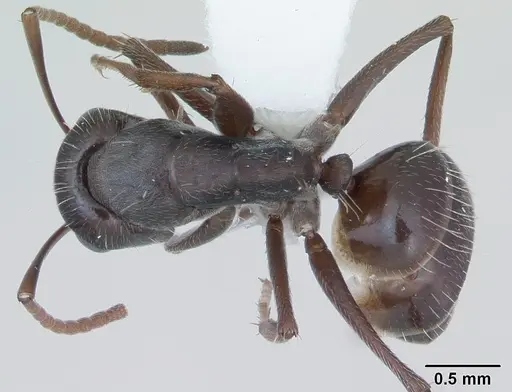
CASENT0905209
View on AntWeb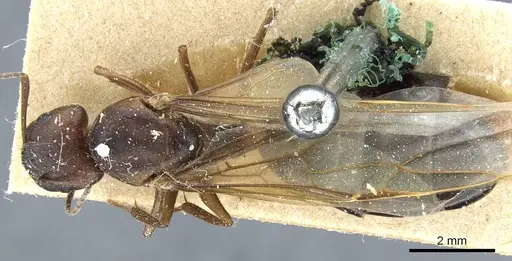
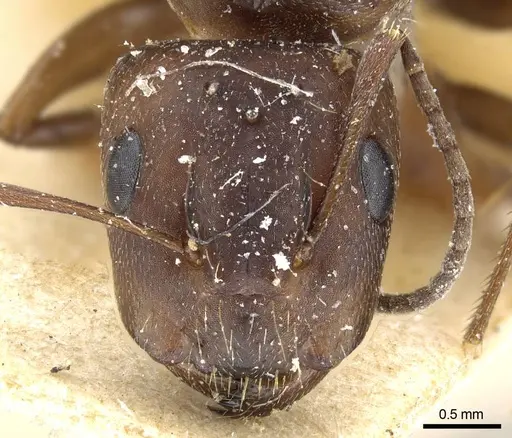
CASENT0905210
View on AntWeb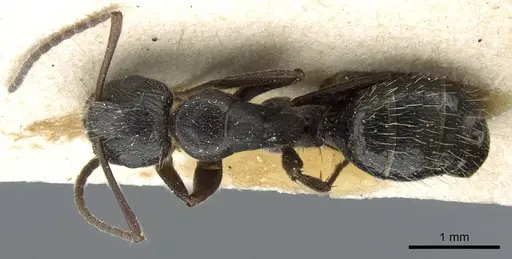
Literature
Loading...Loading products...