

Camponotus hippocrepis
- Scientific Name
- Camponotus hippocrepis
- Subgenus
- Myrmocladoecus
- Tribe
- Camponotini
- Subfamily
- Formicinae
- Author
- Emery, 1920
- Distribution
- Found in 1 countries
Camponotus hippocrepis Overview
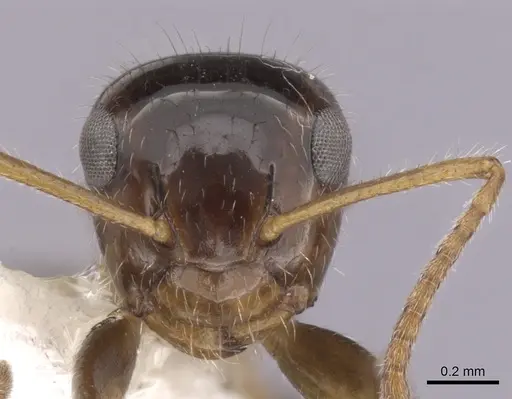
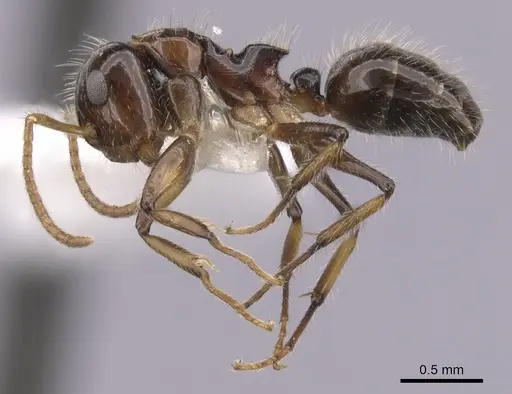
Camponotus hippocrepis is an ant species of the genus Camponotus. It is primarily documented in 1 countries , including Ecuador. Detailed taxonomic data and occurrence records can be further explored via authoritative databases such as AntWeb or the Global Biodiversity Information Facility (GBIF).
Camponotus hippocrepis
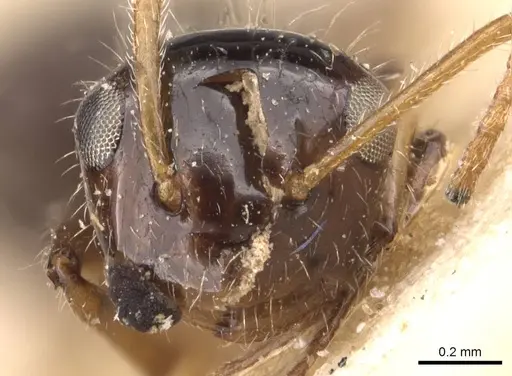
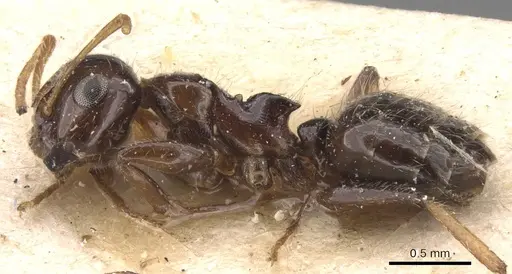
Camponotus hippocrepis is a Neotropical carpenter ant belonging to the subgenus Myrmocladoecus. Workers are relatively small for a Camponotus species, typically measuring 4-7mm depending on caste. They have the characteristic carpenter ant body plan with a rounded propodeum and relatively smooth body surface. This species is found across the northern South American continent, including Bolivia, Peru, Ecuador, and French Guiana, where they inhabit tropical rainforest environments [1][2].
This species has a remarkable ecological connection, it serves as a specific host for the zombie-ant fungus Ophiocordyceps camponoti-hippocrepidis, one of the specialized fungal parasites that manipulates ant behavior [3][4]. In the wild, these ants forages at night and builds large colonies in the forest canopy, with foraging trails covering approximately 10 square meters that persist for extended periods [5].
Quick Summary
- Difficulty: Medium
- Origin & Habitat: Neotropical rainforests of Bolivia, Peru, Ecuador, and French Guiana. They are arboreal ants that form large colonies in the canopy and forage at night across the forest floor [5][2].
- Colony Type: Likely monogyne (single queen) based on typical Camponotus patterns. Colonies can become large, with workers forming extensive foraging networks [5].
- Colony: Monogyne
- Founding: Claustral
- Size & Growth:
- Queen: Estimated 12-15mm based on genus patterns for large Camponotus species
- Worker: 4-7mm [2]
- Colony: Large colonies, field observations note extensive foraging trails spanning ~10m², suggesting mature colonies of several hundred to over a thousand workers [5]
- Growth: Moderate, typical Camponotus development
- Development: 6-10 weeks based on typical Camponotus development at tropical temperatures (Development time is estimated based on related Camponotus species. Tropical environment suggests faster development than temperate species.)
- Antkeeping:
- Temperature: Keep at 24-28°C. As a Neotropical species, they prefer warm, stable temperatures. A heating cable on one side of the nest creates a suitable gradient
- Humidity: Moderate to high humidity (60-80%). Their natural canopy habitat experiences humid conditions. Keep nest substrate moderately moist but allow some drying areas
- Diapause: No, as a tropical species, they do not require hibernation. Maintain consistent temperatures year-round
- Nesting: Arboreal nesting preference, they naturally nest in wood cavities in trees. In captivity, a Y-tong (AAC) nest or wooden formicarium works well. Provide nesting chambers scaled to colony size. They do well in naturalistic setups with wood pieces
- Behavior: Nocturnal foragers, they actively search for food at night, which is important to note when feeding. Colonies form extensive trail networks, indicating active and organized foraging behavior. Workers are moderately aggressive when defending the nest but not particularly territorial. Escape prevention should be moderate, workers are medium-sized and not particularly prone to escaping compared to tiny species [5].
- Common Issues: tropical species are sensitive to temperature drops, sudden cooling can stress or kill colonies, nocturnal activity means they may be less visible during daytime feeding observations, large colony size requires significant space and food, underfeeding can slow growth, wild-caught colonies may carry zombie-ant fungus spores, quarantine and observe new colonies carefully, arboreal nesting means they prefer wood-based nests over soil, avoid plaster or soil-filled formicariums
Housing and Nest Preferences
Camponotus hippocrepis is an arboreal species that naturally nests in wood cavities within trees. In captivity, they do best in wooden formicariums, Y-tong (AAC) nests, or other wood-based setups that mimic their natural nesting preferences. Avoid plaster nests or setups with large soil chambers, as these don't match their arboreal nature. The nest should have chambers scaled to colony size, start with smaller chambers when the colony is young and expand as it grows. Since they form large colonies, plan for a nest that can accommodate several hundred workers. Provide a well-defined outworld connected to the nest where foragers can move freely.
Feeding and Diet
As a typical Camponotus species, they are generalist omnivores. They accept sugar sources readily (honey water, sugar water, nectar) and protein sources including insects (mealworms, crickets, fruit flies). In the wild, their extensive foraging trails suggest they collect honeydew from aphids and other plant-sucking insects, so offering sweet liquids is important. Feed protein 2-3 times per week and keep sugar water available constantly. Since they are nocturnal foragers, place food in the outworld in the evening and check the next morning. Remove uneaten prey after 24-48 hours to prevent mold. Their large colony size means food requirements increase significantly as the colony grows.
Temperature and Seasonal Care
Being a Neotropical species from Bolivia, Peru, Ecuador, and French Guiana, Camponotus hippocrepis requires warm conditions year-round. Keep the nest area between 24-28°C. Temperature drops below 20°C can stress these ants and slow or stop brood development. Use a heating cable or heating mat on one side of the nest to create a gentle thermal gradient, allowing workers to self-regulate by moving between warmer and cooler areas. Do not hibernate this species, they have no diapause requirement. Maintain consistent temperatures throughout the year, mimicking their stable tropical environment. Room temperature within this range is acceptable without additional heating in most homes.
Colony Development and Growth
Colony founding is claustral, the queen seals herself in a small chamber and raises the first brood alone using stored fat reserves. She does not leave to forage during this time. First workers (nanitics) are typically smaller than normal workers and emerge after 6-10 weeks at optimal temperatures. The colony grows moderately at first, then accelerates as more workers are produced. Field observations show these ants form large colonies with extensive foraging networks spanning ~10m², suggesting mature colonies can reach several hundred to over a thousand workers [5]. Growth rate is typical for Camponotus, not the fastest but steady once established. Patience is key during the founding phase.
Unique Ecological Connection
Camponotus hippocrepis has a remarkable biological relationship with the zombie-ant fungus Ophiocordyceps camponoti-hippocrepidis. This specialized fungal parasite specifically targets this ant species, infecting workers and eventually manipulating their behavior [3][4]. The fungus causes infected ants to climb vegetation and attach themselves before the fungal fruiting body emerges from the ant's head. This is a natural phenomenon in their native habitat and something to be aware of if collecting from the wild. In captivity, this should not be a concern if your colony was legally obtained and shows no signs of infection. However, if you collect wild colonies, quarantine them and watch for unusual behavior that might indicate fungal infection [6][5].
Behavior and Observation
These ants are nocturnal, meaning they are most active at night when foragers venture out to collect food. This is an important consideration for antkeepers, you may see more activity in the evening and early morning hours. Colonies organize extensive foraging trails that persist over time, showing sophisticated trail-based foraging behavior [5]. Workers are moderately sized and not particularly aggressive toward keepers, but they will defend the nest if threatened. They are not known for painful stings, Camponotus species typically have formic acid spray rather than a stinger. Observation is rewarding because of their complex foraging organization and the interesting behaviors of a large, established colony.
Frequently Asked Questions
How long does it take for Camponotus hippocrepis to produce first workers?
Expect first workers (nanitics) to emerge in 6-10 weeks at optimal temperatures of 24-28°C. This timeline is based on typical Camponotus development patterns since specific development data for this species is not available. The queen will remain sealed in her chamber until the first workers emerge.
Do Camponotus hippocrepis ants need hibernation?
No, they do not require hibernation. As a Neotropical species from tropical South America, they need consistent warm temperatures year-round. Maintain temperatures between 24-28°C throughout the year. Hibernating this species could be harmful or fatal.
What do Camponotus hippocrepis eat?
They are generalist omnivores. Offer sugar sources constantly (honey water, sugar water) and protein 2-3 times weekly (mealworms, crickets, fruit flies). They also likely collect honeydew in the wild, so sweet liquids are important. Remove uneaten prey after 24-48 hours.
Are Camponotus hippocrepis good for beginners?
They are rated as Medium difficulty. While they are not the most challenging species, they do have specific requirements: warm temperatures year-round, nocturnal activity patterns, and need for wood-based nesting. They are more demanding than common temperate species but manageable for intermediate antkeepers.
How big do Camponotus hippocrepis colonies get?
Based on field observations showing extensive foraging trails spanning ~10m², colonies likely reach several hundred to over a thousand workers at maturity. They are large-colony species that require significant space as they grow.
What type of nest is best for Camponotus hippocrepis?
Wood-based nests work best. Y-tong (AAC) nests or wooden formicariums mimic their natural arboreal nesting in tree cavities. Avoid plaster or large soil-filled setups. Provide chambers scaled to colony size and expand as the colony grows.
When are Camponotus hippocrepis most active?
They are nocturnal foragers, meaning they are most active at night. This is documented in field studies showing night-time foraging behavior [5]. Place food in the evening and check the next morning for best observation of feeding activity.
Can I keep multiple queens together?
This is not recommended. Camponotus hippocrepis is likely monogyne (single queen) based on typical genus patterns. Combining unrelated queens has not been documented for this species and would likely result in aggression.
Why is my colony growing slowly?
Slow growth is usually due to temperature or feeding issues. Ensure temperatures stay between 24-28°C, below this, development slows significantly. Also verify the queen is still laying eggs and that workers have constant access to sugar and regular protein. Underfeeding is a common cause of slow growth in large colonies.
References

This caresheet is licensed under CC BY-SA 4.0 .
CASENT0280160
View on AntWeb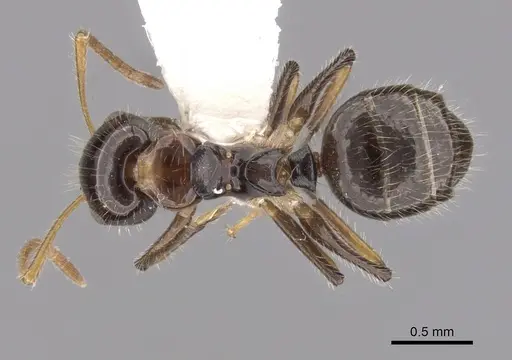
CASENT0905532
View on AntWeb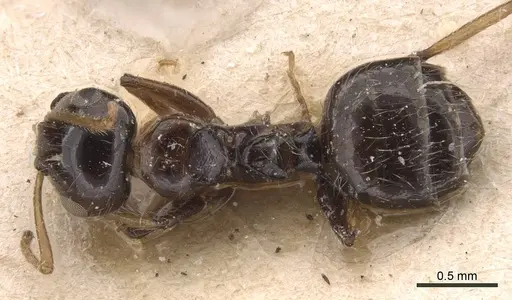
Literature
Loading...Loading products...