
Camponotus herculeanus follows a consistent seasonal pattern with peak activity in June. The flight window runs from May to July, providing several months of opportunity for observations.
Camponotus herculeanus
- Scientific Name
- Camponotus herculeanus
- Tribe
- Camponotini
- Subfamily
- Formicinae
- Author
- Linnaeus, 1758
- Common Name
- Hercules Ant
- Distribution
- Found in 12 countries
- Nuptial Flight
- from May to July, peaking in June
AI Identifiable
try →
Camponotus herculeanus Overview
Camponotus herculeanus (commonly known as the Hercules Ant) is an ant species of the genus Camponotus. It is primarily documented in 12 countries , including Austria, Canada, Switzerland. Detailed taxonomic data and occurrence records can be further explored via authoritative databases such as AntWeb or the Global Biodiversity Information Facility (GBIF).
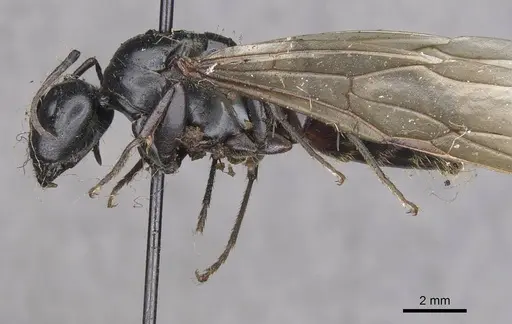
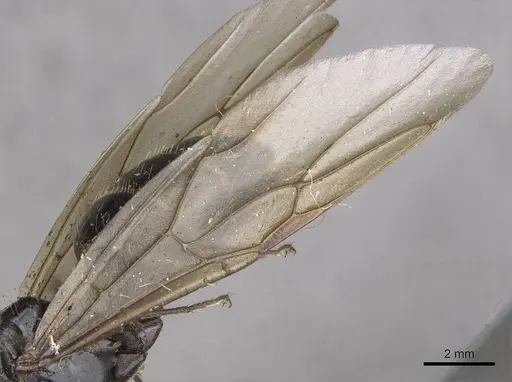
The nuptial flight of Camponotus herculeanus is a significant biological event, typically occurring from May to July, peaking in June. During this time, winged queens and males leave the nest to mate and establish new colonies.
Camponotus herculeanus - "Hercules Ant"
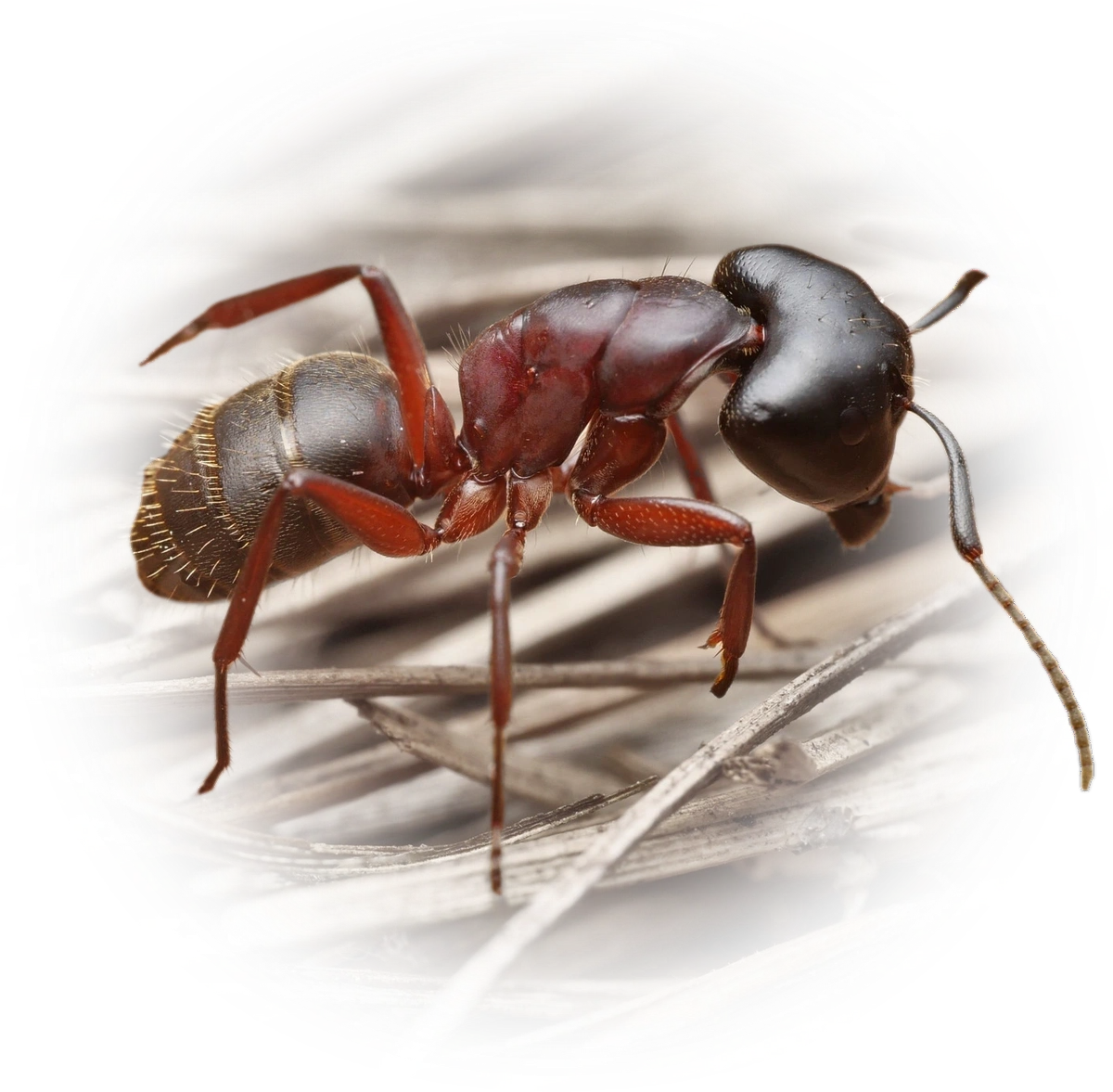
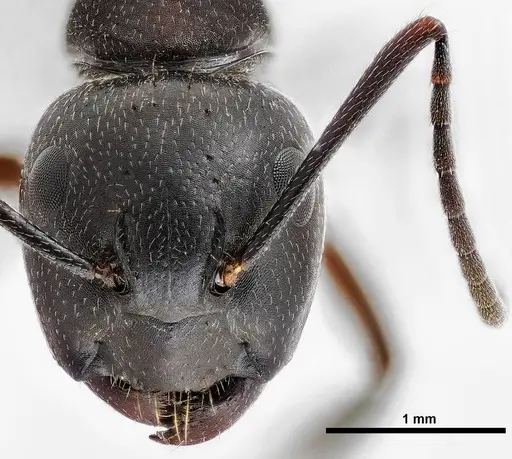
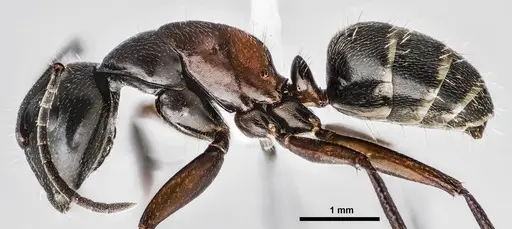
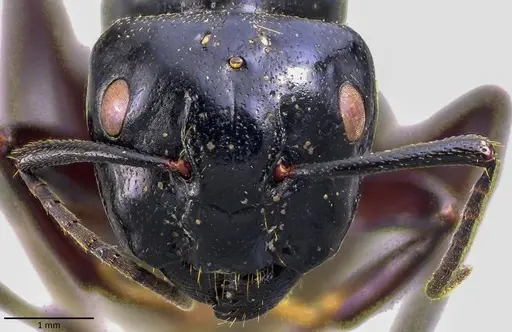
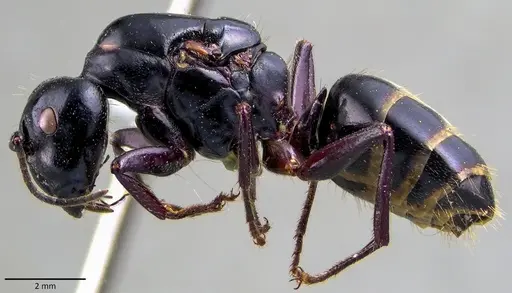
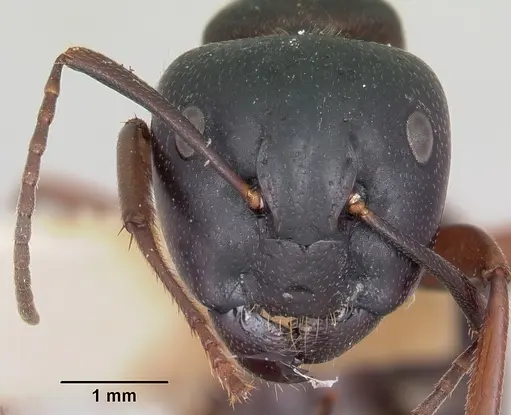
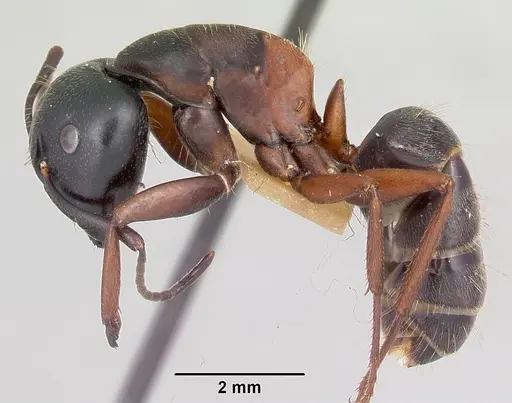
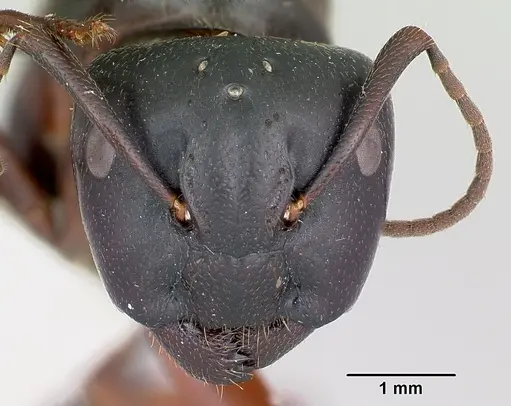
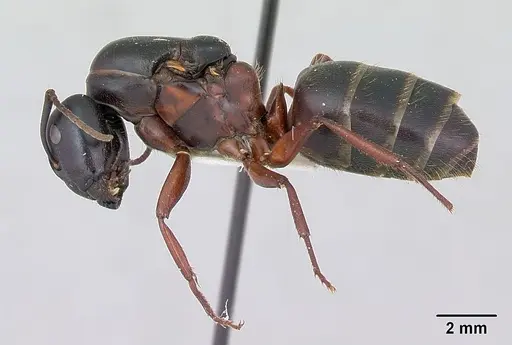
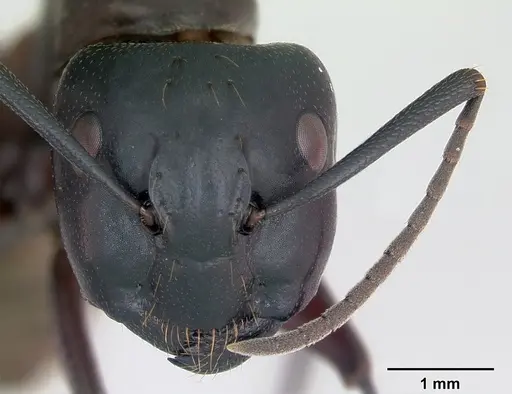
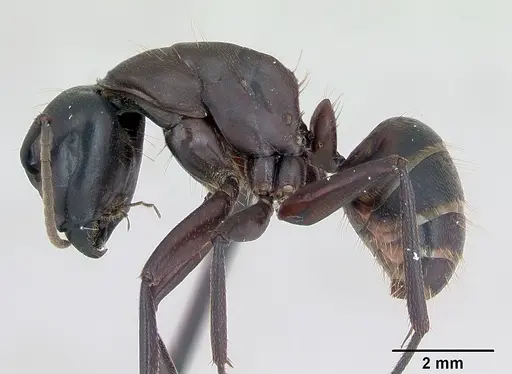
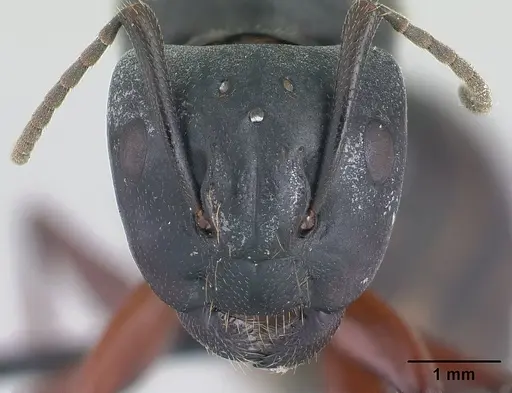
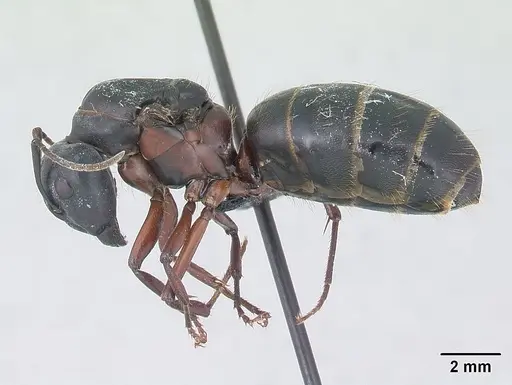
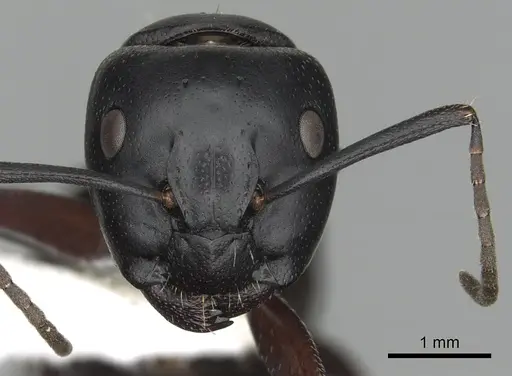
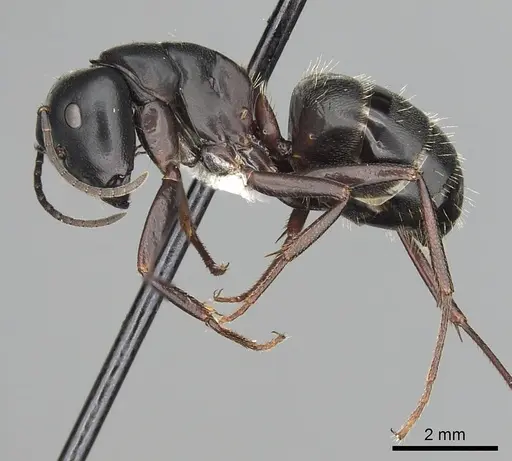
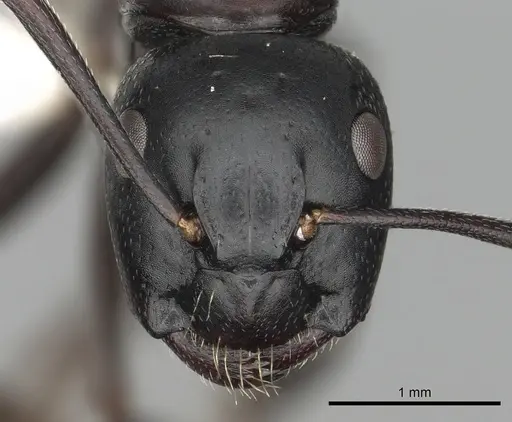
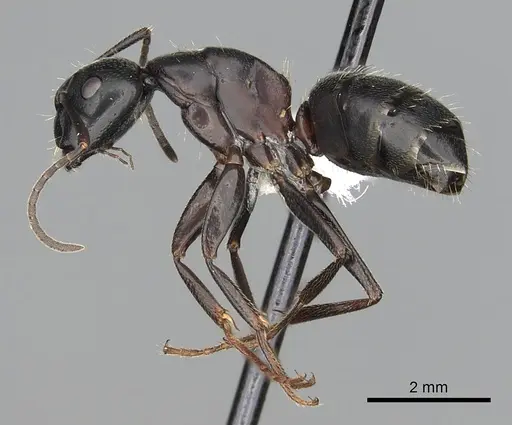
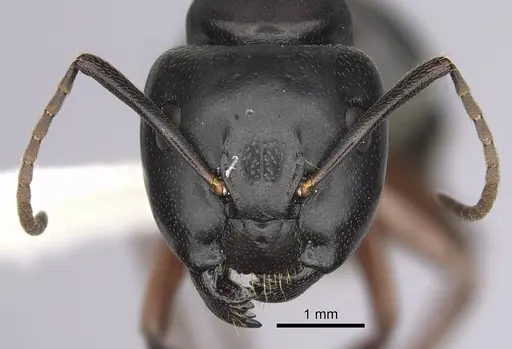
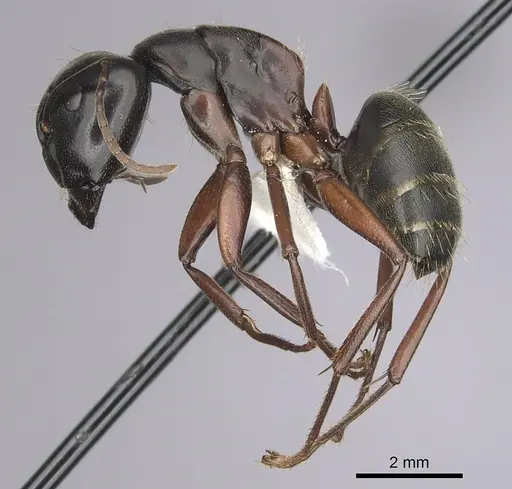
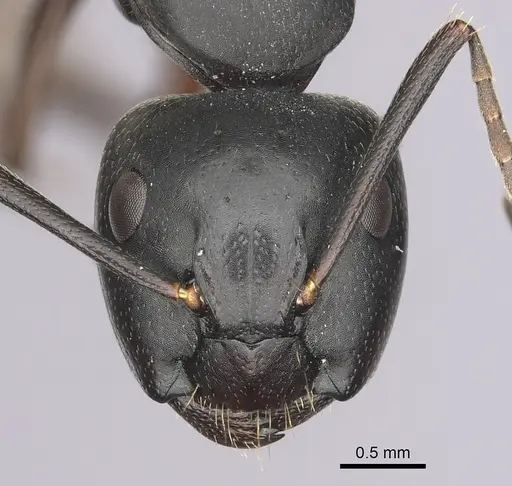
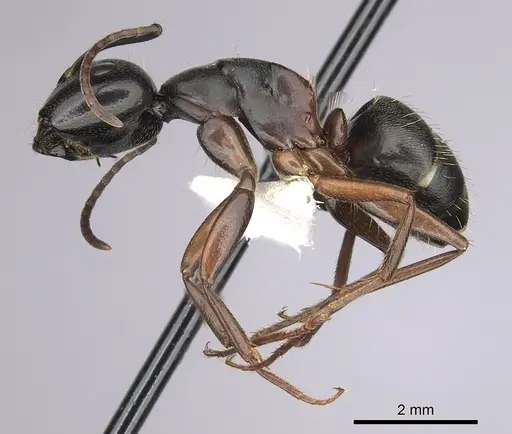
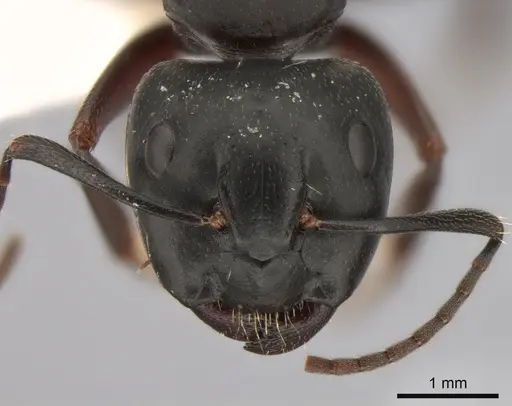
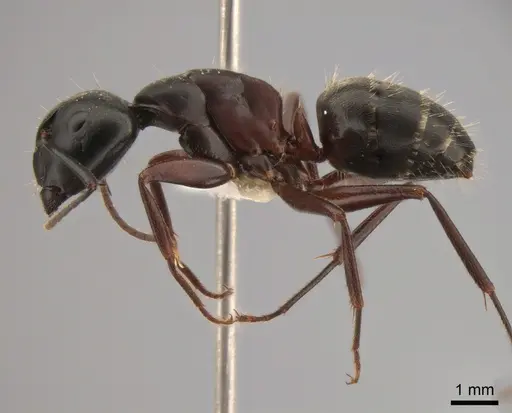
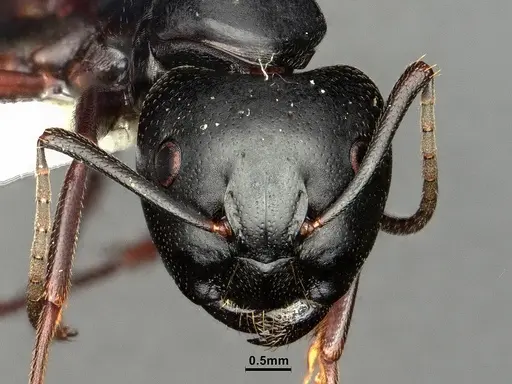
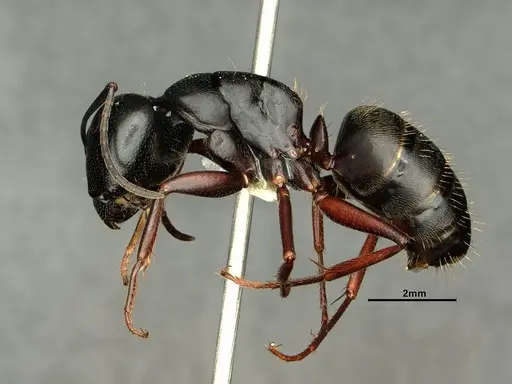
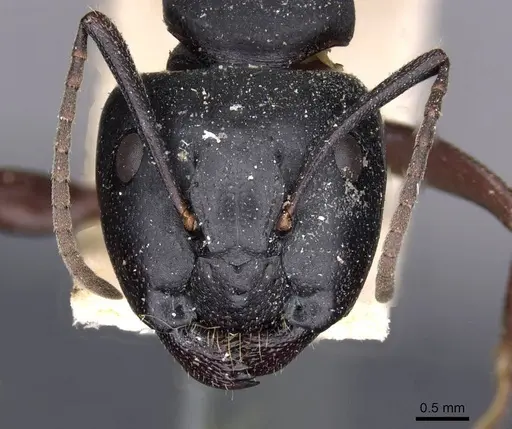
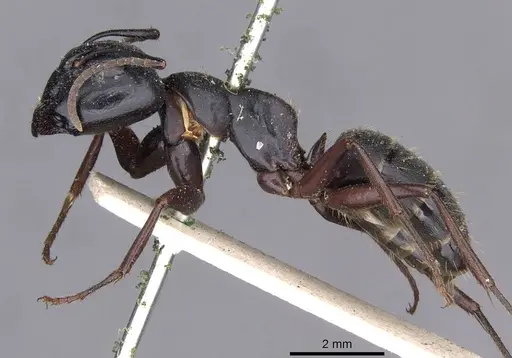
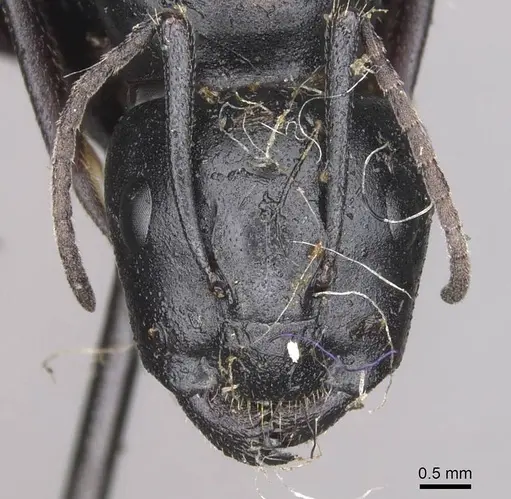
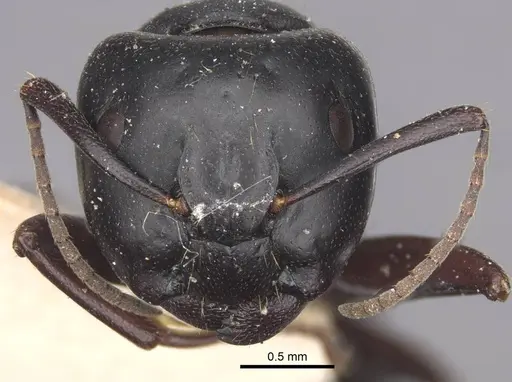
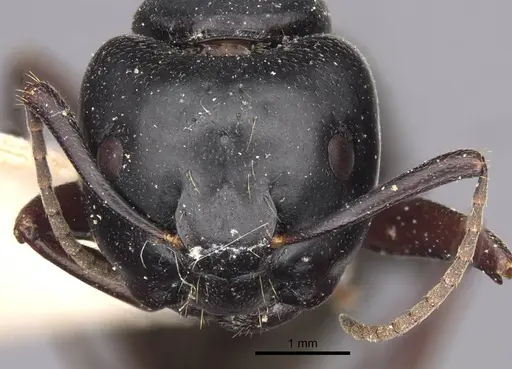
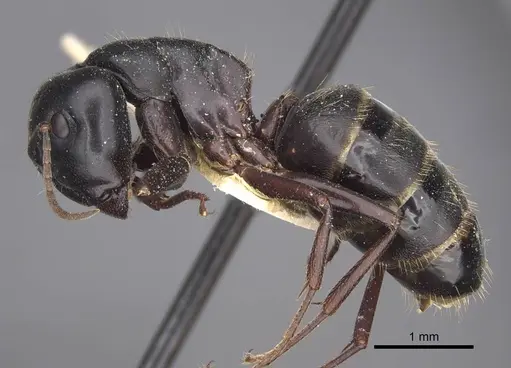
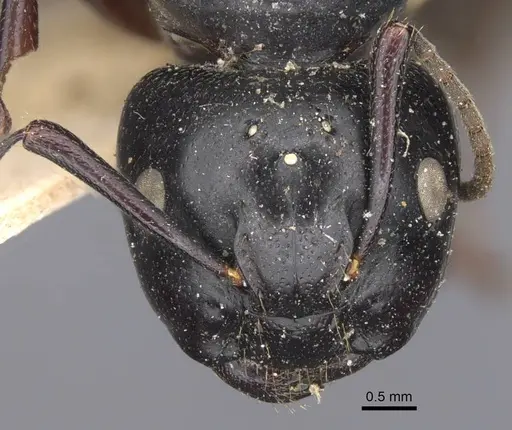
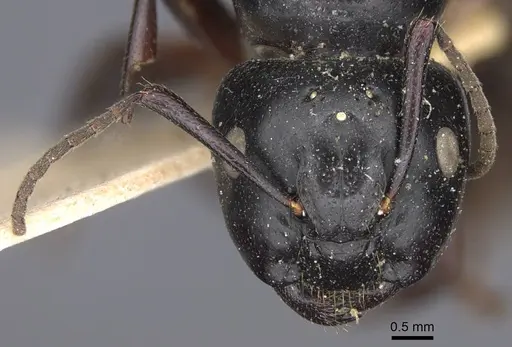
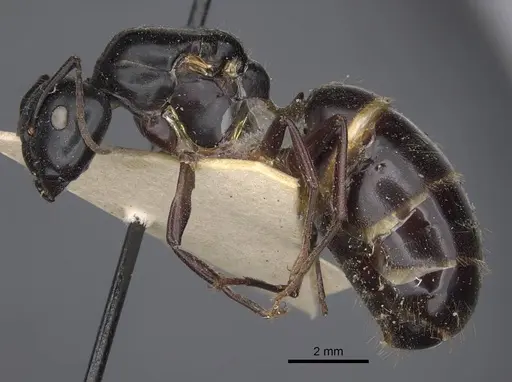
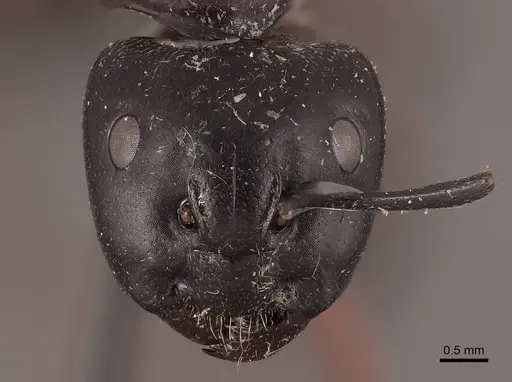
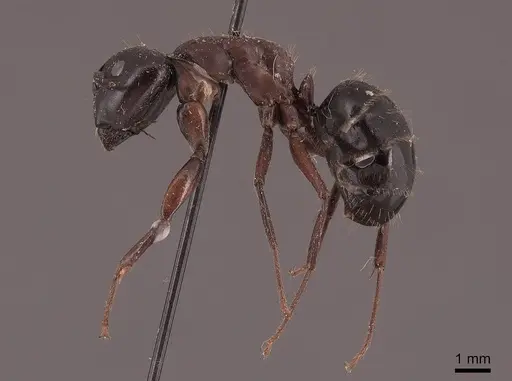
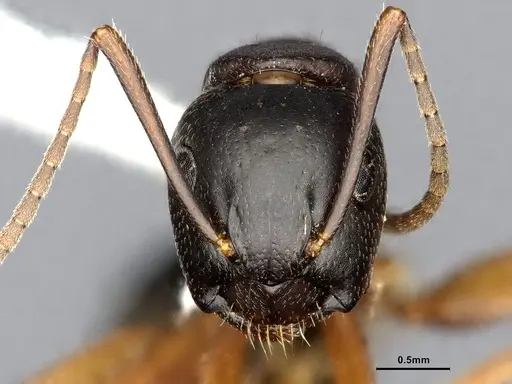
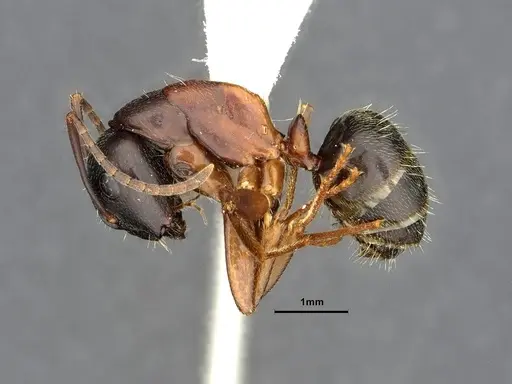
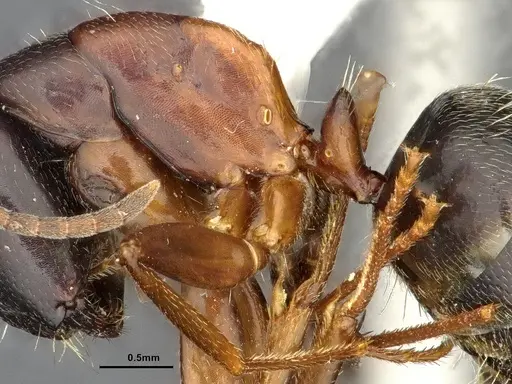
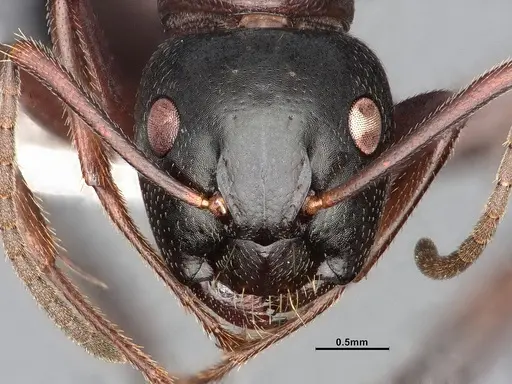
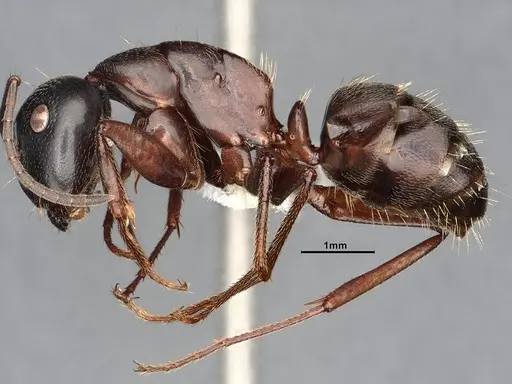
Camponotus herculeanus is one of the largest ant species in Europe and the most cold-tolerant ant known, surviving temperatures below -40°C. These impressive ants have a Holarctic distribution, found throughout northern Europe, Siberia, and northern North America. Workers measure 5-14mm and are polymorphic with major and minor castes. They have a distinctive appearance with a dark black head and gaster, while the mesosoma (middle body section) is at least partially reddish-brown. The legs are typically brown as well. This species is a classic wood-dwelling ant, nesting in rotten stumps, tree hollows, and occasionally in living trees. They are important predators in forest ecosystems and can be found in coniferous and mixed forests across their range [1][2].
What makes C. herculeanus particularly interesting is its extraordinary cold tolerance and vast distribution, it has the largest natural range of any ant species, spanning the entire Holarctic region. Unlike many ants, these carpenter ants are primarily predatory, hunting insects rather than relying solely on sugar sources. They also tend aphids for honeydew and can become structural pests when they nest in wooden buildings.
Quick Summary
- Difficulty: Medium
- Origin & Habitat: Boreal and montane forests across the Holarctic region, from Norway to Eastern Siberia and northern North America. They inhabit mountain conifer and mixed forests (especially spruce), and can be found in rotten wood, stumps, and tree hollows [1][3].
- Colony Type: Monogynous (single queen) colonies, though occasional oligogyny (2-3 queens coexisting) has been documented. Mature colonies typically have one queen but can produce replacement reproductives if the queen dies [4][5].
- Colony: Monogyne, Oligogyne
- Founding: Claustral
- Size & Growth:
- Queen: 14-17 mm [6][7]
- Worker: 5-14 mm [6][8]
- Colony: Up to 10,000-13,000 workers [9][10]
- Growth: Moderate
- Development: 6-8 weeks at optimal temperature (estimated based on genus patterns) (First workers (nanitics) are smaller due to limited nutrition during founding. Development is temperature-dependent, slower in cooler conditions.)
- Antkeeping:
- Temperature: Keep at 18-24°C. This is a cool-climate species, avoid overheating. Room temperature is often ideal. They tolerate temperatures as low as 15°C and can handle brief cold periods but should be kept away from direct heat sources [6].
- Humidity: Moderate humidity (50-70%). They prefer forest-floor conditions, substrate should be moist but not waterlogged. Provide a water tube for drinking [3].
- Diapause: Yes, requires hibernation. Keep at 5-10°C for 3-4 months during winter (October-March in the Northern Hemisphere). This mimics their natural cold tolerance and is essential for colony health [1][11].
- Nesting: Wood-dwelling species. Use a Y-tong (AAC) nest, plaster/nestrite nest, or naturalistic setup with dead wood. They need tight-fitting chambers and will excavate. Test tubes work for founding but colonies will need more space quickly [6][12].
- Behavior: Generally non-aggressive despite their large size. Workers are shy and often hide when the nest is disturbed. They are primarily diurnal foragers, becoming active when temperatures reach 15-20°C. They are efficient predators on insects and also collect honeydew from aphids. Foraging distance is typically 3-5 meters from the nest. Escape risk is moderate, they are large but can squeeze through small gaps. Use standard barrier methods [6][13].
- Common Issues: colonies often fail during hibernation if kept too warm or too wet, maintain cool, stable temperatures, slow growth means beginners may lose patience, founding colonies can take months before first workers appear, wild-caught colonies may have parasites that kill them in captivity, test tubes flood easily if water reservoirs are too large, use proper founding setups, they can become structural pests in wooden homes if established, monitor nest locations
Nuptial Flight Activity Analysis 1450 observations
Flight Activity by Hour 1450 observations
Camponotus herculeanus nuptial flight activity peaks around 14:00 during the afternoon. Activity is spread across a 13-hour window (09:00–21:00). Times may be influenced by human observation patterns.
Housing and Nest Setup
Camponotus herculeanus is a wood-dwelling species that needs appropriate nesting material. For founding colonies, use a standard test tube setup with a water reservoir. Make sure the tube is properly sized, too much water can flood the colony and kill the queen. Once the colony reaches 20-30 workers, transfer to a Y-tong (AAC) nest, plaster nest, or naturalistic setup with dead wood pieces.
These ants prefer cooler temperatures than many tropical species. Room temperature (18-22°C) is ideal. They can tolerate brief temperature drops but avoid placing the nest near heating elements that could cause overheating. The outworld should be simple with a foraging area and access to food. Use a water tube or small dish for drinking water.
For escape prevention, use Fluon on the rim of the outworld. While not as small as some species, they can still escape through gaps. Ensure all connections between the nest and outworld are secure [6][12].
Feeding and Diet
C. herculeanus is primarily predatory, making them efficient pest controllers in captivity. Offer small insects like fruit flies, small crickets, and mealworms. In laboratory tests, they killed and consumed 98% of live insects offered to them, they're highly predatory [14].
They also accept sugar sources like honey water or sugar water, especially when insect prey is scarce. They will tend aphids if present in the setup, collecting honeydew. Feed protein (insects) 2-3 times per week, and keep sugar water available constantly. Remove uneaten prey after 24 hours to prevent mold.
For variety, you can occasionally offer small pieces of fruit or seeds, though these are not primary food sources. The predatory nature makes them excellent for keeping pest populations down in your ant room [14][15].
Temperature and Seasonal Care
This is a cool-climate species that thrives at temperatures between 18-24°C. They are one of the most cold-tolerant ant species known, surviving temperatures below -40°C in the wild. In captivity, avoid temperatures above 28°C, excessive heat can be fatal.
During summer months, room temperature is usually ideal. In winter, they require a hibernation period (diapause) of 3-4 months at 5-10°C. This can be achieved by moving the colony to an unheated garage, basement, or refrigerator (not freezer). Place the colony in a small container with moist substrate to prevent desiccation during hibernation.
Hibernation is essential for colony health and reproduction. Queens that don't receive proper hibernation often fail to produce workers or have shortened lifespans. The cold period mimics their natural boreal habitat conditions and triggers proper reproductive cycles [1][11].
Growth and Development
Colony development is relatively slow compared to many tropical ants. After the claustral queen seals herself in, she will lay eggs and tend them alone. The first workers (nanitics) emerge 6-8 weeks after egg-laying at optimal temperatures. These first workers are typically smaller than mature workers due to limited nutrition during founding.
Once nanitics emerge, the colony grows more quickly. Workers will take over foraging and brood care, allowing the queen to focus on egg production. A healthy colony can reach several hundred workers within 1-2 years, with mature colonies potentially reaching 10,000+ workers [11][9].
Colony growth is temperature-dependent, cooler temperatures slow development significantly. At 20°C, expect slower development than at 24°C. However, avoid the temptation to heat them too much, they are adapted to cool conditions and excessive heat causes stress [11].
Behavior and Temperament
Despite their large size, C. herculeanus is surprisingly shy and non-aggressive. When their nest is disturbed, workers will often hide rather than attack. They are encounter species, not territorial like some Formica ants, and typically avoid conflicts with other ant species [16][13].
Workers are diurnal foragers, becoming active when temperatures reach 15-20°C. They cease foraging when soil temperatures exceed 38°C. Their foraging distance is relatively short, typically 3-5 meters from the nest. They hunt insects and collect honeydew from aphids [6][17].
One interesting behavior is their ability to produce knocking sounds when disturbed, they use their bodies like seesaws, with head and abdomen alternately striking the substrate. This may serve as a warning signal to other colony members [18].
Overwintering and Hibernation
Proper hibernation is critical for this species. In their native boreal habitats, colonies experience months of cold temperatures below freezing. In captivity, simulate this with a winter rest period of 3-4 months.
Before hibernation (in late autumn), ensure the colony is well-fed, they need adequate fat reserves to survive the winter. Reduce temperatures gradually over 1-2 weeks. The ideal hibernation temperature is 5-10°C. Use a small container with moist substrate to prevent desiccation.
Check on the colony monthly during hibernation. If the substrate dries out, add a few drops of water. Do not feed during hibernation. In spring, gradually warm the colony back to room temperature over 1-2 weeks, then resume normal feeding [11][1].
Frequently Asked Questions
How long does it take for Camponotus herculeanus to have first workers?
First workers (nanitics) typically appear 6-8 weeks after the queen lays eggs, at optimal temperatures around 20-24°C. Development is slower at cooler temperatures. Be patient, founding colonies can take several months before you see workers [11].
What temperature do Camponotus herculeanus need?
Keep them at 18-24°C, room temperature is often ideal. They are a cold-tolerant species and can handle temperatures as low as 15°C. Avoid temperatures above 28°C as this can be fatal [6].
Do Camponotus herculeanus need hibernation?
Yes, they require a 3-4 month hibernation period at 5-10°C during winter. This is essential for colony health and proper reproductive cycles. Without hibernation, colonies may fail to produce workers or have reduced lifespans [1][11].
Can I keep multiple Camponotus herculeanus queens together?
No, this is a monogynous species with a single queen per colony. Multiple unrelated queens will fight. Only one queen should be kept per colony. Occasionally, two or three queens may coexist in different parts of the same colony (oligogyny), but this is rare [4][5].
What do Camponotus herculeanus eat?
They are primarily predatory, eating insects like fruit flies, small crickets, and mealworms. They also accept sugar sources like honey water. They will tend aphids for honeydew if available. Feed insects 2-3 times per week and keep sugar water available constantly [14][15].
Are Camponotus herculeanus good for beginners?
They are intermediate difficulty. They require proper hibernation and take time to establish, but their care requirements are straightforward. Their large size makes them easy to observe. They are less aggressive than some carpenter ants, making handling easier [19].
How big do Camponotus herculeanus colonies get?
Mature colonies can reach 10,000-13,000 workers. Growth is moderate, expect 1-2 years to reach several hundred workers. With proper care, colonies can live for 10+ years [9][10].
Why is my Camponotus herculeanus colony dying?
Common causes include: improper hibernation (too warm or too wet), overfeeding leading to mold, parasites from wild-caught colonies, or temperatures above 28°C. Check your setup and ensure proper cooling and hibernation conditions [6].
References

This caresheet is licensed under CC BY-SA 4.0 .
ANTWEB1038000
View on AntWeb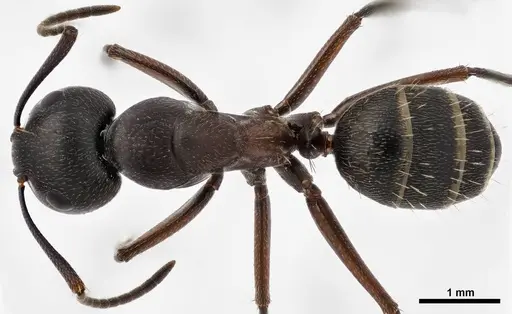
ANTWEB1041349
View on AntWeb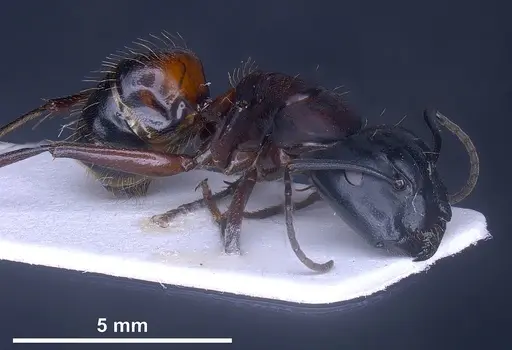
ANTWEB1041840
View on AntWeb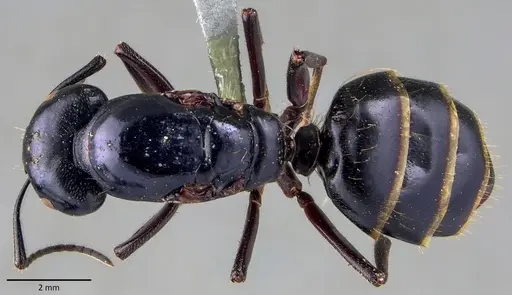
CASENT0103345
View on AntWeb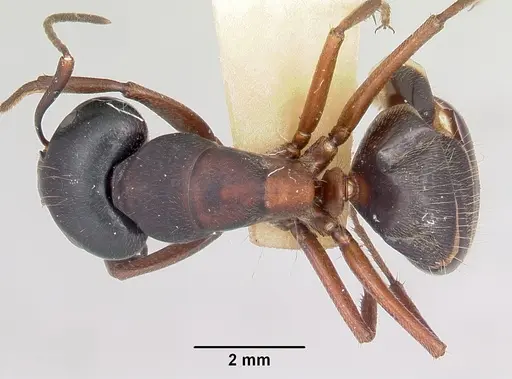
CASENT0103346
View on AntWeb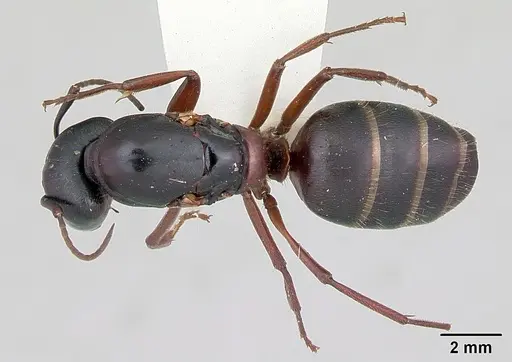
CASENT0173157
View on AntWeb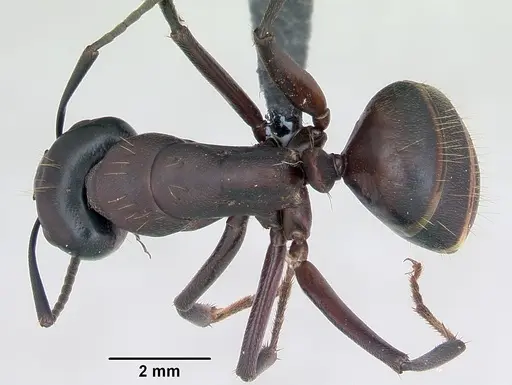
CASENT0178766
View on AntWeb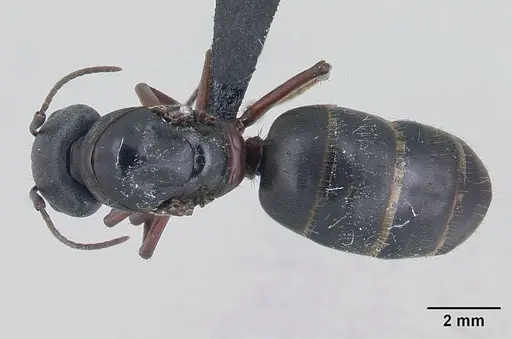
CASENT0249981
View on AntWeb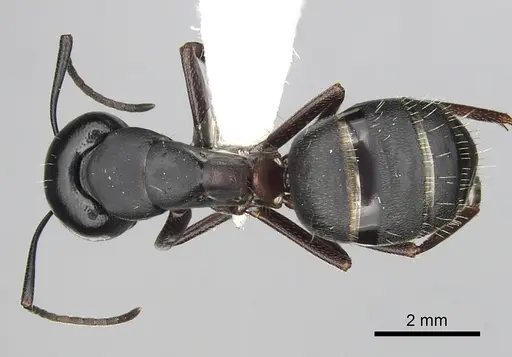
CASENT0249982
View on AntWeb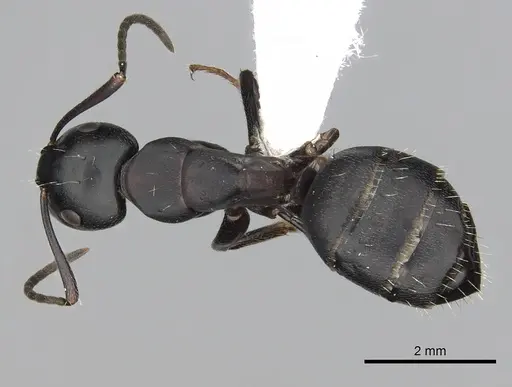
CASENT0280008
View on AntWeb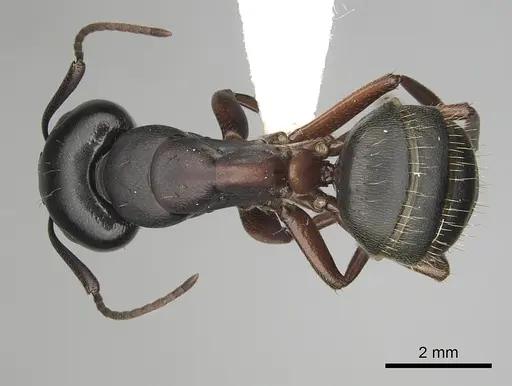
CASENT0280009
View on AntWeb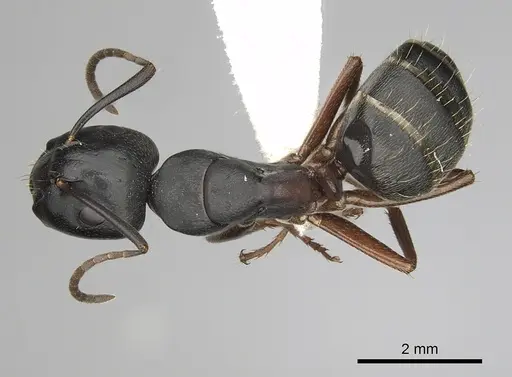
CASENT0882000
View on AntWeb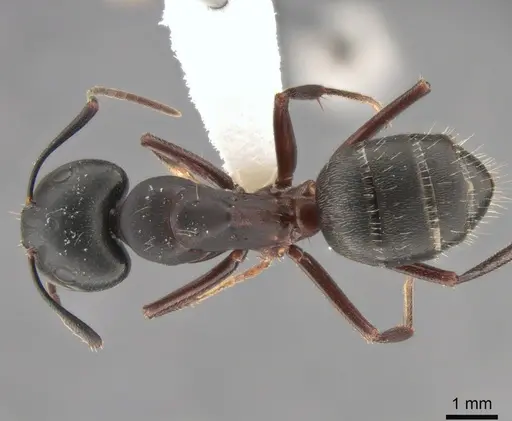
CASENT0883449
View on AntWeb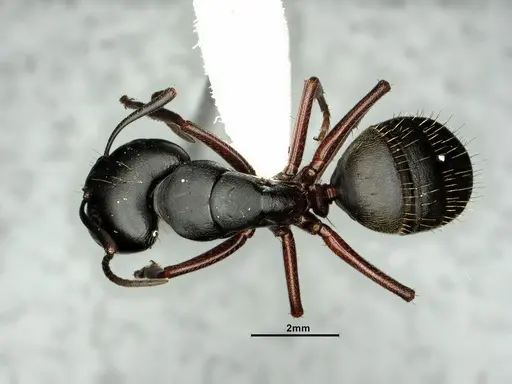
CASENT0909954
View on AntWeb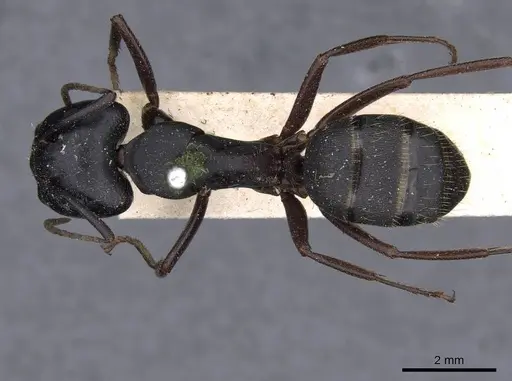
CASENT0909955
View on AntWeb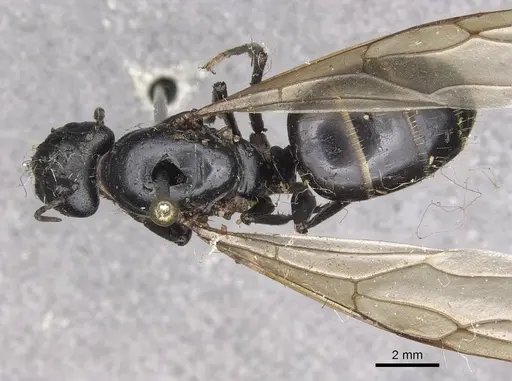
CASENT0917141
View on AntWeb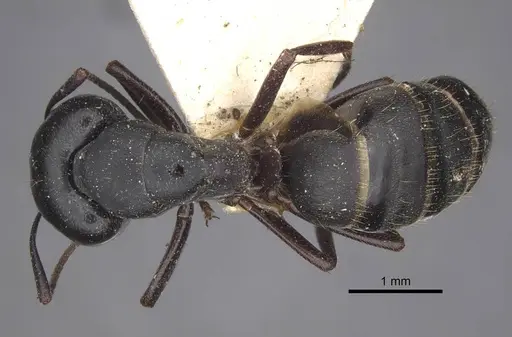
CASENT0917142
View on AntWeb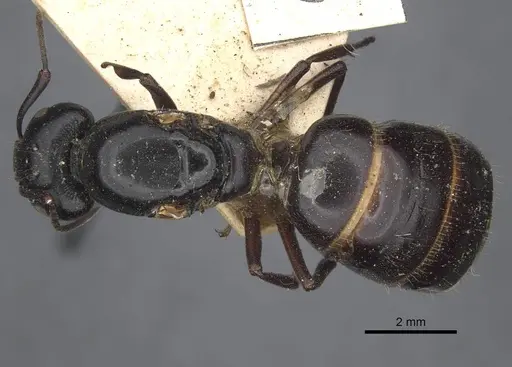
FMNHINS0000046003
View on AntWeb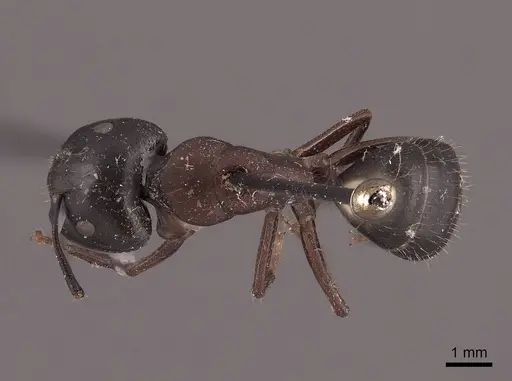
UAM100256496
View on AntWeb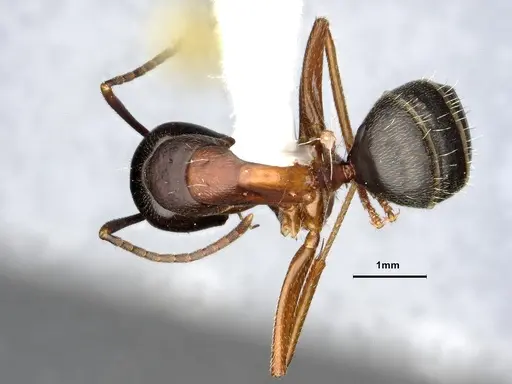
UAM100404072
View on AntWeb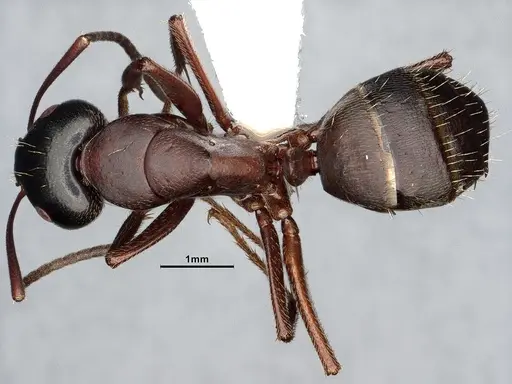
Literature
Loading...Loading products...