

Camponotus heathi
- Scientific Name
- Camponotus heathi
- Subgenus
- Myrmaphaenus
- Tribe
- Camponotini
- Subfamily
- Formicinae
- Author
- Mann, 1916
- Distribution
- Found in 4 countries
Camponotus heathi Overview
Camponotus heathi is an ant species of the genus Camponotus. It is primarily documented in 4 countries , including Brazil, French Guiana, Guyana. Detailed taxonomic data and occurrence records can be further explored via authoritative databases such as AntWeb or the Global Biodiversity Information Facility (GBIF).
Camponotus heathi
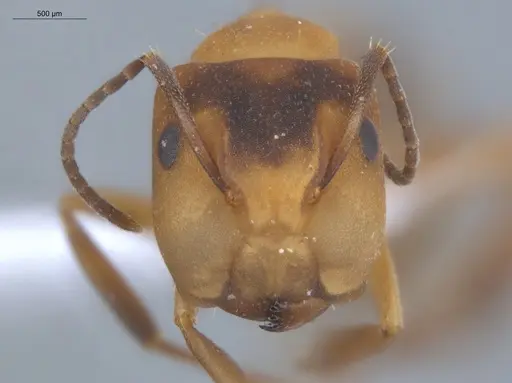
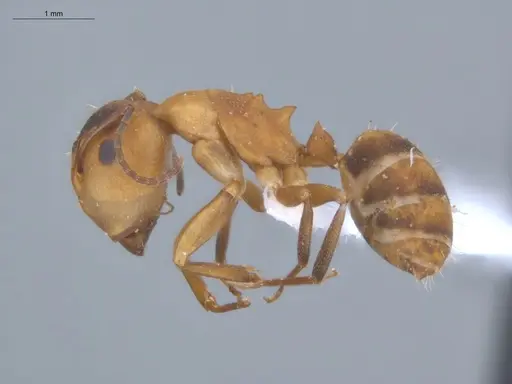
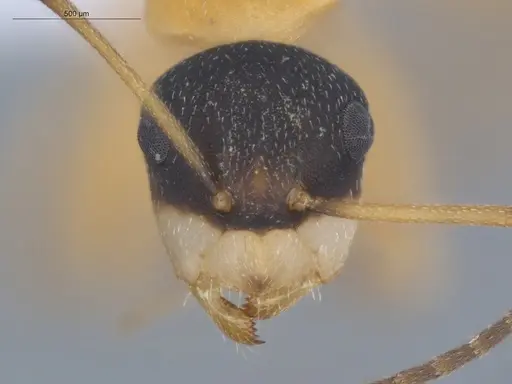
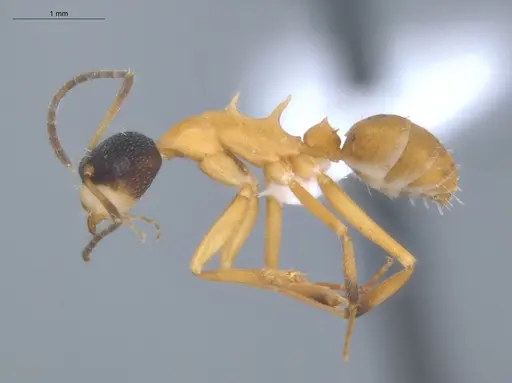
Camponotus heathi is a distinctive Neotropical carpenter ant found across northern South America, including Brazil, Ecuador, Peru, Colombia, and French Guiana [1][2]. This species stands out as the only New World Camponotus with prominent spines on the propodeum and petiole, two pairs of spines on the dorsal propodeum and three on the petiolar node make this ant instantly recognizable [1]. Workers are moderate-sized for a Camponotus, typically 6-10mm, with the characteristic dark coloration common to many carpenter ants. What makes this species particularly interesting is its arboreal lifestyle, unlike many Camponotus that nest in wood, C. heathi has been collected primarily in tree canopies and fallen trees, suggesting it prefers elevated nesting sites in humid forest environments [2]. The biology of this species remains poorly documented in scientific literature, making it both a challenging and potentially rewarding species for experienced antkeepers interested in a less common Neotropical species.
Quick Summary
- Difficulty: Medium
- Origin & Habitat: Neotropical rainforests of South America, found in Brazil (Rondônia, Mato Grosso, Amazonas), Ecuador, Peru, Colombia, Guyana, and French Guiana at low elevations up to 216m [1][2]. Specimens have been collected from tree canopies via fogging and from fallen Hymenaea trees, indicating an arboreal habitat preference in humid tropical forest environments.
- Colony Type: Likely monogyne (single queen) based on typical Camponotus colony structure. Colony size and social organization remain unconfirmed in scientific literature.
- Colony: Monogyne
- Founding: Claustral
- Size & Growth:
- Queen: Estimated 12-15mm based on typical Camponotus queen size range
- Worker: 6-10mm [1]
- Colony: Unknown, no colony size data available
- Growth: Unknown, no development data available
- Development: Estimated 6-8 weeks based on typical Camponotus development at tropical temperatures (Development timeline is inferred from genus-level data since no species-specific research exists. Tropical origin suggests faster development than temperate species.)
- Antkeeping:
- Temperature: Keep at 24-28°C, this is a lowland Neotropical species requiring warm, stable conditions similar to its rainforest canopy origin [2]. A heating cable on one side of the nest creates a gradient allowing workers to self-regulate.
- Humidity: High humidity required, aim for 70-80% relative humidity. The arboreal nature and rainforest origin indicate this species prefers consistently moist conditions. Keep the nest substrate damp but not waterlogged, with some drier areas available.
- Diapause: No, as a Neotropical species from low elevations near the equator, C. heathi does not require hibernation. Maintain warm conditions year-round.
- Nesting: Arboreal origin suggests they prefer nests with good vertical space. Y-tong (acrylic) nests or test tube setups work well. The species has been collected from decaying wood in fallen trees, so a wooden formicarium or naturalistic setup with rotting wood pieces may be appreciated. Ensure good ventilation while maintaining humidity.
- Behavior: Generally calm and non-aggressive for a Camponotus, workers are not particularly defensive and rarely show alert behaviors. As an arboreal species, they are likely more active in the upper portions of the nest and may explore vertically. Foraging style is typical of carpenter ants, they will recruit to protein and sugar sources. Escape risk is moderate due to their size, standard barrier methods work well. They are not known to be escape artists like some smaller species.
- Common Issues: limited biological data makes care recommendations somewhat speculative, monitor your colony closely and adjust conditions based on behavior, high humidity requirements can lead to mold problems if ventilation is inadequate, arboreal nature means they may not use horizontal foraging areas as much as ground-nesting species, wild-caught colonies may have parasites or diseases that can cause colony failure, tropical species is sensitive to temperature drops, avoid cold drafts and ensure consistent warmth
Nest Preferences and Housing
Camponotus heathi is an arboreal species collected primarily from tree canopies and fallen trees in Neotropical rainforests [2]. In captivity, provide a nest that accommodates their preference for elevated, enclosed spaces. Y-tong (acrylic) nests work well because they allow you to control humidity precisely while providing dark, enclosed chambers. Test tube setups are also suitable, especially for founding colonies, a water reservoir connected to a cotton plug maintains humidity within the tube. Given their arboreal origin, consider adding vertical elements or multiple levels within the formicarium. Some keepers have success with wooden formicaria or naturalistic setups that include rotting wood pieces, mimicking their natural nesting in fallen trees. Regardless of nest type, ensure adequate ventilation to prevent mold while maintaining the high humidity this species requires.
Feeding and Diet
As a typical Camponotus species, C. heathi is likely omnivorous with a preference for protein sources and sugar. In the wild, arboreal carpenter ants forage for honeydew, nectars, and insects. In captivity, offer a varied diet: protein sources like mealworms, crickets, and other small insects should be provided regularly, twice weekly is a good starting point. Sugar can be offered through honey water or sugar water, which should be available constantly. Fresh fruit occasionally may be accepted. Since their biology is not well documented, observe your colony's preferences and adjust accordingly. Remove uneaten prey after 24-48 hours to prevent mold. The arboreal foraging behavior suggests they may prefer feeding stations elevated within the setup rather than ground-level feeding areas.
Temperature and Seasonal Care
This is a lowland Neotropical species requiring warm, stable temperatures year-round. Maintain the nest area at 24-28°C [2]. Temperatures below 22°C may slow activity and potentially stress the colony. A heating cable placed on one side of the nest creates a thermal gradient allowing workers to regulate their own temperature by moving between warmer and cooler areas. Place the heating on top of the nest, not underneath, to avoid evaporating moisture too quickly. Since this species comes from regions near the equator (Ecuador at 1°S, Brazil, Peru), it does not require hibernation or winter cooling. Maintain consistent warm conditions throughout the year. Avoid placing the colony near air conditioning vents, windows with cold drafts, or any area where temperature fluctuations occur.
Humidity and Water Management
Camponotus heathi requires high humidity reflecting its origin in Neotropical rainforests. Aim for 70-80% relative humidity within the nest area. The arboreal habitat and collection from humid forest canopies indicate this species is sensitive to drying. Keep the nest substrate consistently moist but never waterlogged, the substrate should feel damp to the touch. For test tube setups, ensure the water reservoir is appropriately sized to maintain humidity without flooding. For Y-tong or formicarium setups, mist the nest area periodically and monitor condensation levels. Good ventilation is essential to prevent mold while maintaining humidity, small ventilation holes or mesh-covered openings work better than sealed enclosures. If you notice condensation constantly dripping or excessive moisture, increase ventilation. If the nest appears dry and workers are clustering near water sources, increase humidity. [2]
Behavior and Colony Dynamics
This species is known for its distinctive spines on the propodeum and petiole, making it one of the most recognizable Neotropical Camponotus [1]. Behaviorally, they are considered calm and not particularly aggressive, workers typically go about their activities without excessive alarm responses. As an arboreal species, they likely exhibit more vertical activity patterns than ground-nesting ants, exploring upward within their enclosure. They probably show typical Camponotus recruitment behaviors, where workers alert nestmates to food sources. Colony growth rate is unknown but likely moderate, Camponotus species typically grow more slowly than some other genera, with founding colonies taking several months to produce their first workers (nanitics). Once established, colonies can grow substantial over time, though exact maximum colony size for C. heathi has not been documented.
Frequently Asked Questions
How long does it take for Camponotus heathi to produce first workers?
The exact timeline is unknown for this species, but based on typical Camponotus development at tropical temperatures (24-28°C), expect first workers (nanitics) in approximately 6-8 weeks after the queen lays eggs. This is an estimate since no species-specific development data exists.
Can I keep multiple Camponotus heathi queens together?
This has not been documented for this species. Based on typical Camponotus behavior, it is likely monogyne (single queen). Combining unrelated queens is not recommended as they would likely fight. If you acquire a colony, assume single-queen structure.
What do Camponotus heathi ants eat?
They are likely omnivorous like other carpenter ants. Offer protein sources (mealworms, crickets, small insects) twice weekly and provide sugar water or honey constantly. Remove uneaten prey after 24-48 hours.
Are Camponotus heathi good for beginners?
This species is rated as Medium difficulty. While not the most challenging species, the limited biological data available and specific humidity/temperature requirements make it better suited for antkeepers with some experience. Beginners may want to start with more documented species.
Do Camponotus heathi need hibernation?
No. As a Neotropical species from low elevations near the equator, they do not require hibernation. Keep them warm year-round at 24-28°C.
What size colony do Camponotus heathi reach?
The maximum colony size is unknown, no scientific literature documents colony size for this species. Based on typical Camponotus patterns, established colonies likely reach several hundred to over a thousand workers over several years.
Why are my Camponotis heathi dying?
Common causes include: temperature drops below 22°C, humidity too low or too high (aim for 70-80%), mold from poor ventilation, parasites from wild-caught colonies, or stress from excessive disturbance. Review your temperature and humidity levels first.
When should I move Camponotus heathi to a formicarium?
For test tube colonies, wait until the colony has 20-30 workers and the test tube shows signs of drying or space constraints. Moving too early can stress the colony. Ensure the formicarium conditions (humidity, temperature) match what the ants are already accustomed to.
Is Camponotus heathi an escape risk?
Moderate escape risk. At 6-10mm worker size, they are not tiny escape artists, but standard barrier methods (fluon on rim edges, tight-fitting lids) should still be used. They are more likely to explore vertically than escape horizontally.
References

This caresheet is licensed under CC BY-SA 4.0 .
CASENT0280067
View on AntWeb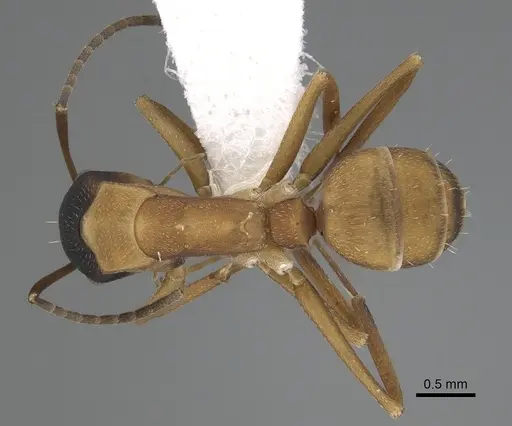
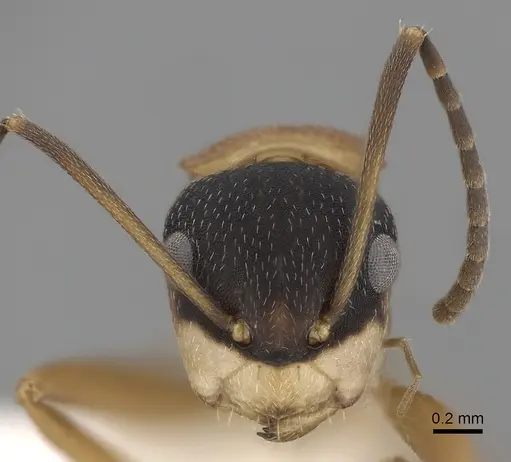
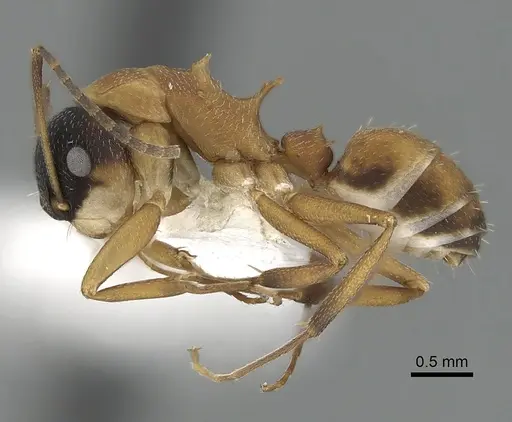
ECOFOG-SL13-1211-35-S
View on AntWeb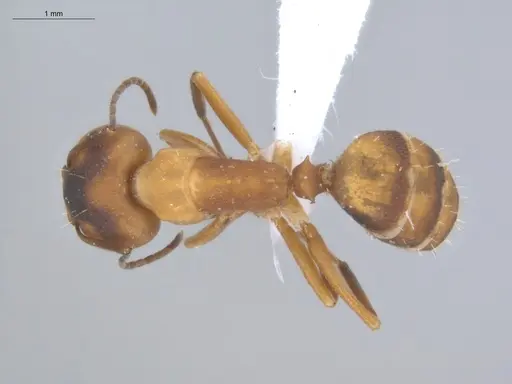
ECOFOG-SL13-1211-35
View on AntWeb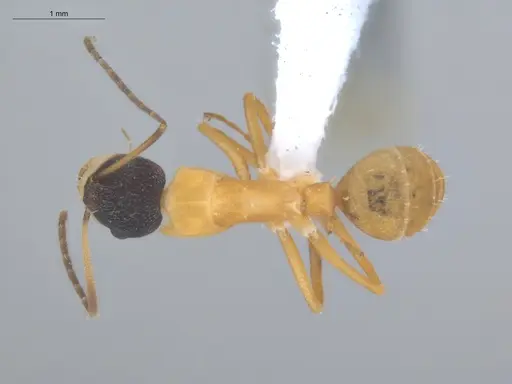
Literature
Loading...Loading products...