

Camponotus hartogi
- Scientific Name
- Camponotus hartogi
- Subgenus
- Myrmophyma
- Tribe
- Camponotini
- Subfamily
- Formicinae
- Author
- Forel, 1902
- Distribution
- Found in 1 countries
Camponotus hartogi Overview
Camponotus hartogi is an ant species of the genus Camponotus. It is primarily documented in 1 countries , including Australia. Detailed taxonomic data and occurrence records can be further explored via authoritative databases such as AntWeb or the Global Biodiversity Information Facility (GBIF).
Camponotus hartogi
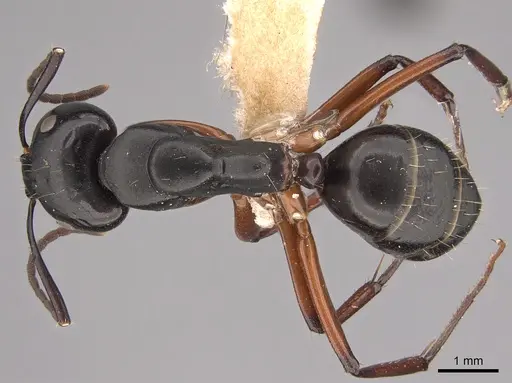
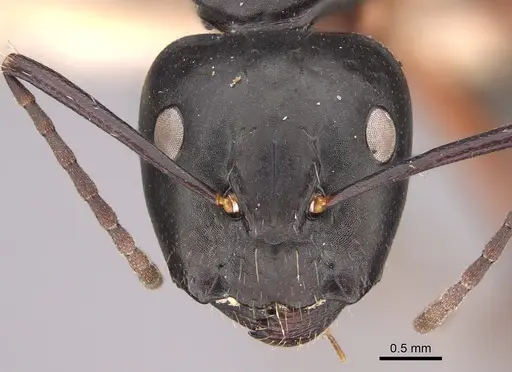
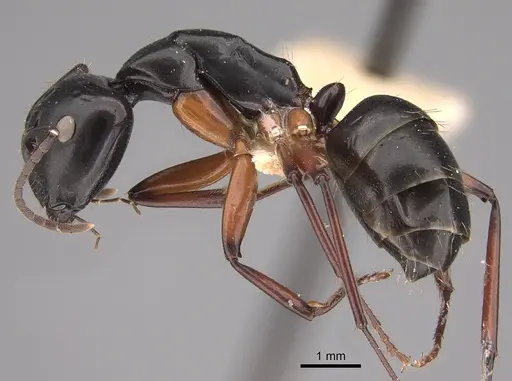
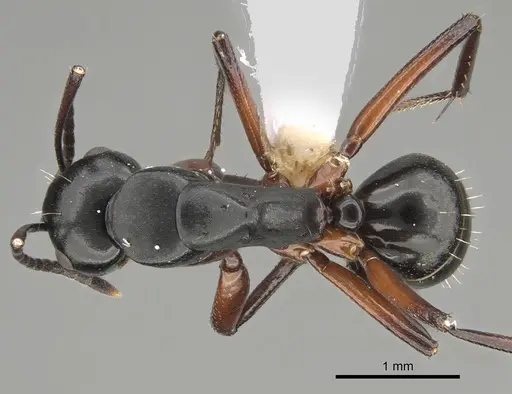
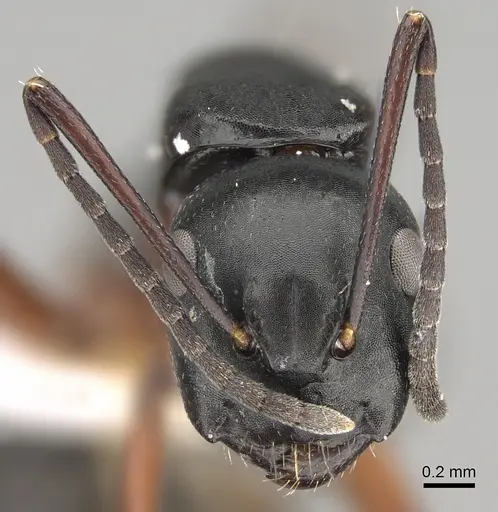
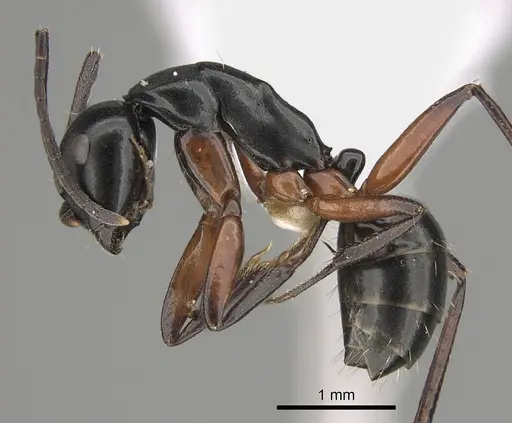
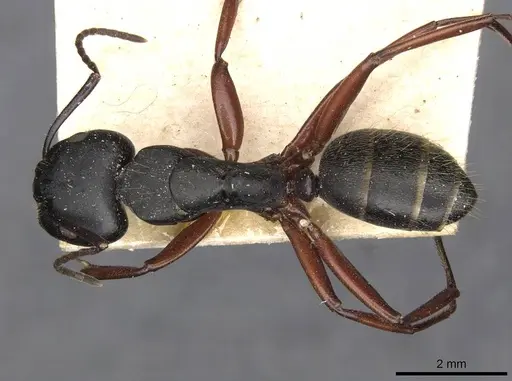
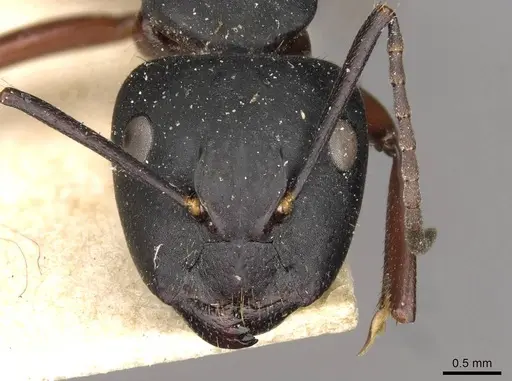
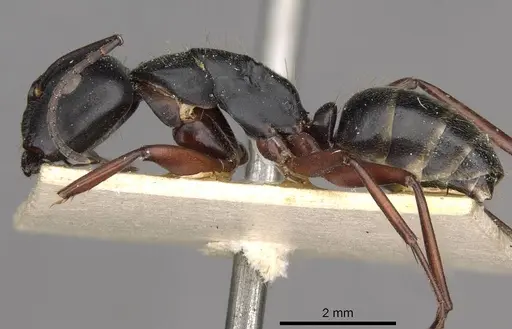
Camponotus hartogi is an Australian carpenter ant species found throughout southern regions of Australia, including South Australia, Victoria, and Western Australia. Workers are approximately 9mm in length with a distinctive appearance: a black body, reddish limbs, and yellow borders on the gastric segments. The head is rounded and roughly as wide as long, with relatively short mandibles. These ants are arboreal nesters, uniquely preferring to nest in dead branches and rotting stumps rather than the ground, making them one of the few Australian Camponotus species with arboreal nesting habits. They inhabit sclerophyll forest communities and are classified as Subordinate Camponotini, indicating they are relatively peaceful and not aggressive toward other ant species.
Quick Summary
- Difficulty: Medium
- Origin & Habitat: Southern Australia (SA, Vic, WA) in sclerophyll forest communities. Nests arboreally in dead branches and rotting stumps [1][2].
- Colony Type: Colony structure is unconfirmed. Based on typical Camponotus patterns, likely single-queen colonies.
- Size & Growth:
- Queen: Likely 12-16mm based on genus estimates
- Worker: Approximately 9mm [3]
- Colony: Unknown, likely several hundred workers based on genus patterns
- Growth: Moderate
- Development: 6-10 weeks based on typical Camponotus development (Development time is estimated based on related Camponotus species. Actual timing may vary with temperature.)
- Antkeeping:
- Temperature: Keep at room temperature, roughly 20-26°C. A gentle gradient allowing warmer and cooler areas is ideal.
- Humidity: Moderate humidity around 50-70%. Being arboreal nesters, they prefer slightly drier conditions than ground-nesting carpenter ants.
- Diapause: Likely requires winter rest period (diapause) given their southern Australian distribution. Reduce temperature to 10-15°C for 2-3 months during winter.
- Nesting: Arboreal specialists, prefer nests in wood or cork. Y-tong (AAC) nests with wooden or cork chambers work well. Avoid fully soil-based setups.
- Behavior: Generally calm and non-aggressive. As Subordinate Camponotini, they are not territorial or overly defensive. Workers are moderately active foragers. Escape prevention should be moderate, they are not tiny ants but can still escape through small gaps.
- Common Issues: arboreal nesting means standard test tube setups may not be ideal, they prefer wood-based nests, limited availability in the antkeeping hobby due to restricted Australian distribution, winter diapause is likely required but specific requirements are unconfirmed, colonies may be slow to establish compared to more common species, specific humidity preferences are not well documented, monitor for signs of stress
Housing and Nest Preferences
Camponotus hartogi is an arboreal nesting species, which means they naturally prefer to nest in wood rather than soil. In captivity, they do best with wooden or cork-based nests such as Y-tong (AAC) formicaria with wood inserts or naturalistic setups featuring cork branches. Avoid fully soil-based or plaster nests unless the colony is very large and established. The key is providing a dry, wood-based nesting chamber that mimics their natural dead branch habitat. Outworld space should include some vertical structures (branches, cork pieces) to encourage their natural arboreal behavior. A water tube attached to the nest area provides moisture without creating the damp conditions they would avoid in the wild. [1]
Feeding and Diet
Like most Camponotus species, C. hartogi is omnivorous with a preference for protein-rich foods. Offer a varied diet including small insects (fruit flies, small crickets, mealworms), and sugar sources such as honey water or sugar water. In the wild, they likely forage for honeydew and small invertebrates in the forest canopy. Feed protein 2-3 times per week and keep a sugar source constantly available. Remove uneaten prey after 24-48 hours to prevent mold. Given their arboreal nature, they may prefer food presented at elevated locations in the outworld.
Temperature and Seasonal Care
Maintain temperatures between 20-26°C, with room temperature being suitable for most colonies. A temperature gradient allows ants to self-regulate their exposure to warmth. As a southern Australian species, they likely experience cooler winters in their natural range and will benefit from a winter rest period (diapause). During winter (roughly June-August in the southern hemisphere), reduce temperatures to 10-15°C for 2-3 months. This mimics their natural seasonal cycle and supports colony health. Do not feed heavily during diapause, reduce food offerings and expect reduced activity. [2]
Colony Establishment
Newly mated queens should be set up in a small test tube setup initially, even though they are arboreal nesters in the wild. The founding chamber should be dark and quiet. The queen will seal herself inside a chamber and begin laying eggs, this claustral behavior is typical for Camponotus. After the first workers (nanitics) emerge, you can gradually transition the colony to a more appropriate arboreal-style nest. Growth is moderate, expect 6-10 weeks from egg to first worker at optimal temperatures. Colonies develop relatively slowly compared to some tropical species, which is typical for temperate-region ants.
Behavior and Temperament
C. hartogi is classified as a Subordinate Camponotini, meaning they are relatively peaceful and non-aggressive. Workers are not particularly defensive and rarely sting. They are moderate foragers, actively searching for food but not hyperactive. Their arboreal nesting preference means they are comfortable moving vertically in the setup. Escape risk is moderate, while not tiny, they can squeeze through small gaps, so standard escape prevention measures apply. The distinctive yellow bands on their abdomen make them visually striking and easy to identify.
Frequently Asked Questions
How long does it take for Camponotus hartogi to produce first workers?
Expect 6-10 weeks from egg to first worker at optimal temperatures (around 24°C). This is typical for Camponotus species. Growth is moderate, don't expect rapid expansion like some tropical ants.
What type of nest is best for Camponotus hartogi?
Use a wood-based nest such as Y-tong (AAC) with wooden inserts or cork branches. They are arboreal nesters in the wild, preferring dead wood and branches over soil. Avoid fully plaster or soil nests.
Do Camponotus hartogi need hibernation?
Yes, a winter rest period is likely required given their southern Australian distribution. Reduce temperatures to 10-15°C for 2-3 months during winter to mimic their natural seasonal cycle.
What do Camponotus hartogi eat?
They are omnivorous. Offer protein sources like small insects (fruit flies, small crickets, mealworms) 2-3 times per week, and keep a sugar source (honey water or sugar water) constantly available.
Are Camponotus hartogi good for beginners?
They are rated as medium difficulty. While generally calm and manageable, their specific arboreal nesting requirements and likely need for winter diapause make them better suited for keepers with some experience.
How big do Camponotus hartogi colonies get?
Colony size is not well documented, but based on typical Camponotus patterns, colonies likely reach several hundred workers. Growth is moderate, expect gradual expansion over several years.
Can I keep multiple Camponotus hartogi queens together?
Colony structure is unconfirmed for this species. Based on typical Camponotus behavior, single-queen colonies are most likely. Combining unrelated queens is not recommended without documented evidence of polygyny.
Why is my Camponotus hartogi colony not growing?
Check that temperatures are in the 20-26°C range, they have appropriate wood-based nesting, and protein is offered regularly. Colonies grow moderately, slow growth is normal for this species. Ensure diapause is provided during winter months.
Where is Camponotus hartogi found in the wild?
They are endemic to southern Australia, found in South Australia, Victoria, and Western Australia. They inhabit sclerophyll forest communities and nest exclusively in dead branches and rotting stumps (arboreal nesting).
References

This caresheet is licensed under CC BY-SA 4.0 .
Literature
Loading...Loading products...