

Camponotus gouldianus
- Scientific Name
- Camponotus gouldianus
- Subgenus
- Myrmophyma
- Tribe
- Camponotini
- Subfamily
- Formicinae
- Author
- Forel, 1922
- Distribution
- Found in 1 countries
Camponotus gouldianus Overview
Camponotus gouldianus is an ant species of the genus Camponotus. It is primarily documented in 1 countries , including Australia. Detailed taxonomic data and occurrence records can be further explored via authoritative databases such as AntWeb or the Global Biodiversity Information Facility (GBIF).
Camponotus gouldianus
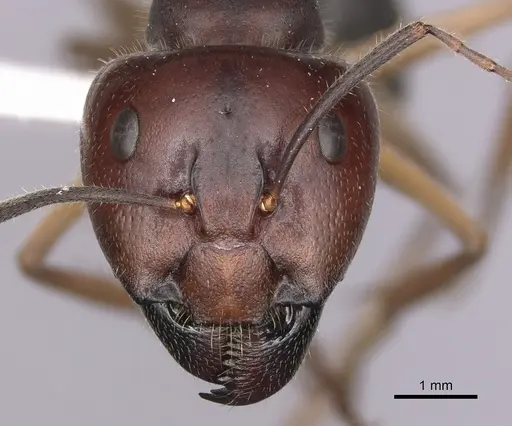
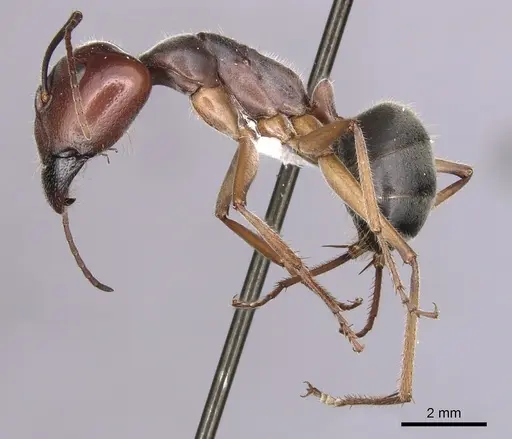
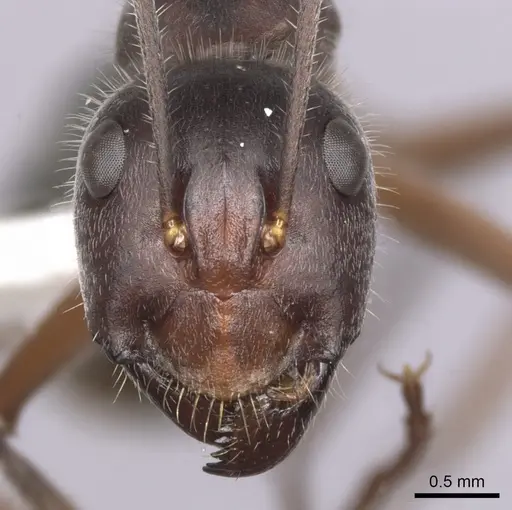
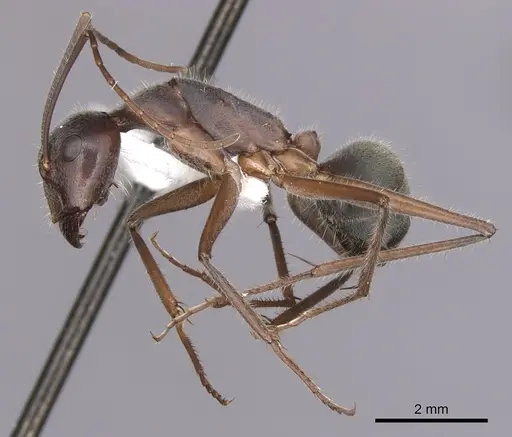
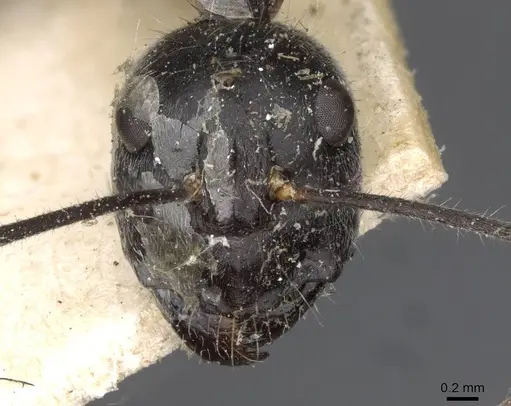
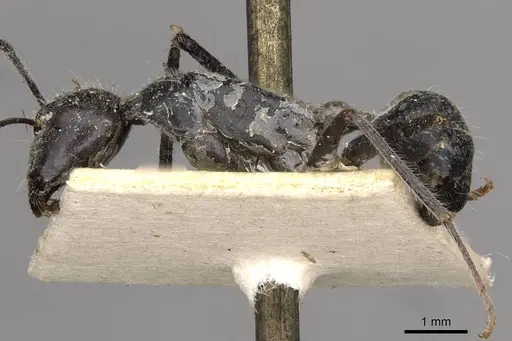
Camponotus gouldianus is a large Australian carpenter ant species found throughout mainland Australia, particularly in South Australia and Victoria. Workers are polymorphic, minor workers measure around 8mm with a reddish-brown to dark brown head and black gaster, while major workers can reach over 4mm in head width and have more robust builds. This species is easily identified by the abundant erect hairs covering their body and legs, and the rounded petiolar node in minor workers. In the wild, they construct remarkable turret-like nest entrances in heavier soils, columns of soil about 30mm wide and 100mm tall with the entrance hole near the summit, likely serving to prevent flooding and deter predators. A unique ecological association exists with leafhoppers in the family Eurymelidae, which live in their nests and forage alongside them at night.
Quick Summary
- Difficulty: Medium
- Origin & Habitat: Australia, found in mallee habitats across South Australia, Victoria, and likely all mainland states. They nest in various soil types, from sandy soils near mallee trunks to heavier soils where they build distinctive turret entrances [1].
- Colony Type: Likely single-queen colonies (monogyne), typical of most Camponotus species. Ergatoid replacement reproductives may be present but this is not well-documented for this species.
- Colony: Monogyne
- Founding: Claustral
- Size & Growth:
- Queen: Approximately 12-15mm (estimated based on related Camponotus species)
- Worker: Minor workers: 8mm total, major workers: HW 1.59-4.71mm [1]
- Colony: Likely several thousand workers at maturity based on genus patterns
- Growth: Moderate, typical Camponotus growth pattern
- Development: Approximately 6-8 weeks at optimal temperature based on genus patterns for Camponotus species (Development time is inferred from related Camponotus species as no direct study exists for this species)
- Antkeeping:
- Temperature: Keep at 22-26°C. A heating cable on one side of the nest creates a temperature gradient. The nuptial flight occurred at 25°C in autumn, indicating this temperature range is suitable [1].
- Humidity: Moderate humidity around 50-60%. These are arid-adapted ants from mallee habitats, avoid overly damp conditions. Provide a water tube but ensure the nest area stays relatively dry.
- Diapause: Yes, required during Australian winter (June-August). Keep at 10-15°C in a cool, dark location for 2-3 months. This simulates their natural seasonal cycle in southern Australia.
- Nesting: Y-tong (AAC) nests work well, or a naturalistic setup with soil chambers. They prefer tight, dark chambers typical of Camponotus. Avoid overly humid plaster nests, these ants are adapted to drier conditions.
- Behavior: Generally calm and non-aggressive for a large carpenter ant. Workers are moderate foragers that search for honeydew and small prey. Major workers can deliver a painful bite if provoked, though they are not particularly defensive. Escape prevention should be moderate, they are large ants but can climb smooth surfaces. Watch for claustral founding behavior where the queen seals herself in to raise the first brood.
- Common Issues: colonies often stall during founding if the queen is disturbed, minimize nest inspections during claustral founding, hibernation failure is common, ensure temperatures stay consistently cool (10-15°C) during winter dormancy, overheating is a risk, never exceed 30°C as this can kill colonies, wild-caught colonies may contain parasitic leafhoppers (Eurymelidae) from their native nests, these are harmless to ants but may startle keepers, slow initial growth causes beginners to overfeed, resist the urge, excess food mold kills founding colonies
Nest Preferences and Housing
Camponotus gouldianus adapts well to various nest types in captivity. Y-tong (acrylic) nests with narrow chambers work excellently, these provide the dark, tight spaces this species prefers. Naturalistic setups with soil chambers are also suitable and may encourage more natural behavior, including potential turret-building if given loose soil. Test tube setups work for founding colonies but should be moved to proper nests once the colony reaches 20-30 workers. Avoid overly humid environments, these are arid-adapted ants from Australian mallee habitats, so ensure good ventilation and allow the nest to dry out between waterings. A water tube connected to the nest provides constant access to moisture without creating damp conditions. [1]
Feeding and Diet
Like most Camponotus species, these ants are omnivorous. They readily accept sugar sources, honey water, sugar water, or commercial ant nectar should be available constantly. For protein, offer insects such as mealworms, crickets, or fruit flies. In the wild, they forage for honeydew from sap-sucking insects and hunt small invertebrates. Minor workers will forage while major workers use their powerful mandibles to process larger prey. Feed every 2-3 days, removing uneaten prey after 24 hours to prevent mold. Colonies in founding stages need less food, a drop of honey water once weekly is sufficient until the first workers (nanitics) emerge.
Temperature and Seasonal Care
Maintain nest temperatures between 22-26°C for optimal brood development. A temperature gradient allows workers to regulate conditions by moving brood to warmer or cooler areas. Room temperature within this range works well for established colonies. During the Australian winter (June-August), colonies require a diapause period at 10-15°C. This can be achieved by moving the colony to a garage, basement, or refrigerator (not freezer). The diapause is essential for colony health and triggers reproductive behavior, without it, colonies may become sluggish or fail to produce reproductives. The nuptial flight observed in May (Australian autumn) at 25°C confirms these ants tolerate and likely prefer warmer conditions during their active season. [1]
Behavior and Colony Dynamics
This species exhibits typical Camponotus behavior, workers are generally calm and not prone to excessive aggression. Major workers can deliver a painful bite if threatened, but they prefer to retreat rather than engage. Workers forage both individually and in groups, searching for honeydew and small arthropods. The unique association with leafhoppers (Eurymelidae) in the wild is worth noting, these insects live in the ants' nests and forage alongside them nocturnally. While you won't replicate this symbiosis in captivity, it's a fascinating aspect of their natural history. Colony growth follows the typical Camponotus pattern: slow initial founding (2-3 months to first workers), then accelerating growth as more workers emerge to care for brood. [1]
Growth and Development
Colony development follows the standard Camponotus timeline. After the nuptial flight, mated queens dig sealed chambers underground where they lay eggs and raise the first brood alone. The queen relies on stored fat reserves (claustral founding) and does not forage during this period. First workers (nanitics) are typically smaller than subsequent workers and emerge after 6-8 weeks at optimal temperature. Once nanitics arrive, the queen stops foraging entirely and focuses on egg-laying while workers take over all colony maintenance. Growth accelerates as the worker force expands, a healthy colony can reach several hundred workers within a year under good conditions. Major workers appear as the colony matures, typically when the colony reaches 100+ workers.
Frequently Asked Questions
How long does it take for Camponotus gouldianus to get their first workers?
Expect first workers (nanitics) to emerge 6-8 weeks after the queen lays eggs, assuming temperatures around 24-26°C. This is typical for Camponotus species, the founding period is slow but accelerates once workers arrive.
Do Camponotus gouldianus ants need hibernation?
Yes, a winter diapause is recommended. Keep colonies at 10-15°C for 2-3 months during June-August (Australian winter). This rest period is important for colony health and triggers reproductive behavior. Without it, colonies may become sluggish.
What do Camponotus gouldianus eat?
They are omnivorous. Provide constant access to sugar (honey water or sugar water) and protein sources like mealworms, crickets, or fruit flies every 2-3 days. Remove uneaten prey after 24 hours.
Are Camponotus gouldianus good for beginners?
They are rated as medium difficulty. They are more forgiving than some species but require proper hibernation and careful attention to humidity. Their slow founding phase tests patience, but established colonies are straightforward to maintain.
How big do Camponotus gouldianus colonies get?
Based on genus patterns, mature colonies likely reach several thousand workers. Major workers can exceed 4mm in head width, making them impressive display ants.
Can I keep multiple Camponotus gouldianus queens together?
This species is likely monogyne (single queen). Combining unrelated queens is not recommended as they will likely fight. In the wild, colonies are established by single mated queens.
When should I move my colony to a formicarium?
Move from test tube to a proper nest once the colony reaches 20-30 workers. Y-tong nests work well for this species. Ensure the new nest has appropriate humidity and dark chambers.
Why is my colony not growing?
Common causes include: temperatures too low (below 20°C), humidity too high or too low, overfeeding causing mold, or disturbing the queen during founding. Check that conditions match their warm, relatively dry preferences and minimize nest disturbances.
References

This caresheet is licensed under CC BY-SA 4.0 .
CASENT0280203
View on AntWeb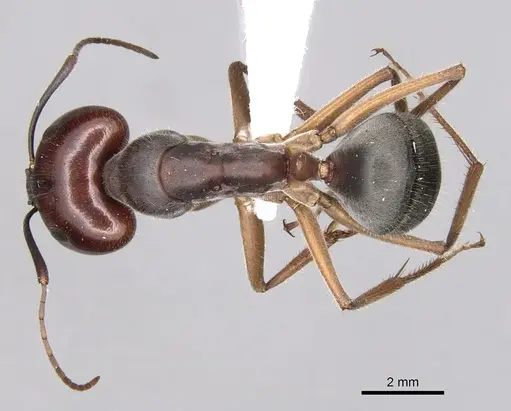
CASENT0280204
View on AntWeb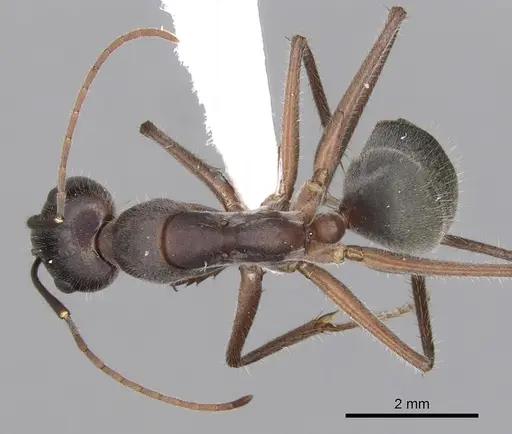
CASENT0887727
View on AntWeb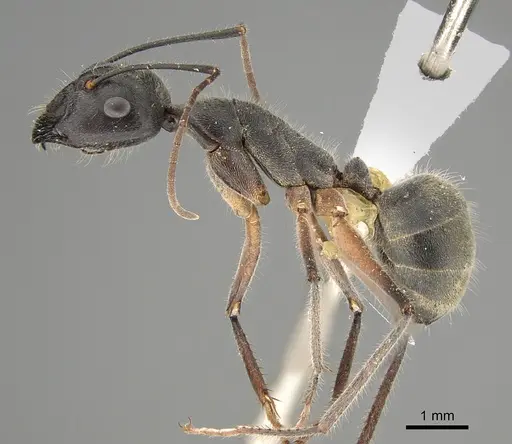
CASENT0910383
View on AntWeb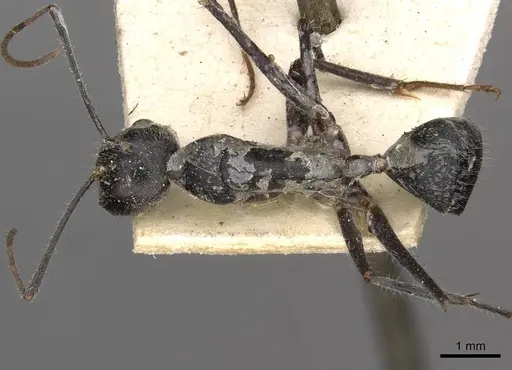
Literature
Loading...Loading products...