

Camponotus gibbinotus
- Scientific Name
- Camponotus gibbinotus
- Subgenus
- Thlipsepinotus
- Tribe
- Camponotini
- Subfamily
- Formicinae
- Author
- Forel, 1902
- Distribution
- Found in 1 countries
Camponotus gibbinotus Overview
Camponotus gibbinotus is an ant species of the genus Camponotus. It is primarily documented in 1 countries , including Australia. Detailed taxonomic data and occurrence records can be further explored via authoritative databases such as AntWeb or the Global Biodiversity Information Facility (GBIF).
Camponotus gibbinotus
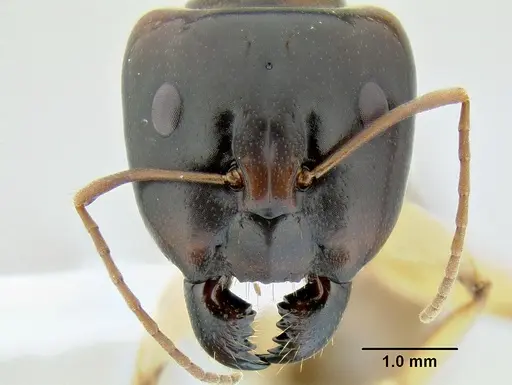
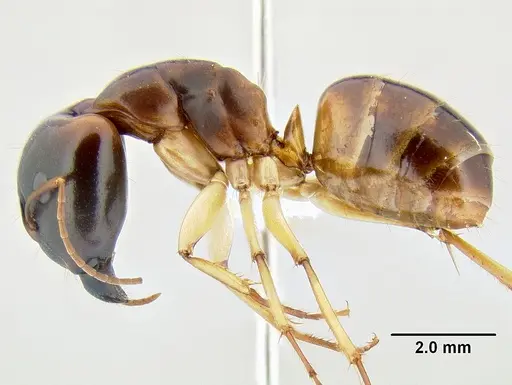
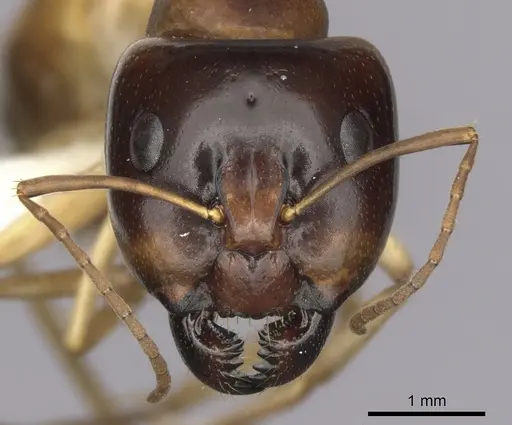
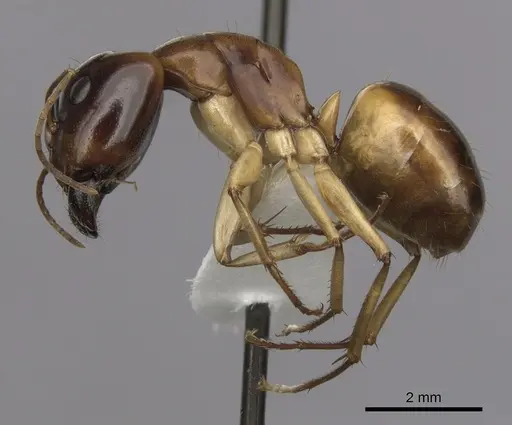
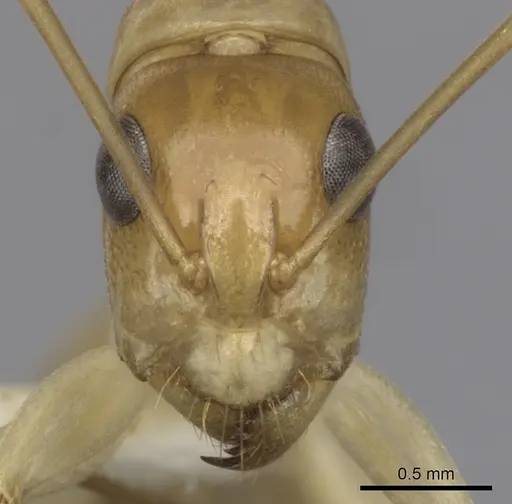
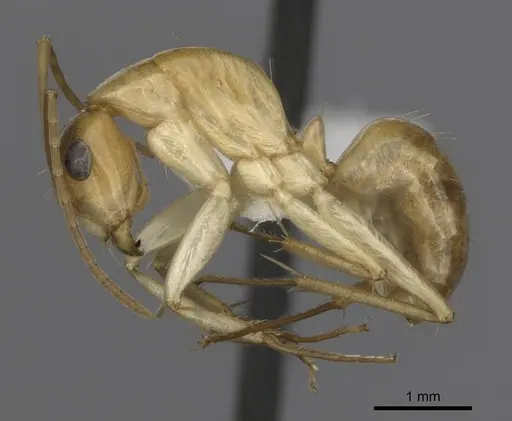
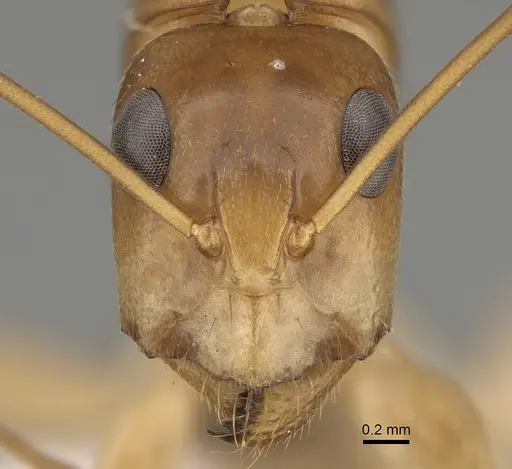
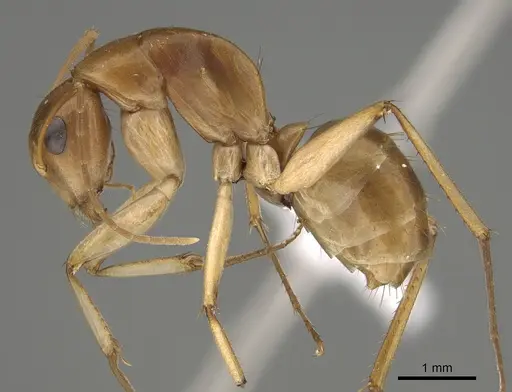
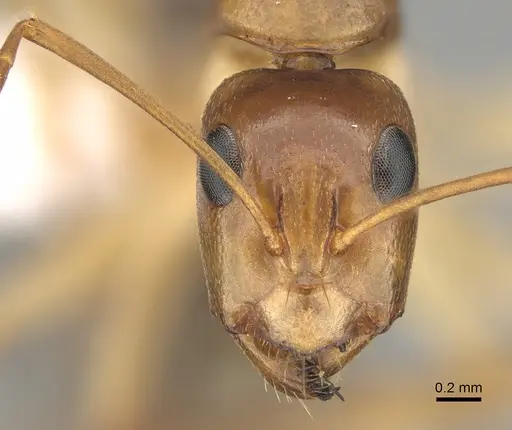
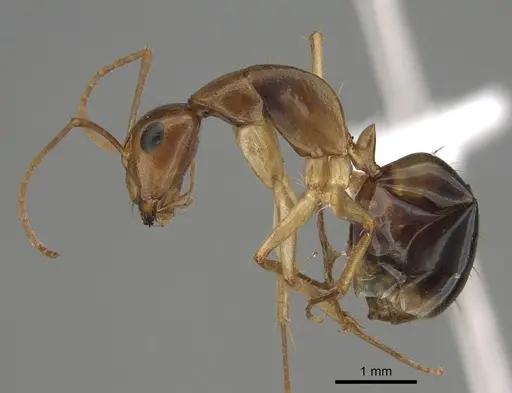
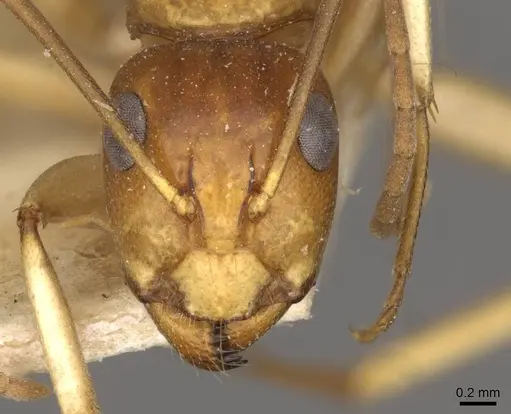
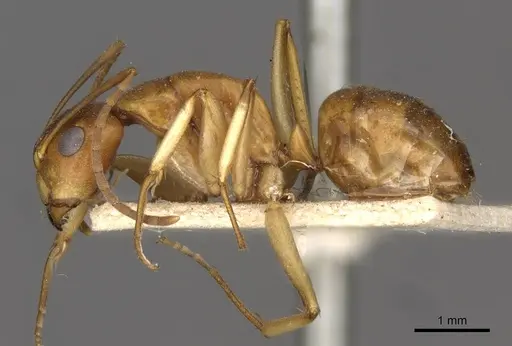
Camponotus gibbinotus is a medium-sized carpenter ant native to Australia, with minor workers measuring 5.6-6mm and major workers reaching 8.3-9.9mm [1]. The species has a distinctive appearance: the thorax and front of the head are reddish-yellow, while the gaster is nearly black with red-yellow segments. Minor workers are notably slender with a very compressed, narrow propodeum that gives them a humped appearance. This ant is nocturnal and often found in drier areas throughout mainland Australia. A fascinating behavior of this species is that minor workers frequently stand completely stationary on twigs or grass stems, with only their antennae moving, a camouflage technique that makes them nearly invisible against vegetation [2]. The species may be a complex with considerable variation in worker morphology between populations.
Quick Summary
- Difficulty: Easy
- Origin & Habitat: Native to Australia, specifically Western Australia (Kalgoorlie, Perth, Broome, Kimberley district) and widely distributed throughout mainland Australia. Found in drier areas and arid zones [2][1].
- Colony Type: Likely single-queen colonies based on typical Camponotus patterns. Colony structure has not been specifically documented for this species.
- Colony: Monogyne
- Founding: Claustral
- Size & Growth:
- Queen: Not described in available literature, estimated 10-12mm based on genus patterns
- Worker: Minor workers: 5.6-6mm, Major workers: 8.3-9.9mm [1]
- Colony: Unknown, typical Camponotus colonies reach several hundred to a few thousand workers
- Growth: Moderate, typical for Camponotus genus
- Development: Estimated 6-8 weeks at optimal temperature based on genus patterns (Development time inferred from typical Camponotus development. Temperature around 20-24°C recommended.)
- Antkeeping:
- Temperature: Keep at room temperature (20-24°C). They tolerate a range from roughly 18-28°C. A gentle heat gradient allows workers to choose their preferred zone.
- Humidity: Low to moderate, this is a dry-area species. Keep nest substrate slightly moist but allow drying periods between waterings. Avoid excessive dampness.
- Diapause: Likely required. As an Australian species from temperate regions, they probably need a winter rest period of 8-12 weeks at 10-15°C. More research needed to confirm.
- Nesting: In nature, they likely nest in soil or decaying wood. For captivity, a Y-tong (AAC) nest or plaster formicarium works well. Provide moderate humidity in the nest chamber.
- Behavior: Nocturnal and relatively docile. Minor workers are slow-moving and often stand motionless on vegetation, this calm temperament carries over to captive colonies. They are not aggressive and rarely bite. Escape risk is moderate, use standard barriers but fine mesh is not critical as they are not tiny ants. Workers forage at night and may be less active during bright lighting conditions.
- Common Issues: limited specific care data, much is inferred from genus patterns, diapause requirements not fully documented for this species, slow colony growth may test beginner patience, nocturnal activity means you may see less movement than day-active species, species may show variation as it appears to be a species complex
Housing and Nest Setup
Camponotus gibbinotus does well in standard ant keeping setups. A Y-tong (acrylic) nest or plaster formicarium provides the dark, enclosed environment they prefer. Since they are a dry-area species, keep humidity moderate, the nest substrate should be slightly moist but not wet. A water tube attached to the nest provides drinking water. For the outworld, a simple container with a textured floor works fine, these ants are not climbers so you don't need complex structures. Use standard escape prevention (fluon on rim edges) but fine mesh is not critical since workers are 5-10mm and cannot slip through typical gaps. Provide a shallow food dish and change it regularly. [1]
Feeding and Diet
Like most Camponotus, these ants are omnivorous. They accept sugar sources (honey, sugar water) and protein foods. Offer protein 2-3 times per week, small insects like fruit flies, mealworms, or crickets work well. Leave a small dish of sugar water or honey available at all times. In the wild, they forage for honeydew and small insects, so replicate this with a varied diet. Remove uneaten food after 24-48 hours to prevent mold. Since they are nocturnal, place food in the evening and check the next morning.
Temperature and Seasonal Care
Keep your colony at room temperature (20-24°C). They can tolerate 18-28°C but growth is best in the moderate range. A heat cable on one side of the nest creates a gradient so workers can choose their preferred temperature. As an Australian species from temperate areas, they likely need a winter rest period. Reduce temperature to 10-15°C for 8-12 weeks during winter. Do not feed during diapause and keep the nest slightly drier. Return to normal temperatures gradually in spring. If your room stays above 18°C year-round, the colony may not fully enter diapause, this is not ideal but they can survive without it.
Behavior and Observation
One of the most interesting aspects of keeping Camponotus gibbinotus is observing their unique behavior. Minor workers often stand completely still on twigs, grass stems, or nest decorations, this is a camouflage behavior they use in the wild [2]. In captivity, you may see workers freeze in place with only their antennae moving. They are nocturnal, so most activity happens in the evening and overnight. The colony is generally calm and workers move slowly. Major workers (if present) are larger and have a darker appearance. Do not disturb the nest frequently, queens and developing brood need stability.
Colony Growth and Development
A newly mated queen will seal herself in a small chamber (claustral founding) and lay eggs. She feeds on her stored fat reserves while raising the first brood. The first workers (nanitics) are smaller than normal workers but will begin foraging once they emerge. After the nanitics, subsequent broods produce normal-sized workers. Growth is moderate, expect 6-12 months from founding to a colony of 50+ workers. Camponotus colonies can live for many years, with queens potentially living 15+ years. Be patient with founding colonies, they grow slower than many other ants but can become impressive colonies over time.
Frequently Asked Questions
How long does it take for Camponotus gibbinotus to produce first workers?
Expect first workers (nanitics) in about 6-8 weeks after the queen lays eggs, at room temperature (20-24°C). This is typical for Camponotus species. Founding colonies need patience, do not disturb the queen during this time.
Do Camponotus gibbinotus ants need hibernation?
Likely yes. As an Australian species from temperate regions, they probably need a winter rest period of 8-12 weeks at 10-15°C. Reduce feeding, keep the nest slightly drier, and avoid disturbing them during this time.
What do Camponotus gibbinotus ants eat?
They are omnivorous. Offer sugar water or honey constantly, and protein (small insects like fruit flies, mealworms) 2-3 times per week. Remove uneaten food after 24-48 hours.
Are Camponotus gibbinotus good for beginners?
Yes, they are considered easy to keep. They are docile, do not sting, and have straightforward care requirements. The main challenges are their nocturnal habits (you'll see less activity) and the need for potential winter diapause.
How big do Camponotus gibbinotus colonies get?
Colony size is not specifically documented, but typical Camponotus colonies reach several hundred to a few thousand workers. With a long-lived queen, colonies can grow impressive over several years.
Can I keep multiple Camponotus gibbinotus queens together?
Not recommended. Camponotus gibbinotus is likely a single-queen (monogyne) species based on typical genus patterns. Combining unrelated queens has not been documented and may result in fighting.
When should I move my colony to a formicarium?
Move to a proper nest (Y-tong, plaster, or naturalistic setup) when the colony reaches 20-30 workers and outgrows the founding setup. Make sure the new nest has appropriately sized chambers, too large a space can stress the colony.
Why do my Camponotus gibbinotus workers stand so still?
This is normal behavior! In the wild, minor workers stand motionless on twigs and grass stems as camouflage [2]. Their antennae continue moving while their body stays frozen, this is a survival strategy, not a problem.
What temperature range is best for Camponotus gibbinotus?
Keep them at 20-24°C room temperature. They can tolerate 18-28°C. A gentle heat gradient allows workers to self-regulate. Avoid temperatures below 15°C except during winter diapause.
References

This caresheet is licensed under CC BY-SA 4.0 .
CASENT0106239
View on AntWeb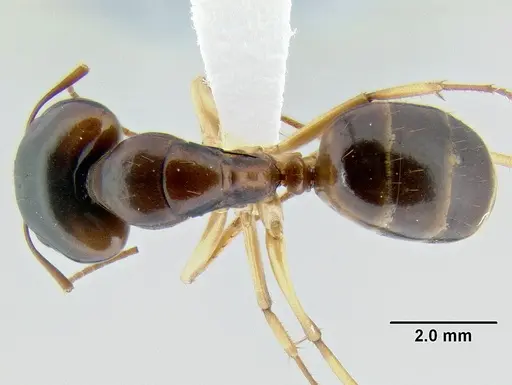
CASENT0280169
View on AntWeb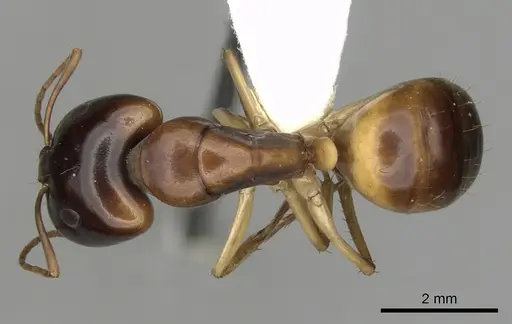
CASENT0280170
View on AntWeb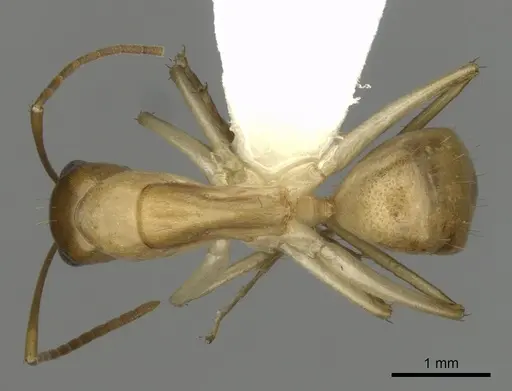
CASENT0887679
View on AntWeb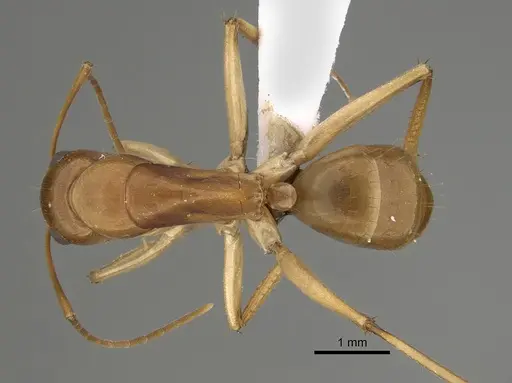
CASENT0887705
View on AntWeb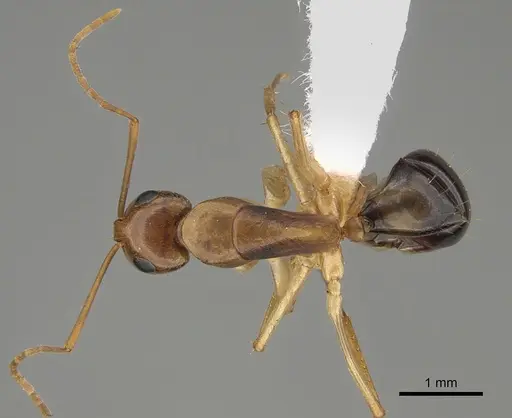
CASENT0910384
View on AntWeb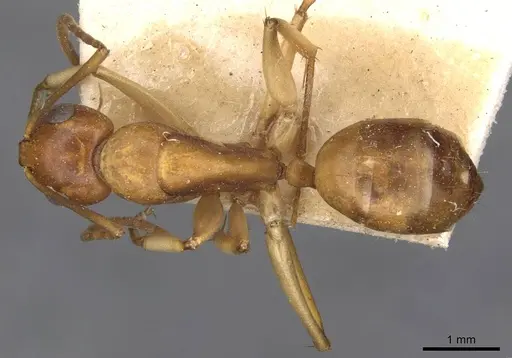
Literature
Loading...Loading products...