

Camponotus gibber
- Scientific Name
- Camponotus gibber
- Subgenus
- Myrmosaga
- Tribe
- Camponotini
- Subfamily
- Formicinae
- Author
- Forel, 1891
- Distribution
- Found in 1 countries
Camponotus gibber Overview
Camponotus gibber is an ant species of the genus Camponotus. It is primarily documented in 1 countries , including Madagascar. Detailed taxonomic data and occurrence records can be further explored via authoritative databases such as AntWeb or the Global Biodiversity Information Facility (GBIF).
Camponotus gibber
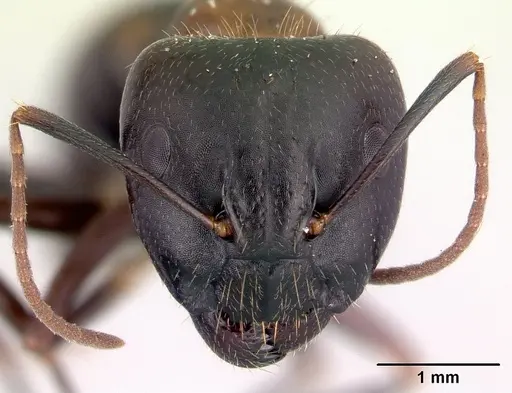
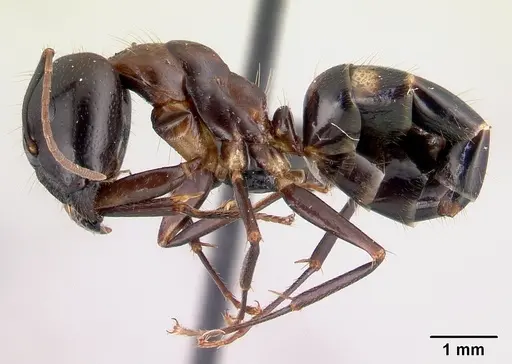
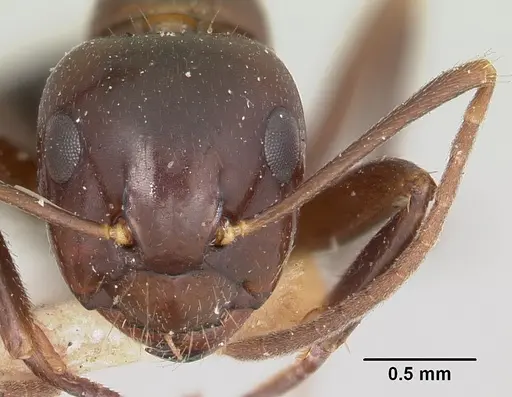
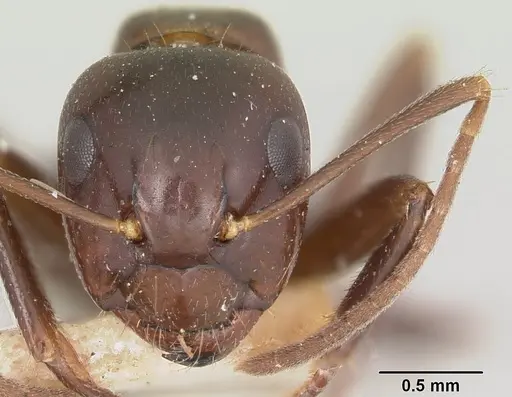
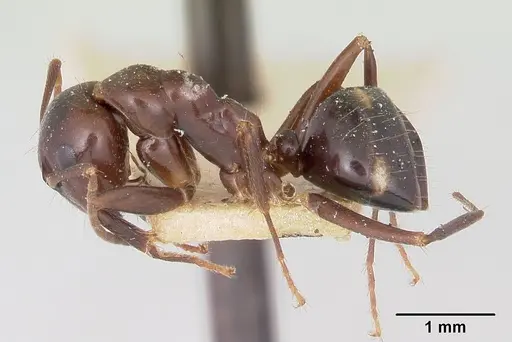
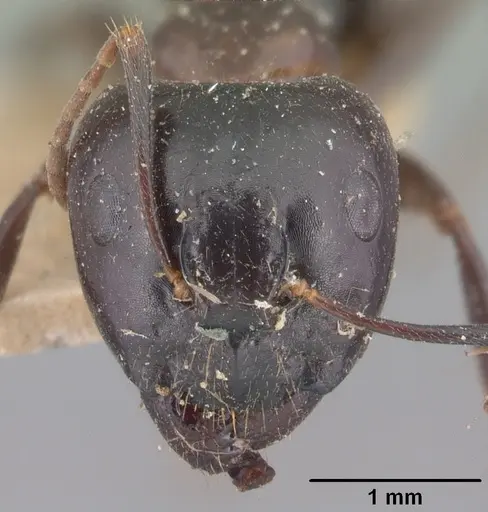
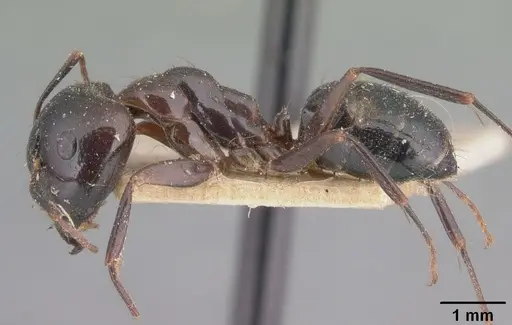
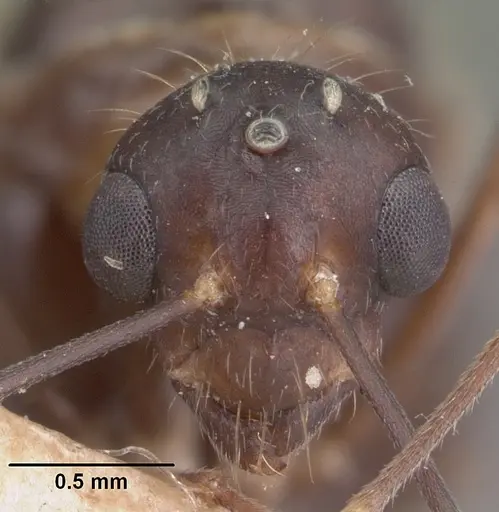
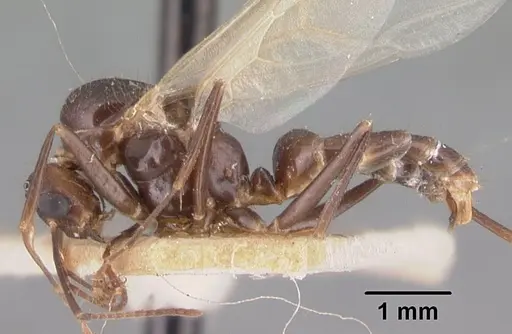
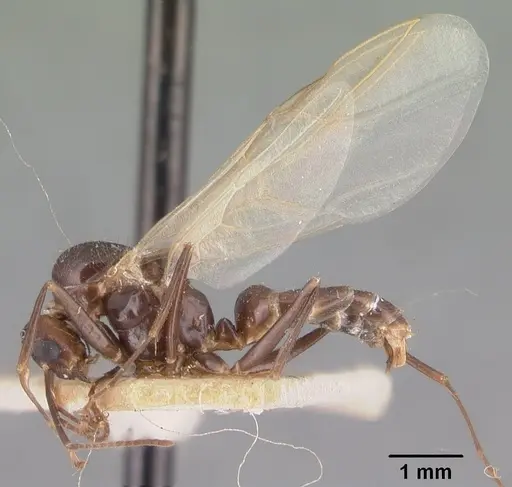
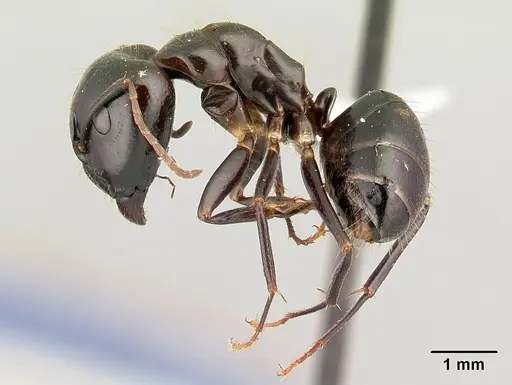
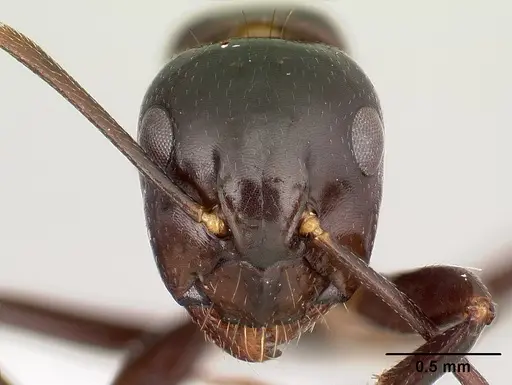
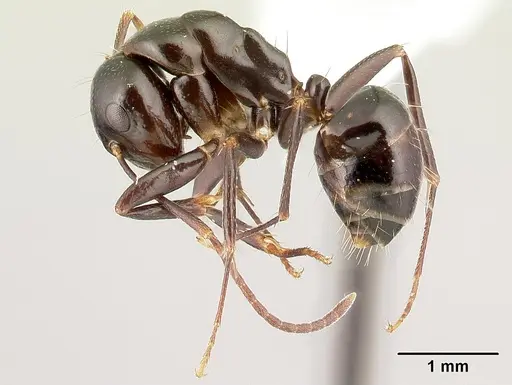
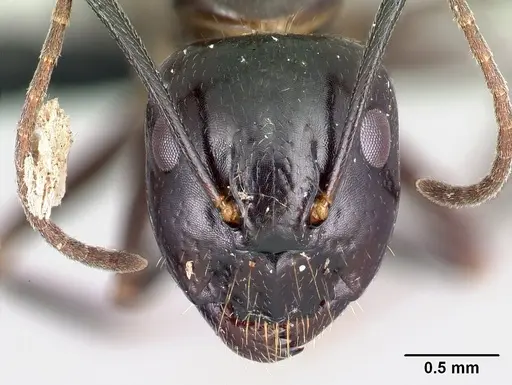
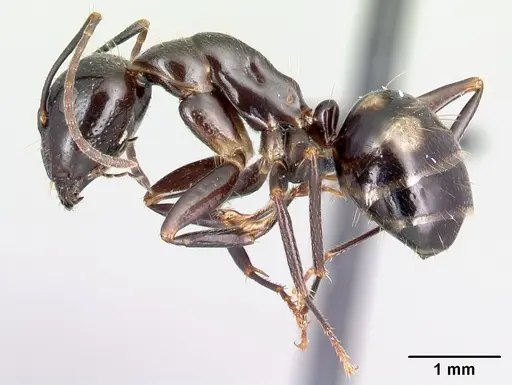
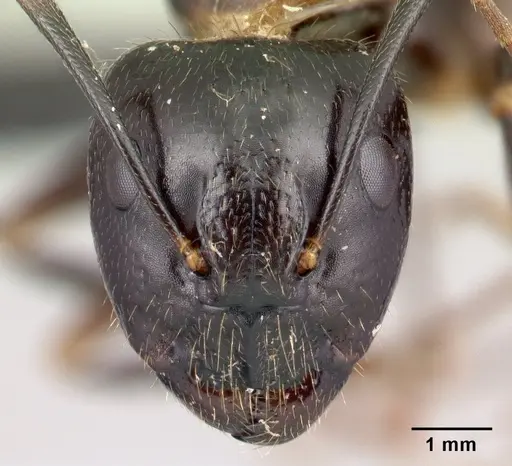
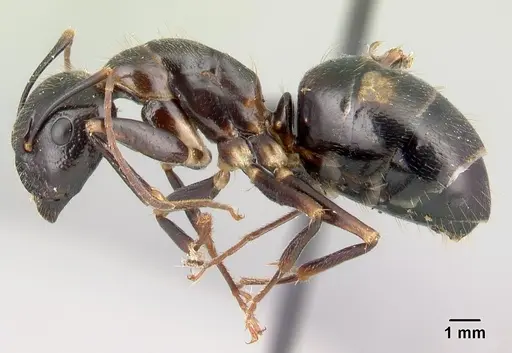
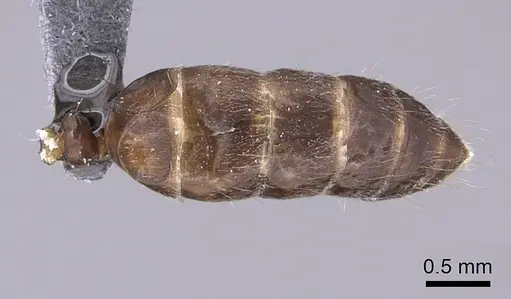
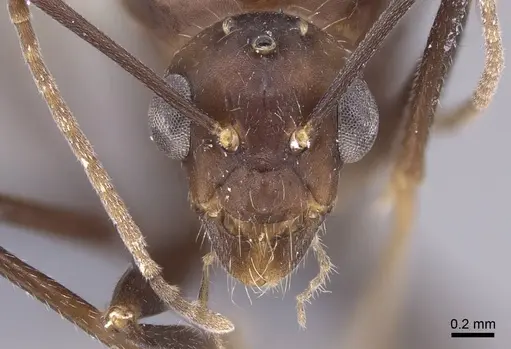
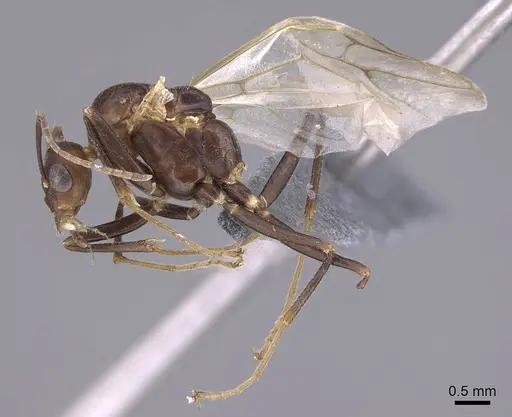
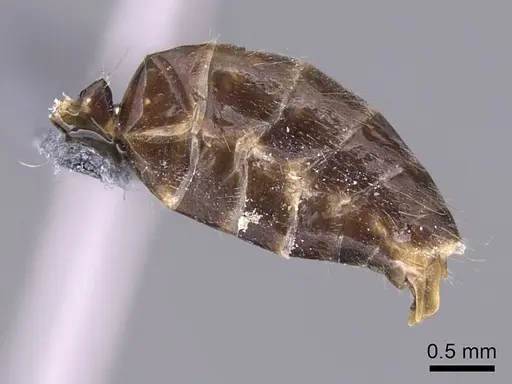
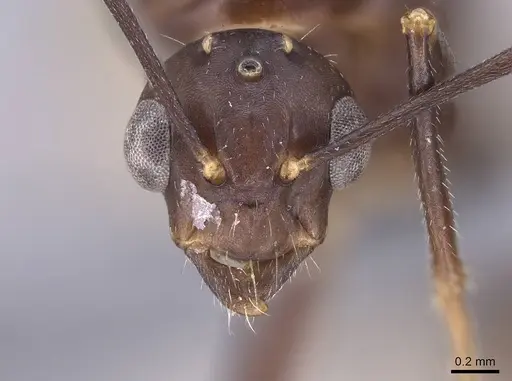
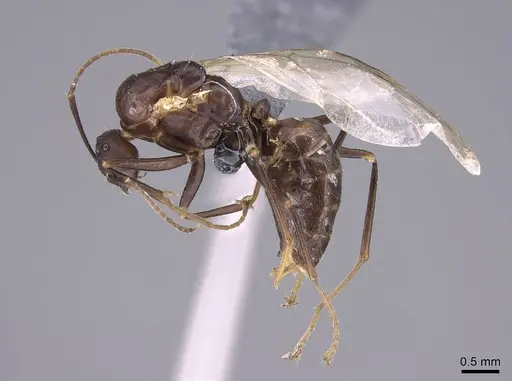
Camponotus gibber is a medium-sized ant species native to Madagascar, belonging to the subgenus Myrmosaga. Workers are easily recognized by their striking appearance: they have two pairs of white spots on the second and third abdominal segments, and their body is a shiny brown to dark brown color. Minor workers measure around 5-7mm while major workers have enlarged heads reaching 2.2-2.8mm in head width. This species inhabits the rainforests and high plateau regions of eastern Madagascar, from the Manongarivo and Marojejy reserves in the north through the central corridor forests to the southern Andohahela and Anosyenne Mountains [1].
What makes C. gibber particularly interesting is its morphological variation across its range. Scientists have identified three distinct geographic forms that are separated by mountain chains in northwestern Madagascar. These forms show different body proportions, some have strongly separated convexities on the mesosoma while others have a more continuous dorsal outline. Workers forage primarily on the ground and through leaf litter, nesting in rotten logs, tree stumps, and occasionally in root mats or under bark [1].
Quick Summary
- Difficulty: Medium
- Origin & Habitat: Camponotus gibber is endemic to Madagascar, where it inhabits mid-altitude and montane rainforests, forest edges, savannah grassland of the high plateau, littoral rainforest, and dry forest areas. It ranges from northern reserves (RS Manongarivo, PN Marojejy) through the central forest corridor (Analamay-Mantadia, PN Andringitra) to southern regions (PN Andohahela, Anosyenne Mountains). Nests are typically found in rotten logs, rotting tree stumps, root mats, dead twigs above ground, moss on trees, and under bark, rarely directly in the soil [1].
- Colony Type: Single-queen (monogyne) colonies are typical for this species. Queens have been documented in the type series, and the species follows the standard Camponotus colony structure with one founding queen that establishes a colony alone [1].
- Colony: Monogyne
- Founding: Claustral
- Size & Growth:
- Queen: Queens are approximately 10-12mm based on typical Camponotus queen measurements for this subgenus, estimated from genus patterns since specific measurements were not documented.
- Worker: Minor workers: 5-7mm, Major workers: 7-10mm with enlarged heads (head width 2.2-2.8mm) [1].
- Colony: Colony size is unconfirmed but likely reaches several hundred to over a thousand workers based on typical Camponotus colony development patterns.
- Growth: Moderate, Camponotus species typically develop from egg to first worker in 6-8 weeks at optimal temperature.
- Development: 6-8 weeks at optimal temperature (around 24-26°C) based on typical Camponotus development patterns. (Development time is estimated from related species, actual timing may vary based on temperature and feeding conditions.)
- Antkeeping:
- Temperature: Keep nest area at 24-26°C with a gentle gradient. As a Madagascar rainforest species, they prefer warm, stable conditions. A heating cable on one side of the nest can create the ideal temperature gradient.
- Humidity: High humidity is essential, these are rainforest ants. Keep nest substrate consistently moist but not waterlogged. Provide a water tube for drinking water. The substrate should feel damp to the touch with some slightly drier areas for the ants to regulate their moisture exposure.
- Diapause: Diapause requirements are unclear for this species. Madagascar has mild seasonal variation, so a winter rest period may not be necessary. However, a slight reduction in temperature during winter months (reducing to around 20°C) may be beneficial, observe colony behavior and adjust accordingly.
- Nesting: Provide a naturalistic setup with rotten wood, cork, or a Y-tong/plaster nest that can maintain humidity. These ants naturally nest in rotting wood and tree stumps, so a setup that mimics these conditions works well. The nest should have narrow chambers appropriate for their medium size. Test tubes can work for founding colonies but will need upgrading as the colony grows [1].
- Behavior: Camponotus gibber is generally calm and not aggressive toward keepers. Workers are primarily ground-foragers, searching through leaf litter and decaying wood for food. They are moderate escape artists, not particularly small but active, so standard escape prevention (fluon on edges, tight-fitting lids) is recommended. Major workers with their enlarged heads serve as soldiers and food processors. They are primarily nocturnal or crepuscular foragers, becoming more active during cooler parts of the day.
- Common Issues: high humidity maintenance is critical, dry conditions will cause colony decline and death, colonies may be slow to establish initially, patience is needed during the claustral founding phase, escape prevention should be good quality despite their medium size, they are active and can squeeze through small gaps, wild-caught colonies may carry parasites that can devastate captive colonies, rotting wood in naturalistic setups can develop mold if humidity is not properly balanced
Housing and Nest Setup
Camponotus gibber does well in several nest types. For founding colonies, a test tube setup works fine, place the queen in a tube with a water reservoir sealed with a cotton plug. The tube should be kept dark and undisturbed. Once the colony reaches 20-30 workers, consider upgrading to a more permanent nest. A Y-tong (acrylic) nest or plaster nest works well because they hold humidity effectively. You can also create a naturalistic setup using cork or properly prepared rotting wood, which mimics their natural nesting preferences. The nest should have chambers scaled to their medium size, not too tight, not too spacious. An outworld area for foraging should be connected to the nest, allowing workers to search for food outside. [1]
Feeding and Diet
Camponotus gibber is an omnivorous species that accepts a variety of foods. In captivity, they do well on sugar water, honey, or diluted syrup offered constantly in a test tube or feeder. For protein, offer insects like mealworms, small crickets, or fruit flies. They will also consume small amounts of seeds or plant matter. Feed protein sources 2-3 times per week, and keep sugar water available at all times. Remove uneaten prey after 24-48 hours to prevent mold. Workers forage on the ground, so place food on the foraging area where they can easily discover it. A varied diet helps promote healthy colony growth and reproduction.
Temperature and Seasonal Care
As a Madagascar species from rainforest habitats, C. gibber prefers warm, humid conditions. Keep the nest area at 24-26°C during the active season. A small heating cable placed on one side of the nest creates a temperature gradient that allows ants to regulate their own temperature. Avoid temperatures below 20°C for extended periods. Regarding diapause: Madagascar has relatively mild seasonal variation, so a true hibernation may not be necessary. However, reducing temperatures slightly during winter months (to around 20-22°C) and reducing feeding frequency can mimic natural seasonal cycles. Monitor your colony, if they remain active throughout winter, simply maintaining room temperature within their preferred range is fine.
Colony Development and Growth
A claustral queen will seal herself into a chamber and not leave until her first workers (nanitics) emerge. This process typically takes 6-8 weeks at optimal temperature (24-26°C). The first workers are usually smaller than normal workers but will begin foraging for food to support further brood development. Growth rate is moderate, you can expect the colony to reach 50 workers within the first year under good conditions. Camponotus colonies can eventually grow quite large, potentially reaching several hundred to over a thousand workers with proper care over several years. The presence of major workers (soldiers) with enlarged heads typically appears once the colony reaches moderate size, and they help process larger food items and defend the colony.
Behavior and Handling
Camponotus gibber is a relatively calm species that is not particularly aggressive or prone to biting. Workers go about their business methodically, searching through leaf litter and decaying material for food. They are primarily nocturnal or crepuscular, becoming more active during cooler parts of the day. When disturbed, they may retreat into the nest rather than aggressive confrontation. They possess formic acid for defense but are not considered dangerous to keepers. Their medium size makes them easy to observe without being too small to see. They are not strong climbers, so standard barrier methods work well for containment. Major workers serve as soldiers and food processors, using their powerful mandibles to handle larger prey items.
Frequently Asked Questions
How long does it take for Camponotus gibber to produce first workers?
At optimal temperature (24-26°C), expect first workers (nanitics) to emerge in 6-8 weeks after the queen lays her first eggs. This is typical for Camponotus species. The exact timing depends on temperature and feeding.
What size colony does Camponotus gibber reach?
Colony size is estimated at several hundred to over 1000 workers based on typical Camponotus development. With good care, colonies can grow substantially over 2-3 years.
What do Camponotus gibber ants eat?
They are omnivorous. Offer sugar water or honey constantly, and protein sources (insects like mealworms, small crickets, fruit flies) 2-3 times per week. They will also accept some plant matter and seeds.
Can I keep Camponotus gibber in a test tube?
Yes, test tubes work well for founding colonies. Keep the queen in a dark, undisturbed test tube with a water reservoir. Once the colony reaches 20-30 workers, upgrade to a larger nest like a Y-tong or plaster formicarium.
Do Camponotus gibber need hibernation?
Diapause requirements are unclear for this Madagascar species. A slight temperature reduction in winter (to around 20°C) may be beneficial but a true hibernation is likely not necessary given their origin.
What temperature is best for Camponotus gibber?
Keep nest temperature at 24-26°C with a gentle gradient. A heating cable on one side of the nest allows ants to regulate their own temperature. Avoid prolonged temperatures below 20°C.
Are Camponotus gibber good for beginners?
This species is rated as medium difficulty. They are more forgiving than some species but require attention to humidity and temperature. They are calmer than many ants, making them enjoyable to watch.
Why is my Camponotus gibber colony declining?
Check humidity first, dry conditions are the most common cause of colony decline. Also ensure temperature is in the correct range (24-26°C), sugar water is available constantly, and protein is being offered regularly. Parasites from wild-caught colonies can also cause problems.
References

This caresheet is licensed under CC BY-SA 4.0 .
CASENT0061409
View on AntWeb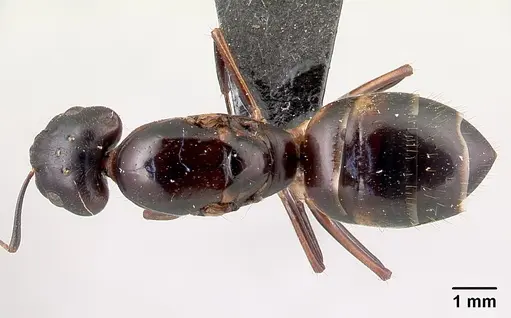
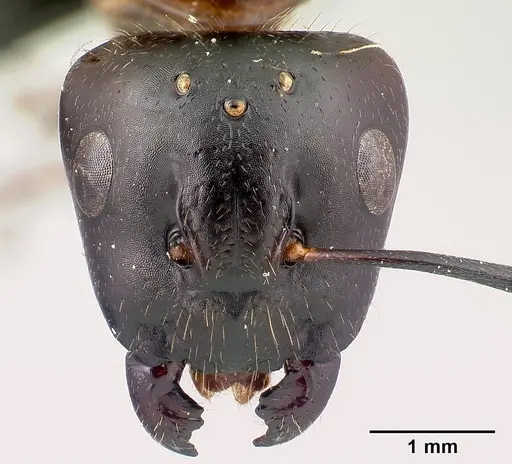
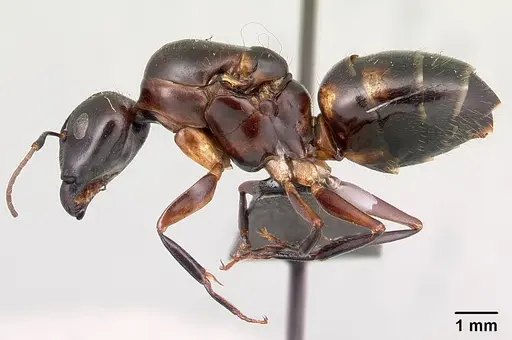
CASENT0061410
View on AntWeb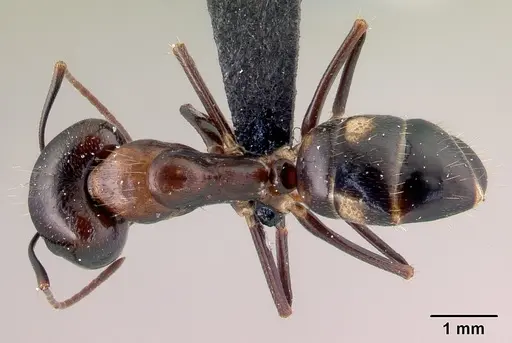
CASENT0101439
View on AntWeb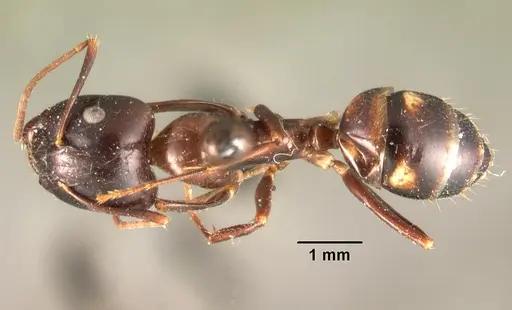
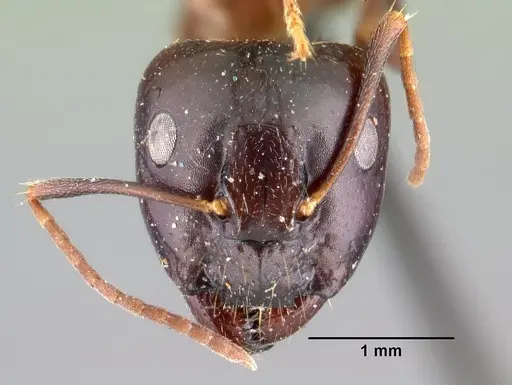
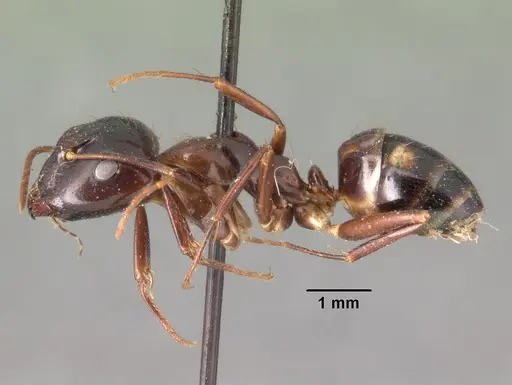
CASENT0101440
View on AntWeb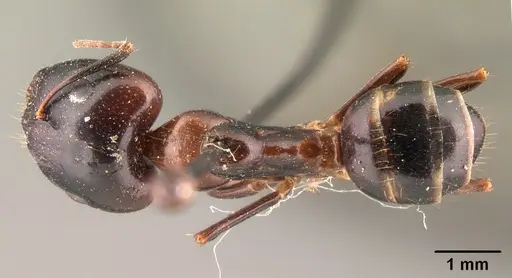
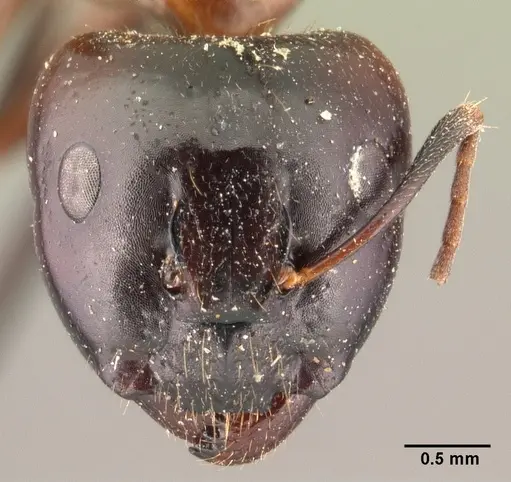
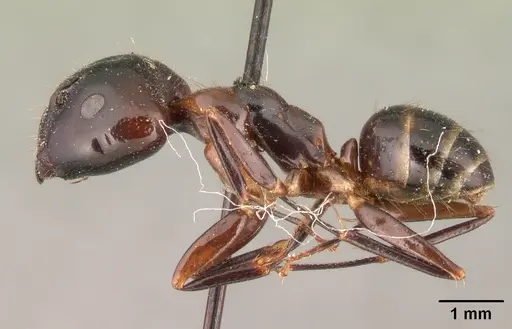
CASENT0101513
View on AntWeb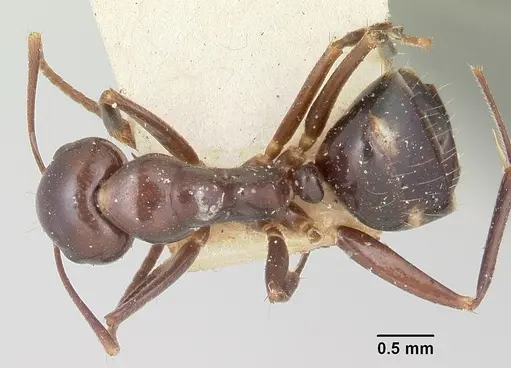
CASENT0101528
View on AntWeb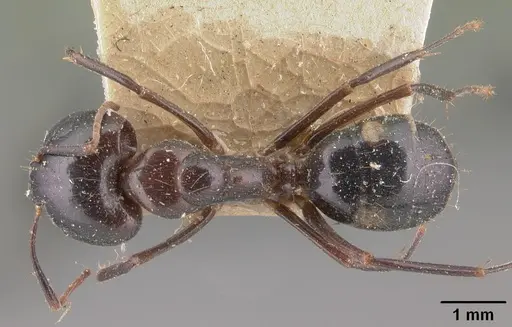
CASENT0101536
View on AntWeb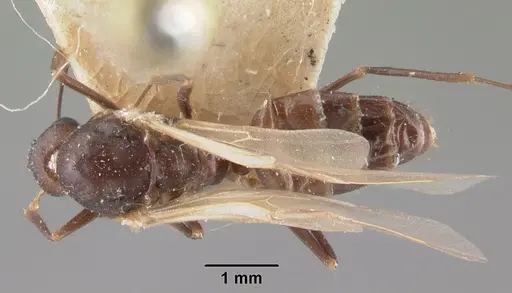
CASENT0101537
View on AntWeb
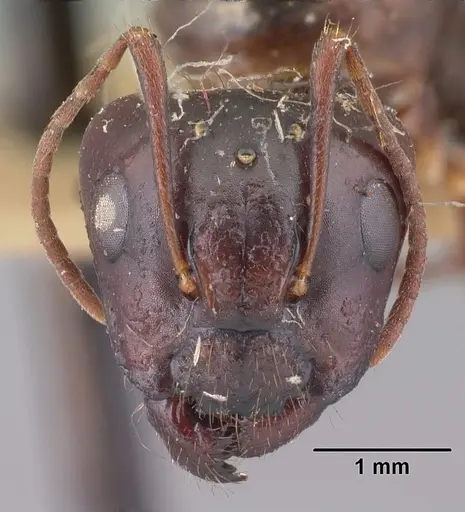
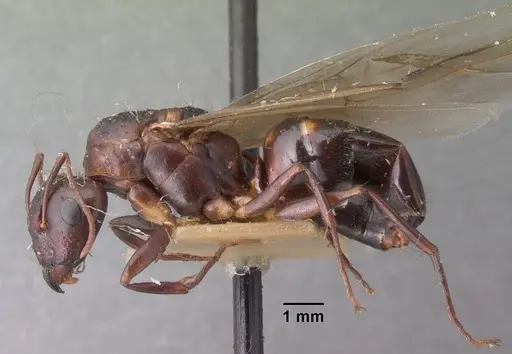
CASENT0179433
View on AntWeb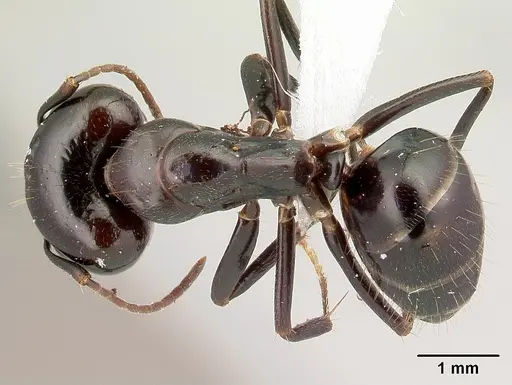
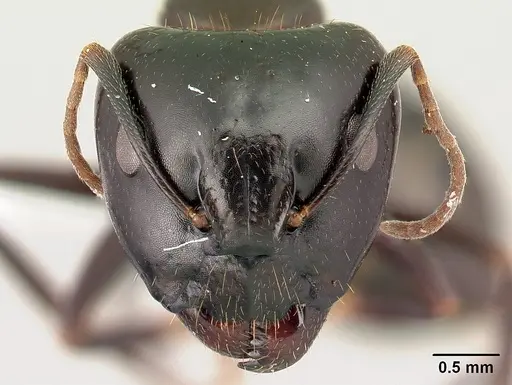
CASENT0188619
View on AntWeb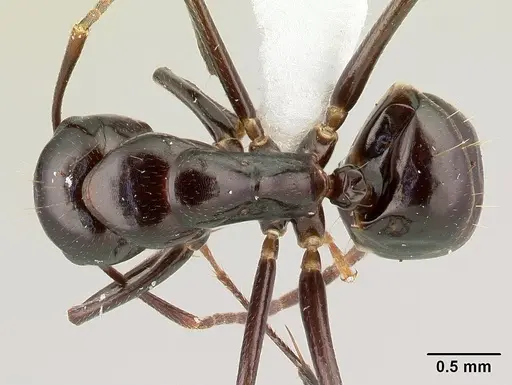
CASENT0491497
View on AntWeb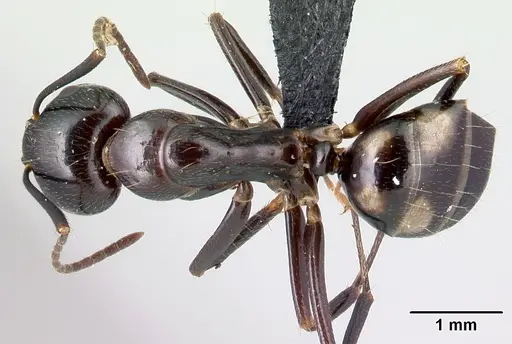
CASENT0491501
View on AntWeb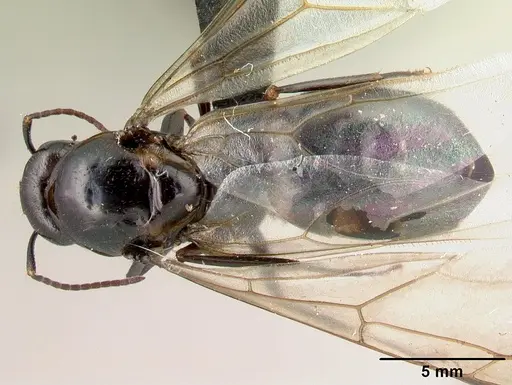
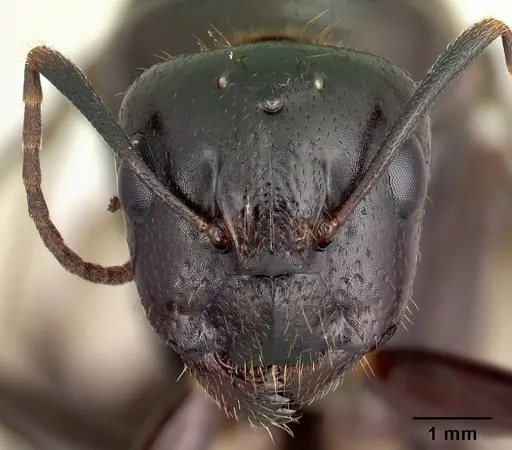
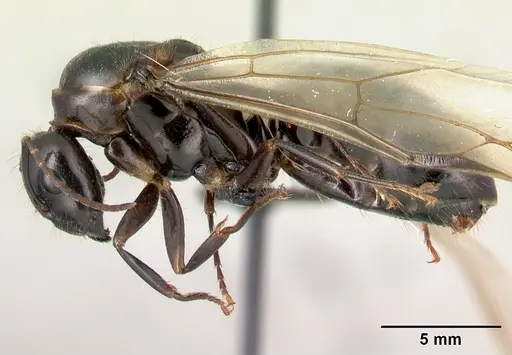
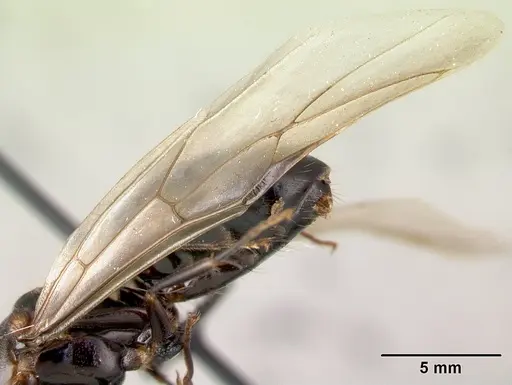
CASENT0491502
View on AntWeb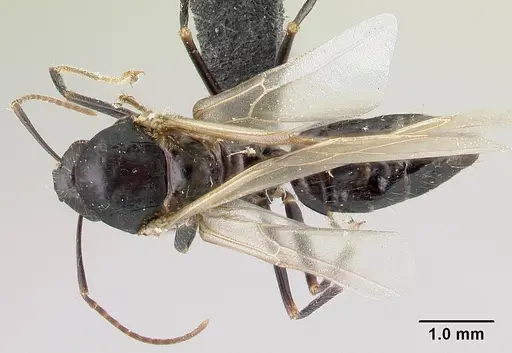
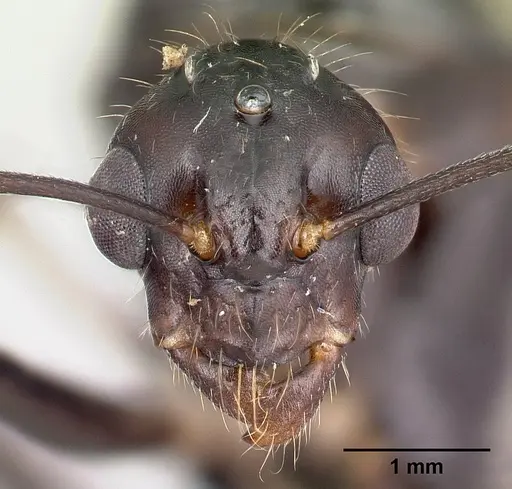
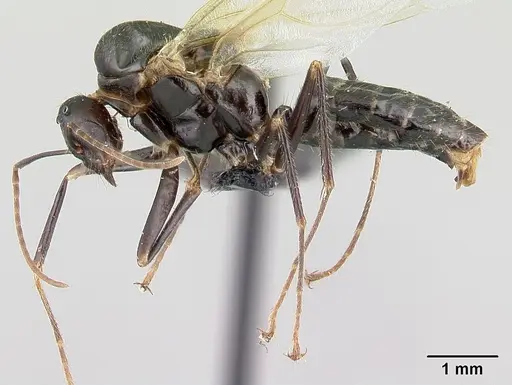
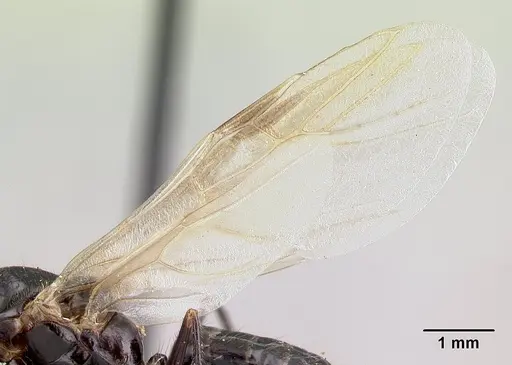
CASENT0491503
View on AntWeb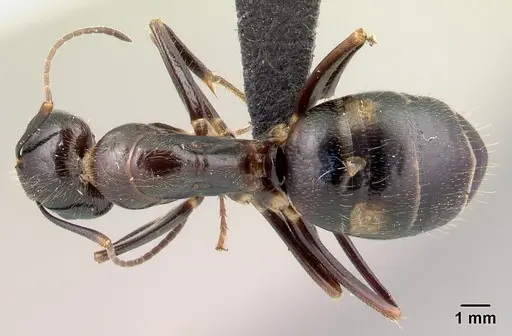
CASENT0740924
View on AntWeb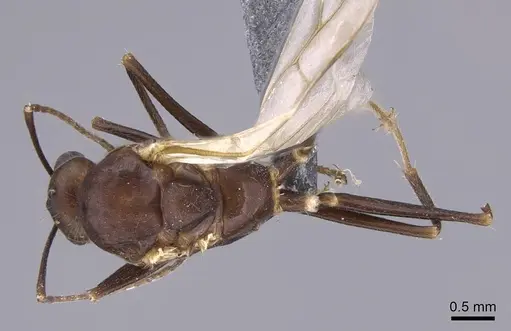
CASENT0763589
View on AntWeb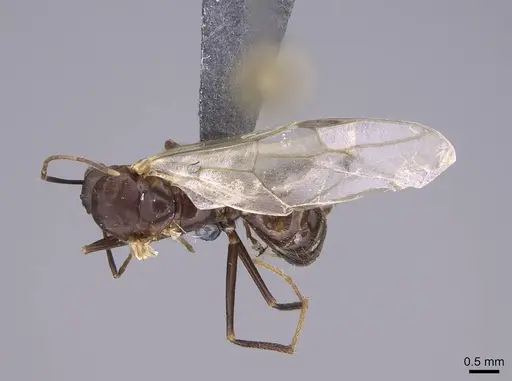
Literature
Loading...Loading products...