

Camponotus germaini
- Scientific Name
- Camponotus germaini
- Subgenus
- Myrmaphaenus
- Tribe
- Camponotini
- Subfamily
- Formicinae
- Author
- Emery, 1903
- Distribution
- Found in 2 countries
Camponotus germaini Overview
Camponotus germaini is an ant species of the genus Camponotus. It is primarily documented in 2 countries , including Paraguay, Venezuela, Bolivarian Republic of. Detailed taxonomic data and occurrence records can be further explored via authoritative databases such as AntWeb or the Global Biodiversity Information Facility (GBIF).
Camponotus germaini
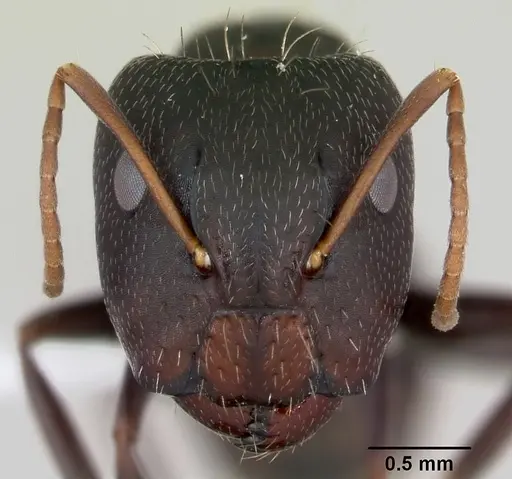
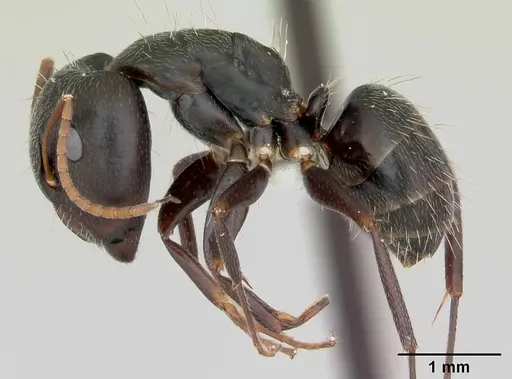
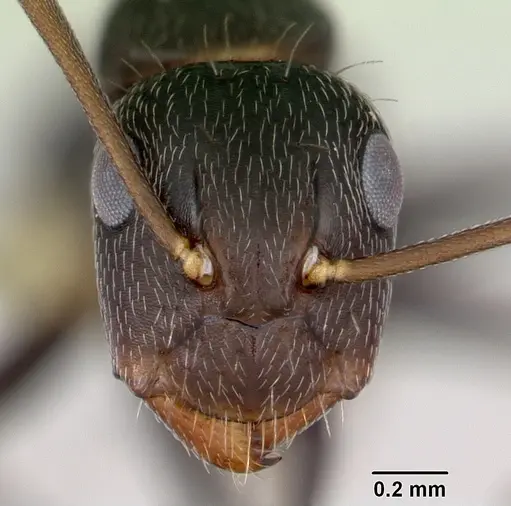
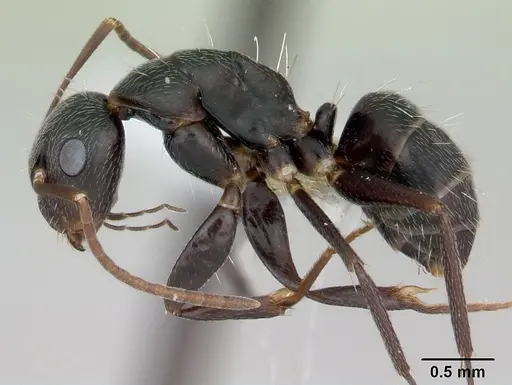
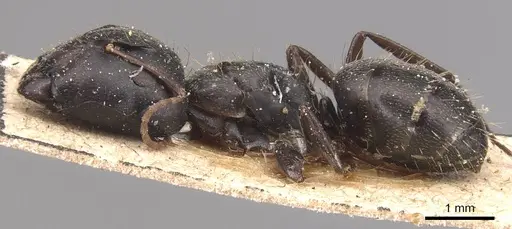
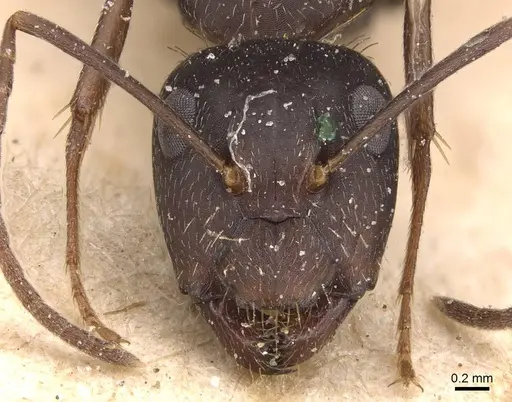
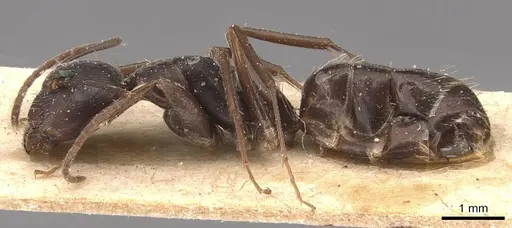
Camponotus germaini is a medium-sized ant species native to the Neotropical region, ranging from Colombia down to Argentina. Workers display a distinctive ferruginous yellow-red to dark red coloration, with the gaster slightly darker than the rest of the body. A key identifying feature is the appressed pubescence that gives the ant a silvery shine, especially on the gaster. The head is wider anteriorly with a well-developed clypeal carina, and most surfaces have erect hairs including the head, mesosoma, petiole, and gaster. This species belongs to the subgenus Myrmaphaenus and is relatively common across its range, though its specific biology remains poorly studied in the scientific literature [1].
What makes C. germaini interesting is its adaptability to different forest environments, it's found in both humid tropical rainforests and seasonally dry tropical forests, suggesting it can tolerate a range of conditions. The species is often encountered in forest litter and soil microhabitats, making it a ground-nesting ant that thrives in warm, humid conditions. Related species in the Myrmaphaenus subgenus are known for their relatively calm temperament compared to some other Camponotus, making them manageable for antkeepers [1].
Quick Summary
- Difficulty: Medium
- Origin & Habitat: Neotropical region, Brazil, Paraguay, Argentina, Colombia, Venezuela. Found in humid tropical rainforests and seasonally dry tropical forests at altitudes from 220-1780m. Typically collected from forest litter, log leaf-litter, and soil [2][3][1].
- Colony Type: Single-queen colonies (monogyne) based on typical Camponotus patterns. Colony structure is not directly documented in scientific literature but related Myrmaphaenus species typically form single-queen colonies.
- Colony: Monogyne
- Founding: Claustral
- Size & Growth:
- Queen: Estimated 12-15mm based on typical Camponotus queen size range
- Worker: 5-12mm (minor to major workers), medium-sized for the genus [1]
- Colony: Likely several hundred workers based on typical Camponotus colony development
- Growth: Moderate, typical for Camponotus species
- Development: 8-12 weeks at optimal temperature, inferred from typical Camponotus development [1] (Development time is temperature-dependent, warmer conditions within safe range accelerate development)
- Antkeeping:
- Temperature: Keep at 24-28°C. As a tropical species, they need warm conditions year-round. A heating cable on one side of the nest creates a gradient allowing workers to self-regulate. Room temperature in heated homes is often suitable [2][3].
- Humidity: High humidity required, aim for 60-80%. This rainforest species needs consistently moist substrate. Keep the nest substrate damp but not waterlogged, with some drier areas available for the ants to choose [2][3].
- Diapause: No, as a tropical species from humid forest habitats, they do not require hibernation or winter diapause. Maintain warm temperatures year-round [2][3].
- Nesting: Ground-nesting species found in forest litter and soil. In captivity, a Y-tong (AAC) nest or plaster nest with good moisture retention works well. Provide a naturalistic setup with soil or sand as substrate if using a formicarium. They prefer tight, enclosed chambers over open spaces.
- Behavior: Workers are moderately active and primarily forage at night or during crepuscular hours, typical of many Camponotus species. They are generally less aggressive than some larger Camponotus species, they may bite if threatened but are not particularly defensive. Workers are medium-sized and can deliver a mild bite. Escape prevention should be standard, while not the smallest ants, they can still squeeze through small gaps. Use fluon on test tube rims and ensure formicarium connections are secure [1].
- Common Issues: tropical species are sensitive to temperature drops, sudden cold can kill colonies, high humidity needs can lead to mold problems if ventilation is poor, slow founding phase means beginners may lose patience and disturb the queen, wild-caught colonies may harbor parasites that cause issues in captivity, overfeeding can attract pests and cause substrate mold issues
Nest Preferences and Housing
Camponotus germaini is a ground-nesting species that naturally occurs in forest litter, soil, and rotting wood in humid tropical environments. In captivity, they adapt well to various nest types, but Y-tong (AAC) nests and plaster nests work particularly well because these materials retain moisture effectively, which is important for this humidity-loving species. When setting up their outworld, include some substrate or a digging area if you want to observe natural foraging behavior. The nest should have chambers scaled to their medium size, not too large or too small. Ensure the nest has good humidity retention while still allowing for some ventilation to prevent mold buildup. A water tube connected to the nest helps maintain humidity over time. [1][2][3]
Feeding and Diet
Like most Camponotus species, C. germaini is omnivorous with a preference for protein foods and sugar sources. In captivity, offer a varied diet including sugar water or honey as a constant energy source, and protein-rich foods like mealworms, crickets, or other small insects 2-3 times per week. Workers will collect honeydew if you keep aphids, but this is optional. Unlike some specialized predators, they are not picky eaters and will accept most standard ant foods. Remove uneaten prey after 24-48 hours to prevent mold. During the founding stage, the queen does not need to be fed, she relies entirely on her stored fat reserves until the first workers emerge. Once workers are active, begin offering food regularly. [1]
Temperature and Seasonal Care
As a tropical species from the Neotropics, C. germaini requires warm temperatures year-round. Keep the nest area between 24-28°C for optimal brood development. Temperatures below 20°C can slow development significantly, and prolonged cold exposure can be fatal. Unlike temperate species, they do not require a winter diapause or hibernation period. Maintain consistent warmth throughout the year. A small heating cable placed on one side of the nest can create a temperature gradient, allowing ants to move between warmer and cooler areas as needed. Avoid placing the nest near air conditioning vents or drafty windows. Room temperature in most homes is often suitable, but monitor with a thermometer to ensure consistency. [2][3][1]
Behavior and Colony Dynamics
This species exhibits typical Camponotus behavior, workers are moderately active and primarily forage during evening and nighttime hours. They are generally calm-tempered compared to some larger Camponotus species, making them suitable for observation. Colonies grow at a moderate pace, with the queen laying eggs continuously once established. Major workers develop with larger heads and can assist with tasks like seed processing or defense. The colony will expand gradually over several months to years, eventually reaching several hundred workers. Workers may exhibit minor aggression toward disturbances but rarely attack aggressively. They communicate through chemical signals and use tandem-running to recruit nestmates to food sources. The species is epigaeic, meaning it forages on the ground surface rather than in trees. [1]
Growth and Development Timeline
Colony development follows typical Camponotus patterns. After mating, the claustral queen seals herself in a small chamber and lays eggs without leaving to forage. She survives entirely on stored fat reserves while raising the first brood. Eggs hatch into larvae, then pupate before emerging as nanitic (first) workers, which are typically smaller than mature workers. This founding phase takes approximately 8-12 weeks at optimal temperature (24-28°C). Once the first workers emerge, the queen stops foraging and focuses solely on egg production while workers take over all colony maintenance and foraging. Growth is moderate, expect several months before you have more than 20-30 workers. Full colony maturity, reaching several hundred workers, typically takes 2-3 years under good conditions. Faster growth occurs at the upper end of their temperature range, but avoid overheating. [1]
Frequently Asked Questions
How long does it take for Camponotus germaini to produce first workers?
At optimal temperatures (24-28°C), expect first workers (nanitics) in about 8-12 weeks. The exact timing depends on temperature, warmer conditions within the safe range speed up development, while cooler temperatures slow it down significantly. Be patient during the founding phase and avoid disturbing the queen.
What temperature do Camponotus germaini ants need?
Keep them at 24-28°C year-round. This is a tropical species that needs constant warmth. Room temperature in heated homes is often suitable, but use a thermometer to check. A small heating cable on part of the nest can help maintain warmth, especially in cooler climates.
Do Camponotus germaini ants need hibernation?
No, they do not require hibernation. As a tropical species from the Neotropical region, they need warm conditions year-round. Unlike temperate species, they do not enter diapause and will remain active throughout winter if kept warm.
What do Camponotus germaini ants eat?
They are omnivorous. Offer sugar water or honey as a constant energy source, and protein foods like mealworms, crickets, or other small insects 2-3 times per week. They will accept most standard ant foods. Remove uneaten prey after a day or two to prevent mold.
Are Camponotus germaini good for beginners?
They are rated as medium difficulty. They are more forgiving than some exotic tropical species but require consistent warmth and humidity. If you can maintain stable warm temperatures and have experience with basic antkeeping, they are a good choice. The main challenge is providing the warm, humid conditions they need year-round.
How big do Camponotus germaini colonies get?
Based on related species, colonies likely reach several hundred workers over 2-3 years. They are medium-sized ants with distinct minor and major workers. Growth is moderate, expect gradual expansion rather than rapid explosion.
What humidity level do Camponotus germaini need?
Aim for 60-80% humidity. This rainforest species needs consistently moist substrate. Keep the nest substrate damp but not waterlogged. A water tube connected to the nest helps maintain humidity over time.
Can I keep multiple Camponotus germaini queens together?
This is not recommended. Like most Camponotus species, they form single-queen colonies. While some related species can be facultatively polygynous, there is no documentation of multiple-queen colonies for C. germaini. Start with a single queen for the best chance of success.
When should I move Camponotus germaini to a formicarium?
Wait until the colony has at least 30-50 workers before moving from a test tube setup to a formicarium. The colony should be well-established with active workers that are regularly foraging. Make sure the formicarium can maintain proper humidity before the move.
What nest type is best for Camponotus germaini?
Y-tong (AAC) nests or plaster nests work well because they retain moisture effectively. They are ground-nesting ants that prefer enclosed chambers. Avoid dry, airy nests that will quickly lose humidity. The chambers should be scaled to their medium size.
Why is my Camponotus germaini colony dying?
Common causes include temperature drops below 20°C, too dry conditions, mold from poor ventilation, or stress during the founding phase. Check that temperatures are stable and within 24-28°C, humidity is adequate but not excessive, and the queen is not being disturbed. Wild-caught colonies may also carry parasites.
References

This caresheet is licensed under CC BY-SA 4.0 .
CASENT0173419
View on AntWeb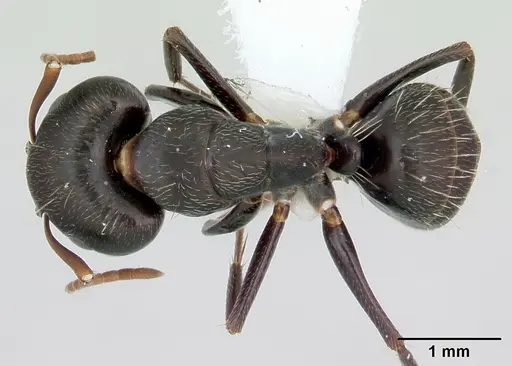
CASENT0173420
View on AntWeb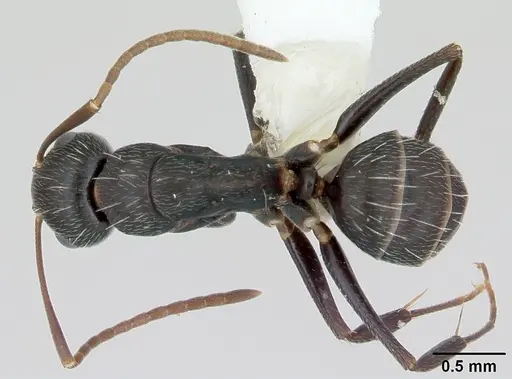
CASENT0905486
View on AntWeb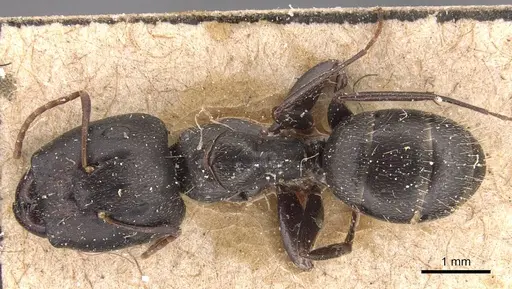
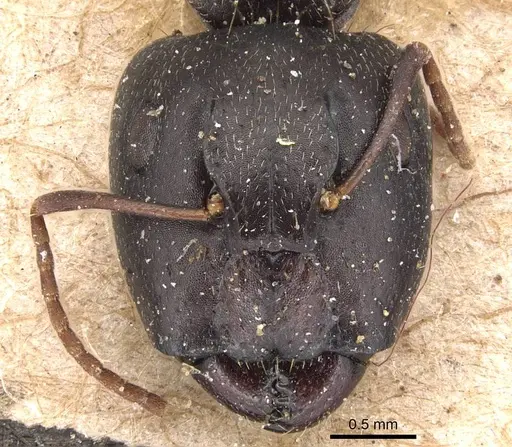
CASENT0905487
View on AntWeb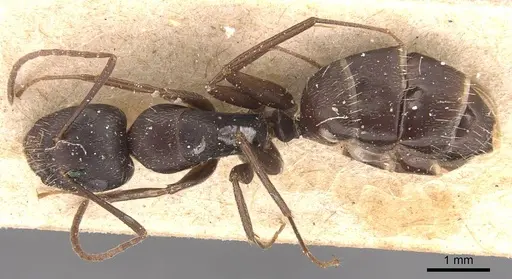
Literature
Loading...Loading products...