

Camponotus genatus
- Scientific Name
- Camponotus genatus
- Subgenus
- Myrmaphaenus
- Tribe
- Camponotini
- Subfamily
- Formicinae
- Author
- Santschi, 1922
- Distribution
- Found in 1 countries
Camponotus genatus Overview
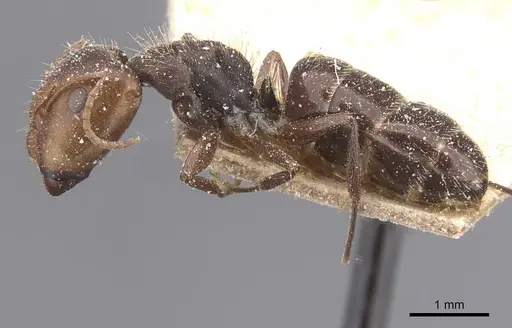
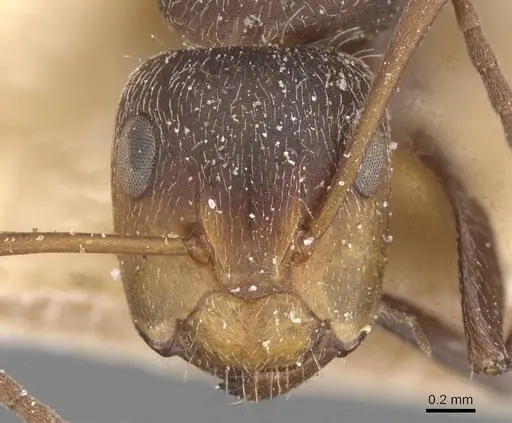
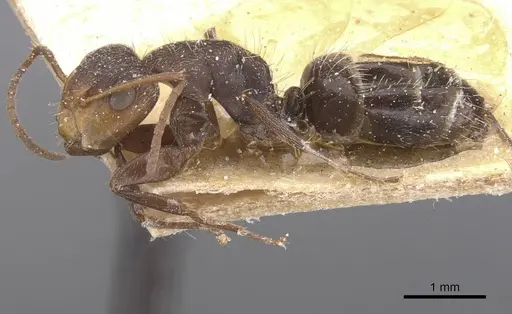
Camponotus genatus is an ant species of the genus Camponotus. It is primarily documented in 1 countries , including Brazil. Detailed taxonomic data and occurrence records can be further explored via authoritative databases such as AntWeb or the Global Biodiversity Information Facility (GBIF).
Camponotus genatus
Camponotus genatus is a Neotropical carpenter ant species native to Brazil. Workers are polymorphic, coming in major and minor castes, with the genus characterized by their ability to excavate wood for nesting. This species belongs to the subgenus Myrmaphaenus and is found across southeastern Brazil, including São Paulo, Bahia, and Minas Gerais. The species was first described by Santschi in 1922 from specimens collected in Ipiranga, São Paulo [1].
What makes C. genatus interesting is its adaptability to different Brazilian habitats. While many ant species are restricted to specific environments, this ant has been recorded in seasonally dry tropical forests (Caatinga), cerrado savanna, and even Eucalyptus plantations [2][3]. Research shows it has a diurnal activity pattern, being most active during daylight hours [3].
Quick Summary
- Difficulty: Medium
- Origin & Habitat: Native to southeastern Brazil, specifically São Paulo, Bahia, and Minas Gerais. Found in seasonally dry tropical forest (Caatinga biome), cerrado savanna, and modified landscapes like Eucalyptus plantations [2][3].
- Colony Type: Single-queen colonies (monogyne) typical of most Camponotus species. Colonies contain polymorphic workers with distinct major and minor castes.
- Colony: Monogyne
- Founding: Claustral
- Size & Growth:
- Queen: Estimated 12-16mm based on typical Camponotus queen size range
- Worker: Minor workers: 4-7mm, Major workers: 7-10mm (polymorphic)
- Colony: Estimated 500-2000 workers based on typical Camponotus colony development
- Growth: Moderate, typical Camponotus growth pattern
- Development: Estimated 6-10 weeks at optimal temperature based on typical Camponotus development (Development time is temperature-dependent, warmer conditions within safe range accelerate development)
- Antkeeping:
- Temperature: Keep at 24-28°C. As a tropical Brazilian species, they prefer warm conditions. A heating cable on one side of the nest creates a gentle gradient allowing workers to self-regulate
- Humidity: Moderate humidity around 50-60%. This species inhabits seasonally dry forests, so avoid overly damp conditions. Provide a water tube for drinking access
- Diapause: Not required. As a tropical species from Brazil, they do not undergo true hibernation. However, slight temperature reduction during winter months (down to 20-22°C) may be beneficial to simulate seasonal slowdown
- Nesting: Use a Y-tong (AAC) nest or test tube setup with tight chambers. Camponotus genatus prefers nested spaces scaled to worker size. Avoid overly humid substrates as they naturally inhabit drier Brazilian environments
- Behavior: This is a diurnal species most active during daylight hours [3]. Like most Camponotus, they are not aggressive but will defend their nest if threatened. Workers are polymorphic, larger majors can crush prey and defend the colony while smaller minors handle foraging and brood care. Escape risk is moderate, use standard Camponotus escape prevention (fluon on container edges). They are moderate foragers that will explore their outworld for food.
- Common Issues: colonies may stall if temperatures drop below 20°C for extended periods, test tube setups can flood if water reservoirs are overfilled, use proper cotton placement, wild-caught colonies may contain parasites that can devastate captive colonies, polymorphic colonies need varied prey sizes, majors cannot handle tiny prey, slow initial growth during founding phase can lead to beginner discouragement
Nest Preferences
In the wild, Camponotus genatus nests in soil and decaying wood, typical of carpenter ants. They do not actually eat wood like termites, they excavate tunnels for nesting space. For captive care, a Y-tong (AAC) acrylic nest works excellently because it provides dark, tight chambers that mimic natural nesting conditions. Test tube setups are also suitable for founding colonies. The key is providing chambers scaled to worker size, polymorphic colonies benefit from having both small passages for minor workers and larger chambers where majors can move freely. Avoid very humid substrates, this species naturally inhabits drier Brazilian environments, so a slightly moist but not wet substrate works best. [2][3]
Feeding and Diet
Like all Camponotus species, C. genatus is omnivorous. They accept protein sources like mealworms, crickets, and other insects, along with sugar sources such as honey water or sugar water. For polymorphic colonies, offer a variety of prey sizes, minor workers can handle small insects while majors can tackle larger prey. Feed protein 2-3 times per week and provide constant access to sugar water. Remove uneaten prey after 24-48 hours to prevent mold. As a diurnal species, they are most likely to forage during daylight hours, so offering food in the morning or afternoon often yields better results than evening feeding.
Temperature and Seasonal Care
As a tropical Brazilian species, Camponotus genatus thrives at warm temperatures between 24-28°C. They can tolerate brief periods outside this range but prolonged cold will slow or stall colony development. Use a heating cable on one side of the nest to create a temperature gradient, this allows workers to move to warmer or cooler areas as needed. Place the heating on top of the nest, not underneath, to prevent excessive drying. Unlike temperate species, they do not require true hibernation, but a slight temperature reduction to around 20-22°C during winter months can help simulate natural seasonal cycles and may benefit colony health long-term. [2]
Colony Founding and Growth
Camponotus genatus follows typical claustral founding. The queen seals herself in a small chamber and survives entirely on stored fat reserves while raising the first brood. This founding phase can take 6-10 weeks depending on temperature. The first workers (nanitics) are typically smaller than normal workers but will begin foraging once they emerge. Colony growth is moderate, expect the first year to produce perhaps 20-50 workers, with growth accelerating in subsequent years as the colony establishes. Polymorphic workers (majors) typically appear once the colony reaches several hundred workers. Patience is key with Camponotus species, they are long-lived and colonies can persist for many years.
Behavior and Temperament
This is a docile species that poses no real threat to keepers. Workers are diurnal, meaning they are most active during daylight hours [3]. Unlike some aggressive ant species, C. genatus will typically flee rather than attack when disturbed, though majors may defend the nest entrance if threatened. Workers vary significantly in size, majors can reach 10mm while minors stay around 4-7mm. This polymorphism means the colony has specialized workers for different tasks. They are moderate foragers and will explore their outworld systematically. Standard escape prevention using fluon on container rims is sufficient, though their larger size compared to many tropical ants makes them less prone to escaping through tiny gaps.
Frequently Asked Questions
How long does it take for Camponotus genatus to produce first workers?
Expect first workers (nanitics) to emerge 6-10 weeks after the queen lays eggs, assuming optimal temperature around 24-28°C. This is typical claustral founding behavior where the queen seals herself in and raises the first brood alone.
What temperature do Camponotus genatus ants need?
Keep them warm at 24-28°C. As a Brazilian tropical species, they prefer warmer conditions. A heating cable on one side of the nest creates a gradient that workers will use to self-regulate.
Do Camponotus genatus ants need hibernation?
No, they do not require true hibernation. As a tropical species from Brazil, they are active year-round. You can provide a slight temperature reduction to 20-22°C in winter if desired, but this is not mandatory.
What do Camponotus genatus ants eat?
They are omnivorous. Offer protein sources like mealworms, crickets, or other insects 2-3 times per week, and provide constant access to sugar water or honey. Remove uneaten prey after 24-48 hours.
Are Camponotus genatus ants good for beginners?
They are medium difficulty. While not as beginner-friendly as some species, their straightforward care requirements and docile temperament make them suitable for keepers with some basic antkeeping experience. The main challenges are providing proper warmth and being patient through the slow founding phase.
How big do Camponotus genatus colonies get?
Based on typical Camponotus patterns, colonies can reach 500-2000 workers over several years. The presence of polymorphic workers (majors) typically appears once the colony grows beyond several hundred workers.
Can I keep multiple Camponotus genatus queens together?
This species is monogyne, single queen colonies. Combining unrelated queens is not recommended as they will likely fight. In the wild, only one reproductive queen is typically present per colony.
When should I move Camponotus genatus to a formicarium?
Wait until the colony has at least 30-50 workers before moving from a test tube to a formicarium. Moving too early can stress the colony. A Y-tong (AAC) nest works well for this species.
Why is my Camponotus genatus colony not growing?
Check temperature first, they need 24-28°C for optimal development. Also ensure the queen is still alive and laying eggs. Poor nutrition or excessive humidity can also slow growth. Review our temperature and feeding sections for guidance.
References

This caresheet is licensed under CC BY-SA 4.0 .
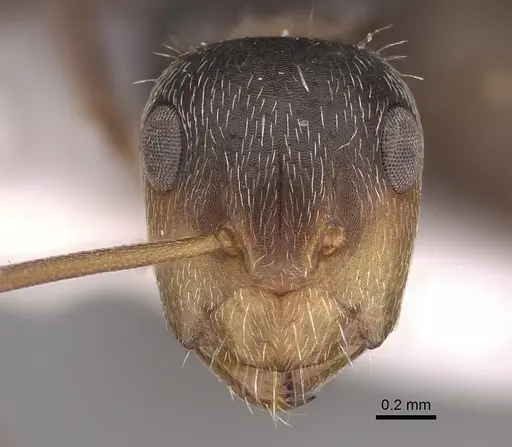
CASENT0217659
View on AntWeb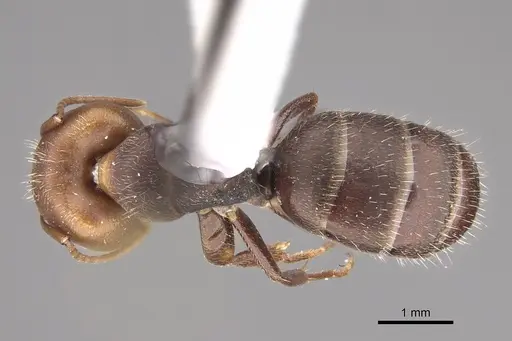
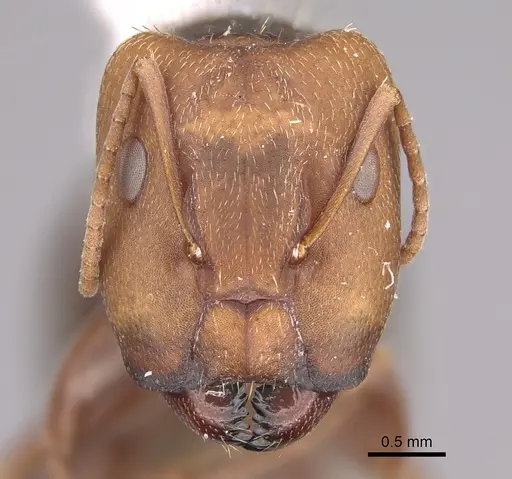
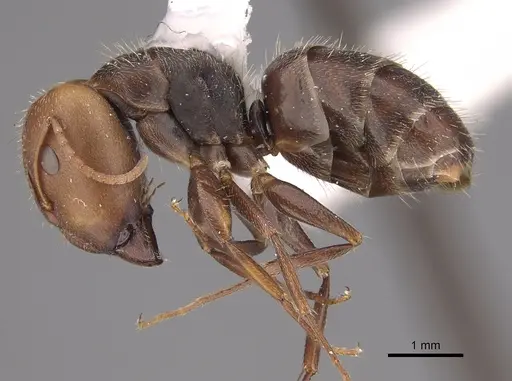
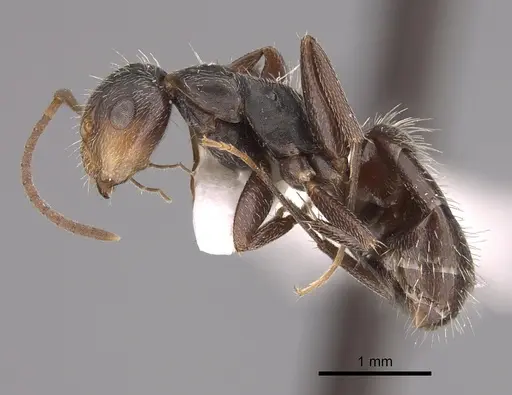
CASENT0217660
View on AntWeb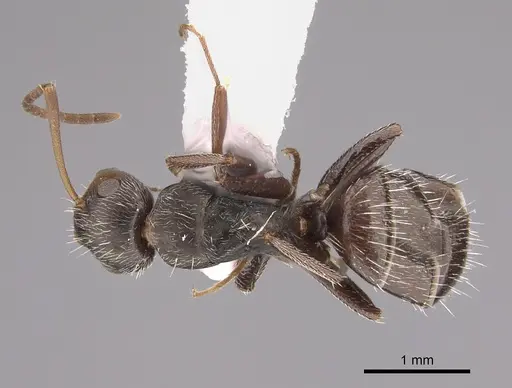
CASENT0911686
View on AntWeb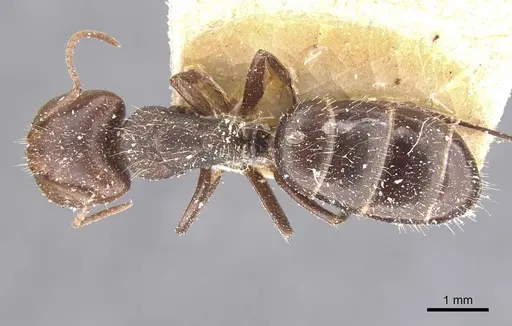
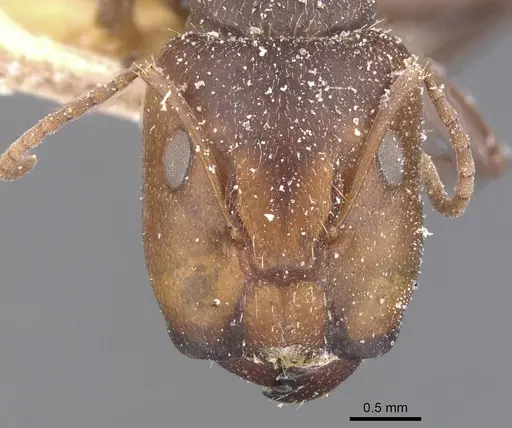
CASENT0911687
View on AntWeb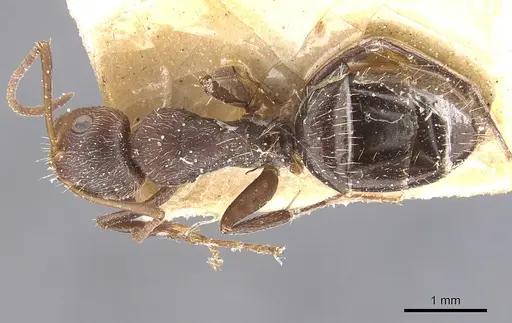
Literature
Loading...Loading products...