

Camponotus frontalis
- Scientific Name
- Camponotus frontalis
- Subgenus
- Myrmaphaenus
- Tribe
- Camponotini
- Subfamily
- Formicinae
- Author
- Pergande, 1896
- Distribution
- Found in 1 countries
Camponotus frontalis Overview
Camponotus frontalis is an ant species of the genus Camponotus. It is primarily documented in 1 countries , including Mexico. Detailed taxonomic data and occurrence records can be further explored via authoritative databases such as AntWeb or the Global Biodiversity Information Facility (GBIF).
Camponotus frontalis
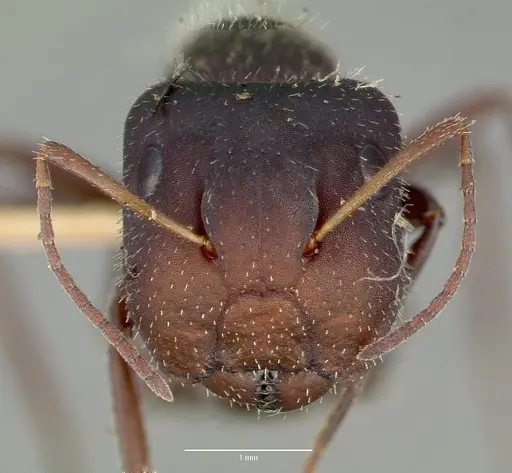
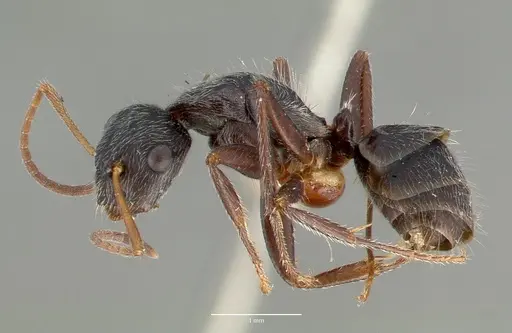
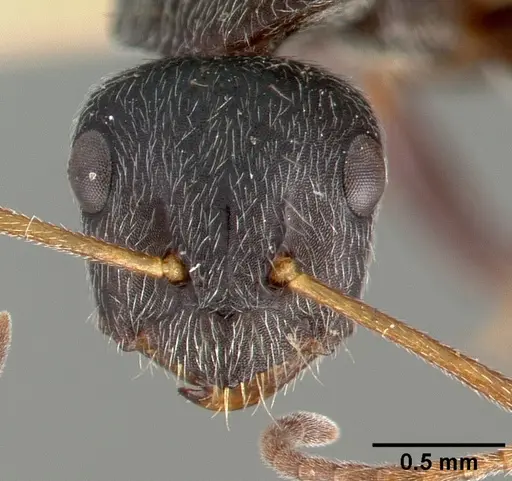
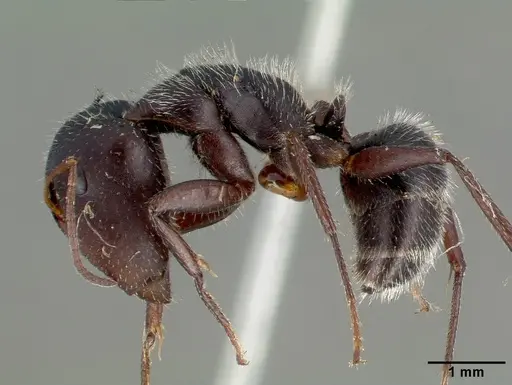
Camponotus frontalis is a Neotropical carpenter ant species native to Mexico. Workers come in two distinct sizes: large major workers (soldiers) with robust, darkened heads, and smaller minor workers. The species belongs to the Formicinae subfamily and is part of the Camponotus genus, known for their wood-nesting habits. Colonies are moderate in size compared to other carpenter ants, with workers typically ranging from 4-12mm depending on caste. This species is found across central and western Mexico, from Nayarit through Jalisco to Chihuahua and Baja California [1]. The species was originally described by Pergande in 1896 from specimens collected near Tepic, Nayarit [2].
Quick Summary
- Difficulty: Easy
- Origin & Habitat: Native to central and western Mexico, including states of Nayarit, Jalisco, Baja California, Guanajuato, Chihuahua, and Distrito Federal. Inhabits tropical and subtropical dry forest habitats, typically nesting in rotting wood or under stones in warm, relatively dry conditions [1][3].
- Colony Type: Likely monogyne (single queen colonies) based on typical Camponotus patterns. Colonies contain distinct major and minor worker castes. Ergatoid replacement reproductives have not been documented but may occur as in related species.
- Colony: Monogyne
- Founding: Claustral
- Size & Growth:
- Queen: Estimated 12-15mm based on genus patterns for Myrmaphaenus subgenus
- Worker: Minor workers: 4-6mm, Major workers: 8-12mm [4]
- Colony: Likely 500-2000 workers at maturity based on typical Camponotus colony sizes
- Growth: Moderate, typical for tropical carpenter ants
- Development: Estimated 6-8 weeks at optimal temperature based on genus patterns (Development time inferred from related Camponotus species, actual timeline may vary with temperature)
- Antkeeping:
- Temperature: Keep at 24-28°C. Provide a gentle temperature gradient allowing workers to self-regulate. This species tolerates warmer conditions typical of its Mexican range [4].
- Humidity: Moderate humidity (50-60%). Allow substrate to dry partially between waterings. Avoid overly damp conditions, this species prefers drier nest conditions than many ants.
- Diapause: Not required for Mexican tropical populations. However, a slight cooling period (15-18°C) during winter months may benefit colonies if kept in temperate climates.
- Nesting: Y-tong (AAC) nests work well, or plaster nests with moderate humidity chambers. Accepts test tube setups for founding colonies. Provide dead wood or cork for nesting material if using naturalistic setups.
- Behavior: Generally docile and non-aggressive toward keepers. Workers are active primarily at night (nocturnal foraging patterns typical of carpenter ants). They are moderate escape artists, use standard barrier methods. Major workers can deliver a mild sting if provoked, though this species is not considered dangerous. Workers communicate via chemical trails and will recruit nestmates to food sources.
- Common Issues: colonies grow slowly in the first few months, patience is required during claustral founding, major workers are large and powerful, ensure escape barriers are secure, test tube setups can become moldy if humidity is too high, wild-caught colonies may harbor parasites, quarantine and observe new colonies, overfeeding leads to mold and mite problems in nest setups
Nest Preferences
In the wild, Camponotus frontalis nests in rotting wood, under stones, and in soil cavities in dry forest habitats across central and western Mexico. For captive care, Y-tong (acrylic) nests provide excellent visibility and humidity control. Plaster nests also work well, especially when infused with materials that help maintain moderate humidity. Test tube setups are suitable for founding colonies, the queen seals herself into a humid chamber and remains there until her first workers (nanitics) emerge. Avoid overly wet or damp substrates, this species prefers conditions drier than many tropical ants. Provide a nesting chamber sized appropriately for the colony, carpenter ants appreciate tight, secure spaces that mimic their natural wood galleries. [1][4]
Feeding and Diet
Like other carpenter ants, Camponotus frontalis is omnivorous with a preference for protein-rich foods. Feed a varied diet including small insects (fruit flies, small crickets, mealworms), and sugar sources (honey water, sugar water, or ant jelly). In nature, they forage for honeydew from aphids and scale insects, plus dead or injured arthropods. Feed minor workers small prey items they can handle, while major workers can tackle larger insects. Offer sugar water or honey water 2-3 times per week, and protein (insects) 1-2 times per week. Remove uneaten prey within 24-48 hours to prevent mold. Colonies in the founding stage do not need food, the queen relies entirely on her stored fat reserves until nanitics emerge. [4]
Temperature and Seasonal Care
Maintain temperatures between 24-28°C for optimal colony growth and brood development. This species originates from tropical and subtropical regions of Mexico and tolerates warm conditions well. Provide a temperature gradient so workers can self-regulate by moving between warmer and cooler areas of the nest. During winter in temperate climates, room temperature (around 18-22°C) is usually sufficient. A slight cooling period to 15-18°C may simulate natural seasonal changes and potentially benefit colony health, but is not strictly required for Mexican tropical populations. Avoid temperatures below 15°C for extended periods. Heating cables or mats placed on one side of the nest can create the needed gradient, place heating on top of the nest to avoid drying out the substrate. [1][4]
Behavior and Colony Dynamics
Camponotus frontalis exhibits typical carpenter ant behavior with distinct worker castes. Minor workers handle most foraging, brood care, and nest maintenance, while major workers (soldiers) defend the colony and process larger food items. Workers are primarily nocturnal, becoming most active in the evening and night hours. This species is not aggressive toward keepers and rarely stings unless directly threatened. Major workers can deliver a mild sting, but the pain is minor and subsides quickly. Colonies communicate through chemical pheromones and will form recruitment trails to food sources. Workers may exhibit 'self-exclusion' behavior when sick, leaving the nest to die alone, which helps protect the colony from disease. [4]
Frequently Asked Questions
How long does it take for Camponotus frontalis to produce first workers?
Expect first workers (nanitics) to emerge 6-8 weeks after the queen lays her first eggs, assuming temperatures around 26°C. The exact timeline depends on temperature and colony health. Be patient during the claustral founding period, do not disturb the queen or open the test tube until workers have hatched.
Can I keep multiple Camponotus frontalis queens together?
Not recommended. This species is likely monogyne (single queen), and combining unrelated queens typically results in fighting. If you capture a multiple-queen colony from the wild, only one queen will typically survive long-term. For successful colony founding, use one queen per setup.
What should I feed my Camponotus frontalis colony?
Offer a varied diet: sugar water or honey water for carbohydrates, and small insects (fruit flies, small crickets, mealworms) for protein. Feed protein 1-2 times per week and keep sugar water available constantly. Remove uneaten food within 24-48 hours to prevent mold.
Are Camponotus frontalis good for beginners?
Yes, this species is beginner-friendly. They are docile, tolerate a range of conditions, and do not require complex care. The main challenges are their slow initial growth and ensuring proper escape prevention with major workers.
Do Camponotus frontalis need hibernation?
Not strictly required for Mexican tropical populations. However, a slight cooling period (15-18°C) during winter months can benefit colonies kept in temperate climates. They do not enter true diapause but may reduce activity during cooler periods.
When should I move my colony to a formicarium?
Move to a formicarium once the colony reaches 20-30 workers and the test tube setup becomes cramped. Carpenter ants prefer tight, secure nesting chambers. A Y-tong or plaster nest works well for this species.
How big do Camponotus frontalis colonies get?
Mature colonies typically reach 500-2000 workers based on typical Camponotus growth patterns. Growth is moderate, expect 1-2 years to reach 100 workers under good conditions.
Why are my Camponotus frontalis workers dying?
Common causes include: mold from overfeeding or excessive humidity, stress from disturbance during founding, parasites from wild-caught colonies, or temperatures outside their 24-28°C range. Ensure proper ventilation, feed appropriately, and avoid disturbing founding colonies.
References

This caresheet is licensed under CC BY-SA 4.0 .
CASTYPE00602
View on AntWeb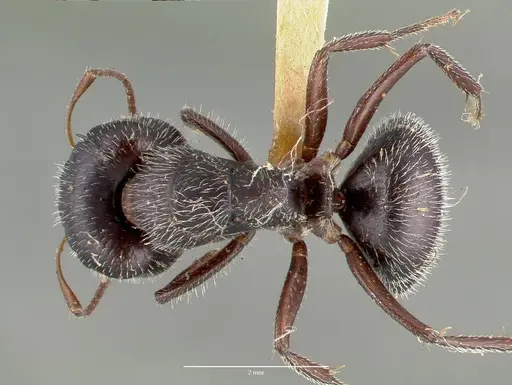
CASTYPE00603
View on AntWeb
Literature
Loading...Loading products...