

Camponotus fragilis
- Scientific Name
- Camponotus fragilis
- Subgenus
- Tanaemyrmex
- Tribe
- Camponotini
- Subfamily
- Formicinae
- Author
- Pergande, 1893
- Distribution
- Found in 2 countries
Camponotus fragilis Overview
Camponotus fragilis is an ant species of the genus Camponotus. It is primarily documented in 2 countries , including Mexico, United States of America. Detailed taxonomic data and occurrence records can be further explored via authoritative databases such as AntWeb or the Global Biodiversity Information Facility (GBIF).
Camponotus fragilis
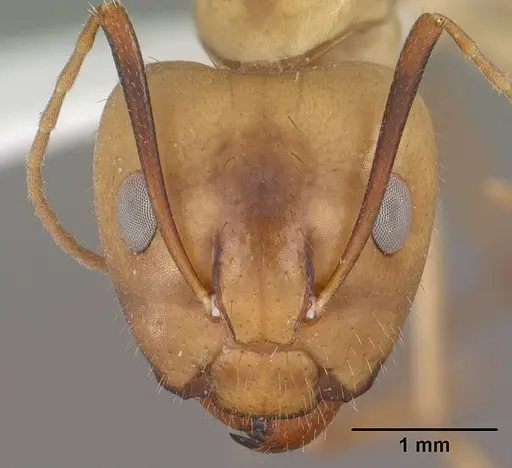
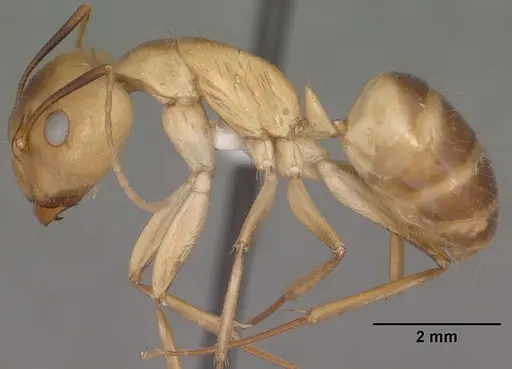
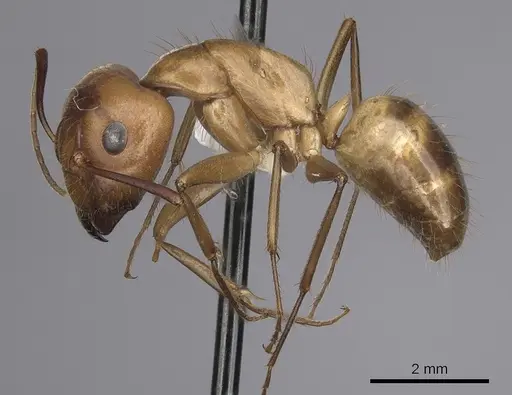
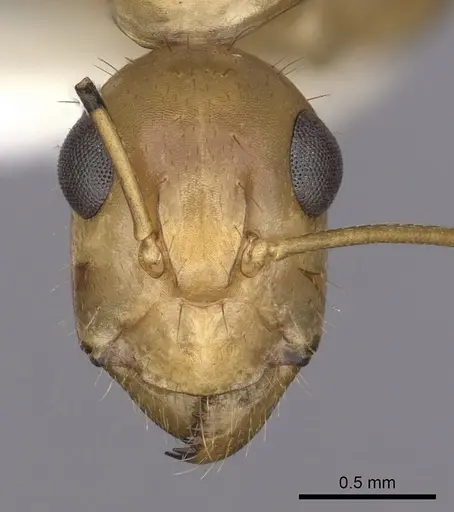
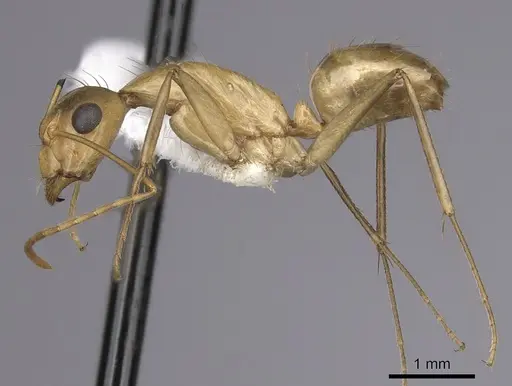
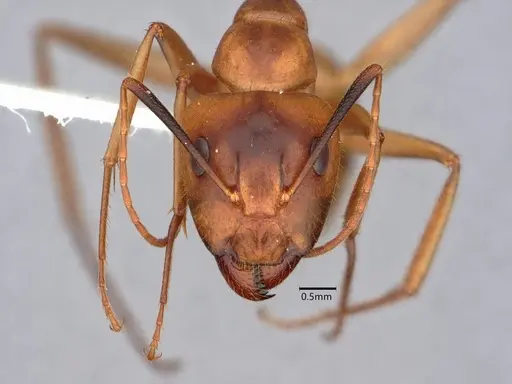
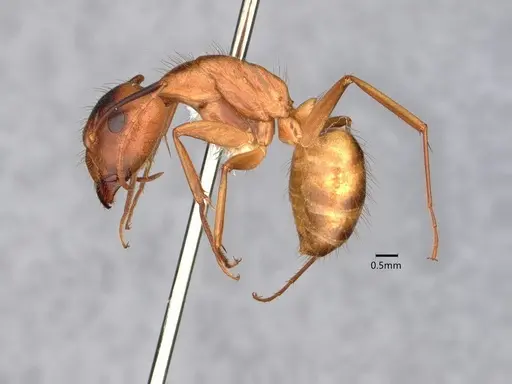
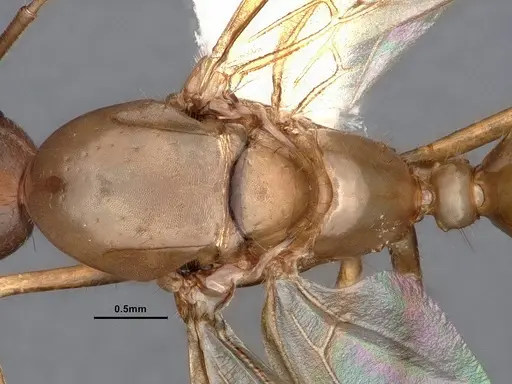
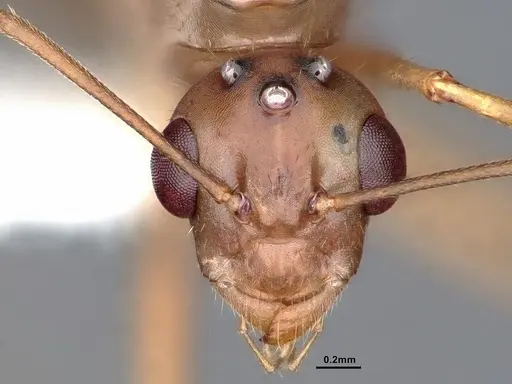
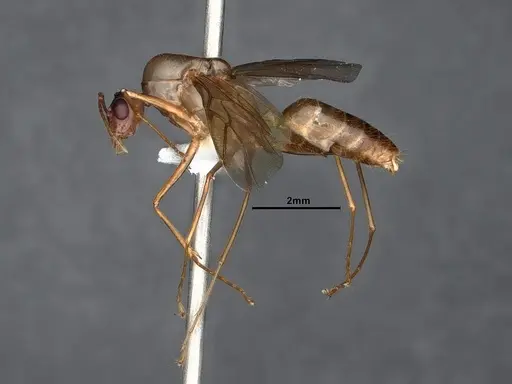
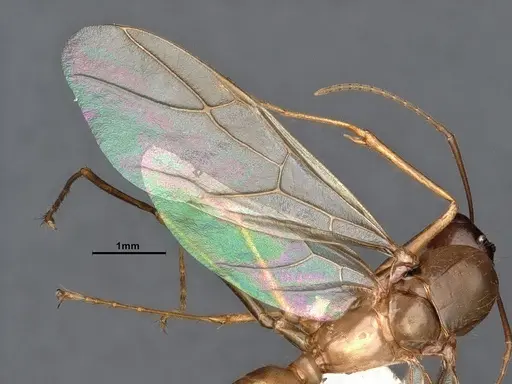
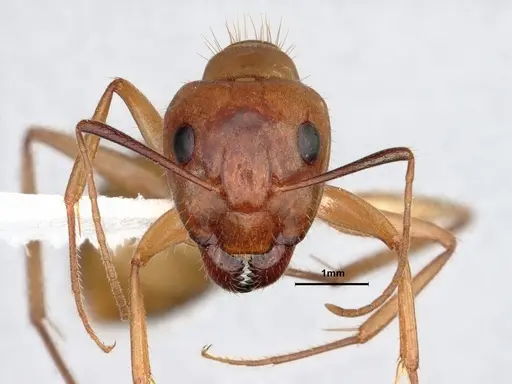
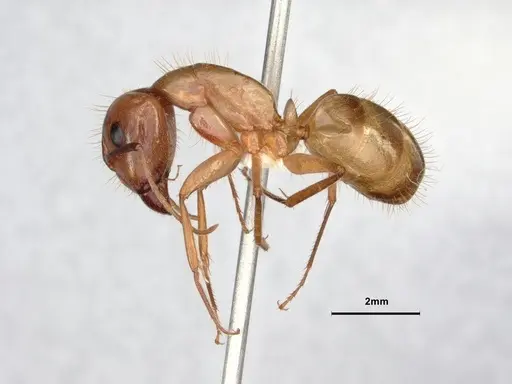
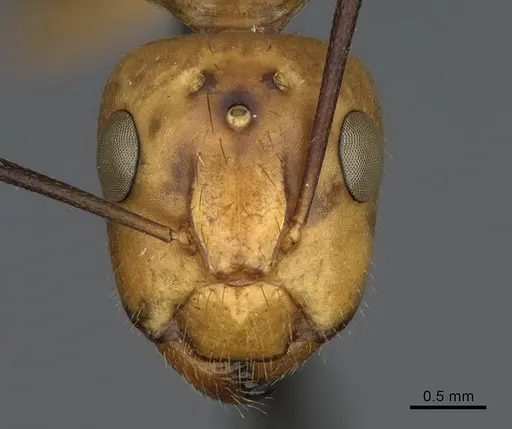
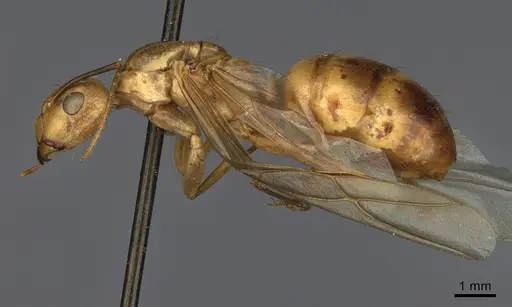
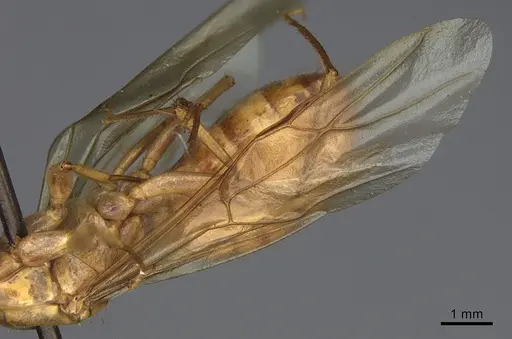
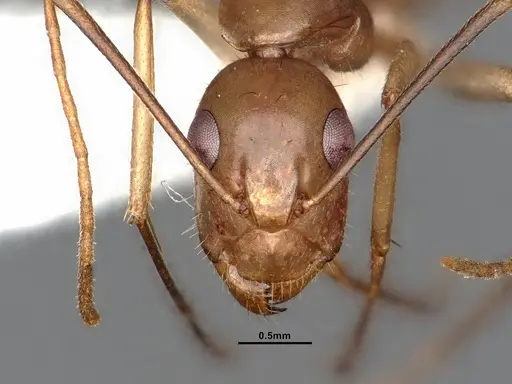
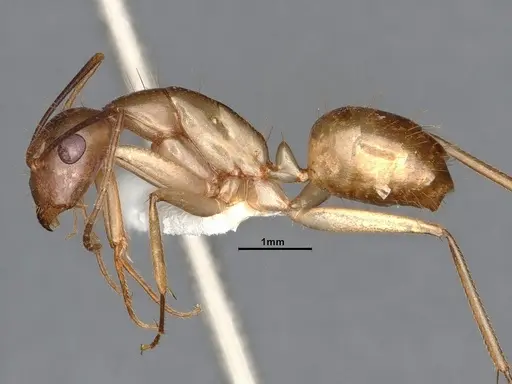
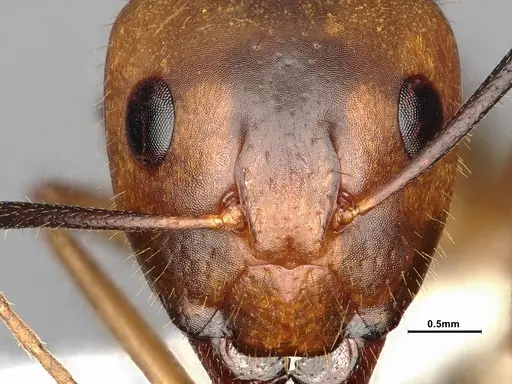
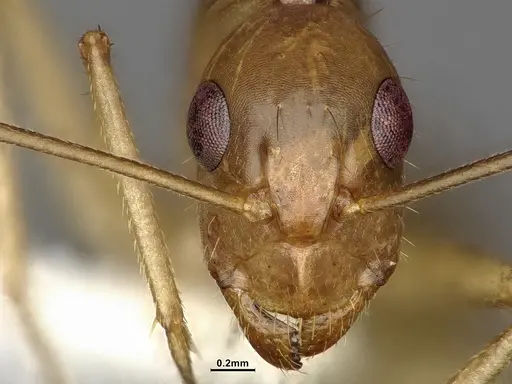
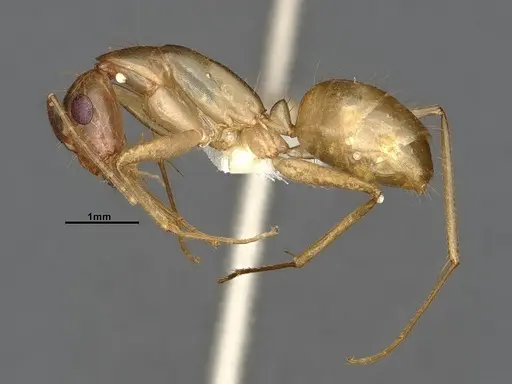
Camponotus fragilis is a medium-sized carpenter ant found across the Baja California peninsula, southern California, Arizona, and along the Pacific coast of Mexico to Nayarit. Workers come in two sizes: majors measure 2.25-2.70mm head length with robust bodies, while minors are smaller at 1.20-1.75mm. The species is identifiable by erect yellowish setae along the head margins of majors and at least a few setae on minor workers. Queens are chunky at 3.85-4.20mm in mesosoma length. This nocturnal species nests in soil beneath covering objects like stones, and is found in diverse habitats ranging from creosote scrub and coastal scrub to chaparral and oak woodland, with records up to 945m elevation in the Mojave Desert [1]. The species was originally described in 1893,briefly synonymized with C. festinatus, and revived as a separate species by Snelling in 2006 based on its smaller size and distinct pilosity [1].
Quick Summary
- Difficulty: Easy
- Origin & Habitat: Baja California peninsula through southern California to Arizona, and along Mexico's Pacific coast to Nayarit. Found in creosote scrub, coastal scrub, chaparral, and oak woodland habitats, from sea level up to 945m in the Mojave Desert [1][2][3].
- Colony Type: Single-queen colonies (monogyne). Queens found nests independently and seal themselves inside to raise the first brood, this is claustral founding, typical of Camponotus species.
- Colony: Monogyne
- Founding: Claustral
- Size & Growth:
- Queen: 3.85-4.20mm mesosoma length (queens 2.20-2.35mm head length) [1]
- Worker: Majors 2.25-2.70mm head length, minors 1.20-1.75mm head length [1]
- Colony: Unknown for this species specifically, but typical Camponotus colonies reach several thousand workers over several years.
- Growth: Moderate, Camponotus species typically take 6-10 weeks from egg to first worker at optimal temperature, with growth slowing during winter.
- Development: 6-10 weeks at optimal temperature (estimated based on typical Camponotus development) (Development time depends on temperature, warmer conditions within acceptable range speeds development, while cooler temperatures slow it down.)
- Antkeeping:
- Temperature: Keep around 20-24°C. Being a desert and chaparral species from Arizona and Baja California, they can tolerate warmer conditions but prefer moderate temperatures with some variation. A slight gradient allowing workers to choose their preferred temperature is ideal.
- Humidity: Low to moderate. These ants come from arid to semi-arid habitats (creosote scrub, chaparral, desert margins). Keep nest substrate moderately dry, damp but not wet. Provide a water source but avoid overly humid conditions.
- Diapause: Yes, they should hibernate during winter. Based on their range extending into Arizona and the Mojave Desert, they experience cooler winters and benefit from a 2-3 month diapause period at around 10-15°C.
- Nesting: Soil-nesting species that naturally nests under objects. In captivity, a Y-tong (AAC) nest or plaster formicarium works well. Provide a layer of compactable substrate they can tunnel into. Avoid overly moist conditions that would cause mold.
- Behavior: Nocturnal, workers are most active at night and during twilight hours. They are generalist foragers, scavenging and hunting for insect parts and carbohydrates. As typical carpenter ants, they may chew through soft materials but won't damage healthy wood in captivity. They are not particularly aggressive toward keepers but will defend their nest if threatened. Escape risk is moderate, use standard barrier methods but they aren't particularly adept escape artists compared to some tiny species.
- Common Issues: colonies often stall in growth during their first winter, this is normal, reduce feeding and allow hibernation, wild-caught colonies may have parasites that cause colony decline, quarantine and monitor new colonies, overwatering causes mold problems in nests, keep substrate only moderately moist, queens may die during founding if disturbed, minimize founding chamber movement, desert species are sensitive to excessive humidity, avoid damp, stagnant conditions
Nest Preferences and Housing
Camponotus fragilis naturally nests in soil beneath objects like stones, which is how they got their name, 'fragilis' refers to something fragile or delicate, though their common name 'carpenter ant' comes from their wood-nesting relatives. In captivity, provide a nest with soil or compactable substrate they can tunnel into. A Y-tong (acrylic) nest with a dirt chamber works excellently, or you can use a plaster formicarium with a dirt insert. The key is giving them a dark, secure chamber that stays moderately dry. These ants prefer nesting in areas that mimic their natural soil-under-rock habitat, compact substrate they can manipulate, not loose sand. Test tube setups work for founding colonies but transfer to a proper nest once the colony reaches 15-20 workers. [1]
Feeding and Diet
Like other Camponotus species, C. fragilis is a generalist feeder. Workers forage at night for carbohydrates (nectar, honeydew, sugar water) and protein (insect parts, other invertebrates). In captivity, offer sugar water or honey as a constant carbohydrate source. For protein, provide small insects like fruit flies, mealworms, or crickets, they can tackle prey items roughly their own body size. The research notes this species has been observed carrying insect parts, confirming their scavenging and predatory habits [4]. Feed protein 2-3 times per week, and keep sugar water available at all times. Remove uneaten prey after 24 hours to prevent mold.
Temperature and Seasonal Care
Being found from the Baja California peninsula through Arizona's desert margins into southern California's chaparral, C. fragilis handles a range of conditions but prefers moderate temperatures around 20-24°C. They can tolerate warmer conditions (up to around 28°C) but avoid prolonged heat exposure. During summer active months, room temperature within this range works well. In winter, they benefit from a diapause period, reduce temperature to 10-15°C for 2-3 months. This mimics their natural seasonal cycle and helps trigger proper reproductive behavior the following spring. Reduce feeding significantly during hibernation and avoid disturbing the colony. [1]
Behavior and Colony Dynamics
This is a nocturnal species, you'll see most activity from your colony during evening and night hours. Workers emerge from the nest to forage once darkness falls, searching for carbohydrate and protein sources. The colony will establish a foraging pattern once settled into captivity. Majors (larger workers) serve as repletes, storing food in their distensible abdomens to share with the colony, while minors handle most foraging and brood care. Growth is typical for Camponotus, slow initially as the queen raises her first few workers (nanitics), then accelerating as more workers join the colony. A mature colony will show clear division of labor with different castes performing specialized roles. [1]
Frequently Asked Questions
How long does it take for Camponotus fragilis to produce first workers?
Expect 6-10 weeks from egg to first worker at optimal temperature (around 22-24°C). The queen is claustral, she seals herself in and raises the first brood alone without foraging. Initial workers (nanitics) are smaller than regular workers.
What temperature do Camponotus fragilis need?
Keep them at 20-24°C. They can tolerate warmer conditions but prefer moderate temperatures. A slight temperature gradient in the nest allows workers to choose their preferred spot.
Can I keep multiple Camponotus fragilis queens together?
No. This species is monogyne, colonies have a single queen. Combining unrelated queens will result in fighting. Only keep one queen per colony.
Do Camponotus fragilis need hibernation?
Yes, they benefit from a winter diapause period of 2-3 months at 10-15°C. This is based on their natural range in Arizona and the Mojave Desert where they experience cooler winters.
What do Camponotus fragilis eat?
They are generalist feeders. Offer sugar water or honey constantly for carbohydrates, and protein sources like small insects (fruit flies, mealworms, crickets) 2-3 times per week.
Are Camponotus fragilis good for beginners?
Yes, they are considered easy to keep. They are forgiving of minor care mistakes, don't require extreme humidity, and are not aggressive. Their nocturnal activity pattern is interesting to observe.
When should I move my colony to a formicarium?
Move from a test tube setup to a proper nest (Y-tong, plaster, or naturalistic setup) once the colony reaches 15-30 workers and the test tube shows signs of degradation or food buildup.
How big do Camponotus fragilis colonies get?
While exact maximum size isn't documented for this species, typical Camponotus colonies reach several thousand workers over 3-5 years under good conditions.
Why is my colony not growing?
Check temperature (should be 20-24°C), ensure they're not too humid (keep moderately dry), and verify they're eating protein regularly. Also remember that first-year colonies naturally grow slowly, this is normal Camponotus behavior.
References

This caresheet is licensed under CC BY-SA 4.0 .
CASENT0005344
View on AntWeb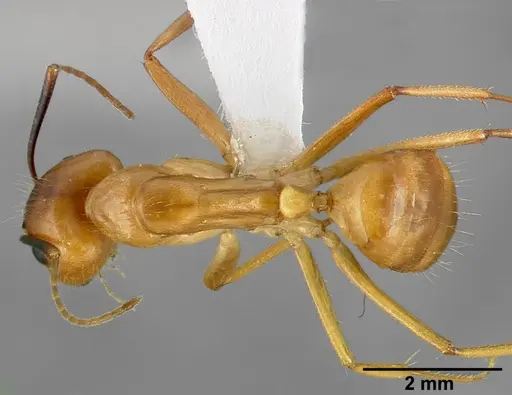
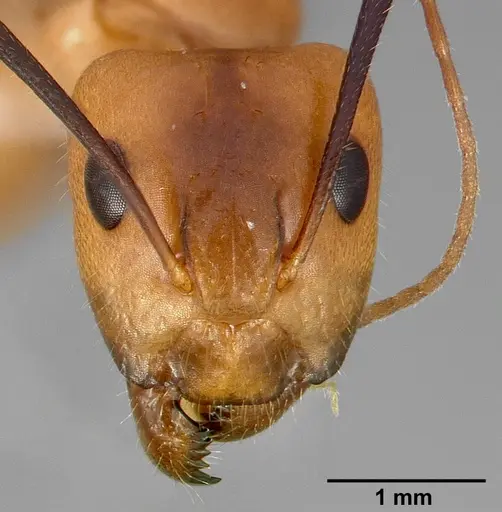
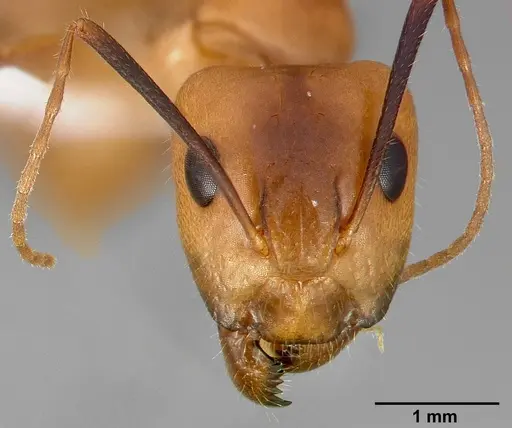
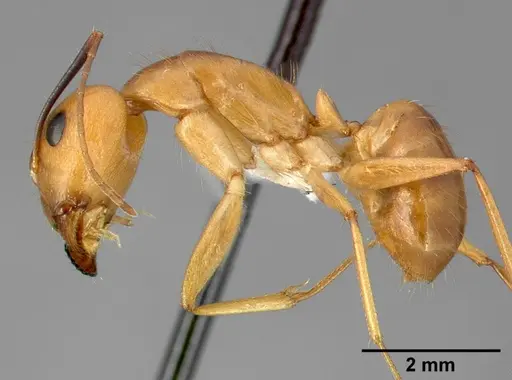
CASENT0102792
View on AntWeb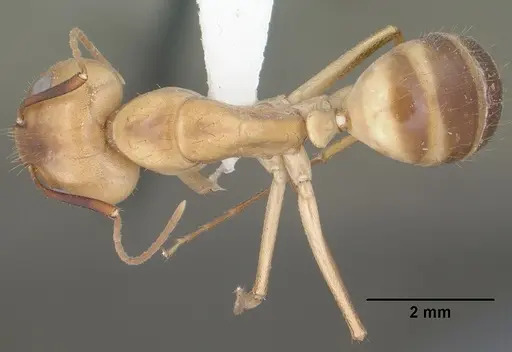
CASENT0102793
View on AntWeb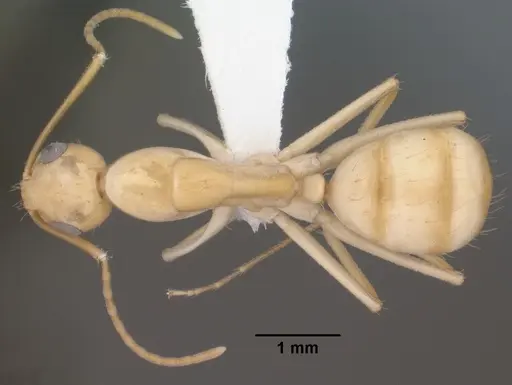
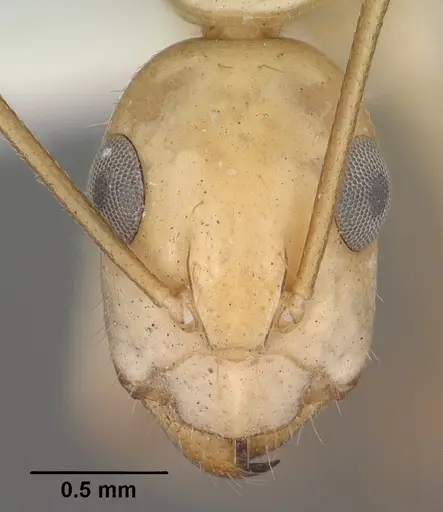
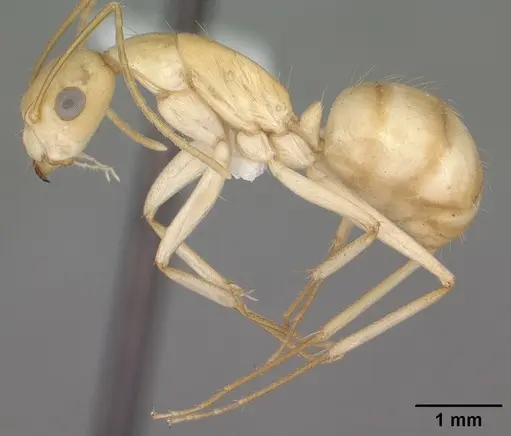
CASENT0280027
View on AntWeb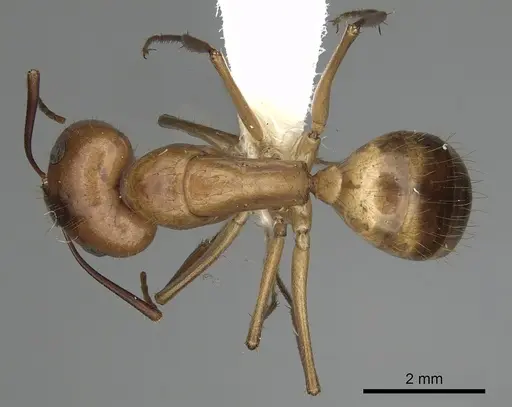
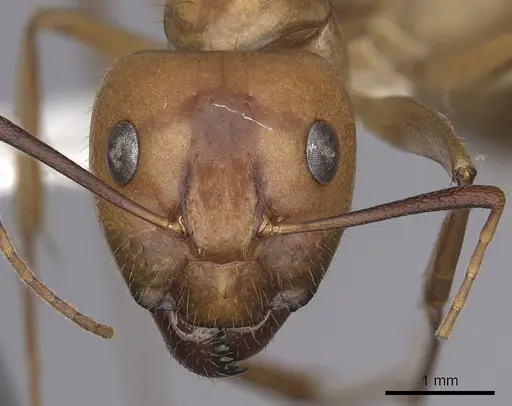
CASENT0280028
View on AntWeb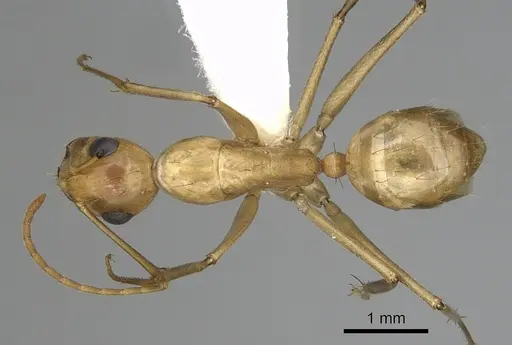
CASENT0882188
View on AntWeb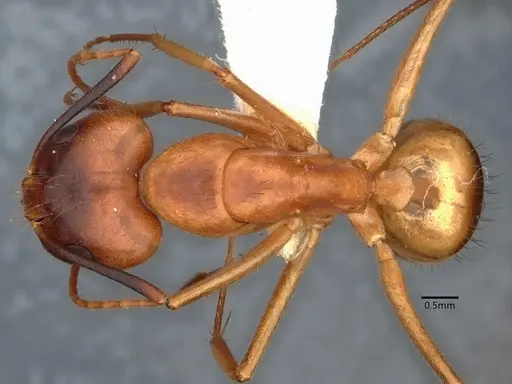
CASENT0884381
View on AntWeb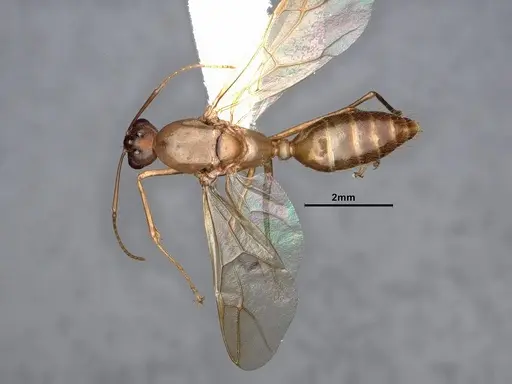
CASENT0886858
View on AntWeb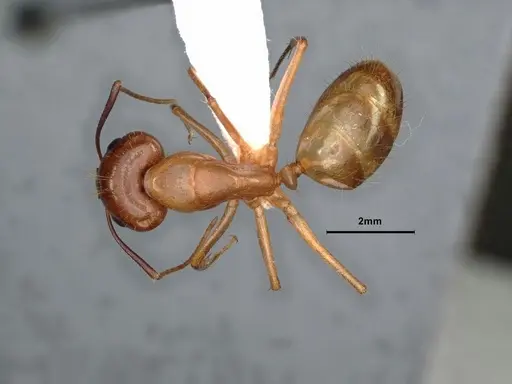
CASENT0923689
View on AntWeb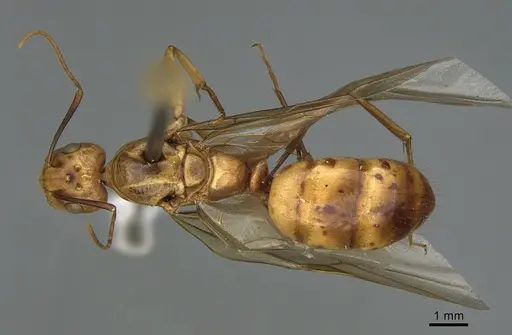
CASENT4031317
View on AntWeb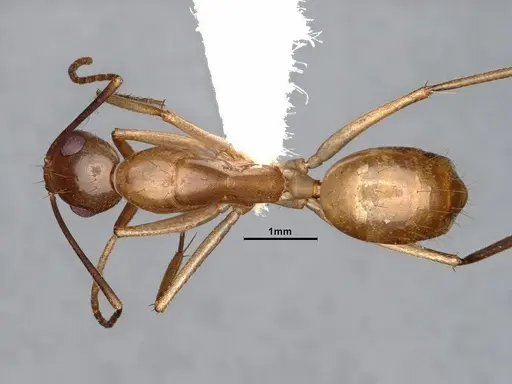
CASENT4031438
View on AntWeb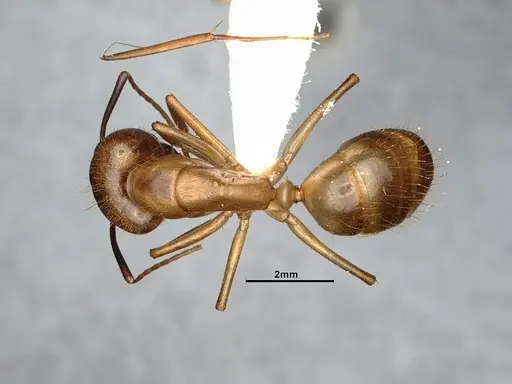
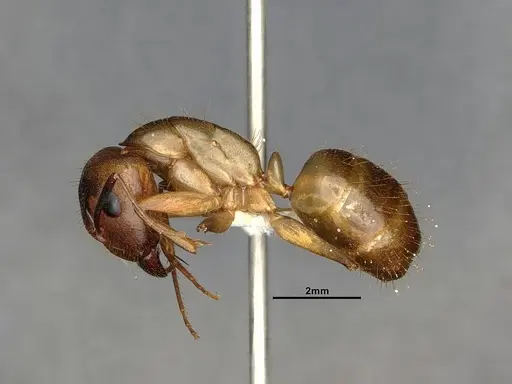
CASENT4031439
View on AntWeb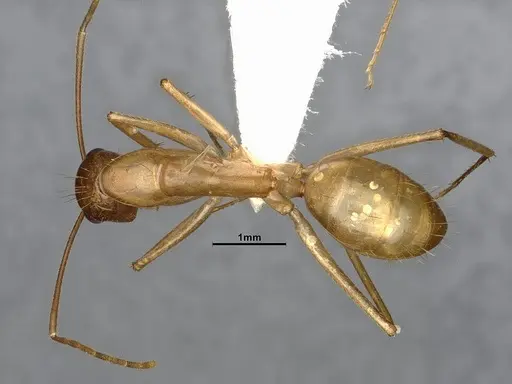
Literature
Loading...Loading products...