

Camponotus formiciformis
- Scientific Name
- Camponotus formiciformis
- Subgenus
- Myrmobrachys
- Tribe
- Camponotini
- Subfamily
- Formicinae
- Author
- Forel, 1885
- Distribution
- Found in 2 countries
Camponotus formiciformis Overview
Camponotus formiciformis is an ant species of the genus Camponotus. It is primarily documented in 2 countries , including Guatemala, Mexico. Detailed taxonomic data and occurrence records can be further explored via authoritative databases such as AntWeb or the Global Biodiversity Information Facility (GBIF).
Camponotus formiciformis
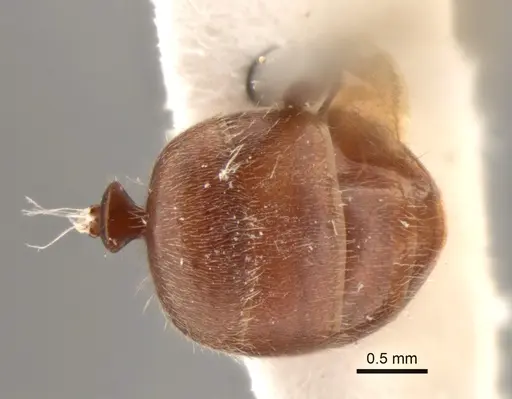
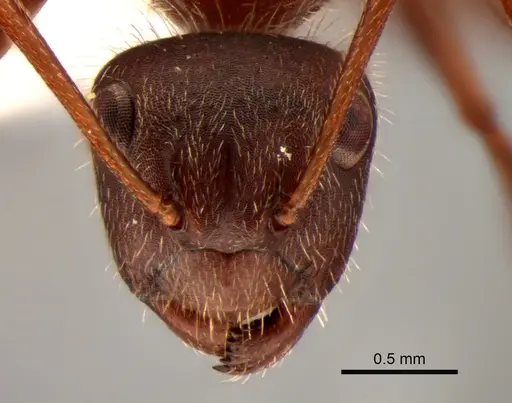
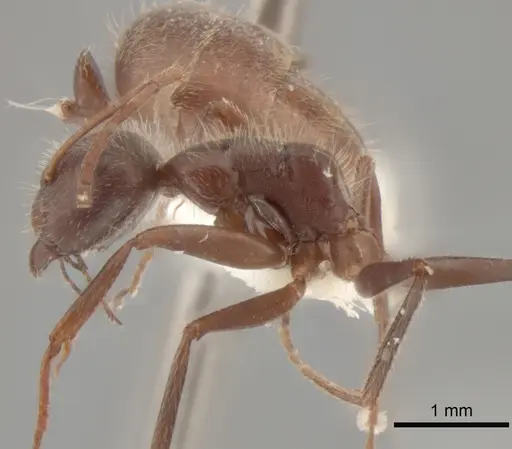
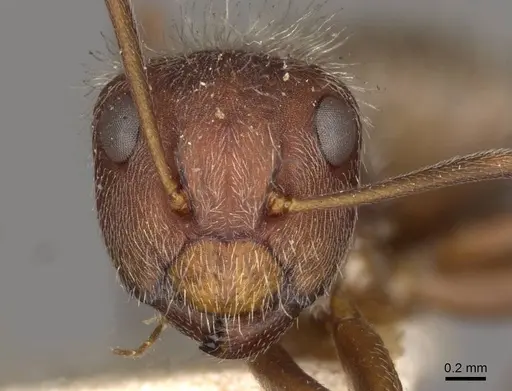
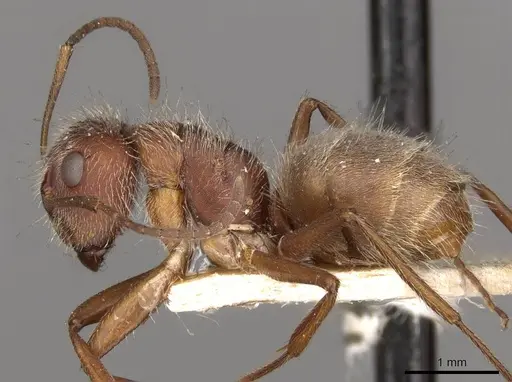
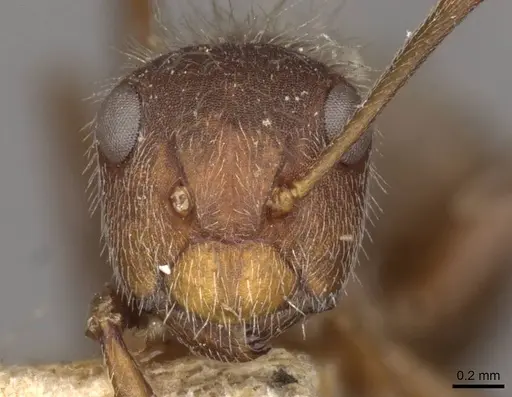
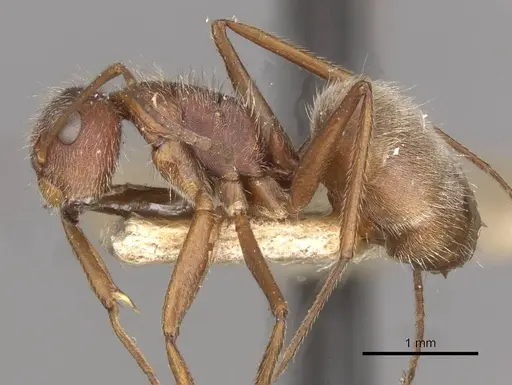
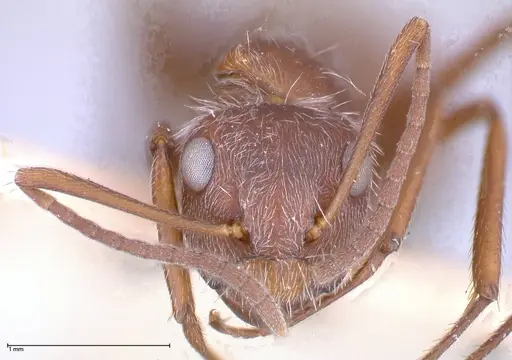
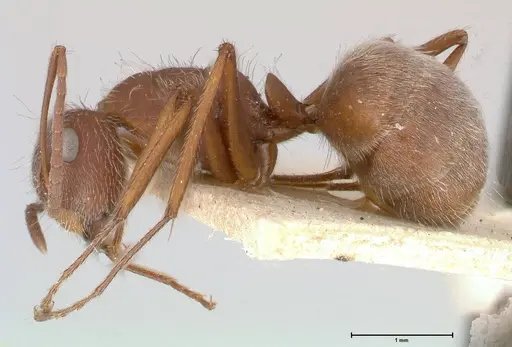
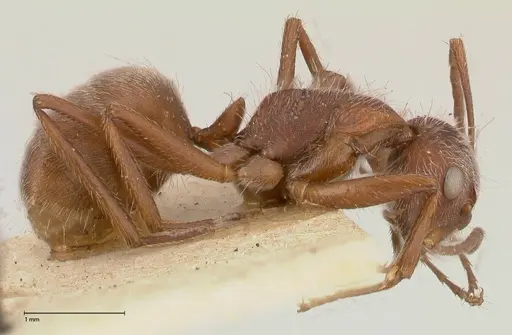
Camponotus formiciformis is a striking arboreal ant species from the Neotropical region, ranging from Mexico down to Bolivia and Brazil. Workers display a rusty ferruginous red coloration with remarkably abundant pilosity, they have dense erect hairs covering the sides of the head, cheeks, and clypeus, and their gaster is covered in fine golden pubescence. This subgenus (Myrmobrachys) species nests in trees, typically under bark and in foliage like coffee plants, making it distinct from many ground-nesting Camponotus. The species can be confused with the all-black C. senex, but C. formiciformis maintains its reddish coloration throughout. Colonies are relatively small and not commonly encountered, with foragers active in the tree canopy.
Quick Summary
- Difficulty: Medium
- Origin & Habitat: Neotropical region, found in Belize, Guatemala, Mexico (Guerrero, Veracruz), Ecuador, Peru, Bolivia, Colombia (Magdalena), and Brazil. Inhabits tropical forest environments as an arboreal species, nesting under bark and in coffee plant leaves [1][2][3].
- Colony Type: Likely monogyne (single queen) based on typical Camponotus patterns, though one study captured four queens together suggesting potential for multi-queen colonies [4]. Colony size appears small to moderate based on limited collection data.
- Colony: Monogyne
- Founding: Claustral
- Size & Growth:
- Queen: Estimated 12-15mm based on typical Camponotus Myrmobrachys subgenus, no direct measurement available
- Worker: Estimated 6-12mm (major and minor castes) based on genus patterns
- Colony: Likely several hundred workers at maturity based on typical arboreal Camponotus
- Growth: Moderate, typical for Camponotus genus
- Development: Estimated 6-8 weeks at tropical temperatures based on genus-level Camponotus data (Development time inferred from related Camponotus species, actual timing may vary)
- Antkeeping:
- Temperature: Keep at 24-28°C. As a Neotropical arboreal species, they prefer warm conditions. A gentle gradient allowing workers to self-regulate is ideal [4].
- Humidity: Moderate to high, arboreal nesting in tropical forest means they prefer humid conditions with some moisture available. Provide a water source but avoid waterlogging.
- Diapause: Unlikely, being a tropical species, they probably do not require a true diapause. Keep temperatures stable year-round.
- Nesting: Arboreal species, they naturally nest under bark and in foliage. In captivity, they do well in acrylic nests or Y-tong setups with horizontal chambers. Provide bark or wood pieces if using a naturalistic setup. Avoid fully claustral-style test tube setups, they prefer more exposed nest conditions typical of Myrmobrachys.
- Behavior: Generally calm and non-aggressive foragers. Workers are active in the tree canopy in nature, searching for honeydew and small insects. They are not known for stinging and pose no danger to keepers. Their small size (for Camponotus) and arboreal nature means moderate escape risk, standard barriers work well. They are primarily nocturnal or crepuscular foragers.
- Common Issues: arboreal nature means they may not adapt well to ground-based test tube setups, provide elevated nesting options, tropical species may suffer if temperatures drop below 22°C for extended periods, small colony sizes in the wild mean founding colonies may be slow to develop, escape prevention needed though not as critical as for tiny species
Nest Preferences and Housing
Camponotus formiciformis is an arboreal species that naturally nests under bark and in foliage, including coffee plant leaves [1]. In captivity, provide nest setups that reflect this arboreal lifestyle. Acrylic nests (Y-tong style) work well with horizontal chambers. You can also create naturalistic setups with bark pieces or cork. Avoid deep, soil-filled setups, these ants prefer more exposed conditions. The subgenus Myrmobrachys tends to nest in pre-existing cavities like hollow twigs, under loose bark, or in rotting wood. When setting up the outworld, include climbing structures since these ants naturally forage in elevated positions. Keep the nest humid but ensure ventilation prevents mold buildup.
Feeding and Diet
Like most Camponotus species, C. formiciformis is omnivorous with a preference for sugar sources. In the wild, workers forage in trees for honeydew from aphids and scale insects, plus small insects. In captivity, offer sugar water, honey, or diluted syrup as a constant energy source. For protein, provide small insects like fruit flies, small crickets, or mealworm pieces. Feed protein 2-3 times per week, and keep sugar available at all times. Given their small colony sizes in the wild, avoid overfeeding, remove uneaten prey after 24 hours. These ants are not specialized predators, so standard ant feeding protocols work well.
Temperature and Seasonal Care
As a Neotropical species from tropical forests, C. formiciformis requires warm temperatures. Keep the nest area between 24-28°C for optimal brood development. Room temperature in most homes (20-24°C) may be slightly cool, consider a small heating cable on one side of the nest to create a gentle gradient. Unlike temperate species, they do not require hibernation or diapause. Maintain stable temperatures year-round, sudden drops below 22°C for extended periods may stress colonies. The arboreal nature also means they prefer somewhat humid conditions, so occasional misting of the outworld or a nearby water dish helps maintain appropriate moisture levels. [4]
Behavior and Colony Dynamics
This species is relatively calm and not aggressive. Workers are foragers that search for honeydew and small prey in the tree canopy. The species is not commonly encountered in the wild, with foragers typically collected from trees rather than ground foraging [1]. Colonies appear to remain relatively small compared to some other Camponotus, this aligns with the arboreal lifestyle where smaller colonies can exploit canopy resources efficiently. One study captured four queens together [4], which is unusual for typical Camponotus and suggests either pleometrosis (multiple queens founding together) or polygynous colony structure in this species. However, single-queen colonies are likely more common. Workers have the characteristic dense pilosity (hairs) that makes this species distinctive among Myrmobrachys ants.
Acquiring and Establishing Colonies
This species is not commonly available in the antkeeping hobby, being found in Central and South America rather than common temperate regions. If acquiring a colony, it will likely be through specialized importers or breeders. When establishing a founding colony, use a claustral setup, queen seals herself in a small chamber and raises the first workers (nanitics) on her stored fat reserves. However, because they are arboreal, consider providing a small piece of bark or wood in the founding setup rather than just a bare test tube. Once workers emerge, gradually expand their space and introduce protein foods. Growth will be moderate, expect 6-12 months to reach 50+ workers under good conditions.
Frequently Asked Questions
How long does it take for Camponotus formiciformis to produce first workers?
Based on typical Camponotus development, expect 6-8 weeks from egg to first worker (nanitic) at optimal temperatures of 26-28°C. This may be slightly longer given the tropical species status.
What do Camponotus formiciformis ants eat?
They are omnivorous with a sweet tooth. Offer sugar water, honey, or diluted syrup constantly. For protein, feed small insects like fruit flies, pinhead crickets, or mealworm pieces 2-3 times per week.
What temperature do Camponotus formiciformis need?
Keep them warm at 24-28°C. Being a Neotropical arboreal species, they prefer tropical temperatures. A small heating cable on part of the nest can help maintain optimal conditions.
Are Camponotus formiciformis good for beginners?
This is a medium-difficulty species. While not aggressive, they are less common in the hobby and have specific arboreal nesting requirements. Beginners may find the slower growth and specific temperature needs challenging.
How big do Camponotus formiciformis colonies get?
Based on collection data and typical arboreal Camponotus, colonies likely reach several hundred workers at maturity rather than the thousands seen in some ground-nesting Camponotus.
Do Camponotus formiciformis need hibernation?
No, being a tropical species they do not require hibernation. Keep temperatures stable year-round without the cooling period needed for temperate species.
What type of nest is best for Camponotus formiciformis?
Arboreal species need arboreal-style housing. Y-tong acrylic nests with horizontal chambers work well. You can also use naturalistic setups with bark pieces or cork. Avoid deep soil-filled setups.
Where is Camponotus formiciformis found in the wild?
They range from Mexico through Central America to South America (Colombia, Peru, Bolivia, Brazil). They are arboreal, nesting under bark and in foliage like coffee plants in tropical forests.
Can I keep multiple Camponotus formiciformis queens together?
Not recommended without specific guidance. While one study found four queens together, this may have been temporary pleometrosis or a special case. Single-queen colonies are safer and more stable for beginners.
References

This caresheet is licensed under CC BY-SA 4.0 .
CASENT0882307
View on AntWeb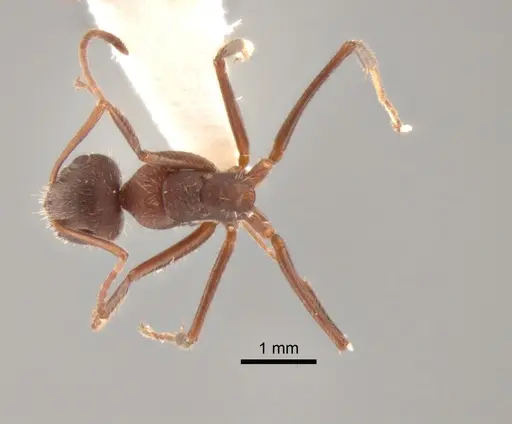
CASENT0910698
View on AntWeb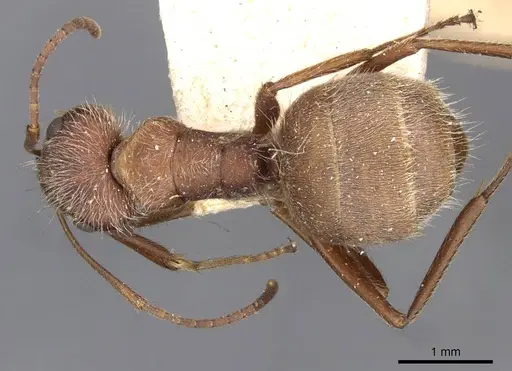
CASENT0910699
View on AntWeb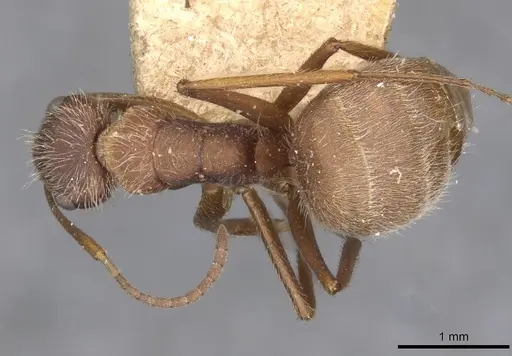
FOCOL0558
View on AntWeb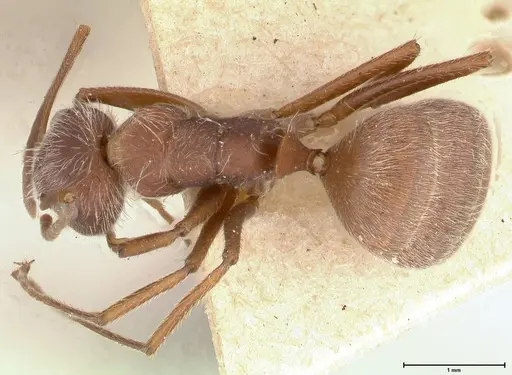
Literature
Loading...Loading products...