

Camponotus festinus
- Scientific Name
- Camponotus festinus
- Subgenus
- Tanaemyrmex
- Tribe
- Camponotini
- Subfamily
- Formicinae
- Author
- Smith, 1857
- Distribution
- Found in 4 countries
Camponotus festinus Overview
Camponotus festinus is an ant species of the genus Camponotus. It is primarily documented in 4 countries , including Brunei Darussalam, Indonesia, Malaysia. Detailed taxonomic data and occurrence records can be further explored via authoritative databases such as AntWeb or the Global Biodiversity Information Facility (GBIF).
Camponotus festinus
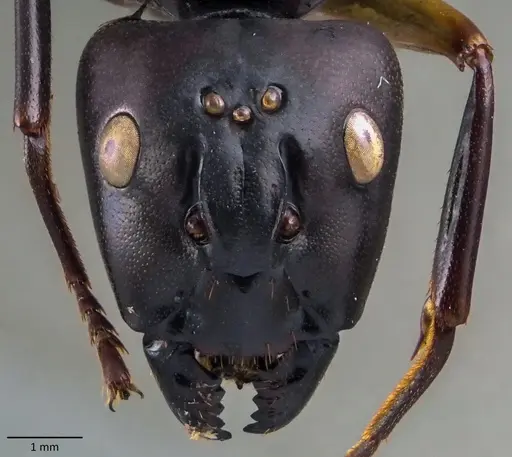
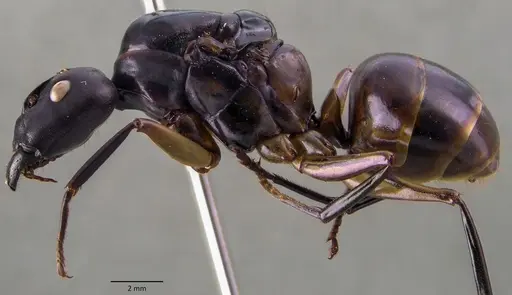
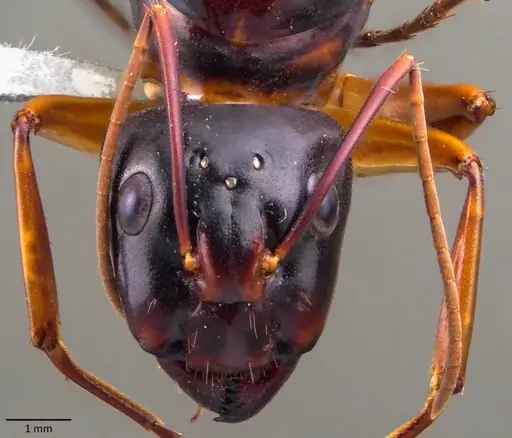
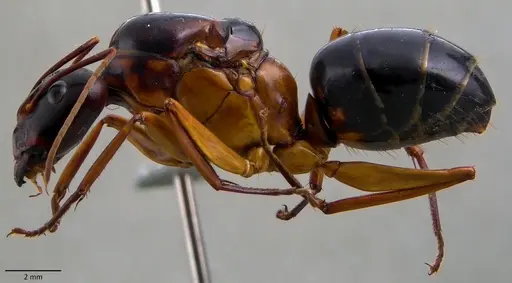
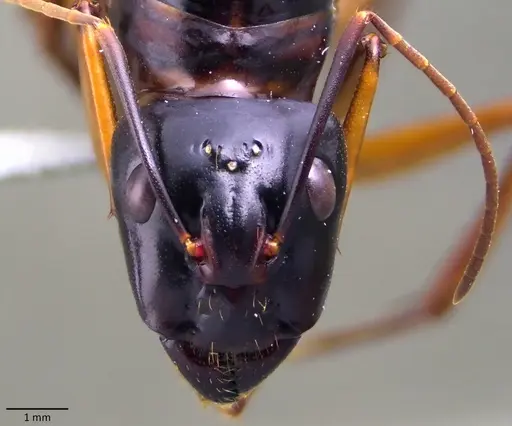
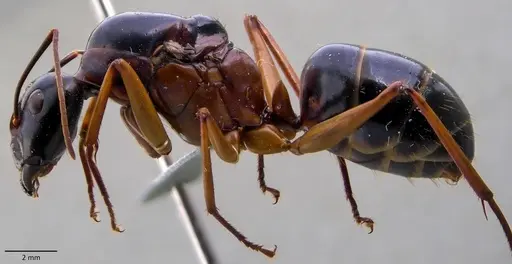
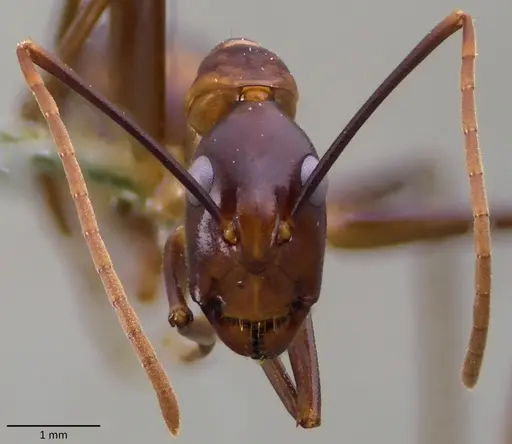
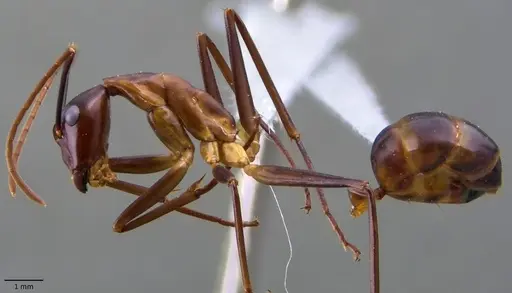
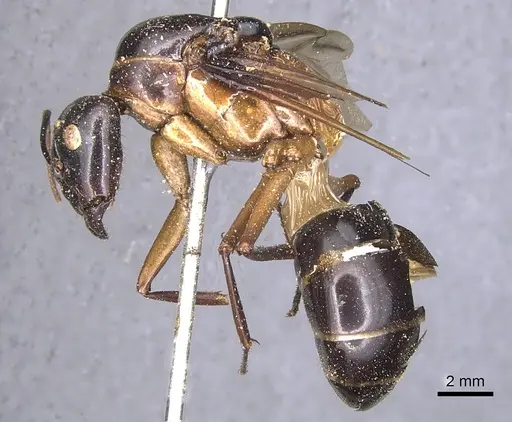
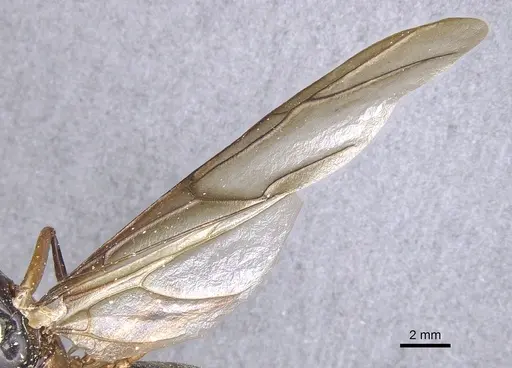
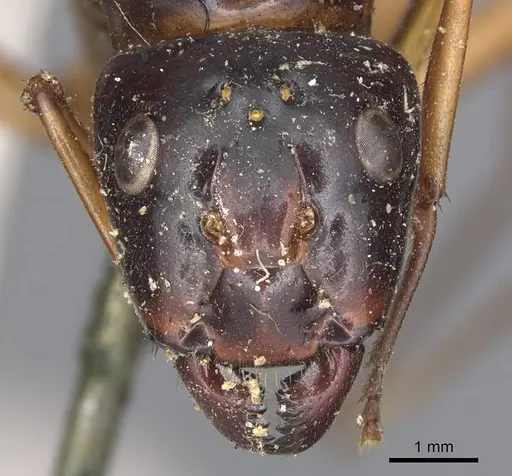
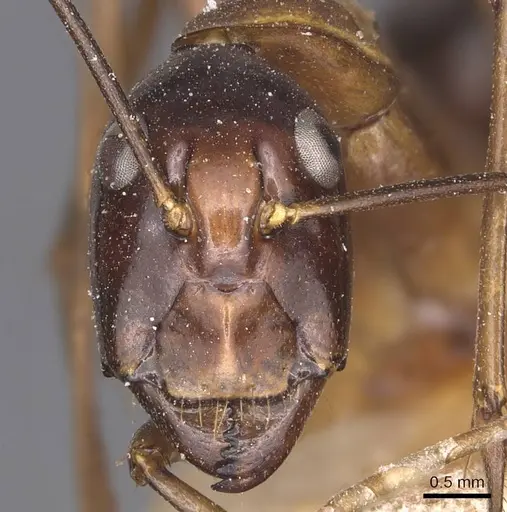
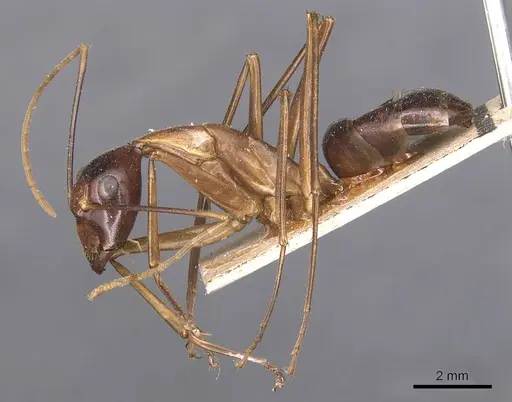
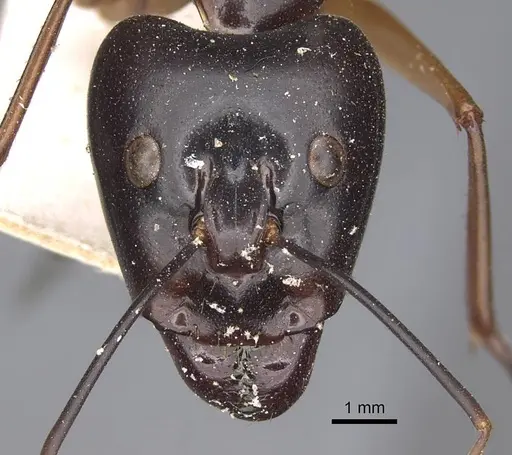
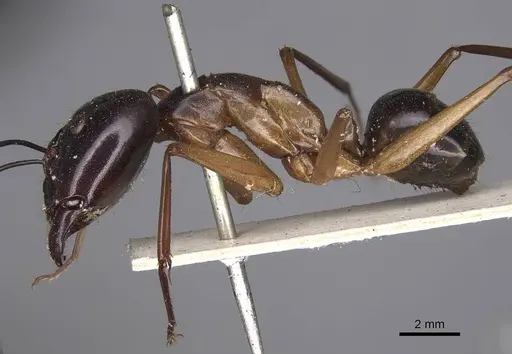
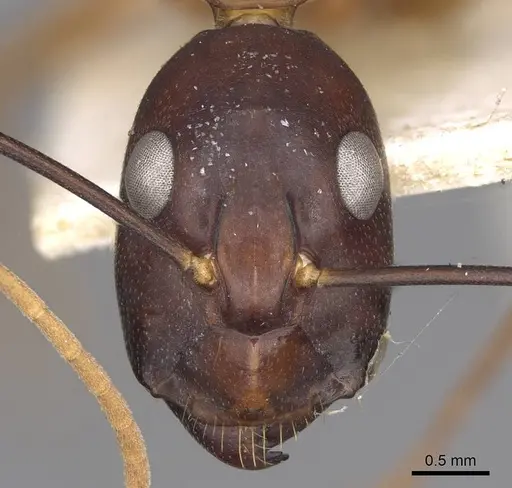
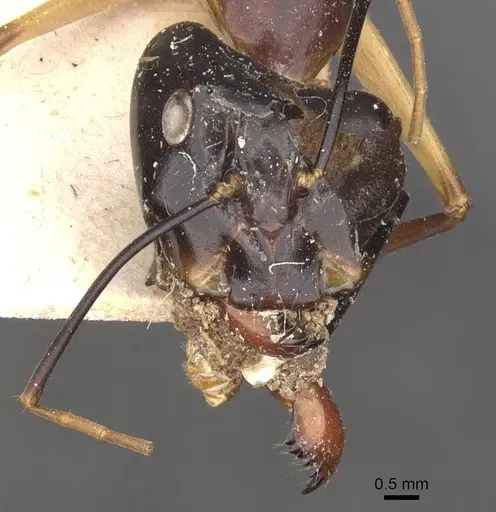
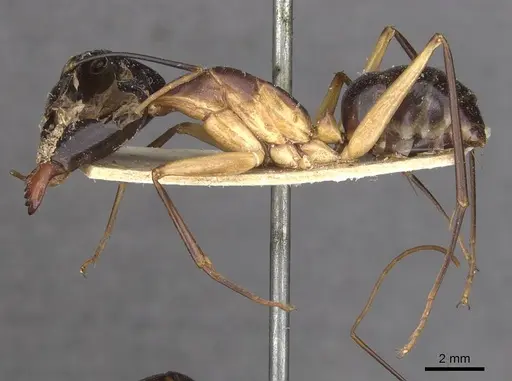
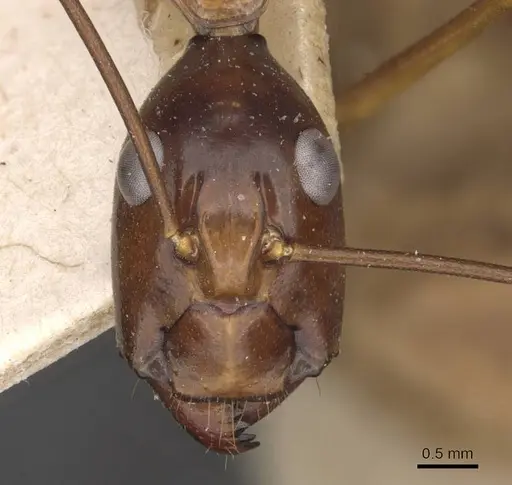
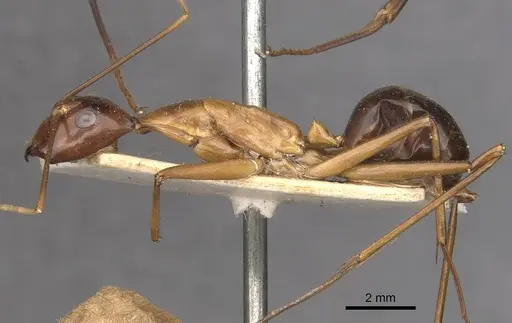
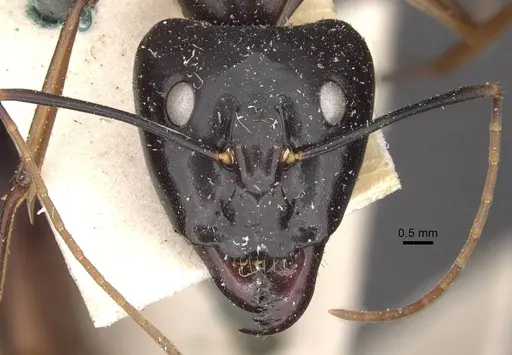
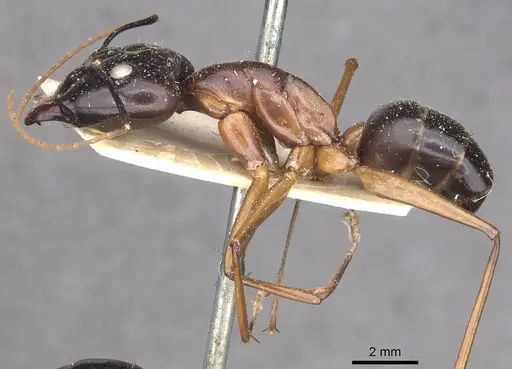
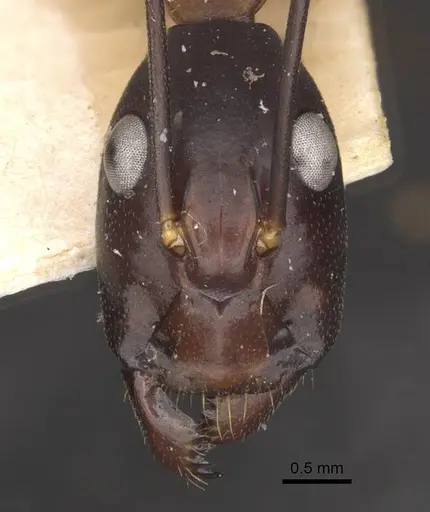
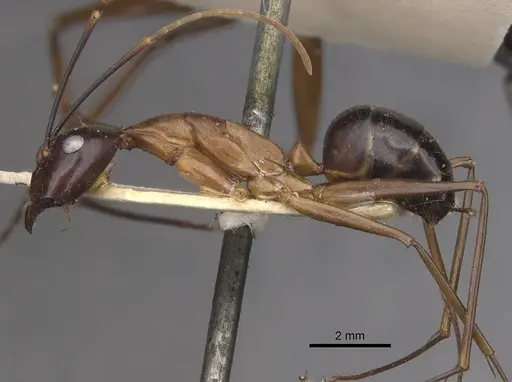
Camponotus festinus is a large, glossy black ant native to the Indomalaya region, found across Borneo, India, Indonesia, Malaysia, Myanmar, and southern China. Workers measure 6-10mm while queens reach an impressive 19-21mm, making them one of the larger Camponotus species in the region. The species is strictly nocturnal, with workers emerging at night to forage while remaining hidden during daylight hours [1]. This ant inhabits tropical rainforest environments where it typically nests in rotting wood or under bark. The species shows remarkable adaptability, being recorded in both primary forests and disturbed secondary forest areas, and has even been found in urban areas like Delhi and Haryana in India [2].
Quick Summary
- Difficulty: Medium
- Origin & Habitat: Tropical rainforest regions of Southeast Asia, including Borneo, Java, Sumatra, Malaysia, Myanmar, and southern China. Found from sea level up to moderate elevations in moist forest habitats.
- Colony Type: Likely monogyne (single queen colonies) based on typical Camponotus patterns. Multiple subspecies exist across its range including C. f. cetegus, C. f. diligens, C. f. eximius, C. f. inezae, and C. f. simaluranus.
- Colony: Monogyne
- Founding: Claustral
- Size & Growth:
- Queen: 19-21mm (9-10 lines) [3]
- Worker: 6-10mm [3]
- Colony: Unknown for this specific species, likely reaches several hundred workers based on typical Camponotus colony development
- Growth: Moderate, typical for larger Camponotus species
- Development: Estimated 8-12 weeks at optimal temperature based on typical Camponotus development patterns (Larger Camponotus species typically have slower development than smaller ants. First workers (nanitics) are smaller but should emerge within 2-3 months under warm conditions.)
- Antkeeping:
- Temperature: Keep at 24-28°C. As a tropical species from lowland rainforests, they need warm, stable temperatures. A heating cable on one side of the nest creates a gradient allowing workers to regulate their temperature [1].
- Humidity: Moderate to high humidity (60-80%). Keep the nest substrate consistently moist but not waterlogged. Provide a water tube for drinking water. Mist occasionally but allow surfaces to dry between mistings.
- Diapause: No, being a tropical species, they do not require hibernation. However, slight temperature reductions during winter months (down to around 22°C) may be appropriate if room temperature drops significantly.
- Nesting: In captivity, they do well in Y-tong (AAC) nests, plaster nests, or naturalistic setups with rotting wood pieces. They prefer dark, enclosed spaces. Provide chambers scaled to their large size with plenty of vertical space.
- Behavior: Strictly nocturnal, workers only become active after dark, which is unusual among ant species [1]. This means you won't see much activity during daylight hours. They are not aggressive and generally calm when disturbed. Their large size makes them easy to observe. Escape prevention is straightforward since they are not particularly adept at climbing smooth surfaces, though their size means they can push through loose connections. They are generalist foragers, collecting honeydew from aphids and hunting small insects.
- Common Issues: nocturnal activity pattern may disappoint keepers expecting daytime activity, they are essentially invisible during daylight hours, large queen size means founding colonies need spacious test tubes or founding chambers to prevent her from drowning in water reservoirs, tropical species are sensitive to temperature drops, keep well above room temperature in cooler climates, colonies may grow slowly during the first few months, which can test beginner patience, wild-caught colonies may contain parasites that can devastate captive colonies, quarantine and observe new colonies carefully
Housing and Nest Setup
Camponotus festinus does well in several nest types. Y-tong (AAC) nests work excellently because they provide the dark, enclosed environment these ants prefer. Plaster nests with built-in water channels maintain humidity well. For a naturalistic approach, use a soil-based setup with rotting wood pieces or cork bark. The key is providing chambers large enough for their substantial queen and eventually their colony. Since they are nocturnal, placing the nest in a dim or dark location encourages natural activity patterns. A simple outworld (foraging area) connected to the nest with tubing allows you to observe foraging without disturbing the colony. [1][3]
Feeding and Diet
Like most Camponotus species, C. festinus is a generalist feeder. They readily accept sugar sources including honey water, sugar water, and maple syrup. For protein, offer insects such as mealworms, small crickets, fruit flies, and other small arthropods. In nature, they forage for honeydew from aphids and scale insects, plus hunt small invertebrates. Feed them a few times per week, offer protein twice weekly and keep a sugar source constantly available. Remove uneaten prey after 24-48 hours to prevent mold. They are large ants so portions can be modest but substantial enough to feed the colony.
Temperature and Seasonal Care
Being a tropical species from Southeast Asia's rainforests, C. festinus needs warm conditions year-round. Maintain nest temperatures between 24-28°C. In temperate climates, use a heating cable or small heat mat on one side of the nest to create a temperature gradient. Never let temperatures drop below 20°C for extended periods. Unlike temperate species, they do not require a winter diapause. Their strictly nocturnal activity pattern is an innate trait, you cannot force daytime activity by lighting the colony. Simply accept that you will observe most activity in evening hours or under dim red light. [1]
Behavior and Observation
The most distinctive trait of C. festinus is its strict nocturnal activity [1]. Workers remain inside the nest during daylight hours and only emerge to forage after dark. This makes them less interactive than many ant species but still fascinating to observe during their active periods. They are not aggressive and will typically retreat rather than attack when disturbed. Their large size makes them easy to track and observe. They are generalist foragers that will explore their outworld systematically. Red light or very dim lighting allows observation of their natural nocturnal behavior without disrupting their activity patterns.
Colony Development
Founding colonies start with a claustral queen who seals herself in a chamber and raises her first brood without leaving to forage. She relies on stored fat reserves to produce eggs and feed larvae. The first workers (nanitics) are smaller than mature workers but will begin foraging once they emerge. After the nanitics develop, the colony typically grows steadily if given proper warmth and food. Larger Camponotus species like C. festinus tend to grow more slowly than smaller ants, expect the first year to focus on establishing a modest worker count. Patience is key with this species.
Frequently Asked Questions
Why is my Camponotus festinus colony never active during the day?
This species is strictly nocturnal, it's not a behavior problem, it's their natural pattern [1]. Workers only forage and move around after dark. You may see some activity at dawn or dusk, but daytime activity is unusual. Use dim red light if you want to observe them without disrupting their natural cycle.
How long does it take for Camponotus festinus to produce first workers?
Expect 8-12 weeks from egg to first worker at optimal temperature (24-28°C). This is typical for larger Camponotus species. The queen is claustral, she seals herself in and raises the first brood alone using stored fat reserves. Larger species like this often develop more slowly than smaller ants.
What temperature do Camponotus festinus ants need?
Keep them at 24-28°C. As a tropical species from Southeast Asian rainforests, they need consistent warmth. Use a heating cable on one side of the nest to create a gradient, or keep them in a warm room. Avoid temperatures below 20°C.
Are Camponotus festinus good for beginners?
They are intermediate in difficulty. They are forgiving of minor humidity fluctuations and not particularly aggressive, but their nocturnal habits and need for consistent warmth require some attention. Their large size makes them easy to observe and work with.
What do Camponotus festinus ants eat?
They are generalist feeders. Offer sugar water, honey, or maple syrup regularly. For protein, provide small insects like mealworms, crickets, or fruit flies. Feed protein 2-3 times per week and keep sugar available constantly.
How big do Camponotus festinus colonies get?
Colony size is not well documented for this specific species, but based on typical Camponotus patterns, they likely reach several hundred workers over several years. They are not among the largest Camponotus species but can still form substantial colonies.
Can I keep multiple Camponotus festinus queens together?
This species is likely monogyne (single queen colonies). Combining unrelated queens has not been documented and is not recommended. If you acquire a colony, it likely has one founding queen who will remain the sole reproductive once workers establish.
Do Camponotus festinus need hibernation?
No, as a tropical species from Southeast Asia, they do not require hibernation. Keep temperatures consistent year-round. Slight seasonal variation (a few degrees cooler in winter) is acceptable but not necessary.
References

This caresheet is licensed under CC BY-SA 4.0 .
ANTWEB1060105
View on AntWeb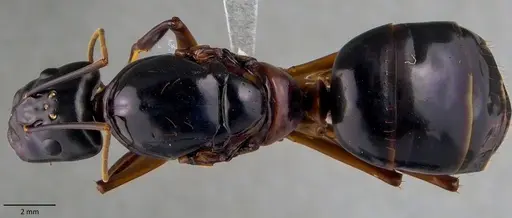
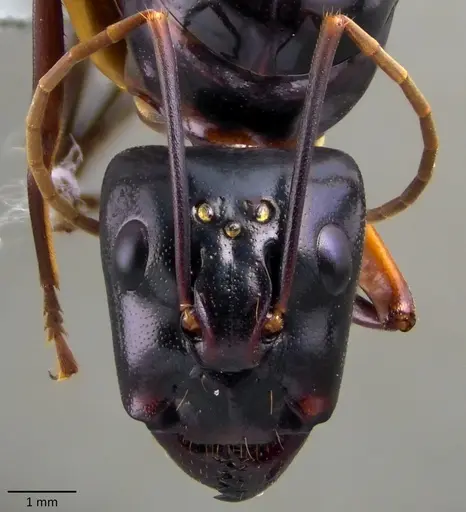
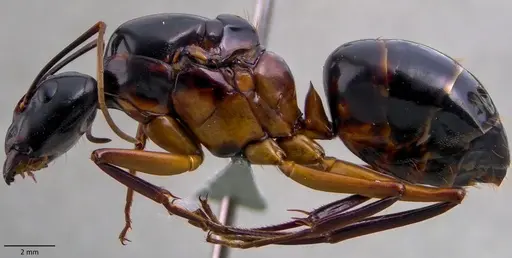
ANTWEB1060106
View on AntWeb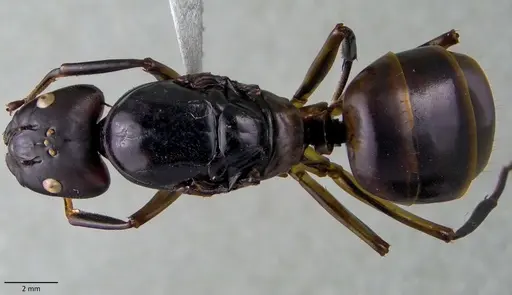
ANTWEB1060107
View on AntWeb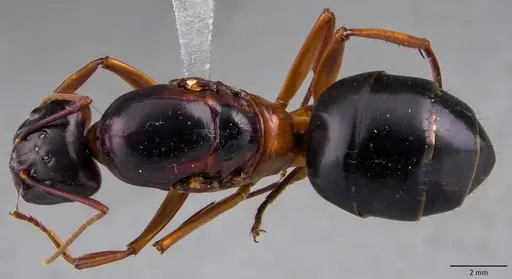
ANTWEB1060108
View on AntWeb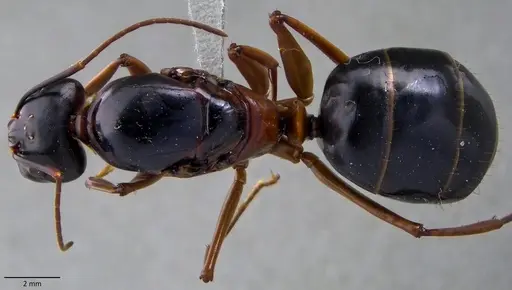
ANTWEB1060109
View on AntWeb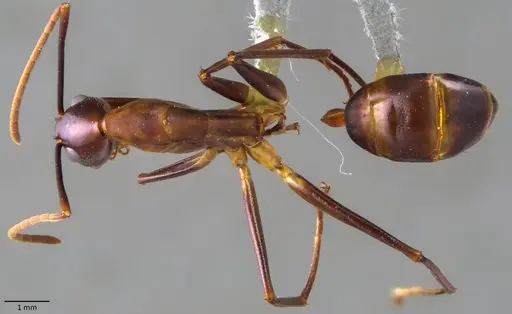
CASENT0882200
View on AntWeb
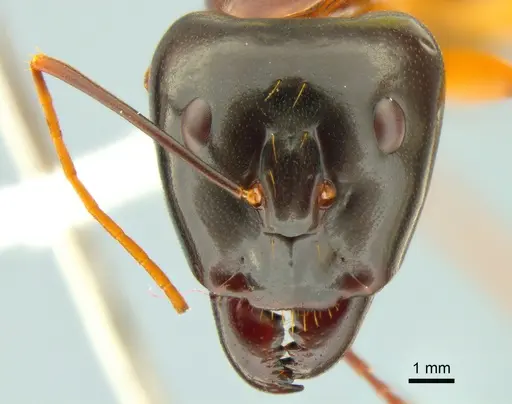
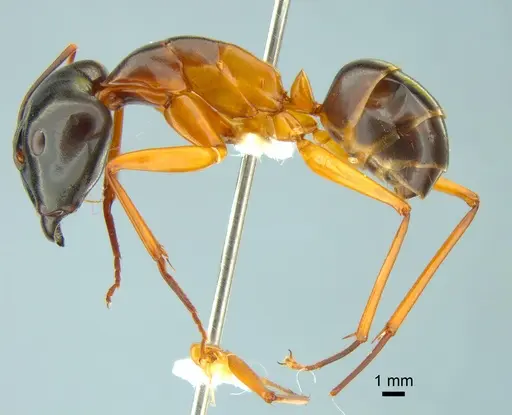
CASENT0901893
View on AntWeb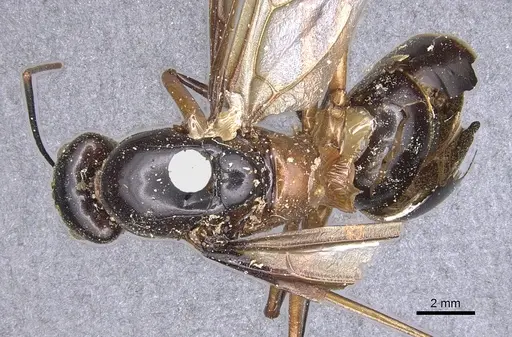
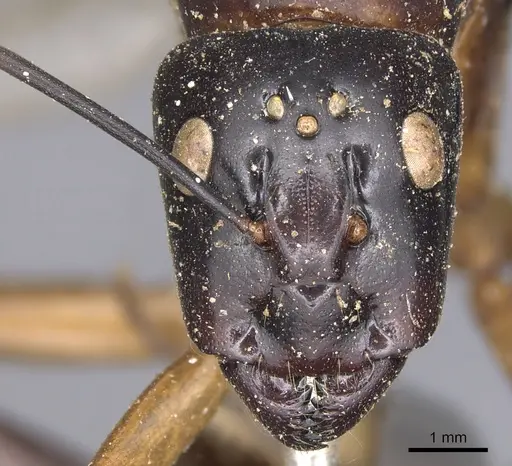
CASENT0901898
View on AntWeb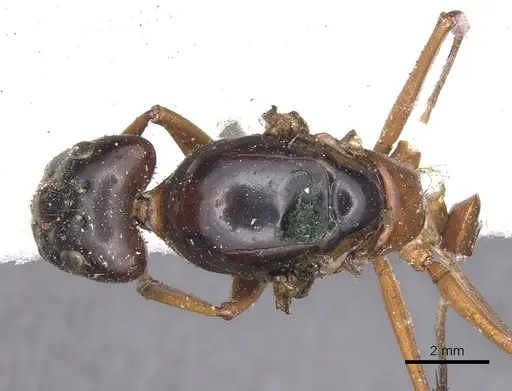
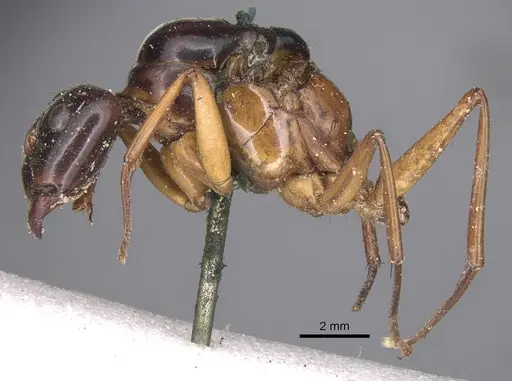
CASENT0905342
View on AntWeb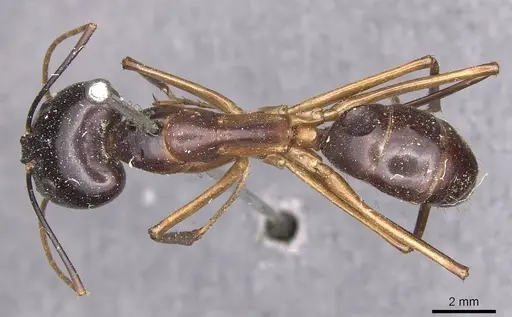
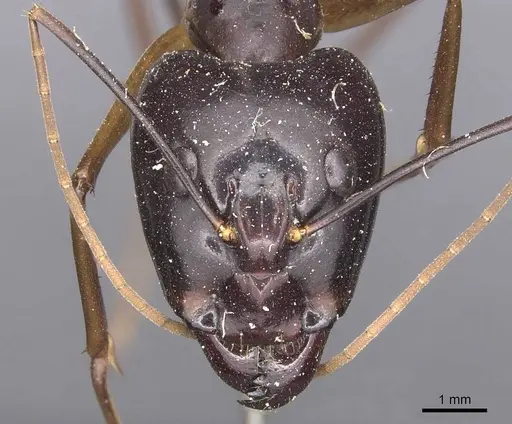
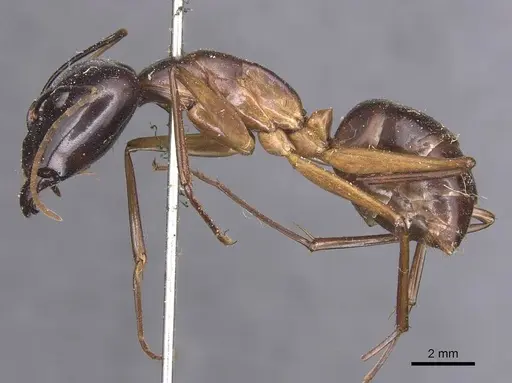
CASENT0905343
View on AntWeb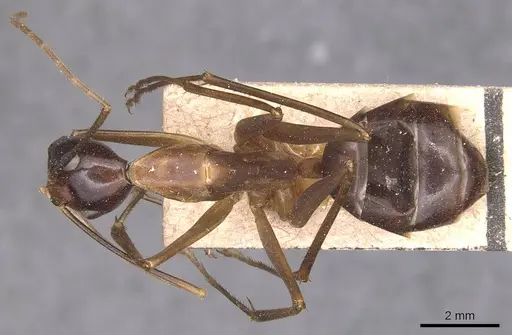
CASENT0906948
View on AntWeb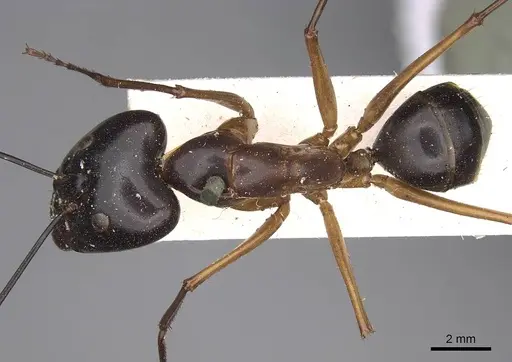
CASENT0906949
View on AntWeb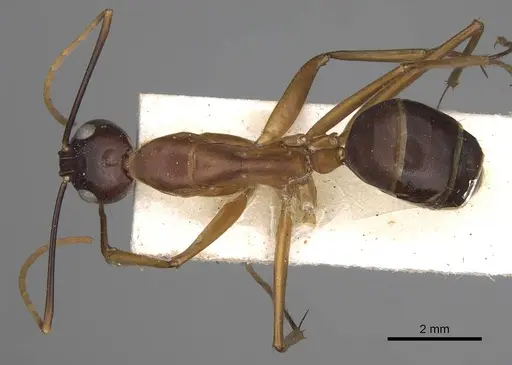
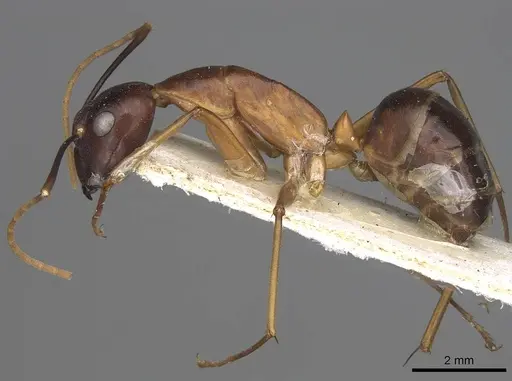
CASENT0910091
View on AntWeb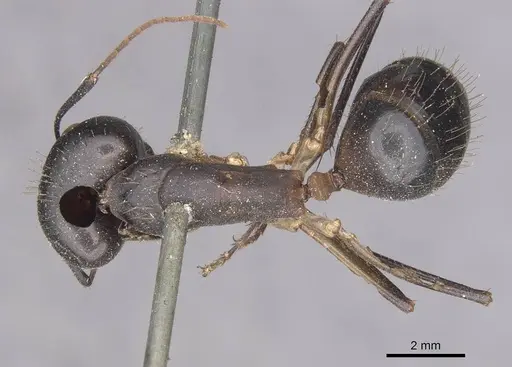
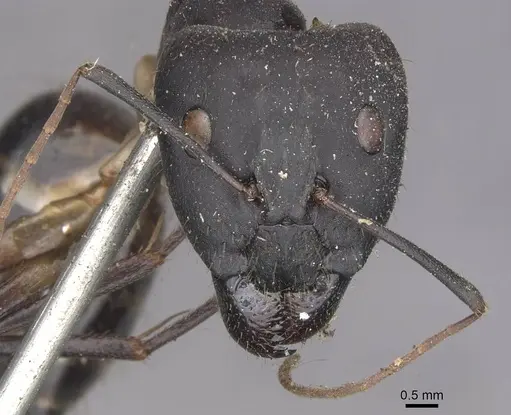
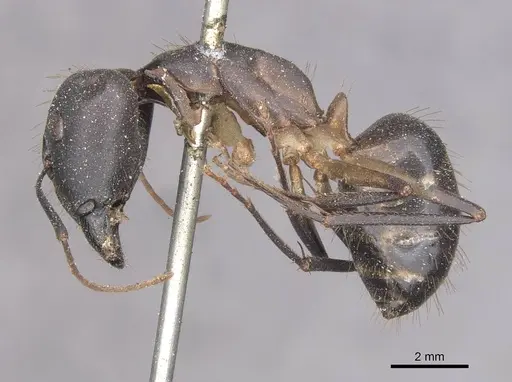
CASENT0910092
View on AntWeb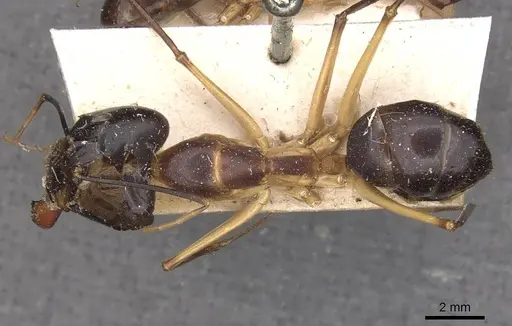
CASENT0910093
View on AntWeb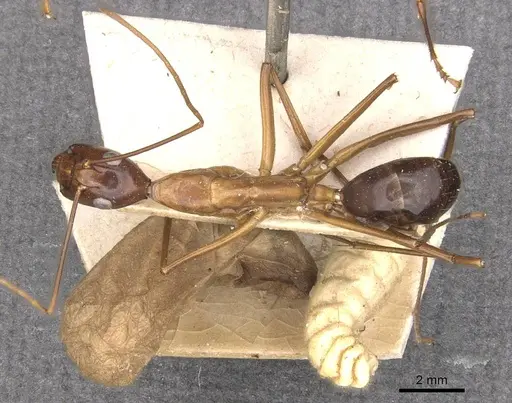
CASENT0910094
View on AntWeb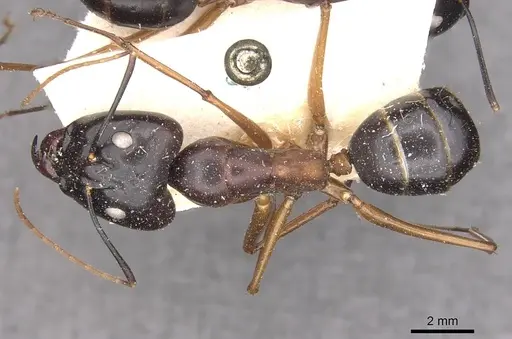
CASENT0910095
View on AntWeb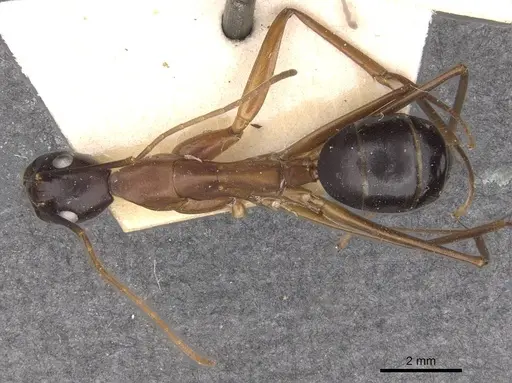
Literature
Loading...Loading products...