

Camponotus fedtschenkoi
- Scientific Name
- Camponotus fedtschenkoi
- Subgenus
- Tanaemyrmex
- Tribe
- Camponotini
- Subfamily
- Formicinae
- Author
- Mayr, 1877
- Distribution
- Found in 3 countries
Camponotus fedtschenkoi Overview
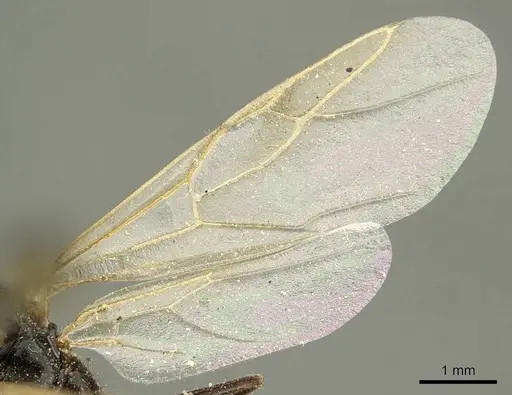
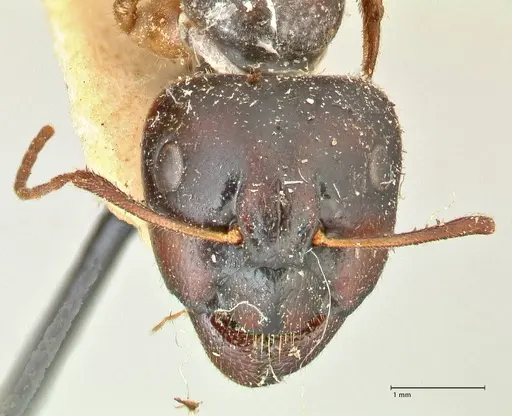
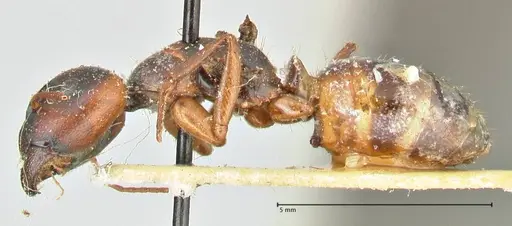
Camponotus fedtschenkoi is an ant species of the genus Camponotus. It is primarily documented in 3 countries , including Kazakhstan, Russian Federation, Uzbekistan. Detailed taxonomic data and occurrence records can be further explored via authoritative databases such as AntWeb or the Global Biodiversity Information Facility (GBIF).
Camponotus fedtschenkoi
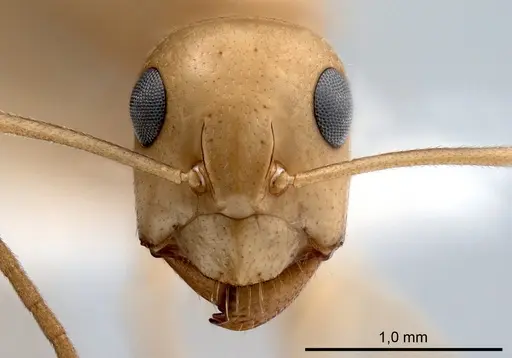
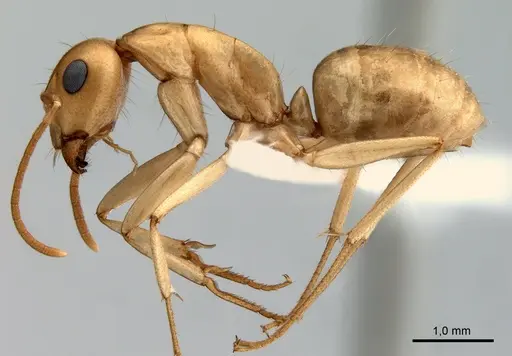
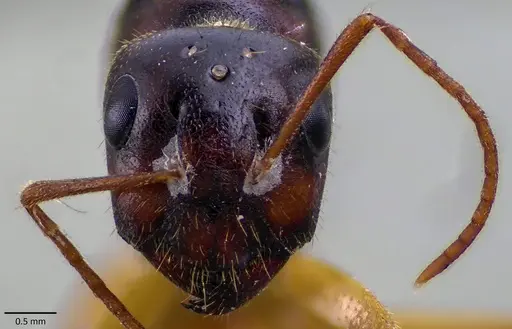
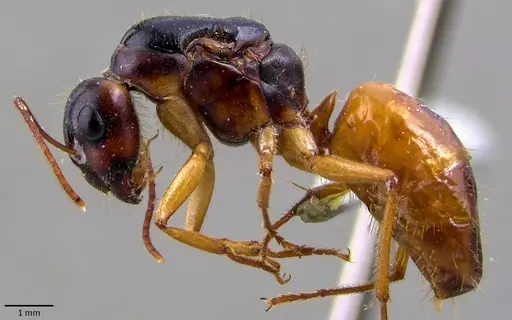
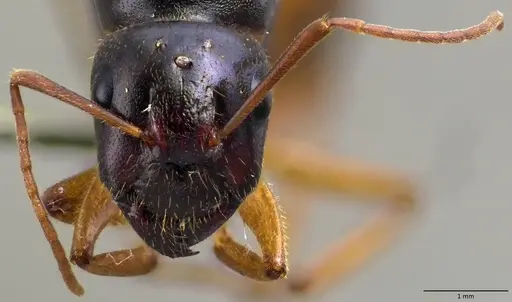
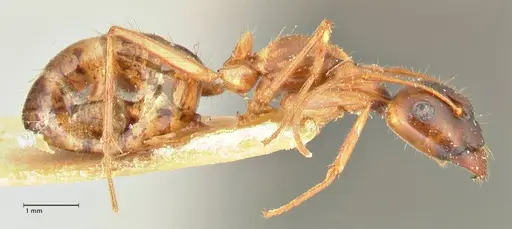
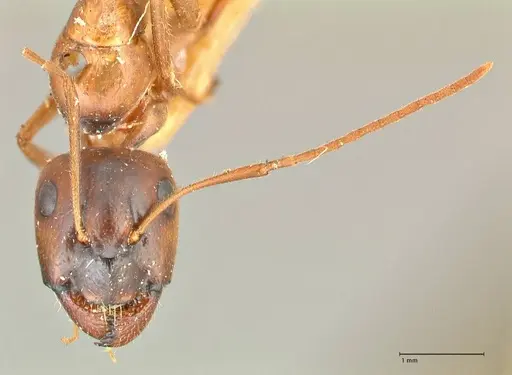
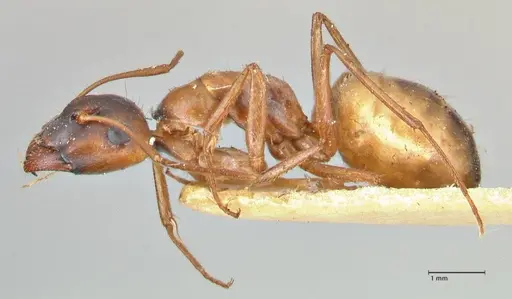
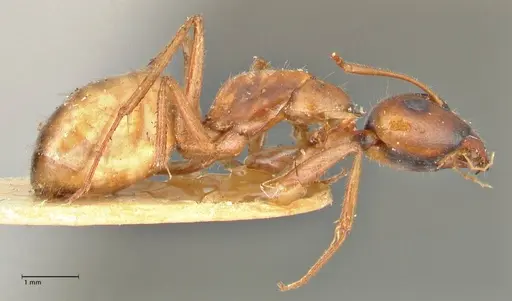
Camponotus fedtschenkoi is a medium-sized Camponotus species native to Central Asia and the Middle East, ranging from Turkey and Iran across to China. Workers are pale-colored and measure 4-10mm depending on caste (major and minor workers). This species belongs to the subgenus Tanaemyrmex, which includes many desert-adapted ants. Colonies are typically single-queen and build underground nests with tunnels extending up to 250-300cm deep, though most chambers concentrate in the upper half meter of soil. Workers are nocturnal predators, hunting alone at night for small insects and spiders. The species is well-adapted to hot, dry environments across its range in the Palaearctic region [1][2].
Quick Summary
- Difficulty: Easy
- Origin & Habitat: Central Asia and Middle East, Afghanistan, Armenia, Azerbaijan, China, Iran, Kazakhstan, Kyrgyzstan, Russia, Turkey, Turkmenistan, Uzbekistan. Inhabits dry steppe and desert habitats with wormwood-ephemeral plant associations and gravel-covered areas. Nests underground with surface horizontal tunnel systems [1].
- Colony Type: Single-queen colonies (monogyne). Colonies contain major and minor worker castes.
- Colony: Monogyne
- Founding: Claustral
- Size & Growth:
- Queen: Estimated 12-15mm based on typical Camponotus morphology
- Worker: 4-10mm (minor workers 4-6mm, major workers 8-10mm)
- Colony: Likely up to several thousand workers based on typical Camponotus growth patterns
- Growth: Moderate
- Development: Estimated 6-8 weeks at optimal temperature based on typical Camponotus development (Development time is typical for Camponotus species, claustral founding means queen raises first brood alone without foraging)
- Antkeeping:
- Temperature: Keep at 22-26°C. Provide a temperature gradient so ants can choose their preferred zone. This species tolerates warmer conditions given its desert origins [1].
- Humidity: Low to moderate. Keep nest substrate relatively dry, these are xerophile (dry-loving) ants from arid regions. Provide a small water tube but avoid excessive moisture [1].
- Diapause: Yes, this species experiences seasonal dormancy. Reduce temperature to 10-15°C for 2-3 months during winter, mimicking natural seasonal cycle in their native range.
- Nesting: Underground nests work best. Use a Y-tong (AAC) nest or plaster formicarium with chambers scaled to colony size. Provide deep substrate options (at least 10-15cm) as they naturally dig deep tunnels. A test tube setup works for founding colonies.
- Behavior: Generally calm and non-aggressive temperament. Workers are nocturnal and will forage at night if given the opportunity. They are active hunters, seeking small insects and arthropods. Major workers have larger heads for seed-crushing or defense. Escape risk is moderate, use standard barriers but no special escape prevention needed beyond standard measures. They can be kept in groups after founding but each queen should have her own setup initially.
- Common Issues: nocturnal activity may surprise keepers expecting daytime activity, this is normal behavior, colonies may be slow to establish during claustral founding, patience is required, overwatering can be fatal, these are desert-adapted ants that prefer dry conditions, wild-caught colonies may have parasites that affect survival in captivity, hibernation is required for long-term colony health, skipping winter rest may weaken colonies
Housing and Nest Setup
Camponotus fedtschenkoi does well in standard ant keeping setups. For founding colonies, a test tube setup works perfectly, queen seals herself in a dark chamber and raises her first brood there. Once you have 10-20 workers, you can move to a Y-tong (AAC) nest or plaster formicarium. These ants naturally build deep underground nests, so providing deeper substrate or chambers gives them natural enrichment. A small water tube connected to the nest helps maintain minimal humidity without creating damp conditions. Keep the outworld simple, a foraging area where you can offer food is all they need. Avoid overly moist setups, these are desert-adapted ants that prefer drier conditions than many other ant species. [1][2]
Feeding and Diet
In the wild, C. fedtschenkoi is a nocturnal zoophage, meaning it hunts small insects and spiders at night. In captivity, they readily accept protein sources like mealworms, small crickets, and other small insects. Offer protein prey 2-3 times per week, adjusting based on colony size. They also accept sugar sources like honey water or sugar water, though protein is the primary dietary need for this predatory species. Remove uneaten prey after 24-48 hours to prevent mold. Fresh water should always be available. Unlike some ants, they are not particularly attracted to sweet fruits, focus on protein-rich foods. [1]
Temperature and Seasonal Care
Maintain temperatures between 22-26°C for optimal colony growth. These ants originate from hot, arid regions of Central Asia, so they can tolerate warmer conditions quite well. A temperature gradient allows workers to self-regulate, some keepers use a heating cable on one side of the nest. During winter, provide a diapause (hibernation) period of 2-3 months at 10-15°C. This mimics the seasonal cycle they experience in their native range and is important for long-term colony health. Reduce feeding during hibernation and keep the colony in a cool, dark location like a basement or refrigerator (if properly monitored). [1][2]
Behavior and Activity Patterns
One distinctive trait of C. fedtschenkoi is its nocturnal lifestyle. Workers forage at night, hunting solo for small insects and spiders. They can travel considerable distances from their nest while foraging. In captivity, you may notice increased activity in the evening and overnight hours, this is completely normal. The species has two worker castes: smaller minor workers handle most foraging and brood care, while larger major workers assist with defense and seed processing. Colonies are generally calm and not particularly aggressive. They are not known for stinging, though major workers could theoretically bite if threatened. [1][2]
Colony Development
Like most Camponotus species, C. fedtschenkoi has claustral founding, the queen seals herself into a chamber and raises the first brood entirely on her own, using stored fat reserves. This means you should not disturb a founding queen or offer food during this phase. First workers (nanitics) are typically smaller and appear within 6-8 weeks under warm conditions. After the first workers emerge, the queen resumes egg-laying and colony growth accelerates. A mature colony can contain several thousand workers across multiple year-classes. Growth rate is moderate, expect 1-2 years to reach 100 workers, with faster growth thereafter. [1]
Frequently Asked Questions
How long does it take for Camponotus fedtschenkoi to produce first workers?
Expect first workers (nanitics) to emerge in 6-8 weeks after the queen lays eggs, assuming temperatures around 24-26°C. The exact timing depends on temperature, warmer conditions slightly accelerate development, while cooler temperatures slow it down.
What do I feed Camponotus fedtschenkoi?
They are nocturnal predators. Offer small insects like mealworms, fruit flies, or small crickets 2-3 times per week. They also accept sugar water or honey as an energy source. Protein is the most important dietary component for this species.
Do Camponotus fedtschenkoi need hibernation?
Yes, they require a winter diapause. Reduce temperatures to 10-15°C for 2-3 months during winter. This mimics their natural seasonal cycle in Central Asia and is important for colony health and longevity.
Are Camponotus fedtschenkoi good for beginners?
Yes, this is a good beginner species. They are relatively hardy, tolerate dry conditions well, and have straightforward care requirements. The main challenges are their nocturnal activity (which may surprise beginners) and the need for winter hibernation.
How big do Camponotus fedtschenkoi colonies get?
Mature colonies can reach several thousand workers. Growth is moderate, expect 6-12 months to reach 50-100 workers, with faster growth thereafter as the colony establishes.
When do Camponotus fedtschenkoi have nuptial flights?
In the wild, nuptial flights occur in late April to early May in northern parts of their range (Karakum desert), and mid-March in southern areas (Western Kopetdag). In captivity, timing depends on seasonal conditions and hibernation cycles.
Can I keep multiple Camponotus fedtschenkoi queens together?
This species is monogyne, colonies have a single queen. Multiple unrelated queens will fight. If you catch a dealate queen during nuptial flights, house her alone in a test tube for claustral founding.
Why are my Camponotus fedtschenkoi only active at night?
This is normal behavior, C. fedtschenkoi is nocturnal in the wild. Workers forage at night for insects and spiders. In captivity, they will show increased activity in evening hours. This is not a problem but simply their natural rhythm.
What humidity level do Camponotus fedtschenkoi need?
Keep humidity low to moderate. These are xerophile (dry-loving) ants from arid regions. Avoid damp conditions, a small water tube is sufficient. The nest substrate should be relatively dry, not wet or waterlogged.
References

This caresheet is licensed under CC BY-SA 4.0 .
ANTWEB1008054
View on AntWeb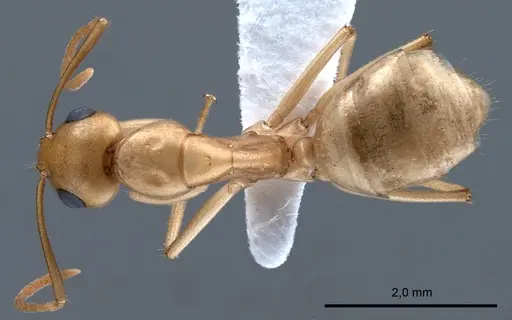
ANTWEB1041864
View on AntWeb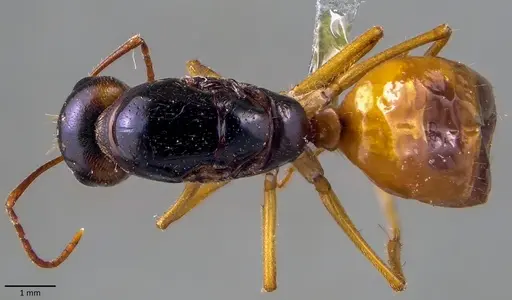
ANTWEB1060027
View on AntWeb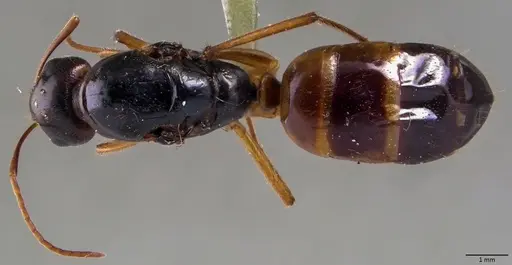
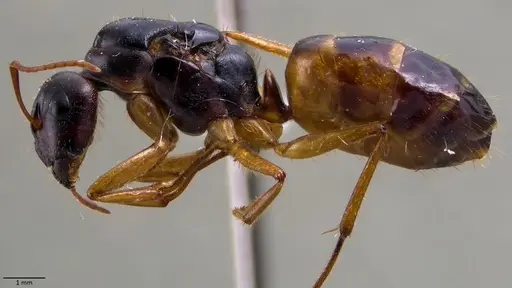
CASENT0915677
View on AntWeb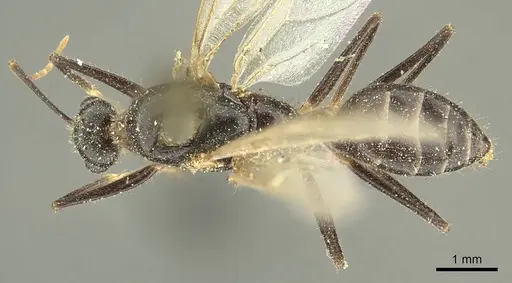
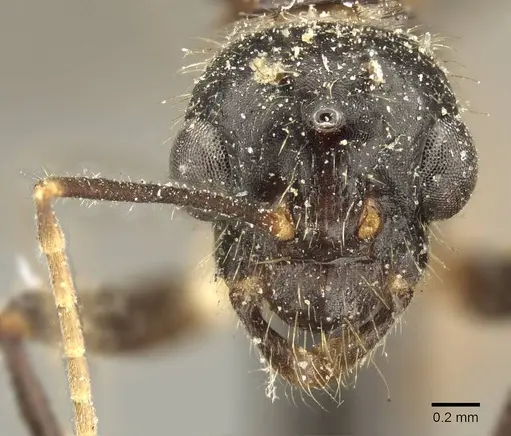
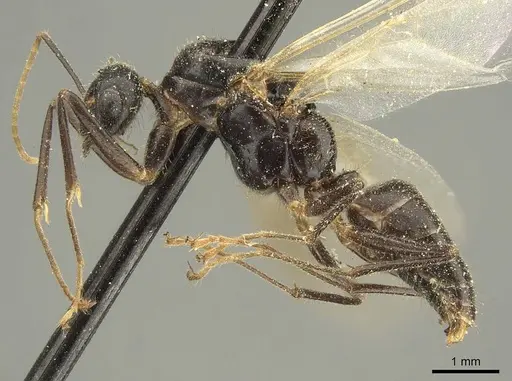
FOCOL2411
View on AntWeb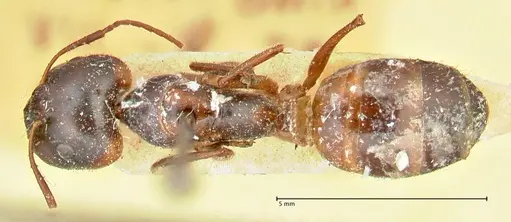
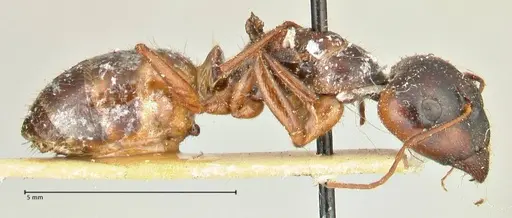
FOCOL2412
View on AntWeb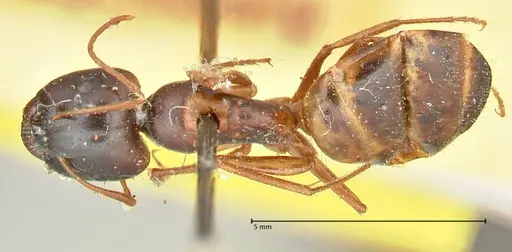
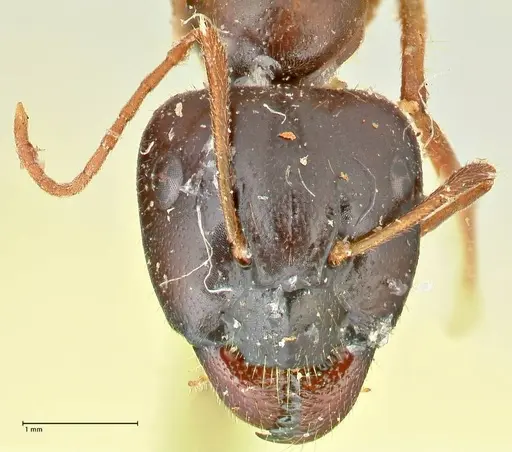
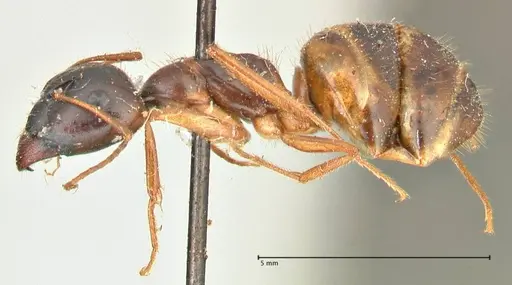
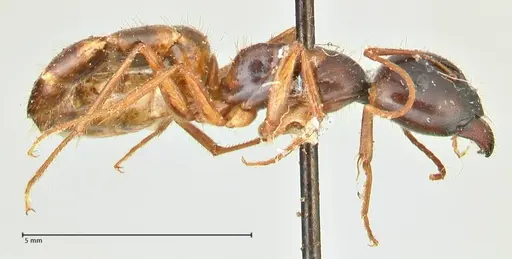
FOCOL2413
View on AntWeb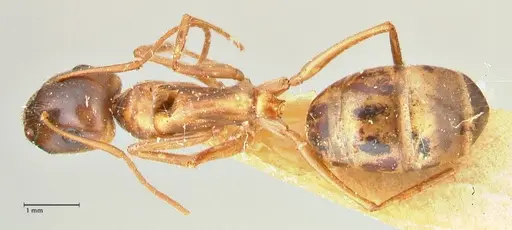
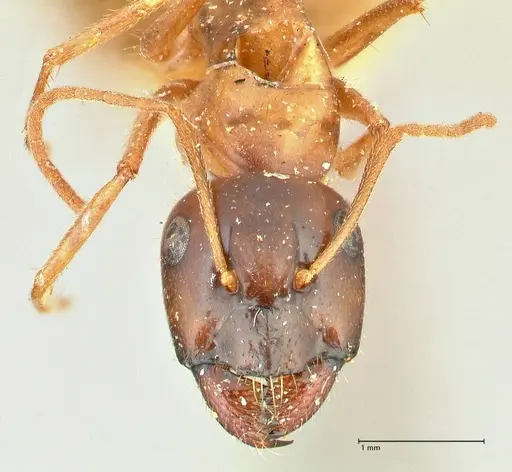
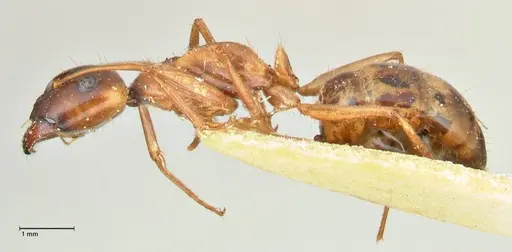
FOCOL2414
View on AntWeb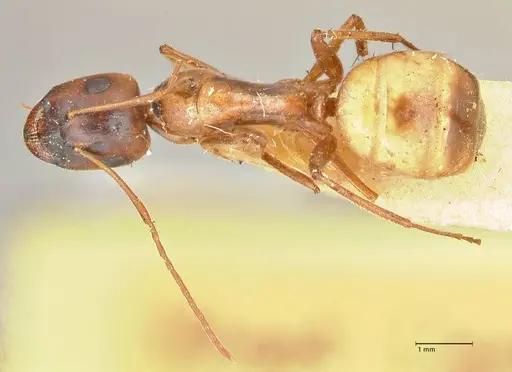
Literature
Loading...Loading products...