

Camponotus excisus
- Scientific Name
- Camponotus excisus
- Subgenus
- Myrmobrachys
- Tribe
- Camponotini
- Subfamily
- Formicinae
- Author
- Mayr, 1870
- Distribution
- Found in 7 countries
Camponotus excisus Overview
Camponotus excisus is an ant species of the genus Camponotus. It is primarily documented in 7 countries , including Brazil, Colombia, Costa Rica. Detailed taxonomic data and occurrence records can be further explored via authoritative databases such as AntWeb or the Global Biodiversity Information Facility (GBIF).
Camponotus excisus
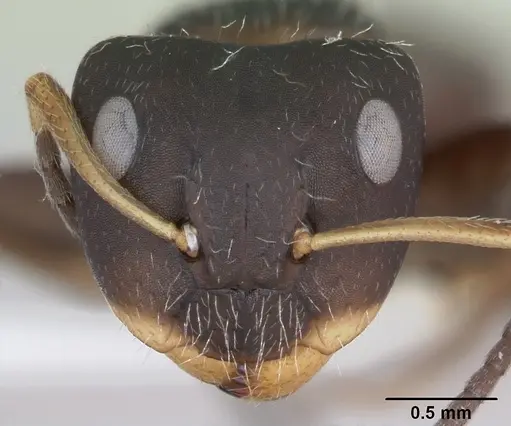
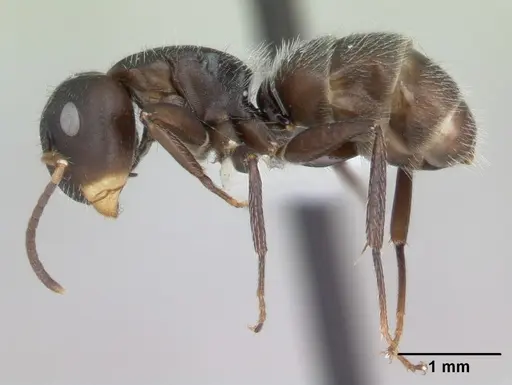
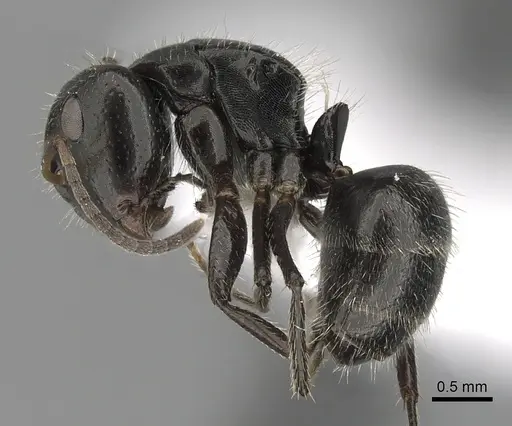
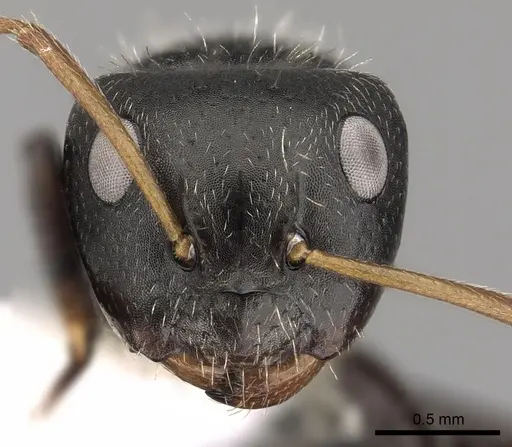
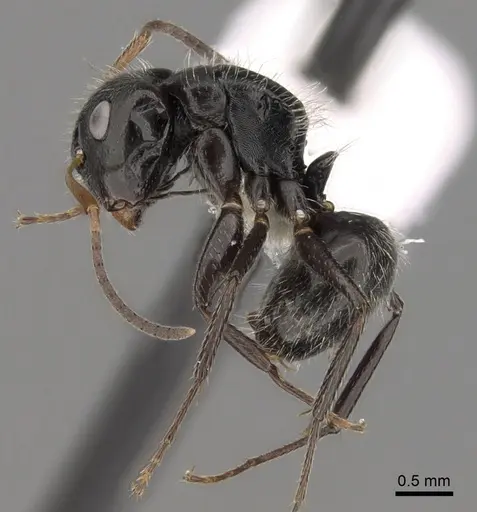
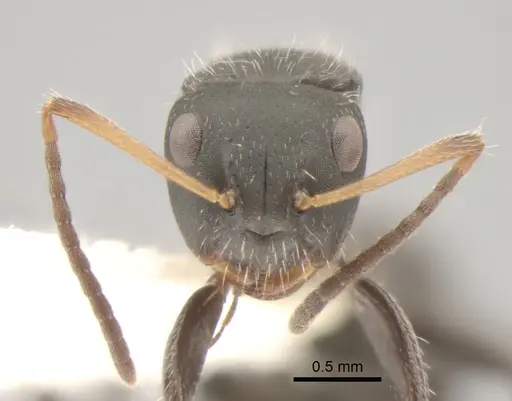
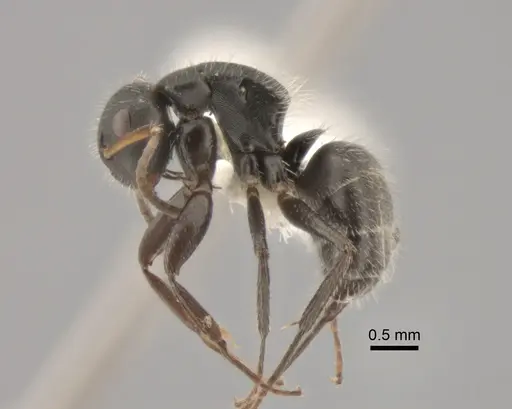
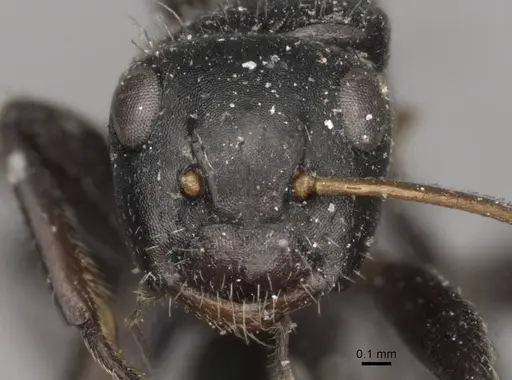
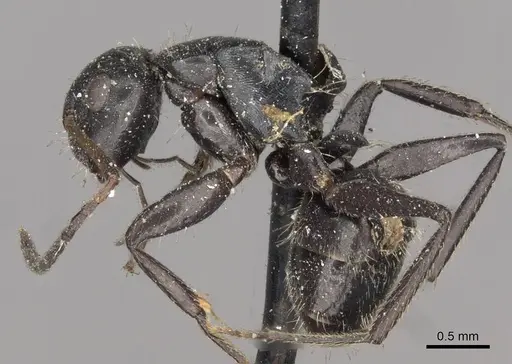
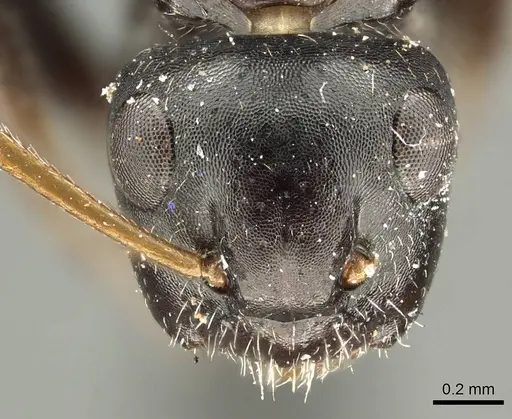
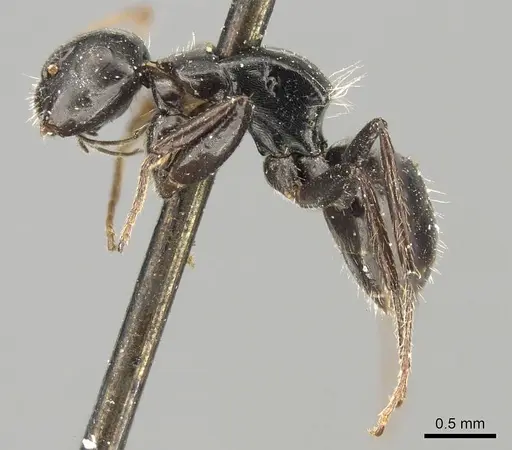
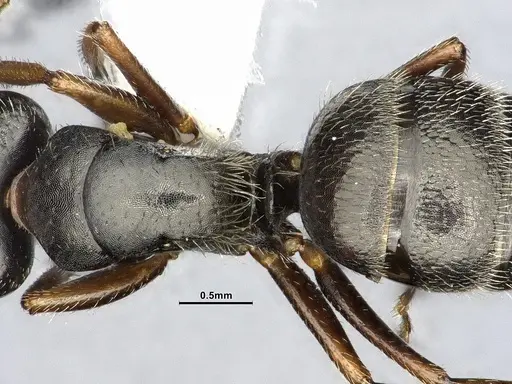
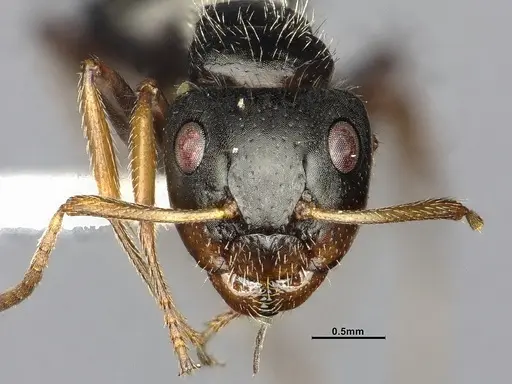
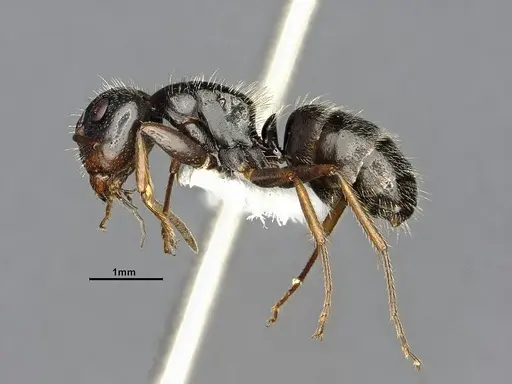
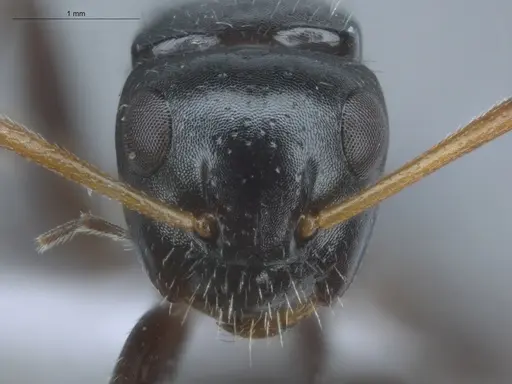
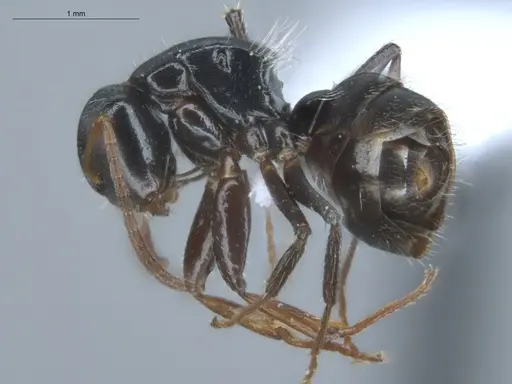
Camponotus excisus is a small to medium-sized ant native to the Neotropics, ranging from Mexico down to Paraguay [1]. Workers measure 3.3-4mm and are mostly black or dark reddish, with the front part of the head reddish brown to pale yellow. Their gaster has a distinctive silver-white pubescence that gives them a slightly fuzzy appearance [1]. This species belongs to the subgenus Myrmobrachys, which are arboreal ants that nest in hollow twigs and branches rather than in the ground [1].
What makes C. excisus interesting is its arboreal lifestyle, unlike many Camponotus that nest in soil or rotting wood, this species specifically colonizes empty plant stems in trees. They are very common throughout Colombia and have been documented in diverse habitats from pristine tropical forests to disturbed areas [1]. Their small size and arboreal nesting make them a distinctive member of the carpenter ant family.
Quick Summary
- Difficulty: Medium
- Origin & Habitat: Neotropical region, Mexico to Paraguay, with strong presence in Colombia, Brazil, Costa Rica, Panama, and surrounding countries. Found in tropical forests at elevations up to 980m, nesting in empty stems in trees [1][2].
- Colony Type: Likely single-queen colonies (monogyne), which is typical for the genus Camponotus. Colony size appears moderate for a Myrmobrachys species.
- Colony: Monogyne
- Founding: Claustral
- Size & Growth:
- Queen: Estimated 8-12mm based on typical Camponotus genus patterns
- Worker: 3.3-4mm [3][1]
- Colony: Likely several hundred workers based on related Myrmobrachys species
- Growth: Moderate, typical for tropical Camponotus
- Development: Estimated 6-8 weeks at optimal tropical temperatures based on genus patterns (Development likely faster than temperate Camponotus due to tropical origin)
- Antkeeping:
- Temperature: Keep at 24-28°C, they are a tropical species that needs warmth [1]. A heating cable on one side of the nest creates a gradient and helps maintain these temperatures.
- Humidity: Moderate to high, they come from tropical forests. Keep nest substrate slightly moist but not waterlogged. Mist occasionally and provide a water source.
- Diapause: No, as a tropical species, they do not require hibernation. Keep temperatures stable year-round.
- Nesting: Arboreal nesting preference means they do well in Y-tong (AAC) nests, acrylic nests, or test tube setups with access to vertical space. They prefer narrow chambers that mimic their natural hollow stem habitat. Provide twigs or small diameter tubes as founding options.
- Behavior: Generally calm and non-aggressive for a Camponotus species. Workers are small but active foragers. They are not known to be particularly defensive and rarely sting. Their small size (3.3-4mm) means escape prevention is important, they can slip through small gaps. They are arboreal by nature so they will climb readily. They accept sugar water and protein sources readily.
- Common Issues: small worker size means escape prevention must be excellent, use fine mesh barriers, tropical species requires consistent warmth, cold temperatures can slow or stop brood development, arboreal nesting means they need vertical space and climbing structures, colonies may be slow to establish initially, patience is needed during founding, wild-caught colonies may carry parasites that can cause colony loss
Nest Preferences and Housing
Camponotus excisus is an arboreal species that naturally nests in hollow twigs, dead branches, and empty plant stems in trees [1]. In captivity, they do well in Y-tong (AAC) nests, acrylic formicaria, or test tube setups. The key is providing narrow chambers and passages that mimic their natural hollow stem habitat. They prefer some vertical space since they are tree-nesting ants. A test tube setup works well for founding colonies, use a small diameter tube (around 1cm or less) to match the natural stem sizes they would occupy in the wild. Once the colony grows, you can move them to a formicarium with multiple connected chambers. Avoid large, open spaces, they feel more secure in tight, enclosed areas.
Feeding and Diet
Like other Camponotus species, C. excisus is omnivorous. They readily accept sugar sources including sugar water, honey, or diluted maple syrup. For protein, offer small insects like fruit flies, small crickets, mealworms, or other appropriately-sized prey. In the wild, they likely forage for honeydew from aphids and scale insects, plus small arthropods. Feed them a few times per week, offer sugar constantly (a cotton ball with sugar water works well) and protein every 2-3 days. Remove uneaten prey after 24 hours to prevent mold. Their small size means prey items should be appropriately sized, tiny insects work better than large ones.
Temperature and Seasonal Care
As a tropical species from the Neotropics, C. excisus needs warm temperatures to thrive. Keep the nest area at 24-28°C [1]. A heating cable placed on one side of the nest creates a temperature gradient that lets the ants choose their preferred warmth. They do not require hibernation or diapause, maintaining stable tropical temperatures year-round is best. Avoid temperatures below 20°C for extended periods as this can slow their metabolism and brood development. Room temperature in most homes (22-25°C) is usually suitable, but you may need to add gentle heating during cooler months.
Humidity and Water
C. excisus comes from tropical forests where humidity is moderate to high. Keep the nest substrate slightly moist but not waterlogged. A test tube setup with a water reservoir (the standard cotton-ball-in-water method) provides adequate humidity through evaporation. For formicaria, mist the nest occasionally and ensure the substrate has some moisture. They also need a constant water source, a shallow water dish or damp cotton ball. The key is balance: too dry and they desicate, too wet and you risk mold. Provide a humidity gradient so they can choose their preferred conditions.
Behavior and Colony Dynamics
This is a calm, relatively non-aggressive species. Workers are small (3.3-4mm) but active and will readily explore their environment. They are arboreal by nature, so they climb well and prefer to travel along branches, twigs, and other elevated paths. They are not known for being particularly defensive or for stinging. Colonies grow at a moderate pace, expect several months from founding to the first workers (nanitics), then steady growth afterward. The colony will likely reach several hundred workers over time. Queens are long-lived, as is typical for Camponotus, so this can be a long-term colony if well cared for. [1][3]
Frequently Asked Questions
How long does it take for Camponotus excisus to have first workers?
Expect first workers (nanitics) in about 6-8 weeks at optimal tropical temperatures (24-28°C). This is based on typical Camponotus development patterns since specific timing for this species hasn't been documented.
Can I keep Camponotus excisus in a test tube?
Yes, test tubes work well for founding colonies. Use a small diameter tube (around 1cm or less) to mimic the hollow stems they naturally nest in. Keep the water reservoir filled and maintain temperatures around 24-28°C.
What do Camponotus excisus eat?
They accept sugar water, honey, or maple syrup for carbohydrates. For protein, offer small insects like fruit flies, small crickets, or mealworms. Feed sugar constantly and protein every few days.
Are Camponotus excisus good for beginners?
They are intermediate in difficulty. They are calmer than some ants but their small size and arboreal nature require attention to escape prevention and proper housing. They are rewarding to keep once you understand basic ant care.
Do Camponotus excisus need hibernation?
No, they are a tropical species and do not require hibernation. Keep temperatures stable at 24-28°C year-round. Avoid cold temperatures that could slow their metabolism.
How big do Camponotus excisus colonies get?
Based on related Myrmobrachys species, colonies likely reach several hundred workers. They are not among the largest Camponotus but can still be substantial colonies over time.
Why are my Camponotus excisus escaping?
Their small worker size (3.3-4mm) means they can slip through tiny gaps. Use fine mesh on all openings, apply fluon or barrier gel to smooth surfaces, and ensure all connections are tight. Escape prevention is critical with this species.
When should I move Camponotus excisus to a formicarium?
Move them when the test tube becomes crowded or the water reservoir needs frequent refilling. For Myrmobrachys species, providing a formicarium with narrow chambers and some vertical climbing space works well.
Can I keep multiple Camponotus excisus queens together?
This is not recommended. Camponotus are typically monogyne (single queen) species. Combining unrelated queens has not been documented for this species and would likely result in fighting.
References

This caresheet is licensed under CC BY-SA 4.0 .
CASENT0173414
View on AntWeb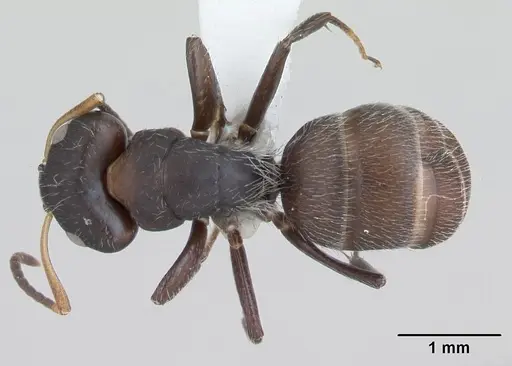
CASENT0173415
View on AntWeb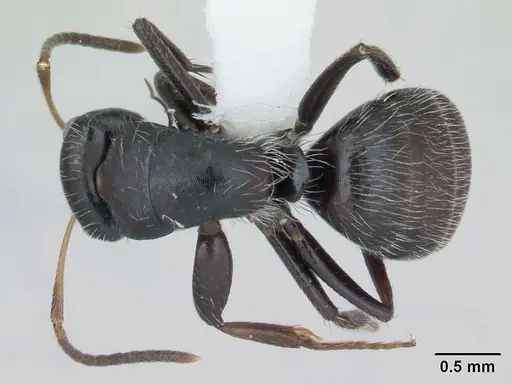
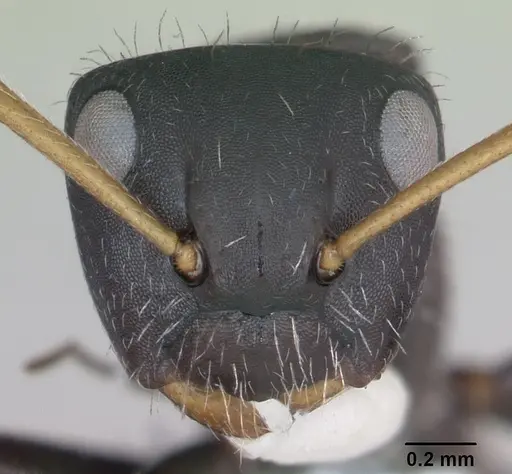
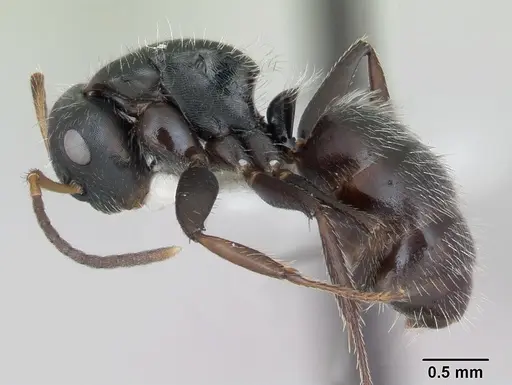
CASENT0280104
View on AntWeb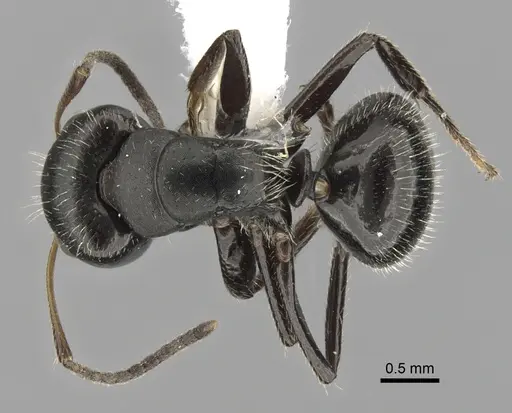
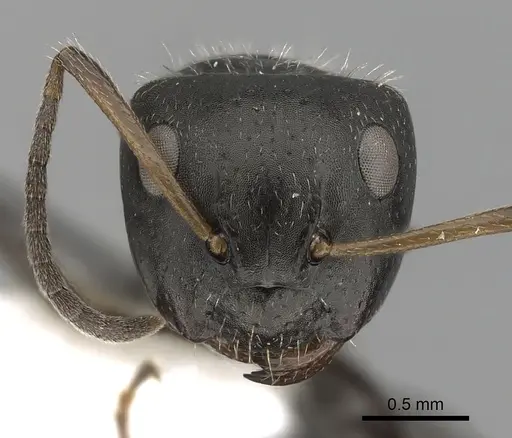
CASENT0280131
View on AntWeb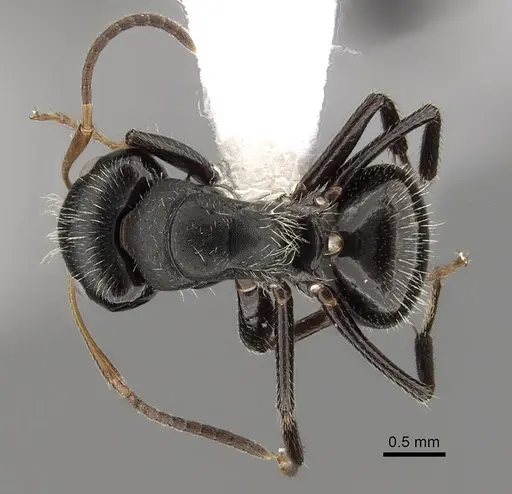
CASENT0882310
View on AntWeb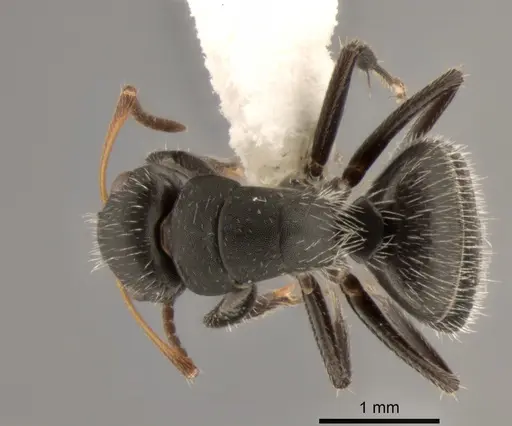
CASENT0910697
View on AntWeb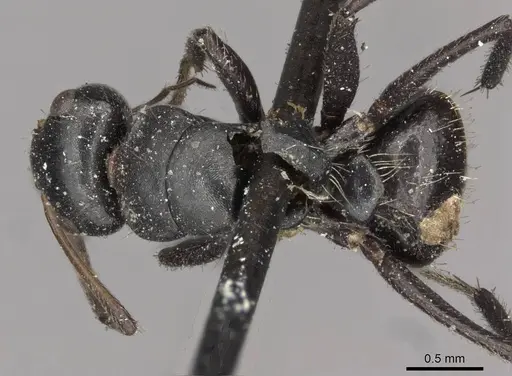
CASENT0915794
View on AntWeb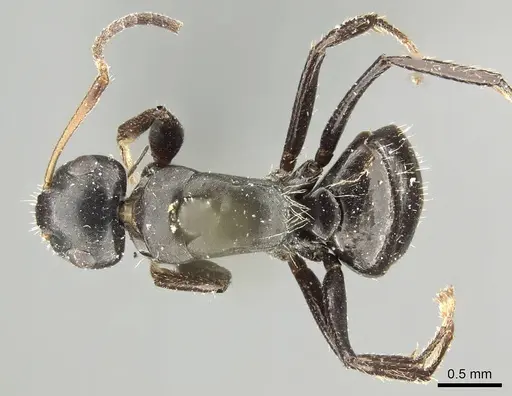
CASENT0923531
View on AntWeb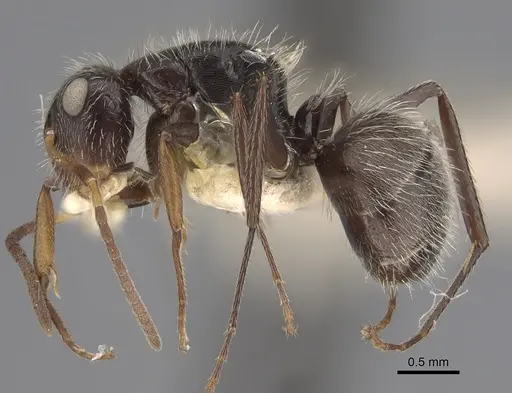
CASENT4032232
View on AntWeb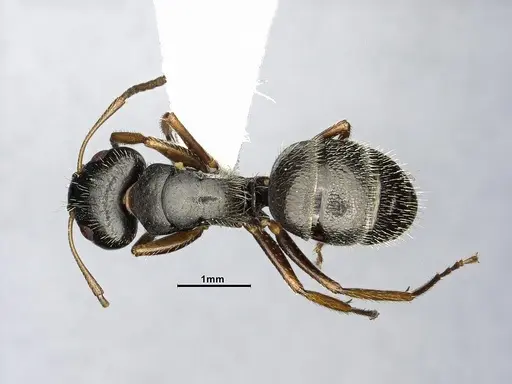
ECOFOG-IT14-0813-52
View on AntWeb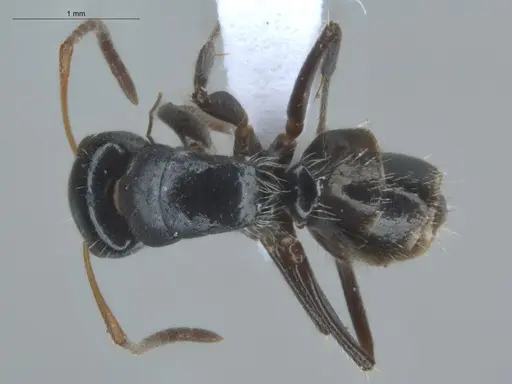
Literature
Loading...Loading products...