

Camponotus evae
- Scientific Name
- Camponotus evae
- Subgenus
- Thlipsepinotus
- Tribe
- Camponotini
- Subfamily
- Formicinae
- Author
- Forel, 1910
- Distribution
- Found in 1 countries
Camponotus evae Overview
Camponotus evae is an ant species of the genus Camponotus. It is primarily documented in 1 countries , including Australia. Detailed taxonomic data and occurrence records can be further explored via authoritative databases such as AntWeb or the Global Biodiversity Information Facility (GBIF).
Camponotus evae
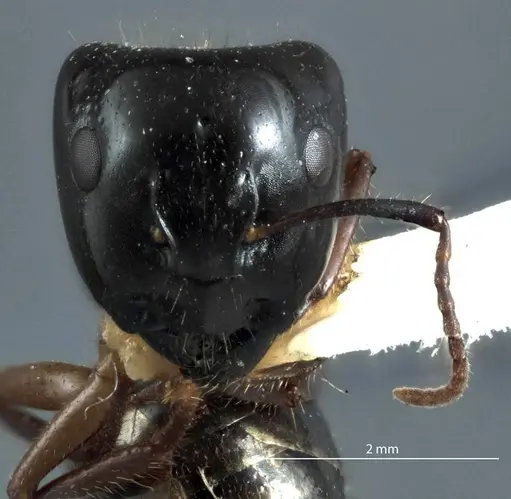
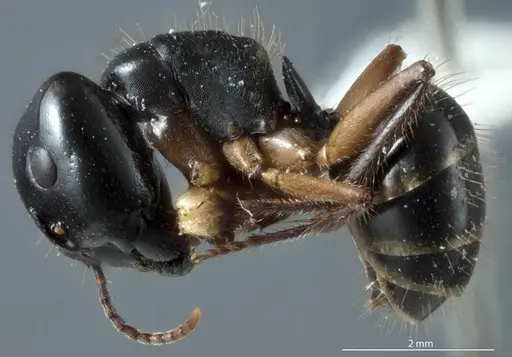
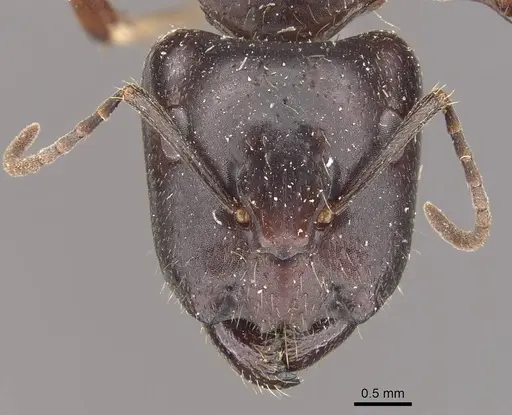
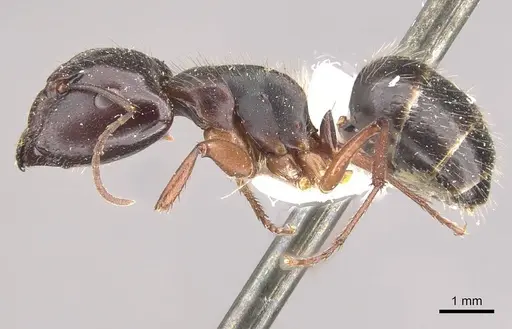
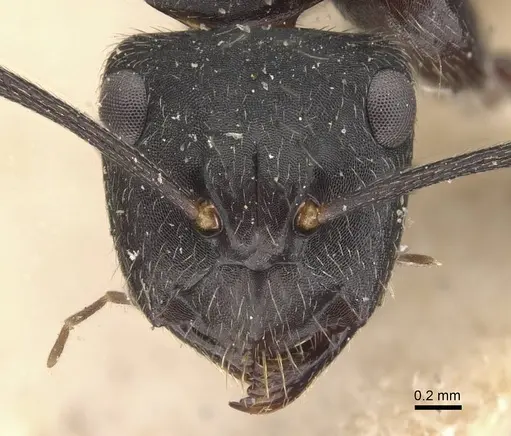
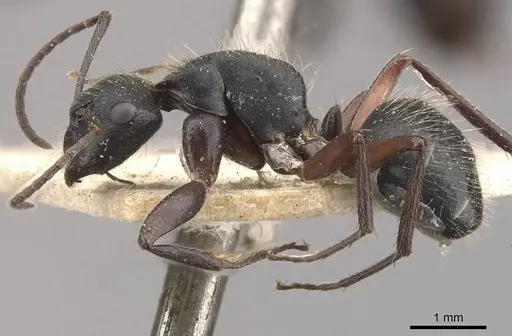
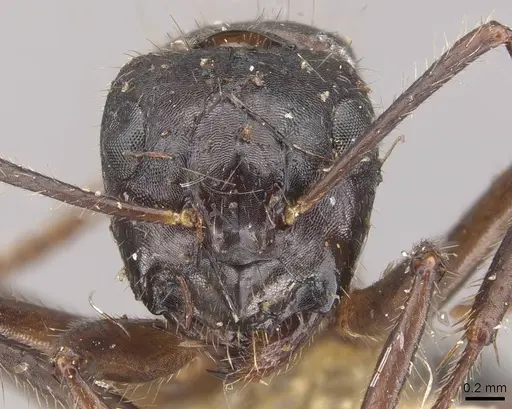
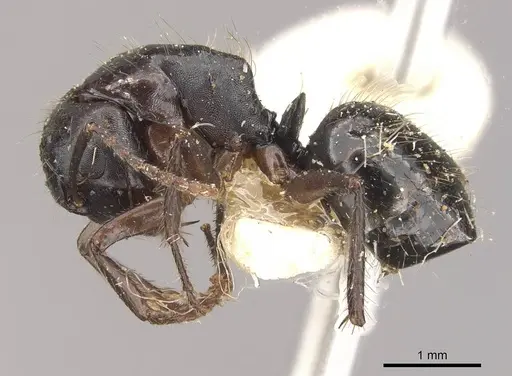
Camponotus evae is a small to medium-sized black ant native to Western Australia, part of the discors species group [1]. Major workers have a distinctive straight-sided head when viewed from the front, while minor workers typically have darker appendages compared to the similar C. lownei species which has rich reddish-brown legs and antennae [2]. This ant is found across southwestern Australia and has also been recorded on Barrow Island [3]. Workers are equipped with six or more teeth on their mandibles, and minor workers have a distinct row of erect hairs on the first gastral segment [4].
Quick Summary
- Difficulty: Medium
- Origin & Habitat: Western Australia, found across the southwestern region and Barrow Island. Inhabits dry to moderately damp habitats typical of the region.
- Colony Type: Likely single-queen colonies based on typical Camponotus patterns. Colony structure is not specifically documented for this species.
- Colony: Monogyne
- Founding: Claustral
- Size & Growth:
- Queen: Estimated 9-12mm based on Camponotus genus
- Worker: Major workers 6-8mm, minors 4-6mm
- Colony: Likely several hundred workers at maturity based on typical Camponotus colony development
- Growth: Moderate, Camponotus species typically grow steadily but not rapidly
- Development: Estimated 6-10 weeks based on typical Camponotus development at warm temperatures (Development time depends on temperature, warmer conditions accelerate growth. First workers (nanitics) are typically smaller than normal workers.)
- Antkeeping:
- Temperature: Keep around 22-26°C with a gentle gradient. Australian ants generally tolerate room temperature well but grow better with mild warmth.
- Humidity: Moderate humidity around 50-70%. Allow the nest to dry slightly between water additions. These ants come from a Mediterranean climate with dry summers and wet winters.
- Diapause: Likely requires a winter rest period of 2-3 months at cooler temperatures (10-15°C) based on Western Australian climate patterns.
- Nesting: Y-tong (AAC) nests work well for this species. Provide a test tube setup for founding colonies with a dark cover. Naturalistic setups with soil or plaster also suitable.
- Behavior: Generally calm and not aggressive. Like most Camponotus, they are not active foragers but instead recruit nestmates to food sources. Escape prevention is important, use fluon on edges and ensure any connections between outworld and nest are secure. Major workers can defend the colony with their strong mandibles.
- Common Issues: colonies may grow slowly initially, patience is needed during the claustral founding phase, escape prevention should be maintained even though they are not particularly small ants, winter dormancy is important for long-term colony health, skipping hibernation can weaken colonies, overfeeding can lead to mold problems, remove uneaten food promptly, founding colonies are vulnerable, keep them in a quiet, dark location until first workers arrive
Housing and Nest Setup
For a founding colony, a simple test tube setup works best. Fill a test tube about one-third with water, push a cotton ball in to create a water reservoir, then add the queen. Cover the tube with something dark to reduce stress. The queen will seal herself into a chamber and remain there until her first workers emerge. Once you have 10-20 workers, you can connect the test tube to an outworld (foraging area) using tubing. For established colonies, a Y-tong (acrylic) nest provides good visibility and humidity control. Alternatively, a plaster or naturalistic soil nest works well. Ensure any connections between nest and outworld have escape barriers, a ring of fluon around the rim of the outworld is effective.
Feeding and Diet
Camponotus evae, like other carpenter ants, is omnivorous. Offer sugar water or honey as a constant energy source, a small drop every few days is sufficient. For protein, provide small insects like fruit flies, small mealworms, or crickets. Feed protein once or twice per week. Remove any uneaten prey after 24 hours to prevent mold. In the wild, these ants would forage for honeydew from aphids and hunt small insects. They typically recruit nestmates to larger food discoveries through chemical trails.
Temperature and Seasonal Care
Maintain temperatures around 22-26°C for optimal growth. A heating cable on one side of the nest can create a gentle gradient, allowing ants to regulate their own temperature by moving between warmer and cooler areas. During winter (roughly December through February in the Southern Hemisphere), reduce temperatures to 10-15°C to simulate their natural seasonal cycle. This winter rest period is important for colony health and may trigger reproductive behavior in spring. Do not feed during deep hibernation but ensure a small water source is available.
Behavior and Colony Dynamics
Camponotus evae shows typical carpenter ant behavior, they are not aggressive toward keepers and generally move at a calm pace. Major workers (soldiers) are larger and have stronger mandibles, serving primarily for defense and cracking hard food. Minor workers handle most tasks including foraging, caring for brood, and tending to the queen. When a colony is disturbed, you may see majors at the entrance ready to defend. They communicate through chemical signals and will recruit nestmates to food sources. Unlike some ants, they do not form supercolonies or display extreme aggression.
Frequently Asked Questions
How long does it take for Camponotus evae to raise first workers?
Expect 6-10 weeks from egg to first worker (nanitic) at room temperature. The exact time depends on temperature, warmer conditions speed up development. The queen will remain sealed in her chamber until her first workers emerge, so be patient and avoid disturbing the founding setup.
Can I keep multiple Camponotus evae queens together?
Not recommended. While some Camponotus can be polygynous, combining unrelated foundress queens typically leads to fighting. Only attempt this if you have specific information about this species accepting multiple queens, which we do not have for C. evae.
What temperature range is best for Camponotus evae?
Keep them between 22-26°C for active growth. They can tolerate room temperature (around 20-22°C) but development will be slower. A mild heat gradient allows the colony to self-regulate. Avoid temperatures above 30°C or below 15°C for extended periods.
How often should I feed Camponotus evae?
Provide a constant sugar source (honey or sugar water) that you refresh every few days. Offer protein (insects) once or twice per week. Remove uneaten food after 24 hours to prevent mold. Feed more frequently when the colony grows larger, a strong colony of 50+ workers may need protein several times per week.
Does Camponotus evae need hibernation?
Yes, a winter rest period is likely beneficial. Based on their Western Australian origin, reduce temperatures to 10-15°C for 2-3 months during winter. This mimics their natural seasonal cycle and helps maintain colony health. Do not feed during this period but provide access to water.
When should I move my Camponotus evae colony to a formicarium?
Wait until you have at least 15-20 workers before connecting a formicarium or outworld. The colony should be established with a stable population. A test tube setup is perfectly fine for colonies up to 50 workers, only move to a larger setup when the test tube becomes crowded or the water reservoir runs out frequently.
Are Camponotus evae good for beginners?
They are moderate difficulty, harder than some beginner species like Lasius but easier than many tropical ants. They require patience during founding and need a winter dormancy period. If you are comfortable with basic antkeeping and can wait several months for first workers, they are a good choice.
Why is my Camponotus evae colony not growing?
Common causes include: temperatures too low (slows development significantly), insufficient protein in diet, overfeeding causing mold stress, or disturbance to the queen during founding. Check that temperatures are in the 22-26°C range and that you are providing appropriate protein foods. Also ensure the colony is in a quiet location away from vibrations and light.
References

This caresheet is licensed under CC BY-SA 4.0 .
ANTWEB1008619
View on AntWeb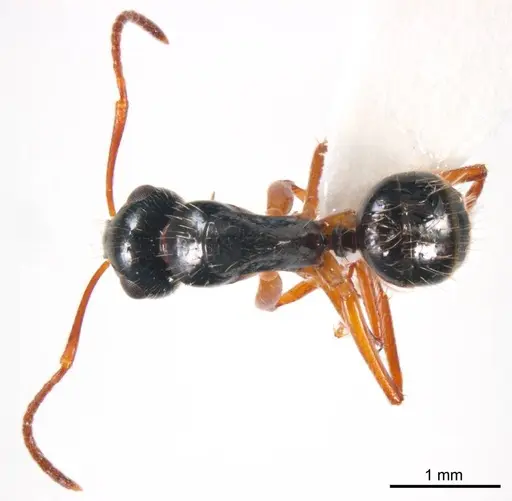
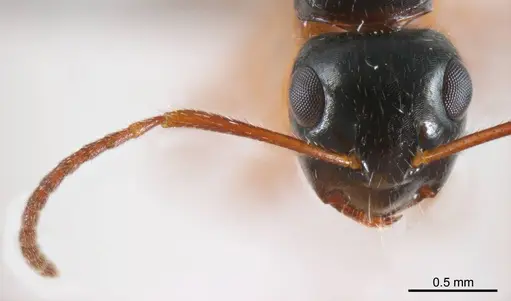
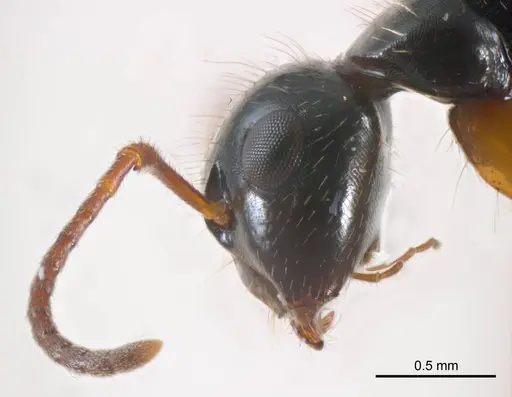
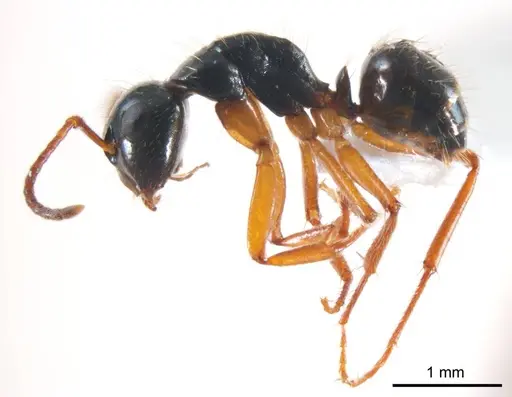
ANTWEB1041162
View on AntWeb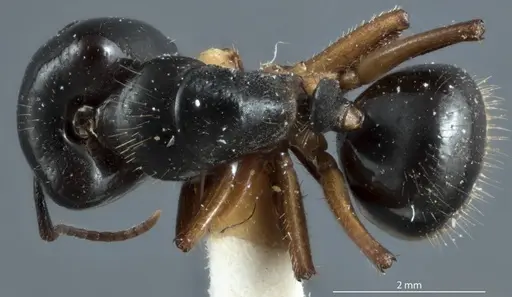
CASENT0172145
View on AntWeb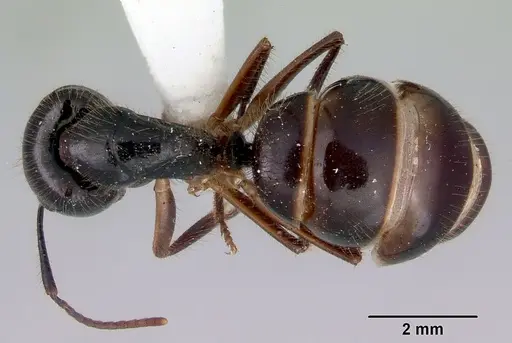
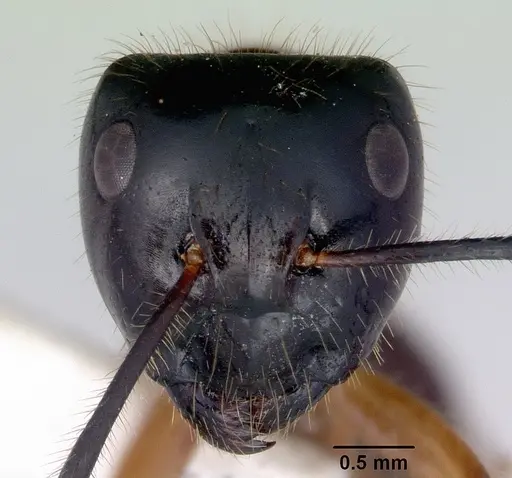
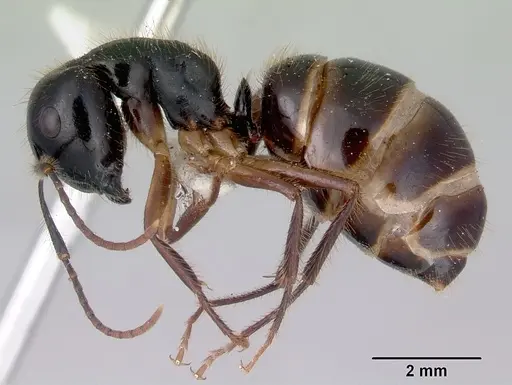
CASENT0910376
View on AntWeb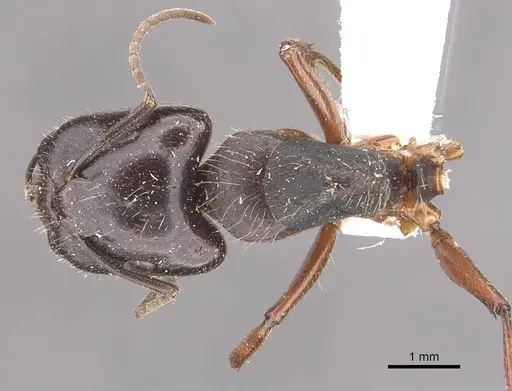
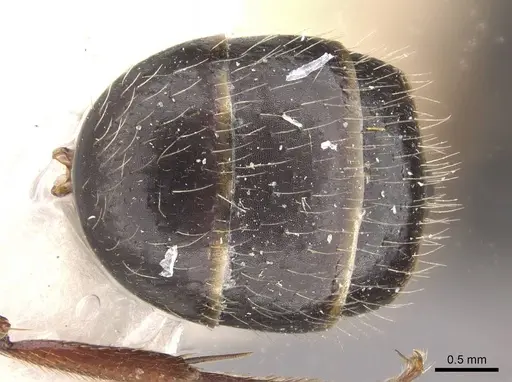
CASENT0910377
View on AntWeb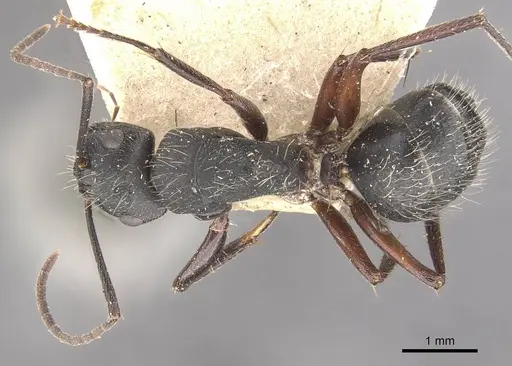
CASENT0910378
View on AntWeb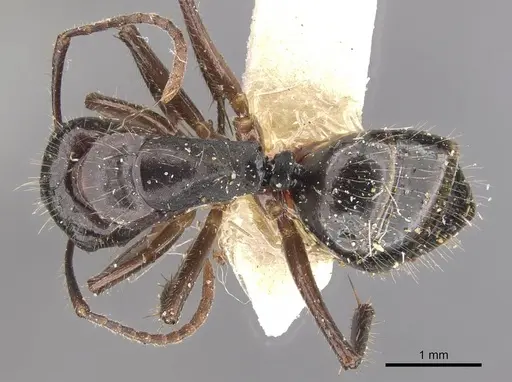
Literature
Loading...Loading products...