

Camponotus eugeniae
- Scientific Name
- Camponotus eugeniae
- Subgenus
- Myrmosericus
- Tribe
- Camponotini
- Subfamily
- Formicinae
- Author
- Forel, 1879
- Common Name
- Eugenie's Long-legged Sugar Ant
- Distribution
- Found in 7 countries
Camponotus eugeniae Overview
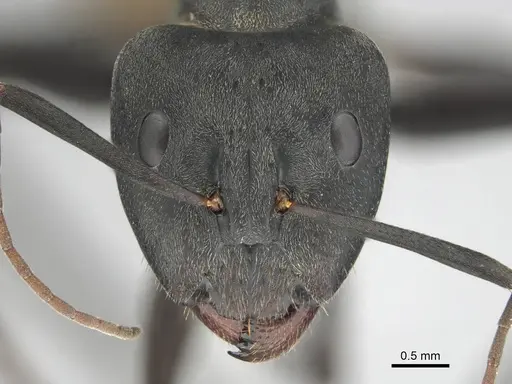
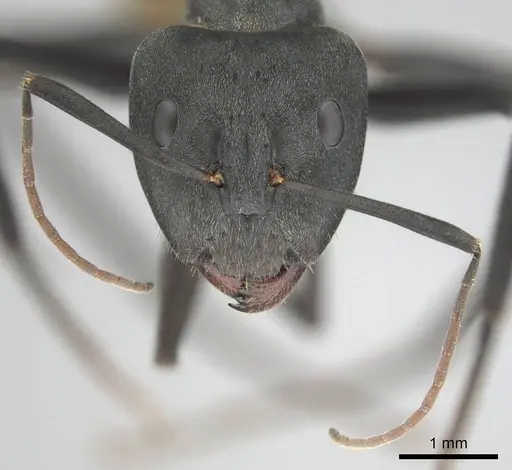
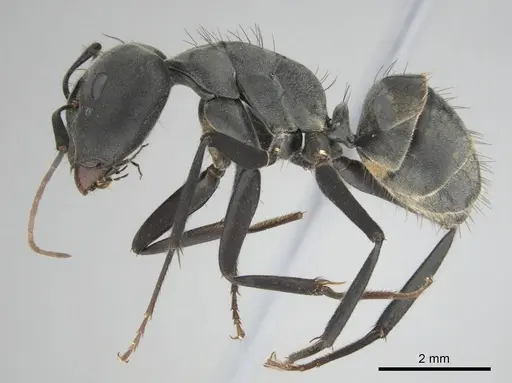
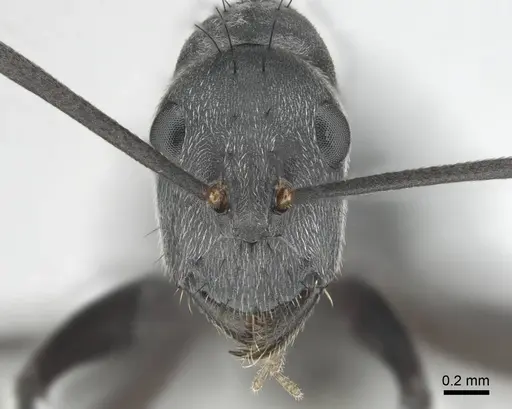
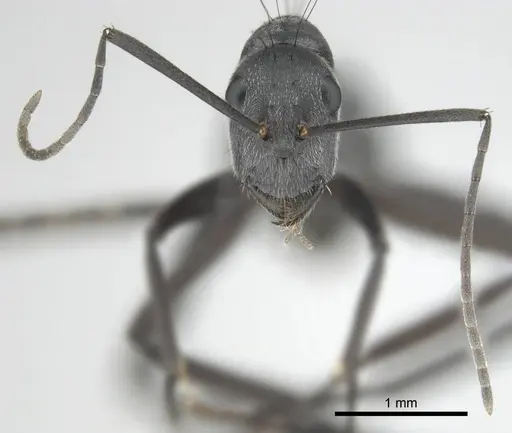
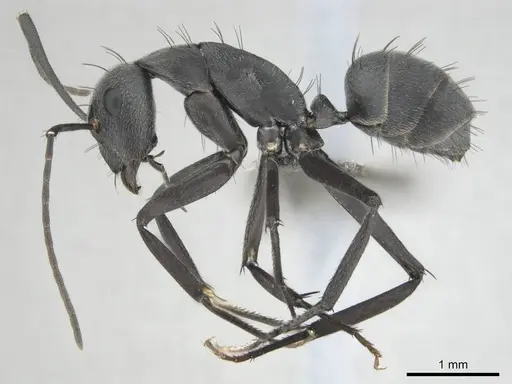
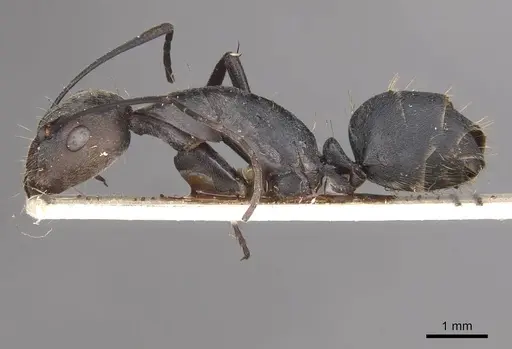
Camponotus eugeniae (commonly known as the Eugenie's Long-legged Sugar Ant) is an ant species of the genus Camponotus. It is primarily documented in 7 countries , including Mozambique, Senegal, Eswatini. Detailed taxonomic data and occurrence records can be further explored via authoritative databases such as AntWeb or the Global Biodiversity Information Facility (GBIF).
Camponotus eugeniae - "Eugenie's Long-legged Sugar Ant"
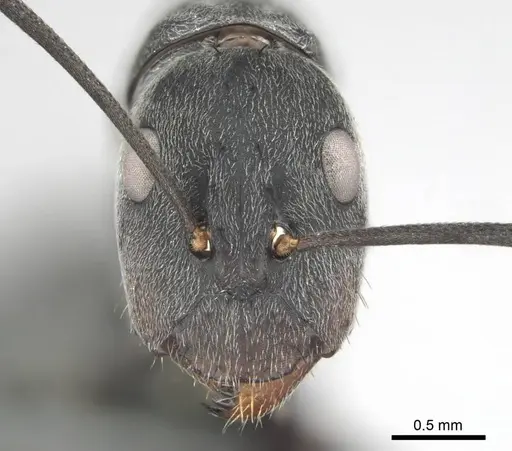
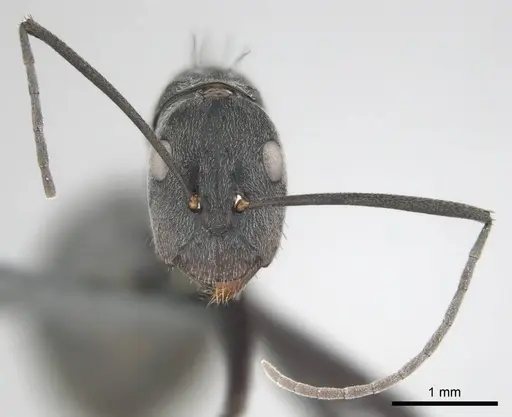
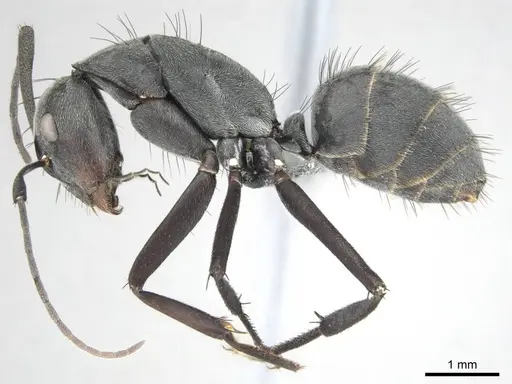
Camponotus eugeniae is a large African ant species native to Southern Africa, found across South Africa, Eswatini, Lesotho, Mozambique, and Zimbabwe [1]. Workers come in two sizes: smaller minor workers around 5-7mm and larger major workers that can reach 10-12mm, with queens typically measuring 12-15mm [1]. The species belongs to the subgenus Myrmosericus and is known for its association with leafhoppers, these ants actively herd and protect leafhopper colonies, making them an interesting species for observing ant-plant hopper mutualisms in captivity [2].
This species stands out for its protective behavior toward sap-feeding insects. In the wild, C. eugeniae tends leafhoppers like Xerophytavorus rastrullus, guarding them from predators and keeping them in groups on exposed leaves [2]. This herding behavior is more pronounced than in smaller ant species, when threatened, workers vibrate their bodies and face intruders with open mandibles [2]. This makes them a rewarding species for keepers interested in observing complex ant behaviors.
Quick Summary
- Difficulty: Medium
- Origin & Habitat: Southern Africa, found across South Africa, Eswatini, Lesotho, Mozambique, and Zimbabwe, with additional records from Angola, Ethiopia, and Tanzania [1]. This species inhabits savanna and grassland environments, typically nesting underground or under stones.
- Colony Type: Monogyne (single queen colonies), this is the typical colony structure for Camponotus species in this region. Queens are claustral founders who seal themselves in during founding.
- Colony: Monogyne
- Founding: Claustral
- Size & Growth:
- Queen: 12-15mm, estimated from genus patterns [1]
- Worker: Minor workers 5-7mm, major workers 10-12mm [1]
- Colony: Likely reaches several thousand workers at maturity, typical for Camponotus species [1]
- Growth: Moderate, Camponotus species typically take 6-10 weeks from egg to first worker at optimal temperature
- Development: 6-10 weeks at 24-26°C, based on typical Camponotus development patterns [1] (Development time varies with temperature, warmer conditions within range speed up development. Nanitics (first workers) are smaller than normal workers.)
- Antkeeping:
- Temperature: Keep nest area at 24-28°C. A heating cable on one side creates a gentle gradient. They tolerate temperatures from 20-30°C but grow best in the warm range.
- Humidity: Moderate humidity needs, aim for 50-60% relative humidity. Keep nest substrate slightly moist but allow some drying areas. These are not high-humidity ants.
- Diapause: Yes, Southern African populations require a winter rest period. Reduce temperature to 15-18°C for 2-3 months during winter.
- Nesting: Use standard formicarium setups, test tubes work well for founding colonies, acrylic or plaster nests for established colonies. They nest under stones and in soil in the wild.
- Behavior: Generally calm and non-aggressive, but major workers will defend the nest if threatened. Workers are active foragers that search for honeydew and insects. They show interesting protective behavior toward tended insects, workers will vibrate and display mandibles when guarding leafhoppers [2]. Escape risk is moderate, use standard barriers but they are not particularly good climbers. They accept a varied diet including sugar sources and protein.
- Common Issues: colonies may fail during founding if queen is disturbed, provide quiet, dark location, winter diapause is required, skipping it weakens colonies over time, overheating can kill brood, avoid temperatures above 30°C, wild-caught colonies may have parasites, quarantine and observe new colonies, slow initial growth can cause keepers to overfeed, leading to mold problems
Nest Preferences and Setup
In the wild, Camponotus eugeniae nests underground and under stones in savanna and grassland habitats [1]. For captive care, test tubes work excellently for founding colonies, fill one section with water, plug with cotton, and place the queen in the dry portion. For established colonies, acrylic nests or plaster nests provide good visibility and humidity control. These ants do not require high humidity like some tropical species, so ensure good ventilation to prevent mold. A naturalistic setup with a soil chamber and connecting outworld also works well if you want to observe more natural behaviors.
Feeding and Diet
Camponotus eugeniae is omnivorous, similar to other Camponotus species. They readily accept sugar water, honey, or diluted syrup as an energy source. For protein, offer small insects like fruit flies, small crickets, or mealworms. In the wild, they attend leafhoppers and collect honeydew, so they are accustomed to sweet liquids [2]. Feed minor workers daily during founding, transitioning to every 2-3 days once the colony reaches 10+ workers. Always remove uneaten prey to prevent mold. A constant sugar source (honey water in a test tube cap) is recommended for established colonies.
Temperature and Seasonal Care
Maintain nest temperatures between 24-28°C for optimal brood development. These ants come from Southern Africa where temperatures are warm during summer months. A heating cable placed on one side of the nest creates a temperature gradient workers can choose between. During winter (roughly November-February in the Southern Hemisphere), reduce temperatures to 15-18°C to allow dormancy. This diapause period is important for colony health, skipping it can weaken the colony over time. Do not attempt to maintain warm conditions year-round, the seasonal rest is biologically necessary. [1]
Behavior and Colony Dynamics
This species exhibits interesting protective behaviors toward sap-feeding insects they attend. Workers actively herd leafhoppers, keeping them in groups on suitable host plants [2]. When threatened, guard ants vibrate their bodies and face the threat with opened mandibles, this defensive display is more pronounced than in smaller ant species [2]. Colonies grow moderately fast once established, with major workers appearing as the colony reaches several dozen workers. Major workers serve as soldiers and foragers, while minor workers handle brood care and inside-nest tasks. Queens are long-lived and can produce workers for many years.
Growth and Development
After mating, claustral queens seal themselves in a chamber and lay eggs without leaving to forage. The first brood develops using the queen's stored fat reserves. Eggs hatch into larvae, then pupate before emerging as nanitic (first) workers, these are smaller than normal workers but immediately begin foraging to feed the colony [1]. Development from egg to worker takes approximately 6-10 weeks at optimal temperature. Growth rate is moderate, expect 6-12 months to reach 100 workers, then faster expansion as the colony matures. Major workers typically appear when the colony reaches 50+ workers.
Frequently Asked Questions
How long does it take for Camponotus eugeniae to produce first workers?
Expect first workers (nanitics) to emerge 6-10 weeks after the queen lays eggs, at optimal temperatures of 24-28°C. This timeline is typical for Camponotus species.
What temperature do Camponotus eugeniae need?
Keep the nest at 24-28°C. They tolerate 20-30°C but grow best in warm conditions. A heating cable on one side of the nest creates a suitable gradient.
Can I keep multiple queens together?
No. This species is monogyne, single queen colonies. Combining unrelated queens will result in fighting. Only keep one queen per colony.
Do Camponotus eugeniae need hibernation?
Yes. Southern African populations require a winter rest period. Reduce temperatures to 15-18°C for 2-3 months, roughly November through February.
What do Camponotus eugeniae eat?
They accept sugar water, honey, or syrup for energy. For protein, offer small insects like fruit flies, small crickets, or mealworms. They are accustomed to honeydew in the wild.
Are Camponotus eugeniae good for beginners?
They are medium difficulty. The main challenges are providing proper temperatures, managing the required winter diapause, and being patient through the slow founding stage.
When should I move my colony to a formicarium?
Move to a larger nest once the colony reaches 30-50 workers and the test tube is becoming crowded. A formicarium with multiple chambers allows for colony expansion.
How big do colonies get?
Mature colonies likely reach several thousand workers, typical for Camponotus species. Growth is moderate, expect 1-2 years to reach several hundred workers.
Why are my ants escaping?
Check your barriers, Camponotus are moderate climbers but can escape through small gaps. Apply fluon or similar barrier gel to container rims. Ensure container walls are smooth.
References

This caresheet is licensed under CC BY-SA 4.0 .
CASENT0235833
View on AntWeb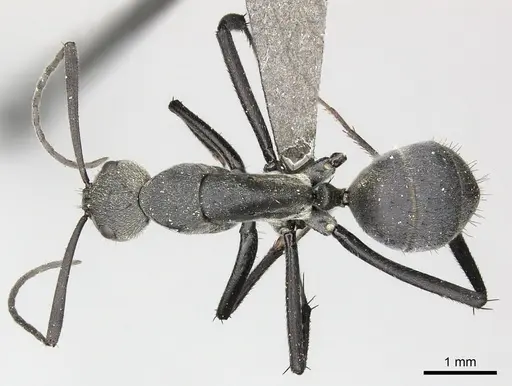
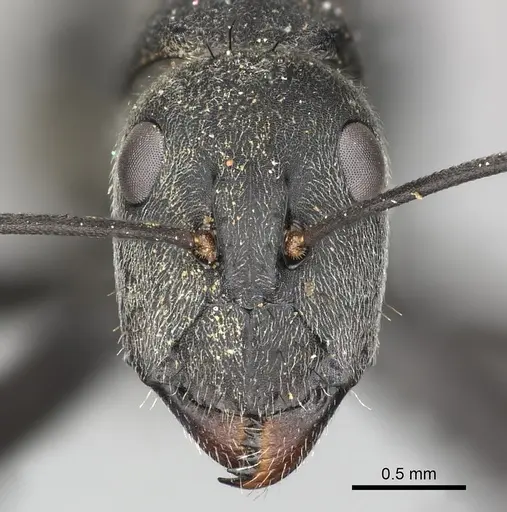
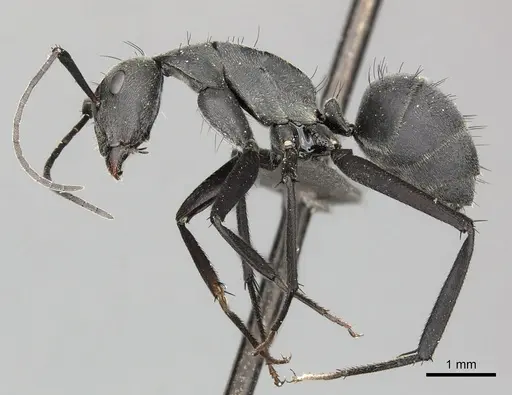
CASENT0254075
View on AntWeb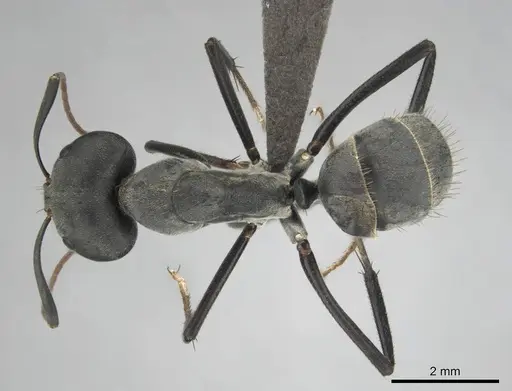
CASENT0255992
View on AntWeb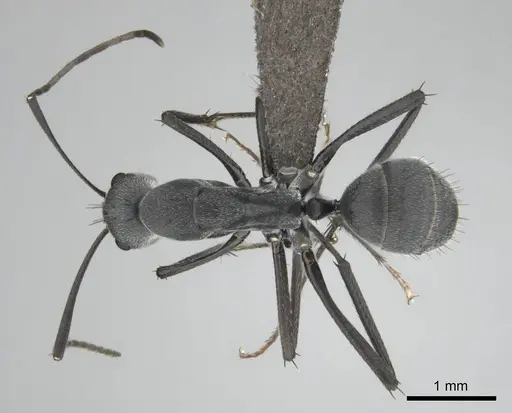
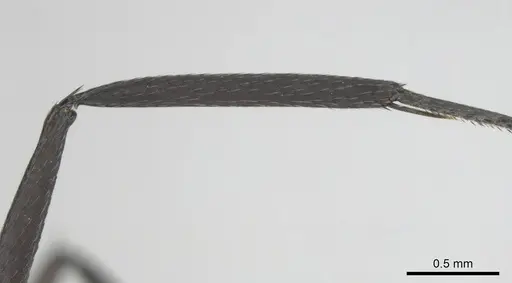
CASENT0811282
View on AntWeb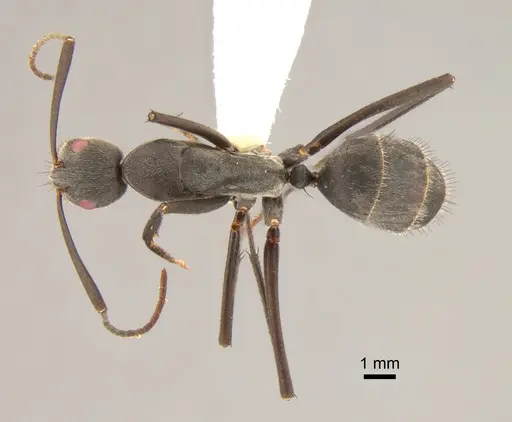
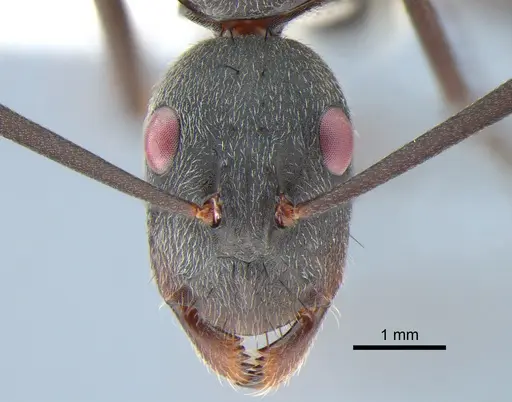
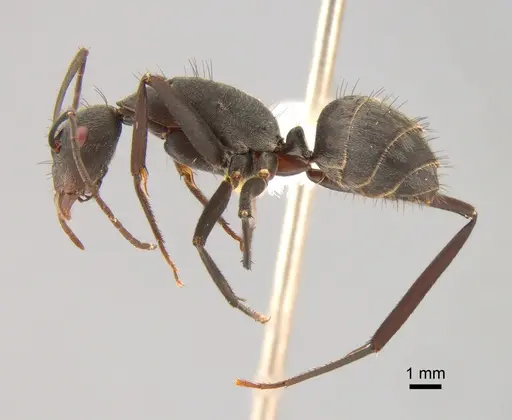
CASENT0814427
View on AntWeb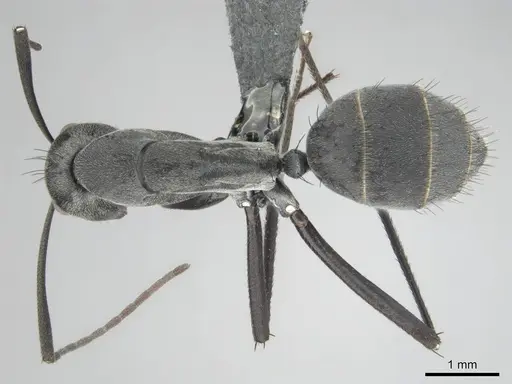
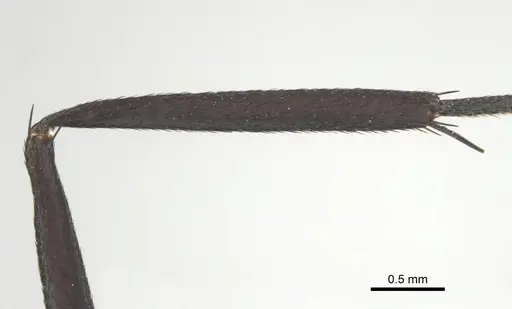
CASENT0910316
View on AntWeb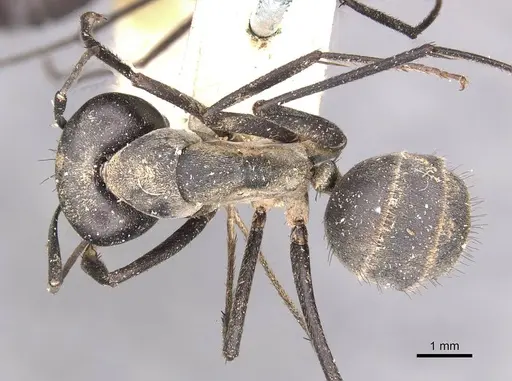
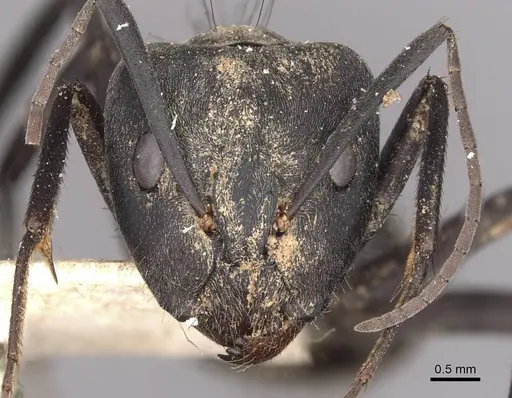
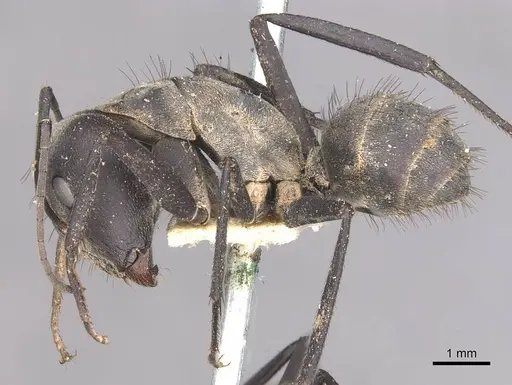
CASENT0910317
View on AntWeb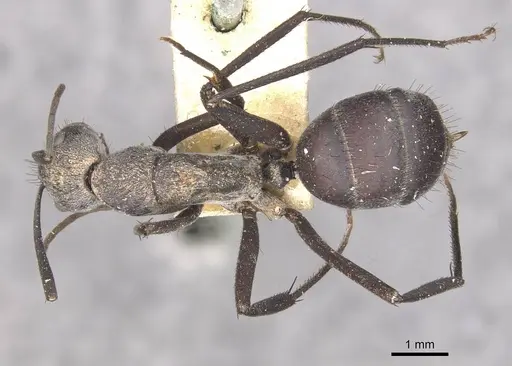
CASENT0910318
View on AntWeb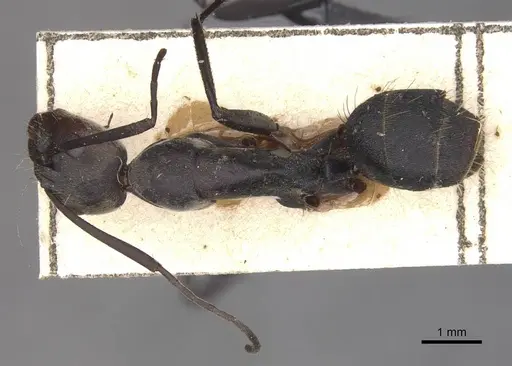
Literature
Loading...Loading products...