

Camponotus etiolipes
- Scientific Name
- Camponotus etiolipes
- Subgenus
- Tanaemyrmex
- Tribe
- Camponotini
- Subfamily
- Formicinae
- Author
- Bolton, 1995
- Common Name
- Long-legged Sugar Ant
- Distribution
- Found in 8 countries
Camponotus etiolipes Overview
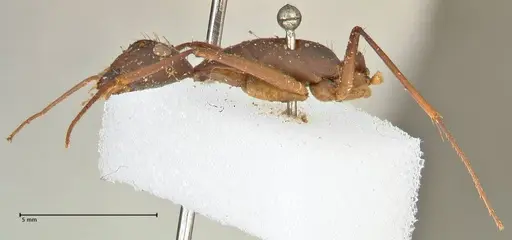
Camponotus etiolipes (commonly known as the Long-legged Sugar Ant) is an ant species of the genus Camponotus. It is primarily documented in 8 countries , including Kenya, Malawi, Mozambique. Detailed taxonomic data and occurrence records can be further explored via authoritative databases such as AntWeb or the Global Biodiversity Information Facility (GBIF).
Camponotus etiolipes - "Long-legged Sugar Ant"
Camponotus etiolipes is a carpenter ant species native to eastern and central Africa. Workers are polymorphic, meaning they come in different sizes, major workers are larger with well-developed heads, while minor workers are smaller and more slender. The species has been recorded across Mozambique, Zanzibar, and the Democratic Republic of Congo [1][2][3][4]. As a tropical African carpenter ant, they nest in wood and are adapted to warm, humid conditions year-round.
Quick Summary
- Difficulty: Medium
- Origin & Habitat: Eastern and central Africa, specifically Mozambique, Zanzibar, and the Democratic Republic of Congo. This is a tropical species found in forested regions [1][2][3][4].
- Colony Type: Likely monogyne (single queen colony) based on typical Camponotus patterns. Multiple queens have not been documented in wild colonies.
- Colony: Monogyne
- Founding: Claustral
- Size & Growth:
- Queen: Estimated 12-16mm based on typical Camponotus queen size range, not directly measured for this species
- Worker: Minor workers 4-6mm, major workers 8-12mm based on typical Camponotus worker polymorphism
- Colony: Likely several thousand workers at maturity based on genus patterns, not directly documented for this species
- Growth: Moderate, Camponotus species typically grow steadily but not rapidly
- Development: Estimated 6-8 weeks at optimal temperature (around 26-28°C) based on typical Camponotus development [5] (Development time is inferred from genus-level data, actual timing for C. etiolipes has not been documented)
- Antkeeping:
- Temperature: Keep nest area at 24-28°C. As a tropical species, they need consistent warmth year-round. A heating cable on one side of the nest creates a temperature gradient they can regulate within [5].
- Humidity: Maintain moderate to high humidity, aim for 60-80%. Keep the nest substrate slightly moist but not waterlogged. Provide a water source in the outworld.
- Diapause: No, this is a tropical species that does not require hibernation. Keep temperatures stable year-round.
- Nesting: In captivity, they do well in Y-tong (acrylic) nests or plaster nests with narrow chambers. Provide wood pieces or cork for them to potentially chew. Avoid dry conditions.
- Behavior: Carpenter ants are generally calm and not aggressive toward keepers. They are primarily nocturnal or crepuscular foragers. Major workers can deliver a mild bite if provoked, but they are not considered dangerous. They are moderate escape artists, ensure lids fit tightly and use appropriate barriers. They forage for sugar sources (honey, sugar water) and protein (insects).
- Common Issues: tropical species needs warmth, cold temperatures below 20°C can slow or stop brood development, colonies may struggle if humidity drops too low, dry conditions cause desiccation, slow founding phase means new colonies need patience, queens may take months before first workers appear, escape prevention is important especially for minor workers who can fit through small gaps, wild-caught colonies may carry parasites that cause problems in captivity
Nest Preferences and Housing
Camponotus etiolipes does well in standard ant keeping setups. Y-tong (acrylic) nests work excellently, they provide good visibility and allow you to monitor colony progress. Plaster nests are also suitable, especially if you can maintain proper humidity levels. The nest should have chambers appropriately sized to the worker population, too large an empty space can stress small colonies. Provide a connected outworld (foraging area) with a water tube and feeding station. Since this is a tropical species, avoid placing the setup near air conditioning or drafty windows. [5]
Feeding and Diet
Like other carpenter ants, C. etiolipes is omnivorous. They readily accept sugar sources, offer honey water or sugar water regularly, especially for established colonies. For protein, provide insects such as mealworms, small crickets, or other appropriately sized prey. Feed protein 2-3 times per week, and keep sugar water available at all times. Remove uneaten prey after 24-48 hours to prevent mold. Minor workers will handle most foraging while major workers can tackle larger prey items. [5]
Temperature and Seasonal Care
This African tropical species requires warm conditions year-round. Keep the nest at 24-28°C for optimal brood development. Temperatures below 20°C can significantly slow or halt development, and prolonged cold can be fatal. Use a heating cable or small heat mat on one side of the nest to create a gentle gradient, this allows ants to self-regulate by moving between warmer and cooler areas. Do not attempt to hibernate this species, they have no diapause requirement and cold exposure can kill them. [5]
Colony Founding
The founding process follows typical Camponotus patterns. A claustral queen will seal herself in a small chamber and remain inside, living entirely on her stored fat reserves while she lays eggs and raises the first brood. This phase can take 4-8 weeks or longer depending on temperature. Do not disturb the queen during founding, excessive vibration or light can cause her to abandon or consume her brood. The first workers (nanitics) will be smaller than mature workers but will quickly begin expanding the colony. [5]
Behavior and Temperament
Camponotus etiolipes is a calm, non-aggressive species that makes a good intermediate-level ant keeping project. Workers are primarily active during evening and nighttime hours. Major workers have stronger mandibles and can deliver a mild bite if threatened, but they rarely bite unless directly provoked. The colony will establish foraging trails and can become quite active once established. Watch for escape attempts, minor workers are small enough to slip through loose lid seams, so ensure your setup is secure. [5]
Frequently Asked Questions
How long does it take for Camponotus etiolipes to get their first workers?
Expect 6-8 weeks from egg to first worker at optimal temperature (around 26-28°C). This is based on typical Camponotus development, the exact timing for this species has not been directly documented.
Can I keep multiple Camponotus etiolipes queens together?
This species is likely monogyne (single queen) based on typical Camponotus patterns. Combining unrelated queens is not recommended as they will likely fight. Only attempt pleometrosis (multiple queen founding) if you have experience and are prepared to separate them.
What temperature do Camponotus etiolipes need?
Keep them warm at 24-28°C. This tropical African species needs consistent warmth year-round, do not let temperatures drop below 20°C.
Do Camponotus etiolipes need hibernation?
No, this is a tropical species with no diapause requirement. Keep temperatures stable year-round and do not attempt to hibernate them.
How big do Camponotus etiolipes colonies get?
Based on typical Camponotus patterns, mature colonies likely reach several thousand workers. The exact maximum for this species has not been documented.
What do Camponotus etiolipes eat?
They are omnivorous. Offer sugar water or honey regularly as a carbohydrate source, and provide protein (insects like mealworms or small crickets) 2-3 times per week.
Are Camponotus etiolipes good for beginners?
They are rated as medium difficulty. They are more forgiving than some species but require warm, stable conditions year-round. New ant keepers should be prepared for the slow founding phase and need for consistent heating.
When should I move Camponotus etiolipes to a formicarium?
Keep newly caught or purchased queens in a simple test tube setup for the founding phase. You can move them to a proper nest (Y-tong, plaster, or naturalistic) once the colony has 20-30 workers and is actively foraging.
Why are my Camponotus etiolipes dying?
Common causes include: temperatures below 20°C, too dry conditions, disturbance during founding, or parasites from wild-caught colonies. Check that your heating is adequate and humidity is in the 60-80% range.
References

This caresheet is licensed under CC BY-SA 4.0 .
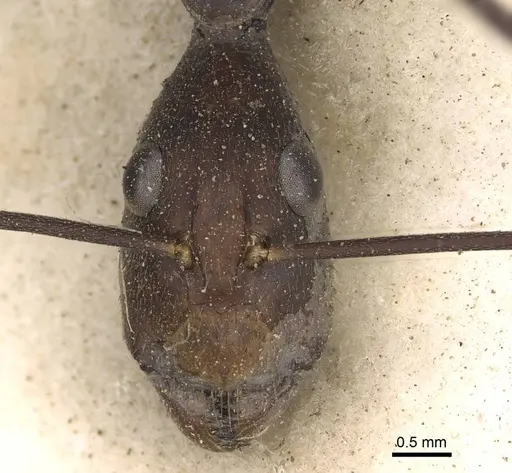
CASENT0814703
View on AntWeb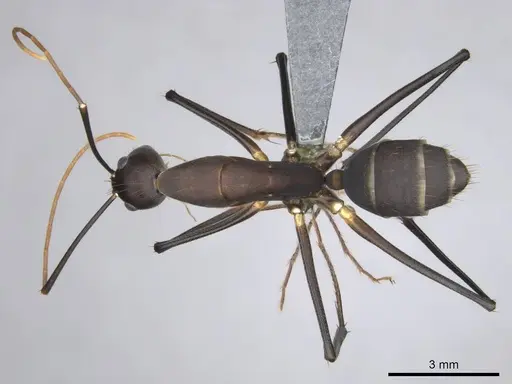
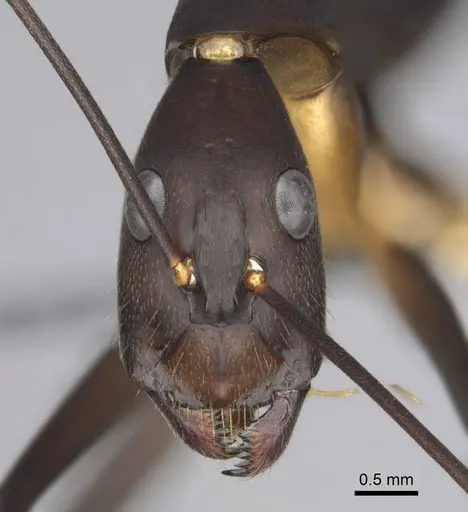
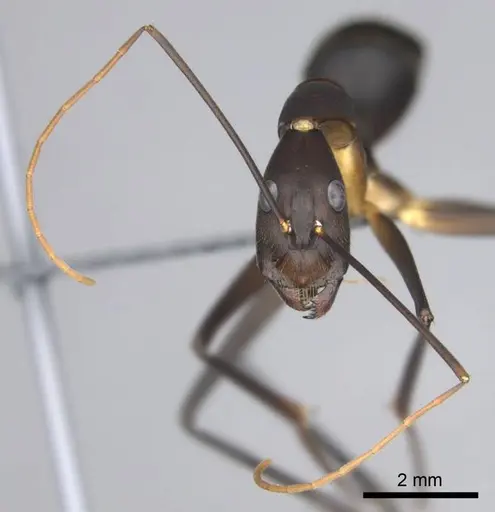
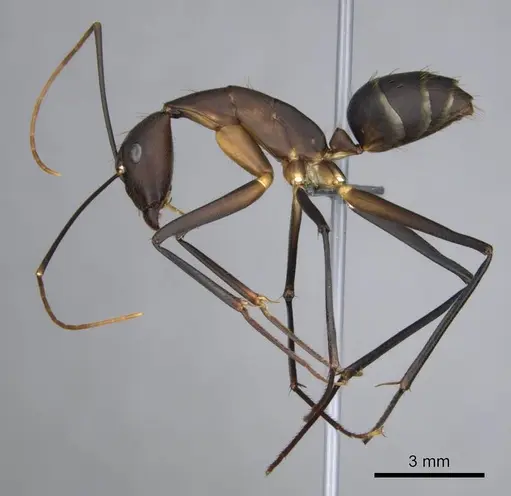
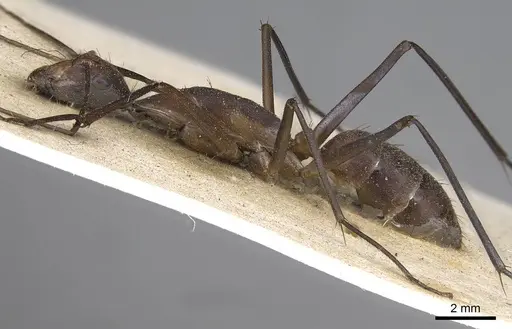
CASENT0906922
View on AntWeb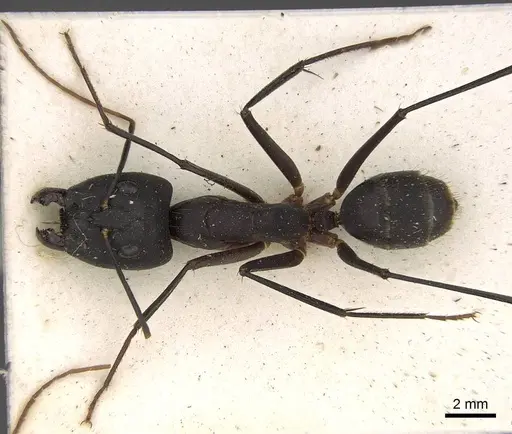
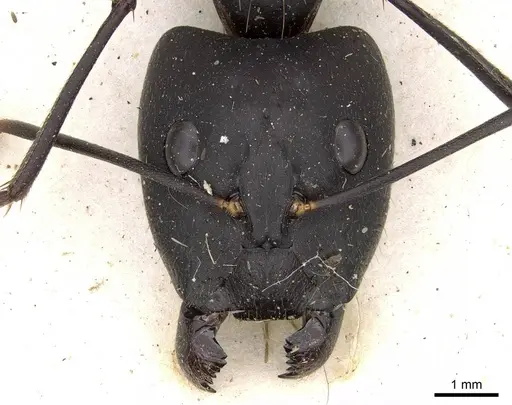
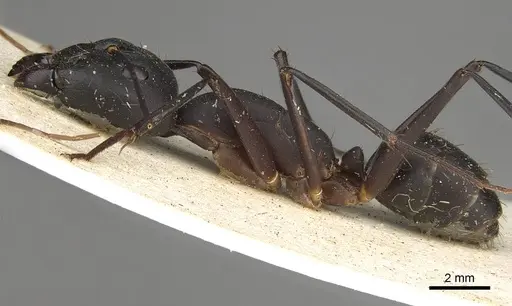
CASENT0906923
View on AntWeb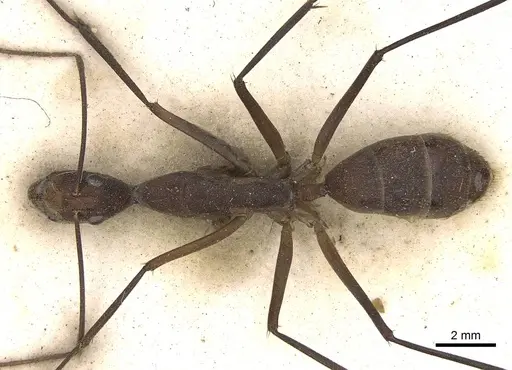
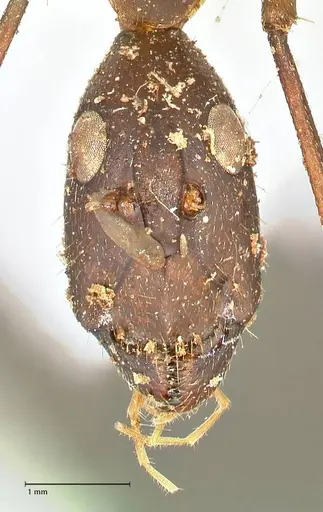
FOCOL2372
View on AntWeb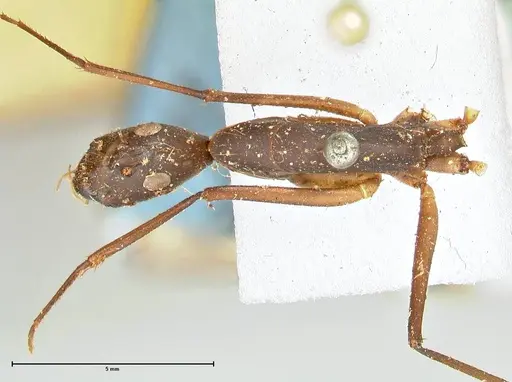
Literature
Loading...Loading products...