

Camponotus essigi
- Scientific Name
- Camponotus essigi
- Subgenus
- Myrmentoma
- Tribe
- Camponotini
- Subfamily
- Formicinae
- Author
- Smith, 1923
- Common Name
- Essig's Carpenter Ant
- Distribution
- Found in 2 countries
Camponotus essigi Overview
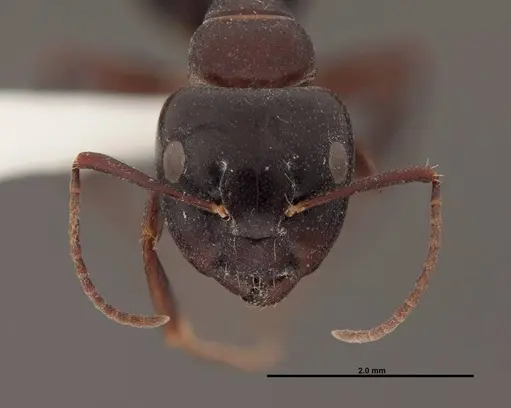
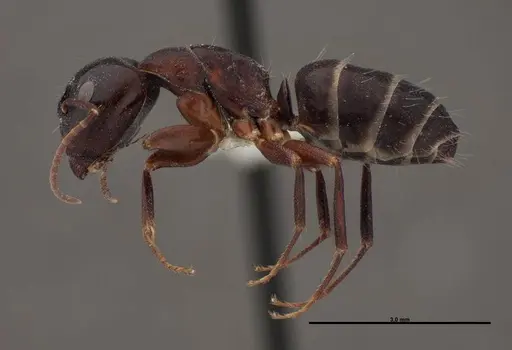
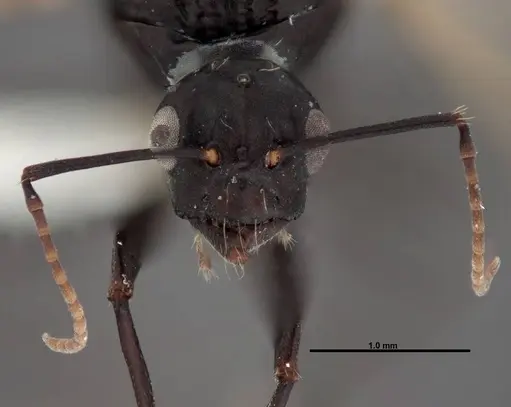
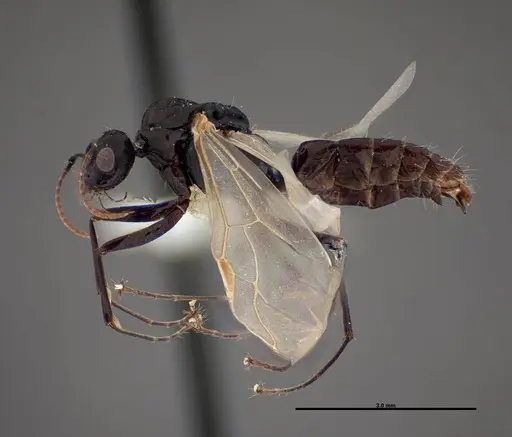
Camponotus essigi (commonly known as the Essig's Carpenter Ant) is an ant species of the genus Camponotus. It is primarily documented in 2 countries , including Mexico, United States of America. Detailed taxonomic data and occurrence records can be further explored via authoritative databases such as AntWeb or the Global Biodiversity Information Facility (GBIF).
Camponotus essigi - "Essig's Carpenter Ant"
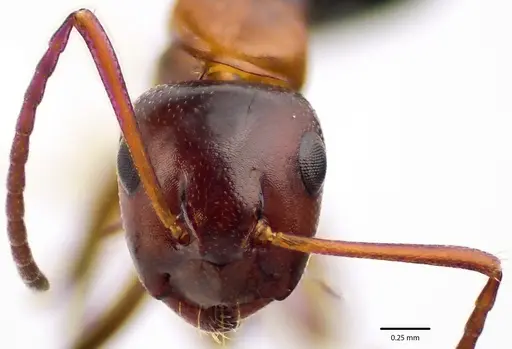
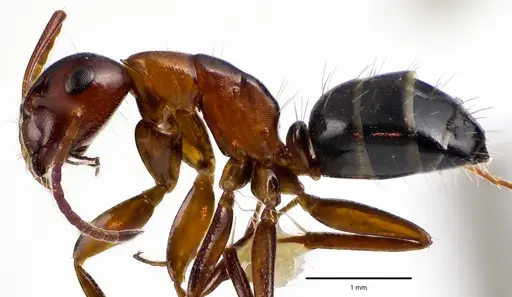
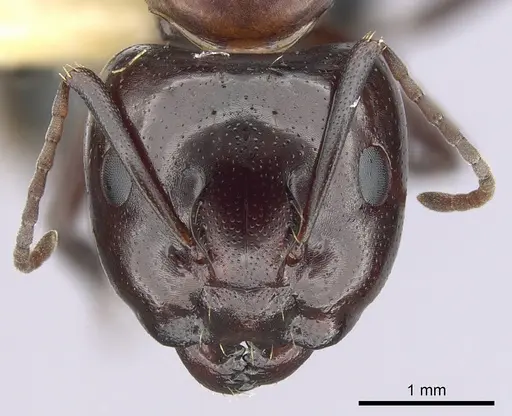
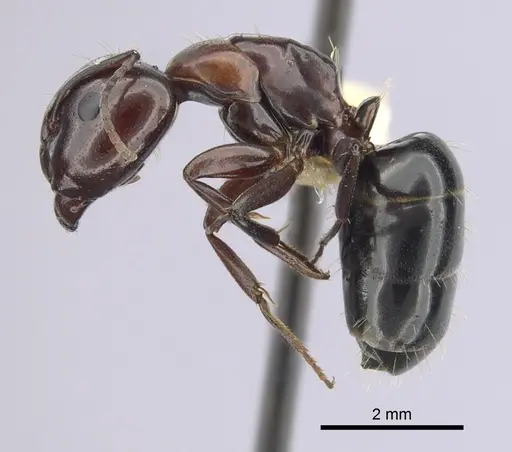
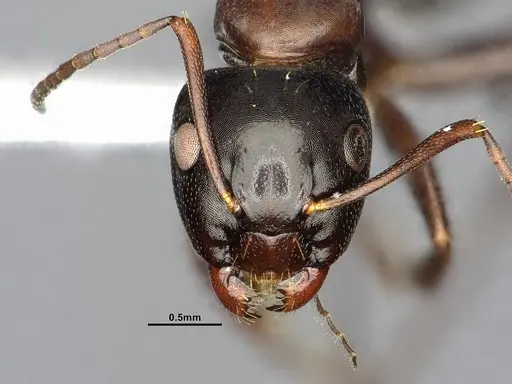
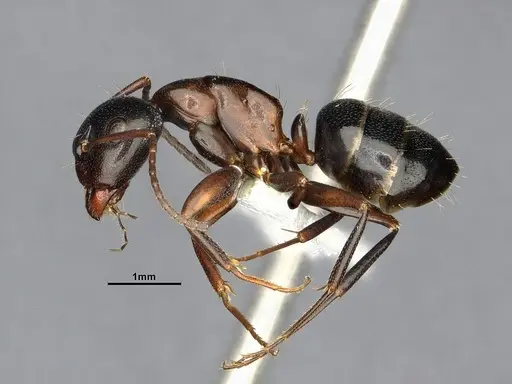
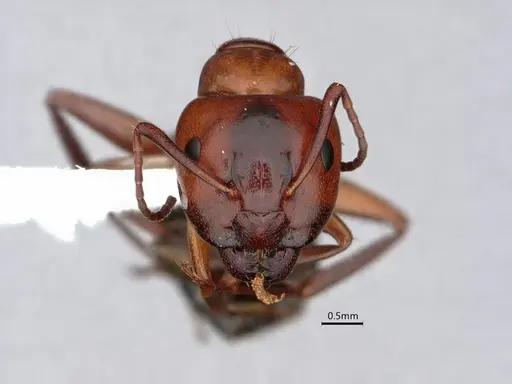
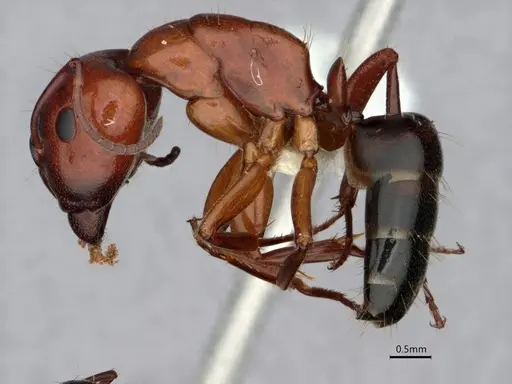
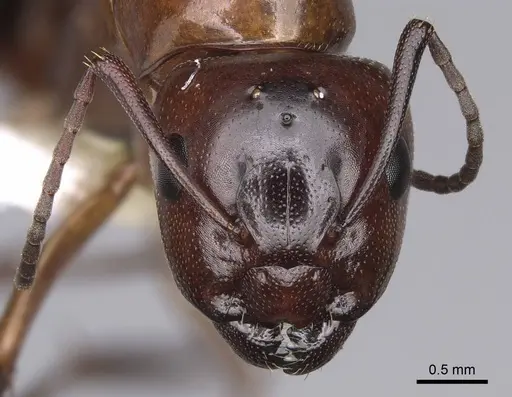
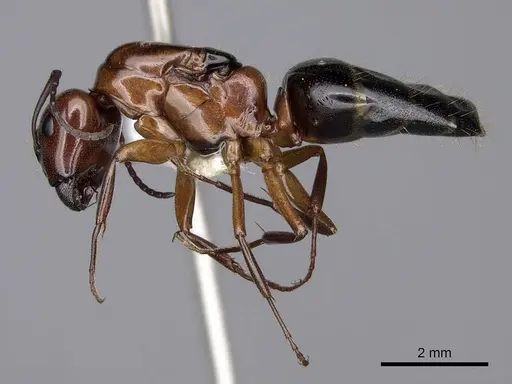
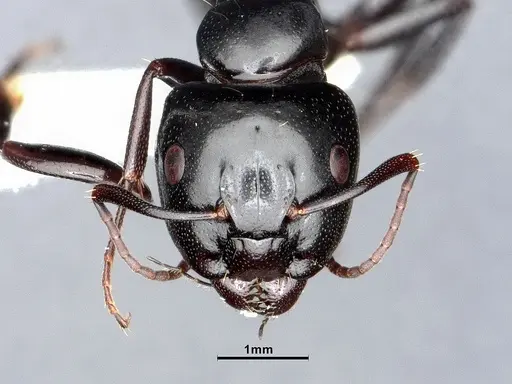
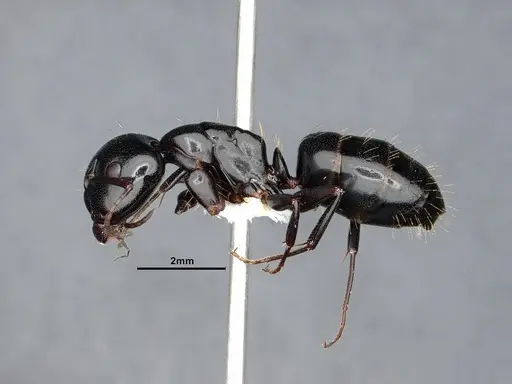
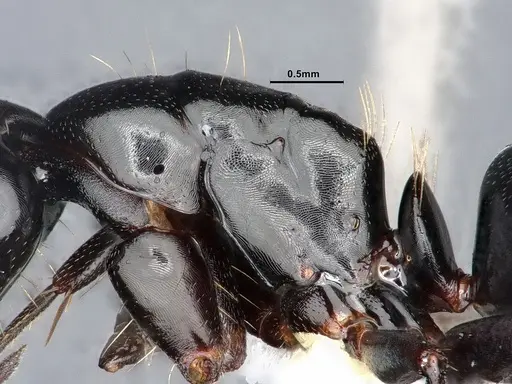
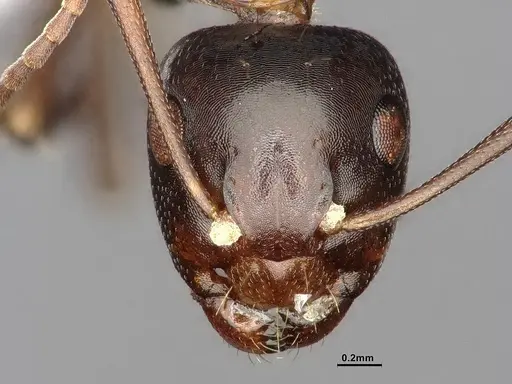
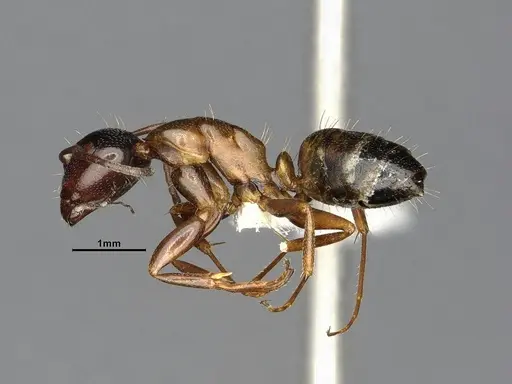
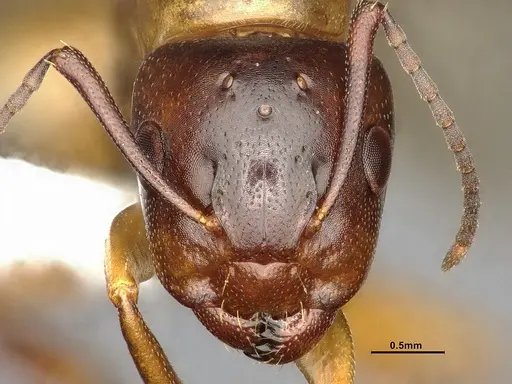
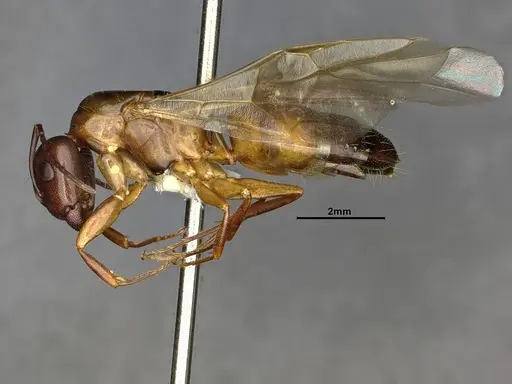
Camponotus essigi is a carpenter ant species native to western North America, ranging from Washington and Idaho south through California to northern Baja California, Mexico [1][2]. These ants are arboreal, meaning they nest above ground in dead branches, hollow twigs, and galls on trees like oaks, pines, cottonwoods, and manzanita [3]. Major workers reach around 6-10mm while minors are smaller at 4-7mm, typical of the genus. The species is highly variable in color, northern and high-elevation populations tend to be largely black, while southern California populations are often yellowish-red with dark abdominal segments [3]. This species was formerly known as Camponotus essigi and Camponotus essigi before being recognized as C. essigi [4].
Quick Summary
- Difficulty: Easy
- Origin & Habitat: Western North America, found in chaparral, oak woodlands, and pine-fir forests from Washington/Idaho to Baja California [1][2]. Nests arboreally in dead branches, twigs, and tree galls, particularly on oaks [3].
- Colony Type: Likely monogyne (single queen) based on typical Camponotus patterns. Claustral founding, queen seals herself in and raises first workers on stored fat reserves.
- Colony: Monogyne
- Founding: Claustral
- Size & Growth:
- Queen: Estimated 9-12mm based on genus typical sizes
- Worker: Majors 6-10mm, minors 4-7mm [3]
- Colony: Up to 400 workers based on related carpenter ant data [5]
- Growth: Moderate
- Development: Estimated 6-8 weeks based on typical Camponotus development at warm temperatures (Development time varies with temperature, warmer conditions speed development)
- Antkeeping:
- Temperature: Keep at 20-26°C. A gentle gradient allowing workers to choose their preferred temperature works best. Room temperature in most homes is suitable.
- Humidity: Moderate humidity around 50-60%. Being arboreal, they prefer slightly drier conditions than ground-nesting ants. Provide a water tube but avoid excessive moisture.
- Diapause: Yes, requires winter hibernation. Keep at 5-10°C for 2-3 months during winter months (roughly November-February in the Northern Hemisphere) to simulate natural conditions.
- Nesting: Arboreal setup works best, Y-tong (AAC) nests, wooden setups with branches, or test tube setups with access to vertical spaces. They prefer nests with narrow chambers and don't need soil substrate.
- Behavior: Generally calm and non-aggressive for a carpenter ant. Workers are active foragers but not particularly defensive. Major workers can deliver a bite if threatened but are not dangerous to humans. They are primarily nocturnal or crepuscular foragers. Escape risk is moderate, use standard barriers but they are not known escape artists like some tiny species.
- Common Issues: colonies may fail if kept too warm during winter, hibernation is essential for long-term health, arboreal nature means they need vertical space and climbing surfaces, flat horizontal nests may not be ideal, wild-caught colonies may have parasites or diseases that cause colony failure in captivity, overfeeding can lead to mold problems in enclosed nests, queens may abandon broods if disturbed too frequently during founding
Housing and Nest Setup
Camponotus essigi is an arboreal species, so your setup should reflect their natural nesting preferences. A Y-tong (AAC) formicarium works well because it provides narrow chambers similar to the dead branches and twigs they naturally nest in. You can also use wooden formicariums or even a simple test tube setup with a separate outworld where they can climb. The key is providing vertical space for them to move around, they are tree-dwelling ants and prefer not to be confined to flat horizontal chambers. Add some small branches or cork bark in the outworld to give them climbing surfaces and make them feel at home. A small water tube should be provided for drinking, but avoid saturating the nest area since they prefer drier conditions than ground-nesting ants. [3]
Feeding and Diet
Like other carpenter ants, C. essigi is omnivorous and will accept a variety of foods. Offer sugar water or honey as a constant energy source, they will readily drink these. For protein, provide small insects like fruit flies, small crickets, or mealworms. In the wild, they tend Lepidoptera larvae and forage for honeydew, so they have a varied diet. Feed them a few times per week, offer protein 2-3 times weekly and keep sugar water available at all times. Remove any uneaten prey after 24-48 hours to prevent mold. They are not particularly aggressive hunters, so smaller, slower prey items work better than fast-moving insects. [3]
Temperature and Seasonal Care
Keep your colony at room temperature or slightly above, ideally between 20-26°C. They are adaptable and will do fine in most home environments. During the winter months, they require a hibernation period, this is essential for the health of the colony. Reduce temperature to 5-10°C (a garage or basement works well) for about 2-3 months, typically from late fall through winter. Do not feed them during hibernation. This rest period mimics their natural cycle in the wild and helps trigger reproductive behavior in the spring. If you skip hibernation, the colony may become stressed and have shorter lifespan. [3]
Behavior and Observation
These are calm, relatively non-aggressive ants that are enjoyable to watch. Workers are primarily active during evening and nighttime hours, though they may forage during the day as well. Majors (larger workers) are distinctively larger than minors and often spend more time near the nest while minors do the foraging. They communicate using chemical trails, you may see them following established paths to food sources. They are not known for being particularly defensive, so you can observe them without much risk. However, if the nest is threatened, majors may bite to defend the colony. Their arboreal nature means they like to climb, so ensure your setup has proper barriers at the top to prevent escapes. [3]
Frequently Asked Questions
How long does it take for Camponotus essigi to raise first workers?
Expect first workers (nanitics) to emerge in about 6-8 weeks after the queen lays eggs, assuming temperatures around 24-26°C. Development is slower at cooler temperatures. The queen will remain sealed in her chamber until her first workers emerge.
Can I keep multiple Camponotus essigi queens together?
This species is typically monogyne (single queen). Combining unrelated queens is not recommended as they will likely fight. In the wild, only one queen heads each colony.
Do Camponotus essigi need hibernation?
Yes, they require a winter rest period. Keep them at 5-10°C for 2-3 months during winter. This is essential for their long-term health and triggers spring reproduction.
What do Camponotus essigi eat?
They are omnivorous. Offer sugar water or honey constantly, and protein (small insects like fruit flies, crickets, mealworms) 2-3 times per week. They will also eat small pieces of fruit or other sweet substances.
Are Camponotus essigi good for beginners?
Yes, they are considered easy to keep. They are adaptable to room temperature, not overly aggressive, and have straightforward care requirements. Their arboreal nature just means you need to provide climbing space.
When should I move Camponotus essigi to a formicarium?
You can keep them in a test tube setup for the first several months. Once the colony reaches 30-50 workers and you see them actively using an outworld area, you can transition them to a proper formicarium if desired.
How big do Camponotus essigi colonies get?
Colonies typically reach a few hundred workers, around 300-400 workers at maturity. This is smaller than some other carpenter ant species.
Why is my Camponotus essigi colony dying?
Common causes include: skipping hibernation, keeping them too wet (they prefer drier conditions), disturbing the queen during founding, or parasites from wild-caught colonies. Make sure they have proper temperature, humidity, and a quiet location.
References

This caresheet is licensed under CC BY-SA 4.0 .
ANTWEB1041672
View on AntWeb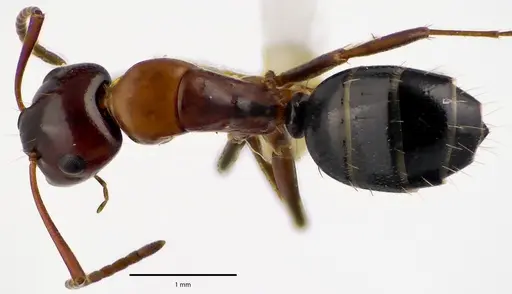
ANTWEB1041676
View on AntWeb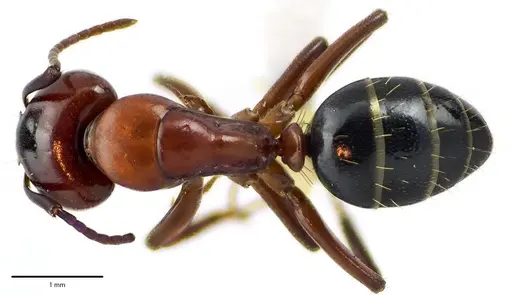
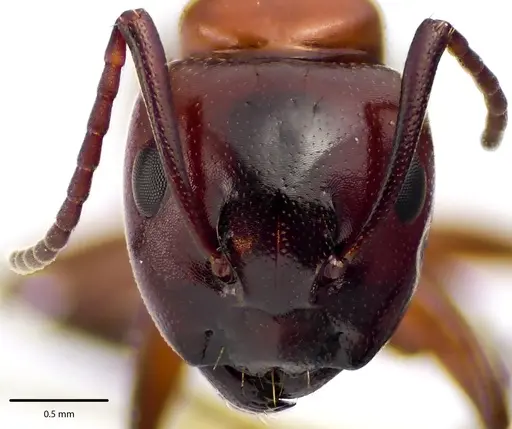
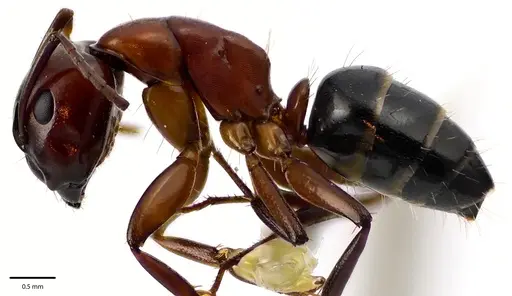
CASENT0005343
View on AntWeb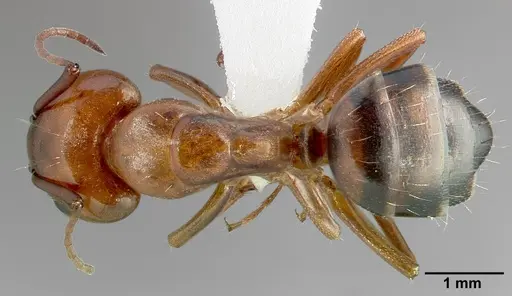
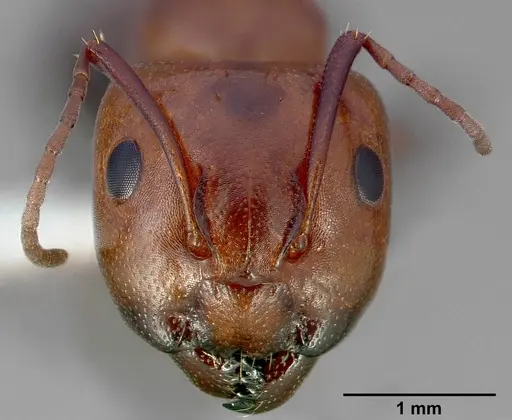
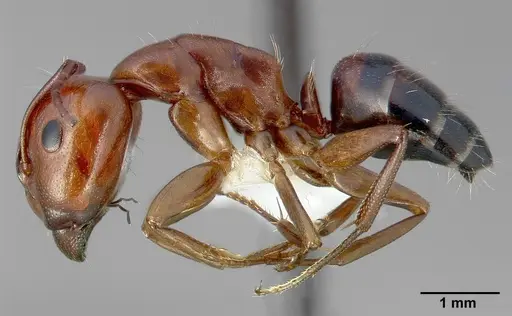
CASENT0106509
View on AntWeb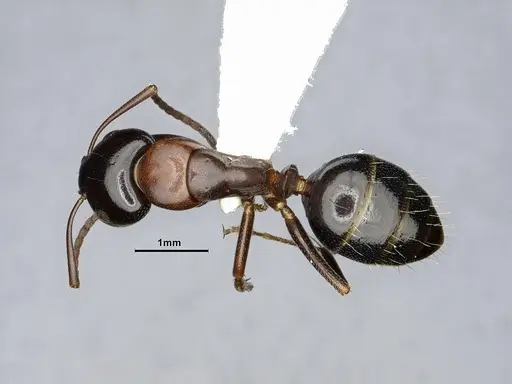
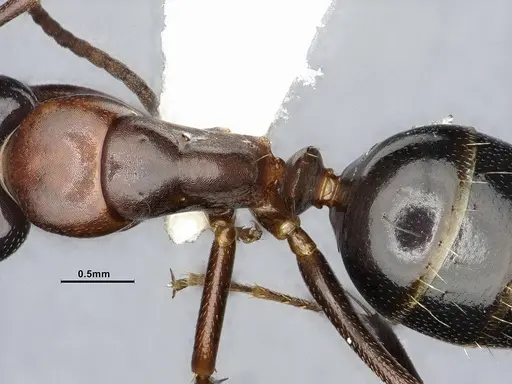
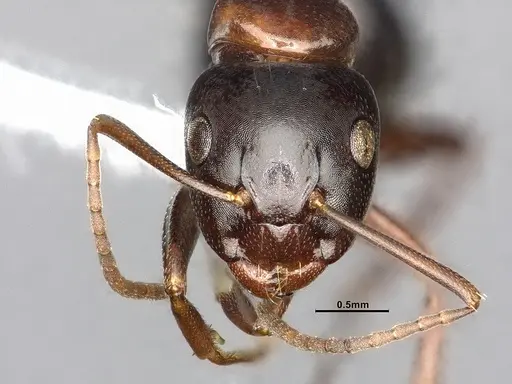
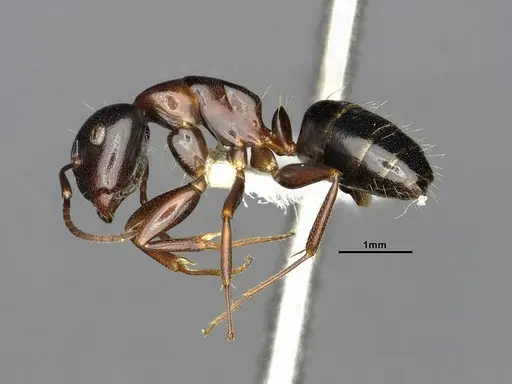
CASENT0249372
View on AntWeb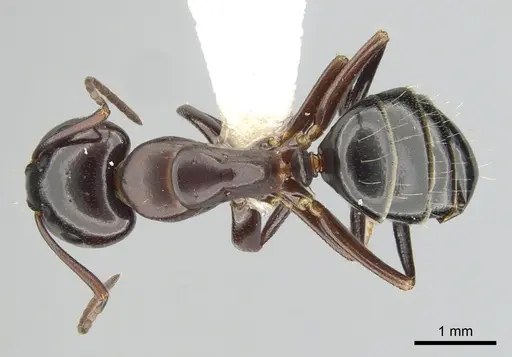
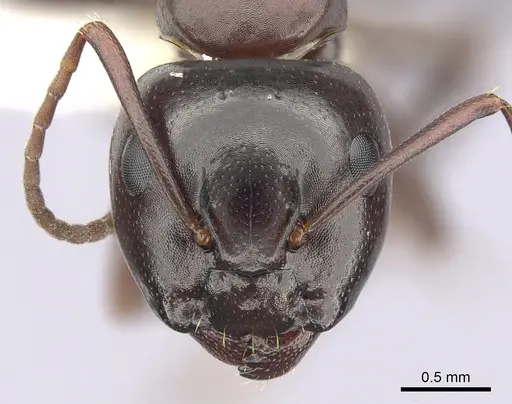
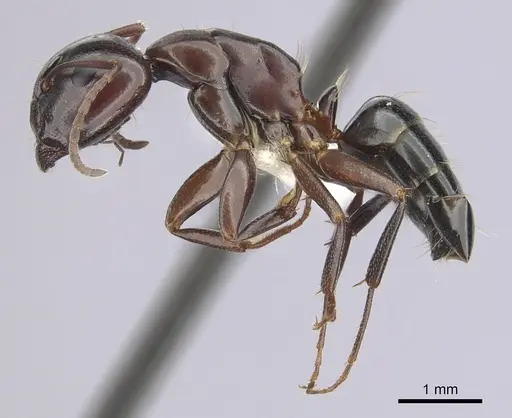
CASENT0249373
View on AntWeb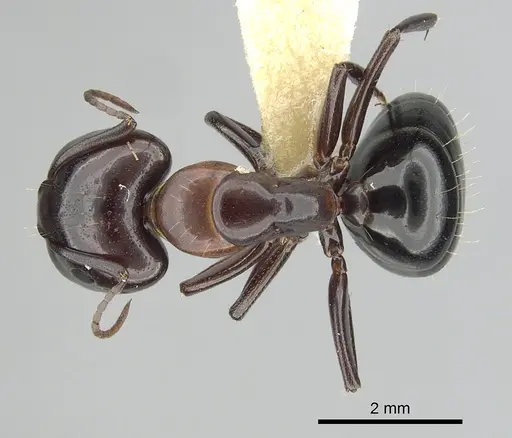
CASENT0644720
View on AntWeb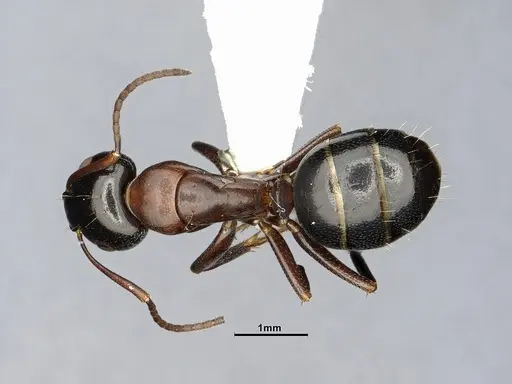
CASENT0842056
View on AntWeb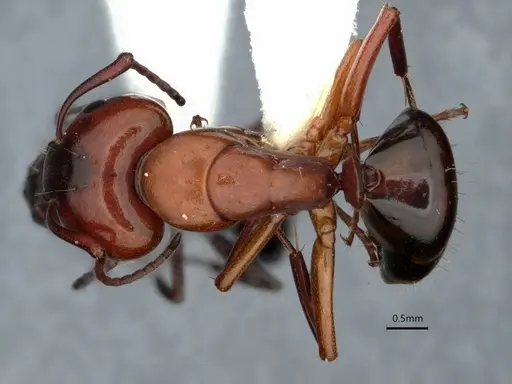
CASENT0843243
View on AntWeb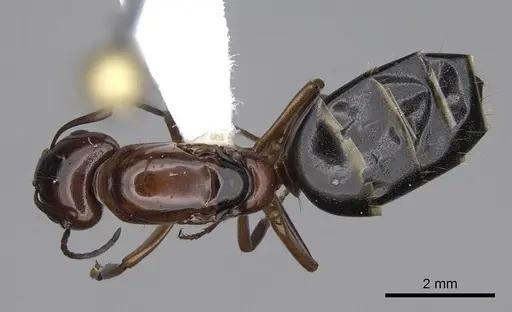
CASENT0862569
View on AntWeb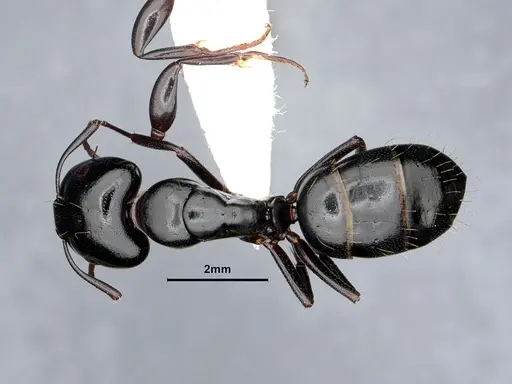
CASENT0882564
View on AntWeb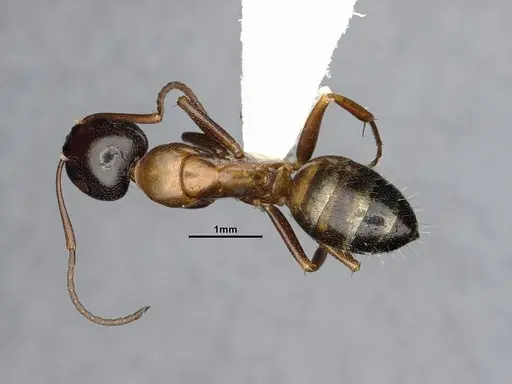
CASENT4031395
View on AntWeb
CASENT4031636
View on AntWeb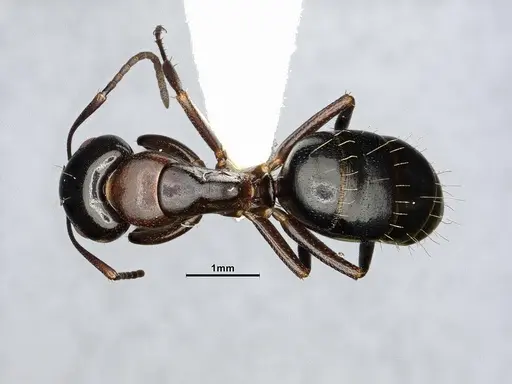
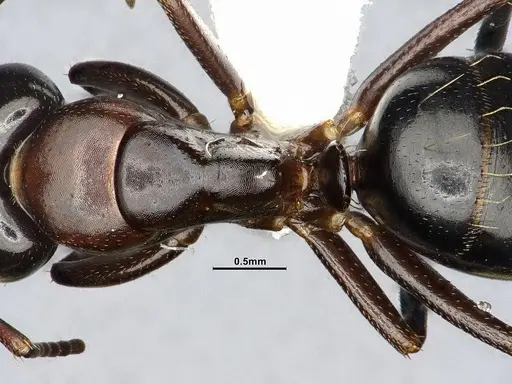
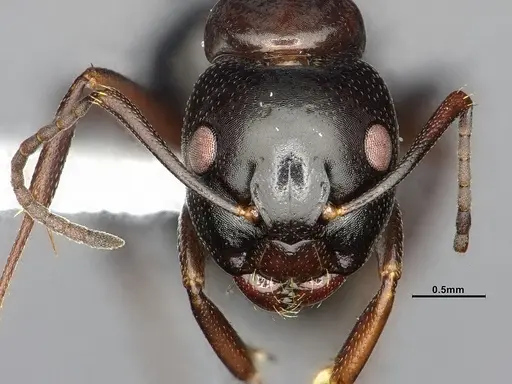
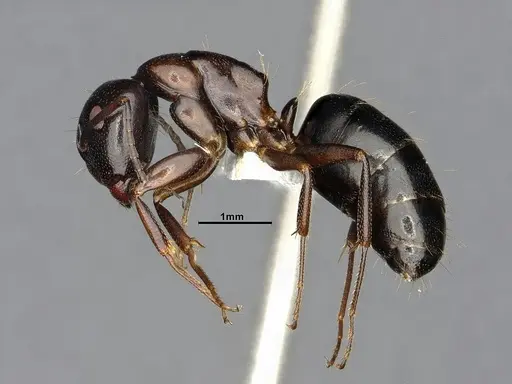
FMNHINS0000062696
View on AntWeb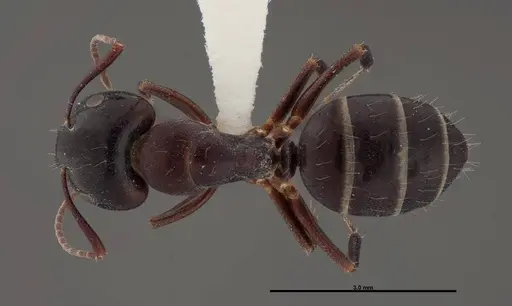
FMNHINS0000083059
View on AntWeb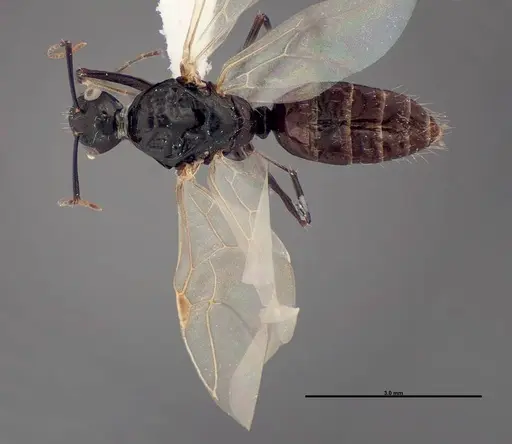
Literature
Loading...Loading products...