

Camponotus erinaceus
- Scientific Name
- Camponotus erinaceus
- Subgenus
- Myrmisolepis
- Tribe
- Camponotini
- Subfamily
- Formicinae
- Author
- Gerstäcker, 1871
- Common Name
- Hedgehog Sugarant
- Distribution
- Found in 2 countries
Camponotus erinaceus Overview
Camponotus erinaceus (commonly known as the Hedgehog Sugarant) is an ant species of the genus Camponotus. It is primarily documented in 2 countries , including Kenya, Tanzania, United Republic of. Detailed taxonomic data and occurrence records can be further explored via authoritative databases such as AntWeb or the Global Biodiversity Information Facility (GBIF).
Camponotus erinaceus - "Hedgehog Sugarant"
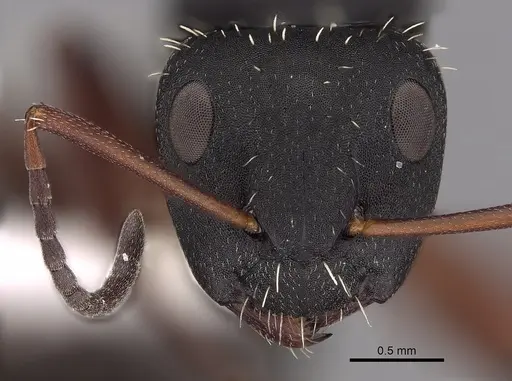
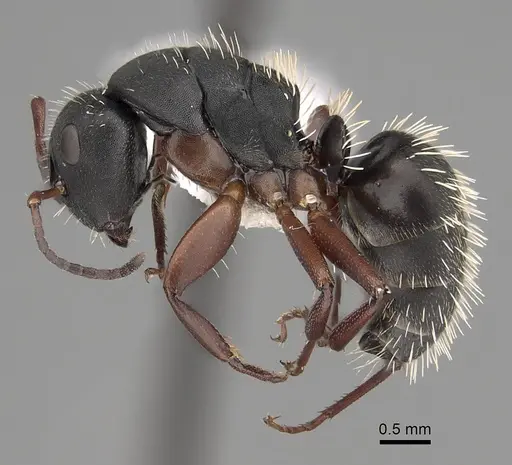
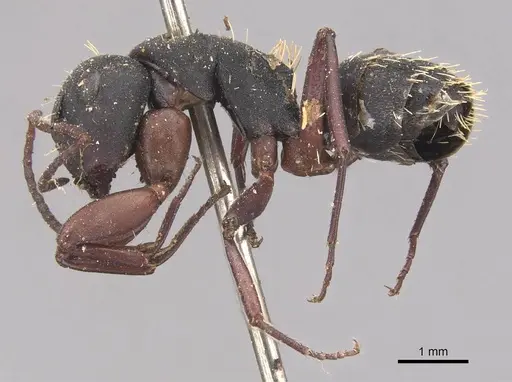
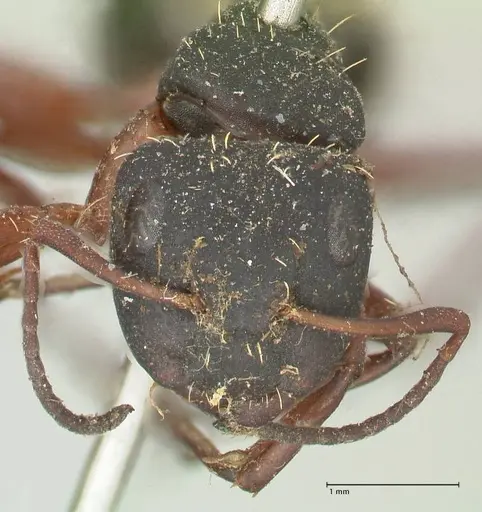
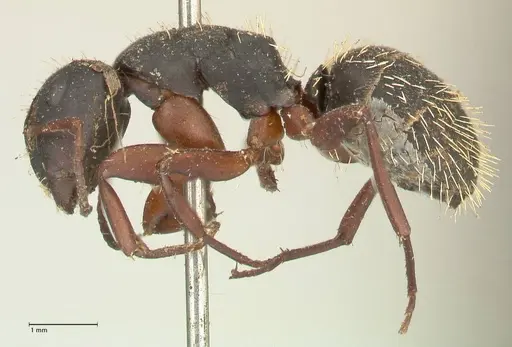
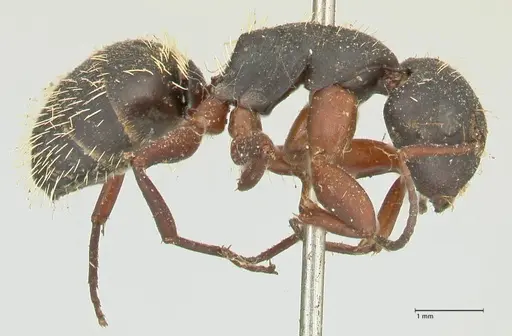
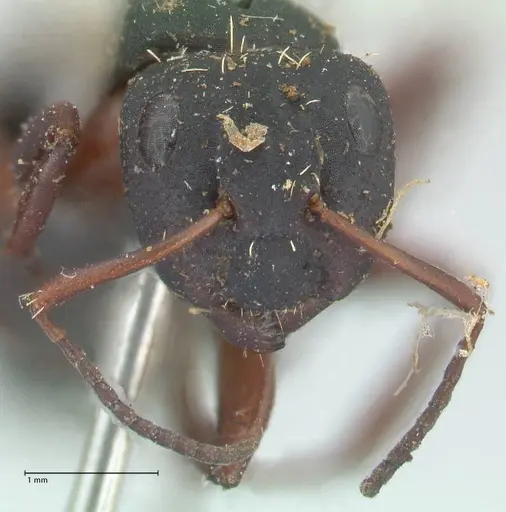
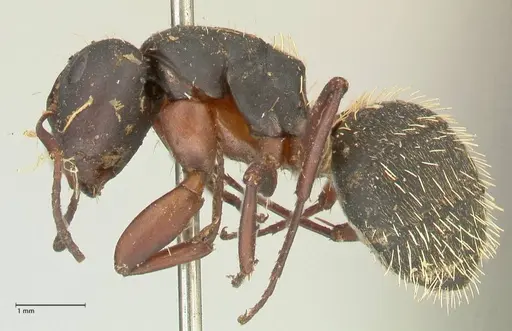
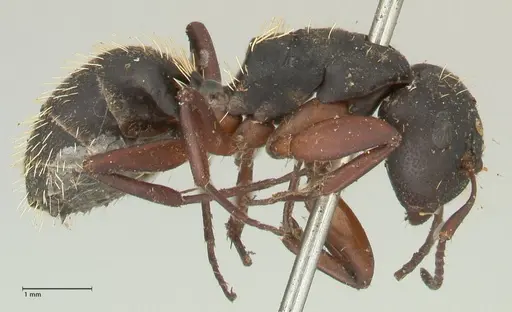
Camponotus erinaceus is a medium-sized ant species native to East Africa, found in Kenya, Tanzania, and Ethiopia. Workers measure 6-7mm and have a distinctive appearance, they are black and opaque with striking blood-red mandibles, antennal scapes, and legs. Their body is covered in sparse yellow hairs, giving them a somewhat bristly look. The prothorax is transverse-pentagonal and the petiole is strongly compressed. This species belongs to the Formicinae subfamily and was first described by Gerstäcker in 1871 [1].
This is a relatively obscure Camponotus species in the antkeeping hobby, native to the African savanna and woodland habitats of East Africa. Like other Camponotus species, they are likely moderate-to-fast growing once established, with a single queen colony structure typical of the genus.
Quick Summary
- Difficulty: Medium
- Origin & Habitat: East Africa (Kenya, Tanzania, Ethiopia), found in savanna and woodland habitats in the Afrotropical region [2]
- Colony Type: Likely single-queen colonies (monogyne) based on typical Camponotus patterns. Colony size likely reaches several thousand workers when mature.
- Colony: Monogyne
- Founding: Claustral
- Size & Growth:
- Queen: Estimated 12-15mm based on genus patterns, no direct measurement found
- Worker: 6-7mm [1]
- Colony: Likely several thousand workers based on typical Camponotus colony development
- Growth: Moderate, typical Camponotus growth rate
- Development: 6-10 weeks at optimal temperature based on typical Camponotus development [2] (Development time is estimated from genus-level data since species-specific timing is unconfirmed)
- Antkeeping:
- Temperature: Keep at 24-28°C, East African species prefer warm conditions. A heating cable on part of the nest creates a temperature gradient [2].
- Humidity: Moderate humidity around 50-60%. Allow the nest to dry out partially between water additions. These are adapted to seasonal dry conditions.
- Diapause: Likely a mild winter slowdown period (2-3 months at 15-18°C) based on typical Camponotus requirements for temperate zone species, but being tropical, they may not need full hibernation [2].
- Nesting: Y-tong (AAC) nests work well for this medium-sized species. They also do well in plaster or acrylic nests with narrow chambers. Provide a dark, quiet location.
- Behavior: Workers are moderately active and forage for honeydew and small insects. They are not particularly aggressive but will defend the nest if threatened. Escape risk is moderate, use standard barrier methods (Fluon) on the outworld. Major workers (soldiers) may develop in mature colonies.
- Common Issues: colonies grow slowly in the first few months, beginners often overfeed or disturb too much, test tube setups can flood if water reservoirs are too large, use proper founding setup, queens may seal themselves in very tightly during founding, avoid disturbing for 4-6 weeks, wild-caught colonies may carry parasites that cause colony collapse, moderate escape risk, standard barriers are sufficient but don't neglect them
Housing and Nest Setup
Camponotus erinaceus does well in standard antkeeping setups. For founding colonies, use a standard test tube setup with a water reservoir at one end, secured with cotton. The queen will seal herself in a chamber and remain there until her first workers emerge. Once the colony reaches 20-30 workers, you can move them to a proper formicarium. Y-tong (AAC) nests work excellently for this species, the chambers should be appropriately scaled to their 6-7mm worker size. Plaster nests and acrylic nests are also suitable options. Always provide an outworld for foraging and place the nest in a quiet, dark location away from vibrations and direct sunlight. [2]
Feeding and Diet
Like other Camponotus species, C. erinaceus is omnivorous with a preference for protein foods. Offer them small insects (fruit flies, small crickets, mealworms) as a primary protein source. They will also readily accept sugar water, honey, or maple syrup for energy. Feed protein 2-3 times per week, and keep a sugar source constantly available in the outworld. Remove uneaten prey after 24-48 hours to prevent mold. In nature, they likely forage for honeydew from aphids and scale insects, so occasional sweet offerings are appreciated. [2]
Temperature and Heating
As an East African species, C. erinaceus prefers warmer temperatures. Keep the nest area at 24-28°C for optimal brood development. You can use a heating cable or heating mat placed on top of (not under) the nest to maintain warmth. Place the heating element on only one side of the nest to create a temperature gradient, allowing workers to regulate their temperature by moving between warmer and cooler areas. Room temperature (around 22-24°C) is often acceptable, but colonies tend to grow faster and more consistently with slight additional warmth. [2]
Colony Development and Growth
Camponotus colonies start slowly. After the queen lays her first batch of eggs, it typically takes 6-10 weeks for the first workers (nanitics) to emerge. These first workers are usually smaller than normal workers but will begin foraging to support the colony. Growth accelerates once you have 10-20 workers, as the colony can now dedicate more resources to brood production. A mature colony can eventually reach several thousand workers. Be patient during the founding phase, disturbing the queen or checking too frequently can cause her to abandon or eat her brood. [2]
Seasonal Care and Winter Rest
While C. erinaceus comes from tropical East Africa, they likely benefit from a slight seasonal slowdown. During winter months (or if room temperature drops), you can reduce temperatures to 15-18°C for 2-3 months. This mimics natural seasonal patterns and may help stimulate breeding activity in spring. Do not cool them below 10°C or expose them to freezing temperatures. If your room temperature stays consistently warm (above 22°C) year-round, a formal hibernation may not be necessary, but a slight cooling period is still beneficial. [2]
Frequently Asked Questions
How long does it take for Camponotus erinaceus to produce first workers?
First workers typically emerge 6-10 weeks after the queen lays eggs, at optimal temperature (24-28°C). This is typical Camponotus development time. The first workers (nanitics) are usually smaller than normal workers.
What do Camponotus erinaceus ants eat?
They are omnivorous. Offer small insects (fruit flies, small crickets, mealworms) as protein 2-3 times per week. Keep sugar water, honey, or maple syrup constantly available. They also likely accept honeydew in captivity.
What temperature is best for Camponotus erinaceus?
Keep them at 24-28°C. East African species prefer warm conditions. A heating cable on part of the nest can help maintain warmth, but always provide a temperature gradient so workers can regulate their own temperature.
Are Camponotus erinaceus good for beginners?
They are rated as medium difficulty. The main challenges are their relatively slow founding phase (6-10 weeks to first workers) and the need for patience during colony establishment. They are not as forgiving as some beginner species but are not difficult once established.
How big do Camponotus erinaceus colonies get?
Mature colonies can reach several thousand workers. This is typical for Camponotus species. Growth is slow initially but accelerates significantly once the colony reaches 20-30 workers.
Do Camponotus erinaceus need hibernation?
A mild winter rest period (2-3 months at 15-18°C) is recommended but not strictly required if room temperature stays warm year-round. Being from East Africa, they don't need harsh hibernation like temperate species.
Can I keep multiple Camponotus erinaceus queens together?
This species is likely monogyne (single queen). Combining unrelated queens is not recommended as they will likely fight. Only keep one queen per colony.
When should I move Camponotus erinaceus to a formicarium?
Move them once the colony reaches 20-30 workers. Before that, they do fine in a test tube setup. Make sure the formicarium has appropriately sized chambers for their 6-7mm workers.
Why is my Camponotus erinaceus colony not growing?
Common causes include: temperatures too low (below 22°C), overfeeding causing mold, disturbing the queen too often during founding, or insufficient protein. Check these factors and ensure the queen is healthy and laying eggs.
References

This caresheet is licensed under CC BY-SA 4.0 .
CASENT0235414
View on AntWeb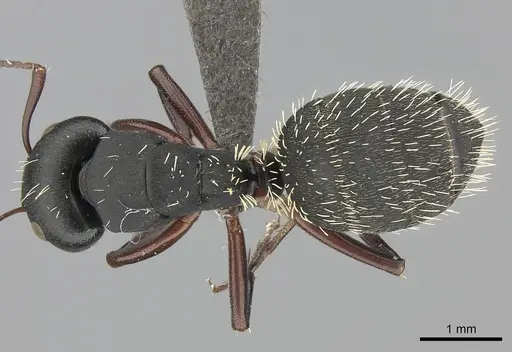
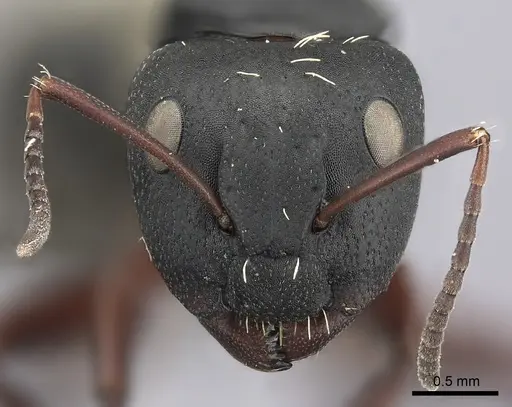
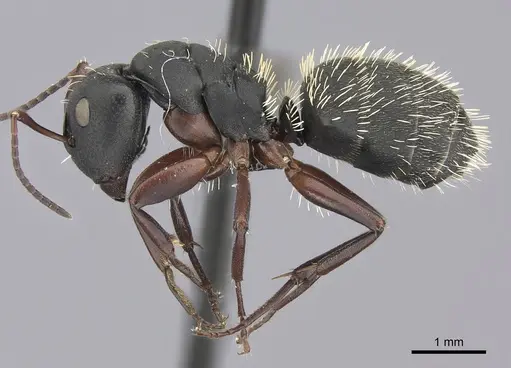
CASENT0280291
View on AntWeb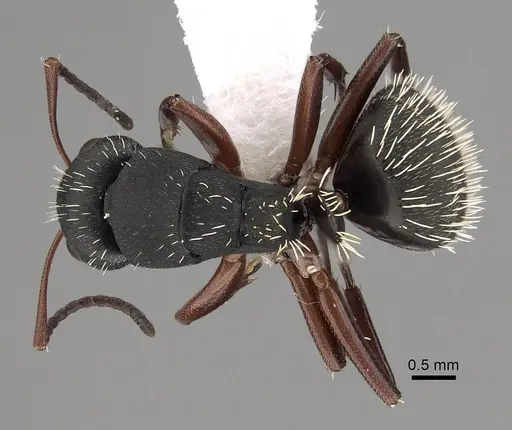
CASENT0905434
View on AntWeb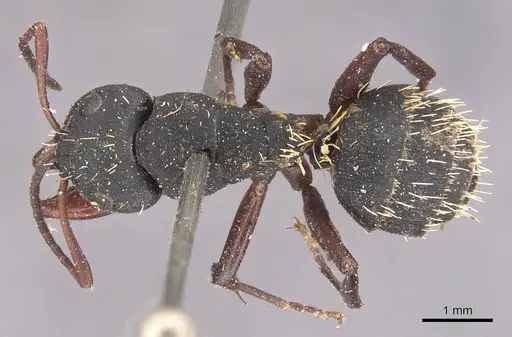
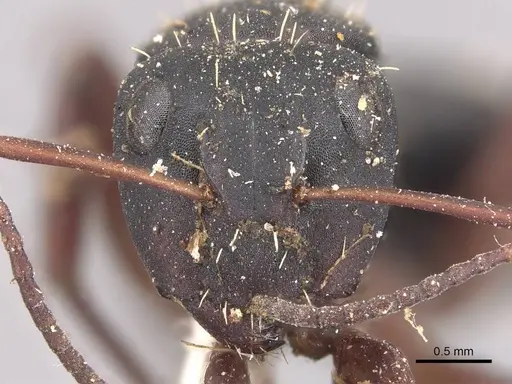
FOCOL2342
View on AntWeb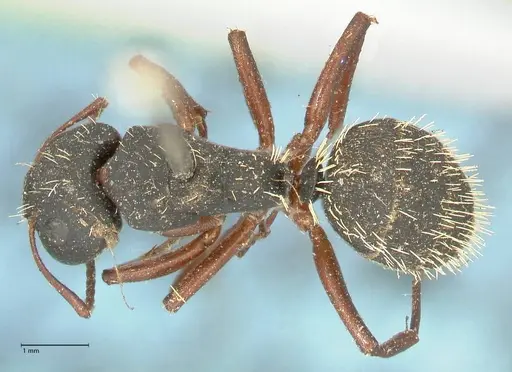
FOCOL2343
View on AntWeb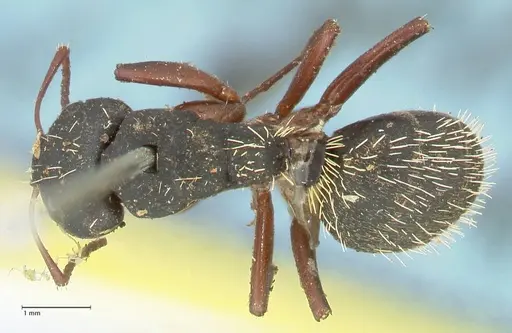
Literature
Loading...Loading products...