

Camponotus elevatus
- Scientific Name
- Camponotus elevatus
- Subgenus
- Myrmobrachys
- Tribe
- Camponotini
- Subfamily
- Formicinae
- Author
- Forel, 1899
- Distribution
- Found in 2 countries
Camponotus elevatus Overview
Camponotus elevatus is an ant species of the genus Camponotus. It is primarily documented in 2 countries , including Costa Rica, Mexico. Detailed taxonomic data and occurrence records can be further explored via authoritative databases such as AntWeb or the Global Biodiversity Information Facility (GBIF).
Camponotus elevatus
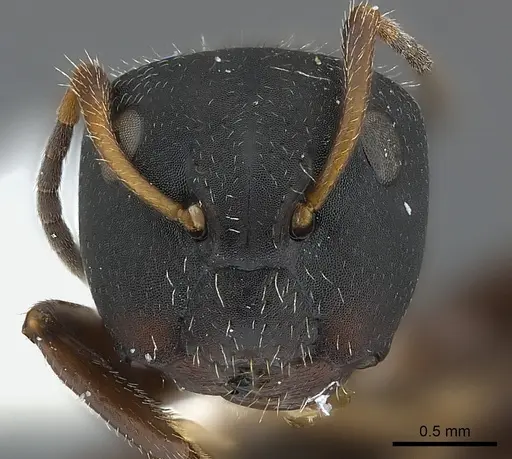
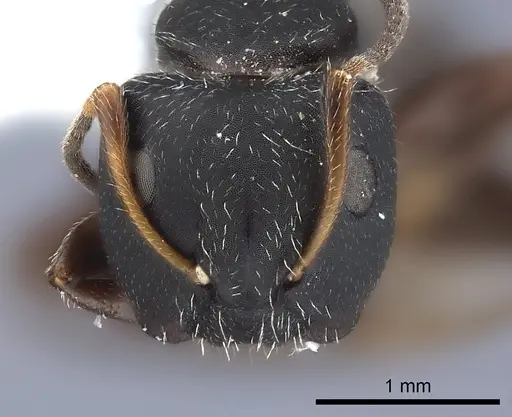
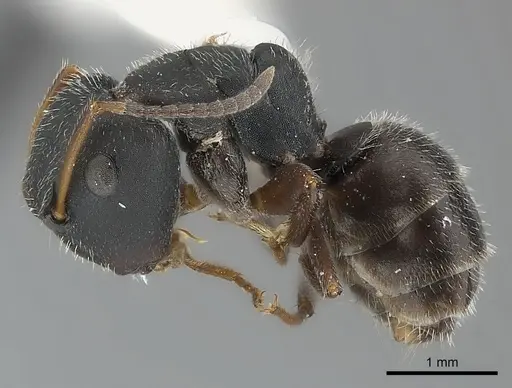
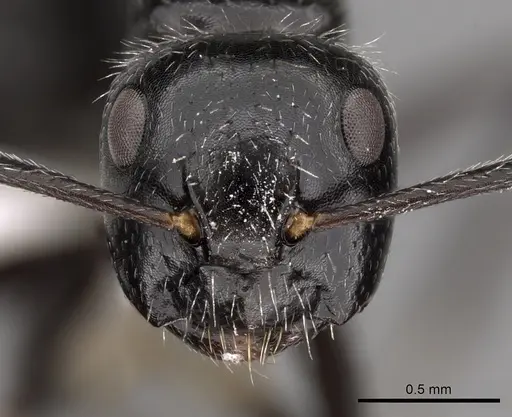
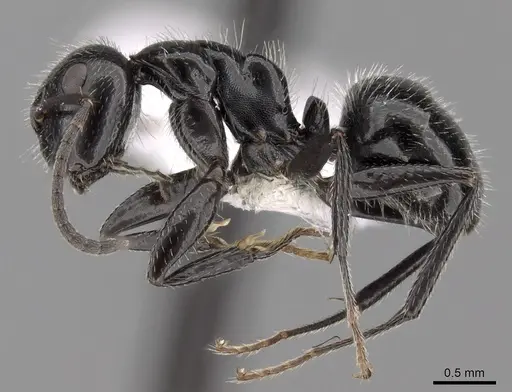
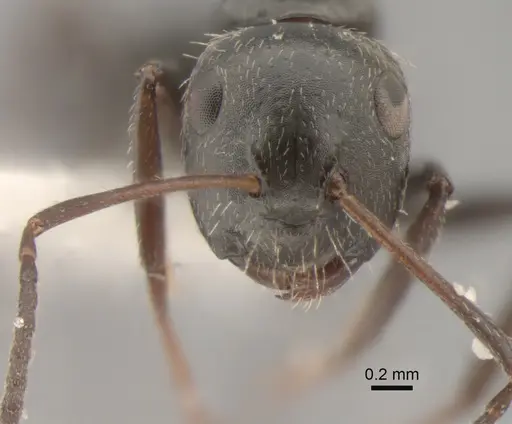
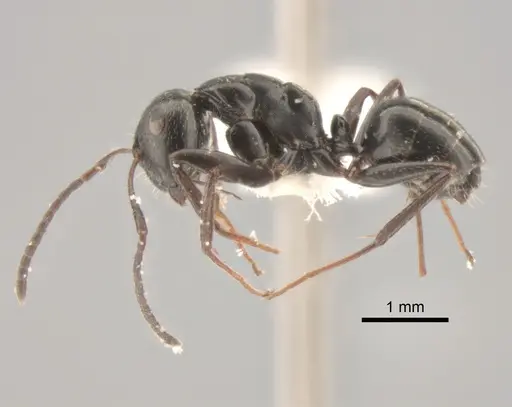
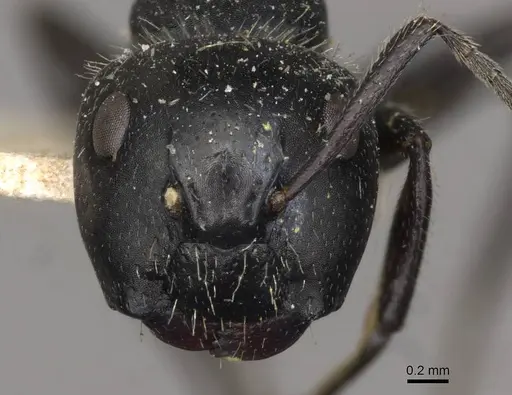
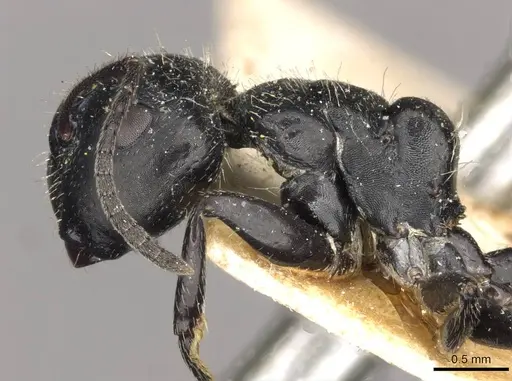
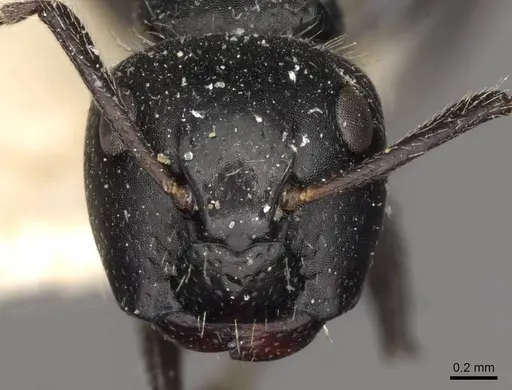
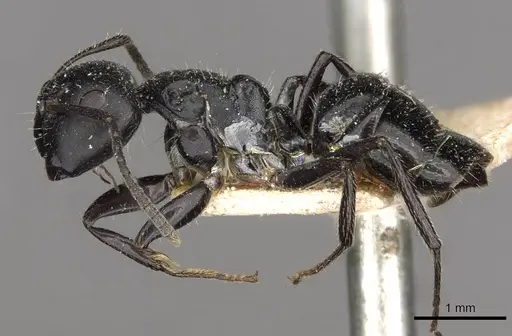
Camponotus elevatus is a Neotropical carpenter ant belonging to the subgenus Myrmobrachys and the dimorphus species group. Workers measure 4.6-5.5mm and are entirely black with brown tarsi and funicle ends [1]. The species is distinguished by its extremely convex head, very elevated metanotum forming a characteristic hump, and scale-like petiole [1]. Major workers have short, matte mandibles with six teeth, while the eyes are positioned toward the posterior third of the head [1]. This ant is found in Costa Rica and Guatemala [2].
This species is part of the dimorphus group, which is known for having distinct major and minor worker castes. The elevated metanotum (the middle section of the thorax that forms a noticeable hump) is a key identifying feature that separates C. elevatus from closely related species like C. abscisus [1]. As a Neotropical species from Central America, these ants are adapted to warmer, more humid conditions typical of tropical forests.
Quick Summary
- Difficulty: Medium
- Origin & Habitat: Neotropical region, Costa Rica and Guatemala [2]. Found in tropical forest habitats typical of Central America.
- Colony Type: Single-queen colonies (monogyne), typical for Camponotus genus. Colony structure in the wild has not been specifically documented for this species.
- Colony: Monogyne
- Founding: Claustral
- Size & Growth:
- Queen: Estimated 12-15mm based on genus patterns for Myrmobrachys subgenus
- Worker: 4.6-5.5mm [1]
- Colony: Estimated several hundred workers based on typical Camponotus colony development
- Growth: Moderate, inferred from genus patterns
- Development: 6-8 weeks at optimal temperature (estimated from typical Camponotus development) (Development time inferred from genus-level data for Camponotus species. Warmer temperatures within safe range may accelerate development.)
- Antkeeping:
- Temperature: Keep at 24-28°C. As a Neotropical species from Costa Rica and Guatemala, they prefer warm conditions. A heating cable on one side of the nest creates a temperature gradient allowing the colony to self-regulate.
- Humidity: Moderate to high humidity (60-80%). Keep the nest substrate consistently moist but not waterlogged. Provide a water tube for drinking water.
- Diapause: Not required. As a Neotropical species, they do not naturally experience cold winters. However, slight temperature reductions during winter months may be beneficial.
- Nesting: In captivity, Y-tong (AAC) nests or plaster nests work well. They prefer nests with narrow chambers scaled to their size. As carpenter ants, they may chew through soft materials but typically do not cause damage like some Camponotus species.
- Behavior: Generally calm and non-aggressive for a Camponotus species. Workers are moderately active foragers. They are not known to be particularly defensive and rarely sting. As with most Camponotus, they may be escape artists due to their moderate size, ensure escape prevention is adequate but not extreme. They are primarily nocturnal or crepuscular foragers in nature.
- Common Issues: neotropical species may struggle with temperatures below 20°C, keep warm, colonies grow slowly during the first few months which can frustrate beginners, wild-caught colonies may have parasites that kill them in captivity, overfeeding can lead to mold problems in the nest, queens may take longer to found colonies than temperate species
Housing and Nest Setup
Camponotus elevatus does well in Y-tong (AAC) nests or plaster formicariums. The chambers should be appropriately sized, not too large for smaller colonies, but with room to expand. A test tube setup works well for founding colonies. Provide a water tube connected to the nest for drinking water. As a Neotropical species, they appreciate some vertical space and will often position themselves near the warmest part of the nest. Avoid placing the nest in direct sunlight or in areas with temperature fluctuations.
Feeding and Diet
Like most Camponotus species, C. elevatus is omnivorous. Offer sugar water or honey as a constant energy source. For protein, provide small insects like fruit flies, small crickets, or mealworms. In the wild, they likely tend aphids or collect honeydew, so sugar sources are important. Feed protein 2-3 times per week, and always have sugar water available. Remove uneaten prey after 24-48 hours to prevent mold.
Temperature and Seasonal Care
Maintain temperatures between 24-28°C year-round. This is a Neotropical species from Costa Rica and Guatemala, so they are adapted to consistently warm conditions. A small heating cable placed on one side of the nest can help maintain optimal temperatures. Unlike temperate species, they do not require hibernation. However, slight temperature reductions (a few degrees) during winter may be natural and could benefit colony cycling. Monitor colony activity, if workers become sluggish, consider slightly increasing temperature.
Colony Development
Founding queens are claustral, they seal themselves into a chamber and survive entirely on stored fat reserves until their first workers (nanitics) emerge. This process typically takes 4-8 weeks depending on temperature. The first workers will be smaller than mature workers. Colony growth is moderate, expect several months before you have a significant number of workers. Major workers develop as the colony grows, typically appearing when the colony reaches 50+ workers. Be patient during the founding phase as it can be stressful for the queen.
Behavior and Handling
Camponotus elevatus is generally calm and not particularly aggressive. Workers are moderately active and will forage for food during evening and night hours. They are not known to be heavy escape artists, but standard escape prevention (fluon on edges, tight-fitting lids) should still be used. They do not possess a painful sting, though they may bite if provoked. The species is not well-studied in captivity, so observing their natural behavior patterns will be part of the rewarding experience of keeping this species.
Frequently Asked Questions
How long does it take for Camponotus elevatus to have first workers?
First workers (nanitics) typically emerge 4-8 weeks after the queen lays eggs, assuming optimal temperatures around 24-28°C. This is inferred from typical Camponotus development patterns.
What do Camponotus elevatus ants eat?
They are omnivorous. Offer sugar water or honey constantly, and protein sources like small insects (fruit flies, small crickets, mealworms) 2-3 times per week.
What temperature do Camponotus elevatus need?
Keep them warm at 24-28°C. As a Neotropical species from Costa Rica and Guatemala, they prefer consistent warmth and may struggle below 20°C.
Can I keep multiple Camponotus elevatus queens together?
Not recommended. Camponotus species are typically monogyne (single-queen colonies). Combining unrelated queens has not been documented for this species and would likely result in aggression.
How big do Camponotus elevatus colonies get?
Based on typical Camponotus patterns, colonies likely reach several hundred workers over time. The exact maximum is unknown for this species.
Do Camponotus elevatus need hibernation?
No. As a Neotropical species from tropical Central America, they do not require a hibernation period. They prefer consistent warmth year-round.
Are Camponotus elevatus good for beginners?
They are rated as medium difficulty. While not as challenging as some exotic species, their Neotropical origin means temperature control is important. Beginners should be prepared to maintain warm, stable conditions.
Why is my Camponotus elevatus colony dying?
Common causes include temperatures below 20°C, excessive humidity causing mold, or parasites from wild-caught colonies. Ensure proper temperature, adequate but not excessive humidity, and consider if the colony was wild-caught which often brings parasite issues.
References

This caresheet is licensed under CC BY-SA 4.0 .
CASENT0217642
View on AntWeb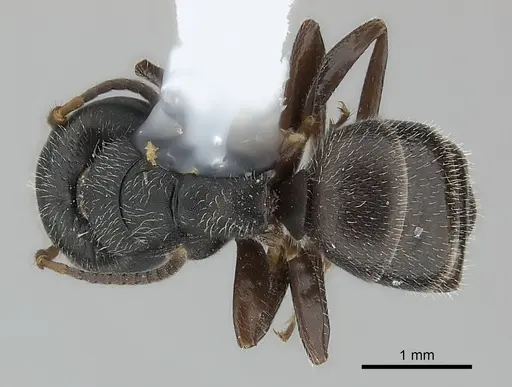
CASENT0280119
View on AntWeb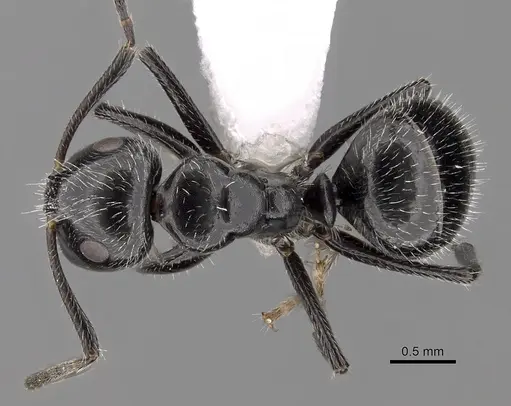
CASENT0882302
View on AntWeb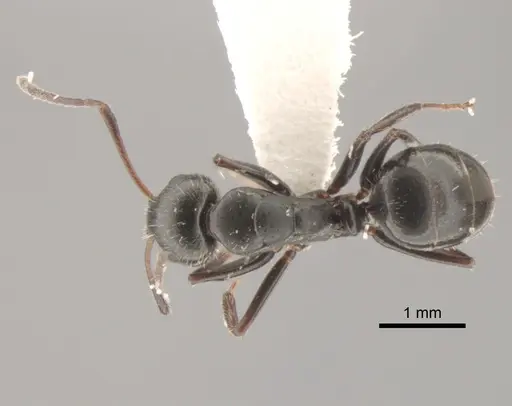
CASENT0910728
View on AntWeb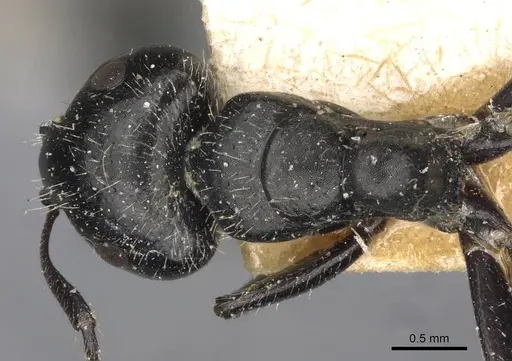
CASENT0910729
View on AntWeb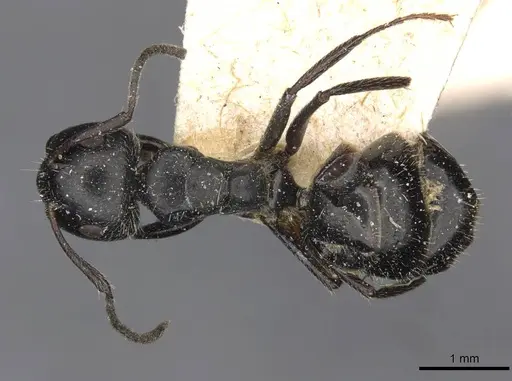
Literature
Loading...Loading products...