

Camponotus efitra
- Scientific Name
- Camponotus efitra
- Subgenus
- Mayria
- Tribe
- Camponotini
- Subfamily
- Formicinae
- Author
- Rakotonirina <i>et al.</i>, 2017
- Distribution
- Found in 1 countries
Camponotus efitra Overview
Camponotus efitra is an ant species of the genus Camponotus. It is primarily documented in 1 countries , including Madagascar. Detailed taxonomic data and occurrence records can be further explored via authoritative databases such as AntWeb or the Global Biodiversity Information Facility (GBIF).
Camponotus efitra
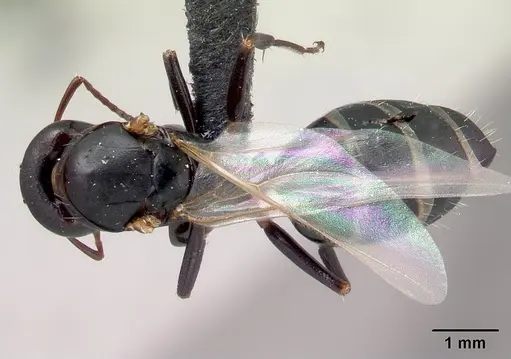
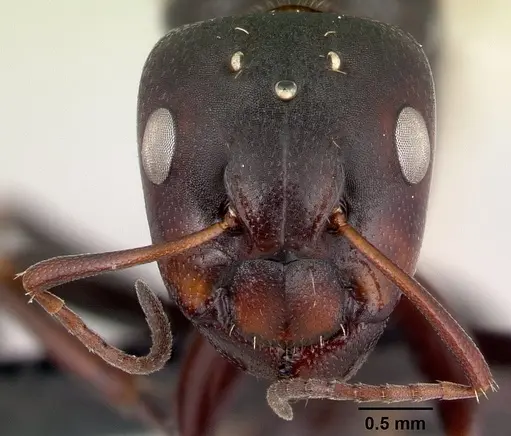
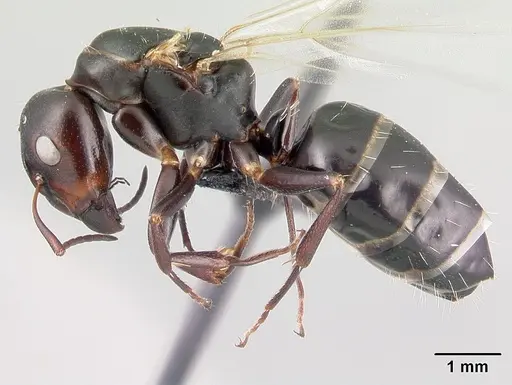
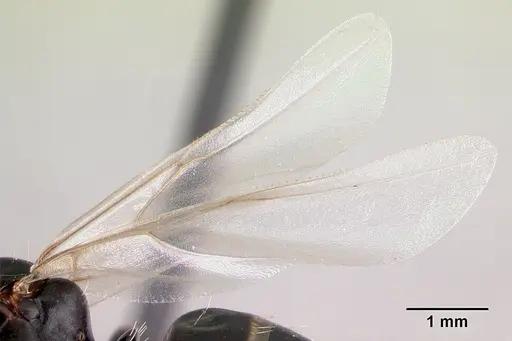
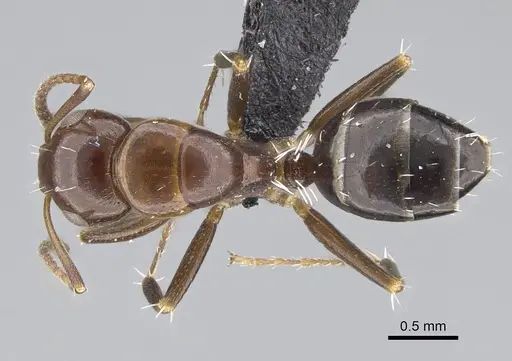
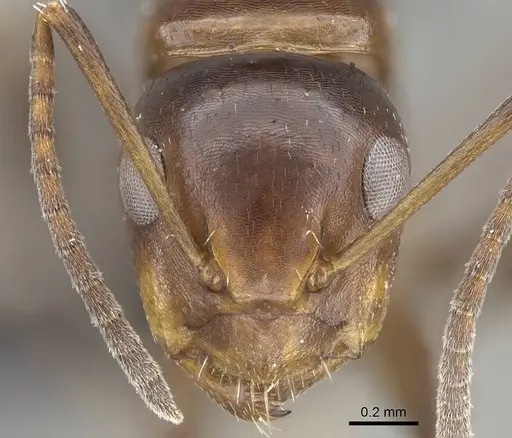
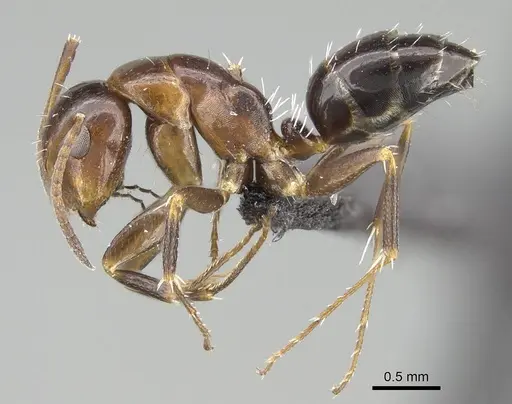
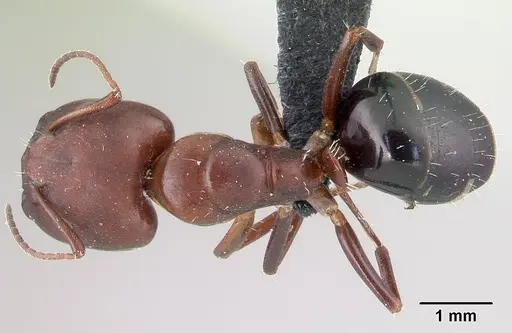
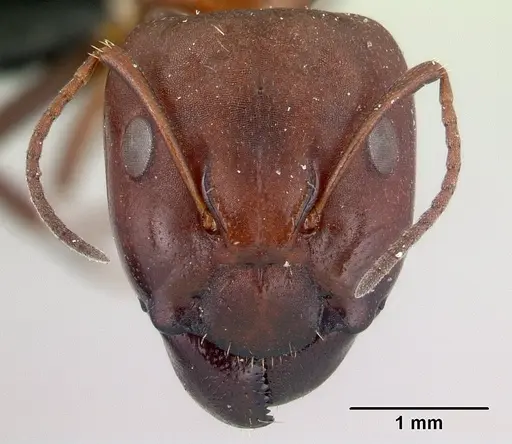
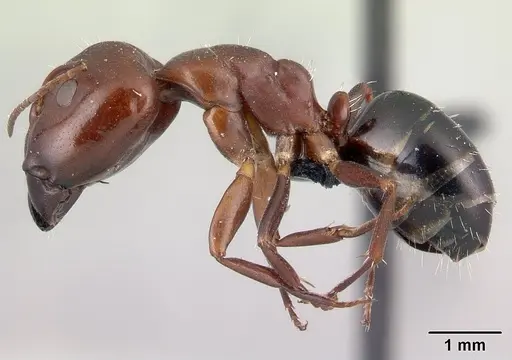
Camponotus efitra is a medium-sized ant species from the spiny forests of southern Madagascar. Workers come in two color variations: either nearly black with brown appendages, or reddish-brown head and mesosoma with a dark brown to black gaster. This species belongs to the subgenus Mayria and was only described in 2017,making it one of the more recently discovered Camponotus species. Minor workers are around 5-7mm while major workers can reach 10-12mm. The species is distinguished by its long antennal scape (the apical third extends past the back of the head) and the convex dorsal profile of the propodeum. In the wild, colonies have been found in dead tree stumps, and workers are often captured by beating low vegetation.
Quick Summary
- Difficulty: Medium
- Origin & Habitat: Southern Madagascar, specifically the spiny forests and thickets between 25m and 250m altitude in the Toliara region. This is a hot, dry forest ecosystem with distinctive spiny vegetation adapted to arid conditions [1].
- Colony Type: Single-queen colonies (monogyne). Based on typical Camponotus patterns, queens likely seal themselves in during founding and raise their first brood alone (claustral founding).
- Colony: Monogyne
- Founding: Claustral
- Size & Growth:
- Queen: Estimated 12-15mm based on genus patterns for Mayria subgenus
- Worker: Minor workers 5-7mm, major workers 10-12mm [1]
- Colony: Likely several hundred workers based on related Camponotus species
- Growth: Moderate, expect 6-10 weeks from egg to first worker at optimal temperature
- Development: 6-10 weeks at 24-27°C (estimated based on genus patterns for Camponotus) (Development time is estimated from related species in the genus. Nanitics (first workers) will be smaller than normal workers.)
- Antkeeping:
- Temperature: Keep nest area at 24-27°C. A heating cable on one side creates a gradient allowing workers to self-regulate. This species comes from warm Madagascan spiny forests so they tolerate heat well.
- Humidity: Moderate humidity around 50-70%. The spiny forest habitat is relatively dry, so avoid overly damp conditions. Provide a water tube as a drinking source.
- Diapause: Not required. This is a tropical species from Madagascar and does not experience cold winters. Keep them at warm temperatures year-round.
- Nesting: In captivity, Y-tong (acrylic) nests or plaster nests work well. The species naturally nests in dead wood, so wood-based or acrylic setups mimic their natural preferences. Provide a foraging area with access to protein and sugar foods.
- Behavior: Workers are moderately active and forage for protein and sugar sources. They are not particularly aggressive but will defend the nest if threatened. Major workers have larger heads and may specialize in seed processing or defense. Escape prevention is important, use standard Camponotus barriers like fluon on test tube rims. This species is not known to be escape artists but small gaps should still be sealed.
- Common Issues: new species with limited captive data, expect some trial and error with care conditions, tropical species may be sensitive to temperature drops, keep warm year-round, limited information on specific food preferences, offer variety and observe what they accept, wild-caught colonies may have parasites or disease, quarantine and monitor new colonies
Housing and Nest Setup
Camponotus efitra does well in standard ant keeping setups. Y-tong (acrylic) nests are ideal because they provide dark chambers that mimic the interior of a dead tree stump where this species naturally nests. Plaster nests also work well and allow you to control humidity more precisely. For the founding stage, keep the queen in a test tube setup with a water reservoir. Once the colony reaches 15-20 workers, you can move them to a formicarium. Always connect the nest to an outworld (foraging area) so workers can access food. Use a test tube setup for the first few months, the queen needs a dark, secure space to lay eggs and raise her first brood. [1]
Feeding and Diet
Like most Camponotus species, these ants are omnivorous and will accept both protein and sugar sources. Offer sugar water, honey, or diluted maple syrup as a constant carbohydrate source. For protein, provide small insects like fruit flies, mealworms, or crickets. Based on the natural diet of related Madagascan Camponotus, they likely also consume honeydew from aphids and may scavenge. Feed protein 2-3 times per week, and keep sugar water available at all times. Remove uneaten prey after 24-48 hours to prevent mold. [1]
Temperature and Heating
Being from southern Madagascar's spiny forests, this species prefers warm conditions. Keep the nest area at 24-27°C (75-80°F). You can achieve this with a heating cable placed on top of the nest (never under it, as this can dry out the substrate too quickly). Room temperature may be sufficient if your home stays in this range, but a small heat gradient helps with activity and brood development. Monitor colony behavior, if workers cluster near the heat source, increase temperature slightly, if they avoid it, reduce heat. Unlike temperate species, these ants do not need hibernation and should be kept warm year-round. [1]
Humidity and Water
The spiny forests of southern Madagascar are relatively dry, so this species tolerates lower humidity than many other ants. Aim for 50-70% humidity in the nest area. In test tube setups, the water reservoir provides adequate humidity. In formicarium setups, mist occasionally but allow the nest to dry between waterings. Always provide a fresh water source, a small test tube with water and a cotton plug works well, or a water dish with a sponge in the outworld. [1]
Colony Development
A newly mated queen will seal herself in a chamber and lay eggs after a few weeks. She feeds the first brood from her stored fat reserves (claustral founding). The first workers, called nanitics, are usually smaller than normal workers and appear after 6-10 weeks depending on temperature. After the nanitics emerge, the queen stops caring for the brood directly, workers take over all foraging and brood care. Colony growth is moderate, expect several months to reach 50 workers, and over a year to reach several hundred. Major workers (soldiers) typically appear once the colony is well-established.
Behavior and Temperament
Camponotus efitra workers are generally calm and not particularly aggressive. They are active foragers and will readily search out food in the outworld. Major workers have larger heads and may specialize in certain tasks like seed processing or nest defense. Workers communicate using chemical trails, you may observe them following pheromone paths to food sources. When threatened, they may raise their abdomen (gaster) in warning, though they rarely bite. This species is not known for painful stings. [1]
Frequently Asked Questions
How long does it take for Camponotus efitra to raise first workers?
Expect 6-10 weeks from egg to first worker at optimal temperature (24-27°C). This is typical for Camponotus species. The exact time depends on temperature and how well the queen is cared for.
What do Camponotus efitra ants eat?
They are omnivorous. Offer sugar water, honey, or maple syrup as a constant carbohydrate source. For protein, provide small insects like fruit flies, mealworms, or crickets 2-3 times per week.
Do Camponotus efitra ants need hibernation?
No. This is a tropical species from Madagascar and does not require hibernation. Keep them warm year-round at 24-27°C.
What temperature is best for Camponotus efitra?
Keep nest temperatures between 24-27°C (75-80°F). A heating cable on top of the nest can create a gentle gradient. They are from warm Madagascan forests and tolerate heat well.
How big do Camponotus efitra colonies get?
Based on related species, colonies likely reach several hundred workers over 1-2 years. Major workers appear once the colony is well-established.
Can I keep multiple Camponotus efitra queens together?
No. This species is monogyne (single-queen). Combining unrelated queens will result in fighting. Only keep one queen per colony.
What type of nest is best for Camponotus efitra?
Y-tong (acrylic) nests or plaster nests work well. They naturally nest in dead wood, so these setups mimic their natural habitat. For founding, use a simple test tube setup.
Is Camponotus efitra a good species for beginners?
This is a moderately difficult species. It is a newly described species with limited captive data, so some experimentation may be needed. If you have experience with other Camponotus species, this is a manageable choice.
Where is Camponotus efitra found in the wild?
This species is endemic to the spiny forests of southern Madagascar, specifically the Toliara region between 25m and 250m altitude. It was described in 2017.
References

This caresheet is licensed under CC BY-SA 4.0 .
Literature
Loading...Loading products...