

Camponotus dumetorum
- Scientific Name
- Camponotus dumetorum
- Subgenus
- Tanaemyrmex
- Tribe
- Camponotini
- Subfamily
- Formicinae
- Author
- Wheeler, 1910
- Distribution
- Found in 2 countries
Camponotus dumetorum Overview
Camponotus dumetorum is an ant species of the genus Camponotus. It is primarily documented in 2 countries , including Mexico, United States of America. Detailed taxonomic data and occurrence records can be further explored via authoritative databases such as AntWeb or the Global Biodiversity Information Facility (GBIF).
Camponotus dumetorum
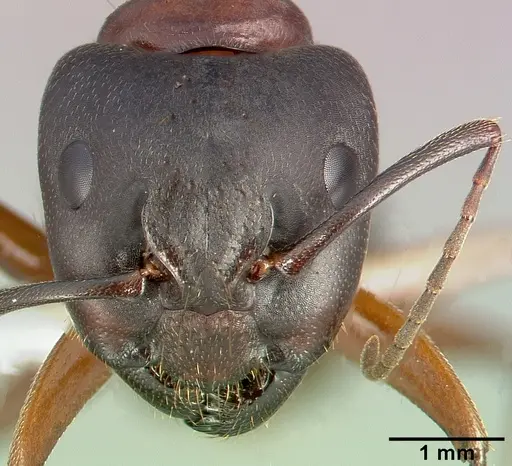
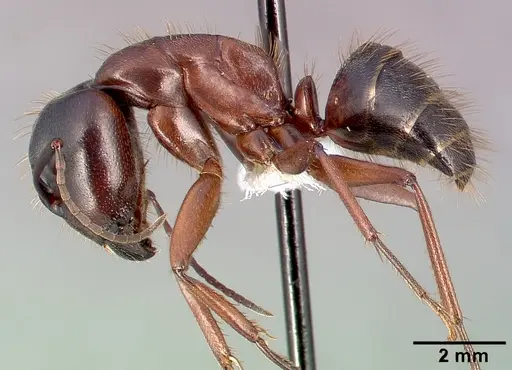
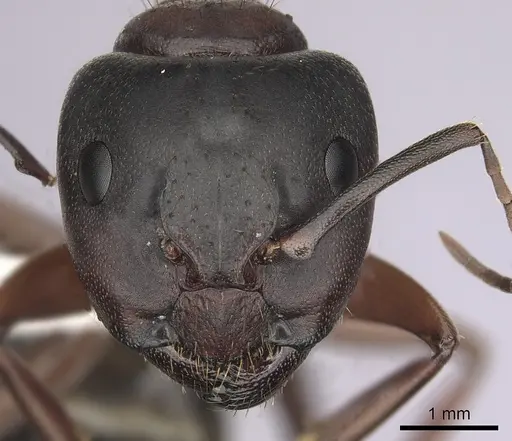
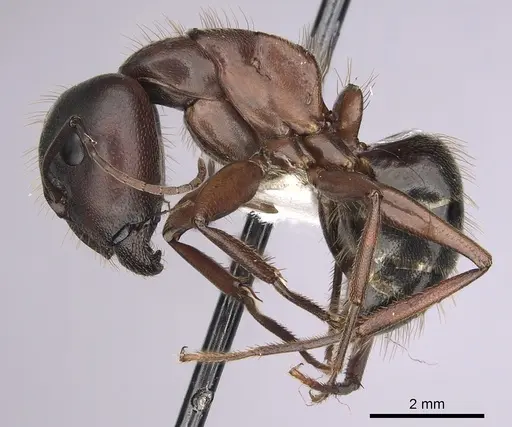
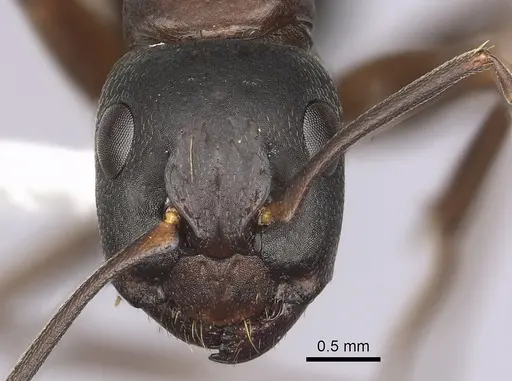
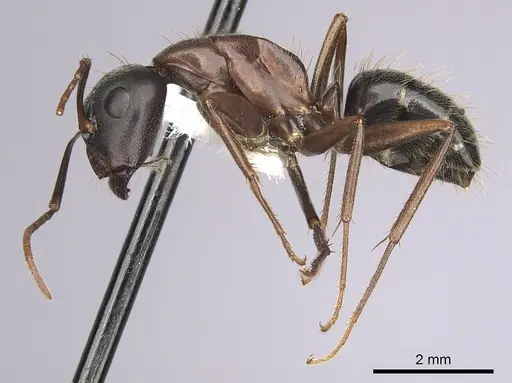
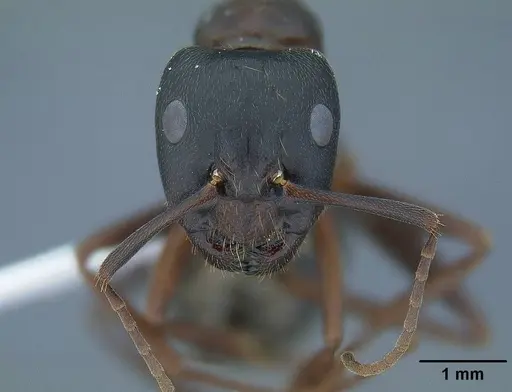
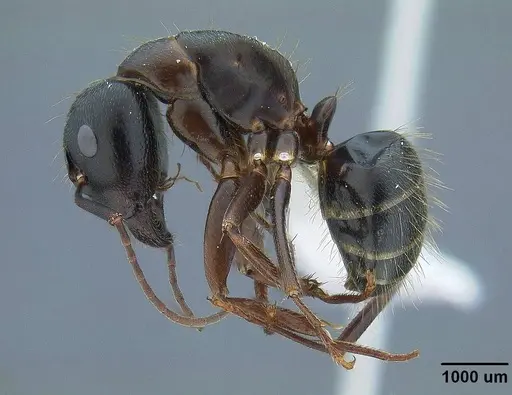
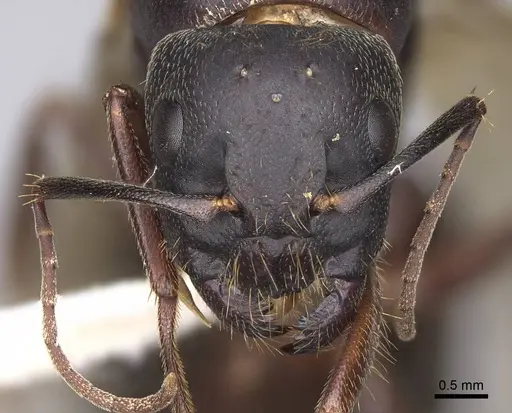
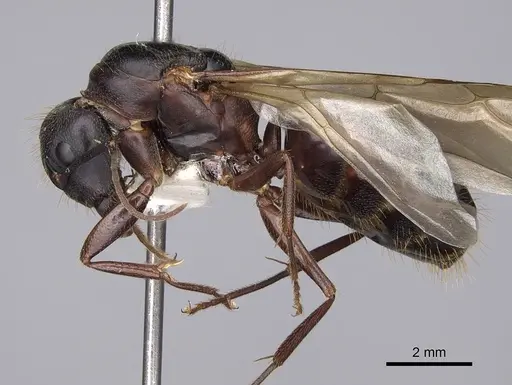
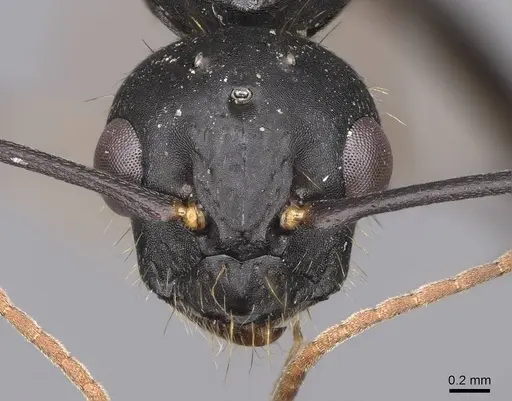
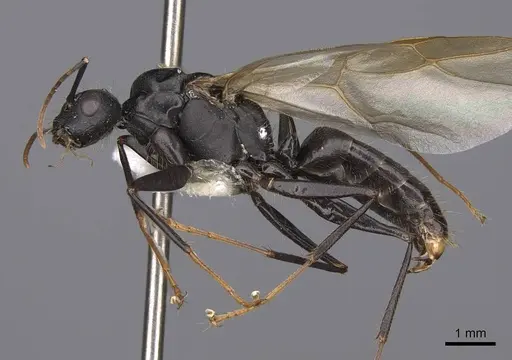
Camponotus dumetorum is a large carpenter ant native to the chaparral ecosystems of Southern California and Baja California. Major workers reach 10-13mm while minors are 6-9mm, making them a substantial species within the Camponotus genus. They have a distinctive appearance with a black head and gaster, while the thorax and legs are dull brown. The most striking feature is the enlarged lobule at the base of the antennae, which is larger than in related species [1].
This ant is the dominant insect of the chaparral, forming flat crater nests among bushes. Unlike many ants, they are nocturnal, they do not forage during the day, especially during the dry season. Workers tend aphids and coccids on scrub-oaks (Quercus dumosa) for honeydew, which forms their primary food source. Their nests are numerous in chaparral areas but difficult to study except where fire has cleared the vegetation [1].
Quick Summary
- Difficulty: Medium
- Origin & Habitat: Native to the chaparral ecosystems of Southern California and Baja California, Mexico. Found in the San Gabriel Range near Pasadena and Claremont, California, up to 2,000 feet altitude. Nests in the ground among bushes, forming flat craters with round or elongate entrances [1][2][3].
- Colony Type: Single-queen (monogyne) colonies. This is a standard Camponotus species with claustral founding where the queen seals herself in to raise the first workers alone.
- Colony: Monogyne
- Founding: Claustral
- Size & Growth:
- Queen: Estimated 12-16mm based on genus Camponotus patterns
- Worker: Major: 10-13mm, Minor: 6-9mm [1]
- Colony: Estimated several thousand workers based on typical Camponotus colony development
- Growth: Moderate, typical Camponotus development timeline
- Development: 6-8 weeks based on typical Camponotus genus development at optimal temperature (Development time is temperature-dependent, warmer conditions within range accelerate development)
- Antkeeping:
- Temperature: Keep at 20-26°C with a gentle gradient. As a species from Southern California's chaparral, they tolerate warmer conditions but prefer moderate temperatures. Room temperature (20-24°C) is typically suitable [1].
- Humidity: Moderate humidity around 50-60%. They nest in ground so provide some moist substrate in the nest area, but avoid waterlogging. The natural chaparral habitat has dry summers with occasional moisture.
- Diapause: Yes, as a species from temperate California, they require a winter hibernation period. Provide 3-4 months at 10-15°C during winter.
- Nesting: Y-tong (AAC), plaster, or naturalistic setups work well. Provide soil or sand as substrate for nesting. They are ground-nesting ants so a nest with soil chambers or compact earth is preferred over entirely acrylic setups.
- Behavior: Nocturnal foragers, they do not venture out during daytime. Workers are moderate in size and can deliver a decent sting if provoked, though they are not particularly aggressive. They are escape artists due to their size and agility, ensure excellent escape prevention with tight-fitting lids and barrier gel. They farm aphids for honeydew and will tend scale insects in captivity.
- Common Issues: nocturnal activity means keepers may not see much during daylight hours, this is normal behavior, colonies can be slow to establish in captivity, patience is required during the founding stage, escape prevention is important, they are agile climbers despite their size, overheating can be fatal, avoid temperatures above 30°C, wild-caught colonies may have parasites, quarantine and monitor new colonies
Nest Preferences and Housing
Camponotus dumetorum is a ground-nesting species that naturally forms nests in soil among chaparral bushes. In captivity, they do well in Y-tong (AAC) nests with soil chambers, plaster nests with damp areas, or naturalistic setups with a soil layer. The key is providing a nest area with compact substrate they can excavate or move through.
For founding colonies, a standard test tube setup works well. Once the colony reaches 15-20 workers, consider moving to a formicarium with a foraging area. The nest should have chambers sized appropriately, not too large for small colonies, as this can stress the ants. A dark cover over the nest area helps, since they are naturally nocturnal and prefer dark, secure spaces.
The outworld (foraging area) should be simple and easy to clean. These ants are not extreme climbers like some Camponotus, but escape prevention is still important. Use tight-fitting lids and consider barrier gel on container edges. [1]
Feeding and Diet
In the wild, Camponotus dumetorum workers derive most of their nutrition from honeydew produced by aphids and coccids on scrub-oaks. They also likely consume small insects and nectar. In captivity, you should replicate this diet.
Protein is essential for brood development. Offer small insects like fruit flies, small crickets, mealworms, or waxworms. Feed protein 2-3 times per week, adjusting based on colony size and brood presence. Sugar sources are also important, they will readily accept sugar water, honey, or commercial ant nectar. Keep a sugar source available at all times.
Because they are nocturnal, place food in the foraging area in the evening and check the next morning. Remove uneaten food promptly to prevent mold. Young colonies may be shy about taking food, this is normal and they will typically become more confident as they grow. [1]
Temperature and Seasonal Care
As a species from Southern California's chaparral, Camponotus dumetorum prefers moderate temperatures in the low-to-mid 20s Celsius. They can tolerate brief periods of warmer weather but should be kept away from direct heat sources that could cause overheating. A temperature range of 20-26°C is suitable.
A critical aspect of care is providing a proper winter hibernation. Because they originate from a region with distinct seasons, they require a diapause period. During winter (roughly November through February in the Northern Hemisphere), reduce temperature to 10-15°C. This can be achieved by moving the colony to a cooler location like an unheated garage or basement.
Do not feed during hibernation, but ensure some moisture remains available. After hibernation, gradually warm the colony back to room temperature in spring. This seasonal cycle is important for colony health and triggering reproductive behavior in mature colonies. [1]
Behavior and Colony Dynamics
Camponotus dumetorum is notably nocturnal, this is a key behavioral trait that keepers must understand. Workers remain inside the nest during daylight hours and become active in the evening and night. This is not a sign of illness or problem, it is natural behavior, especially during the dry season when they were observed by Wheeler in 1910.
The colony structure is monogyne, meaning one queen per colony. The queen is claustral, she seals herself in a chamber and does not leave to forage during founding. She relies entirely on stored fat reserves to survive and produce the first workers (nanitics), which are typically smaller than mature workers.
Workers are not particularly aggressive but will defend the nest if threatened. They can deliver a sting, though the pain level is moderate. Major workers (10-13mm) are significantly larger than minors (6-9mm) and serve different roles in the colony. The colony will grow gradually over several years to reach several thousand workers at maturity. [1]
Frequently Asked Questions
How long does it take for Camponotus dumetorum to have first workers?
First workers (nanitics) typically emerge in 6-8 weeks after the queen lays eggs, assuming temperatures around 24-26°C. This is typical for Camponotus species. The founding stage requires patience, do not disturb the queen during this period.
Can I keep Camponotus dumetorum in a test tube?
Yes, test tubes work well for founding colonies. Use a standard test tube setup with a water reservoir (cotton ball) and provide a dark cover. Keep the tube at room temperature and wait for the colony to develop. Move to a formicarium once the colony has 15-20 workers.
What do Camponotus dumetorum eat?
They need a balanced diet of protein and sugar. Feed small insects (fruit flies, small crickets, mealworms) 2-3 times weekly for protein. Provide constant access to sugar water, honey, or commercial ant nectar. They also tend aphids in the wild, so they may accept aphid colonies if available.
Do Camponotus dumetorum need hibernation?
Yes, they require a winter hibernation period of 3-4 months. Reduce temperatures to 10-15°C during winter (roughly November-February). This is essential for colony health and triggers reproductive behavior in mature colonies. Do not feed during hibernation.
Are Camponotus dumetorum good for beginners?
They are rated as medium difficulty. They are more challenging than beginner species like Lasius but easier than some exotic ants. The main challenges are their nocturnal activity (less visible during day), the need for hibernation, and slower founding stage compared to some species. They are a rewarding species for intermediate antkeepers.
How big do Camponotus dumetorum colonies get?
Mature colonies can reach several thousand workers. Growth is moderate, expect several years to reach maximum size. The colony will grow from just a few workers (nanitics) to dozens, then hundreds, and eventually thousands over time with proper care.
Why are my Camponotus dumetorum always hiding during the day?
This is completely normal behavior. Camponotus dumetorum is a nocturnal species, they do not forage during daylight hours in the wild, especially during the dry season. They become active in the evening and night. Provide food in the evening and check the next morning.
When should I move my colony to a formicarium?
Move from a test tube to a formicarium once the colony reaches 15-30 workers and the test tube is showing signs of degradation (mold, low water). A formicarium with a foraging area gives them more space and makes feeding easier.
Can I keep multiple Camponotus dumetorum queens together?
No, this is a monogyne (single-queen) species. Unlike some ants that can have multiple queens, Camponotus dumetorum colonies should only have one queen. Introducing additional queens will result in fighting.
References

This caresheet is licensed under CC BY-SA 4.0 .
CASENT0005342
View on AntWeb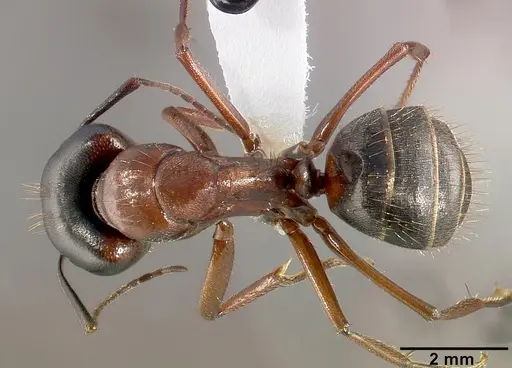
CASENT0280021
View on AntWeb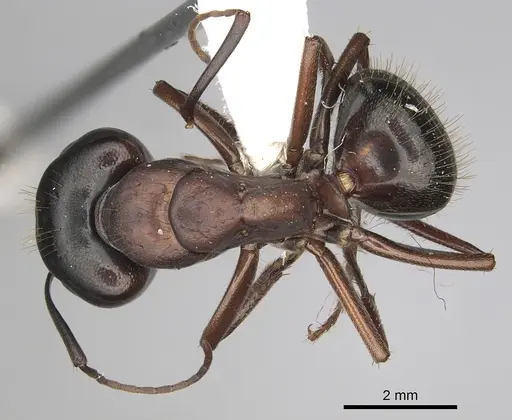
CASENT0280022
View on AntWeb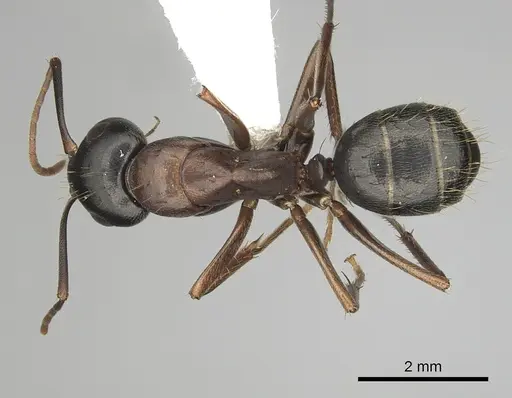
CASENT0732631
View on AntWeb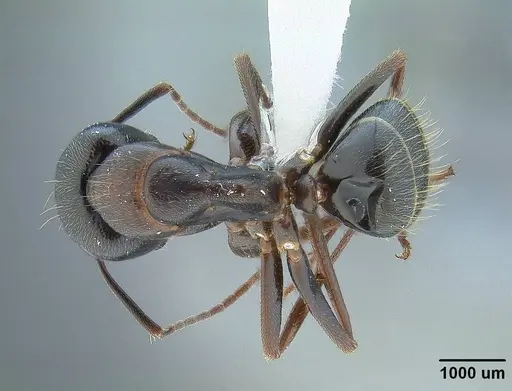
CASENT0923089
View on AntWeb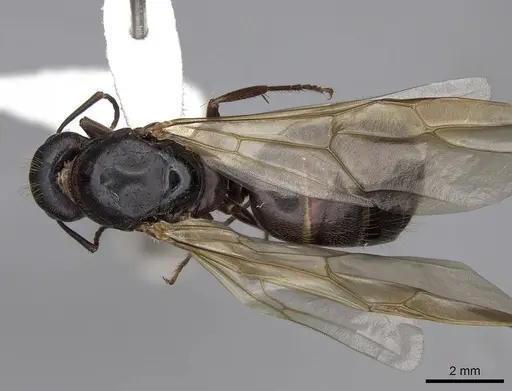
CASENT0923090
View on AntWeb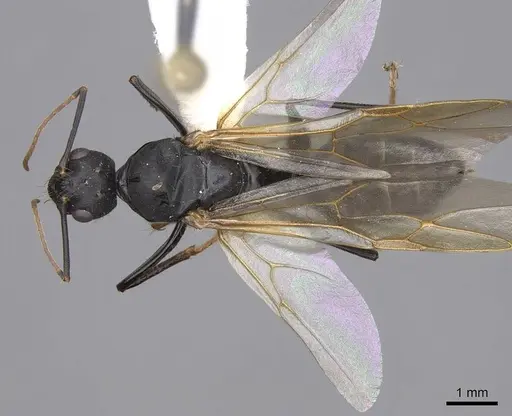
Literature
Loading...Loading products...