

Camponotus dolabratus
- Scientific Name
- Camponotus dolabratus
- Subgenus
- Myrmobrachys
- Tribe
- Camponotini
- Subfamily
- Formicinae
- Author
- Menozzi, 1927
- Distribution
- Found in 1 countries
Camponotus dolabratus Overview
Camponotus dolabratus is an ant species of the genus Camponotus. It is primarily documented in 1 countries , including Mexico. Detailed taxonomic data and occurrence records can be further explored via authoritative databases such as AntWeb or the Global Biodiversity Information Facility (GBIF).
Camponotus dolabratus
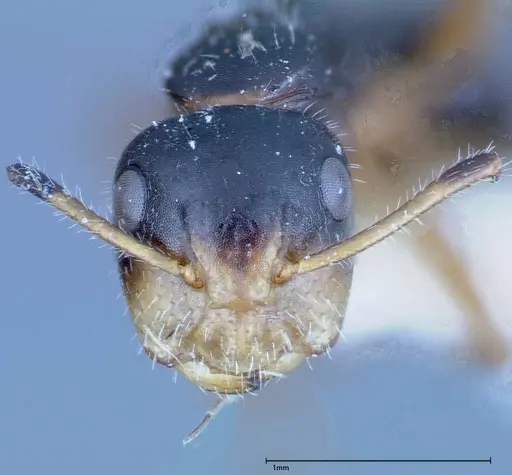
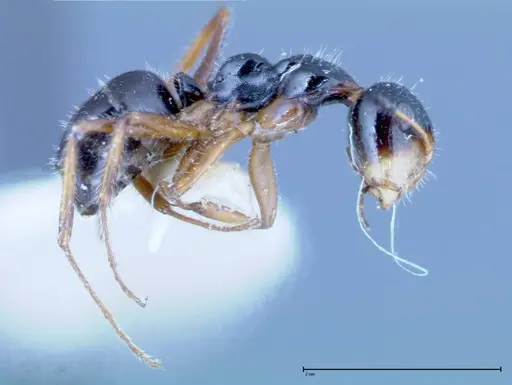
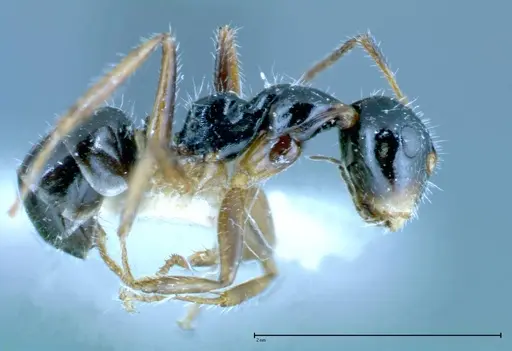
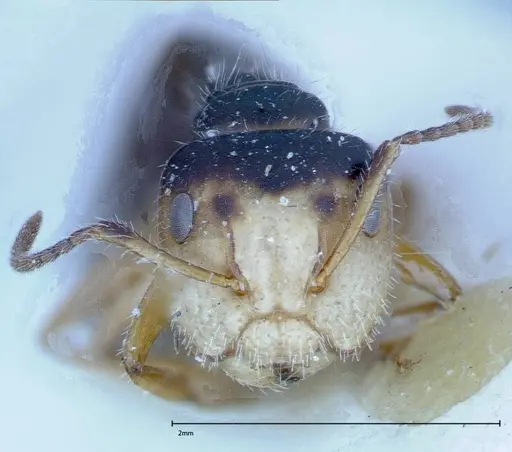
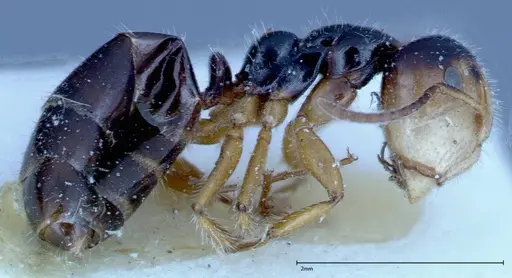
Camponotus dolabratus is a Neotropical carpenter ant species native to Costa Rica, where it nests in tropical forest habitats. Workers are polymorphic, with major workers being noticeably larger than minors. The species has a distinctive appearance: the body is predominantly dark brown with the anterior portion of the head and appendages pale yellow [1]. This ant belongs to the subgenus Myrmobrachys and was recently reclassified from the senex-group to the dimorphus-group in 2024 [1]. The mesosoma has a discontinuous dorsal margin, and the head and mesosoma surfaces are punctate or imbricate [1]. As a carpenter ant, they excavate wood for nesting but do not eat it, they feed on honeydew and protein like other Camponotus species.
Quick Summary
- Difficulty: Medium
- Origin & Habitat: Costa Rica, Neotropical region. Found in tropical forest habitats near San José [2].
- Colony Type: Likely monogyne (single queen) based on typical Camponotus patterns. Multiple ergatoid replacement reproductives may be present if the primary queen dies.
- Colony: Monogyne
- Founding: Claustral
- Size & Growth:
- Queen: Estimated 12-16mm based on Camponotus genus patterns for Myrmobrachys subgenus, not directly measured for this species
- Worker: Major workers 8-12mm, minor workers 5-7mm estimated from genus patterns and polymorphic caste description [1]
- Colony: Estimated 500-2000 workers at maturity based on typical Camponotus colony development
- Growth: Moderate, Camponotus species typically take 6-12 months to first workers, then grow steadily
- Development: Estimated 6-10 weeks at optimal temperature (25-28°C) based on typical Camponotus development (Development time is temperature-dependent, warmer conditions accelerate development. First workers (nanitics) are typically smaller than mature workers.)
- Antkeeping:
- Temperature: Keep at 24-28°C (warm tropical conditions). A heating cable on one side of the nest creates a gradient. Room temperature may suffice if kept at 24°C+
- Humidity: Moderate to high (60-80%). Keep nest substrate slightly moist but not waterlogged. Mist occasionally and provide a water source
- Diapause: No, this is a tropical species from Costa Rica. They do not require hibernation but may reduce activity during cooler periods
- Nesting: In captivity, they do well in Y-tong (AAC), plaster, or acrylic nests. Provide a dark nesting area. They can excavate soft wood if given the opportunity. A formicarium with multiple chambers allows for colony expansion.
- Behavior: Workers are moderately active and forage for honeydew, nectar, and protein. They are not particularly aggressive but will defend the nest if threatened. Major workers can deliver a mild sting if handled roughly, though Camponotus stings are typically mild. Escape risk is moderate, use standard barrier methods (fluon on rim edges). Workers are nocturnal to crepuscular, becoming more active in evening hours.
- Common Issues: colonies may stall if temperatures drop below 22°C, keep warm, queen mortality during founding is common, ensure she is undisturbed in a dark location, mold can develop if humidity is too high or substrate stays wet, balance moisture levels, slow initial growth can lead to overfeeding, resist the urge to overfeed founding colonies, wild-caught colonies may harbor parasites, quarantine and monitor new colonies
Nest Preferences and Housing
Camponotus dolabratus does well in standard ant housing setups. Y-tong (acrylic) nests work excellently, the dark chambers mimic their natural nesting in wood cavities. Plaster nests with built-in water reservoirs maintain appropriate humidity. If using a naturalistic setup, they will excavate soft wood or cork. The key is providing a dark, quiet nesting area away from direct light and vibrations. A test tube setup works for founding colonies, use a second water tube connected to maintain humidity. Move to a larger formicarium once the colony reaches 30-50 workers. Ensure the outworld (foraging area) is escape-proof, Camponotus workers can climb glass but fluon barriers prevent this.
Feeding and Diet
Like other Camponotus species, C. dolabratus is omnivorous with a preference for sugar sources. Offer a constant supply of sugar water (1:1 ratio) or honey diluted with water. Protein is essential for brood development, offer small insects like fruit flies, small crickets, mealworms, or waxworms. They will also accept cat food, boiled eggs, or other protein sources. Feed protein 2-3 times per week, removing uneaten food after 24 hours. In nature, they tend aphids and scale insects for honeydew, so providing a sugar source mimics this. Fresh fruit occasionally offered is also accepted.
Temperature and Seasonal Care
As a tropical species from Costa Rica, C. dolabratus requires warm conditions year-round. Maintain temperatures between 24-28°C in the nest area. A heating cable placed on top of the nest (not underneath to avoid drying) creates a gentle warmth gradient. They do not require hibernation or diapause, keeping them at room temperature (22-24°C) is acceptable, but warmer conditions (26°C+) promote faster growth and brood development. Avoid temperatures below 20°C for extended periods. During cooler months, ensure heating is consistent. They may show reduced activity in cooler conditions but should not be allowed to become cold.
Colony Founding and Development
Newly mated queens found colonies claustrally, the queen seals herself in a small chamber and does not leave to forage. She lives entirely on stored fat reserves while laying eggs and raising the first brood. This founding phase typically takes 6-10 weeks at optimal temperature. The first workers (nanitics) are smaller than mature workers but will begin foraging once they emerge. During this critical period, offer sugar water but avoid disturbing the queen. Colonies grow slowly at first, patience is essential. Major workers (soldiers) begin appearing as the colony reaches 100+ workers. A mature colony may contain 500-2000 workers over several years.
Behavior and Temperament
C. dolabratus workers are moderately active, with peak foraging activity during evening and night hours. They are not particularly aggressive toward keepers but will defend the nest if threatened. Major workers possess stronger mandibles and can deliver a mild sting if provoked, though the pain is typically minor. The species shows typical Camponotus foraging behavior, workers search for honeydew and protein sources. They communicate through chemical trails and will recruit nestmates to good food sources. Colonies establish defined territorial boundaries and will interact with neighboring ant colonies. In captivity, they adapt well to observation and become more active once established.
Frequently Asked Questions
How long does it take for Camponotus dolabratus to get first workers?
Expect first workers (nanitics) to emerge 6-10 weeks after the queen lays eggs, provided temperatures are maintained at 25-28°C. This timeline varies based on temperature, warmer conditions speed development, while cooler conditions slow it.
What do Camponotus dolabratus ants eat?
They need a balanced diet of sugar and protein. Offer sugar water or honey constantly, and protein (insects like fruit flies, mealworms, or small crickets) 2-3 times weekly. They will also accept cat food or boiled eggs as protein sources.
What temperature do Camponotus dolabratus need?
Keep them warm at 24-28°C. This tropical species does not tolerate cold well, avoid temperatures below 20°C. A heating cable or mat on one side of the nest creates a beneficial temperature gradient.
Is Camponotus dolabratus good for beginners?
This species is rated as medium difficulty. It requires warm, humid conditions typical of tropical ants, but is otherwise straightforward. Beginners should have some antkeeping experience before attempting this species, as the warm temperature requirements and slower founding phase require patience.
How big do Camponotus dolabratus colonies get?
Mature colonies typically reach 500-2000 workers over 2-4 years. The colony grows steadily once established, with major workers appearing when the colony reaches around 100 workers.
Do Camponotus dolabratus need hibernation?
No, they do not require hibernation. As a tropical species from Costa Rica, they need year-round warm conditions. They may reduce activity in cooler weather but should be kept at 24°C+ for optimal growth.
When should I move my Camponotus dolabratus colony to a formicarium?
Move from a test tube setup to a formicarium once the colony reaches 30-50 workers. The nest should have multiple chambers and maintain humidity well. Y-tong or plaster nests work well for this species.
Why is my Camponotus dolabratus queen not laying eggs?
Common causes include: temperatures below 22°C, disturbance during founding, insufficient humidity, or the queen may simply need more time. Ensure the founding setup is in a dark, quiet location and wait patiently, some queens take longer to begin laying.
Can I keep multiple Camponotus dolabratus queens together?
This species is likely monogyne (single queen). Combining unrelated queens is not recommended and typically results in fighting. Only one queen should be kept per colony unless you are attempting pleometrosis (founding together) with careful monitoring.
References

This caresheet is licensed under CC BY-SA 4.0 .
FOCOL0118-1
View on AntWeb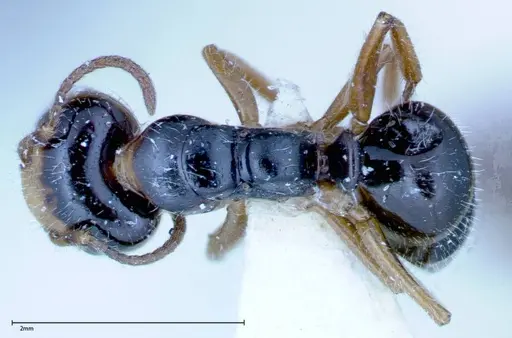
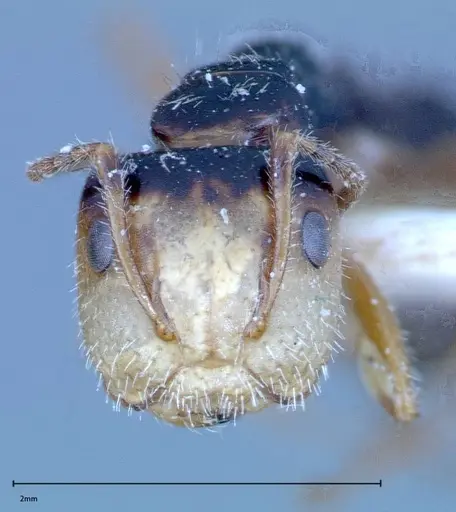
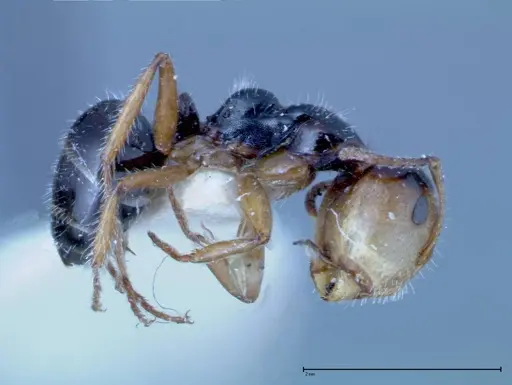
FOCOL0118-2
View on AntWeb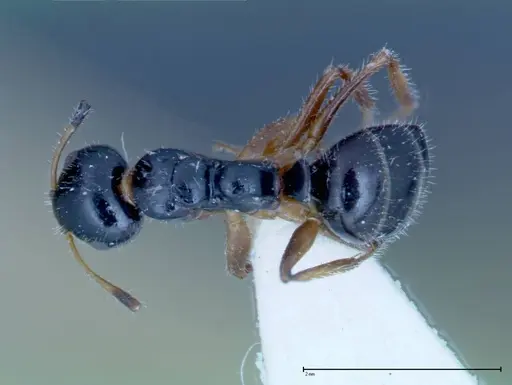
FOCOL0118-3
View on AntWeb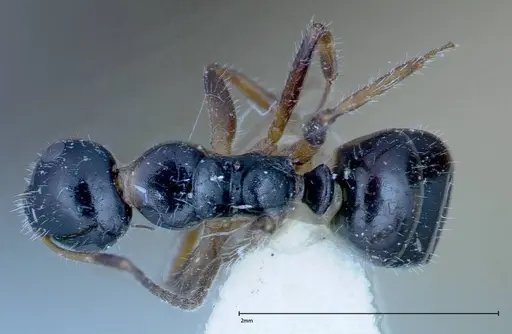
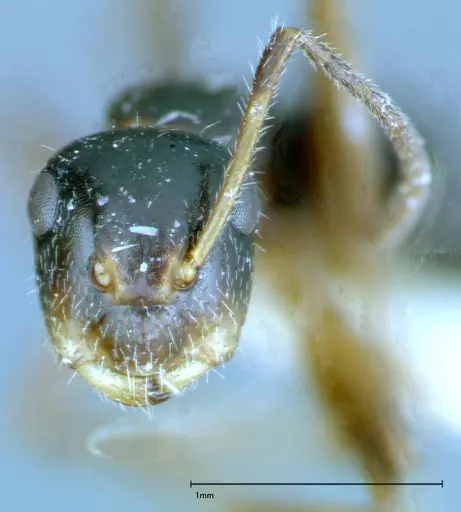
FOCOL0119
View on AntWeb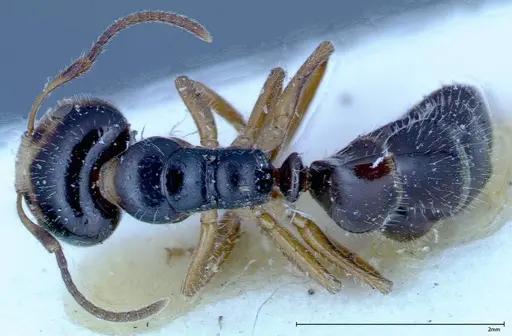
Literature
Loading...Loading products...