

Camponotus discors
- Scientific Name
- Camponotus discors
- Subgenus
- Tanaemyrmex
- Tribe
- Camponotini
- Subfamily
- Formicinae
- Author
- Forel, 1902
- Distribution
- Found in 1 countries
Camponotus discors Overview
Camponotus discors is an ant species of the genus Camponotus. It is primarily documented in 1 countries , including Australia. Detailed taxonomic data and occurrence records can be further explored via authoritative databases such as AntWeb or the Global Biodiversity Information Facility (GBIF).
Camponotus discors
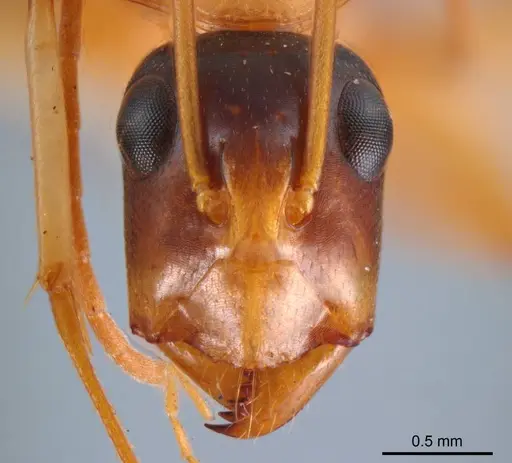
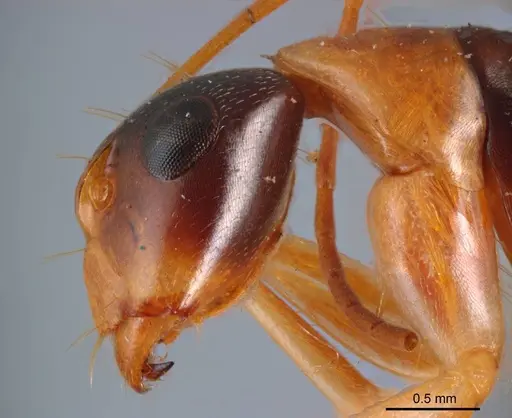
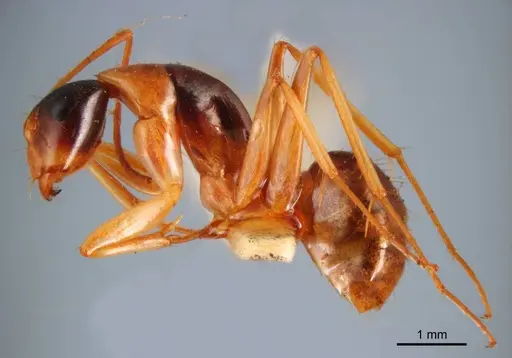
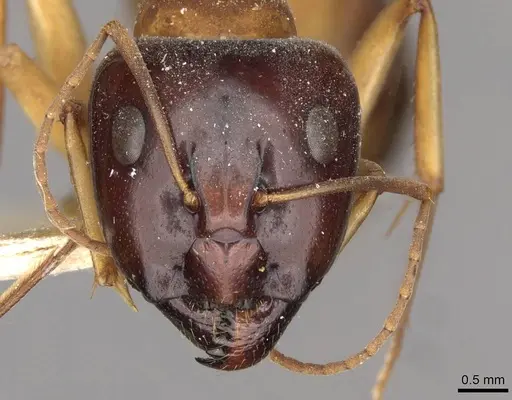
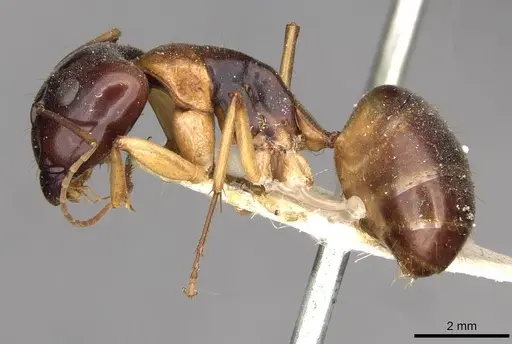
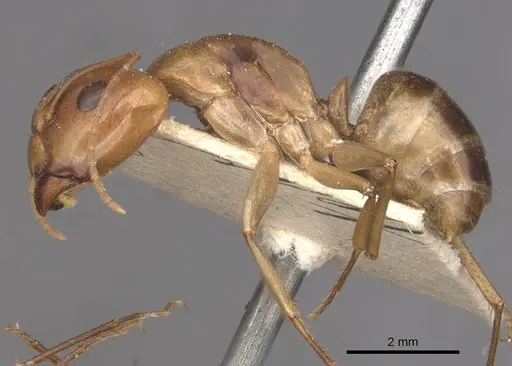
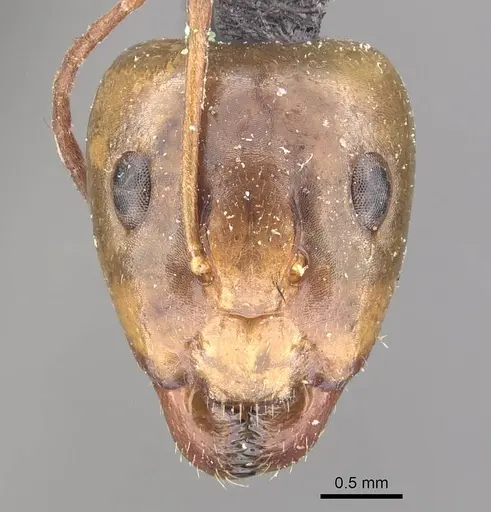
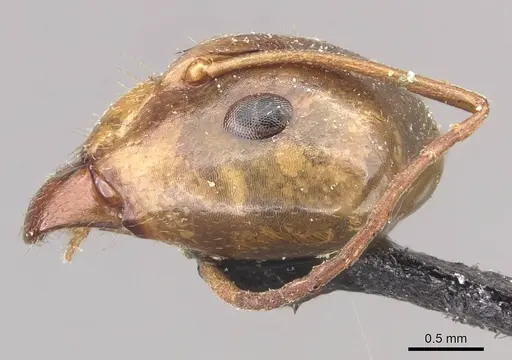
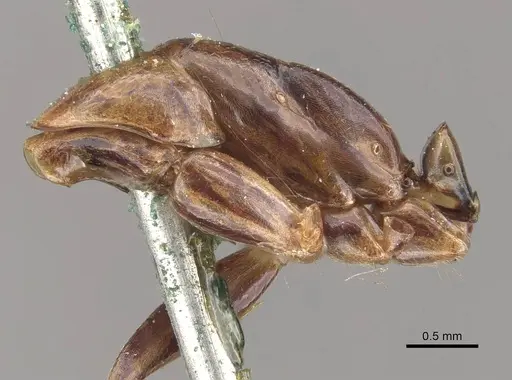
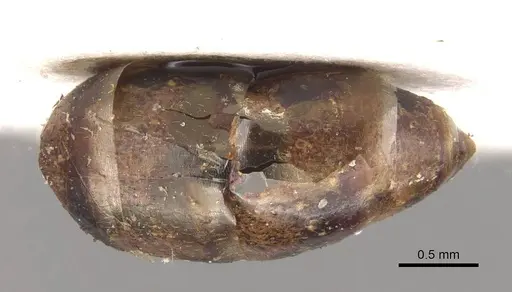
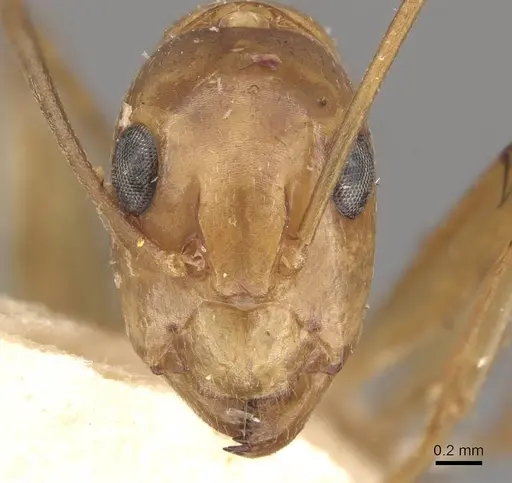
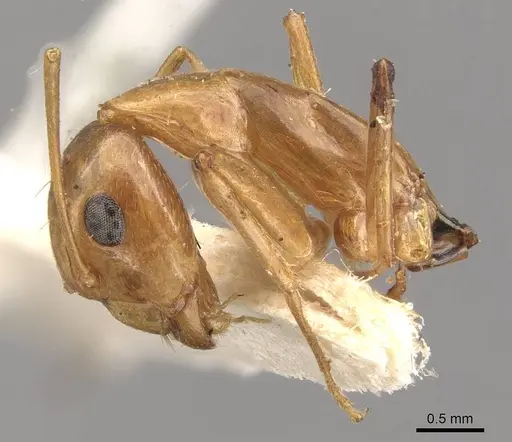
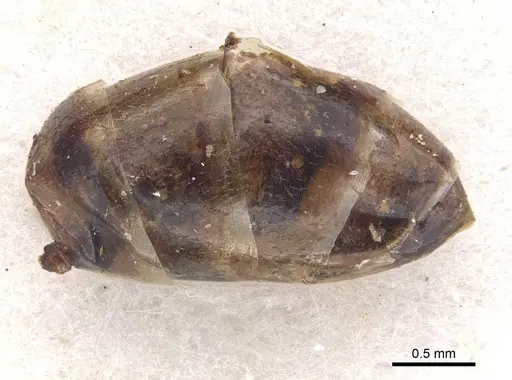
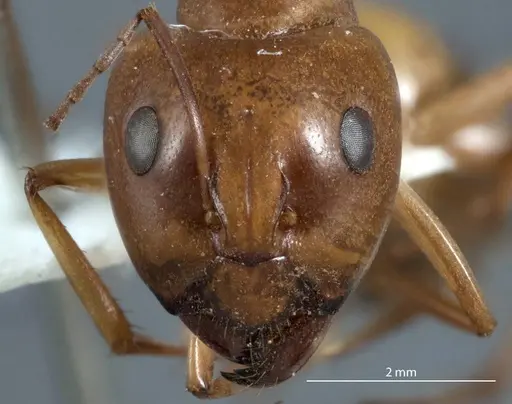
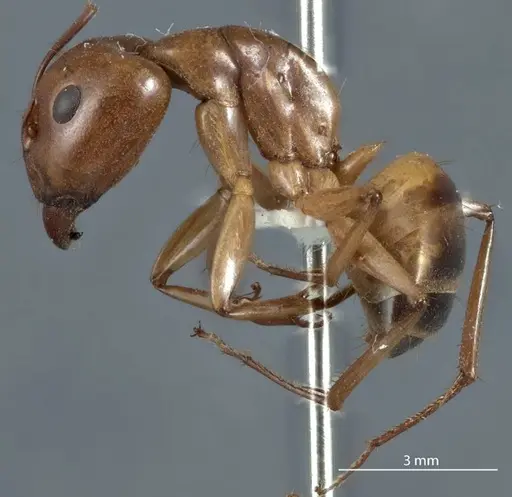
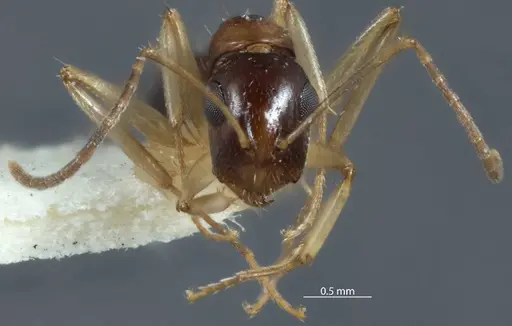
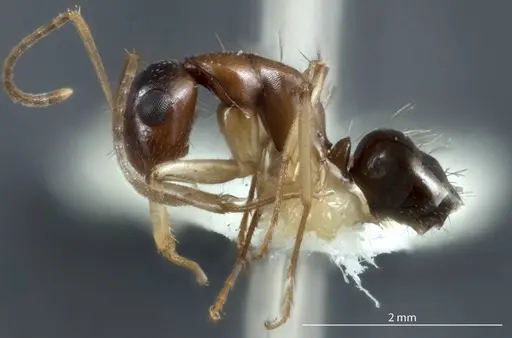
Camponotus discors is an Australian carpenter ant species native to the continent's diverse environments, particularly common in western and northern regions. Workers measure 7-10mm, with a distinctive rounded, disc-like body profile and yellowish to yellowish-red coloration. The head, mesonotum, and propodeum are typically dark chestnut brown, while the pronotum, node, tarsi, and antennae appear yellowish red. This species belongs to the discors species group, which shows significant body size variation across its range, and is closely related to C. gibbinotus, so similar that some taxonomists believe they may represent a single species complex [1][2]. These ants are among the most common ants in Western Australia's Pilbara Bioregion, where they were found in over 200 survey quadrats [3].
Quick Summary
- Difficulty: Medium
- Origin & Habitat: Native to Australia, found across multiple regions including New South Wales, Western Australia (particularly the Pilbara and south-western regions), and Barrow Island. Inhabits diverse Australian environments from arid to semi-tropical zones [3][4][5].
- Colony Type: Single-queen colonies (monogyne). Colony structure in the wild has not been extensively studied, but based on typical Camponotus patterns, expect one founding queen that establishes a colony independently.
- Colony: Monogyne
- Founding: Claustral
- Size & Growth:
- Queen: Approximately 10-12mm (estimated based on genus patterns for major workers at 7-10mm)
- Worker: 7-10mm, with distinct major and minor castes [5]
- Colony: Likely reaches several thousand workers based on typical Camponotus colony development
- Growth: Moderate, typical for Carpenter ants
- Development: 6-8 weeks at optimal temperature (inferred from typical Camponotus development) (Development time estimated from genus-level data. Carpenter ants typically take 6-8 weeks from egg to first worker at warm temperatures.)
- Antkeeping:
- Temperature: Keep nest area at 22-26°C. Australian species can tolerate warmer conditions, but avoid extreme heat. A gentle temperature gradient allows ants to regulate their own conditions [5].
- Humidity: Moderate humidity around 50-60%. These ants are adaptable to various conditions but prefer some moisture access. Provide a water tube as a moisture source.
- Diapause: Yes, Australian temperate populations likely require a mild winter rest period of 2-3 months at reduced temperatures (10-15°C). Adjust based on your local climate and colony behavior.
- Nesting: In nature, they nest in soil, under stones, and in rotting wood. In captivity, Y-tong (AAC) nests, plaster nests, or naturalistic setups with soil work well. Provide nesting chambers scaled to colony size.
- Behavior: Typical Carpenter ant behavior, generally peaceful but will defend the nest if threatened. Workers are active foragers, both day and night. Major workers (7-10mm) can deliver a mild sting if provoked, though Camponotus stings are typically less painful than many other ants. They are not aggressive toward humans but will alert colony members to threats. Escape risk is moderate due to their larger size, standard barrier methods are usually sufficient.
- Common Issues: colonies may fail if kept too cold during winter, ensure proper diapause conditions or gradual temperature reduction, wild-caught colonies can harbor parasites, quarantine and observe new colonies before introducing to established setups, larger colonies need expanding nest space, monitor for crowding and provide upgrade options, overfeeding can lead to mold issues, remove uneaten protein foods within 24-48 hours, queen mortality during founding is common, ensure founding queens have quiet, dark, undisturbed conditions
Nest Preferences and Housing
Camponotus discors adapts well to various nest types in captivity. Y-tong (AAC) nests are popular because they provide good visibility and easy maintenance, though the ants may chew through silicone seals over time. Plaster or earth nests work well for establishing more natural conditions and allow for better humidity control. For founding colonies, a simple test tube setup with a water reservoir works perfectly, the queen will seal herself into a dark corner and remain there until her first workers emerge. As the colony grows, provide progressively larger nesting areas. These ants are not particularly demanding about nest materials but appreciate some soil or substrate they can manipulate. A small outworld connected to the nest allows workers to forage and dispose of debris. [3][5]
Feeding and Diet
Like most Carpenter ants, Camponotus discors is omnivorous and accepts a wide variety of foods. Protein sources are essential for brood development, offer small insects like fruit flies, small crickets, mealworms, or waxworms. They will also accept protein-based commercial ant foods. Sugar sources are readily accepted and provide energy for active workers, a drop of sugar water, honey, or diluted honey water should be available at all times. In the wild, these ants likely forage for honeydew from aphids and scale insects, so they are well-adapted to sugar-rich diets. Feed protein foods 2-3 times per week, adjusting based on colony size and consumption. Remove uneaten protein within 24-48 hours to prevent mold. Fresh water should always be available. [5]
Temperature and Seasonal Care
As an Australian species, Camponotus discors prefers warm conditions in the active season, aim for 22-26°C in the nest area. They can tolerate higher temperatures briefly but avoid placing the colony in direct sunlight or near heat sources that could cause overheating. During the Australian winter (roughly November to March in the southern hemisphere), colonies in temperate areas will naturally slow down. In captivity, you should simulate this seasonal cycle by reducing temperatures to 10-15°C for 2-3 months during winter. This diapause period is important for colony health and triggers reproductive cycles. If you cannot provide natural seasonal variation, a brief cooling period still benefits the colony. Watch for signs of stress, workers clustering near heat sources indicates they need more warmth, while lethargy in warm conditions may indicate overheating. [1][5]
Behavior and Colony Dynamics
Camponotus discors exhibits typical Carpenter ant colony behavior. Colonies start with a single claustral queen who seals herself away in a founding chamber, surviving solely on her stored fat reserves while raising her first brood. The first workers (nanitics) are typically smaller than normal workers but quickly begin expanding the colony. Major workers, which can reach 10mm, develop as the colony matures and take on defensive and foraging roles. These ants are not particularly aggressive but will vigorously defend their nest if disturbed. Workers are polymorphic, meaning you will see both larger major workers and smaller minor workers performing different tasks. The species shows considerable size variation in the wild, which is why taxonomists have debated its relationship to C. gibbinotus. In captivity, colonies typically grow steadily over several years before reaching maturity. [2][1][5]
Growth and Development Timeline
Understanding colony development helps set expectations for your Camponotus discors colony. After the nuptial flight, a mated queen founds a new colony alone, she seals herself into a chamber and lays her first eggs. The eggs develop through larval and pupal stages before emerging as nanitic workers approximately 6-8 weeks later at optimal temperatures (around 24-26°C). The first generation is usually small, perhaps 5-10 workers, but these initial workers immediately begin foraging to support further brood production. Colony growth accelerates as more workers mature, with each subsequent generation typically larger than the last. A healthy colony may reach several hundred workers within 1-2 years under good conditions. Full maturity, with thousands of workers and the potential for reproductive alates (winged males and females), usually takes 3-5 years. Growth rate depends heavily on temperature, feeding frequency, and colony health.
Common Problems and Solutions
Several issues can affect Camponotus discors colonies in captivity. Queen death during founding is common, founding queens are vulnerable to disturbance, mold, and temperature fluctuations, so provide quiet, dark, stable conditions. Mold is a persistent threat, especially in humid setups, ensure good ventilation, remove uneaten food promptly, and clean the outworld regularly. Escape is less of a concern than with tiny ants, but colonies can still escape through small openings, check seals and connections regularly. Temperature stress from overheating or cooling can weaken colonies, use a thermometer to monitor conditions and avoid placing nests in direct sunlight. Parasites from wild-caught colonies can decimate captive populations, quarantine new colonies for several weeks before introducing them to your ant room. Finally, underfeeding leads to slow growth while overfeeding causes mold problems, find the balance by observing consumption patterns.
Frequently Asked Questions
How long does it take for Camponotus discors to produce first workers?
Expect first workers (nanitics) to emerge 6-8 weeks after the queen lays eggs, provided temperatures are maintained at 24-26°C. This timeline is typical for Camponotus species and varies based on temperature and colony health.
What do Camponotus discors ants eat?
They are omnivorous and readily accept protein (insects like fruit flies, mealworms, small crickets) and sugar sources (honey, sugar water, diluted honey water). Offer protein 2-3 times per week and keep sugar water available at all times.
What temperature is best for Camponotus discors?
Keep the nest area at 22-26°C during the active season. They can tolerate warmer conditions but avoid overheating. A temperature gradient allows ants to regulate their own conditions.
Do Camponotus discors need hibernation?
Yes, they benefit from a 2-3 month winter rest period at reduced temperatures (10-15°C). This mimics their natural seasonal cycle in Australia and supports colony health. Reduce feeding and keep them in a cool, dark location during this period.
Are Camponotus discors good for beginners?
They are moderately difficult, more challenging than beginner species like Lasius but manageable for those with some antkeeping experience. Their longer development time and temperature requirements make them better suited for keepers who have successfully raised at least one colony to maturity.
How big do Camponotide discors colonies get?
Mature colonies can reach several thousand workers over 3-5 years. They are not as prolific as some tropical species but can become substantial colonies with proper care.
Can I keep multiple Camponotus discors queens together?
This species is monogyne (single-queen) in the wild. Combining unrelated queens is not recommended as they will likely fight. Only one queen should be kept per colony.
When should I move my Camponotus discors to a formicarium?
Wait until the colony has at least 20-30 workers before moving to a formicarium. Test tube setups work well for founding colonies and smaller colonies. Moving too early can stress the colony. Ensure the new setup has appropriate humidity and nesting space.
Why is my Camponotus discors colony growing slowly?
Slow growth is usually due to low temperatures, insufficient protein, or an unhealthy queen. Check that temperatures are in the 22-26°C range, offer protein foods 2-3 times weekly, and ensure the queen is alive and laying eggs. Colony growth is naturally slow during the first year.
Is Camponotus discors invasive anywhere?
No, this species is native to Australia and has not been documented as invasive in other regions. It is found naturally only in Australian territories including New South Wales and Western Australia.
What makes Camponotus discors different from other Carpenter ants?
They belong to the discors species group and are closely related to C. gibbinotus, so similar that some researchers believe they may be the same species. They show significant size variation across their range. They are among the most common ants in Western Australia's Pilbara region.
References

This caresheet is licensed under CC BY-SA 4.0 .
ANTWEB1008614
View on AntWeb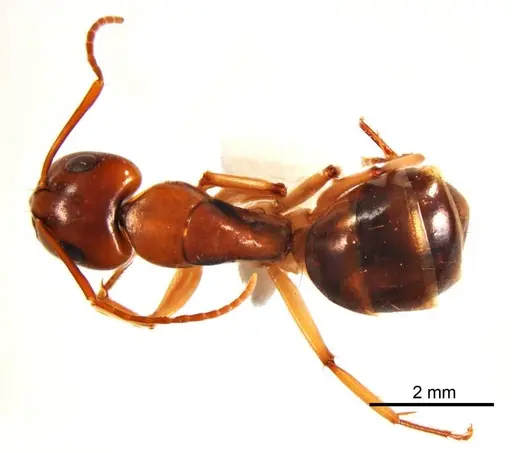
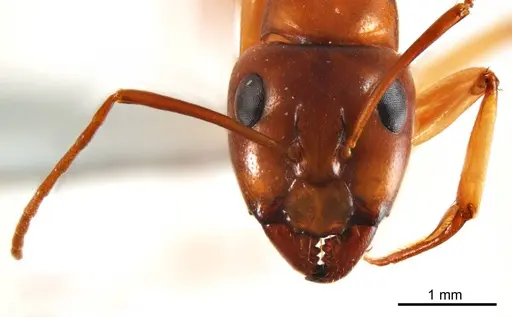
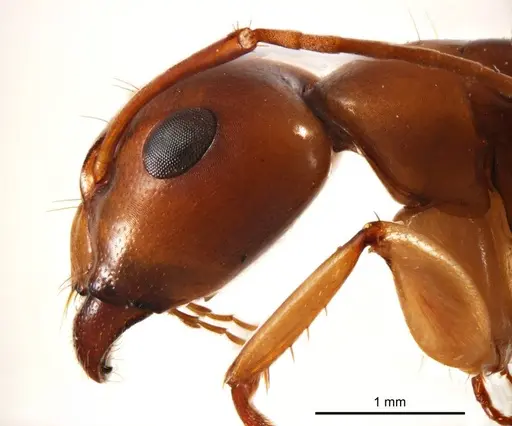
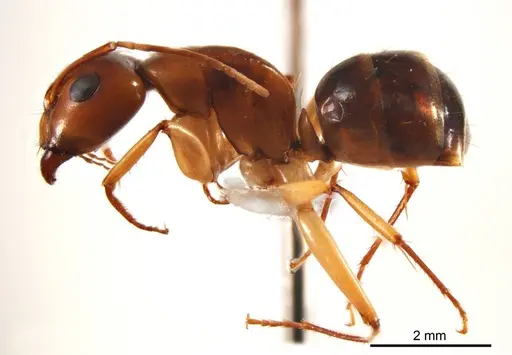
ANTWEB1008615
View on AntWeb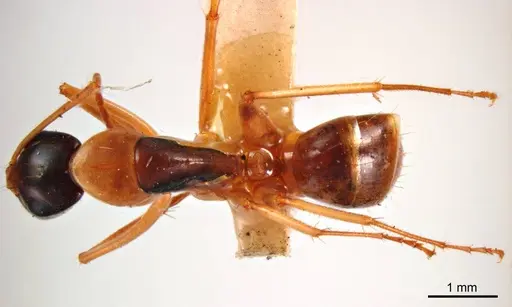
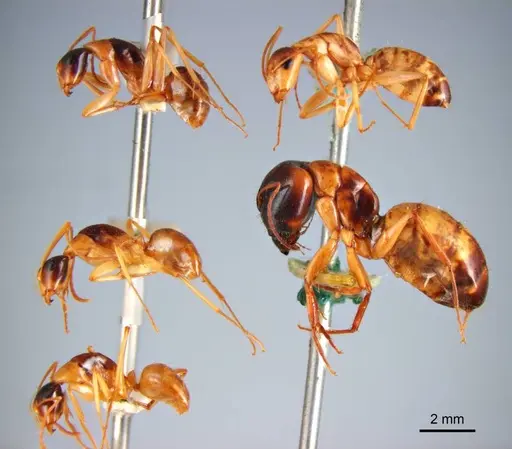
CASENT0905226
View on AntWeb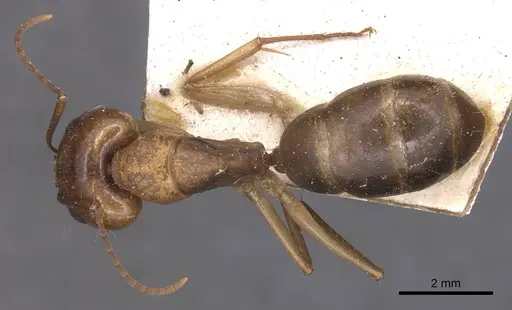
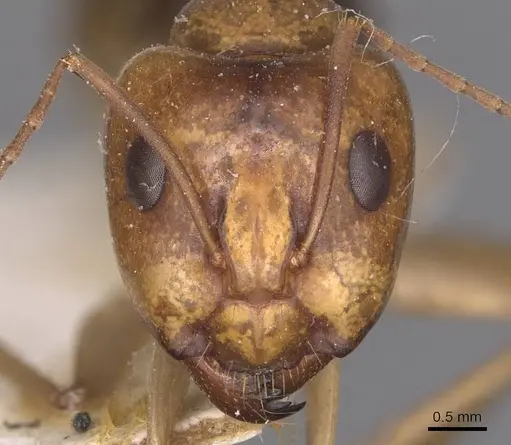
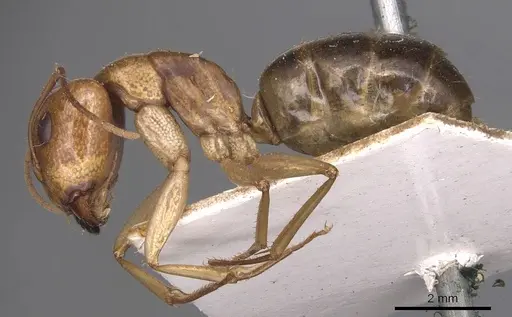
CASENT0910290
View on AntWeb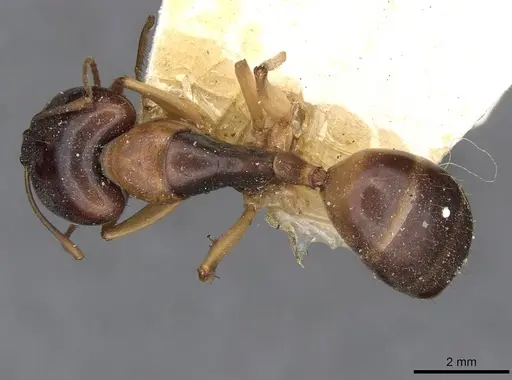
CASENT0910291
View on AntWeb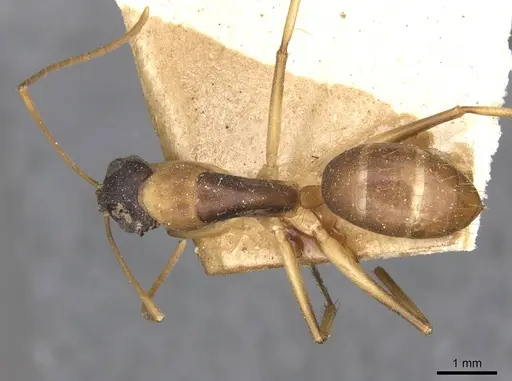
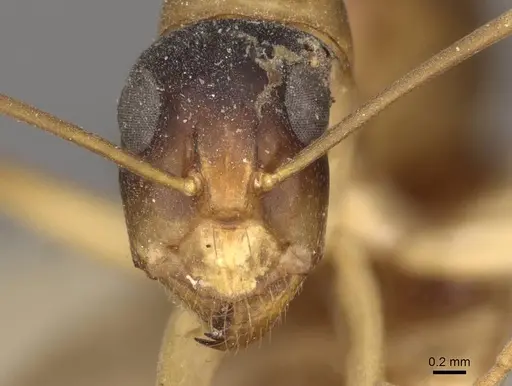
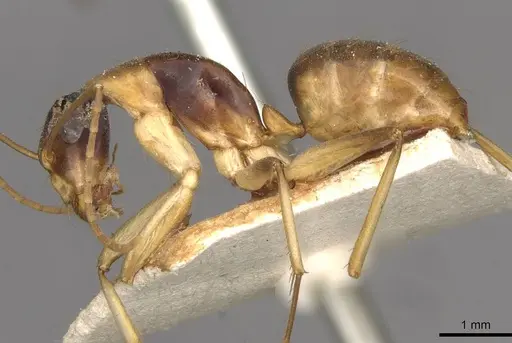
CASENT0910294
View on AntWeb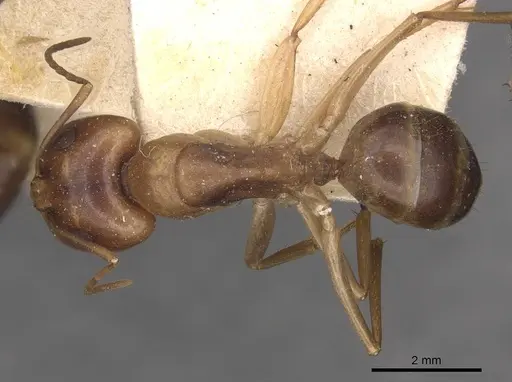
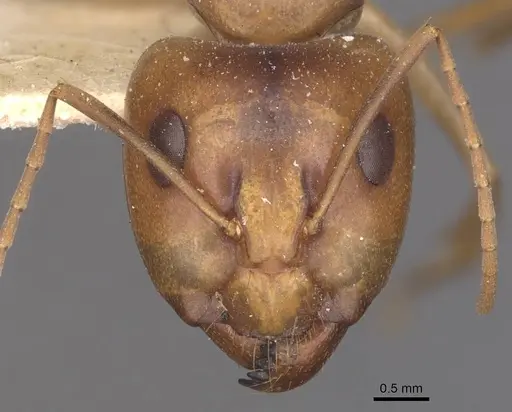
CASENT0910295
View on AntWeb
CASENT0910296
View on AntWeb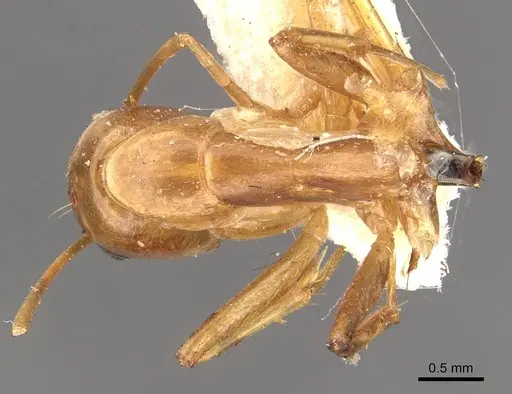
JDM32-001137
View on AntWeb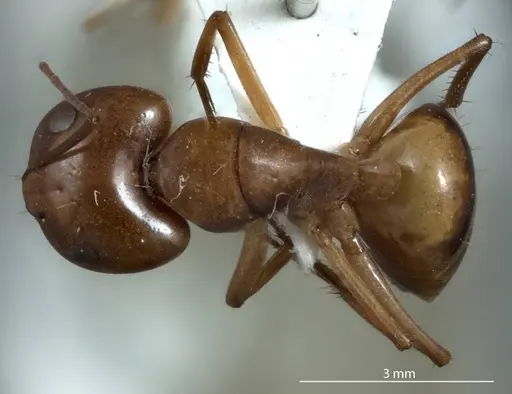
JDM32-001154
View on AntWeb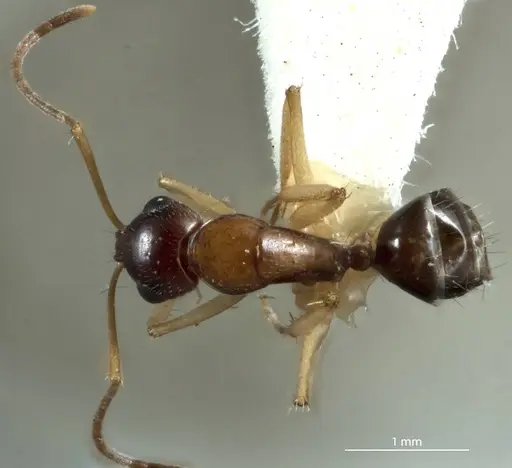
Literature
Loading...Loading products...