

Camponotus discolor
- Scientific Name
- Camponotus discolor
- Subgenus
- Myrmentoma
- Tribe
- Camponotini
- Subfamily
- Formicinae
- Author
- Buckley, 1866
- Common Name
- Bicolored Arboreal Carpenter Ant
- Distribution
- Found in 2 countries
Camponotus discolor Overview
Camponotus discolor (commonly known as the Bicolored Arboreal Carpenter Ant) is an ant species of the genus Camponotus. It is primarily documented in 2 countries , including Canada, United States of America. Detailed taxonomic data and occurrence records can be further explored via authoritative databases such as AntWeb or the Global Biodiversity Information Facility (GBIF).
Camponotus discolor - "Bicolored Arboreal Carpenter Ant"
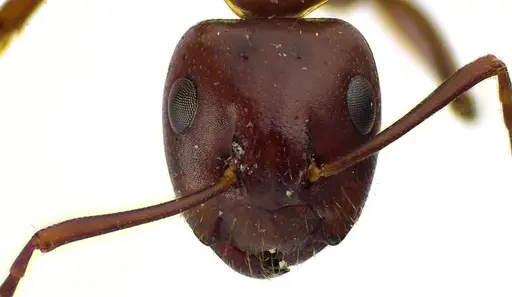
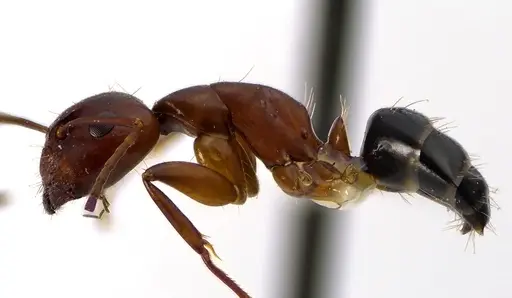
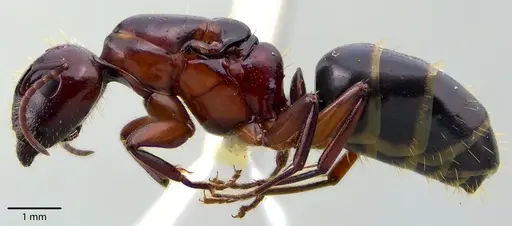
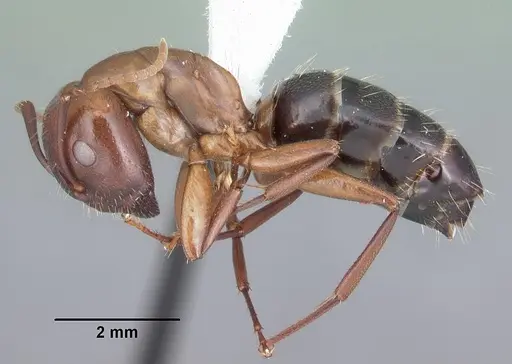
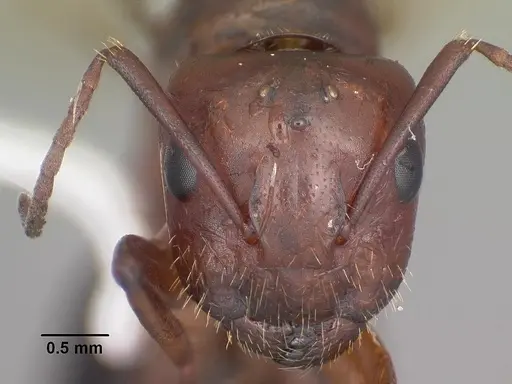
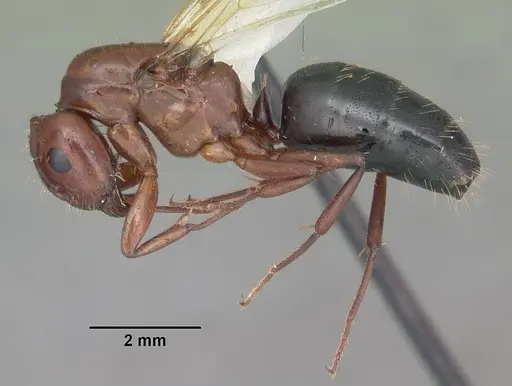
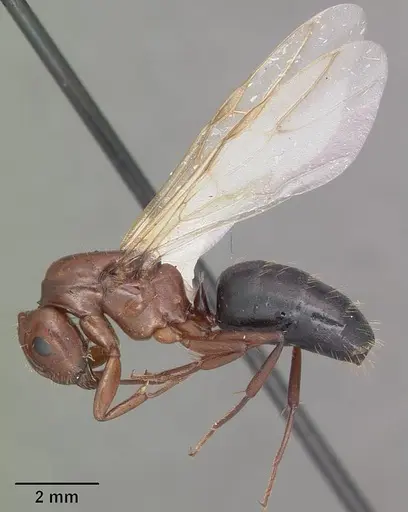
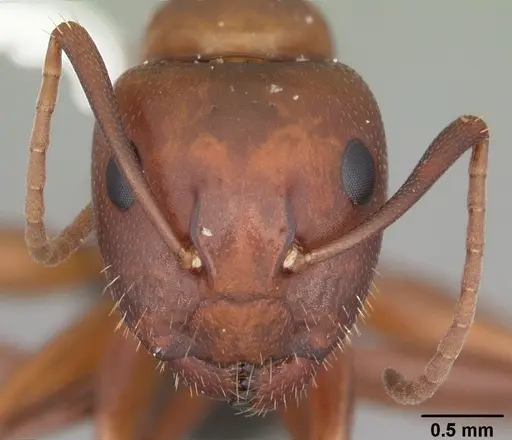
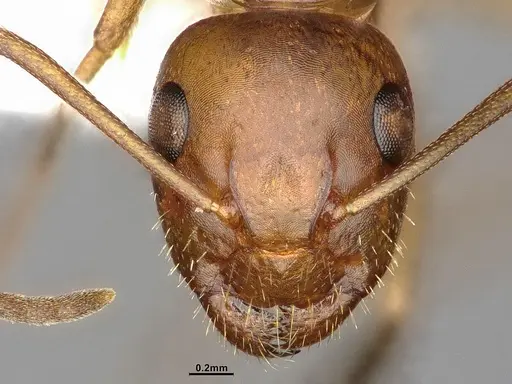
Camponotus discolor is a medium-sized carpenter ant native to the central and southeastern United States. Workers measure 3.5-7.6mm and display a distinctive red-and-black coloration, the head, alitrunk (middle body section), and petiole are reddish-orange while the abdomen (gaster) is dark brown to black [1][2]. This coloration and the presence of erect hairs on the face distinguish it from its close relative C. caryae, which is typically uniformly dark brown [1]. The species belongs to the subgenus Myrmentoma, a group of tree-nesting carpenter ants.
This is a rarely collected species that inhabits natural areas across its range. Unlike its famous relative C. pennsylvanicus (the black carpenter ant), C. discolor rarely nests in houses and poses minimal structural damage risk due to its small colony size [1]. The species shows a strong association with oak trees (Quercus spp.) but has also been found in hickory, willow, and cottonwood [1][2]. Workers forage on tree trunks, through leaf litter, and have been observed feeding on the vesicular hairs of sunflower plant stems (Helianthus grosseserratus) [2][3].
Quick Summary
- Difficulty: Medium
- Origin & Habitat: Native to the Nearctic region, found across the eastern United States from Ohio and South Carolina west to Texas, and north into southern Canada. Inhabits oak savanna, sand prairies, and woodland edges. Nests in hollow tree cavities, rotting branches, logs, and under bark [2][1][4].
- Colony Type: Monogyne, single queen colonies. Colony size remains relatively small compared to other carpenter ants, typically only reaching dozens to low hundreds of workers [1].
- Colony: Monogyne
- Founding: Claustral
- Size & Growth:
- Queen: Approximately 7-8mm (inferred from worker size range and typical Camponotus proportions)
- Worker: 3.5-7.6mm, majors are larger, minors smaller [1][2]
- Colony: Small for a carpenter ant, likely under 500 workers based on habitat observations and related species [1]
- Growth: Moderate, typical for Camponotus subgenus Myrmentoma
- Development: Approximately 6-8 weeks at optimal temperature (estimated based on typical Camponotus development) (Development time follows typical Camponotus patterns, faster in warm conditions, slower if cooler. First workers (nanitics) are smaller than normal workers.)
- Antkeeping:
- Temperature: Keep at room temperature, around 20-24°C. A slight gradient is beneficial, aim for low-to-mid 20s°C in the nest area. They tolerate typical indoor temperatures well [2].
- Humidity: Moderate humidity needs. Keep nest substrate slightly moist but not waterlogged. These are tree-nesting ants, so they prefer somewhat drier conditions than ground-nesting species. Allow the nest to dry out slightly between water additions.
- Diapause: Yes, requires a winter rest period. Since they're found as far north as Ohio and southern Canada, they need a cold period (diapause) around 5-10°C for 2-3 months during winter. This mimics their natural seasonal cycle [2].
- Nesting: Prefers arboreal-style setups. Y-tong (AAC) nests work well due to their tree-nesting nature. They also accept wooden formicariums or acrylic nests with wood inserts. Provide narrow chambers scaled to their size, avoid overly large spaces.
- Behavior: Generally calm and non-aggressive compared to some carpenter ants. Workers are active foragers, searching both on the ground and up vertical surfaces (tree trunks). They are not aggressive defenders and rarely sting. Escape risk is moderate, use standard barrier methods but they are not particularly prone to escaping like tiny species. They accept sugar water and protein foods readily.
- Common Issues: small colony size means slow growth, beginners may lose patience and overfeed, causing mold issues, arboreal nature means they need vertical space and climbing surfaces, not just horizontal floor space, winter diapause is essential, skipping it will weaken and potentially kill the colony over time, rare species in the hobby means finding a colony can be difficult, they are infrequently collected, test tube setups work for founding but colonies need to move to proper nests relatively quickly once workers emerge
Housing and Nest Setup
Camponotus discolor is an arboreal-nesting species, meaning they naturally live in tree cavities and hollow branches rather than underground nests. In captivity, they do best in Y-tong (AAC) nests or wooden formicariums that mimic their natural tree-hole habitat [1][4]. These setups provide the dark, enclosed spaces they prefer while allowing you to observe the colony.
For founding colonies, a standard test tube setup works fine, fill one end with water reservoir and plug with cotton, providing a dark covering. Once the first workers (nanitics) emerge, you can connect the test tube to an outworld. As the colony grows, transfer to a proper nest. Avoid overly large chambers, these ants prefer snug, appropriately-sized spaces.
The outworld should include climbing structures since they naturally forage on vertical surfaces. Cork, twigs, or artificial plants give them paths to explore. A shallow water dish and feeding station complete the setup.
Feeding and Diet
Like other carpenter ants, C. discolor is omnivorous with a preference for protein and sugar. In the wild, workers forage for honeydew from aphids, small insects, and plant nectar (they've been observed feeding on sunflower stem hairs) [2][3].
In captivity, offer sugar water or honey as a constant energy source. For protein, provide small insects like fruit flies, small crickets, or mealworms. Feed protein 2-3 times per week, adjusting based on colony size. Remove uneaten prey after 24-48 hours to prevent mold.
This species accepts a wide variety of foods, making them relatively easy to feed. A balanced diet of sugar + protein produces healthy colonies with good growth. Avoid overfeeding, excess food causes mold problems in enclosed nest spaces.
Temperature and Seasonal Care
C. discolor tolerates typical room temperature well, thriving in the 20-24°C range. They originate from temperate regions (Ohio, Indiana, Illinois) so they don't need extreme heat [2]. Room temperature is usually sufficient, though a slight warmth on one side of the nest encourages brood development.
Winter care is critical. As a temperate species, they require a diapause (winter rest) period. During late autumn, reduce temperatures to around 5-10°C and keep them there for 2-3 months. This mimics their natural cycle and is essential for colony health. You can use a refrigerator, garage, or basement that stays cool but not freezing.
Do not feed during diapause and provide only minimal water. Resume normal feeding and warming when spring arrives. Skipping diapause weakens queens and reduces colony longevity.
Colony Development and Growth
Colony growth follows typical Camponotus patterns. After mating, a claustral queen seals herself into a small chamber and lays eggs. She survives entirely on her stored fat reserves while raising the first brood, this is called claustral founding [1].
Eggs develop through larval and pupal stages to become workers. The first workers, called nanitics, are smaller than normal workers but immediately begin caring for the queen and subsequent brood. Development from egg to first worker takes approximately 6-8 weeks at optimal temperature.
Growth is moderate, not as fast as some tropical species but faster than very slow-growing ants. Colonies remain relatively small compared to other carpenter ants like C. pennsylvanicus, typically reaching only a few hundred workers even at maturity [1]. This is normal for the species and not a sign of problems.
Behavior and Temperament
C. discolor is one of the more docile carpenter ant species. Workers are active foragers but not aggressive toward keepers. They explore both horizontal surfaces and climb vertical structures, reflecting their arboreal nature [2].
Unlike structural pest species like C. pennsylvanicus, this ant rarely nests in houses and causes minimal structural damage even when it does [1]. Their small colony size and preference for natural habitats mean they're more likely to be found in hollow twigs and tree cavities than in wall voids.
Escape prevention is straightforward, they're not particularly small or agile enough to escape from standard setups with proper barriers. Standard fluon on test tube rims or barrier tape on formicarium edges works well.
Frequently Asked Questions
Is Camponotus discolor a good ant for beginners?
Medium difficulty, they're not the easiest but not difficult either. Their moderate temperature needs and standard feeding requirements make them manageable. The main consideration is providing proper winter diapause, which is essential but easy to accomplish.
How long does it take for the first workers to appear?
Approximately 6-8 weeks from founding at optimal temperature (around 22-24°C). This is typical for Camponotus species. The first workers (nanitics) will be smaller than normal workers.
How big do colonies get?
Relatively small for a carpenter ant, typically a few hundred workers at maturity. This is normal for the species and Myrmentoma subgenus in general.
Do they need hibernation or diapause?
Yes, they require a winter rest period. Since they're found as far north as Ohio and southern Canada, they need 2-3 months at 5-10°C during winter. Skipping diapause will weaken the colony.
What do they eat?
Omnivorous, sugar water or honey for energy, and small insects (fruit flies, small crickets, mealworms) for protein. They accept a wide variety of foods similar to other carpenter ants.
Can I keep multiple queens together?
Not recommended. This is a monogyne (single-queen) species. Combining unrelated queens has not been documented and would likely result in fighting.
What type of nest is best?
Y-tong (AAC) or wooden formicarium works best. These mimic their natural tree-hole nesting preference. Avoid overly large chambers, they prefer snug, appropriately-sized spaces.
Why is my colony growing slowly?
This is normal for the species, they naturally have smaller colonies than other carpenter ants. Ensure proper temperature (20-24°C), adequate protein feeding, and that diapause was provided. Patience is key.
References

This caresheet is licensed under CC BY-SA 4.0 .
ANTWEB1041611
View on AntWeb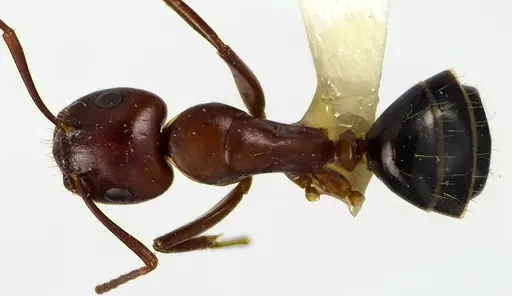
ANTWEB1041717
View on AntWeb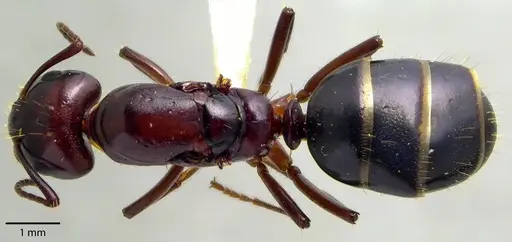

CASENT0103668
View on AntWeb

CASENT0103669
View on AntWeb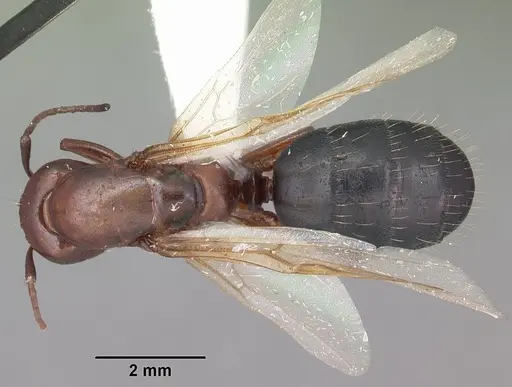
CASENT0103670
View on AntWeb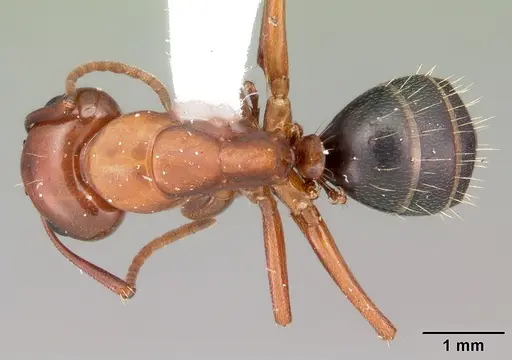


CASENT0249369
View on AntWeb
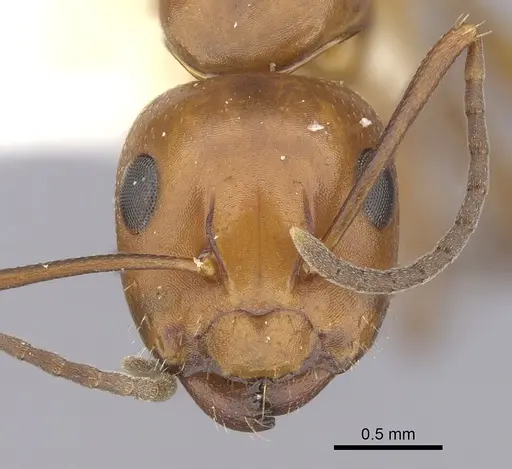

CASENT0884337
View on AntWeb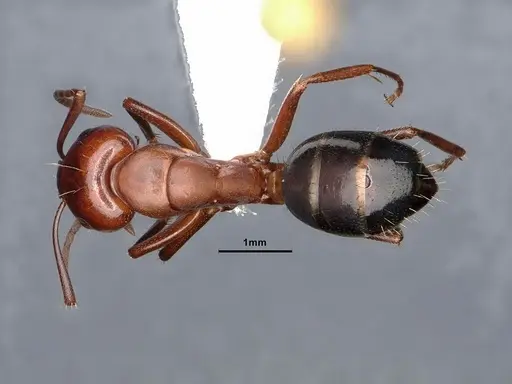
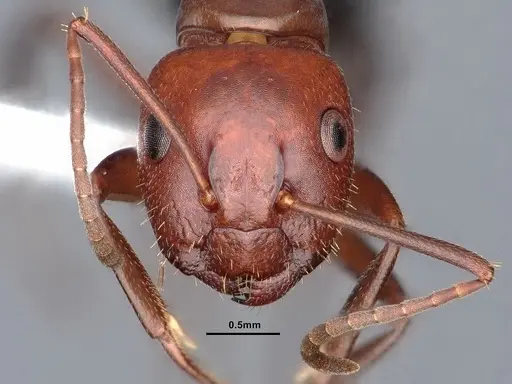

MEM212576
View on AntWeb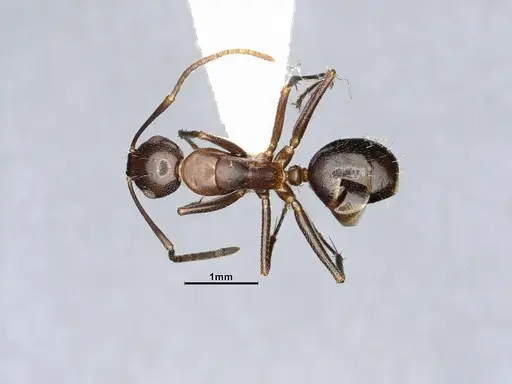


MEM302218
View on AntWeb

Literature
Loading...Loading products...