

Camponotus dimorphus
- Scientific Name
- Camponotus dimorphus
- Subgenus
- Myrmobrachys
- Tribe
- Camponotini
- Subfamily
- Formicinae
- Author
- Emery, 1894
- Distribution
- Found in 4 countries
Camponotus dimorphus Overview
Camponotus dimorphus is an ant species of the genus Camponotus. It is primarily documented in 4 countries , including Bolivia, Plurinational State of, Brazil. Detailed taxonomic data and occurrence records can be further explored via authoritative databases such as AntWeb or the Global Biodiversity Information Facility (GBIF).
Camponotus dimorphus
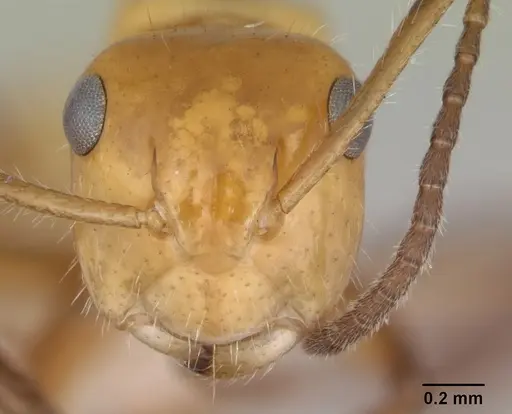
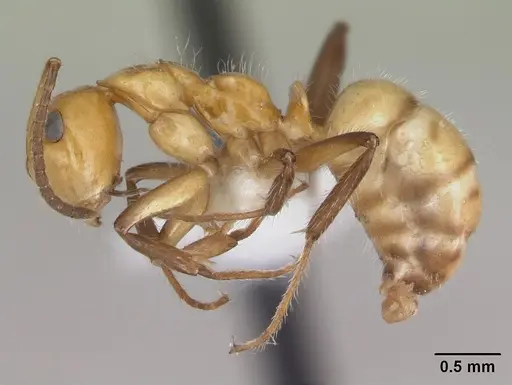
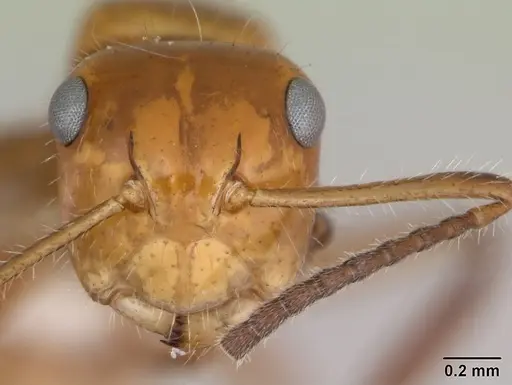
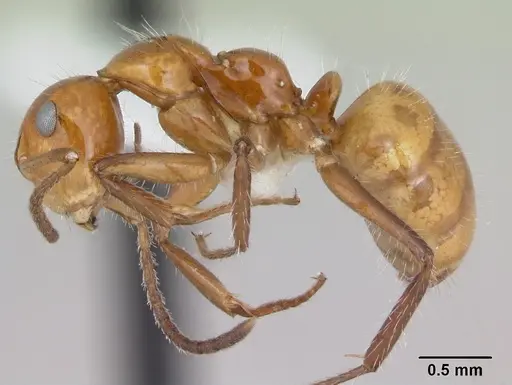
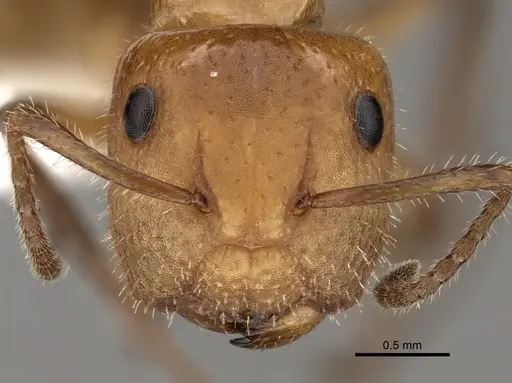
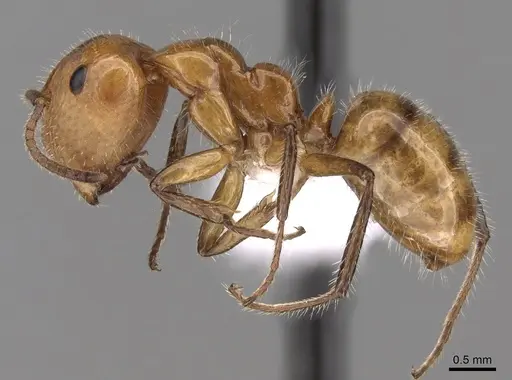
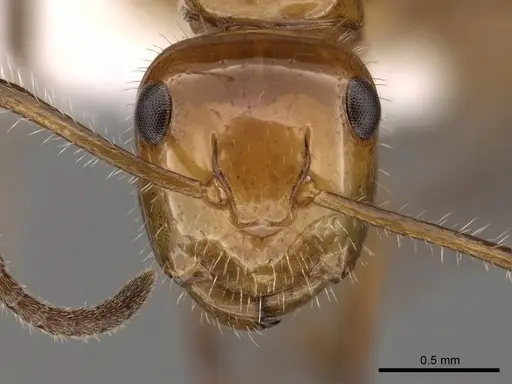
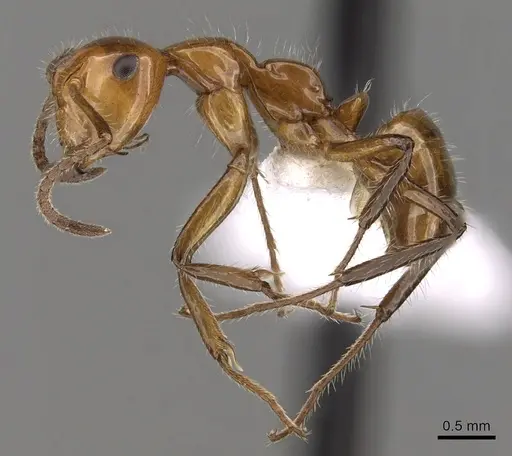
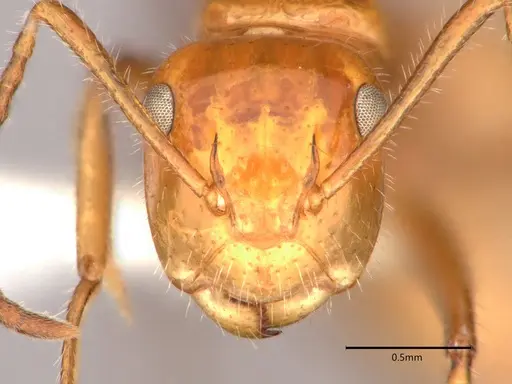
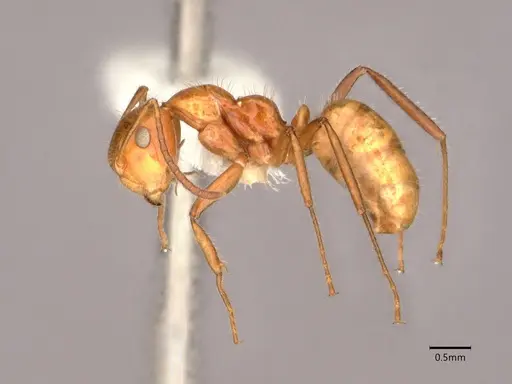
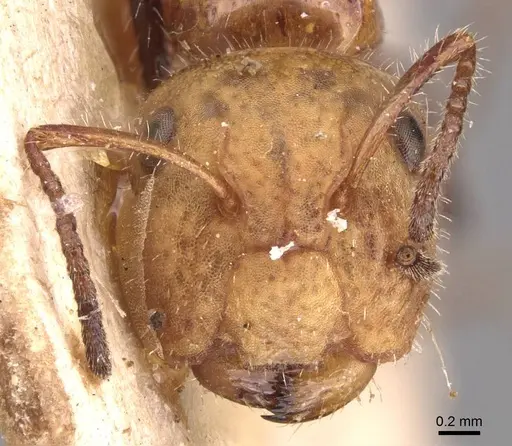
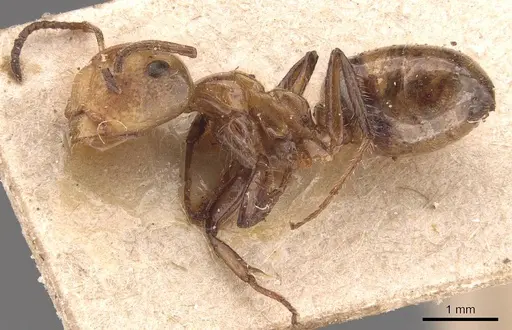
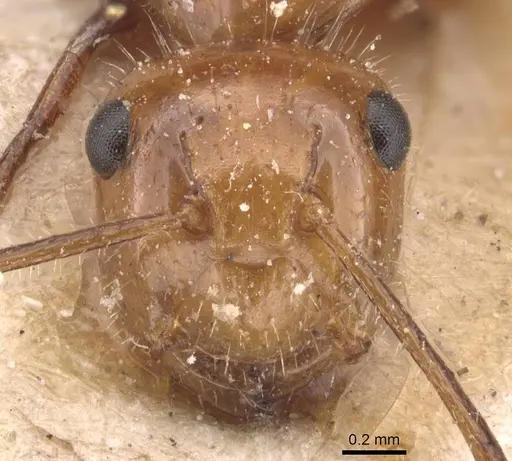
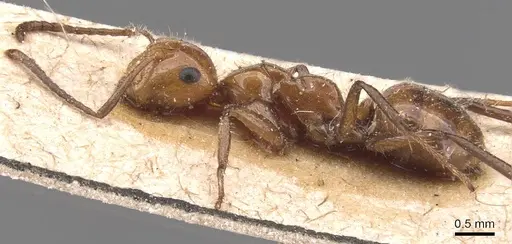
Camponotus dimorphus is a medium to large Neotropical ant belonging to the subgenus Myrmobrachys. Workers are polymorphic, meaning they come in two distinct sizes, major workers (soldiers) and minor workers. The species has a striking bright yellow to orange coloration with smooth and shining body surfaces [1]. This ant is found across the Neotropical region including Argentina, Bolivia, Brazil, and Paraguay [2]. As a member of the dimorphus-group, this species serves as the type species for that taxonomic grouping [1].
In the wild, C. dimorphus nests preferentially in rotten trunks and decaying wood, typical behavior for many Camponotus species in tropical environments [3]. They are generalist foragers and omnivorous, known for patrolling their territory and recruiting workers massively when they discover abundant food sources [3]. This species maintains mutualistic relationships with sap-feeding insects (like membracids), tending them for honeydew, a common trait in the Camponotini tribe [3].
Quick Summary
- Difficulty: Medium
- Origin & Habitat: Neotropical species found in Argentina, Bolivia, Brazil, and Paraguay. Inhabits tropical and subtropical forest environments, nesting in rotten wood and tree trunks [3][2].
- Colony Type: Monogyne (single queen) colonies, typical for most Camponotus species. Polymorphic colonies with major and minor worker castes [1].
- Colony: Monogyne
- Founding: Claustral
- Size & Growth:
- Queen: Estimated 12-15mm based on genus patterns for medium-large Camponotus
- Worker: Minor workers: 6-8mm, Major workers: 10-12mm [1]
- Colony: Likely several thousand workers at maturity based on typical Camponotus colony development
- Growth: Moderate, typical Camponotus growth pattern
- Development: 8-12 weeks at optimal temperature based on typical Camponotus development (Development time varies with temperature, warmer conditions accelerate development. Nanitics (first workers) typically smaller than normal workers.)
- Antkeeping:
- Temperature: Keep nest area at 24-28°C. As a Neotropical species, they prefer warm conditions. Use a heating cable on one side of the nest to create a gentle gradient if room temperature is below this range.
- Humidity: Moderate to high humidity (60-80%). Keep the nest substrate moderately moist but not waterlogged. Provide a water tube for drinking water.
- Diapause: No, as a Neotropical species, they do not require true hibernation. However, they may reduce activity during cooler winter months if ambient temperatures drop.
- Nesting: Prefers nesting in wood or wood-based setups. Y-tong (AAC) nests, plaster nests, or naturalistic setups with rotting wood work well. The nest should have chambers scaled to their medium-large size.
- Behavior: Generally calm and non-aggressive foragers. They are patrolling ants that will recruit nestmates massively when they find good food sources [3]. Workers are active foragers and will explore their outworld systematically. They are not particularly defensive but will bite if their nest is threatened. Escape risk is moderate, use standard barrier techniques. Major workers can deliver a mild bite.
- Common Issues: colonies may decline if kept too cold, maintain warm temperatures year-round, wild-caught colonies may have parasites that affect survival in captivity, slow initial colony growth during founding phase can lead to overfeeding mistakes, wood-nesting species need appropriate humidity balance to prevent mold or desiccation
Housing and Nest Setup
Camponotus dimorphus does well in wood-based nest setups that mimic their natural habitat in rotting trunks. Y-tong (AAC) formicariums work excellently for this species, providing the dark, secure environment they prefer. Plaster nests are also suitable, though you'll need to monitor moisture levels carefully to prevent the nest from drying out. For the outworld, a simple plastic container with smooth walls works well, these ants are moderate climbers but not exceptional escape artists. Use Fluon or another barrier if needed. Provide a shallow water dish and ensure the foraging area is easy to clean. Given their moderate size, chambers should be spacious enough for major workers to move through comfortably. [3]
Feeding and Diet
Like most Camponotus species, C. dimorphus is omnivorous and will accept a wide variety of foods. Protein sources are essential for brood development, offer small insects like fruit flies, small crickets, or mealworms. They also readily accept sugar sources including honey water, sugar water, or commercial ant nectar. In the wild, they tend membracids and other sap-feeding insects for honeydew, so sugar is an important part of their diet [3]. Feed protein roughly twice weekly and keep a constant sugar source available. Remove uneaten prey after 24-48 hours to prevent mold. A varied diet leads to healthier colonies with faster growth.
Temperature and Seasonal Care
As a Neotropical species from Brazil, Bolivia, Paraguay, and Argentina, C. dimorphus prefers warm conditions. Keep the nest area at 24-28°C for optimal brood development. Temperatures below 20°C can slow colony growth significantly, and prolonged cold exposure may harm the colony. A small heating cable placed on part of the nest can maintain warmth if your room temperature runs cool. Unlike temperate species, they do not require a true hibernation diapause. However, if ambient temperatures drop significantly in winter, you may observe reduced activity, this is normal and they will resume normal activity when warmed. Avoid placing the nest in direct sunlight or near air conditioning vents. [2]
Colony Development and Growth
Camponotus dimorphus is a polymorphic species, meaning colonies produce both major and minor workers. The first workers (nanitics) will be smaller than normal workers but should be functional. Founding is claustral, the queen seals herself in a chamber and survives on stored fat reserves until her first workers emerge. Expect 8-12 weeks from egg to first worker at optimal temperature. Growth is moderate, the colony will expand gradually over the first year. Major workers typically appear once the colony reaches several hundred workers. A mature colony can contain several thousand workers. Be patient during the founding phase as this is when colonies are most vulnerable to failure. [1]
Behavior and Foraging
This species exhibits typical Camponotus foraging behavior, workers patrol their territory and recruit nestmates massively when they discover abundant food sources [3]. They are not particularly aggressive or defensive, but major workers can deliver a mild bite if the nest is threatened. Workers are active foragers that will explore systematically. They maintain mutualistic relationships with sap-feeding insects in the wild, tending them for honeydew [3]. In captivity, they will readily come out to forage and are entertaining to watch. They do not have a painful sting, though some individuals may bite.
Frequently Asked Questions
How long does it take for Camponotus dimorphus to produce first workers?
Expect 8-12 weeks from egg to first worker at optimal temperature (24-28°C). The exact timing depends on temperature and feeding. The queen will remain sealed in her chamber until her first workers emerge.
What do Camponotus dimorphus ants eat?
They are omnivorous. Feed protein (small insects like fruit flies, crickets, mealworms) twice weekly and provide a constant sugar source (honey water or sugar water). They will also accept commercial ant nectar.
Do Camponotus dimorphus ants need hibernation?
No, they do not require true hibernation. As a Neotropical species, they prefer warm conditions year-round. However, they may reduce activity if temperatures drop significantly in winter.
What size colony does Camponotus dimorphus reach?
Mature colonies can reach several thousand workers. They are polymorphic, producing both major and minor workers. Growth is moderate over the first few years.
Are Camponotus dimorphus good for beginners?
They are intermediate-level ants. While not as challenging as some species, they do require warm temperatures and proper nesting conditions. Their moderate size and generalist diet make them manageable for those with some antkeeping experience.
What nest type is best for Camponotus dimorphus?
Wood-based nests work best, Y-tong (AAC) formicariums or plaster nests mimic their natural habitat in rotting trunks. The chambers should be appropriately sized for medium-large ants.
How many queens does Camponotus dimorphus have?
They are monogyne, colonies have a single queen. The queen is claustral and seals herself in during founding.
What temperature do Camponotus dimorphus need?
Keep nest temperatures at 24-28°C. This Neotropical species prefers warm conditions. Use a heating cable if your room temperature is below this range.
Where is Camponotus dimorphus found in the wild?
They are native to the Neotropical region: Argentina, Bolivia, Brazil, and Paraguay. They live in tropical and subtropical forests, typically nesting in rotten wood and tree trunks.
Why is my Camponotus dimorphus colony not growing?
Check three things: 1) Temperature, they need 24-28°C for optimal development. 2) Feeding, ensure regular protein and constant sugar. 3) Queen status, confirm the queen is alive and laying eggs. Cold temperatures are the most common cause of slow growth.
Can I keep multiple Camponotus dimorphus queens together?
No, this species is monogyne (single queen). Unlike some ants, they do not form multi-queen colonies. Introducing multiple unrelated queens will likely result in fighting.
References

This caresheet is licensed under CC BY-SA 4.0 .
CASENT0173412
View on AntWeb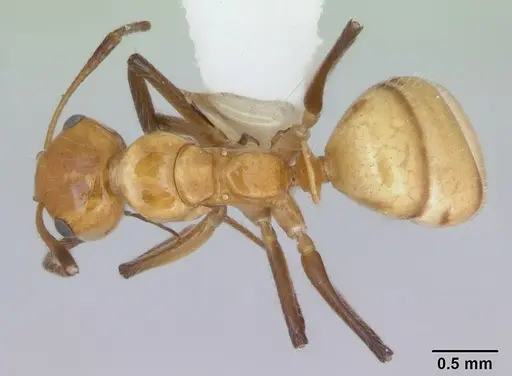
CASENT0173413
View on AntWeb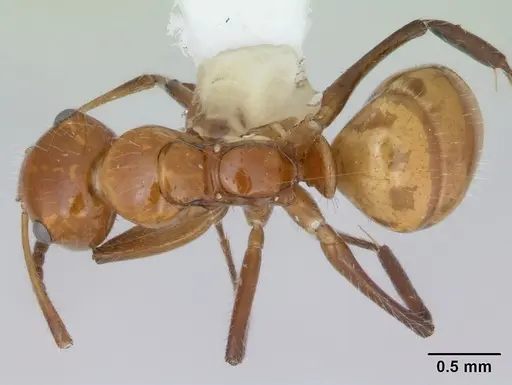
CASENT0280123
View on AntWeb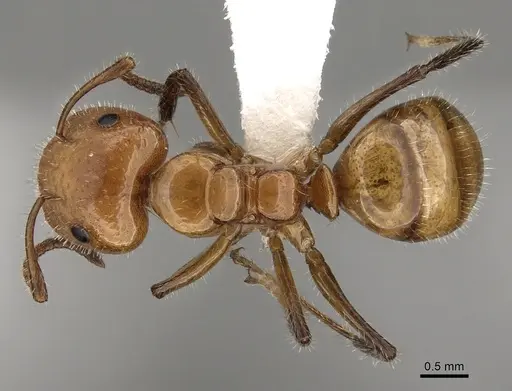
CASENT0280124
View on AntWeb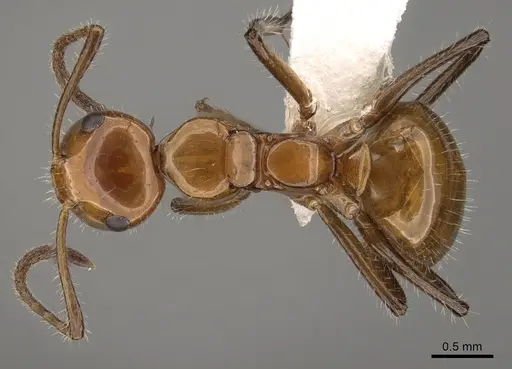
CASENT0886729
View on AntWeb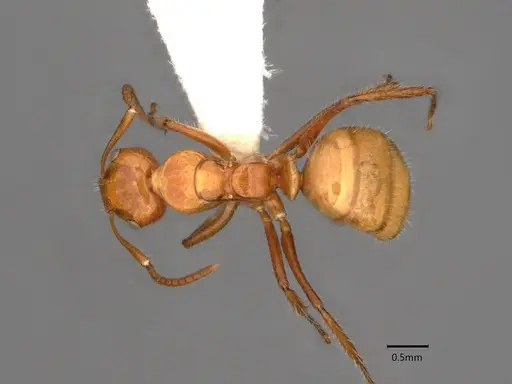
CASENT0905522
View on AntWeb
CASENT0905523
View on AntWeb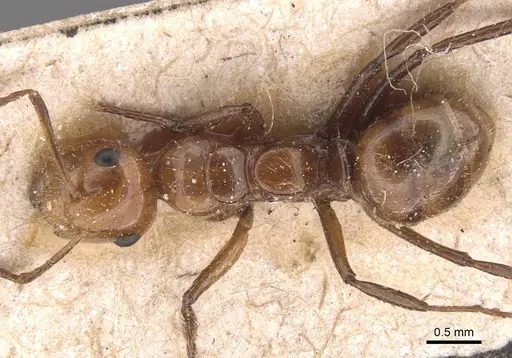
Literature
Loading...Loading products...