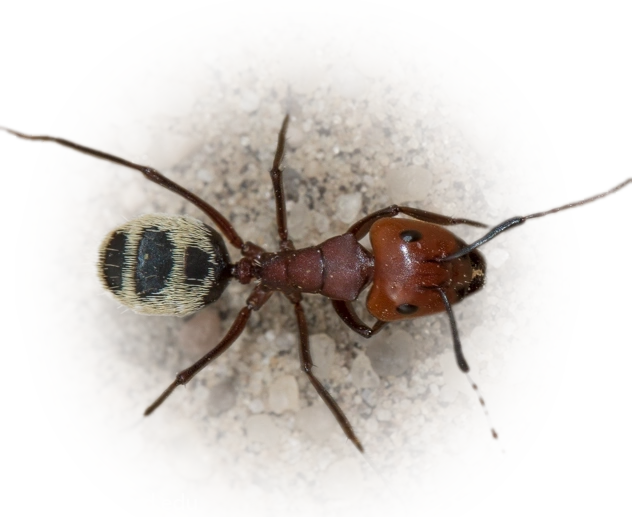

Camponotus detritus
- Scientific Name
- Camponotus detritus
- Subgenus
- Myrmopiromis
- Tribe
- Camponotini
- Subfamily
- Formicinae
- Author
- Emery, 1886
- Common Name
- Namib Desert Dune Ant
- Distribution
- Found in 2 countries
Camponotus detritus Overview
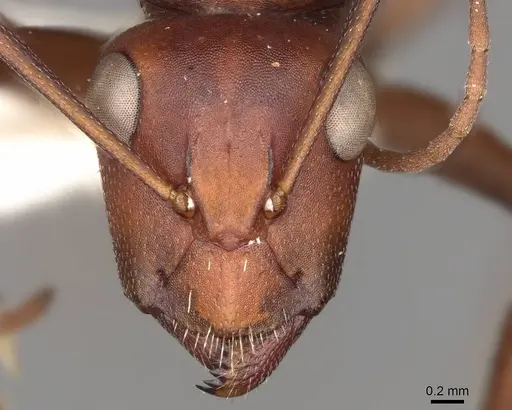
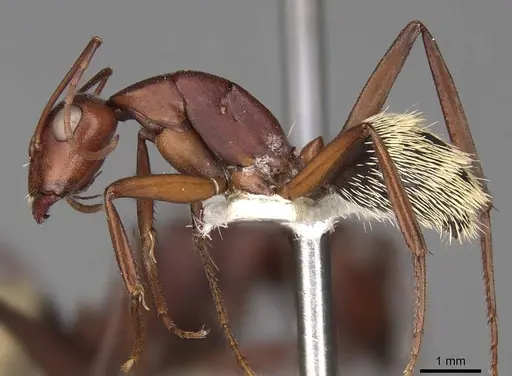
Camponotus detritus (commonly known as the Namib Desert Dune Ant) is an ant species of the genus Camponotus. It is primarily documented in 2 countries , including Namibia, South Africa. Detailed taxonomic data and occurrence records can be further explored via authoritative databases such as AntWeb or the Global Biodiversity Information Facility (GBIF).
Camponotus detritus - "Namib Desert Dune Ant"
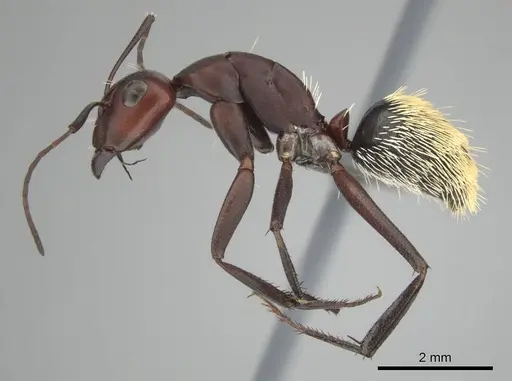
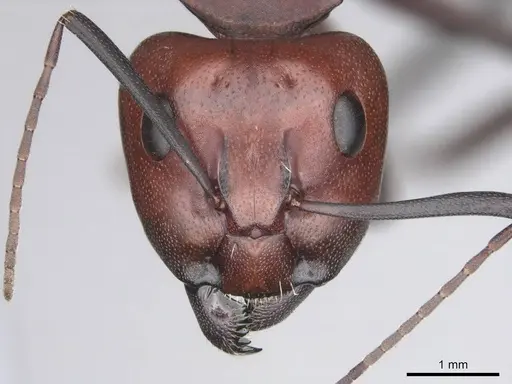
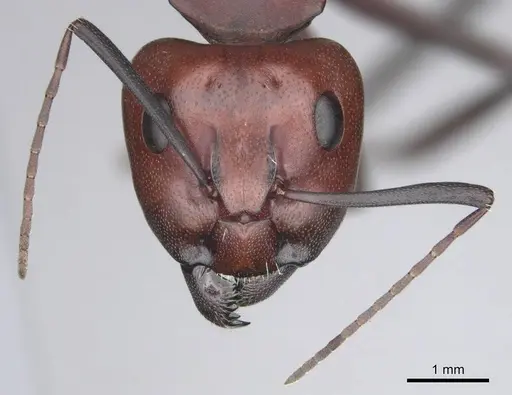
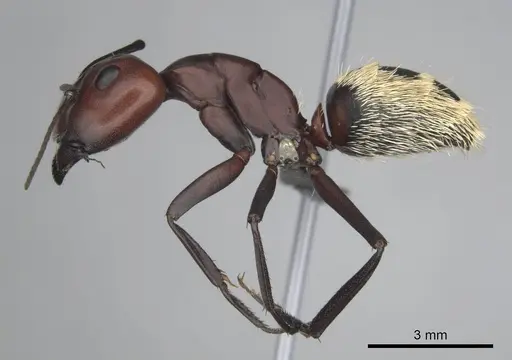
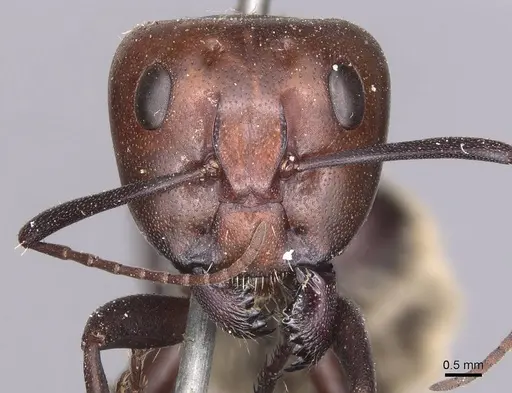
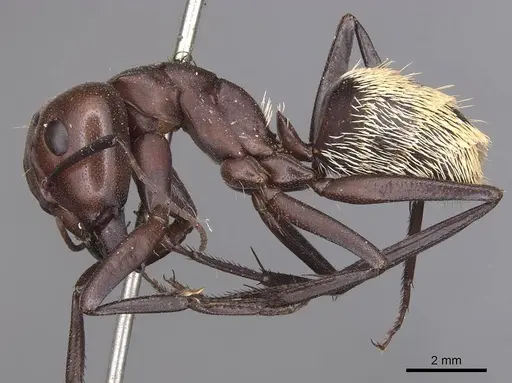
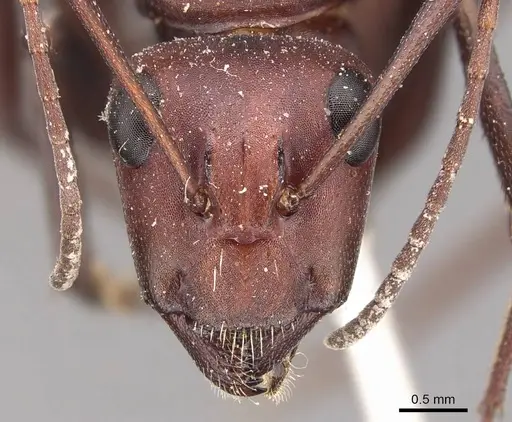
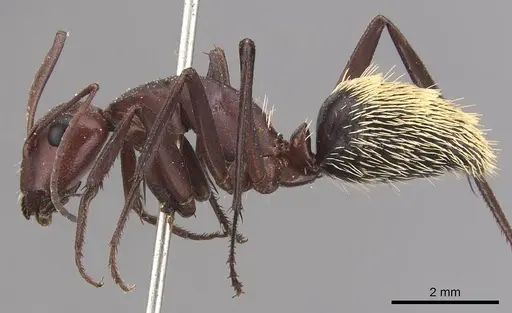
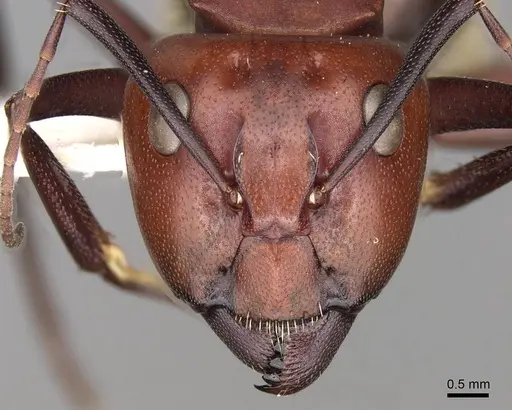
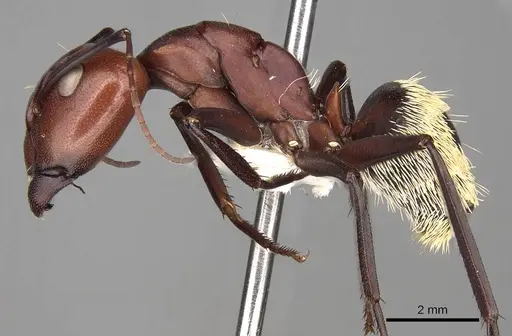
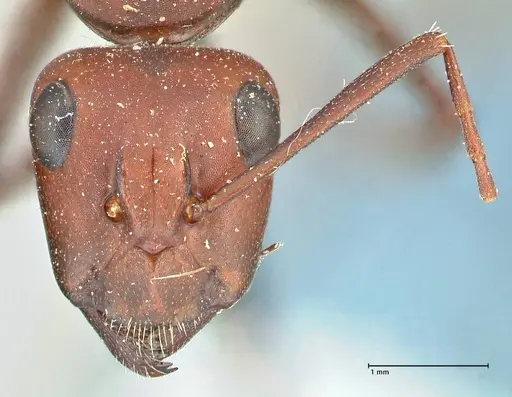
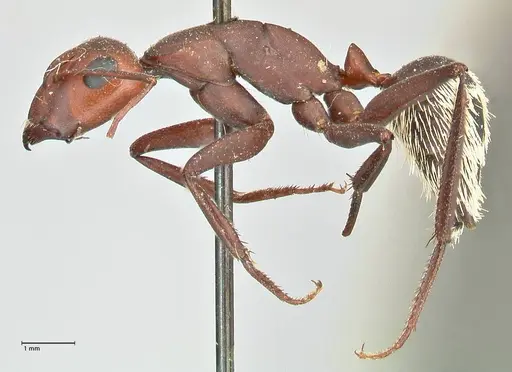
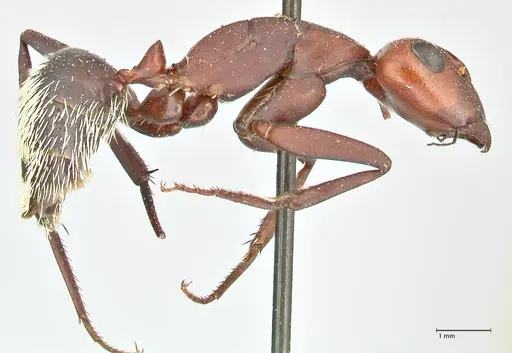
Camponotus detritus is a large, polymorphic carpenter ant native to the Namib Desert in Namibia and South Africa. Workers range from 7-16mm with a continuous size distribution, meaning you get everything from tiny minors to massive majors in the same colony. They have the typical carpenter ant body plan but are adapted to one of Earth's harshest environments, the sand dunes of the Namib Desert. This species is ecologically dominant in its range, forming polydomous colonies that spread across multiple nest sites connected by worker trails. Unlike most ants that hibernate, these ants keep active year-round thanks to the desert's consistently warm temperatures.
Quick Summary
- Difficulty: Medium
- Origin & Habitat: Namib Desert in Namibia and South Africa, specifically the sand dunes south of the Kuiseb River and dry river beds [1]. They nest among the roots of perennial dune vegetation in tunnels extending up to 0.4m deep [1].
- Colony Type: Polydomous single-queen colonies, typically one queen in one of 2-4 connected nests, with workers freely transporting brood between nests [1].
- Colony: Monogyne
- Founding: Claustral
- Size & Growth:
- Queen: Estimated 15-18mm based on genus patterns (no direct measurement found)
- Worker: 7-16mm polymorphic (continuous size range) [1]
- Colony: Estimated several hundred to 1000+ workers based on related desert Camponotus species
- Growth: Moderate, brood develops year-round due to warm desert conditions
- Development: Estimated 6-8 weeks at optimal temperature based on genus patterns (Brood is present year-round in wild colonies due to consistently high desert temperatures)
- Antkeeping:
- Temperature: Keep at 24-30°C (warm desert conditions). They tolerate high temperatures well but need a thermal gradient. Room temperature may be too cool, consider a heating cable on one side of the nest.
- Humidity: Low to moderate, desert species. Keep nest substrate dry with a small water tube for drinking. Avoid damp conditions that can kill them.
- Diapause: No, these ants remain active year-round in the wild due to the Namib Desert's warm climate. Do not hibernate them [1].
- Nesting: Y-tong (AAC) or plaster nests work well. Provide a dry, warm environment with chambers scaled to their large size. They prefer nesting in material they can line with debris (detritus), adding small particles to the nest chamber satisfies this natural behavior [1].
- Behavior: Polydomous by nature, they naturally maintain multiple connected nests. Workers are diurnal but can remain active at night in warm conditions. Minor workers handle most foraging while majors assist with large food items. They are not aggressive but can deliver a painful sting. Escape risk is moderate, use standard barriers but they're not particularly escape-prone. Foraging is solitary with likely trail networks [1][2].
- Common Issues: desert species rots quickly in damp conditions, keep nesting material dry, no hibernation needed, keeping them too cold causes stress and colony decline, polydomous nature means they may benefit from connected secondary nests as they grow, large size requires appropriately sized prey items, they can handle bigger insects than tiny ants, year-round brood production means consistent feeding is important, don't let food supplies run low
Natural History and Distribution
Camponotus detritus is endemic to the Namib Desert, one of the oldest deserts in the world. They are ecologically dominant in this harsh environment, found specifically in the sand dunes south of the Kuiseb River and in dry riverbeds. This species has adapted to extreme conditions including high temperatures, very low rainfall, and unstable sand substrates. Their nests are excavated among the roots of perennial dune vegetation (particularly Stipagrostis grass), which provides structural stability to their tunnels. A single colony occupies 1-4 connected nests, with tunnels extending up to 0.4 meters deep. The nest construction is relatively simple, using grass roots to reinforce the unstable sand, this allows them to quickly excavate new nests when needed, such as when a dune encroaches or wind destroys their current home [1].
Colony Structure and Polydomous Behavior
This species exhibits true polydomy, a single colony maintains multiple nest sites connected by worker trails. Typically, one queen resides in one nest while workers freely move brood (eggs, larvae, pupae) between all nests in the colony. This is a remarkable adaptation to their unstable desert environment, if one nest is destroyed by wind or shifting sand, workers can rapidly evacuate brood to other nests and the colony survives. In the wild, colonies have 1-4 nests, and the queen is usually found in just one of them. Workers function with task specialization based on their size: minor workers handle most foraging while major workers assist with large food items that minors cannot carry alone. This polymorphism is continuous rather than discrete, you get a full spectrum of sizes from small to large workers in the same colony [1][2].
Feeding and Diet
In the wild, Camponotus detritus has an unusual and varied diet for a carpenter ant. They collect honeydew from aphids and scale insects, pollen, nectar, dead insects, and notably, the excrement of vertebrates including birds and lizards. This last item is particularly interesting and reflects their adaptation to nutrient-scarce desert environments where they must exploit every available food source. They forage solitarily along likely trail networks, with minor workers doing most of the foraging and majors helping with large food items. In captivity, they should be fed a varied diet including sugar water or honey, protein sources (dead insects like mealworms, crickets), and occasional unusual items like small pieces of bird droppings or lizard feces if you want to replicate their natural diet, though standard ant foods are usually readily accepted [3][2].
Temperature and Heating Requirements
As a desert species from one of the hottest environments on Earth, Camponotus detritus requires warm conditions to thrive. Keep the nest area at 24-30°C, with a thermal gradient so ants can choose their preferred temperature. A heating cable placed on top of the nest (never underneath to avoid drying out the nest too quickly) works well to create this gradient. Unlike temperate ant species, they do not require or benefit from hibernation, in fact, keeping them too cold will stress the colony and may cause decline. The Namib Desert maintains high temperatures year-round, and wild colonies produce brood continuously throughout the year. Their diurnal activity pattern means they're most active during daylight hours, but they can remain active at night in warm conditions [4][5].
Housing and Nest Setup
For captive care, Y-tong (acrylic) nests or plaster nests work well for this species. They prefer dry conditions, unlike rainforest species, they do not need high humidity. Provide a small water tube or cotton wick for drinking water, but don't humidify the nest itself. The species name 'detritus' refers to their use of debris in nest construction, in the wild, they line their tunnels with detritus (decomposing organic matter). Adding small particles or debris to their nest chamber can satisfy this natural behavior. Because they're polydomous in the wild, you might consider providing a second connected nest area as the colony grows, though this is not strictly required. Ensure the nest chambers are appropriately sized for their large workers, they need room to move their polymorphic workers including the majors [1].
Reproduction and Nuptial Flights
Winged queens are present in nests throughout most of the year in wild colonies, with the highest numbers appearing in December (summer). Only one nuptial flight has been directly observed, and it occurred after 3mm of rainfall, suggesting rain may be an important trigger for mating flights. This is unusual compared to many ant species that have more predictable flight seasons. In captivity, you can expect alates (reproductives) to develop year-round given the constant warm conditions and year-round brood production. The colony's single queen produces eggs continuously, and workers transport brood between nest sites to optimize development conditions [1].
Frequently Asked Questions
How long does it take for Camponotus detritus to produce first workers?
Based on typical Camponotus development, expect 6-8 weeks from egg to first worker at optimal warm temperatures (around 26-28°C). This is an estimate based on genus patterns, as this species' specific development time hasn't been directly studied.
Do Camponotus detritus ants need hibernation?
No. These are desert ants that remain active year-round in the wild. Do not hibernate them, keep them warm (24-30°C) throughout the year. Unlike temperate species, they have no diapause requirement.
What do Camponotus detritus eat?
They accept standard ant foods including sugar water or honey, and protein sources like dead insects (mealworms, crickets). In the wild, they have an unusual diet including honeydew, pollen, nectar, dead insects, and even bird and lizard droppings. A varied diet is best.
How big do Camponotus detritus colonies get?
Based on related desert Camponotus species, colonies likely reach several hundred to around 1000 workers. They are polydomous in the wild with 1-4 connected nests, which helps support larger colony sizes.
Can I keep multiple queens together?
No. This species is monogyne (single-queen) in the wild, with one queen per polydomous colony. Multiple unrelated queens will fight. Only introduce a second queen if you're attempting pleometrosis (multi-queen founding), which has not been documented for this species.
What size nest do I need for Camponotus detritus?
Start with a test tube setup for the founding queen, then move to a Y-tong or plaster nest once the colony reaches 20-30 workers. Provide appropriately sized chambers for their large polymorphic workers (7-16mm). A nest with multiple chambers works well since they're naturally polydomous.
Are Camponotus detritus good for beginners?
They are intermediate in difficulty. They're harder than common temperate species like Lasius because they need warm temperatures year-round and no hibernation. However, they're more forgiving than some tropical species. The main challenges are maintaining proper heat and keeping nesting material dry.
Why is my Camponotus detritus colony declining?
The most common causes are: too cold (they need 24-30°C), too much humidity (they're desert ants, keep dry), or insufficient food. Also ensure you're not disturbing the nest too often. Year-round brood production means they need consistent nutrition.
References

This caresheet is licensed under CC BY-SA 4.0 .
CASENT0813048
View on AntWeb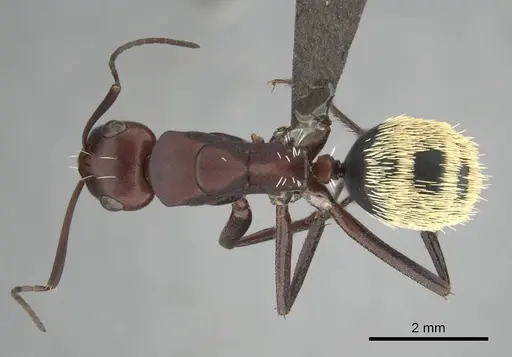
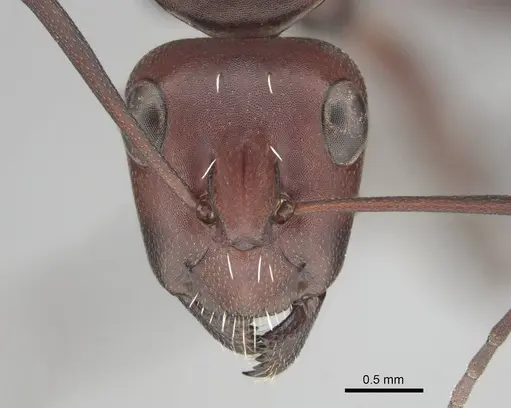
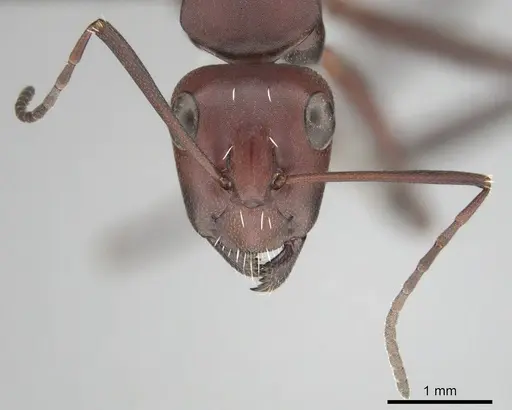
CASENT0813049
View on AntWeb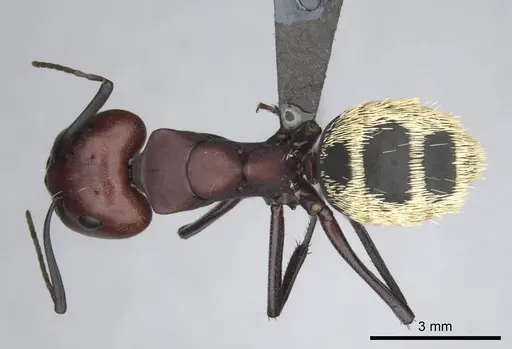
CASENT0905419
View on AntWeb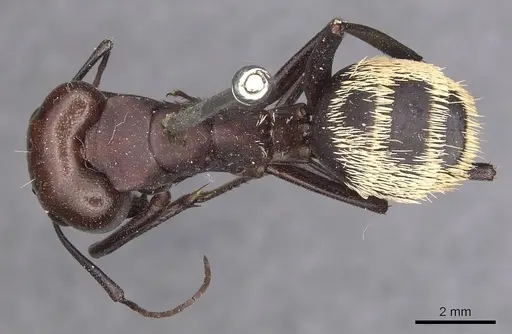
CASENT0905420
View on AntWeb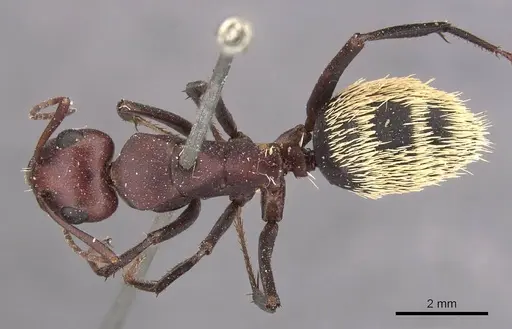
CASENT0906888
View on AntWeb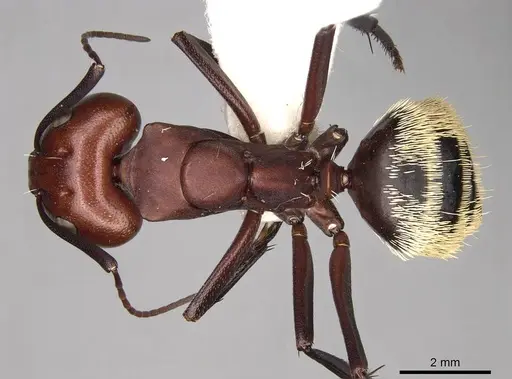
CASENT0906889
View on AntWeb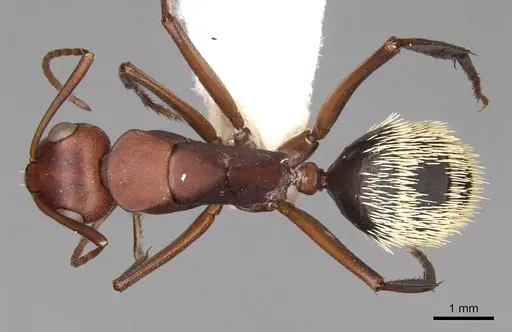
FOCOL2466
View on AntWeb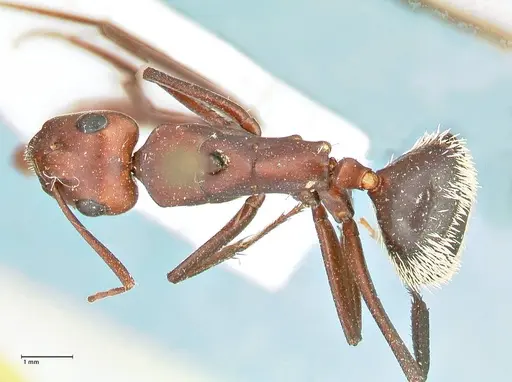
Literature
Loading...Loading products...