

Camponotus dalmaticus
- Scientific Name
- Camponotus dalmaticus
- Subgenus
- Myrmentoma
- Tribe
- Camponotini
- Subfamily
- Formicinae
- Author
- Nylander, 1849
- Distribution
- Found in 9 countries
Camponotus dalmaticus Overview
Camponotus dalmaticus is an ant species of the genus Camponotus. It is primarily documented in 9 countries , including Bosnia and Herzegovina, Bulgaria, Switzerland. Detailed taxonomic data and occurrence records can be further explored via authoritative databases such as AntWeb or the Global Biodiversity Information Facility (GBIF).
Camponotus dalmaticus
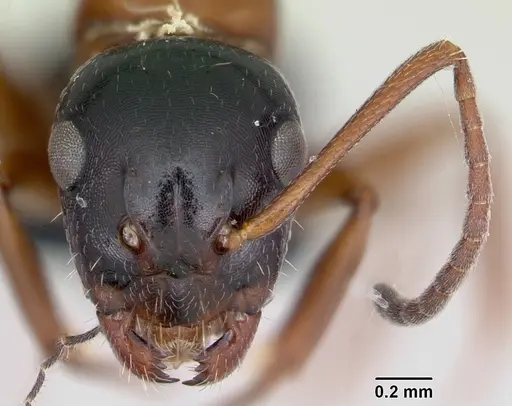
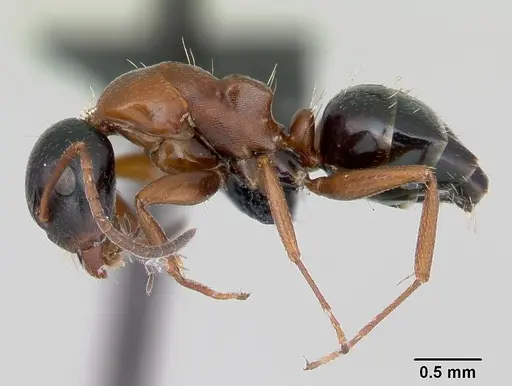
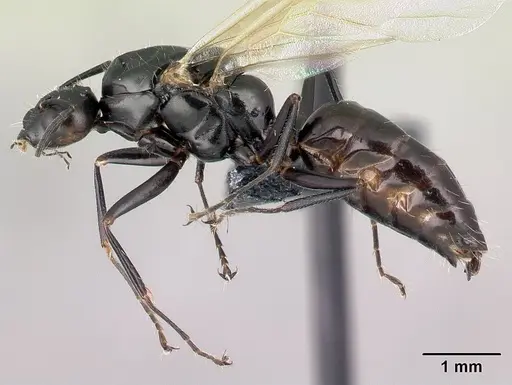
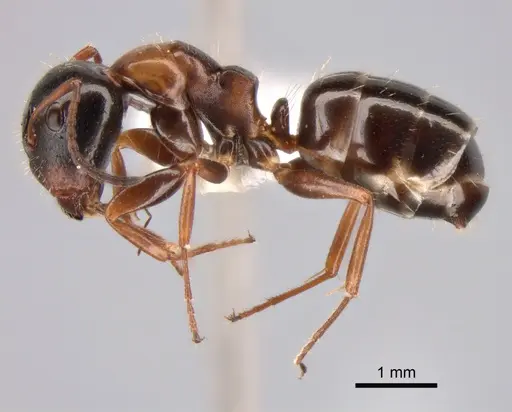
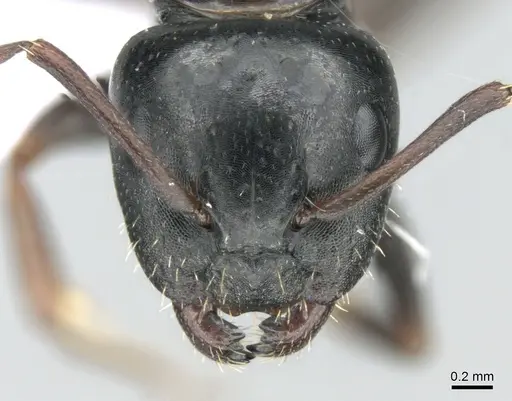
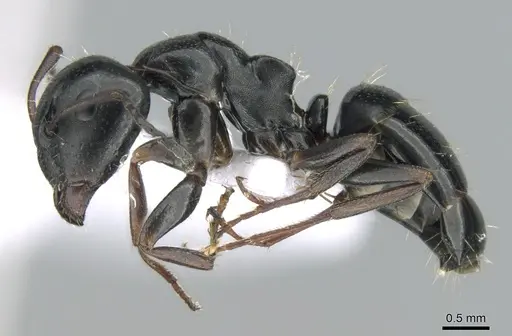
Camponotus dalmaticus is a moderately large, polymorphic ant belonging to the Camponotus lateralis species group. Workers range from about 4-6mm, with major workers reaching up to 6mm or slightly larger. This species shows remarkable color variation, some colonies are nearly black while others have reddish or yellowish-brown coloring on the head and mesosoma. The head is stout and roughly 1.2 times longer than wide, with a distinctive trapezoidal clypeus. They are native to southern Europe and the Mediterranean region, where they are commonly found nesting under stones, in rock crevices, and inside dry plant stems in warm, sunny habitats like deciduous forest edges, Mediterranean shrubs, and roadside vegetation. Unlike some related species, C. dalmaticus does not exhibit mimicry, workers are consistently gray rather than mimicking Crematogaster ants.
Quick Summary
- Difficulty: Easy
- Origin & Habitat: Southern Europe and Mediterranean region, found in the Balkans (Croatia, Greece, Bulgaria, Montenegro, North Macedonia, Romania, Serbia, Slovenia), Italy, Switzerland, Turkey, Israel, Lebanon, and Syria. Prefers warm, thermophilous habitats like warm borders of deciduous and mixed forests, Mediterranean shrubs, herbs growing along roadsides, and urban parks. Nests under stones, in rock crevices, and inside dry empty stems of large herbs at altitudes mostly below 800m [1][2][3].
- Colony Type: Single-queen (monogyne) colonies. This species forms colonies with one queen per nest.
- Colony: Monogyne
- Founding: Claustral
- Size & Growth:
- Queen: Estimated 9-12mm based on Camponotus genus patterns, direct measurements not available in the research data
- Worker: Minor workers: 4.3-6.1mm total length (HL 0.92-1.01mm), Major workers: HL 1.54-1.76mm [1][4]
- Colony: Colony size data not directly studied, but based on related Camponotus species, likely reaches several hundred workers
- Growth: Moderate, typical for Camponotus genus
- Development: 6-10 weeks estimated based on typical Camponotus development at warm temperatures (20-25°C) (Development time inferred from genus patterns. As a warmth-loving species from southern Europe, development likely faster at higher temperatures within their preferred range.)
- Antkeeping:
- Temperature: Keep at 22-26°C. This is a warmth-loving species from the Mediterranean, so provide a warm end of the nest with a gentle gradient. A heating cable on one side of the nest can help maintain these temperatures, especially during the breeding season [1][3].
- Humidity: Moderate humidity around 50-60%. These ants naturally nest under stones and in rock crevices in relatively dry, warm habitats. Keep the nest substrate lightly moist but allow some drying between waterings. Avoid overly damp conditions.
- Diapause: Yes, as a species from temperate southern Europe, they benefit from a winter rest period. Reduce temperature to around 10-15°C for 2-3 months during winter, mimicking their natural seasonal cycle.
- Nesting: Provide a naturalistic setup with flat stones, rubble, or clay-based materials, or use a Y-tong (AAC) nest with narrow chambers. These ants naturally nest under stones and in rock walls made of rubble and clay. They prefer tight chambers scaled to their size. Test tube setups work well for founding colonies.
- Behavior: Generally calm and not aggressive toward keepers. Workers are active foragers, commonly seen on bushes and vegetation (especially Hedera helix on olive and fruit trees). They are a non-mimetic species, workers are consistently gray without the warning coloration seen in some related Camponotus. Trail following has been observed but less frequently than in C. lateralis. They prefer more open, xerophilous habitats than their relatives. Escape risk is moderate, their larger size makes them easier to contain than tiny ants, but they are agile and will explore for gaps.
- Common Issues: colonies may fail if kept too cold, provide warmth consistently, overwatering can cause mold problems in their nest, keep substrate moderately dry, winter die-offs are common if hibernation conditions aren't proper, ensure cool, stable temperatures around 10-15°C, wild-caught colonies may have parasites that kill them in captivity, slow founding phase patience required, claustral queens seal themselves in and may take weeks before first workers appear
Nest Preferences
In the wild, Camponotus dalmaticus nests under stones, in rock crevices, and inside dry empty stems of large herbs. They prefer rock walls made of rubble and clay and are commonly found in warm, sunny locations at forest edges and in Mediterranean shrubland. For captive care, a Y-tong (AAC) nest with narrow chambers works well, or you can create a naturalistic setup with flat stones placed on a clay-based substrate. Test tube setups are ideal for founding colonies. The nest should have tight chambers scaled to their size, these are moderately large ants but they feel secure in snugger spaces. Avoid overly humid conditions, these are ants from relatively dry, warm habitats. [1][2]
Feeding and Diet
Like other Camponotus species, Camponotus dalmaticus is omnivorous. Workers forage for honeydew from aphids and scale insects, and they hunt small insects and arthropods. In captivity, offer a balanced diet: sugar water or honey constantly (they need the energy for their large workers), protein sources like mealworms, small crickets, or other insects 2-3 times per week, and occasional fruit or seeds. They are foragers that actively search for food, so place offerings where workers can find them easily. Major workers will tackle larger prey items, while minors handle smaller pieces.
Temperature and Seasonal Care
This is a warmth-loving (thermophilous) species from the Mediterranean, so warm temperatures are important for colony health and growth. Keep the nest area at 22-26°C, with a gentle gradient so ants can choose their preferred temperature. A heating cable on one side of the nest can help maintain warmth, especially during the breeding season. During winter, they benefit from a diapause period, reduce temperatures to around 10-15°C for 2-3 months to mimic their natural seasonal cycle. This rest period helps queens stay healthy and may improve colony longevity. Do not keep them active through winter as this can stress the colony. [1][3]
Behavior and Colony Dynamics
Camponotus dalmaticus forms single-queen colonies with a moderate growth rate. Workers are active foragers, often seen traversing bushes and vegetation in search of honeydew and prey. Unlike the closely related C. lateralis, this species does not exhibit mimicry, workers are consistently gray rather than mimicking Crematogaster ants. They prefer more open, xerophilous (dry) habitats than C. lateralis and are typically found on wood margins or bushland. Colony founding is claustral, the queen seals herself in a chamber and raises the first brood alone on stored fat reserves. First workers (nanitics) are smaller than mature workers but will grow with subsequent broods. [1]
Frequently Asked Questions
How long does it take for Camponotus dalmaticus to produce first workers?
Expect first workers (nanitics) to emerge in 6-10 weeks after the queen lays eggs, assuming temperatures around 22-26°C. This is typical for Camponotus species, the exact timing depends on temperature and humidity. Be patient during founding as the queen will be sealed in and inactive until her first workers emerge.
Can I keep multiple Camponotus dalmaticus queens together?
No, this is a single-queen (monogyne) species. Unlike some ants that can form multi-queen colonies, C. dalmaticus colonies should be started with only one queen. If you find multiple dealate queens, they should be housed separately.
What temperature range is best for Camponotus dalmaticus?
Keep them at 22-26°C. As a Mediterranean species, they prefer warmth. A heating cable on one side of the nest creates a nice gradient. During winter, they need a diapause period at 10-15°C for 2-3 months.
What do Camponotus dalmaticus eat?
They are omnivores. Offer sugar water or honey constantly for energy, plus protein sources like mealworms, small crickets, or other insects 2-3 times per week. They also forage for honeydew in the wild, so they'll readily accept sweet liquids.
Is Camponotus dalmaticus good for beginners?
Yes, this is an easy species to keep. They are forgiving of minor care mistakes, not overly aggressive, and their moderate size makes them easy to observe. The main challenges are providing proper warmth and managing the winter diapause period.
When should I move Camponotus dalmaticus from a test tube to a formicarium?
Wait until the colony has at least 20-30 workers before moving them. The founding test tube setup should have a water reservoir that stays filled. Once the colony outgrows the tube (typically when worker count exceeds 30-50), you can move them to a larger setup like a Y-tong nest or naturalistic formicarium.
Do Camponotus dalmaticus need hibernation?
Yes, they benefit from a winter rest period. Reduce temperatures to 10-15°C for 2-3 months during winter. This mimics their natural seasonal cycle in southern Europe and helps keep the queen healthy. Do not force them into active growth year-round.
How big do Camponotus dalmaticus colonies get?
Based on related Camponotus species, colonies likely reach several hundred workers at maturity. They are moderately fast growing once established, with major workers developing as the colony expands.
Why are my Camponotus dalmaticus dying?
Common causes include: temperatures too cold (keep above 20°C), excessive humidity causing mold, stress during founding if the queen was disturbed, or parasites from wild-caught colonies. Check your setup and ensure proper warmth, moderate humidity, and minimal disturbance during the founding phase.
References

This caresheet is licensed under CC BY-SA 4.0 .
CASENT0080781
View on AntWeb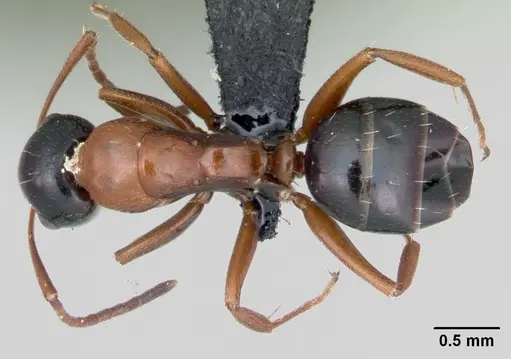
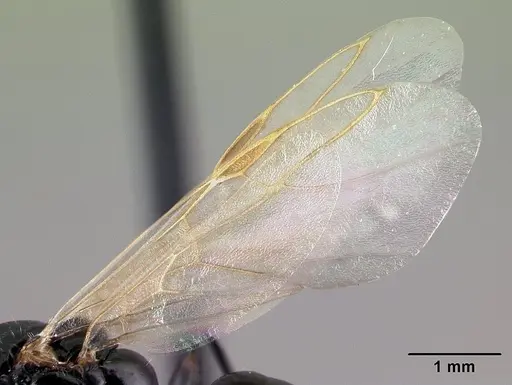
CASENT0179601
View on AntWeb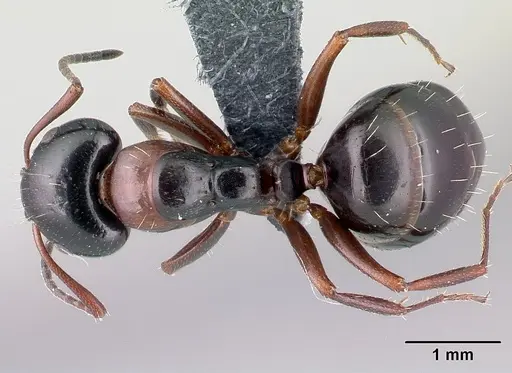
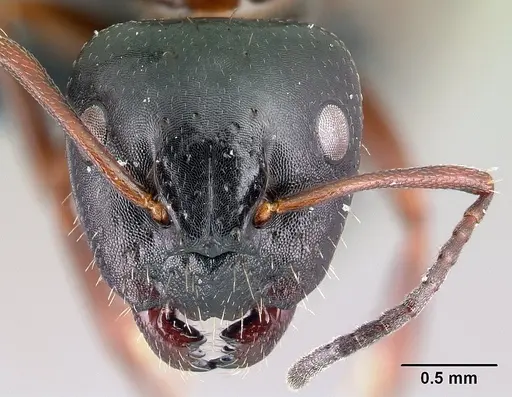
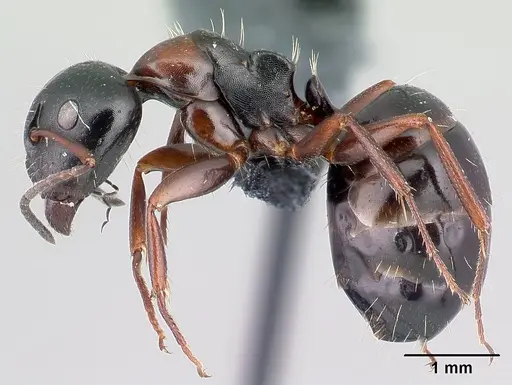
CASENT0179602
View on AntWeb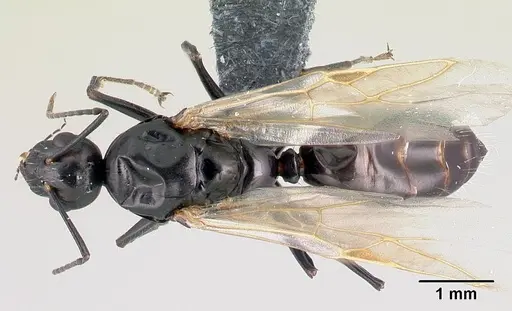
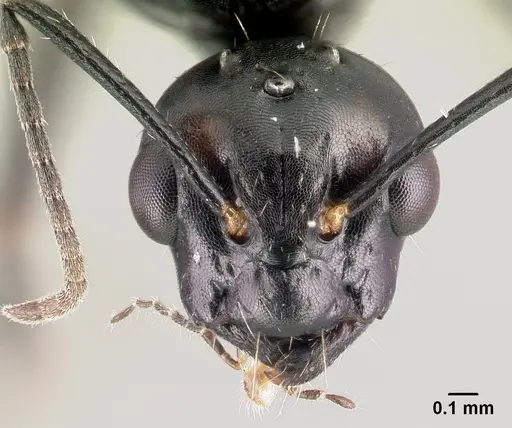
CASENT0882039
View on AntWeb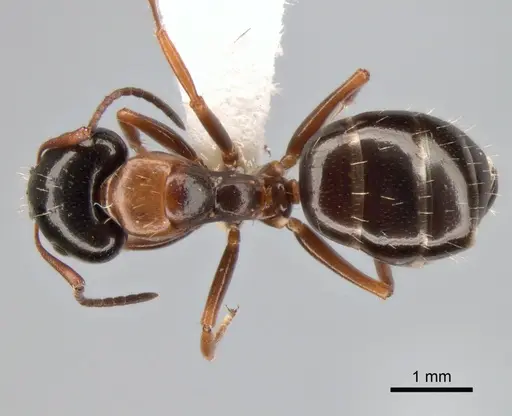
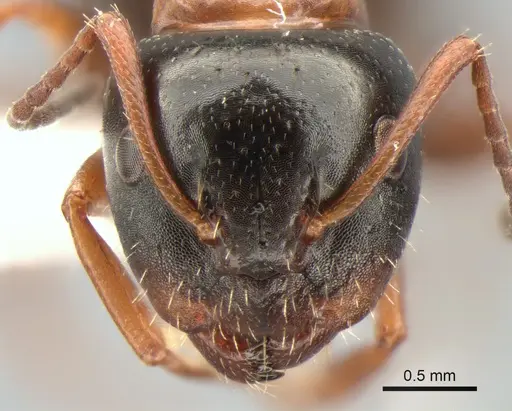
CASENT0906110
View on AntWeb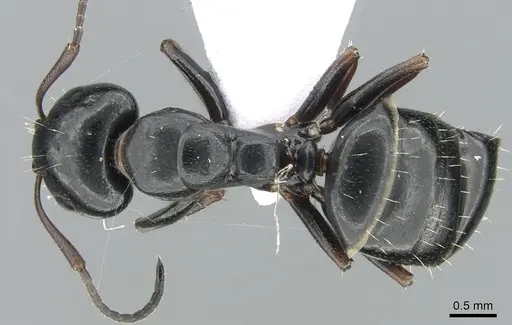
Literature
Loading...Loading products...