

Camponotus dalmasi
- Scientific Name
- Camponotus dalmasi
- Subgenus
- Myrmocladoecus
- Tribe
- Camponotini
- Subfamily
- Formicinae
- Author
- Forel, 1899
- Distribution
- Found in 1 countries
Camponotus dalmasi Overview
Camponotus dalmasi is an ant species of the genus Camponotus. It is primarily documented in 1 countries , including Colombia. Detailed taxonomic data and occurrence records can be further explored via authoritative databases such as AntWeb or the Global Biodiversity Information Facility (GBIF).
Camponotus dalmasi
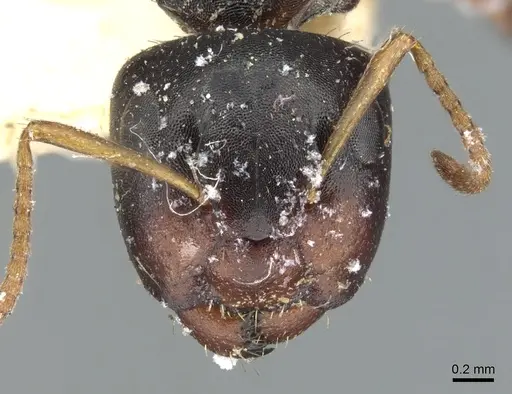
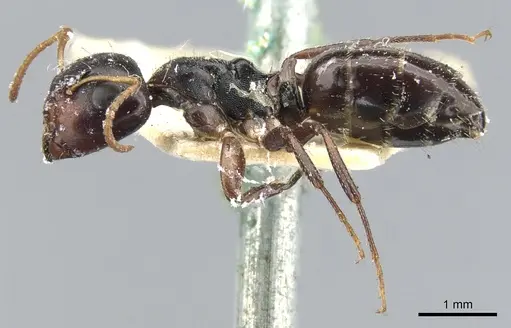
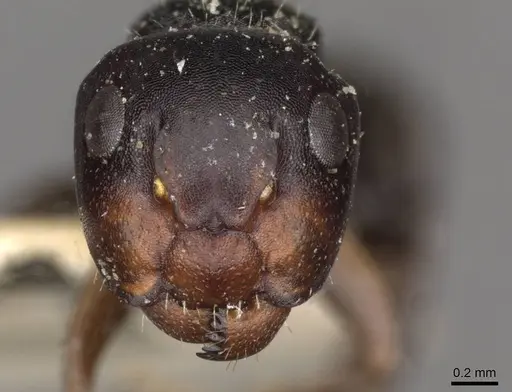
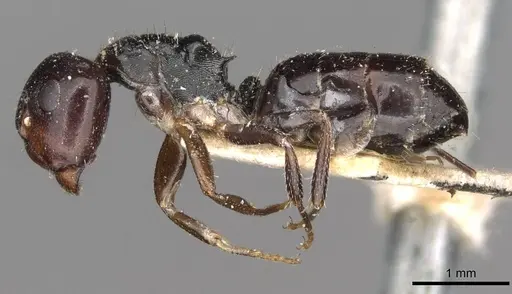
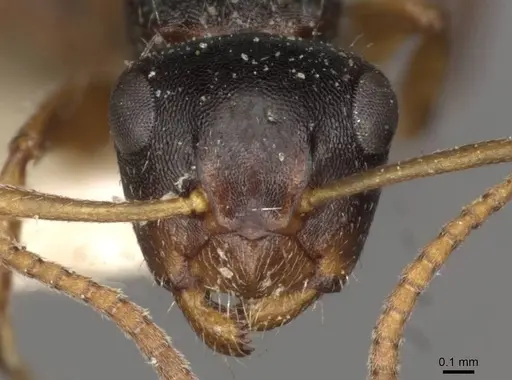
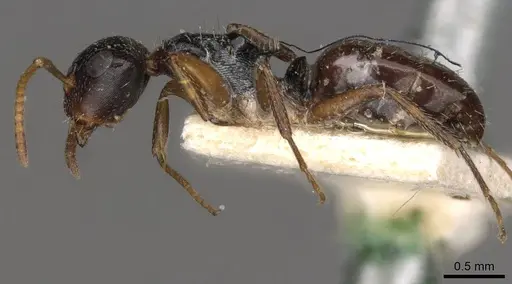
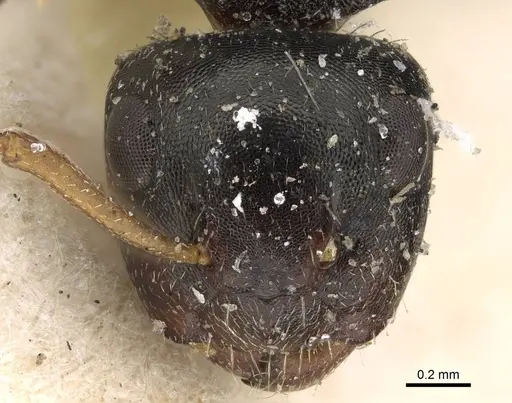
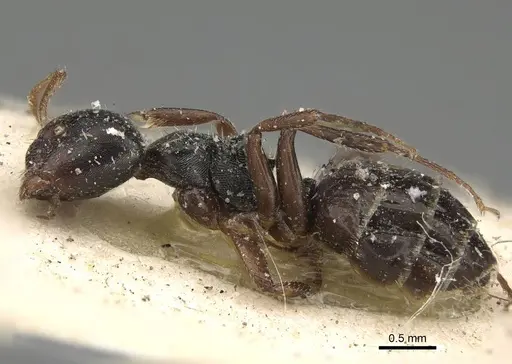
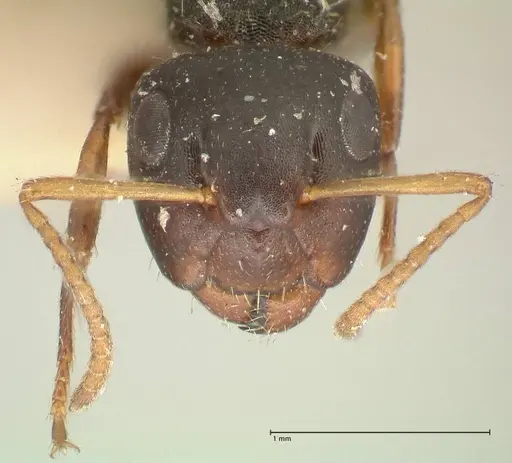
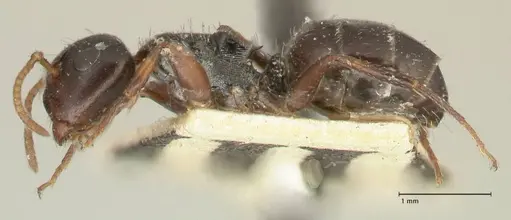
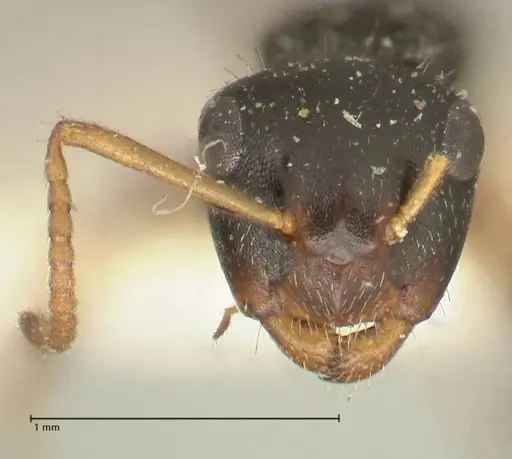
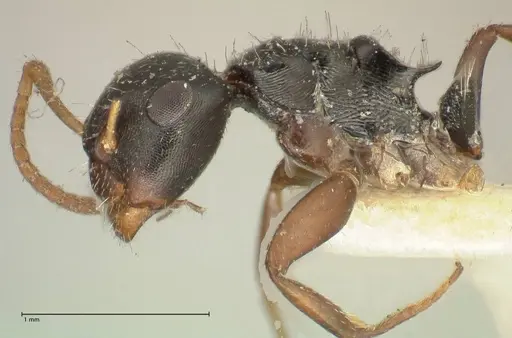
Camponotus dalmasi is a small to medium-sized carpenter ant native to northern South America, found throughout Colombia and into Venezuela. Workers measure 3.2-5mm, with the larger major workers displaying the genus characteristic robust build. This species belongs to the bidens group within the subgenus Myrmobrachys, distinguished by their moderately acute propodeal spines and a uniquely elevated anterior section of the dorsopropodeo that sets them apart from similar species like C. bidens and C. bispinosus [1][2]. The petiole lacks spines, which helps separate them from other bidens-group members [2].
This species occupies surprisingly diverse habitats for a tropical ant, found in dry shrubland, forested areas, and even urban environments [2]. They are among the less commonly kept Camponotus species in captivity, reflecting both their limited distribution and the relatively recent interest in Neotropical ant keeping. Their association with termite nests in the wild (found nesting alongside Crematogaster in termite colonies) suggests they may have interesting nesting biology that differs from typical carpenter ants [1][3].
Quick Summary
- Difficulty: Medium
- Origin & Habitat: Northern South America, specifically Colombia (Sierra Nevada de Santa Marta, Magdalena, Antioquia, San Andrés) and Venezuela. Found in dry shrubland, forests, and urban areas [2][4].
- Colony Type: Single-queen (monogyne) colonies, typical for Camponotus species. Colony structure in the wild has not been extensively documented.
- Colony: Monogyne
- Founding: Claustral
- Size & Growth:
- Queen: Unknown, not directly measured in available literature. Based on genus patterns, likely 12-16mm.
- Worker: 3.2-5mm [1]. Minor workers around 3.2mm, major workers up to 5mm.
- Colony: Unknown, likely several hundred workers based on typical Camponotus patterns for a tropical species.
- Growth: Moderate, typical for tropical Camponotus species
- Development: 6-8 weeks, estimated based on typical Camponotus development at optimal tropical temperatures (Development time is estimated from genus-level data since species-specific research is lacking. Warm temperatures (24-28°C) will accelerate development.)
- Antkeeping:
- Temperature: Keep at 24-28°C. This is a tropical species from Colombia and Venezuela, so they prefer warm conditions. A heating cable on one side of the nest creates a gradient allowing workers to self-regulate.
- Humidity: Moderate to high humidity (60-80%). Their natural habitat includes forested areas, so they benefit from moisture. Keep the nest substrate consistently moist but not waterlogged. Provide a water tube for drinking.
- Diapause: No, as a tropical species from northern South America, they do not require hibernation. However, a slight reduction in temperature during the dry season (keeping them around 20-22°C for a few months) may simulate natural conditions and promote colony health.
- Nesting: In the wild, they have been found in termite nests and likely nest in rotting wood or soil cavities. In captivity, a Y-tong (AAC) nest or plaster nest works well. Provide a dark, secure nesting area with some moisture. Because workers are only 3-5mm, ensure chambers are appropriately scaled.
- Behavior: These ants are relatively docile for a Camponotus species, they are not particularly aggressive and rarely show defensive behavior toward keepers. Workers are active foragers, both on the ground and likely in vegetation given their arboreal tendencies. They are attracted to sweet baits in the wild [2], so sugar water or honey should be readily accepted. Escape prevention is important, while not the smallest ants, their 3-5mm size means they can squeeze through small gaps. Use standard barrier methods like fluon on test tube rims.
- Common Issues: limited availability, this species is rarely available in the antkeeping hobby, making colonies difficult to acquire, escape risk, small worker size means they can slip through standard test tube barriers if not properly sealed, humidity control, being from humid forest habitats, colonies may struggle in dry environments, slow founding, claustral queens may take 6-8 weeks to produce first workers, and beginners often disturb nests during this critical period, lack of species-specific care data, most care recommendations are inferred from genus patterns rather than direct observation
Nest Preferences and Housing
In their natural habitat across Colombia and Venezuela, Camponotus dalmasi has been found nesting in association with termite colonies, specifically documented sharing a nest with Crematogaster ants inside a termite nest structure [1][3]. This suggests they may prefer pre-existing cavities rather than excavating their own, which is common in many Myrmobrachys species. In captivity, provide a nest with dark chambers that mimic these natural cavities. Y-tong (AAC) nests work exceptionally well for this species, as do plaster nests or acrylic formicariums. The chambers should be appropriately sized for their 3-5mm workers, tight-fitting spaces help them feel secure. Include a water reservoir connected to a cotton plug for humidity, and ensure the nest can be kept at stable warm temperatures between 24-28°C.
Feeding and Diet
Field observations show these ants are readily attracted to sweet baits [2], confirming they have a sweet tooth typical of Camponotus species. In captivity, offer sugar water (1:3 ratio sugar to water) or honey as a constant energy source. For protein, provide typical ant prey items: mealworms, small crickets, or other small insects. Since workers are only 3-5mm, prey items should be appropriately sized, small pieces are better than large chunks. Feed protein 2-3 times per week, and keep sugar sources available at all times. Fresh fruit (like apple or banana) can also be offered occasionally. Remove uneaten prey after 24-48 hours to prevent mold issues in the nest.
Temperature and Seasonal Care
As a tropical species from Colombia and Venezuela, Camponotus dalmasi requires warm conditions year-round. Maintain nest temperatures between 24-28°C for optimal brood development. A heating cable placed on top of the nest (never underneath where it can dry out the substrate) creates a gentle thermal gradient. Room temperature around 22-24°C is acceptable, but cooler conditions will slow development significantly. Unlike temperate species, they do not require true hibernation. However, some keepers report success with a slight seasonal cooldown to around 20-22°C for 2-3 months during what would be the dry season in their native range, this may help synchronize colony cycles but is not strictly necessary for colony health. [2]
Colony Founding and Development
Like all Camponotus species, C. dalmasi queens are claustral, they seal themselves in a chamber and raise their first workers entirely on stored fat reserves, never leaving to forage during founding. A newly mated queen should be placed in a test tube setup with a water reservoir, then left completely undisturbed for 6-8 weeks until the first nanitic (first-generation) workers emerge. The nanitics will be smaller than normal workers due to limited nutrition during founding. After the first workers (nanitics) appear, you can begin offering tiny amounts of sugar water and small protein items near the nest entrance. Do not disturb the queen during this critical period, vibrations and light can cause her to abandon or consume the brood. Colony growth is moderate, expect several months to reach 20-30 workers, and a year or more to reach 100+ workers. [1]
Behavior and Temperament
Camponotus dalmasi is considered one of the more docile carpenter ant species, showing minimal aggression toward keepers. Workers are active foragers, both on the ground and likely climbing vegetation given their subgenus (Myrmobrachys) tendencies. They are not known for aggressive swarming or painful stings, while they may spray formic acid as a defense, the small worker size means it's rarely noticeable to humans. Their small size (3-5mm workers) makes them excellent escape artists, so use proper barrier methods. They are not particularly shy and will readily explore outworlds once established. The unique elevated dorsopropodeo (the hump on their back) is not just cosmetic, it may serve a defensive or species-recognition function and is visible even to the naked eye on major workers. [1][2]
Frequently Asked Questions
How long does it take for Camponotus dalmasi queens to produce first workers?
Expect 6-8 weeks from egg to first worker at optimal temperatures (24-28°C). This is typical for Camponotus species. The first workers (nanitics) will be smaller than normal workers due to limited nutrition during the claustral founding period.
What do Camponotus dalmasi ants eat?
They are omnivorous with a preference for sweets. Offer sugar water or honey constantly, and protein sources like mealworms or small crickets 2-3 times weekly. They are attracted to sweet baits in the wild, so sugar sources are essential for colony health.
What temperature do Camponotus dalmasi need?
Keep them warm at 24-28°C. This tropical species from Colombia and Venezuela requires warm conditions year-round. A heating cable on the nest can help maintain optimal temperatures.
Do Camponotus dalmasi need hibernation?
No, they do not require hibernation. As a tropical species, they should be kept at warm temperatures year-round. A slight temperature reduction to around 20-22°C for a few months may be beneficial but is not necessary.
How big do Camponotus dalmasi colonies get?
Colony size is not well documented in scientific literature, but based on typical Camponotus patterns for tropical species, colonies likely reach several hundred workers over several years.
Are Camponotus dalmasi good for beginners?
They are rated as medium difficulty. While not aggressive, their tropical temperature requirements and the need for proper humidity make them slightly more challenging than temperate species. They are also rarely available in the hobby.
What makes Camponotus dalmasi different from other carpenter ants?
They belong to the bidens group and can be identified by their uniquely elevated anterior dorsopropodeo (a hump on their back) and moderately acute propodeal spines. They are also found in association with termite nests in the wild, which is unusual for Camponotus.
Can I keep multiple Camponotus dalmasi queens together?
This is not recommended. Camponotus dalmasi is monogyne (single-queen) in structure. Unlike some social parasites, unrelated queens will likely fight. Only keep one queen per colony.
When should I move my Camponotus dalmasi colony to a formicarium?
Wait until the colony has at least 30-50 workers and is actively foraging in the outworld. Moving too early can stress the colony. A test tube setup works well for founding colonies, transition to a formicarium when the colony outgrows the test tube or the water reservoir needs frequent refilling.
References

This caresheet is licensed under CC BY-SA 4.0 .
CASENT0903644
View on AntWeb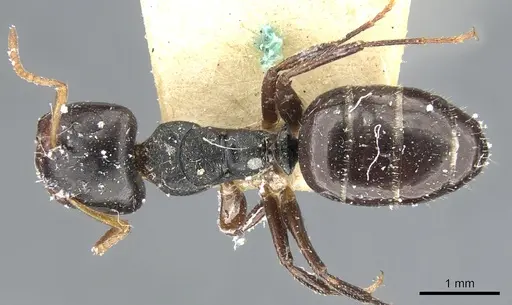
CASENT0910736
View on AntWeb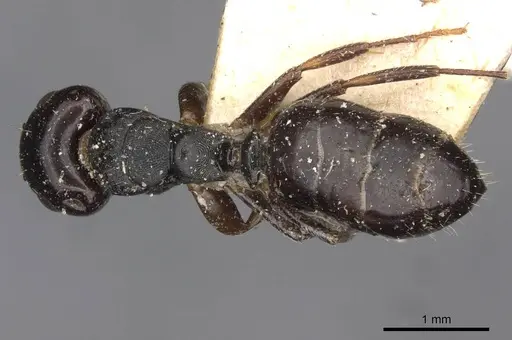
CASENT0910737
View on AntWeb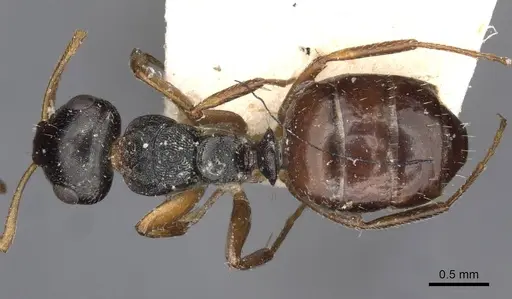
CASENT0922414
View on AntWeb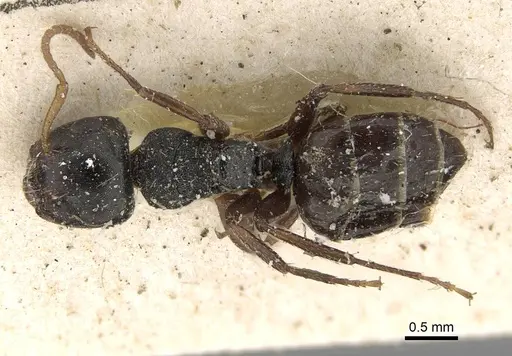
FOCOL2324
View on AntWeb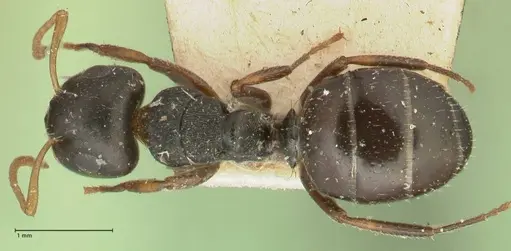
FOCOL2325
View on AntWeb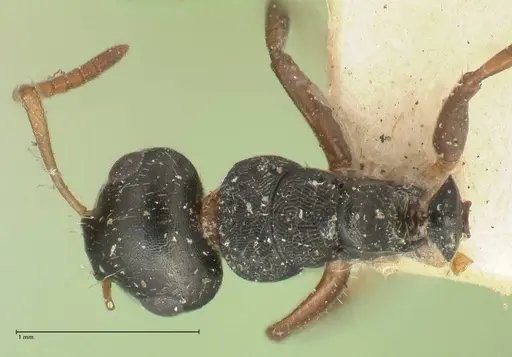
Literature
Loading...Loading products...