

Camponotus cuneiscapus
- Scientific Name
- Camponotus cuneiscapus
- Subgenus
- Myrmespera
- Tribe
- Camponotini
- Subfamily
- Formicinae
- Author
- Forel, 1910
- Common Name
- Orange Sugar ant
- Distribution
- Found in 2 countries
Camponotus cuneiscapus Overview
Camponotus cuneiscapus (commonly known as the Orange Sugar ant) is an ant species of the genus Camponotus. It is primarily documented in 2 countries , including Namibia, South Africa. Detailed taxonomic data and occurrence records can be further explored via authoritative databases such as AntWeb or the Global Biodiversity Information Facility (GBIF).
Camponotus cuneiscapus - "Orange Sugar ant"
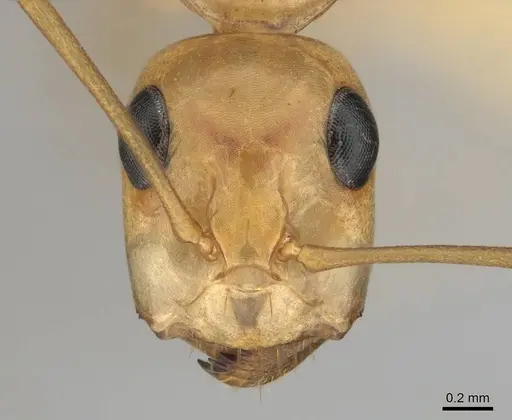
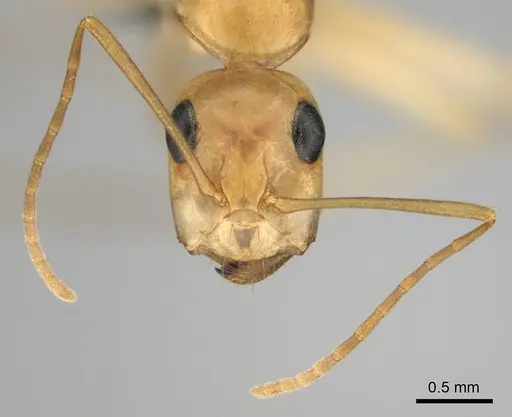
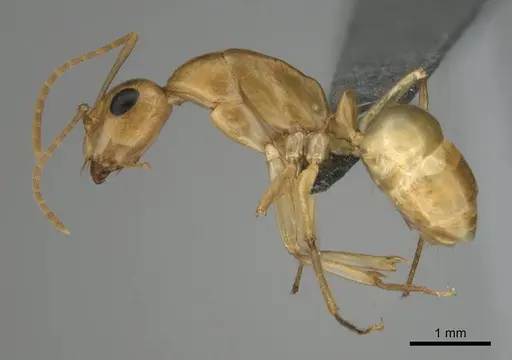
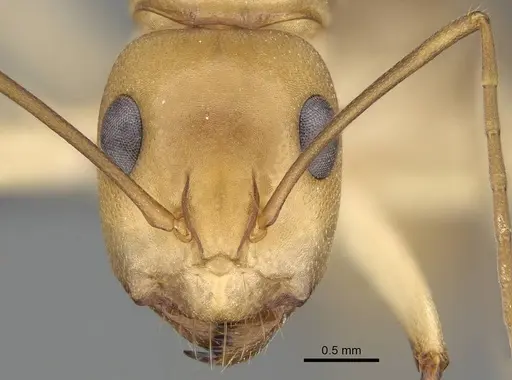
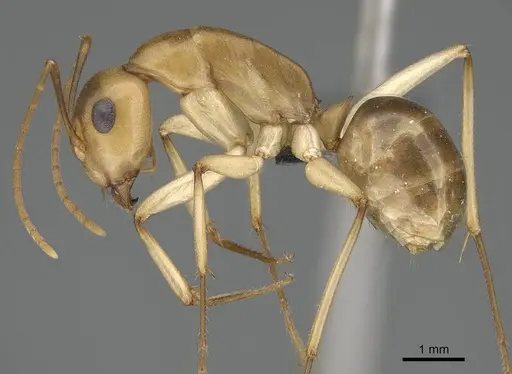
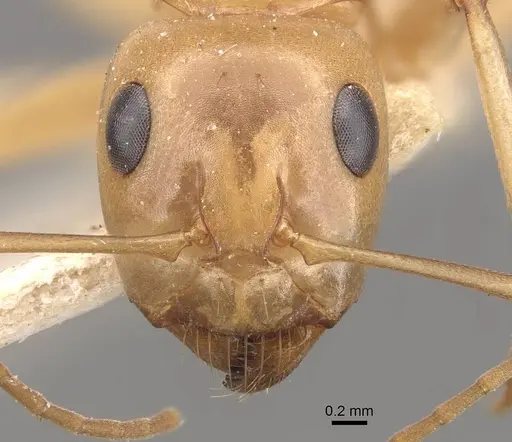
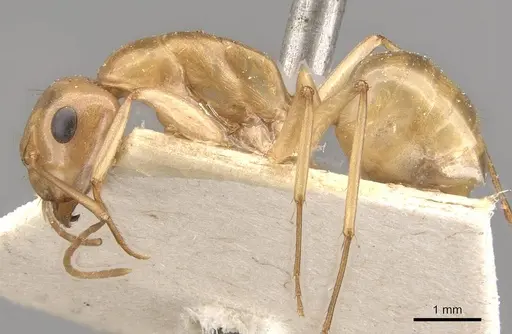
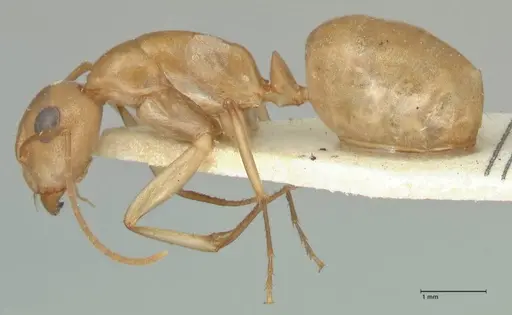
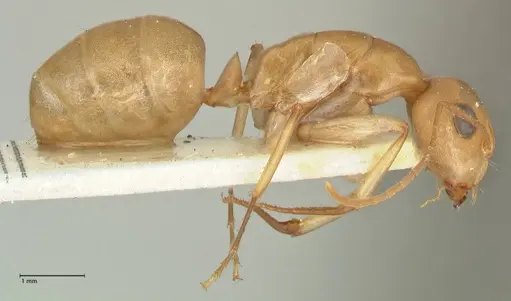
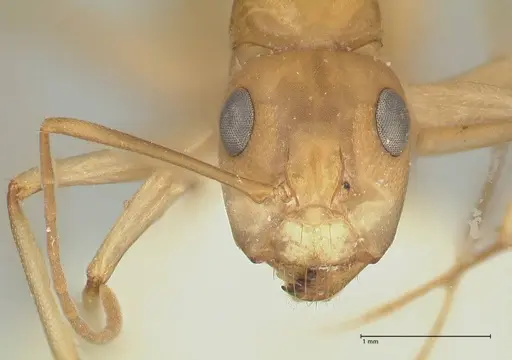
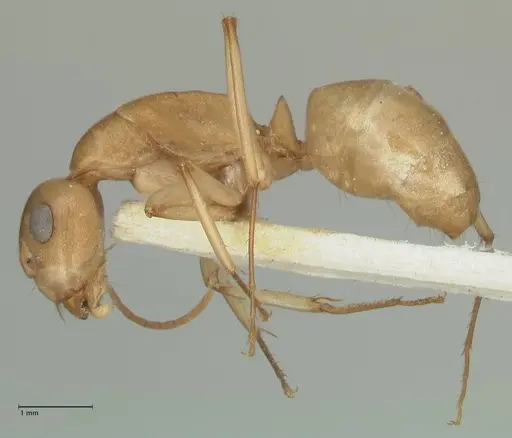
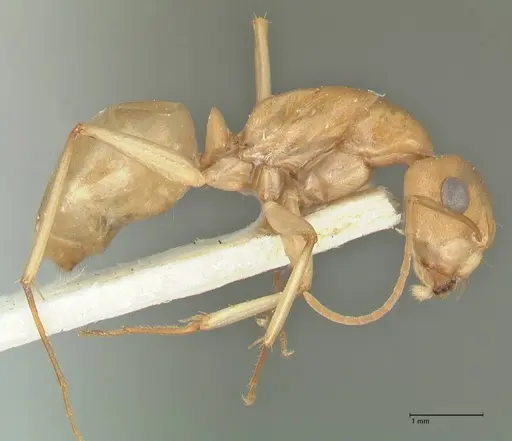
Camponotus cuneiscapus is a small to medium-sized ant species native to the semi-arid regions of southern Africa, specifically found in Namibia and the Cape Province of South Africa [1]. Workers measure approximately 4-7mm, with the characteristic Camponotus body shape featuring a distinctively flattened and scale-like post-petiole. The species was originally described by Forel in 1910 from specimens collected near Steinkopf in the Klein Namaland region [2].
This species occupies a specialized ecological niche in the Karoo, a semi-arid to arid biome characterized by low rainfall and extreme temperature variations. As a member of the NSP (nectarivore, scavenger, predator) feeding guild, these ants are generalist foragers that exploit diverse food sources including nectar, dead insects, and small prey [3]. Their presence in both invaded and non-invaded sites in South Africa suggests some resilience to environmental disturbance, though they typically occur in low numbers in wild populations [4].
Quick Summary
- Difficulty: Medium
- Origin & Habitat: Native to the semi-arid Karoo region of Namibia and South Africa's Cape Province. This species thrives in hot, dry conditions with sparse vegetation typical of desert and savanna habitats [1].
- Colony Type: Likely single-queen colonies (monogyne) based on typical Camponotus patterns. Colony size appears modest in the wild, with surveys recording only 0-6 individuals per sample [4].
- Colony: Monogyne
- Founding: Claustral
- Size & Growth:
- Queen: Approximately 8-10mm (estimated from Camponotus genus patterns)
- Worker: 4-7mm [1]
- Colony: Likely several hundred workers at maturity based on genus patterns
- Growth: Moderate, typical for Camponotus species
- Development: Approximately 6-8 weeks at optimal temperature (estimated from related Camponotus species) (Development time varies with temperature, warmer conditions within safe ranges accelerate development)
- Antkeeping:
- Temperature: Keep at 24-28°C with a thermal gradient. These ants are adapted to hot African conditions and tolerate higher temperatures well, but avoid extreme heat above 35°C [3].
- Humidity: Low to moderate humidity (30-50%). Provide a water tube but allow the nest area to remain relatively dry. Mist occasionally rather than maintaining constant moisture.
- Diapause: Yes, a winter rest period of 8-12 weeks at 10-15°C is recommended to simulate seasonal cycles in their native habitat [1].
- Nesting: Y-tong (acrylic) nests work well. Provide moderate chamber sizes with narrow to moderate passages. These ants prefer compact nesting spaces. A test tube setup is suitable for founding colonies.
- Behavior: Generally peaceful and non-aggressive toward keepers. Workers are active foragers that readily explore their surroundings. They are moderate escape artists, use standard barrier methods (fluon on rim edges) but no special escape prevention required beyond standard practices. Workers are primarily active during warmer hours and may reduce activity during cooler periods.
- Common Issues: Low colony numbers in the wild suggest this species may be sensitive to disturbance, handle founding colonies gently, Winter dormancy is essential, skipping hibernation can weaken colonies over time, As a desert species, they are prone to mold issues if over-misted, err on the dry side, Limited availability in the antkeeping hobby due to restricted range, May be outcompeted by more aggressive ant species in multi-species setups
Nest Preferences and Setup
Camponotus cuneiscapus adapts well to various nest types commonly used in antkeeping. For founding colonies, a standard test tube setup with a water reservoir works excellently, the queen will seal herself into a chamber and raise her first brood alone. Once the colony reaches 15-20 workers, you can transition to a Y-tong (acrylic) nest or a plaster/naturalistic setup.
These ants prefer compact chambers with narrow passages, which mimics their natural nesting in soil crevices and under stones in arid environments. Provide a single connected nest area rather than multiple separate chambers. A small outworld for foraging completes the setup. Ensure the nest is kept in a dark or dimly lit area, as Camponotus species generally prefer darker nesting sites.
Avoid overly humid conditions, this species is adapted to semi-arid conditions and can develop mold problems if the substrate stays constantly wet. A water tube for drinking access is sufficient for hydration needs. [1]
Feeding and Diet
As an NSP (nectarivore, scavenger, predator) guild species, Camponotus cuneiscapus accepts a varied diet. Offer sugar water or honey as a constant energy source, these ants will readily consume sweet liquids. For protein, provide small insects such as fruit flies, small crickets, or mealworm pieces. They are also known to scavenge on dead insects and will exploit natural food sources in their environment.
Feed the colony 2-3 times per week with protein sources, replacing any uneaten prey after 24 hours. Sugar water should be available constantly via a test tube or cotton wick. During the founding stage, the claustral queen does not forage, she relies on stored fat reserves to survive until her first workers emerge. Once workers are present, they will readily collect food from the outworld.
Monitor feeding activity and adjust portions based on colony size. Uneaten sugar solutions should be replaced every 2-3 days to prevent fermentation. [3]
Temperature and Seasonal Care
These ants are adapted to the hot, semi-arid conditions of southern Africa and thrive at temperatures between 24-28°C. A thermal gradient is beneficial, place a heating cable or heating mat on one side of the nest, allowing workers to self-regulate by moving between warmer and cooler areas. Avoid temperatures above 35°C, as this can stress the colony.
During winter months, simulate the seasonal cycle with a hibernation period of 8-12 weeks at temperatures between 10-15°C. This dormancy period is important for colony health and mimics the natural seasonal patterns in their native habitat. Reduce feeding during hibernation but ensure access to a water source. Bring the colony back to room temperature gradually in spring.
Room temperature (20-24°C) is acceptable if you cannot provide heating, but development will be slower. Active foraging and brood development correlate with warmer conditions within the safe range. [3][4]
Behavior and Colony Dynamics
Camponotus cuneiscapus exhibits typical Camponotus behavior patterns. Workers are moderately active and will readily explore the outworld in search of food. The colony maintains a clear division of labor, with workers specializing in foraging, brood care, and nest maintenance.
This species is generally peaceful and does not display aggressive swarming behavior when the nest is disturbed. However, they will defend their colony if threatened. Workers can deliver a mild sting if handled roughly, though this is not typical defensive behavior.
Colony growth is moderate, expect the first nanitic (first) workers to emerge 6-8 weeks after the queen lays eggs, depending on temperature. Growth rate will accelerate once the colony establishes a steady brood cycle. Mature colonies may reach several hundred workers over several years. [1]
Frequently Asked Questions
How long does it take for Camponotus cuneiscapus to produce first workers?
Expect first workers (nanitics) approximately 6-8 weeks after the queen lays eggs, assuming temperatures around 24-28°C. Cooler temperatures will slow development significantly.
What temperature range is best for Camponotus cuneiscapus?
Keep them at 24-28°C with a thermal gradient. They tolerate heat well but should be kept below 35°C. Room temperature (20-24°C) is acceptable but will slow development.
Do Camponotus cuneiscapus need hibernation?
Yes, a winter rest period of 8-12 weeks at 10-15°C is recommended. This simulates their natural seasonal cycle in the semi-arid Karoo region.
What do Camponotus cuneiscapus eat?
They are generalist feeders. Offer sugar water or honey constantly, and protein sources like small insects 2-3 times per week. They will scavenge on dead insects as well.
How big do Camponotus cuneiscapus colonies get?
Based on typical Camponotus patterns, colonies likely reach several hundred workers at maturity. Wild surveys show low numbers (0-6 individuals per sample), suggesting modest colony sizes.
Can I keep multiple queens together?
Not recommended. This species is likely monogyne (single queen) based on Camponotus genus patterns. Combining unrelated queens has not been documented and may result in fighting.
Are Camponotus cuneiscapus good for beginners?
They are rated Medium difficulty. They are more forgiving of temperature variations than some tropical species but require proper hibernation and careful humidity management to avoid mold issues.
When should I move my colony to a formicarium?
Transition from test tube to a proper nest (Y-tong or similar) once the colony reaches 15-20 workers. Ensure the new nest offers appropriately sized chambers and passages.
Where is Camponotus cuneiscapus native to?
They are native to Namibia and the Cape Province of South Africa, specifically the semi-arid Karoo region around Steinkopf.
References

This caresheet is licensed under CC BY-SA 4.0 .
CASENT0254510
View on AntWeb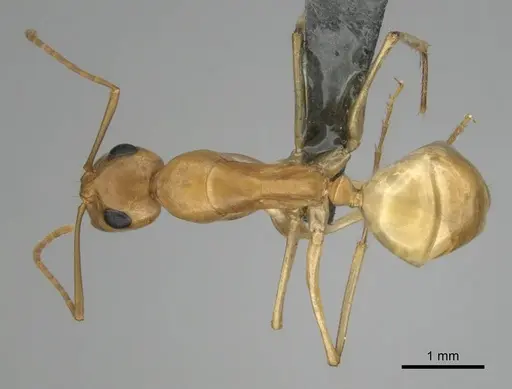

CASENT0785988
View on AntWeb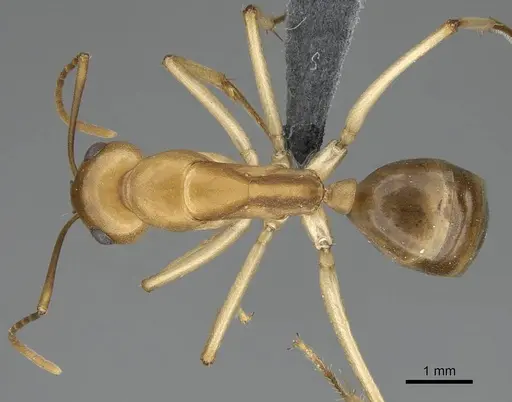
CASENT0822215
View on AntWeb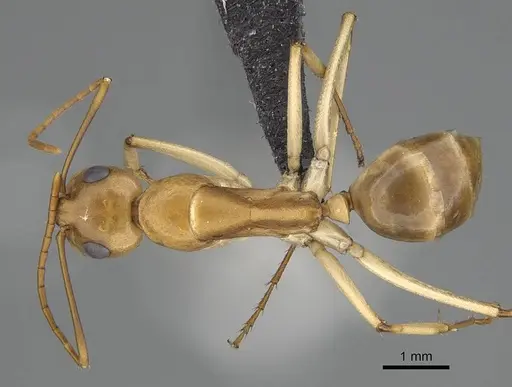
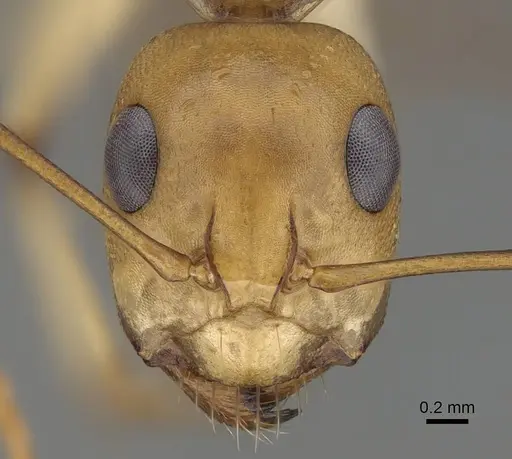
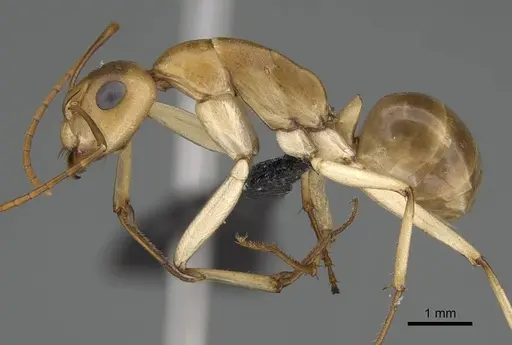
CASENT0822216
View on AntWeb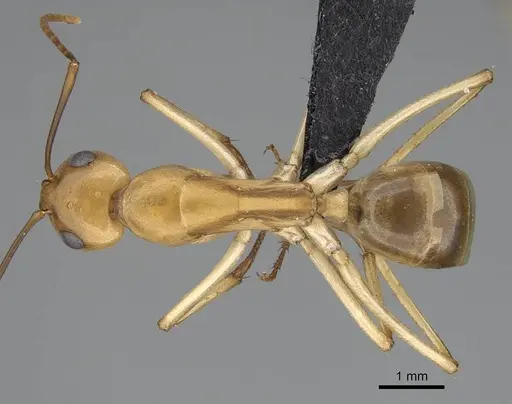
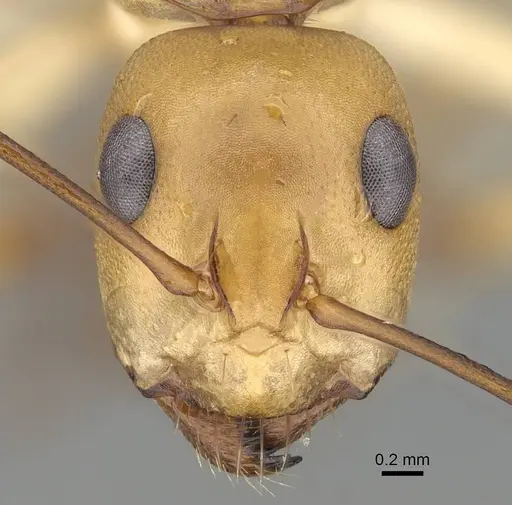
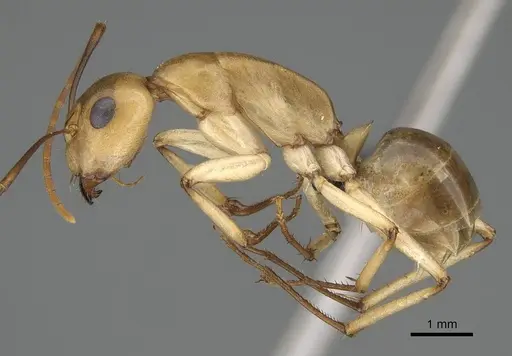
CASENT0906885
View on AntWeb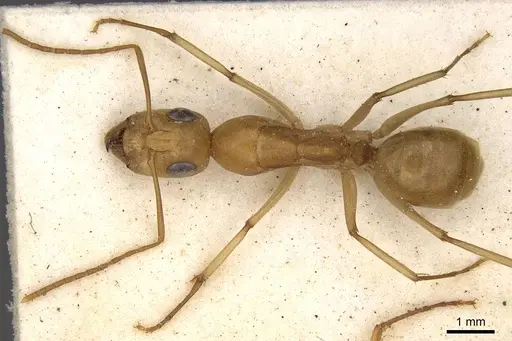
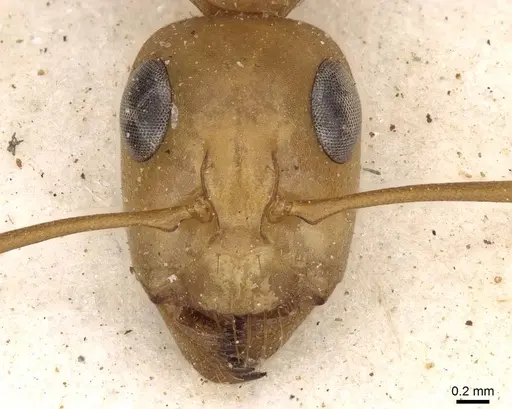
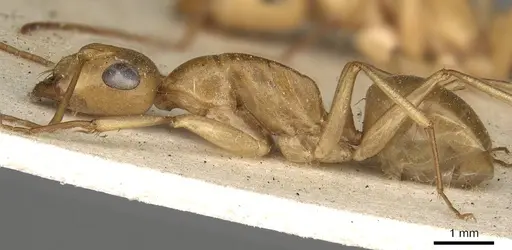
CASENT0910576
View on AntWeb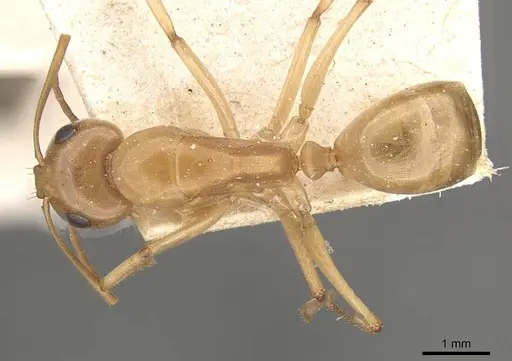
CASENT0910577
View on AntWeb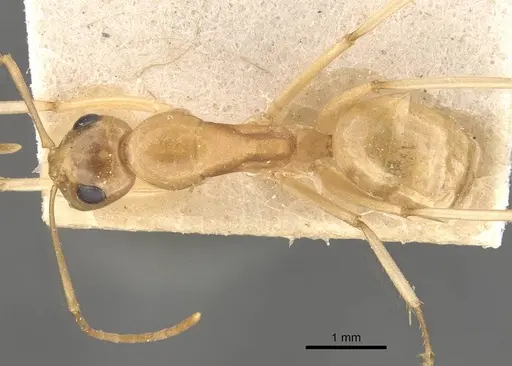
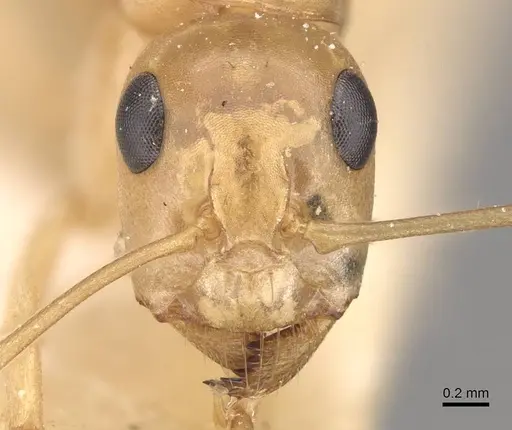
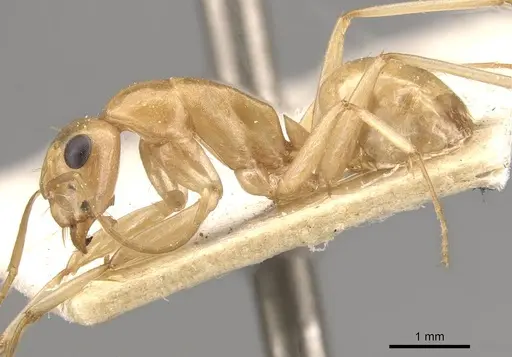
CASENT0917167
View on AntWeb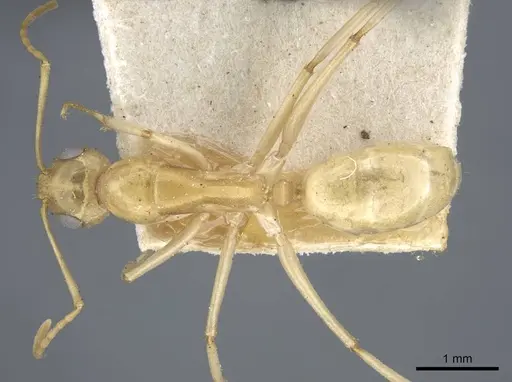
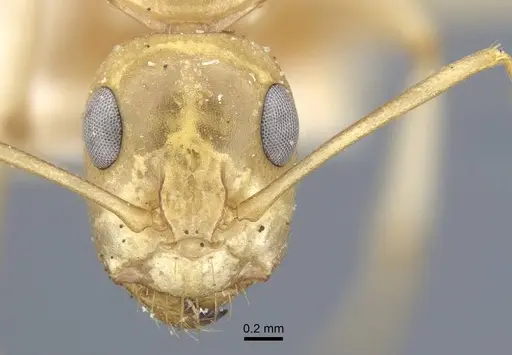
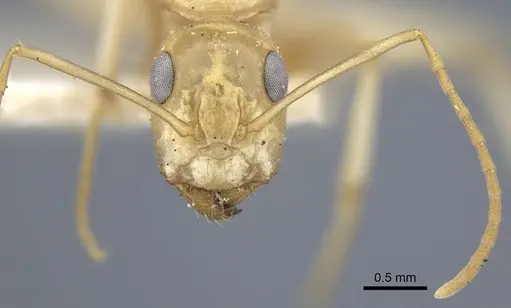
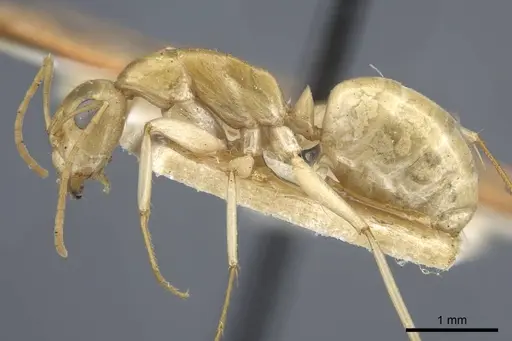
FOCOL2268
View on AntWeb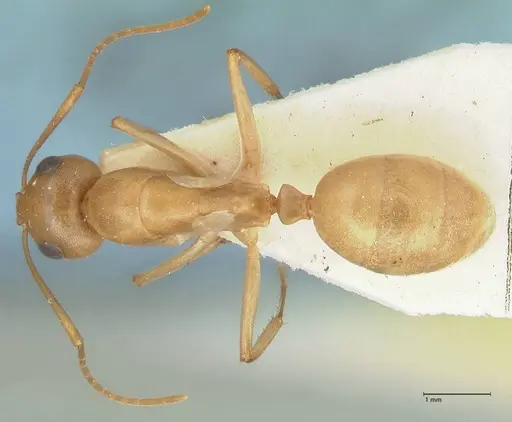
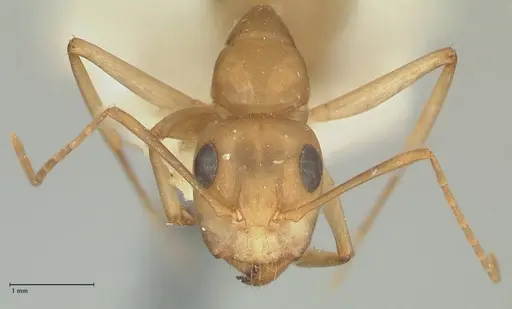
FOCOL2269
View on AntWeb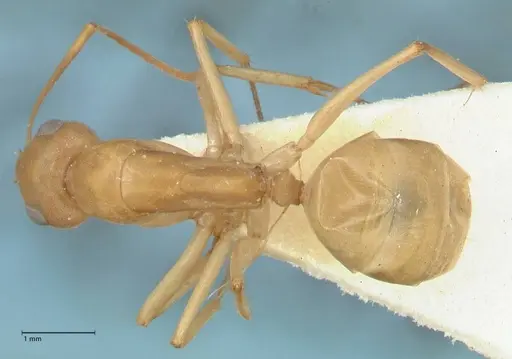
Literature
Loading...Loading products...