

Camponotus crispulus
- Scientific Name
- Camponotus crispulus
- Subgenus
- Myrmaphaenus
- Tribe
- Camponotini
- Subfamily
- Formicinae
- Author
- Santschi, 1922
- Distribution
- Found in 4 countries
Camponotus crispulus Overview
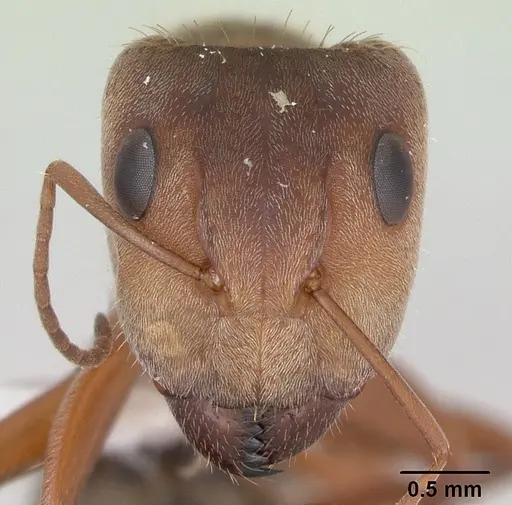
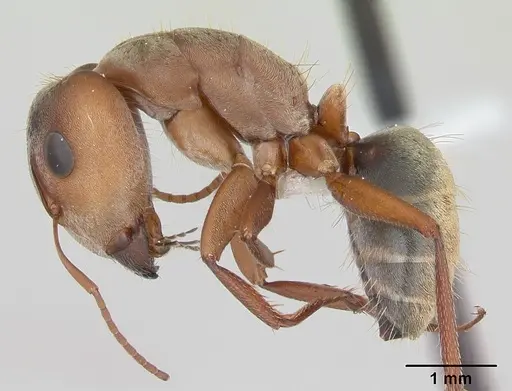
Camponotus crispulus is an ant species of the genus Camponotus. It is primarily documented in 4 countries , including Argentina, Bolivia, Plurinational State of. Detailed taxonomic data and occurrence records can be further explored via authoritative databases such as AntWeb or the Global Biodiversity Information Facility (GBIF).
Camponotus crispulus
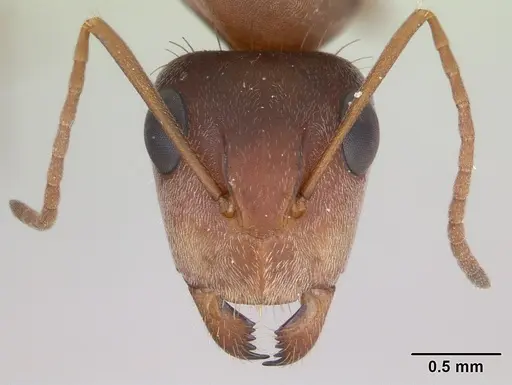
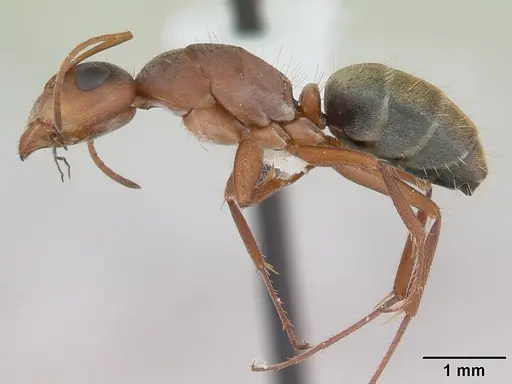
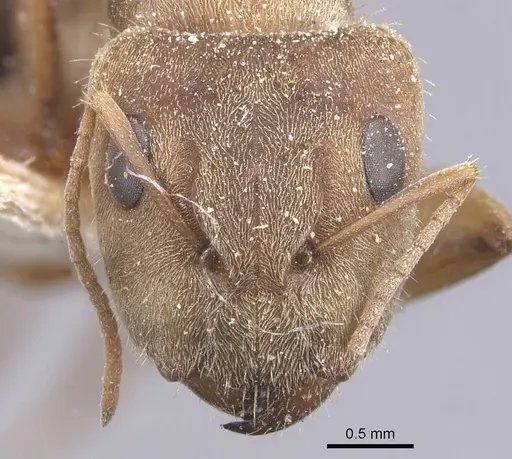
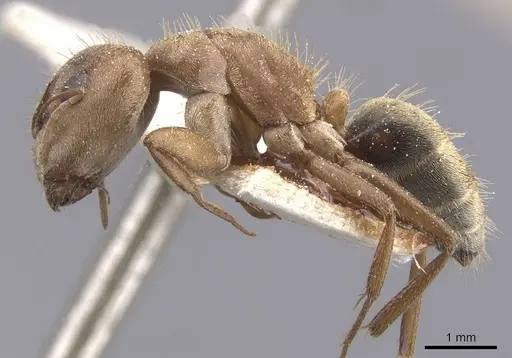
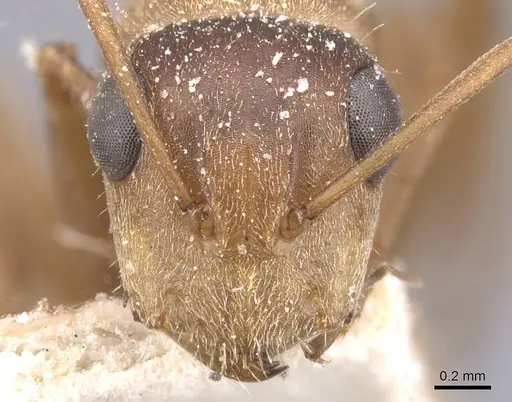
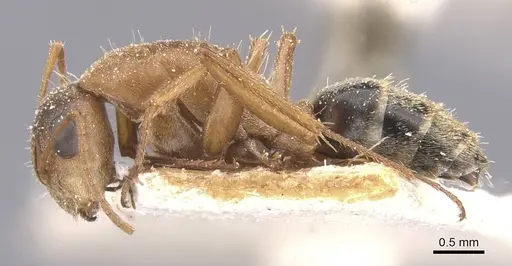
Camponotus crispulus is a large Neotropical ant species native to the dry Chaco regions of Argentina, Bolivia, Paraguay, and parts of Brazil. Workers are robust and measure over 1cm, making them one of the larger Camponotus species in the region. They belong to the Formicinae subfamily and the Camponotini tribe. This species shows a preference for protein-rich foods and forages mainly solitarily or in small groups rather than using massive recruitment. They are assigned to the Subordinate Camponotini functional group, meaning they are less aggressive and not dominant in their ecosystem. Queens are expected to be significantly larger than workers, typical of Camponotus morphology.
Quick Summary
- Difficulty: Medium
- Origin & Habitat: Native to the dry Chaco regions of Paraguay, Argentina (Santa Fe, Corrientes, Córdoba, Chaco provinces), Bolivia, and Brazil (Pantanal, Serra da Bodoquena). They inhabit open, arid to semi-arid environments with sparse vegetation [1][2][3].
- Colony Type: Likely monogyne (single queen colonies) based on typical Camponotus patterns. Colony structure in the wild has not been specifically documented for this species.
- Colony: Monogyne
- Founding: Claustral
- Size & Growth:
- Queen: Estimated 15-20mm based on typical Camponotus morphology and large worker size [4]
- Worker: Large workers exceeding 10mm (1cm) [4]
- Colony: Estimated moderate to large colonies based on genus patterns, likely several hundred workers
- Growth: Moderate, typical Camponotus development rate
- Development: Estimated 6-10 weeks at optimal temperature based on typical Camponotus genus development (Development time is estimated from related Camponotus species. Actual timing may vary based on temperature and conditions.)
- Antkeeping:
- Temperature: Keep at 22-26°C. They originate from warm Chaco regions and tolerate higher temperatures well. A gentle temperature gradient allows ants to regulate their own exposure [4].
- Humidity: Moderate to low humidity. The dry Chaco origin indicates they prefer drier conditions than many tropical ants. Keep nest substrate slightly moist but allow drying periods between waterings. Avoid constant saturation.
- Diapause: Likely experiences reduced activity during cooler months but true hibernation is not well-documented for this species. Reduce feeding and lower temperatures slightly (to around 18-20°C) during winter months if colony shows reduced activity.
- Nesting: Accepts most standard nest types. Y-tong (AAC), plaster, or acrylic nests work well. Provide narrow chambers appropriate for their large size. They do not require high humidity nests.
- Behavior: This is a calm, non-aggressive species that forages individually or in small groups rather than mounting massive raids. They show clear protein preference in feeding trials and will readily accept protein sources like insects. They are not dominant ants and will typically avoid conflict with more aggressive species. Large size makes them relatively easy to contain, but their strong mandibles can allow escape through small gaps if determined. They are primarily nocturnal or crepuscular foragers.
- Common Issues: protein deficiency, their strong protein preference means colonies can suffer if not provided regular protein sources, escape through small gaps despite large size, workers can squeeze through surprisingly small openings, slow founding phase, claustral queens may take weeks to lay first eggs, patience is essential, overheating risk, while they tolerate warmth, direct heat sources can dry out nests too quickly, colonies may decline if kept in overly humid conditions, dry Chaco origin means they prefer drier environments
Housing and Nest Setup
Camponotus crispulus adapts well to various captive setups. Y-tong (AAC) nests work excellently because they provide the dark, enclosed environment these ants prefer while allowing you to easily monitor colony progress. Plaster nests with water reservoirs maintain appropriate humidity without creating overly wet conditions. Acrylic nests are also suitable, especially for larger colonies. For founding colonies, a standard test tube setup with a water reservoir works well, the queen will seal herself in and you can simply observe through the tube. Provide a foraging area connected to the nest. Since they forage solitarily or in small groups, you don't need an enormous outworld, a modest space works fine. Ensure all connections between nest and outworld are secure, as large workers can sometimes force their way through loose fittings. [4]
Feeding and Diet
This species shows a strong preference for protein-rich foods [4]. Offer protein sources 2-3 times per week, especially for growing colonies. Good options include small insects (fruit flies, small crickets, mealworms), raw chicken bits, or commercial ant protein mixes. They will also accept sugar sources, a drop of honey water or sugar water can be provided weekly. However, protein should form the primary food source. Unlike species that recruit massively to food, C. crispulus workers forage individually, so place food items where foragers can easily find them. Remove uneaten protein after 24-48 hours to prevent mold. Fresh water should always be available.
Temperature and Seasonal Care
Maintain temperatures between 22-26°C for optimal colony development. These ants originate from the warm Chaco region and tolerate heat well, but avoid placing the nest in direct sunlight or on heating mats that can cause rapid drying. Room temperature within this range is often sufficient. During winter months in temperate climates, you may notice reduced activity, this is normal. If your colony shows signs of slowing (less foraging, workers clustering), you can reduce temperatures slightly to 18-20°C for 2-3 months. This winter rest period mimics natural seasonal cycles. Do not feed heavily during this dormant period. Return to normal temperatures gradually in spring. [4][3]
Behavior and Colony Dynamics
Camponotus crispulus is a calm, relatively non-aggressive species assigned to the Subordinate Camponotini functional group [3]. Workers forage individually or in small groups rather than using mass recruitment, you may see just 1-15 workers at a food source at any time [4]. This makes them less dramatic to observe than some species but still fascinating. They are large ants (over 1cm) with strong mandibles. While not particularly aggressive, they can deliver a painful bite if threatened. The colony will grow from a single claustral queen who seals herself in during founding. First workers (nanitics) will be smaller than mature workers but will quickly grow. Expect moderate growth rates, a healthy colony can reach several hundred workers over 1-2 years.
Handling and Escape Prevention
Despite their large size, these ants can escape through small gaps if motivated. Check all connections between nest components and outworlds regularly. Use tight-fitting lids on test tubes and ensure any tubing connections are secure. The outworld should have barriers (fluon or similar) if the colony is large enough to attempt escape. When observing or moving colonies, work carefully, they are not aggressive but may bite if squeezed or threatened. For routine care, minimal disturbance is best. Allow the colony to establish before frequent observations. If you need to transfer to a new nest, wait until the colony is well-established with at least 50 workers.
Frequently Asked Questions
How long does it take for Camponotus crispulus to produce first workers?
First workers (nanitics) typically appear within 6-10 weeks after the queen lays eggs, assuming temperatures around 24°C. This is typical for Camponotus species. The queen will remain sealed in her chamber until workers emerge, then she will resume egg-laying and the colony will grow.
What do Camponotus crispulus ants eat?
They have a strong preference for protein. Feed them small insects like fruit flies, crickets, or mealworms 2-3 times per week. They also accept sugar sources like honey water or sugar water. Remove uneaten food after 24-48 hours to prevent mold.
Can I keep multiple Camponotus crispulus queens together?
This is not recommended. Camponotus species are typically single-queen (monogyne) colonies. Combining unrelated queens has not been documented for this species and would likely result in aggression. Start with one founding queen per colony.
What temperature is best for Camponotus crispulus?
Keep them at 22-26°C. They originate from warm Chaco regions and tolerate higher temperatures well. Room temperature in this range is often ideal. Avoid temperatures below 18°C or above 30°C for extended periods.
How big do Camponotus crispulus colonies get?
Based on typical Camponotus patterns, colonies can reach several hundred workers over 1-2 years. The exact maximum is not documented, but related species commonly reach 500+ workers in captivity.
Do Camponotus crispulus need hibernation?
They likely experience reduced activity in cooler months but true hibernation is not well-documented. If your colony slows during winter, you can provide a cooler period (18-20°C) for 2-3 months with reduced feeding. This mimics natural seasonal patterns.
Why are my Camponotus crispulus dying?
Common causes include: over-humid conditions (they prefer drier environments), protein deficiency (they need regular protein), poor escape prevention, or temperatures outside their 22-26°C range. Check that the nest is not too wet and that you are providing adequate protein foods.
When should I move my colony to a formicarium?
Wait until the colony has 50+ workers and is actively foraging. This typically takes 6-12 months from founding. Moving too early can stress the queen. A test tube setup works well for the first year or more.
Are Camponotus crispulus good for beginners?
They are medium difficulty. Their large size makes them easier to observe and handle than tiny ants, and their calm temperament is forgiving of minor mistakes. However, their specific protein needs and preference for drier conditions require some attention. They are a good intermediate species.
References

This caresheet is licensed under CC BY-SA 4.0 .
CASENT0173408
View on AntWeb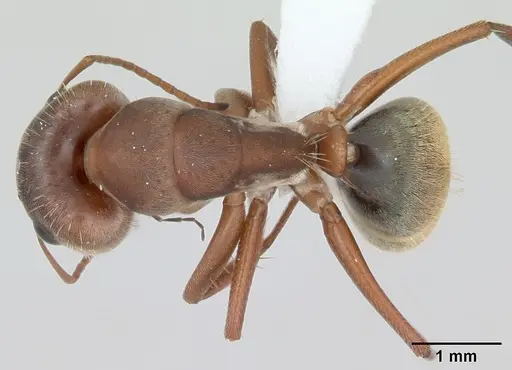
CASENT0173409
View on AntWeb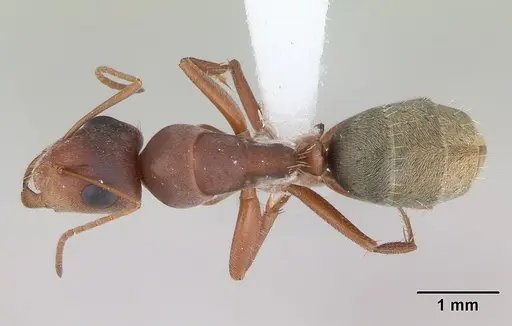
CASENT0911674
View on AntWeb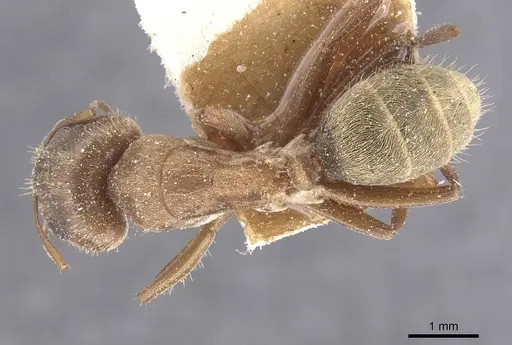
CASENT0911675
View on AntWeb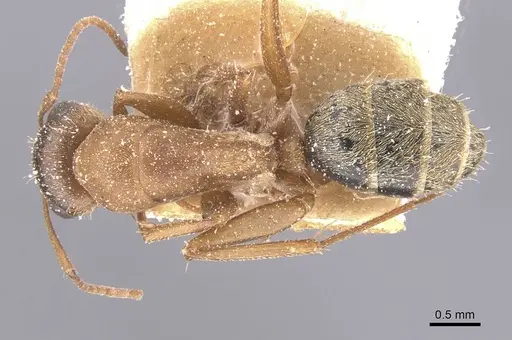
Literature
Loading...Loading products...