

Camponotus crenatus
- Scientific Name
- Camponotus crenatus
- Tribe
- Camponotini
- Subfamily
- Formicinae
- Author
- Mayr, 1876
- Distribution
- Found in 1 countries
Camponotus crenatus Overview
Camponotus crenatus is an ant species of the genus Camponotus. It is primarily documented in 1 countries , including Australia. Detailed taxonomic data and occurrence records can be further explored via authoritative databases such as AntWeb or the Global Biodiversity Information Facility (GBIF).
Camponotus crenatus
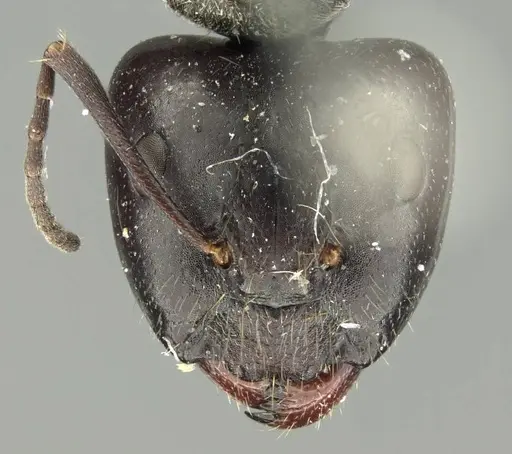
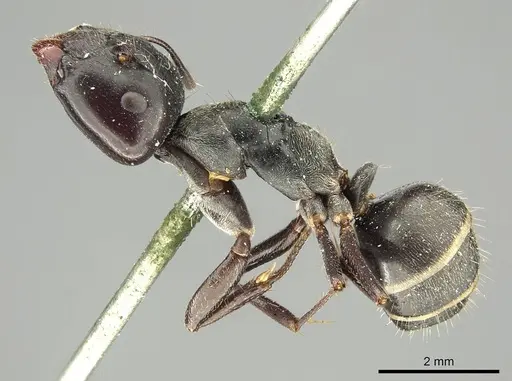
Camponotus crenatus is an Australian carpenter ant species described by Carlo Emery in 1896 [1]. As with other Camponotus species, these are robust ants with a distinctive arched thorax and a single node (petiole) between the mesosoma and gaster. Workers are polymorphic, meaning they come in different sizes, major workers have large, powerful mandibles while minor workers are more slender and numerous. The species name 'crenatus' refers to distinctive notched or toothed features on the ant's body. Like all carpenter ants, they do not sting but can bite if handled roughly, though they are generally docile and slow-moving compared to smaller ant species.
Quick Summary
- Difficulty: Easy
- Origin & Habitat: Australia, this species is found across various Australian habitats, typically in forested areas where they nest in rotting wood, under bark, or in soil cavities [1]. Carpenter ants are versatile nesters and adapt well to different microhabitats within their range.
- Colony Type: Likely monogyne (single queen) based on typical Camponotus patterns. The colony starts with a single founding queen who seals herself in a claustral chamber and raises the first brood alone on stored fat reserves.
- Colony: Monogyne
- Founding: Claustral
- Size & Growth:
- Queen: Estimated 15-18mm based on typical Camponotus queen dimensions
- Worker: Minor workers: 6-9mm, Major workers: 10-14mm
- Colony: Mature colonies likely reach 2000-4000 workers based on typical Camponotus colony development
- Growth: Moderate, Camponotus species typically grow more slowly than smaller ants, with first workers (nanitics) appearing around 6-8 weeks after founding
- Development: 6-10 weeks at optimal temperature (around 24-27°C) based on typical Camponotus development (Development is temperature-dependent, cooler temperatures slow growth significantly. Nanitic workers are smaller than normal workers but will help raise subsequent larger broods.)
- Antkeeping:
- Temperature: Keep nest area at 24-27°C with a slight gradient allowing workers to choose their preferred temperature. Room temperature (20-24°C) is acceptable but will slow development.
- Humidity: Moderate humidity around 50-70%. Carpenter ants prefer slightly drier conditions than many tropical species, ensure the nest has a water chamber but avoid oversaturation. The outworld can be kept drier.
- Diapause: Yes, Australian temperate populations likely require a mild winter rest period of 8-12 weeks at 10-15°C. This mimics their natural seasonal cycle and helps trigger reproductive behavior in spring.
- Nesting: Y-tong (acrylic) nests work well, or a naturalistic setup with rotting wood pieces. They prefer dark, secure chambers. Test tube setups are suitable for founding colonies. Avoid overly humid conditions that can cause mold.
- Behavior: Docile and slow-moving, these ants are not aggressive and rarely bite unless severely provoked. They are primarily nocturnal foragers in the wild but adapt to keeper schedules in captivity. Workers are polymorphic with major workers specializing in defense and seed/seed pod processing while minors handle brood care and foraging. Escape risk is moderate, they are large enough that standard barriers work well, but ensure gaps are sealed since they can squeeze through small openings when determined.
- Common Issues: colonies grow slowly which can frustrate beginners, patience is key with Camponotus, founding queens are sensitive to disturbance, avoid checking the founding chamber for the first 4-6 weeks, mold can be an issue if humidity is too high, maintain good ventilation, major workers have powerful mandibles and can damage soft tubing, use rigid tubing connections, wild-caught colonies may contain parasites that can wipe out captive colonies
Housing and Nest Setup
For founding colonies, a simple test tube setup works excellently. Fill a test tube one-third with water, plug with a cotton ball, and place the queen in the tube. The queen will seal herself into a dark corner and remain there while her eggs develop. For growing colonies, Y-tong (acrylic) nests provide excellent visibility and humidity control. Camponotus crenatus prefers dark nesting areas, so cover three sides of clear nests with a dark sleeve or place them in a shaded area. A water chamber connected to the nest via a cotton bridge maintains humidity without direct moisture on the ants. Outworld size should scale with colony, start small and expand as the colony grows. A 10x10cm outworld suffices for colonies up to 100 workers, scaling up gradually.
Feeding and Nutrition
Camponotus crenatus has typical carpenter ant dietary needs. Offer sugar water (1:3 ratio honey to water) or pure honey at all times, this is their primary energy source. For protein, offer insects such as mealworms, small crickets, or frozen fruit flies twice weekly. They are not particularly aggressive hunters, so injured or dead prey is readily accepted. Some colonies will accept seeds or seed pods, major workers can process these with their powerful mandibles. Avoid overfeeding sugar water as it can mold quickly, replace every 2-3 days. Protein should be removed within 24 hours if not consumed to prevent mold and fruit fly issues.
Temperature and Seasonal Care
Maintain nest temperatures between 24-27°C for optimal brood development. A small heating cable or heating mat on one side of the nest creates a gentle gradient, workers will naturally cluster in their preferred temperature zone. Room temperature (20-24°C) is acceptable but will extend development time significantly. During winter, a hibernation period of 8-12 weeks at 10-15°C helps maintain colony health and can trigger spring reproduction. Place the colony in a cool basement or garage for winter rest. Do not hibernate colonies under 50 workers as they may not have enough stored fat reserves to survive. Reduce feeding during hibernation, offer a small amount of sugar water monthly if the colony shows any activity.
Colony Development and Growth
A newly mated queen will dig a small chamber and seal herself inside, this is claustral founding. She will lay eggs and tend the brood without leaving to forage, surviving entirely on her stored fat reserves (metabolic water and fat). The first brood develops through egg, larva, and pupa stages over 6-10 weeks depending on temperature. When the first workers (nanitics) emerge, they are smaller than normal workers but immediately begin helping the queen with brood care and foraging. The colony will grow steadily, expect 20-50 workers by the end of the first year under good conditions. Major workers typically appear once the colony reaches 100+ workers. Full maturity with 2000-4000 workers takes 3-5 years. Growth is significantly slower than smaller ant species, so patience is essential.
Behavior and Handling
These ants are remarkably docile and slow-moving, making them excellent for observation. Workers forage primarily at night in the wild but will adjust their schedule to your feeding times in captivity. They communicate through chemical trails, when you spot a worker discovering food, others will quickly follow the trail back to the source. Major workers have powerful mandibles and can give a pinch if handled, but they rarely bite unless directly threatened. The colony will establish defined foraging routes and tend honeydew-producing insects if given access to plants. They are not aggressive toward humans and make ideal first ants for those new to ant keeping. Escape prevention is straightforward due to their size, standard fluon barriers on smooth surfaces work well, though ensure all connections are tight as they can squeeze through tiny gaps.
Frequently Asked Questions
How long does it take for Camponotus crenatus to produce first workers?
First workers typically appear 6-10 weeks after the queen lays eggs, assuming temperatures around 24-27°C. Cooler temperatures will significantly extend this timeline. The first workers (nanitics) are smaller than normal workers but will help raise subsequent broods.
What temperature is best for Camponotus crenatus?
Keep the nest at 24-27°C for optimal development. A slight temperature gradient allows workers to self-regulate. Room temperature (20-24°C) is acceptable but will slow growth. Avoid temperatures above 30°C or below 15°C for extended periods.
Can I keep multiple Camponotus crenatus queens together?
This species is likely monogyne (single queen). Combining unrelated queens is not recommended as they will likely fight. In the wild, only one queen establishes each colony after nuptial flights.
How big do Camponotus crenatus colonies get?
Mature colonies typically reach 2000-4000 workers over 3-5 years. This is typical for Camponotus species. Growth is slow compared to smaller ants, but colonies are long-lived.
Do Camponotus crenatus need hibernation?
Yes, a mild winter rest of 8-12 weeks at 10-15°C is recommended, especially for Australian temperate populations. This helps maintain colony health and can trigger spring reproductive behavior. Do not hibernate colonies under 50 workers.
What do Camponotus crenatus eat?
They need constant access to sugar (honey water or sugar water) plus protein from insects (mealworms, crickets, fruit flies) offered 1-2 times weekly. Some colonies accept seeds or seed pods. Remove uneaten protein within 24 hours.
Are Camponotus crenatus good for beginners?
Yes, they are excellent for beginners. They are docile, slow-moving, and relatively forgiving of minor care mistakes. The main challenges are their slow growth rate (requiring patience) and the need for a hibernation period.
When should I move my colony to a formicarium?
Move to a formicarium (like a Y-tong nest) once the colony reaches 50-100 workers in a test tube. Ensure the new nest has appropriate humidity control and darkening. The transition should be gradual, connect the test tube to the new nest and let the ants explore and move on their own.
Why is my Camponotus crenatus colony growing slowly?
Slow growth is normal for Camponotus species. Factors that speed growth include: warmer temperatures (24-27°C), consistent feeding with protein and sugar, and minimal disturbance to the nest. If growth seems stalled, check temperature and feeding schedule.
References

This caresheet is licensed under CC BY-SA 4.0 .
CASENT0915755
View on AntWeb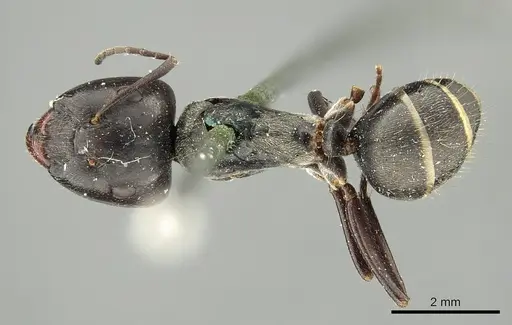
Literature
Loading...Loading products...