

Camponotus coptobregma
- Scientific Name
- Camponotus coptobregma
- Subgenus
- Hypercolobopsis
- Tribe
- Camponotini
- Subfamily
- Formicinae
- Author
- Kempf, 1968
- Distribution
- Found in 1 countries
Camponotus coptobregma Overview
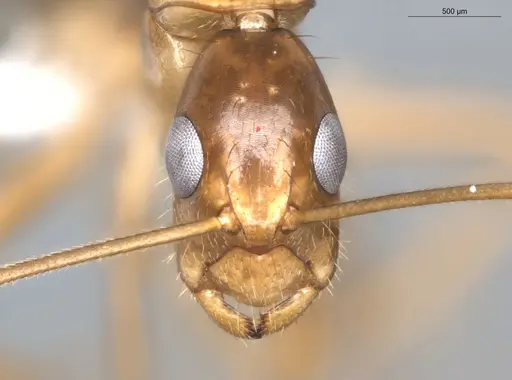
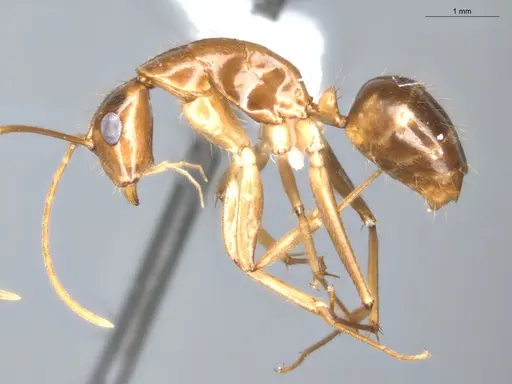
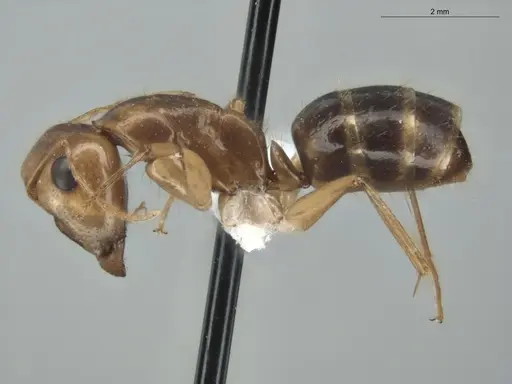
Camponotus coptobregma is an ant species of the genus Camponotus. It is primarily documented in 1 countries , including Brazil. Detailed taxonomic data and occurrence records can be further explored via authoritative databases such as AntWeb or the Global Biodiversity Information Facility (GBIF).
Camponotus coptobregma
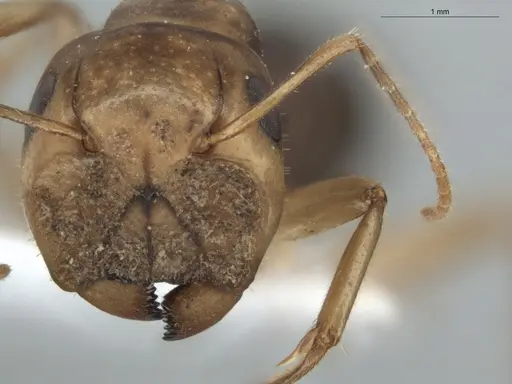
Camponotus coptobregma is a Neotropical carpenter ant belonging to the subgenus Hypercolobopsis, described from the Brazilian Amazon near Manaus. Workers come in two sizes: major workers with larger heads, and minor workers. The species is known from Brazil and Peru, inhabiting the Amazon rainforest region. These ants nest exclusively in small, hollow twigs in the leaf litter, preferring soft, totally hollow twigs where colonies develop inside [1]. As with most Camponotus, they have an acidopore and can spray formic acid as a defense mechanism.
Quick Summary
- Difficulty: Medium
- Origin & Habitat: Amazon rainforest of Brazil (Amazonas) and Peru. They nest in small, soft, hollow twigs in the leaf litter of the forest floor [1].
- Colony Type: Single-queen colonies (monogyne) are documented, the study found 30% of colonized twigs contained workers, immatures, and queens together, confirming functional queen-right colonies [1].
- Colony: Monogyne
- Founding: Claustral
- Size & Growth:
- Queen: Estimated 12-16mm based on genus patterns for major Camponotus species
- Worker: Major workers: 7-9mm, Minor workers: 4-6mm [2]
- Colony: Colony size appears moderate, twig-nesting colonies in the study showed mixed worker and immature populations, suggesting established colonies of dozens to low hundreds of workers
- Growth: Moderate, typical for tropical Camponotus
- Development: Estimated 6-8 weeks at optimal tropical temperatures (25-28°C), based on typical Camponotus development [2] (Development is likely faster than temperate Camponotus due to tropical origin)
- Antkeeping:
- Temperature: Keep at 24-28°C. As a tropical Amazon species, they need warm, stable temperatures year-round. A heating cable on one side of the nest creates a gradient [2].
- Humidity: High humidity (70-85%) is essential. These ants naturally live in damp forest floor twigs, so keep the nest substrate consistently moist but not waterlogged. Mist occasionally and provide a water tube [1].
- Diapause: No, as a tropical species, they do not require hibernation. Keep temperatures stable year-round [2].
- Nesting: Use a test tube setup initially, transitioning to a small formicarium or Y-tong nest with narrow chambers scaled to their size. They naturally nest in small hollow twigs, so avoid overly large, open spaces. A small acrylic nest or plaster nest with tight chambers works well [1].
- Behavior: Workers are moderately active and primarily nocturnal. They are not particularly aggressive but will defend the nest vigorously if threatened, using their formic acid spray. Major workers can deliver a mild sting, though it's not dangerous to healthy humans. They are moderate escape artists, use standard barrier methods like Fluon on test tube rims. Foraging occurs at night, and they readily accept sugar water and protein sources.
- Common Issues: high humidity requirements mean mold can develop if ventilation is poor, balance humidity with adequate airflow, tropical species are sensitive to temperature drops, keep away from air conditioning and cold drafts, twig-nesting species prefer tight chambers, too much open space can cause stress and refuse to use the nest, colonies grow slowly initially, beginners may lose patience and overfeed, leading to mold problems, wild-caught colonies may have parasites that can decimate the colony in captivity
Nest Preferences and Housing
In the wild, Camponotus coptobregma nests exclusively in small, hollow twigs in the leaf litter of Amazon rainforest floors. Studies in Central Amazonia showed they strongly prefer totally hollow twigs that are soft enough to excavate if needed [1]. For captive care, replicate these conditions using a test tube setup for founding colonies, then transition to a small formicarium with tight chambers. Y-tong nests or small acrylic nests work well because the chambers can be sized appropriately. Avoid large, open spaces, these ants do better in compact nests that mimic the tight confines of their natural twig homes. The nest material should retain some moisture to maintain high humidity.
Feeding and Diet
Camponotus coptobregma is an omnivorous carpenter ant. In captivity, they readily accept sugar water, honey, or diluted syrup as an energy source. For protein, offer small insects like fruit flies, small mealworms, or cricket pieces. Feed protein sources 2-3 times per week, and keep sugar water constantly available. Remove any uneaten prey after 24-48 hours to prevent mold. These ants are nocturnal foragers, so place food in the outworld in the evening and check the next morning. [2]
Temperature and Seasonal Care
As a tropical Amazon species, Camponotus coptobregma requires warm temperatures year-round. Keep the nest area at 24-28°C (75-82°F). Temperature drops below 22°C can stress the colony and slow or stop brood development. Use a heating cable on one side of the nest to create a gentle gradient if your room temperature is below this range. Place the heating on TOP of the nest, not underneath, to avoid evaporating moisture too quickly. No hibernation or diapause is required, maintain consistent temperatures throughout the year. Avoid placing the colony near air conditioning vents or drafty windows. [2]
Behavior and Defense
Workers are moderately active, with majors typically guarding the nest while minors forage. They are not particularly aggressive toward humans but will defend their nest if disturbed. Like all Formicinae, they have an acidopore and can spray formic acid as a defensive spray. Major workers can deliver a mild sting, though it's not medically significant for healthy individuals. They are primarily nocturnal, so expect most foraging activity to occur at night. Use standard escape prevention (Fluon on test tube rims, tight-fitting lids), while not extreme escape artists, they will take advantage of any gaps. [2]
Frequently Asked Questions
How long does it take for Camponotus coptobregma to produce first workers?
Expect first workers (nanitics) in about 6-8 weeks at optimal temperatures of 25-28°C. This is typical for tropical Camponotus species. The queen will remain sealed in her chamber until the first workers emerge.
What size colony does Camponotus coptobregma reach?
As a twig-nesting species, colonies are expected to remain moderate in size, likely in the range of 100-300 workers at maturity. The natural nesting in small twigs limits maximum colony size.
Can I keep multiple queens together?
No. This species is monogyne (single-queen colonies). Multiple unrelated queens will fight. Only keep one queen per colony.
What temperature do Camponotus coptobregma need?
Keep them warm at 24-28°C (75-82°F). They are tropical ants that need consistent warmth year-round. No hibernation is required.
Are Camponotus coptobregma good for beginners?
They are intermediate difficulty. The main challenges are maintaining high humidity and warm temperatures consistently. If you can provide these conditions, they are rewarding to keep.
What do Camponotus coptobregma eat?
They accept sugar water, honey, or syrup for energy, and protein sources like small insects (fruit flies, mealworms, crickets). Feed protein 2-3 times per week and keep sugar water available constantly.
When should I move them from a test tube to a formicarium?
Move them once the colony reaches 20-30 workers and you see the test tube becoming crowded or dirty. Use a small formicarium with appropriately sized chambers, they prefer tight spaces.
Do they need hibernation?
No. As a tropical Amazon species, they do not require hibernation or winter cooling. Keep temperatures stable year-round.
References

This caresheet is licensed under CC BY-SA 4.0 .
ECOFOG-BAF19-0019-09-S
View on AntWeb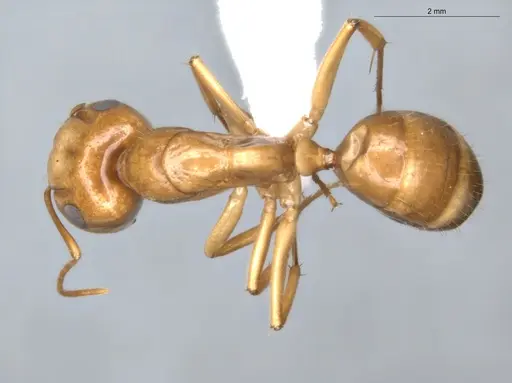
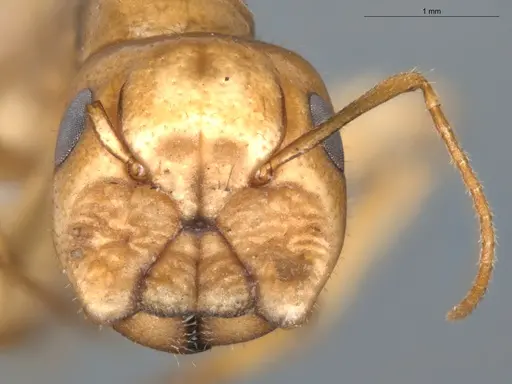
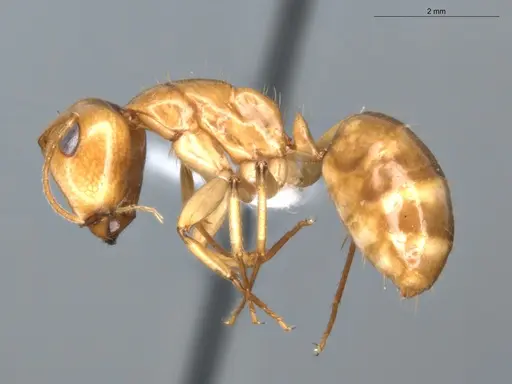
ECOFOG-BAF19-0019-09
View on AntWeb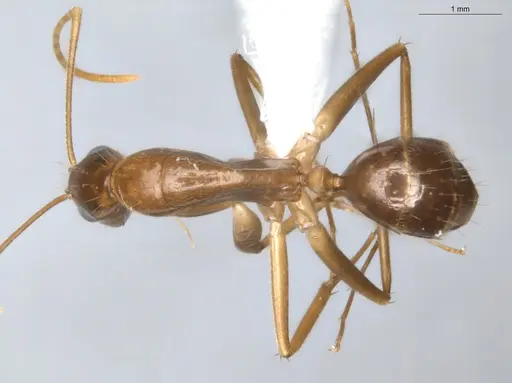
ECOFOG-MI15-0481-10
View on AntWeb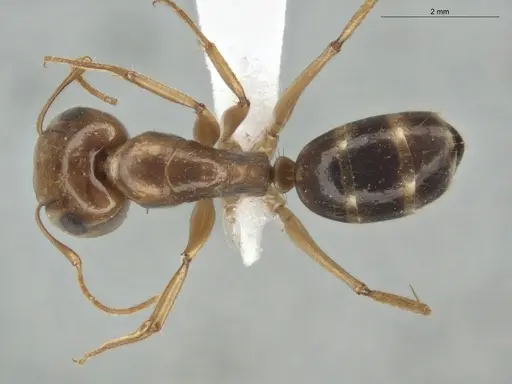
Literature
Loading...Loading products...