

Camponotus contractus
- Scientific Name
- Camponotus contractus
- Subgenus
- Myrmoplatys
- Tribe
- Camponotini
- Subfamily
- Formicinae
- Author
- Mayr, 1872
- Distribution
- Found in 1 countries
Camponotus contractus Overview
Camponotus contractus is an ant species of the genus Camponotus. It is primarily documented in 1 countries , including Indonesia. Detailed taxonomic data and occurrence records can be further explored via authoritative databases such as AntWeb or the Global Biodiversity Information Facility (GBIF).
Camponotus contractus
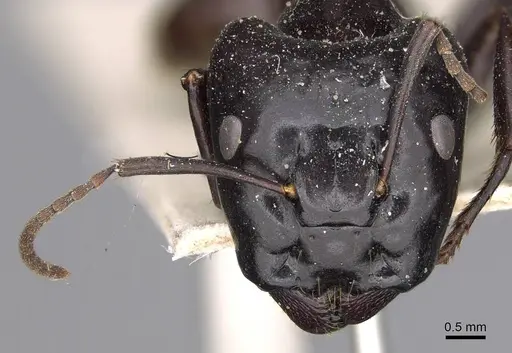
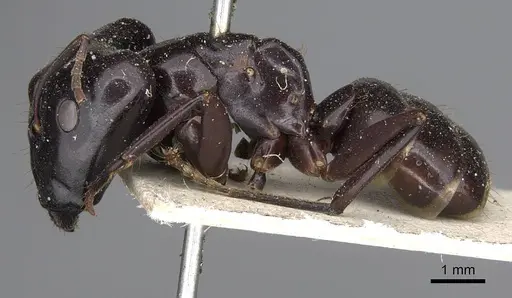
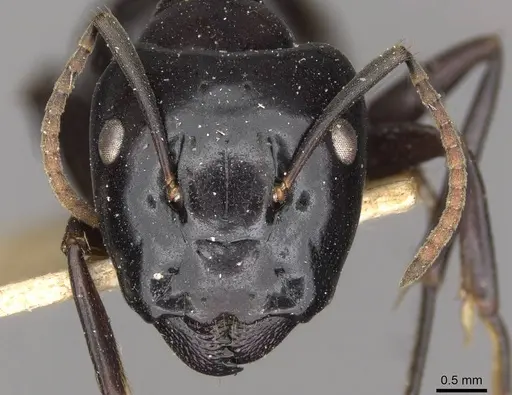
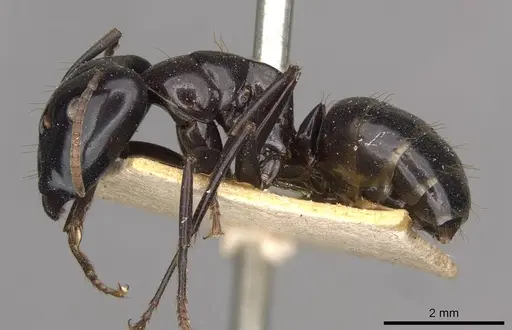
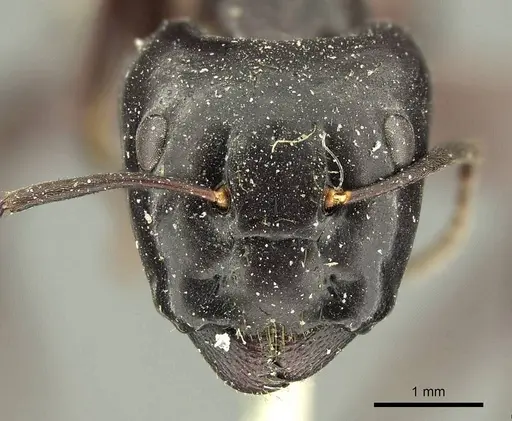
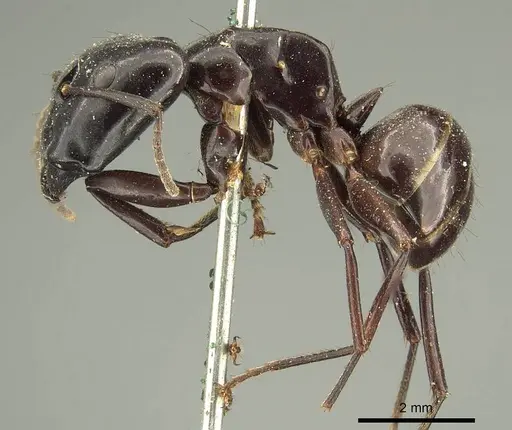
Camponotus contractus is a polymorphic carpenter ant from the rainforests of Southeast Asia. Workers are highly variable in size, ranging from small minor workers to large major workers with impressive mandibles. This species belongs to the subgenus Myrmoplatys, a group of ants specifically adapted to living inside rattan palms. The colony displays the typical caste system of Camponotus, with distinct minor and major worker castes [1].
What makes C. contractus unusual is its specialized nesting preference, unlike most carpenter ants that nest in wood, this species lives exclusively inside the thickened midribs of rattan palm leaves (Korthalsia spp.). This adaptation means they prefer nests with plant material or textured surfaces rather than traditional soil nests [2].
Quick Summary
- Difficulty: Medium
- Origin & Habitat: Tropical rainforests of Borneo, Indonesia (Sumatra), and Malaysia (Sarawak). They inhabit the swollen midribs of rattan palms in lowland forest areas [2][3].
- Colony Type: Single-queen (monogyne) colonies typical for Camponotus species. Colonies are moderately sized with polymorphic worker castes [1].
- Colony: Monogyne
- Founding: Claustral
- Size & Growth:
- Queen: Estimated 12-15mm based on Camponotus genus patterns
- Worker: Polymorphic: minors 4-6mm, majors 7-10mm [1]
- Colony: Estimated 500-2000 workers based on typical Camponotus colony sizes
- Growth: Moderate, typical for tropical Camponotus
- Development: Estimated 6-8 weeks at 26-28°C based on Camponotus genus development patterns (Development time is temperature-dependent, warmer temperatures within range accelerate development)
- Antkeeping:
- Temperature: Keep at 24-28°C. Tropical species requiring consistent warmth year-round. A heating cable on one side of the nest creates a suitable gradient [2].
- Humidity: Moderate to high (60-80%). Their rattan palm habitat suggests they prefer humid conditions with good ventilation. Keep substrate moist but not waterlogged.
- Diapause: No, being a tropical species, they do not require hibernation. Maintain consistent temperatures year-round.
- Nesting: Since they naturally nest in plant material, they do well in Y-tong (AAC) nests with added plant matter or naturalistic setups featuring rattan or cork sections. Acrylic nests with textured chambers also work well. Avoid pure soil setups unless the colony specifically requests it.
- Behavior: Typical Camponotus temperament, generally calm and not aggressive unless threatened. Workers are active foragers, primarily nocturnal or crepuscular. Major workers have powerful mandibles but rarely bite unless provoked. Escape risk is moderate, use standard Camponotus escape prevention (fluon on edges). They communicate through chemical trails and are moderate climbers.
- Common Issues: tropical temperature requirements mean colonies can fail if kept too cool, maintain 24°C minimum, specialized nesting in plant material means standard test tubes may be less ideal than naturalistic setups, polymorphic colonies need space for different worker castes, provide varied chamber sizes, wild-caught colonies may carry parasites from rattan habitat, quarantine and monitor new colonies, slow founding phase typical of claustral ants, new keepers may lose patience
Nest Preferences and Housing
Camponotus contractus has unique nesting requirements compared to typical carpenter ants. In the wild, they exclusively inhabit the thickened midribs of rattan palm leaves (Korthalsia spp.), which are modified leaf structures that provide hollow, protected chambers [2]. This means they prefer nests with plant-based or organic materials rather than pure soil or acrylic.
For captive care, the best options include naturalistic setups with cork or rattan sections, Y-tong (AAC) nests with added plant material, or acrylic nests with textured surfaces that mimic plant matter. Avoid glass test tube setups unless you add plant material inside. The nest should have chambers of varying sizes to accommodate the polymorphic worker castes, majors need larger spaces. Keep the nest humid but ensure some ventilation to prevent mold, as their rattan habitat is humid but not stagnant.
Feeding and Diet
Like other Camponotus species, C. contractus is omnivorous with a preference for sugar sources. They readily accept honey, sugar water, or maple syrup as carbohydrate sources. For protein, offer insects such as mealworms, crickets, waxworms, or other small arthropods. Being a tropical species, they may have higher energy requirements and benefit from more frequent feeding during warm months.
Feed sugar water or honey continuously, replace every 2-3 days. Offer protein prey 2-3 times per week, adjusting based on colony size. Remove uneaten prey after 24 hours to prevent mold. Colonies with majors may handle larger prey items that minors cannot tackle alone. Since they forage actively, place food near nest entrances but not inside the brood chambers.
Temperature and Seasonal Care
As a tropical species from Southeast Asian rainforests, C. contractus requires warm temperatures year-round. Keep the nest area at 24-28°C (75-82°F). Temperatures below 24°C can slow brood development and reduce colony activity, while temperatures above 30°C may stress the colony.
Use a heating cable or heating mat on one side of the nest to create a temperature gradient, allowing workers to self-regulate by moving between warmer and cooler areas. Place the heating element on top of the nest, not underneath, to avoid drying out the nest material. Since they don't undergo diapause, maintain consistent temperatures throughout the year. Room temperature may be sufficient if your home stays in the 24-28°C range, otherwise use gentle supplemental heating. [2]
Colony Founding and Growth
Camponotus contractus follows the typical claustral founding pattern of the genus. A newly mated queen seals herself in a small chamber and survives entirely on her stored fat reserves while raising the first brood. She does not leave to forage during founding, this is critical for keepers to understand. The queen will remain sealed until her first workers (nanitics) emerge, typically after 4-8 weeks depending on temperature.
After the nanitics arrive, the colony enters a growth phase. The first workers are smaller than mature workers but will begin foraging for food to feed the queen and subsequent brood. Colony growth is moderate, expect 6-12 months to reach 50 workers, and 2-3 years to reach several hundred. The presence of major workers (soldiers) typically appears once the colony reaches 100+ workers. Major workers develop from larvae that receive more food during their development, a process called polymorphic caste determination.
Behavior and Temperament
This species displays typical Camponotus behavior, generally peaceful and non-aggressive toward keepers. Workers are most active during evening and nighttime hours, reflecting their tropical forest canopy origins where daytime temperatures can be extreme. They communicate through chemical pheromones and will establish foraging trails to food sources.
When threatened, majors may use their mandibles for defense but rarely break skin. They are moderate climbers and can escape through small gaps, though not as prolific as some smaller species. The polymorphic worker caste means you'll see both small foragers and large majors in the same colony, majors primarily function in defense and seed/hard food processing. Provide an outworld (foraging area) connected to the nest so workers can travel to food sources.
Frequently Asked Questions
How long does it take for Camponotus contractus to produce first workers?
Expect first workers (nanitics) to emerge 6-8 weeks after the queen lays eggs, when kept at optimal temperatures of 26-28°C. Cooler temperatures will slow development significantly.
What is the best nest type for Camponotus contractus?
Naturalistic setups with plant material (cork, rattan sections) or Y-tong nests with added organic material work best. They naturally nest in rattan palm midribs, so avoid plain test tubes or glass setups without plant matter.
Do Camponotus contractus ants need hibernation?
No. As a tropical species from Southeast Asia, they do not require diapause or hibernation. Keep temperatures consistent at 24-28°C year-round.
What do Camponotus contractus eat?
They accept sugar sources (honey, sugar water, maple syrup) and protein (insects like mealworms, crickets, waxworms). Feed sugar continuously and protein 2-3 times per week.
How big do Camponotus contractus colonies get?
Colonies typically reach 500-2000 workers over several years. The presence of large major workers usually appears once the colony exceeds 100 workers.
Are Camponotus contractus good for beginners?
This species is rated medium difficulty. The main challenges are maintaining tropical temperatures and providing appropriate nesting with plant material. Experienced antkeepers will have more success than complete beginners.
Can I keep multiple Camponotus contractus queens together?
No. This species is monogyne (single-queen). Multiple unrelated queens will fight. Only keep one queen per colony.
When should I move Camponotus contractus to a formicarium?
Keep founding colonies in a test tube or small setup until they have 20-30 workers. Moving too early can stress the colony. Once established, transfer to a naturalistic or Y-tong setup with plant material.
Why are my Camponotus contractus workers dying?
Common causes include: temperatures below 24°C, too dry or too wet nest conditions, mold from poor ventilation, or stress from too frequent disturbances. Check temperature and humidity first.
References

This caresheet is licensed under CC BY-SA 4.0 .
CASENT0905440
View on AntWeb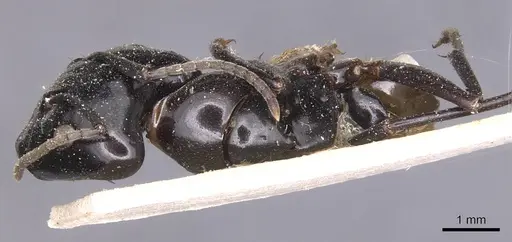
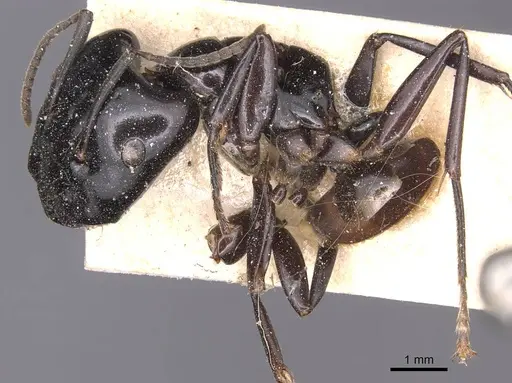
CASENT0905801
View on AntWeb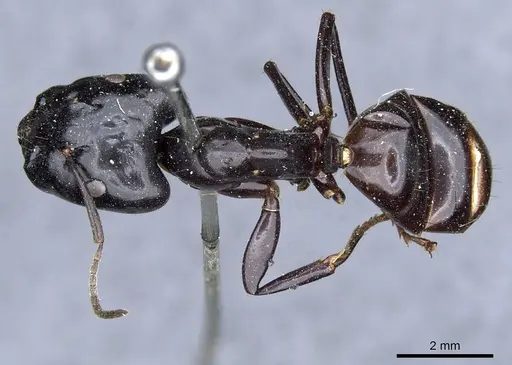
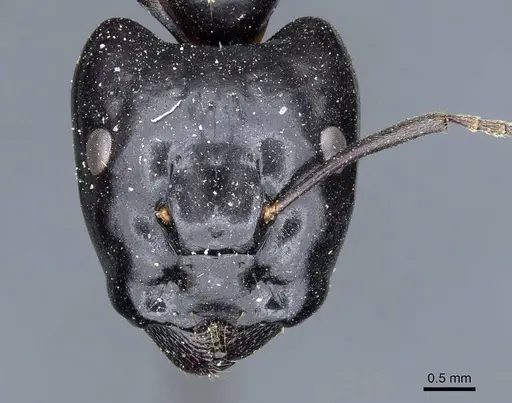
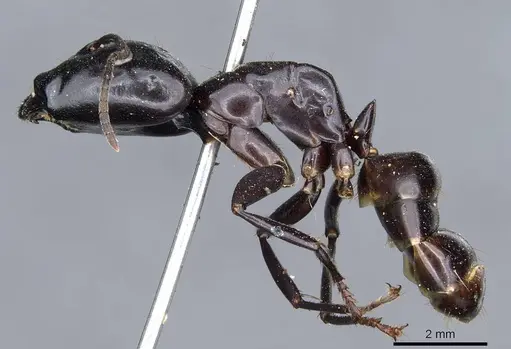
CASENT0905802
View on AntWeb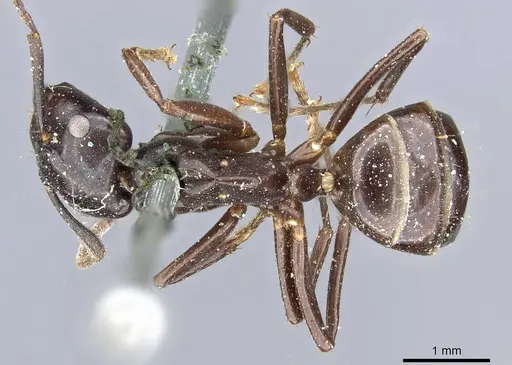
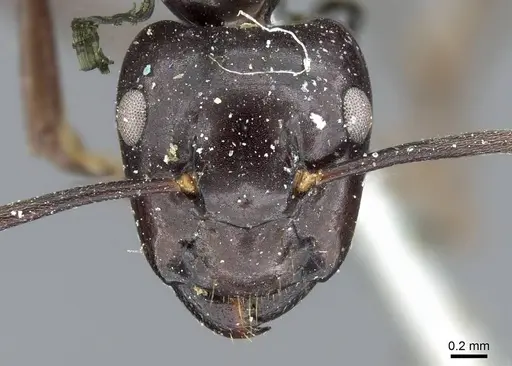
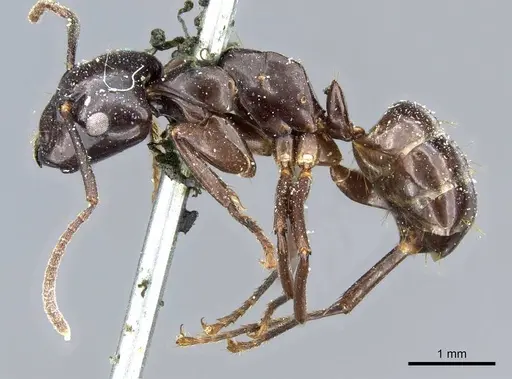
CASENT0906962
View on AntWeb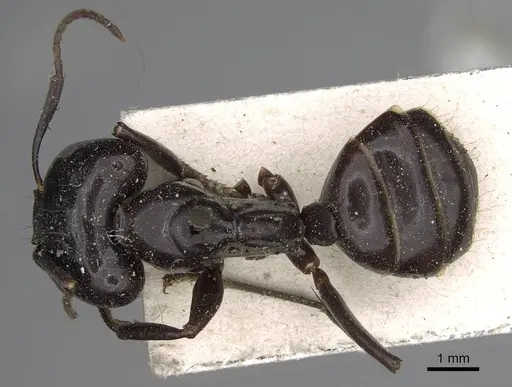
CASENT0910511
View on AntWeb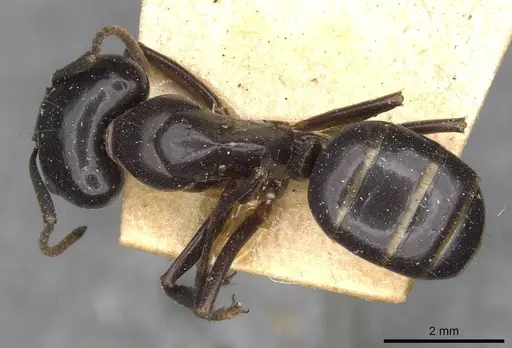
CASENT0915686
View on AntWeb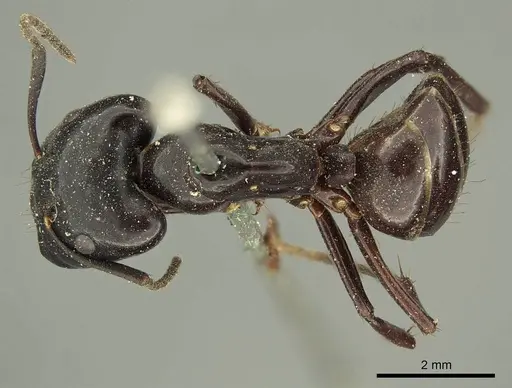
Literature
Loading...Loading products...