
Camponotus consobrinus exhibits a clear seasonal flight window. Peak flight activity is concentrated in January, with the overall period spanning January to December.
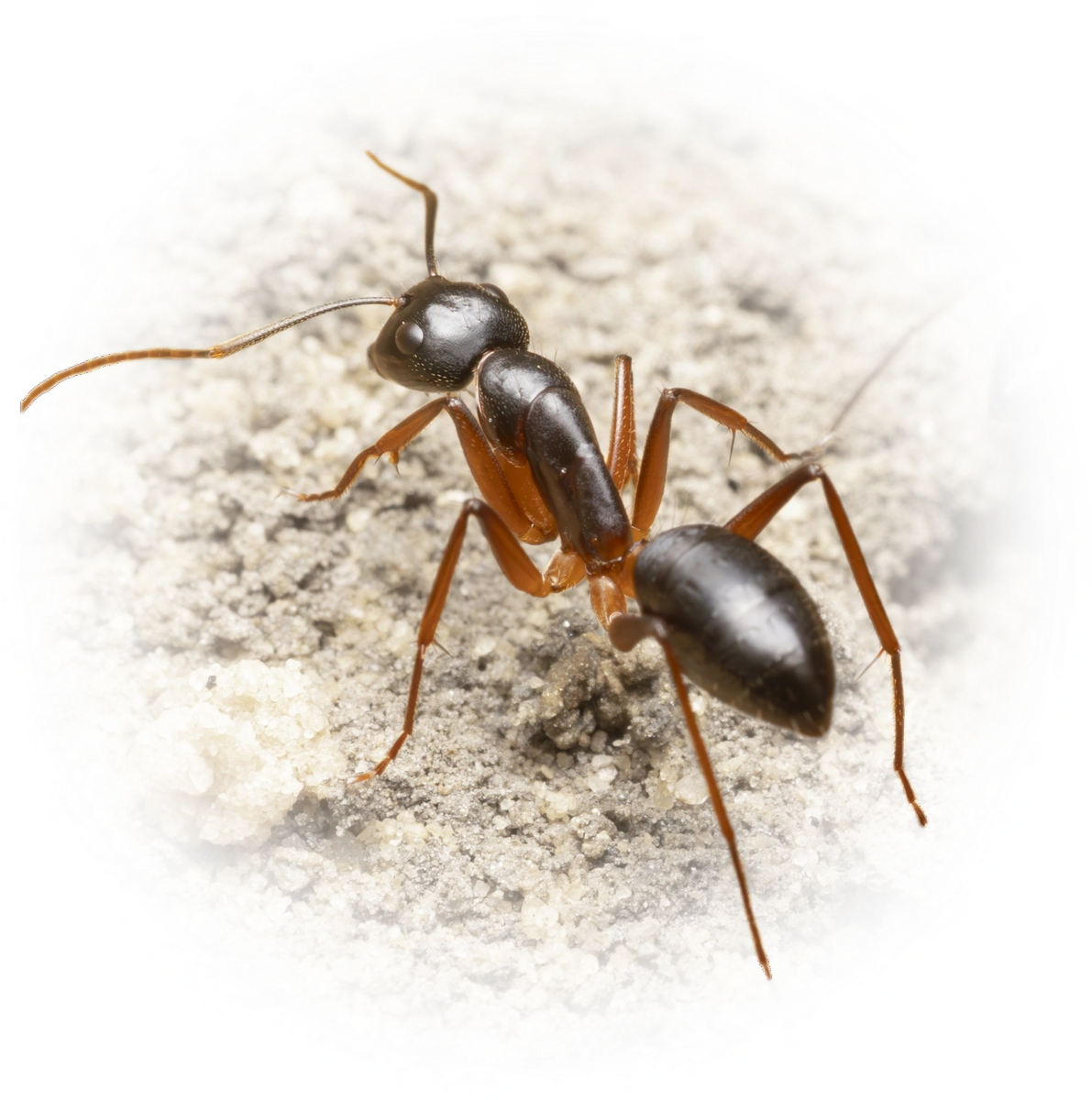
Camponotus consobrinus
- Scientific Name
- Camponotus consobrinus
- Subgenus
- Tanaemyrmex
- Tribe
- Camponotini
- Subfamily
- Formicinae
- Author
- Erichson, 1842
- Common Name
- Banded Sugar Ant
- Distribution
- Found in 1 countries
- Nuptial Flight
- from January to December, peaking in January
AI Identifiable
try →
Camponotus consobrinus Overview
Camponotus consobrinus (commonly known as the Banded Sugar Ant) is an ant species of the genus Camponotus. It is primarily documented in 1 countries , including Australia. Detailed taxonomic data and occurrence records can be further explored via authoritative databases such as AntWeb or the Global Biodiversity Information Facility (GBIF).
The nuptial flight of Camponotus consobrinus is a significant biological event, typically occurring from January to December, peaking in January. During this time, winged queens and males leave the nest to mate and establish new colonies.
Camponotus consobrinus - "Banded Sugar Ant"
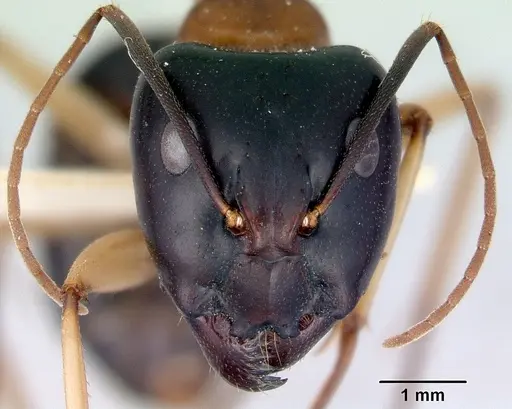
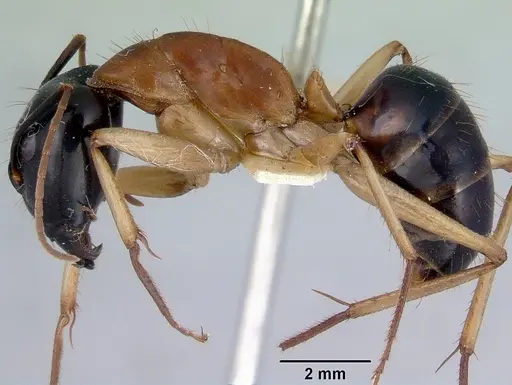
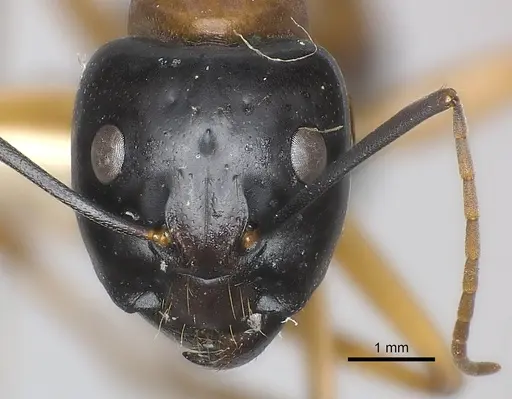
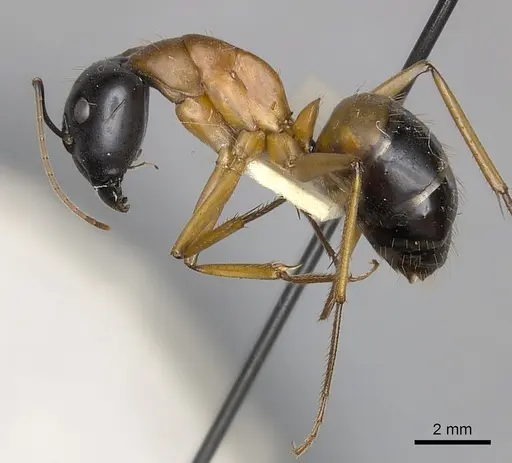
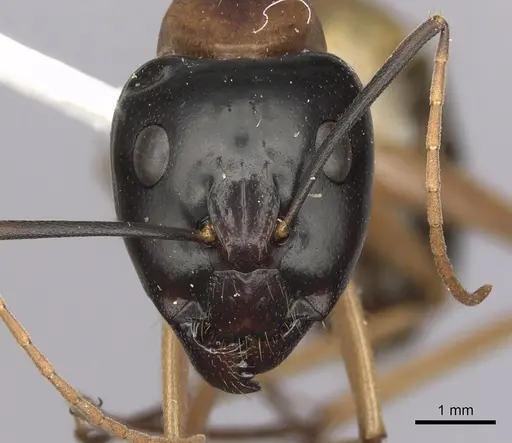
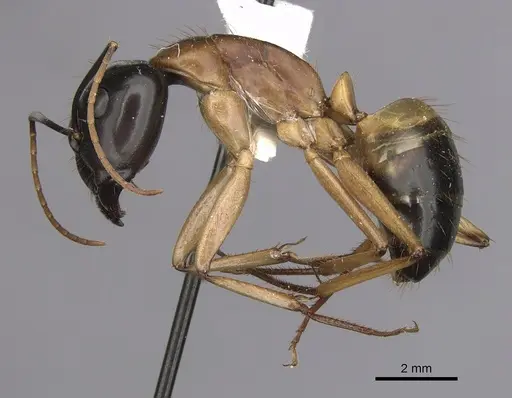
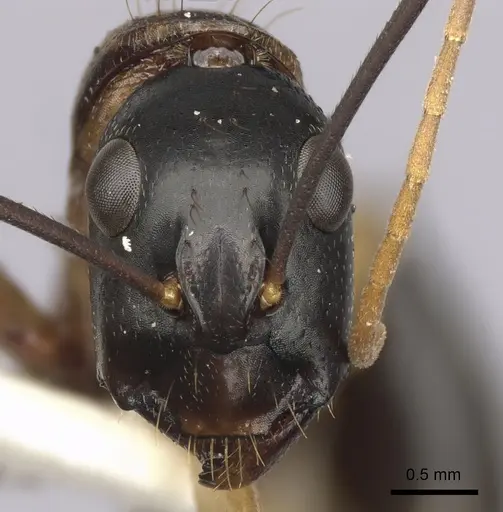
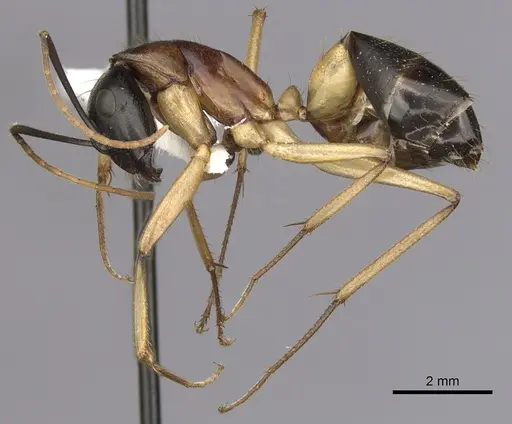
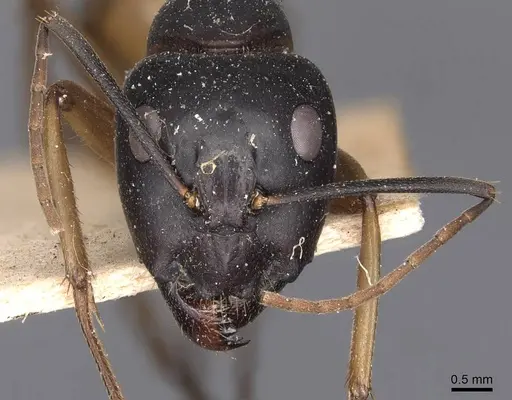
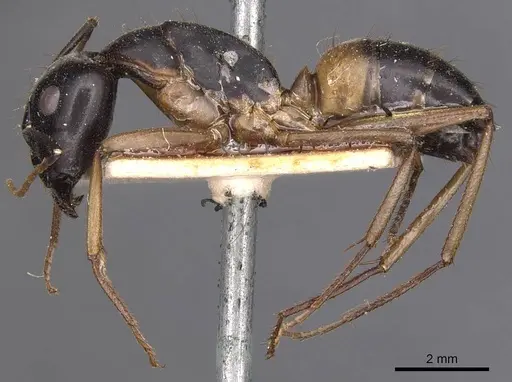
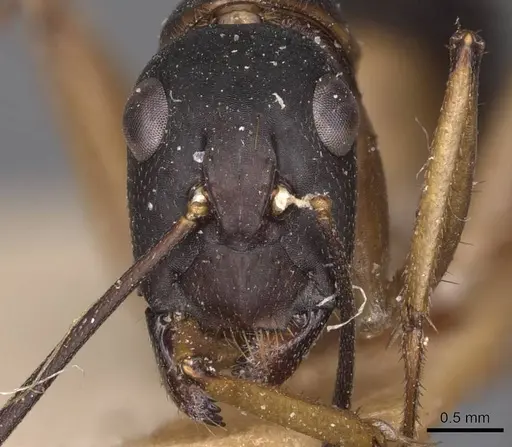
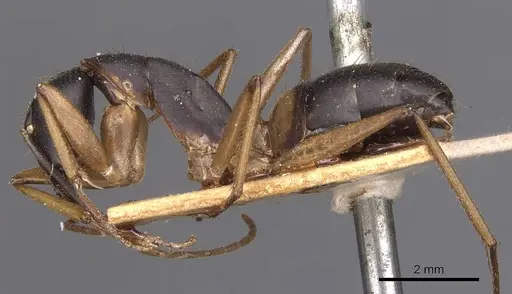
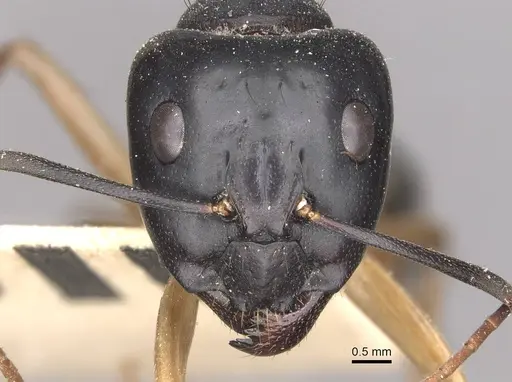
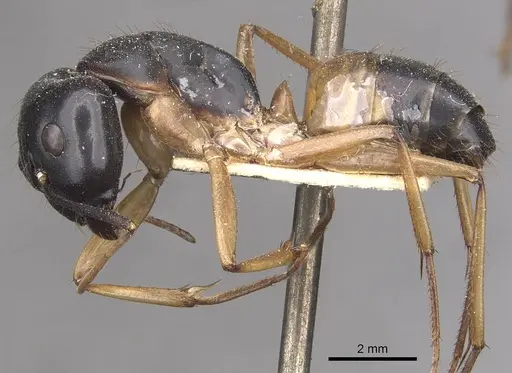
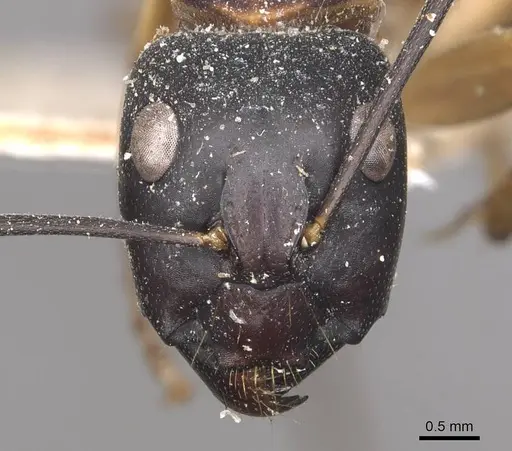
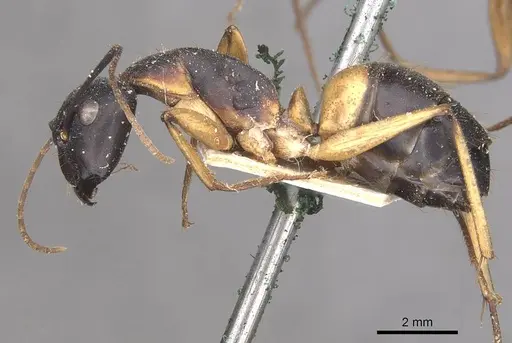
Camponotus consobrinus is a large, polymorphic carpenter ant native to southeastern and eastern Australia, including Tasmania. Workers are distinctly polymorphic with three size castes: minor workers around 1.75mm head width, medium workers at about 2.8mm, and major workers reaching 3.25mm head width [1]. The species is easily recognized by its striking coloration, the first gastric segment is bright orange, contrasting sharply with the darker remaining segments [2]. Queens are substantial at 12.5mm, while males are much smaller at 1.25mm head width [3][4].
This species is notable for its crepuscular and nocturnal foraging pattern. Workers begin foraging about 150 minutes before sunset, with peak outbound activity around sunset, returning during morning astronomical twilight [5]. Nuptial flights occur from December to March, typically a day before rainfall, with alates departing the nest in a narrow one-hour window from 45 minutes before sunset to 15 minutes after sunset [5][3]. The species uses tandem running to recruit nestmates to food sources [6].
Quick Summary
- Difficulty: Medium
- Origin & Habitat: Southeastern and eastern Australia, including Tasmania. Found in sclerophyll forest communities and ground nests [7][8].
- Colony Type: Monogyne (single-queen colonies). Genetic studies confirm monandry, queens mate with only one male [9].
- Colony: Monogyne
- Founding: Claustral
- Size & Growth:
- Queen: 12.5mm (6 lines) [4]
- Worker: Polymorphic: minor 1.75mm, medium 2.8mm, major 3.25mm head width [1]
- Colony: Unknown for this specific species, typical Camponotus colonies reach several thousand workers
- Growth: Moderate, typical for Camponotus genus
- Development: 6-10 weeks (estimated based on typical Camponotus development) (Genetic influence on caste determination has been documented in this species [10])
- Antkeeping:
- Temperature: Keep at 20-26°C. Australian species from temperate regions can tolerate room temperature. Provide a gentle temperature gradient.
- Humidity: Moderate humidity around 50-60%. Keep nest substrate slightly moist but not waterlogged. Provide a water tube.
- Diapause: Yes, Australian temperate species requires winter rest. Reduce temperature to 10-15°C for 2-3 months during winter.
- Nesting: Y-tong (AAC) nests work well for their size. Plaster or acrylic nests are also suitable. Provide a dark, quiet location. They are ground nesters in the wild.
- Behavior: Crepuscular/nocturnal foragers. Workers begin foraging 150 minutes before sunset and return during morning twilight [5]. They are not aggressive but will defend the nest vigorously. Major workers have large mandibles for defense. Uses tandem running to recruit nestmates to food [6]. Escape risk is moderate, standard barrier precautions are sufficient for their size.
- Common Issues: colonies may fail if kept too warm during winter, they need a proper diapause period, nocturnal foraging means they may be less active during typical keeper observation hours, major workers are large and powerful, ensure secure escape prevention, slow founding phase typical of claustral carpenter ants, patience is required, wild-caught colonies may have parasites that can kill captive colonies
Nuptial Flight Activity Analysis 383 observations
Flight Activity by Hour 383 observations
Camponotus consobrinus nuptial flight activity peaks around 21:00 during the night. Activity is spread across a 24-hour window (00:00–23:00). A secondary activity peak occurs around 19:00. Times may be influenced by human observation patterns.
Nest Preferences and Housing
Camponotus consobrinus is a ground-nesting species in the wild, typically establishing nests in soil or under stones in sclerophyll forest environments [7]. In captivity, Y-tong (AAC) nests work exceptionally well for this species, providing the dark, secure environment they prefer. Plaster nests and acrylic formicaria are also suitable options.
Because they are polymorphic with major workers reaching 3.25mm in head width, ensure the nest chambers are appropriately sized, too large chambers can make them feel insecure. Provide a constant water source via test tube setup. The outworld should be simple and easy to clean, given their nocturnal foraging schedule. Standard escape prevention is adequate for their size, though major workers are powerful and can pry off loose lids.
Feeding and Diet
As a member of the Camponotini tribe, these ants are omnivorous. They will readily accept sugar sources including honey water, sugar water, and ripe fruit. For protein, offer insects such as mealworms, crickets, and other appropriately sized prey. In the wild, they forage at night and are known to tend sap-feeding insects for honeydew, which is part of their nutritional symbiosis with Blochmannia bacteria [11][12].
Feed them a balanced diet: provide a constant sugar source (honey or sugar water) and offer protein (insects) 2-3 times per week. Remove uneaten prey after 24-48 hours to prevent mold. Their nocturnal foraging pattern means they are most likely to accept food during evening and night hours, keep this in mind when observing feeding behavior.
Temperature and Seasonal Care
Maintain temperatures between 20-26°C, with a slight gradient allowing workers to choose their preferred zone. As an Australian species from temperate regions, they can tolerate typical room temperatures but benefit from warmth to accelerate brood development. A heating cable on one side of the nest can create the desired gradient.
This species requires a winter diapause period. During Australian autumn/winter (roughly November-February in the Southern Hemisphere), reduce temperatures to 10-15°C for 2-3 months. This mimics their natural seasonal cycle and is essential for colony health and longevity. Queens have been documented living over 7 years [13], so proper seasonal care contributes to long-term colony success.
Behavior and Foraging Patterns
Camponotus consobrinus exhibits fascinating crepuscular and nocturnal foraging behavior. Workers begin foraging approximately 150 minutes before sunset, with peak outbound activity occurring around sunset time. They return to the nest during morning astronomical twilight, and by 180 minutes after sunrise, all foraging activity has ceased [5].
The species uses tandem running to recruit nestmates to food sources, one ant leads while another follows, transferring information about food location [6]. This is different from mass recruitment seen in some other ant species. They are not particularly aggressive toward keepers but major workers will defend the nest vigorously with their powerful mandibles. Their excellent vision (documented in detailed studies of their compound eyes and ocelli) supports their twilight-based lifestyle [3][5].
Colony Founding and Development
Like other Camponotus species, C. consobrinus is claustral, the queen seals herself in a chamber and raises the first brood alone, living entirely on her stored fat reserves. She does not leave to forage during founding. Expect the first nanitic workers (smaller than normal workers) to emerge after 6-10 weeks at optimal temperatures.
This species shows genetic influence on caste determination, meaning whether a larva develops into a minor, medium, or major worker is influenced by genetic factors, not just nutrition alone [10]. This explains their distinct trimorphic worker caste system. Colony growth is moderate, major workers appear as the colony matures and the population increases. Be patient during the founding phase, as claustral queens can take time to establish.
Nuptial Flights and Reproduction
Nuptial flights occur from December to March in Australia, typically occurring a day before rainfall when atmospheric conditions are favorable [5][3]. This is the Southern Hemisphere summer/fall period. Alates (reproductives) depart the nest in a remarkably narrow time window, just one hour from 45 minutes before sunset to 15 minutes after sunset [5].
This synchronized twilight departure ensures mating occurs when predators are less active and conditions are favorable for the alates. If you are breeding this species, timing captures of reproductives to these conditions is essential. After mating, queens dig into soil to establish new colonies, claustral founding behavior.
Frequently Asked Questions
How long does it take for Camponotus consobrinus to produce first workers?
Expect first workers (nanitics) to emerge in 6-10 weeks at optimal temperatures of 24-26°C. This is typical for Camponotus species. The queen seals herself in during claustral founding and relies on stored fat reserves until the first workers hatch.
What do Camponotus consobrinus ants eat?
They are omnivorous. Offer a constant sugar source (honey water or sugar water) and protein sources like mealworms, crickets, or other small insects 2-3 times per week. They will also accept fruit and other sweet substances.
Do Camponotus consobrinus need hibernation?
Yes, they require a winter diapause period. As an Australian temperate species, reduce temperatures to 10-15°C for 2-3 months during winter. This mimics their natural seasonal cycle and is essential for colony health.
Are Camponotus consobrinus good for beginners?
They are medium difficulty. While not as challenging as some species, they do require patience during the slow founding phase and need proper winter diapause. Their nocturnal foraging pattern also means you may see less activity during typical daytime hours.
How big do Camponotus consobrinus colonies get?
Colony size is not specifically documented, but typical Camponotus colonies reach several thousand workers. Their polymorphic worker castes (minor, medium, major) develop as the colony matures.
When do Camponotus consobrinus have nuptial flights?
Nuptial flights occur from December to March in Australia, typically a day before rainfall. Alates depart the nest from 45 minutes before sunset to 15 minutes after sunset, a narrow one-hour window [5][3].
Can I keep multiple Camponotus consobrinus queens together?
No. This species is monogyne, colonies have a single queen. Genetic studies confirm monandry (single mating) and single-queen colony structure [9]. Combining unrelated queens is not recommended.
What is the best nest type for Camponotus consobrinus?
Y-tong (AAC) nests work well for this species. They provide the dark, secure environment these ground-nesting ants prefer. Plaster or acrylic nests are also suitable. Ensure chambers are appropriately sized, too large can make them feel insecure.
Why are my Camponotus consobrinus not foraging during the day?
This is normal behavior. C. consobrinus is crepuscular/nocturnal, they begin foraging 150 minutes before sunset and return during morning twilight [5]. They are most active in low light conditions.
References

This caresheet is licensed under CC BY-SA 4.0 .
CASENT0172136
View on AntWeb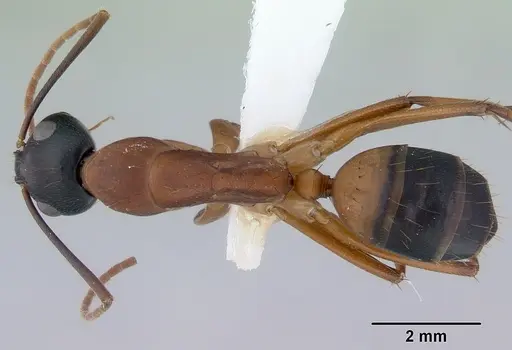
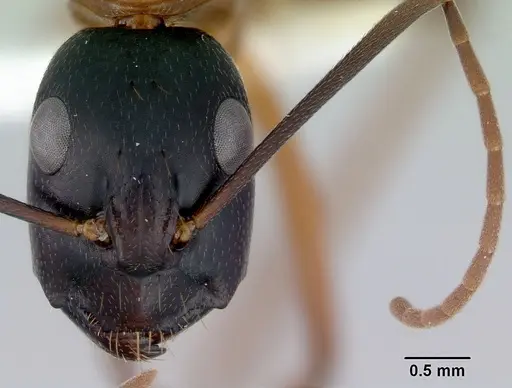
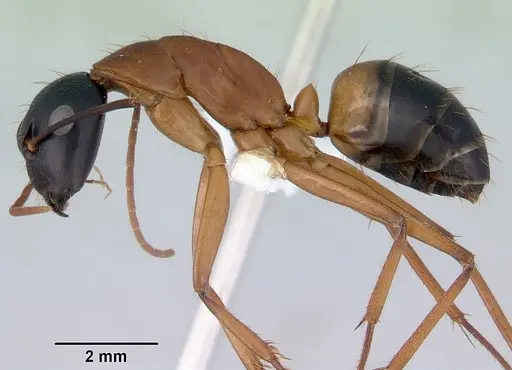
CASENT0172137
View on AntWeb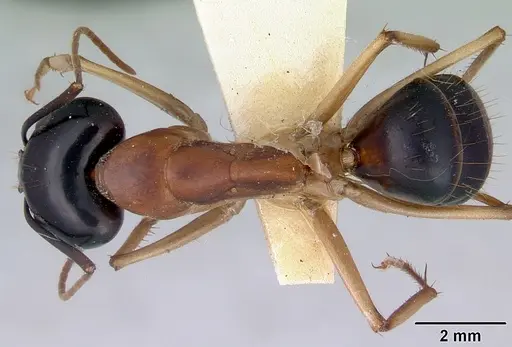
CASENT0217633
View on AntWeb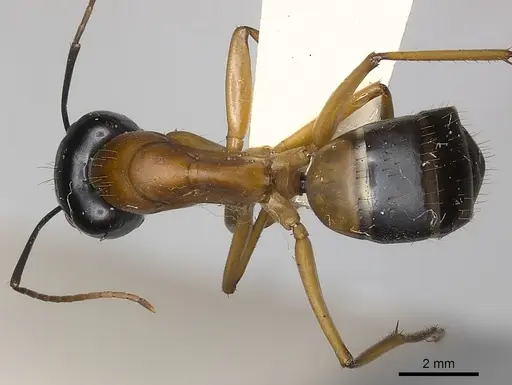
CASENT0280193
View on AntWeb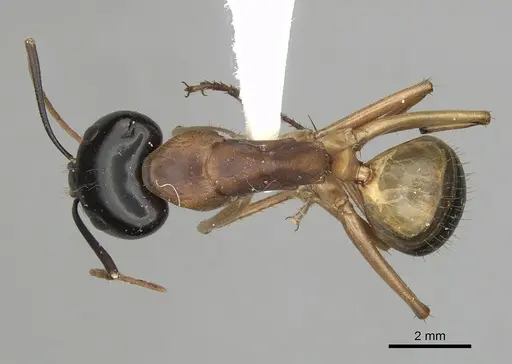
CASENT0280194
View on AntWeb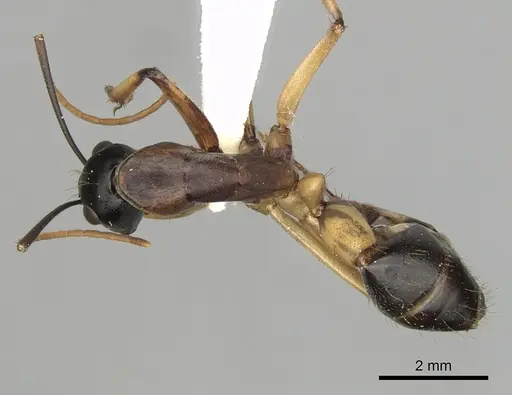
CASENT0905236
View on AntWeb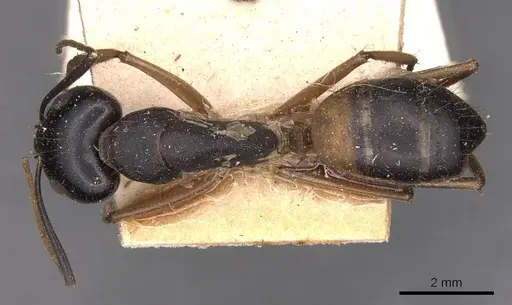
CASENT0905237
View on AntWeb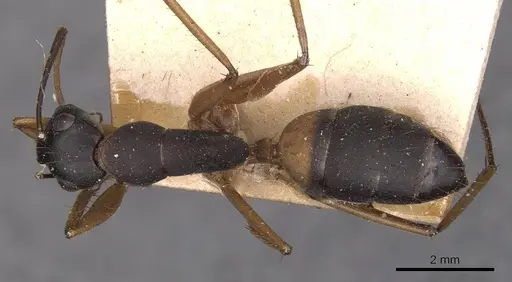
CASENT0910307
View on AntWeb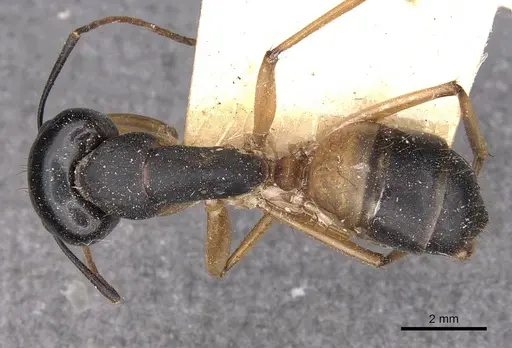
CASENT0910308
View on AntWeb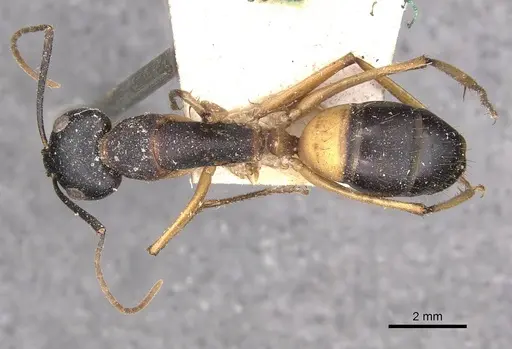
Literature
Loading...Loading products...