

Camponotus confucii
- Scientific Name
- Camponotus confucii
- Subgenus
- Myrmentoma
- Tribe
- Camponotini
- Subfamily
- Formicinae
- Author
- Forel, 1894
- Distribution
- Found in 3 countries
Camponotus confucii Overview
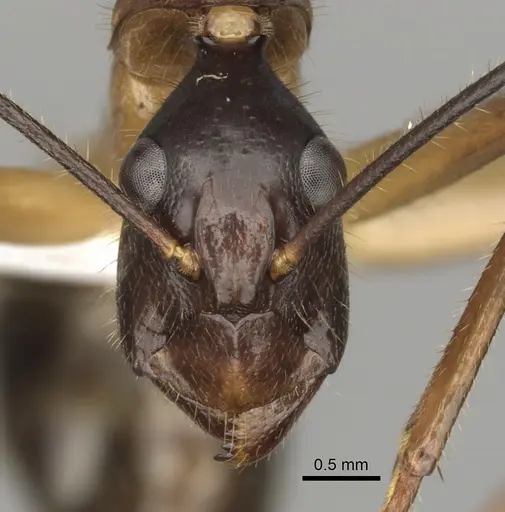
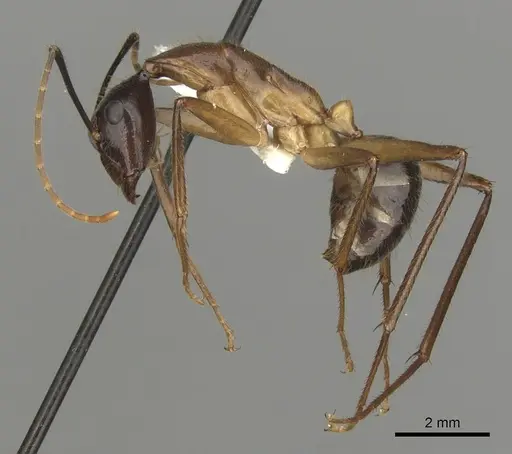
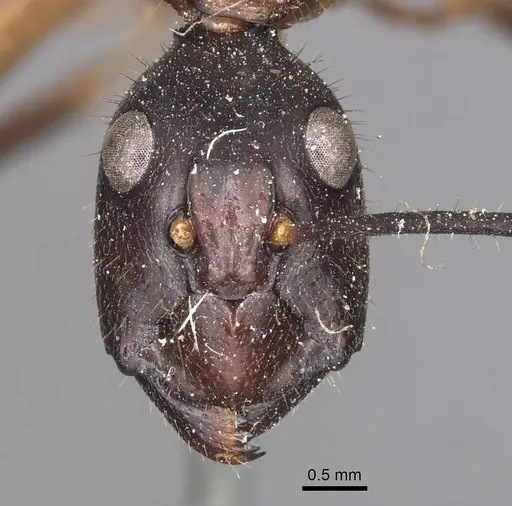
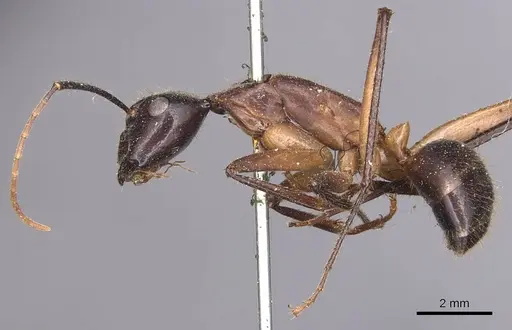
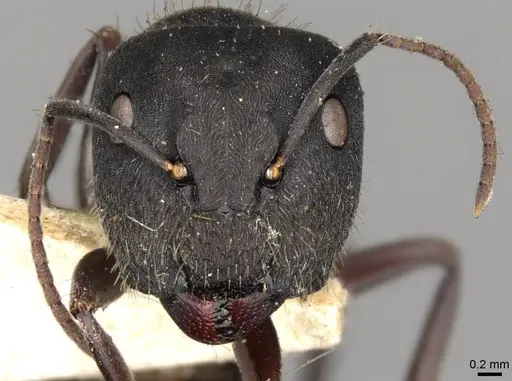
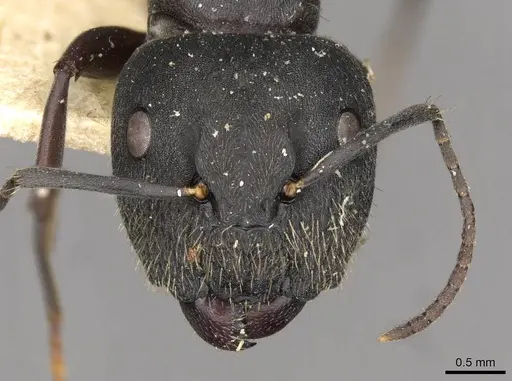
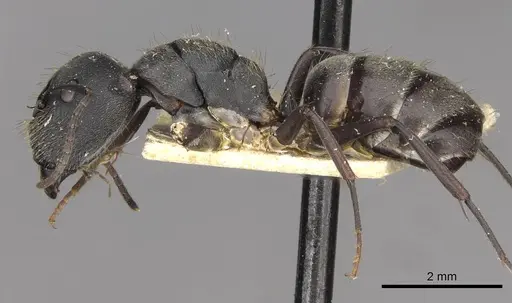
Camponotus confucii is an ant species of the genus Camponotus. It is primarily documented in 3 countries , including Australia, India, Papua New Guinea. Detailed taxonomic data and occurrence records can be further explored via authoritative databases such as AntWeb or the Global Biodiversity Information Facility (GBIF).
Camponotus confucii
Camponotus confucii is a carpenter ant species native to South and Southeast Asia, found across India, Pakistan, China, and Myanmar. Workers are polymorphic, with larger major workers and smaller minor workers typical of the genus. This species nests in soil and open ground habitats, often in grasslands and bare soil areas. They are part of the Camponotini tribe within the Formicinae subfamily. The species was first described by Forel in 1894 from Karnataka, India. In their natural habitat, these ants play important ecological roles and have been documented as a prey species for the Indian pangolin in Pakistan.
Quick Summary
- Difficulty: Medium
- Origin & Habitat: Native to the Indomalayan and Palaearctic regions, specifically found in China (Yunnan), India (Arunachal Pradesh, Karnataka, Kerala, Tamil Nadu, West Bengal), Pakistan (Rawalpindi, Potohar Plateau, Swabi), and Myanmar. They inhabit grasslands and bare soil areas, nesting directly in the ground [1][2].
- Colony Type: Single-queen colonies (monogyne) based on typical Camponotus colony structure. Colony foundation involves the queen sealing herself in a chamber and raising the first brood alone on stored fat reserves (claustral founding).
- Colony: Monogyne
- Founding: Claustral
- Size & Growth:
- Queen: Estimated 12-16mm based on typical Camponotus queen size range
- Worker: Major workers: 8-12mm, Minor workers: 5-8mm, typical polymorphic Camponotus worker sizes
- Colony: Estimated several hundred workers based on typical Camponotus colony development
- Growth: Moderate, typical for Camponotus species
- Development: Estimated 6-8 weeks at optimal temperature based on typical Camponotus development [3] (Development time is temperature-dependent, warmer temperatures within safe range accelerate development. First workers (nanitics) are typically smaller than normal workers.)
- Antkeeping:
- Temperature: Keep nest area at 22-26°C. A heating cable on one side creates a gentle gradient. They can tolerate slightly cooler conditions given their range includes higher elevation areas in the Himalayas and Yunnan mountains. Room temperature (20-24°C) is often suitable for this species.
- Humidity: Maintain moderate humidity. Keep the nest substrate moist but not waterlogged. The soil-nesting preference suggests they tolerate a range of moisture conditions. Allow the substrate to partially dry between water additions rather than keeping it constantly wet.
- Diapause: Yes, given their distribution in temperate China and high-elevation Himalayan regions, a winter rest period is recommended. Reduce temperature to 10-15°C for 2-3 months during winter. This mimics their natural seasonal cycle.
- Nesting: Soil-based nests work well. A naturalistic setup with moist soil or a Y-tong/plaster nest with narrow chambers suits them. They prefer darker, enclosed spaces for the nest chamber. Avoid overly dry conditions.
- Behavior: Typical Camponotus temperament, generally non-aggressive toward keepers but will defend the colony if threatened. Workers are moderate foragers, searching for honeydew and insect prey. They have the typical Formicinae ability to squirt formic acid when disturbed, though this is a mild defense. Escape risk is moderate, use standard barrier methods (Fluon on test tube rims, fine mesh on outworlds). Major workers are large enough to be easily contained.
- Common Issues: colonies can stall if temperatures are too cool, ensure consistent warmth during active growth periods, overwatering can lead to mold issues in soil nests, allow substrate to dry partially between waterings, wild-caught colonies may carry parasites that can devastate captive colonies, quarantine and observe new colonies, slow initial growth during founding phase is normal, beginners often give up too soon, major workers are strong and can chew through cotton if not secured properly
Nest Preferences and Housing
Camponotus confucii is a soil-nesting species that naturally forms colonies in the ground, often in grasslands and areas with bare soil. In captivity, they do well in soil-based naturalistic setups or Y-tong/plaster nests designed for ground-nesting species. The nest chamber should be dark and enclosed, mimicking their natural underground chambers. A test tube setup works well for founding colonies, place the test tube in a dark container to simulate a underground chamber. For established colonies, provide a nest with chambers scaled to their size, with enough space for the brood and queen. The outworld should allow workers to forage, with a water source and feeding area. [1][2][3]
Feeding and Diet
Like other Camponotus species, Camponotus confucii is omnivorous with a preference for protein-rich foods. In captivity, offer a varied diet including sugar sources (honey water, sugar water, or pure honey) and protein sources (dead insects like mealworms, crickets, or other small arthropods). They will collect honeydew if provided aphid colonies, but this is optional. Feed protein 2-3 times per week, removing uneaten prey after 24 hours. Keep a constant sugar water or honey supply available. Fresh water should always be accessible. Their status as prey for the Indian pangolin suggests they are an abundant ground-foraging species in the wild, actively searching for insect prey. [3]
Temperature and Seasonal Care
Maintain nest temperatures between 22-26°C for optimal brood development. They can tolerate slightly cooler conditions (down to around 18°C) given their range includes higher elevation areas. During winter, provide a diapause period of 2-3 months at reduced temperatures (10-15°C) to mimic their natural seasonal cycle, especially for colonies from the more temperate parts of their range in China. Reduce feeding during diapause and keep the nest slightly cooler but not frozen. After winter, gradually warm the colony back to active temperatures to trigger spring activity. Room temperature is often adequate, but a heating cable on one side of the nest can create a beneficial gradient. [3]
Colony Development and Growth
Camponotus colonies grow progressively rather than explosively. The founding queen seals herself in a chamber and lays her first eggs, which develop into nanitics (first workers) over 6-8 weeks at optimal temperature. These first workers are smaller than normal workers but immediately begin foraging to support the colony. After the nanitics emerge, the queen reduces her egg-laying as the colony becomes self-sustaining. Growth is moderate, expect the colony to reach 50-100 workers within the first year under good conditions. Major workers (larger polymorphic workers) appear as the colony matures. Patience is key during the founding phase, as this is when most beginner keepers accidentally lose colonies by disturbing the queen or overfeeding. [3]
Behavior and Defense
Camponotus confucii has typical carpenter ant behavior, workers are generally calm and not aggressive toward keepers. When threatened, they may use their Formicinae defense mechanism of squirting formic acid, though this is a mild irritant rather than a painful sting. Workers are active foragers, searching the outworld for food. They are not particularly shy and will establish regular foraging routes once they learn where food appears. Escape prevention is straightforward since major workers are large, standard barriers like Fluon on test tube rims work well. Minor workers are smaller but still manageable with standard ant keeping precautions. [3]
Frequently Asked Questions
How long does it take for Camponotus confucii to have first workers?
Expect first workers (nanitics) to emerge in 6-8 weeks at optimal temperature (22-26°C). This is typical for Camponotus species. The exact timing depends on temperature, warmer within the safe range speeds development, while cooler temperatures slow it down.
What do Camponotus confucii ants eat?
They are omnivorous. Offer sugar sources (honey water, sugar water, or honey) constantly and protein (dead insects like mealworms, crickets) 2-3 times per week. Remove uneaten prey after 24 hours. They will also collect honeydew if aphid colonies are available.
Do Camponotus confucii ants need hibernation?
Yes, a winter diapause is recommended given their range includes temperate China and high-elevation Himalayan regions. Reduce temperature to 10-15°C for 2-3 months during winter. Reduce feeding during this period.
What temperature is best for Camponotus confucii?
Keep the nest at 22-26°C. They can tolerate slightly cooler conditions. Room temperature (20-24°C) is often suitable. A heating cable on one side of the nest can create a gradient if needed.
Are Camponotus confucii good for beginners?
They are moderate difficulty, easier than some exotic tropical species but requiring more patience than common temperate ants. The main challenge is the slow founding phase. They are hardier than many tropical species and tolerate temperature variations better.
How big do Camponotus confucii colonies get?
Mature colonies typically reach several hundred workers. They are polymorphic, meaning you will see both major (larger) and minor (smaller) workers. Growth is moderate, expect 50-100 workers in the first year.
What type of nest should I use for Camponotus confucii?
Soil-based naturalistic setups work well given their natural soil-nesting behavior. Y-tong nests or plaster nests with narrow chambers are also suitable. Test tubes work for founding colonies. The nest should be dark and provide moisture-retaining substrate.
Can I keep multiple Camponotus confucii queens together?
No, Camponotus confucii is monogyne, single-queen colonies. Unlike some ant species that can form multi-queen colonies, these ants establish territories with one reproductive queen. Only attempt multiple queens if you are experienced with colony foundation and can separate them if needed.
Why is my Camponotus confucii colony not growing?
Common causes include: temperatures too cool (below 20°C slows development significantly), overfeeding leading to mold, disturbance during founding phase, or parasites. Ensure optimal temperatures (22-26°C), proper feeding amounts, and minimal disturbance. If the colony is still small after several months, check for pest infestations.
References

This caresheet is licensed under CC BY-SA 4.0 .
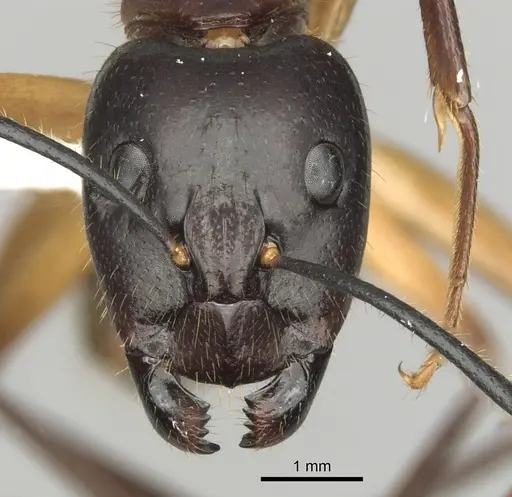
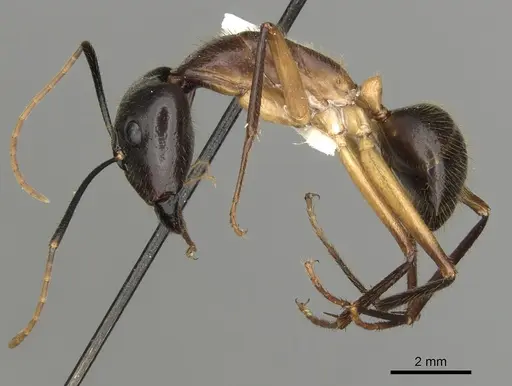
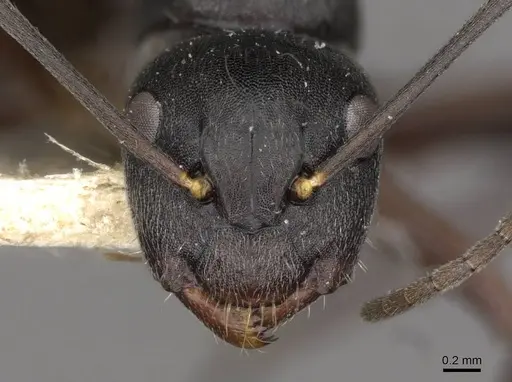
CASENT0280167
View on AntWeb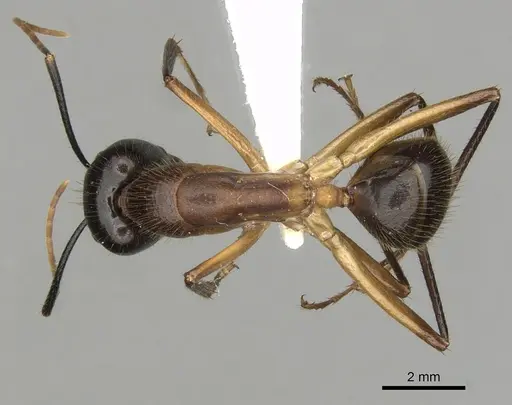
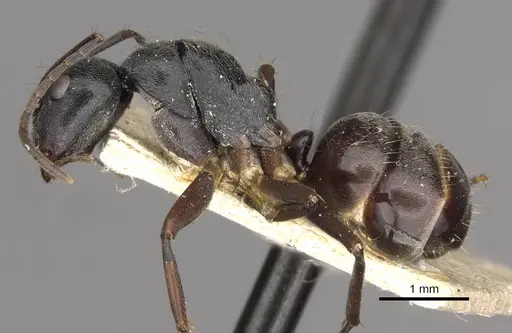
CASENT0280168
View on AntWeb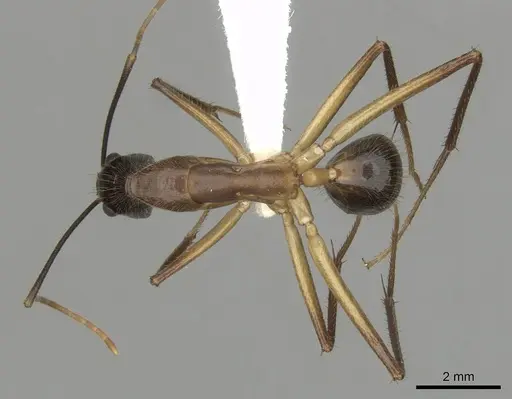
CASENT0887669
View on AntWeb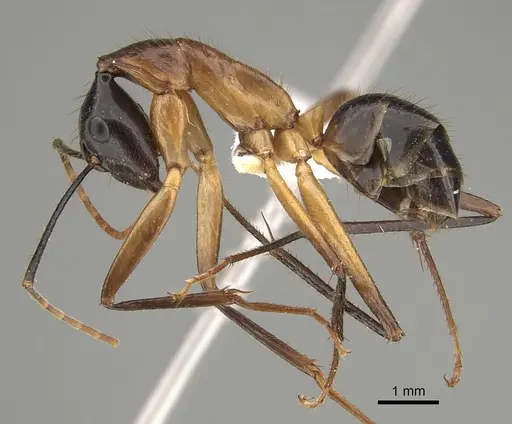
CASENT0905253
View on AntWeb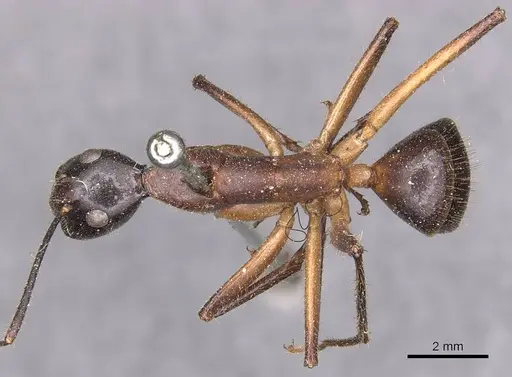
CASENT0906983
View on AntWeb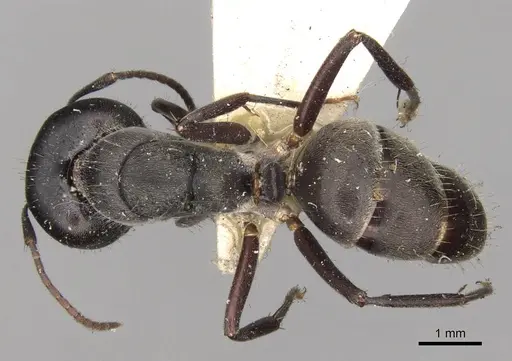
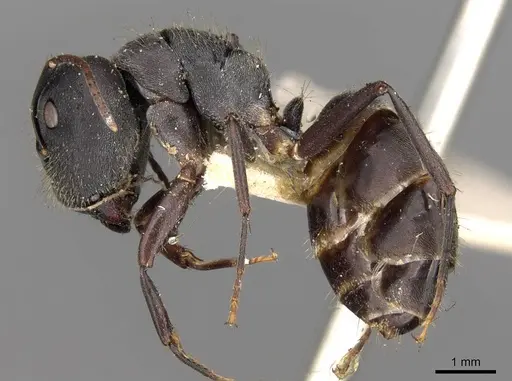
CASENT0906984
View on AntWeb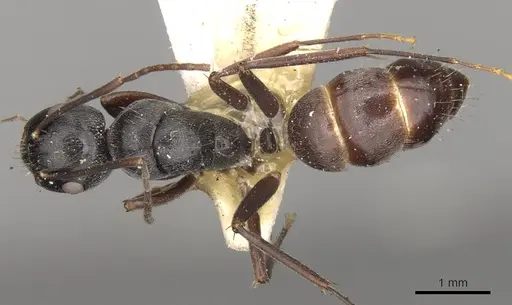
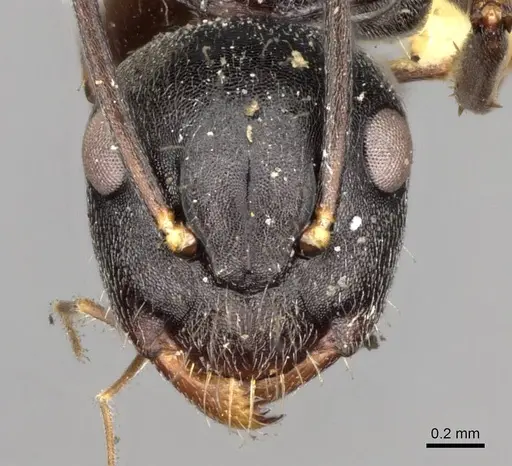
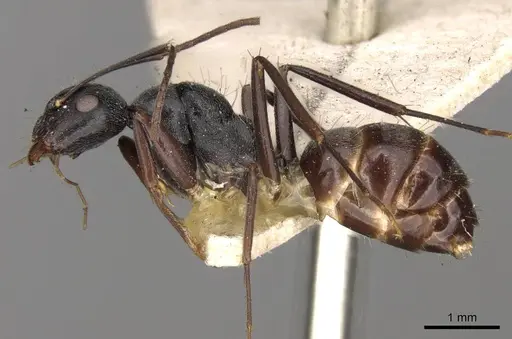
CASENT0910428
View on AntWeb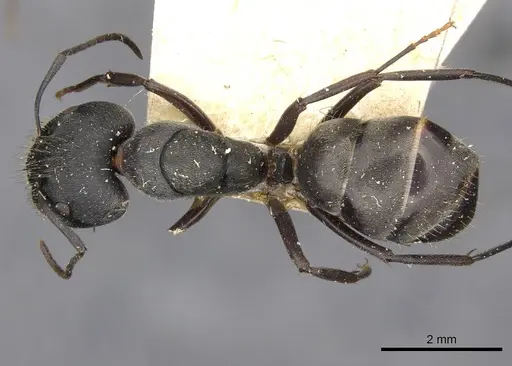
CASENT0910429
View on AntWeb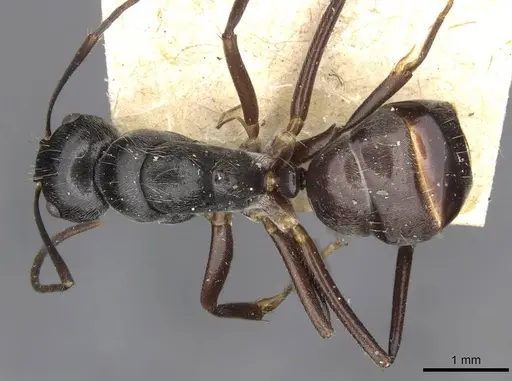
Literature
Loading...Loading products...