

Camponotus confluens
- Scientific Name
- Camponotus confluens
- Subgenus
- Myrmotrema
- Tribe
- Camponotini
- Subfamily
- Formicinae
- Author
- Forel, 1913
- Distribution
- Found in 1 countries
Camponotus confluens Overview
Camponotus confluens is an ant species of the genus Camponotus. It is primarily documented in 1 countries , including Congo, Democratic Republic of the. Detailed taxonomic data and occurrence records can be further explored via authoritative databases such as AntWeb or the Global Biodiversity Information Facility (GBIF).
Camponotus confluens
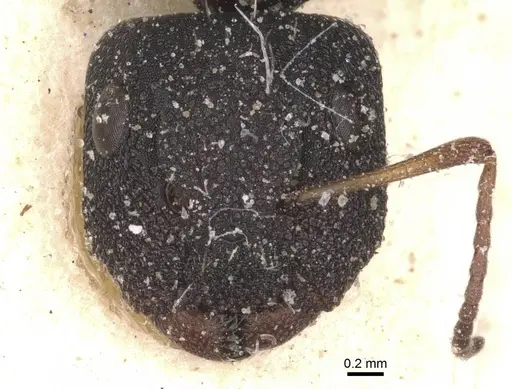
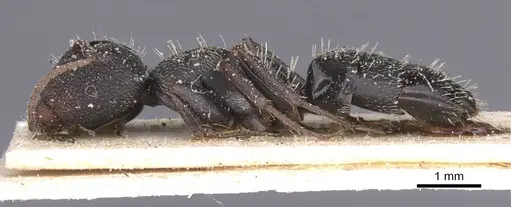
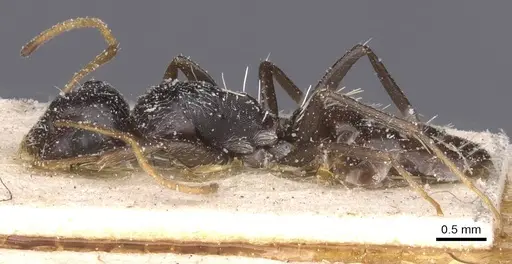
Camponotus confluens is a carpenter ant species native to the Democratic Republic of Congo in Central Africa [1]. Workers are polymorphic, meaning they come in different sizes, major workers are larger with well-developed heads, while minor workers are smaller. Like other Camponotus species, they have a smooth, rounded mesosoma (the middle body section) and typically dark coloration. Queens are chunky and can be 12-15mm, typical of larger carpenter ants. This is a tropical African species adapted to warm, humid conditions.
Quick Summary
- Difficulty: Medium
- Origin & Habitat: Democratic Republic of Congo (Haut-Lomami province) in Central Africa [1]. In the wild, they likely nest in rotting wood or under stones in forest habitats, typical of Camponotus carpenter ants.
- Colony Type: Likely monogyne (single queen colonies) based on typical Camponotus patterns. Colonies can grow large, potentially several thousand workers over time.
- Colony: Monogyne
- Founding: Claustral
- Size & Growth:
- Queen: 12-15mm (estimated based on genus patterns for large African Camponotus)
- Worker: 4-12mm polymorphic (minor workers 4-6mm, major workers 8-12mm)
- Colony: Potentially several thousand workers (estimated based on genus patterns)
- Growth: Moderate, typical for larger Camponotus species
- Development: Approximately 6-8 weeks at optimal temperature (inferred from typical Camponotus development) (Development time is temperature-dependent, warmer temperatures within safe range accelerate development. First workers (nanitics) are typically smaller than normal workers.)
- Antkeeping:
- Temperature: Keep nest area at 24-28°C. A heating cable on one side creates a gentle gradient. Avoid temperatures above 32°C. This is a tropical species that prefers consistent warmth.
- Humidity: Maintain moderate to high humidity, aim for 60-80%. Keep the nest substrate consistently moist but not waterlogged. Provide a water tube for drinking water.
- Diapause: No, this is a tropical species from Central Africa and does not require hibernation. They remain active year-round with consistent temperatures.
- Nesting: Y-tong (acrylic) nests or plaster nests work well. Provide narrow chambers scaled to their size. They can accept test tube setups but will need migration to a proper formicarium as the colony grows. Avoid dry, airy nests.
- Behavior: Workers are primarily nocturnal or crepuscular, foraging at night for honeydew and insect prey. They are not particularly aggressive but will defend the nest if threatened. Major workers can deliver a mild sting, though Camponotus stings are typically not severe. Escape prevention should be good, they are moderate-sized ants but can squeeze through small gaps. Watch for escape attempts, especially minor workers.
- Common Issues: colonies often stall in growth if temperatures drop below 22°C, keep them consistently warm, test tube setups work for founding but need transition to proper nests once colony reaches 20+ workers, tropical species are sensitive to low humidity, dry nests cause colony decline, overfeeding can lead to mold problems in enclosed nests, wild-caught colonies may carry parasites that cause issues in captivity
Nest Preferences
Camponotus confluens originates from the DRC where they likely nest in rotting wood, under stones, or in soil cavities in forest environments. In captivity, Y-tong (acrylic) nests work excellently, they provide the dark, humid environment these ants prefer. Plaster nests are another good option as they hold moisture well. Test tube setups are fine for founding colonies but will need to be upgraded once the colony reaches 20-30 workers. Avoid overly dry environments or nests with excessive ventilation that cause rapid drying. The nest should have chambers narrow enough that workers can touch the ceiling with their bodies, this helps them feel secure. [1]
Feeding and Diet
Like other carpenter ants, Camponotus confluens is omnivorous. They readily accept sugar sources, offer sugar water, honey, or diluted maple syrup regularly. For protein, provide insects like mealworms, small crickets, or fruit flies. They are not specialized predators, so standard ant feeder insects work well. Feed minor workers more frequently as they do more foraging, while major workers may stay closer to the nest. Remove uneaten prey after 24-48 hours to prevent mold. A constant sugar source should be available, with protein offered 2-3 times per week depending on colony size.
Temperature and Care
This tropical species needs warmth to thrive. Keep the nest area at 24-28°C consistently. A heating cable placed on top of the nest (never underneath where it can dry out the substrate) creates a gentle temperature gradient. Monitor with a thermometer, temperatures above 32°C can be harmful, while below 22°C can cause growth stalls. Since they come from equatorial Africa, no hibernation or diapause is needed. Maintain year-round activity with stable temperatures. Room temperature in most homes (20-24°C) may be slightly cool, consider supplemental heating for optimal growth. [1]
Behavior and Temperament
Camponotus confluens has typical carpenter ant behavior, workers are generally calm and not overly aggressive. They are nocturnal foragers, so you'll see more activity in the evening and at night. Major workers serve as soldiers and foragers, while minor workers tend to brood and work inside the nest. They communicate using chemical trails, you'll see them follow paths to food sources. While they can bite, their bite is mild compared to some other ants. Escape prevention should be moderate, they are not tiny ants but can fit through surprisingly small gaps when motivated. Apply fluon or use barrier tape on edges.
Colony Growth Timeline
After the queen lays her first eggs (usually within a week of founding), expect 6-8 weeks for eggs to develop into first workers (nanitics) at optimal temperature. These first workers are typically smaller than normal workers. Once nanitics emerge, the queen stops foraging and the workers take over all colony tasks. Growth is moderate, a healthy colony might reach 50-100 workers in the first year. Larger Camponotus species tend to grow more slowly than smaller ants but can eventually produce impressive colonies. Patience is key with this species.
Frequently Asked Questions
How long does it take for Camponotus confluens to produce first workers?
Expect 6-8 weeks from egg to first worker at optimal temperature (24-28°C). This is typical for larger Camponotus species. First workers (nanitics) will be smaller than normal workers.
Do Camponotus confluens ants need hibernation?
No, this is a tropical African species from the DRC and does not require hibernation. Keep them warm year-round at 24-28°C.
What do Camponotus confluens eat?
They are omnivorous. Offer a constant sugar source (sugar water, honey, or maple syrup) and protein sources like mealworms, small crickets, or fruit flies 2-3 times per week.
Are Camponotus confluens good for beginners?
They are rated Medium difficulty. They are more forgiving than some species but need warmth and proper humidity. The main challenge is maintaining consistent tropical conditions.
When should I move Camponotus confluens to a formicarium?
Move them once the colony reaches 20-30 workers in a test tube setup. A Y-tong or plaster nest works well. Make sure the new nest is pre-humidified before introducing the colony.
How big do Camponotus confluens colonies get?
Based on typical Camponotus patterns, colonies can potentially reach several thousand workers over several years with proper care.
What temperature is best for Campon confluens?
Keep nest temperatures at 24-28°C. Use a heating cable on top of the nest to maintain warmth, and avoid temperatures above 32°C or below 22°C.
Can I keep multiple Camponotus confluens queens together?
This species is likely monogyne (single queen). Combining unrelated queens is not recommended as they will likely fight.
Why is my Camponotus confluens colony not growing?
Check temperature first, they need 24-28°C for optimal growth. Also verify humidity is adequate (60-80%) and the queen is still laying eggs. Low temperatures are the most common cause of stalled growth.
References

This caresheet is licensed under CC BY-SA 4.0 .
CASENT0910551
View on AntWeb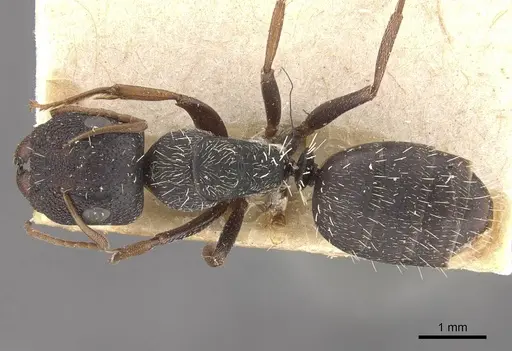
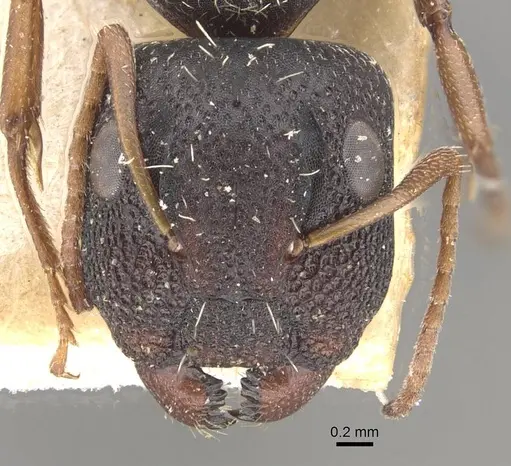
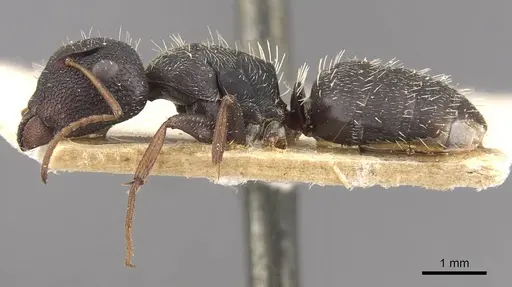
CASENT0910552
View on AntWeb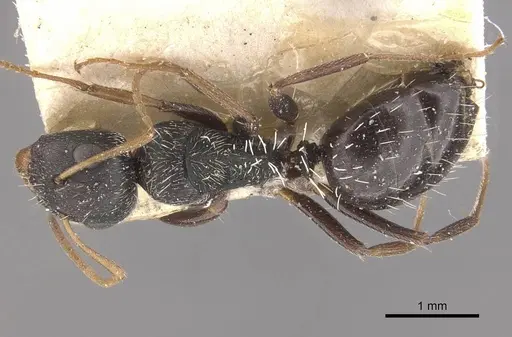
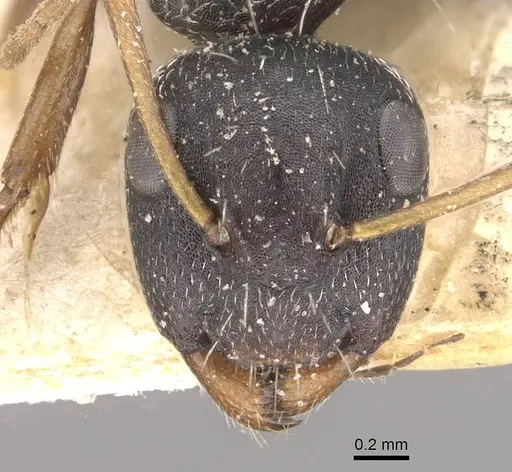
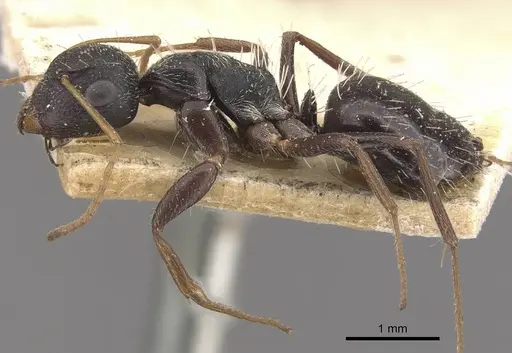
CASENT0910553
View on AntWeb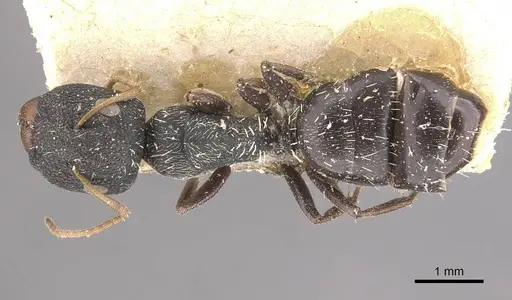
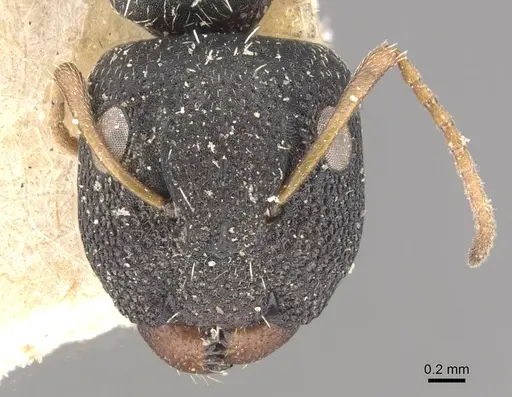
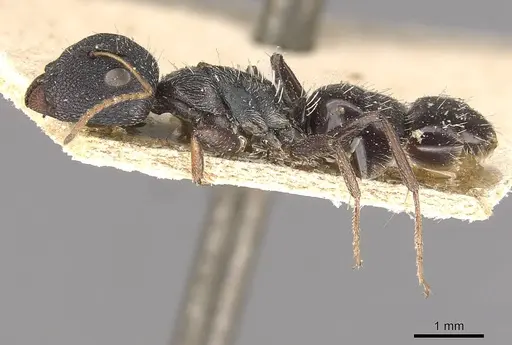
CASENT0910554
View on AntWeb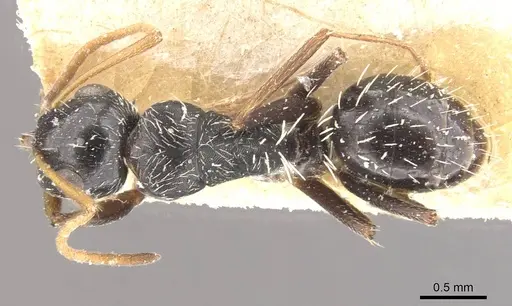
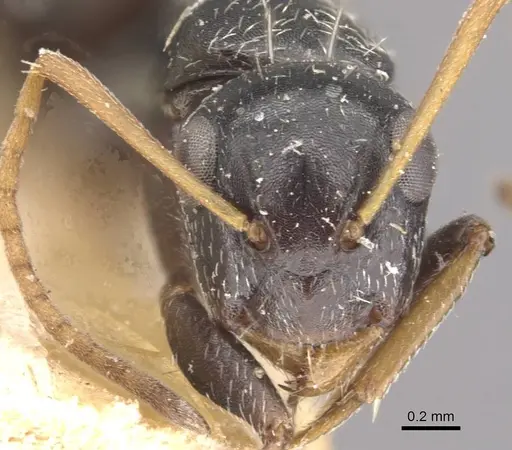
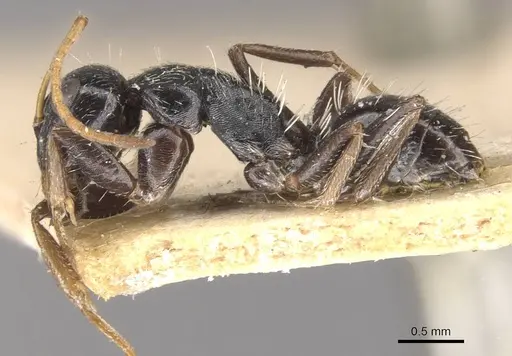
CASENT0911830
View on AntWeb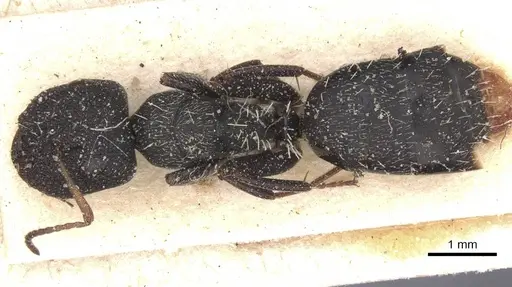
CASENT0911831
View on AntWeb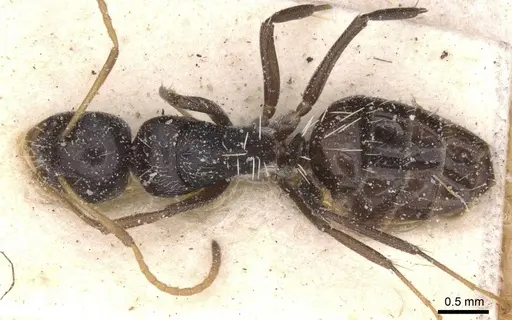
Literature
Loading...Loading products...